Discovery Information Statement Form 433-a
Description
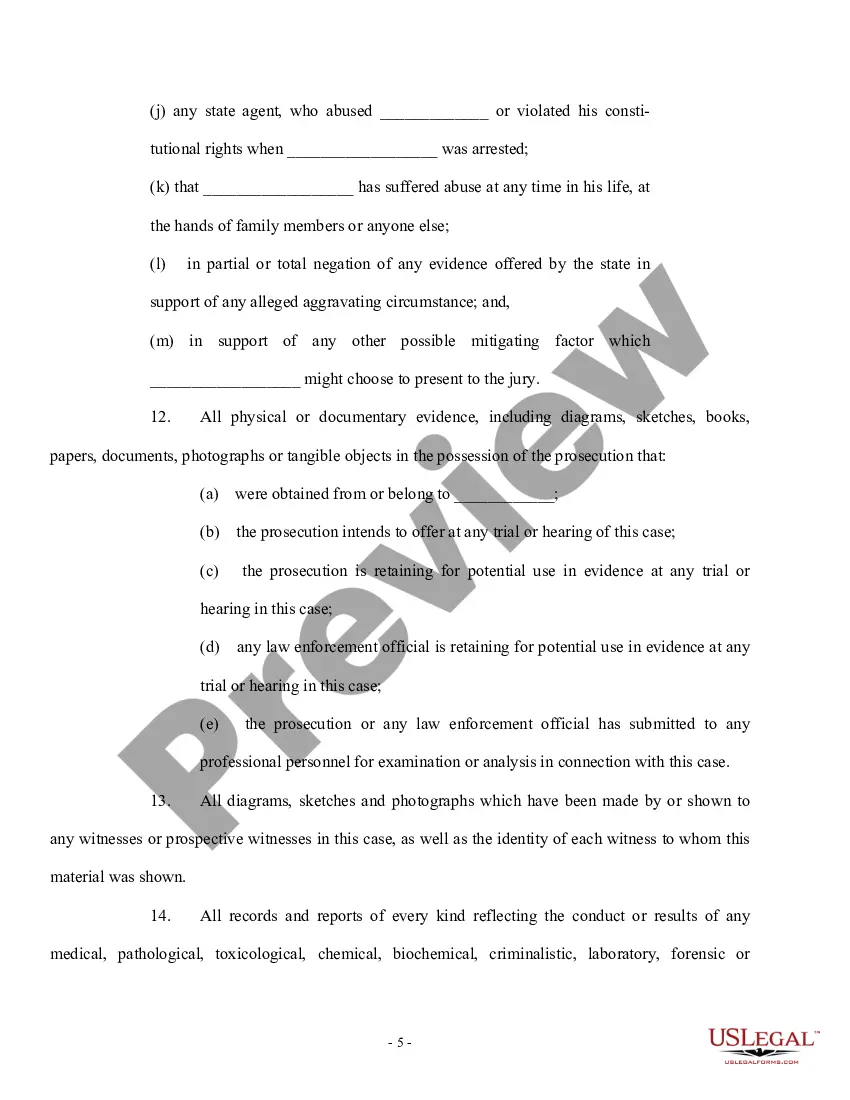
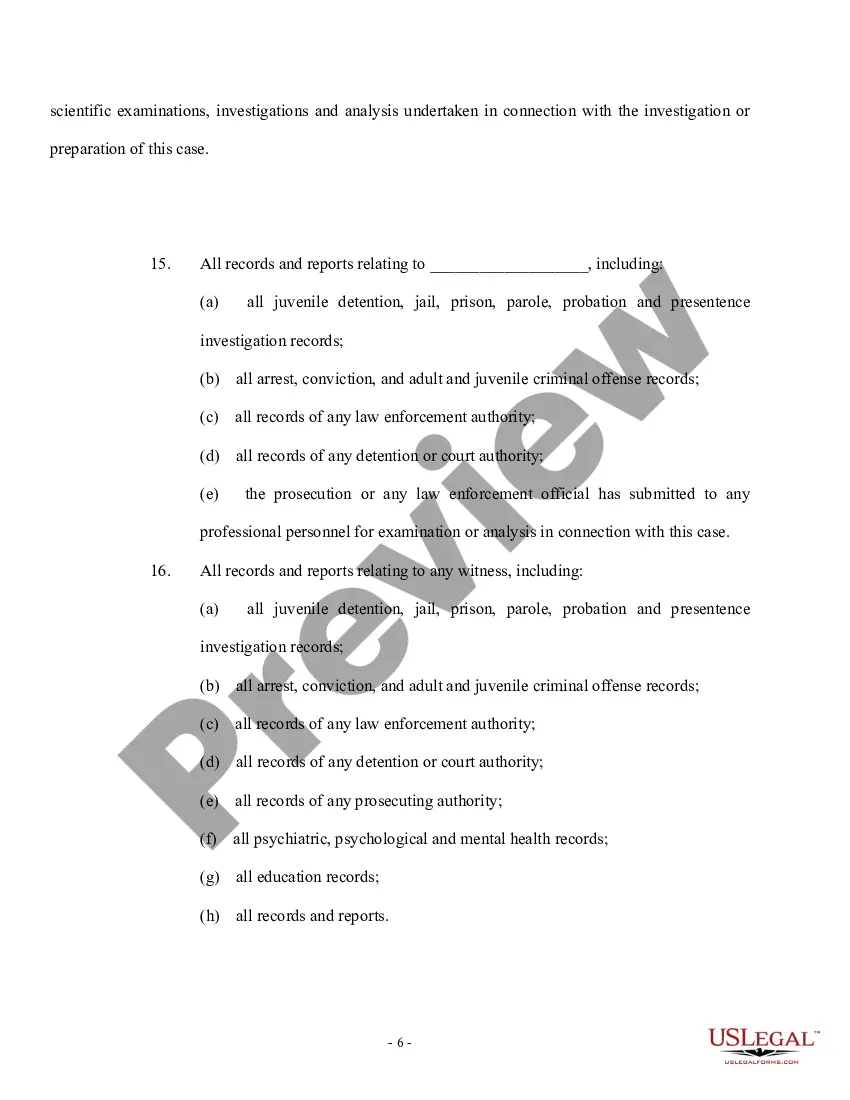
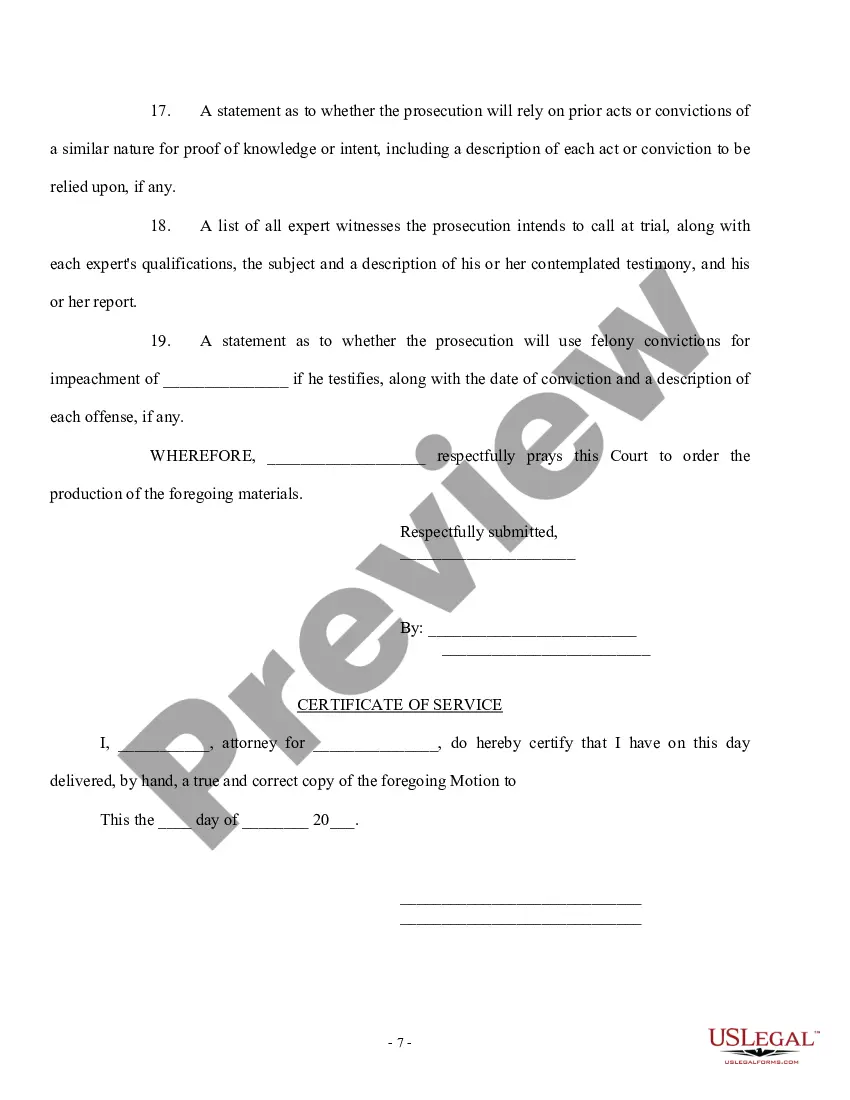
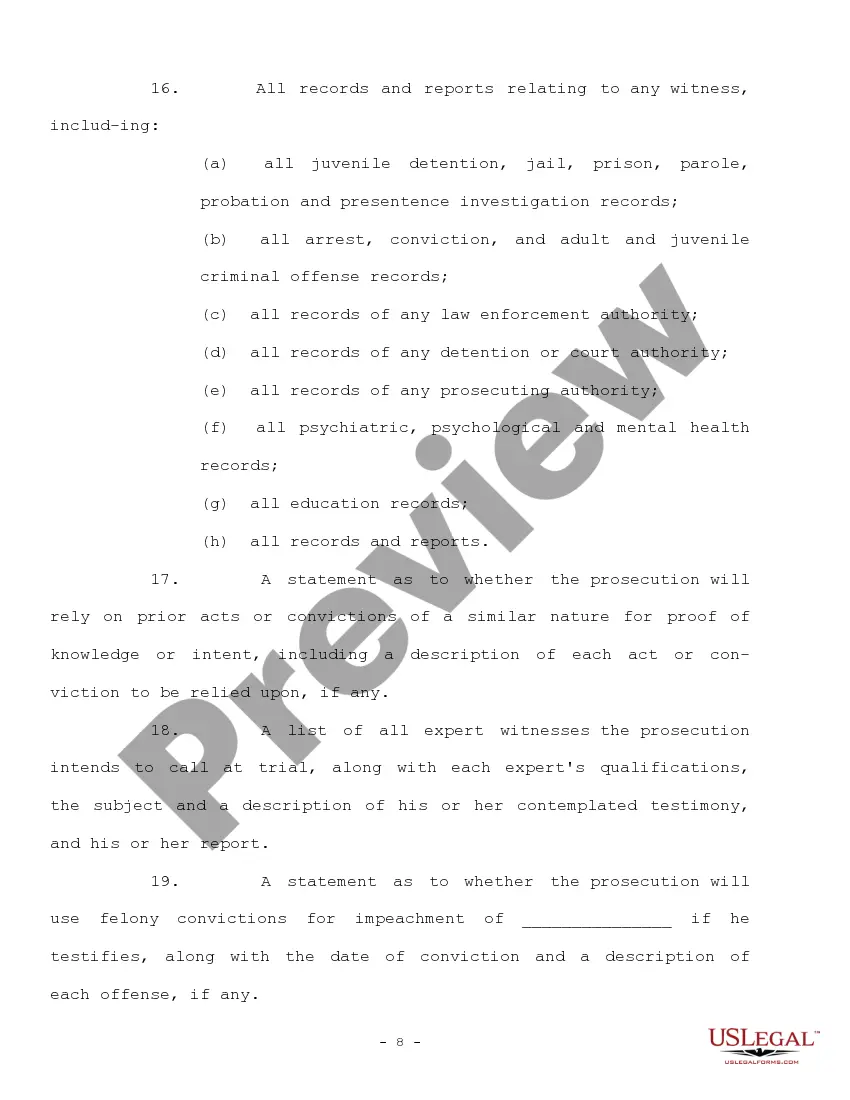
Get your form ready online
Our built-in tools help you complete, sign, share, and store your documents in one place.
Make edits, fill in missing information, and update formatting in US Legal Forms—just like you would in MS Word.
Download a copy, print it, send it by email, or mail it via USPS—whatever works best for your next step.
Sign and collect signatures with our SignNow integration. Send to multiple recipients, set reminders, and more. Go Premium to unlock E-Sign.
If this form requires notarization, complete it online through a secure video call—no need to meet a notary in person or wait for an appointment.
We protect your documents and personal data by following strict security and privacy standards.

Make edits, fill in missing information, and update formatting in US Legal Forms—just like you would in MS Word.

Download a copy, print it, send it by email, or mail it via USPS—whatever works best for your next step.

Sign and collect signatures with our SignNow integration. Send to multiple recipients, set reminders, and more. Go Premium to unlock E-Sign.

If this form requires notarization, complete it online through a secure video call—no need to meet a notary in person or wait for an appointment.

We protect your documents and personal data by following strict security and privacy standards.
Looking for another form?

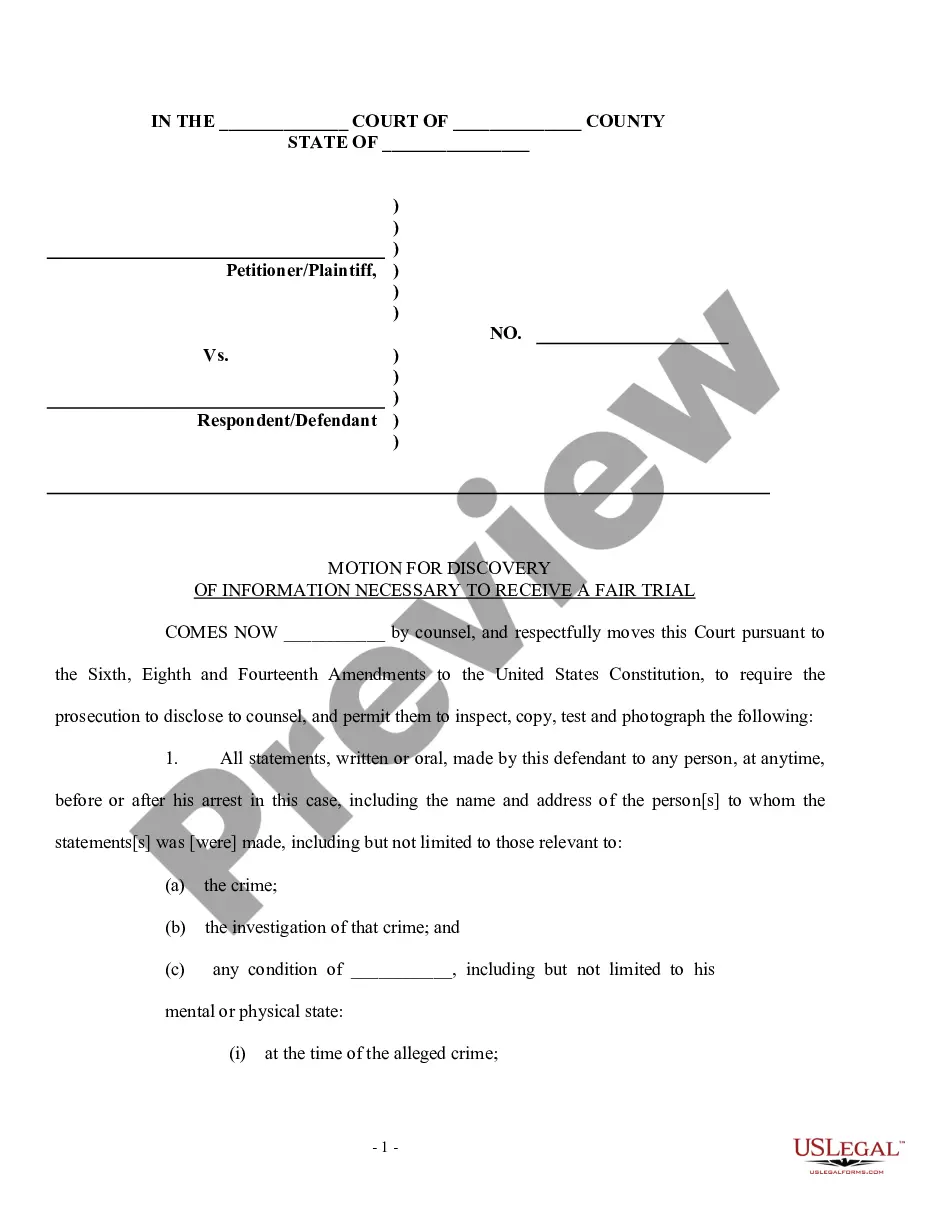
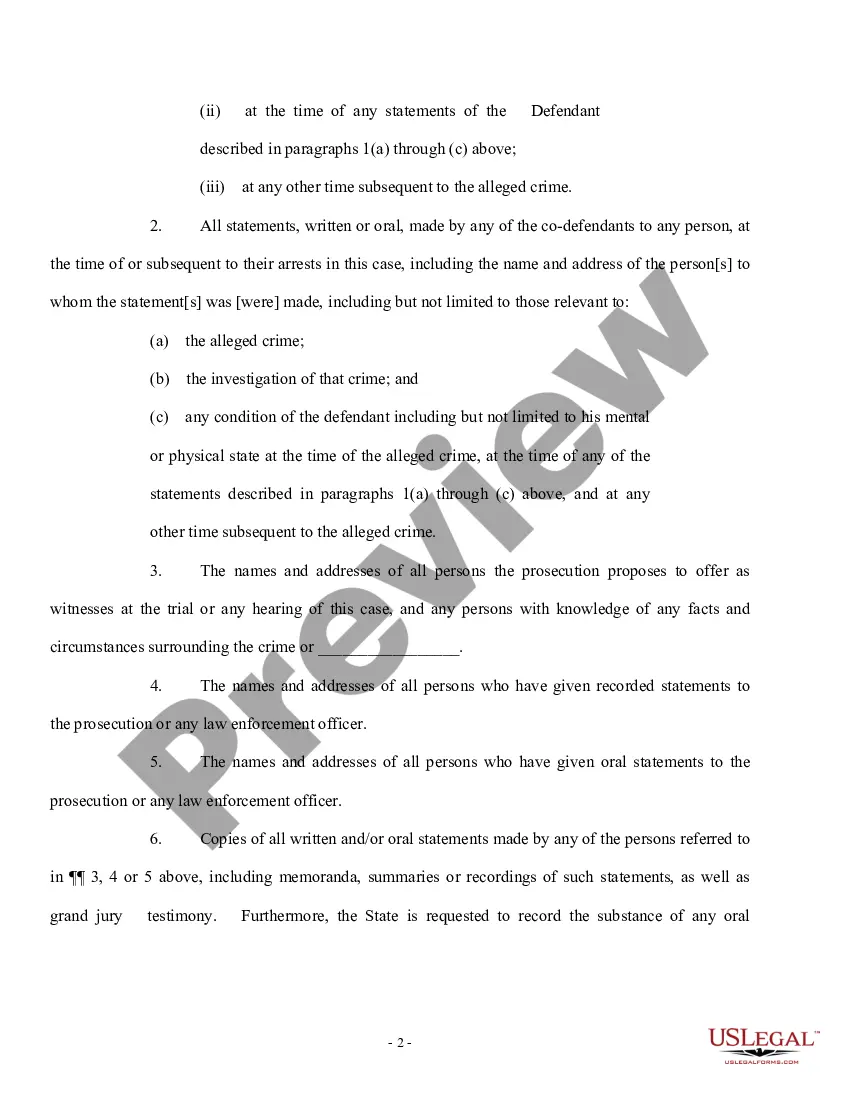
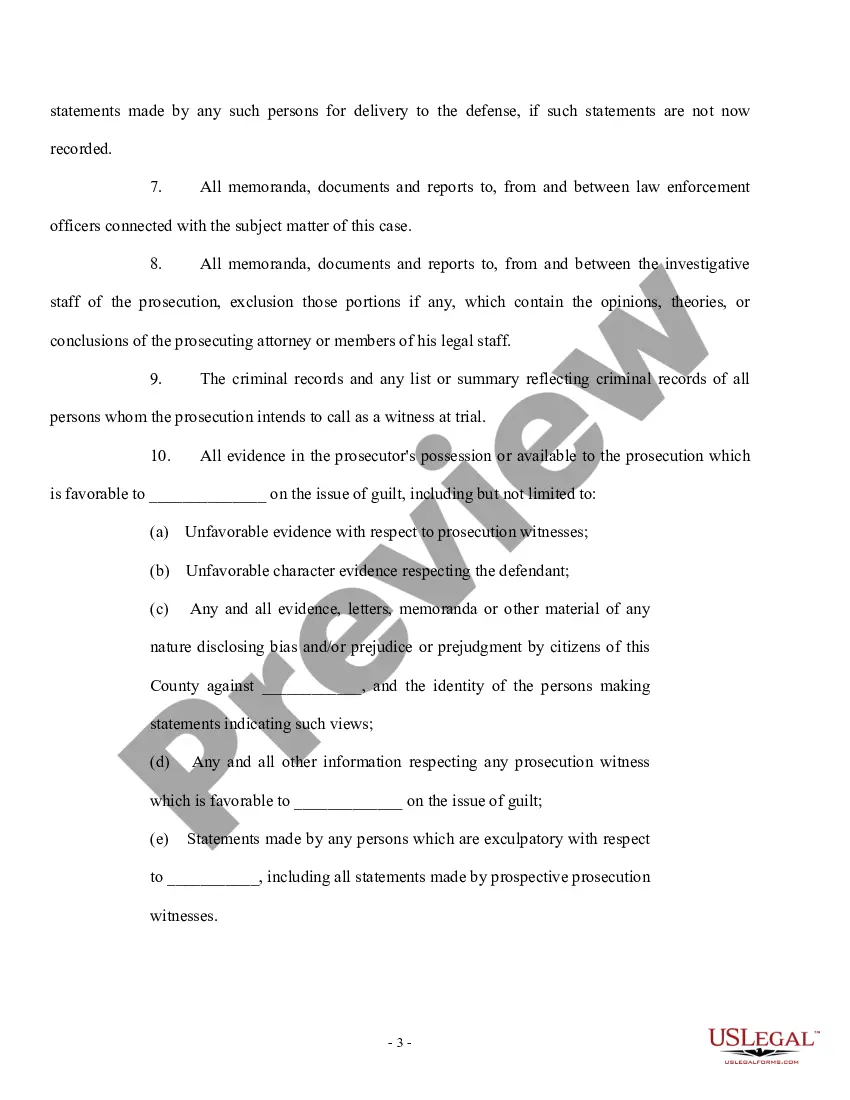
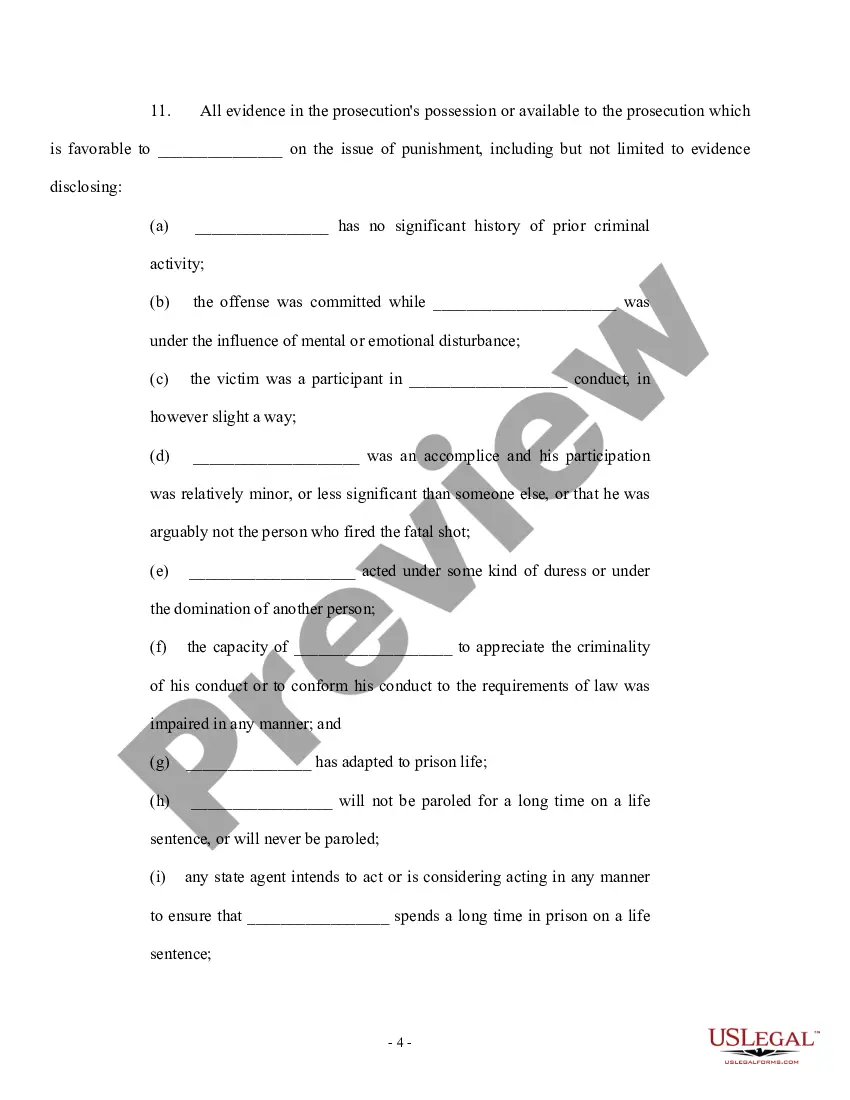
How to fill out Motion For Discovery Of Information Necessary To Receive A Fair Trial?
Creating legal documents from the beginning can frequently be daunting.
Certain situations may require extensive research and significant financial investment.
If you’re looking for a simpler and more cost-effective method of preparing the Discovery Information Statement Form 433-a or any other paperwork without unnecessary complications, US Legal Forms is always available to you.
Our online repository of over 85,000 current legal documents covers nearly every facet of your financial, legal, and personal affairs.
However, before proceeding to download the Discovery Information Statement Form 433-a, consider these suggestions: Review the document preview and descriptions to confirm you have the correct document. Ensure the form you select meets your state and county's requirements. Choose the most suitable subscription option for purchasing the Discovery Information Statement Form 433-a. Download the form, then complete, sign, and print it. US Legal Forms boasts an impeccable reputation and over 25 years of experience. Join us today and simplify the process of completing forms!
- With just a few clicks, you can quickly access state- and county-specific forms carefully prepared for you by our legal professionals.
- Utilize our platform whenever you require trustworthy and dependable services to easily locate and download the Discovery Information Statement Form 433-a.
- If you’re familiar with our services and have previously established an account, simply Log In, find the template, and download it or re-download it later from the My documents section.
- Not signed up yet? No problem.
- Registering takes little time, allowing you to explore the library.
Form popularity
FAQ
They include food, clothing, housekeeping supplies, personal care products, rent, mortgage payment, property taxes, renter's insurance, homeowner's insurance, HOA dues, electric and gas utilities, telephone expenses, water, fuel oil, and trash collection.
You simply need to include your name, Social Security Number (SSN), date of birth, address, phone number, and marital status. If you have a spouse, include their name, SSN, and date of birth as well. Include your and your spouse's driver's license number and state.
The IRS uses Collection Information Statements (Forms 433-F and 433-A) to gather financial information from taxpayers, including people who are self-employed. These forms ask for your monthly income and expenses and the value of any assets you have, such as bank accounts, real estate, stocks, etc.
IRS Form 433-A, which is formally named the ?Collection Information Statement for Wage Earners and Self-Employed Individuals,? is a document the IRS requires in some situations where an individual owes Federal income tax that he or she cannot pay in full.