Gross Estate For Iht
Description
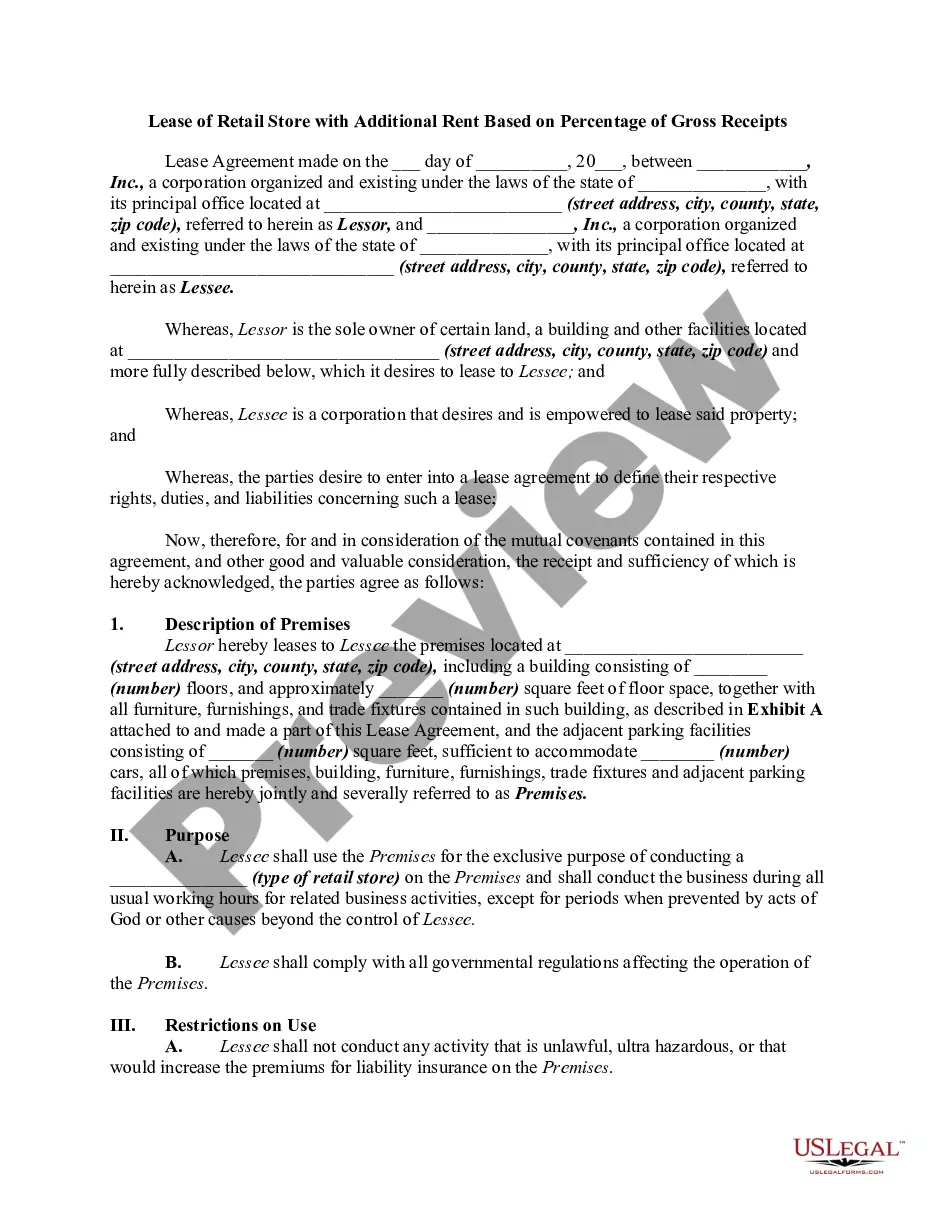
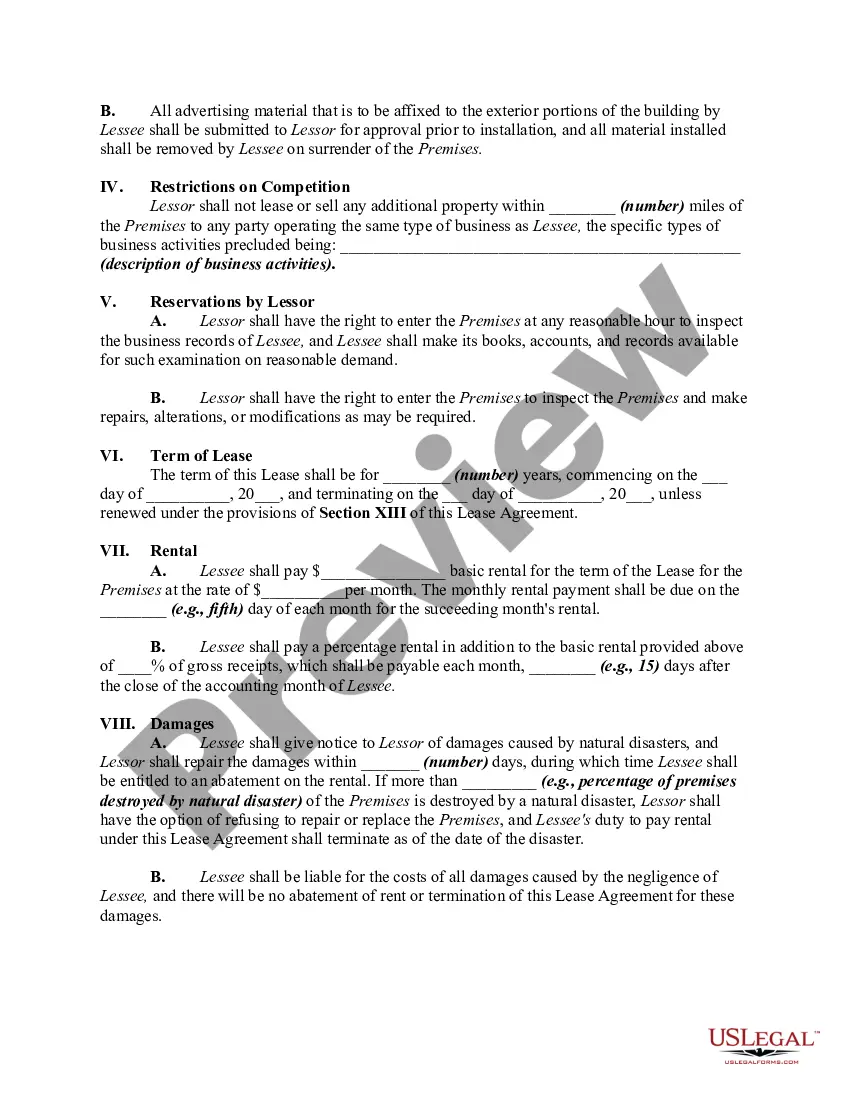
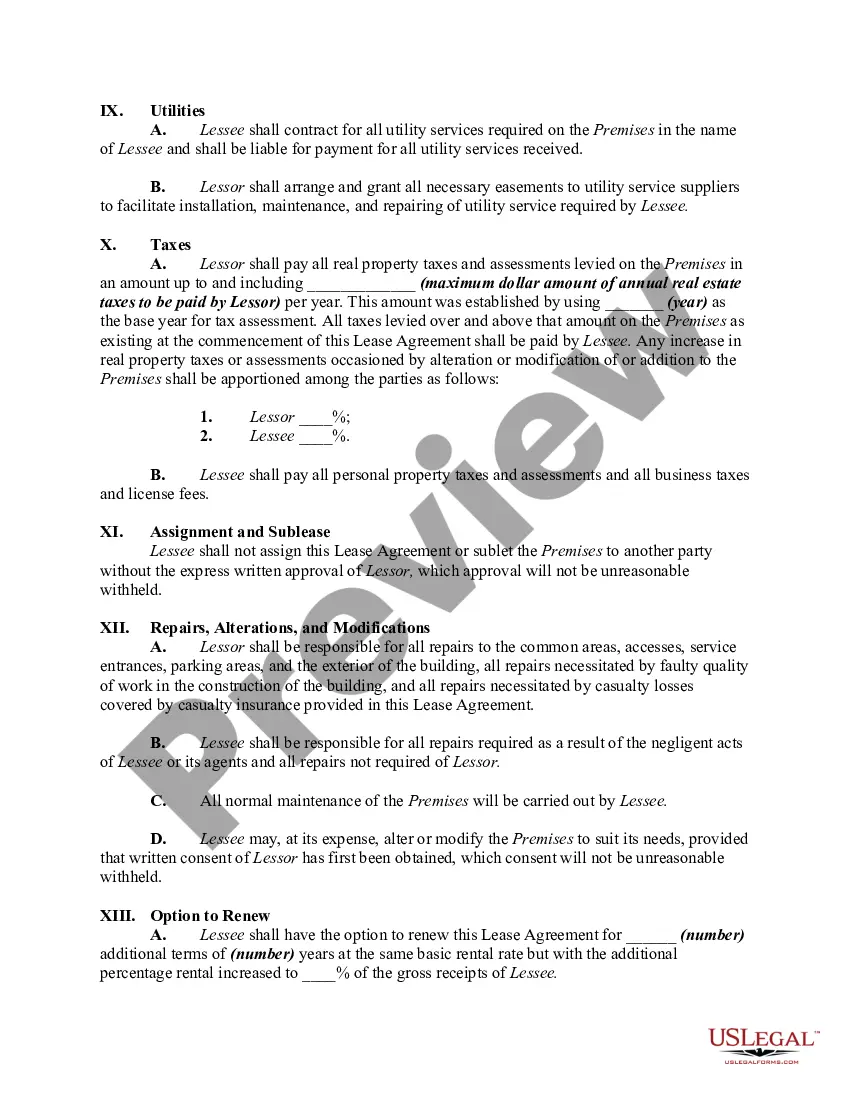
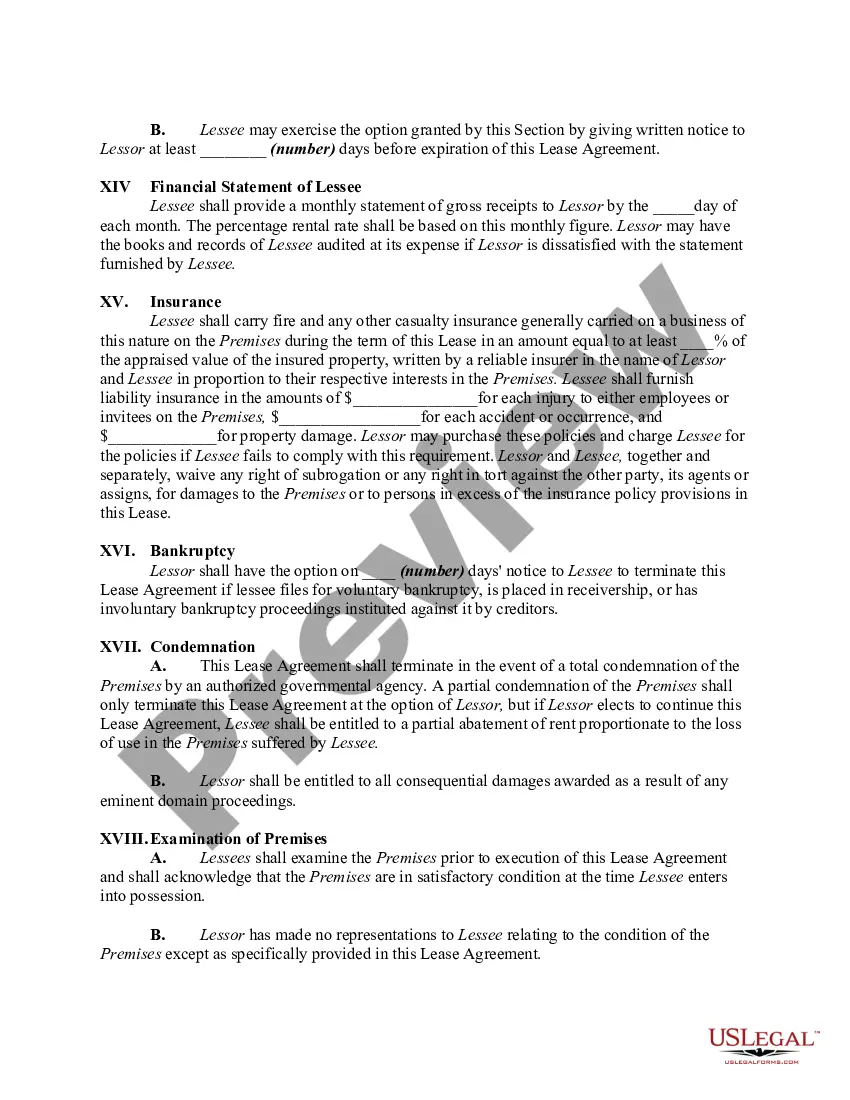
Get your form ready online
Our built-in tools help you complete, sign, share, and store your documents in one place.
Make edits, fill in missing information, and update formatting in US Legal Forms—just like you would in MS Word.
Download a copy, print it, send it by email, or mail it via USPS—whatever works best for your next step.
Sign and collect signatures with our SignNow integration. Send to multiple recipients, set reminders, and more. Go Premium to unlock E-Sign.
If this form requires notarization, complete it online through a secure video call—no need to meet a notary in person or wait for an appointment.
We protect your documents and personal data by following strict security and privacy standards.

Make edits, fill in missing information, and update formatting in US Legal Forms—just like you would in MS Word.

Download a copy, print it, send it by email, or mail it via USPS—whatever works best for your next step.

Sign and collect signatures with our SignNow integration. Send to multiple recipients, set reminders, and more. Go Premium to unlock E-Sign.

If this form requires notarization, complete it online through a secure video call—no need to meet a notary in person or wait for an appointment.

We protect your documents and personal data by following strict security and privacy standards.
Looking for another form?



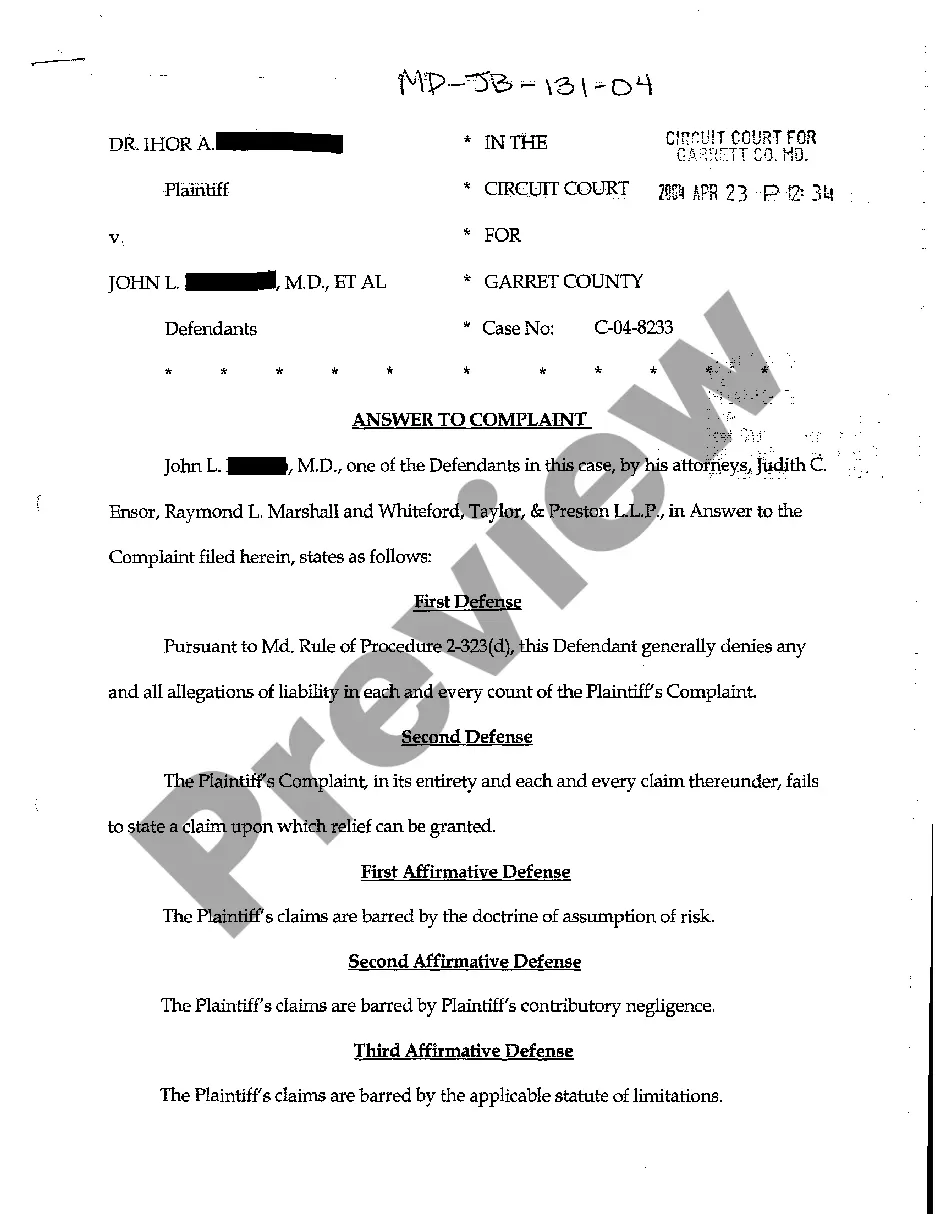




How to fill out Lease Of Retail Store With Additional Rent Based On Percentage Of Gross Receipts - Real Estate?
The Gross Estate For Iht you view on this page is a reusable formal outline crafted by qualified attorneys in accordance with federal and local regulations.
For over 25 years, US Legal Forms has supplied individuals, businesses, and legal professionals with more than 85,000 authenticated, state-specific documents for any business and personal circumstance.
Register for US Legal Forms to have authenticated legal templates for every aspect of life at your fingertips.
- Search for the document you require and examine it.
- Browse through the file you searched and preview it or review the form description to ensure it meets your requirements. If it doesn’t, utilize the search option to find the suitable one. Click Buy Now once you have found the template you need.
- Subscribe and sign in.
- Choose the pricing plan that fits you and create an account. Employ PayPal or a credit card to make an immediate payment. If you already possess an account, Log In and verify your subscription to proceed.
- Obtain the fillable template.
- Pick the format you prefer for your Gross Estate For Iht (PDF, DOCX, RTF) and save the sample to your device.
- Complete and endorse the document.
- Print out the template to fill it out manually. Alternatively, use an online multifunctional PDF editor to quickly and accurately fill out and sign your form with a legally-binding electronic signature.
- Download your documents once more.
- Utilize the same document again whenever necessary. Access the My documents tab in your profile to redownload any formerly downloaded forms.
Form popularity
FAQ
Gross estate includes essentially all substantially valuable property owned by the person at death, including real estate, cash, stocks, life insurance, jewelry, furniture, and owed debts. Any taxable gifts made by the individual after 1976 will be included in the taxable estate.
The gross estate is the total sum of all assets held by a person at a given time or at his death. The assets may include cash, securities, property, real estate, jewelry, and other assets owned. Adjusted gross estate deducts the liabilities from the gross estate.
You must complete the form IHT400, as part of the probate or confirmation process if there's Inheritance Tax to pay, or the deceased's estate does not qualify as an 'excepted estate'.
Gross estate includes essentially all substantially valuable property owned by the person at death, including real estate, cash, stocks, life insurance, jewelry, furniture, and owed debts. Any taxable gifts made by the individual after 1976 will be included in the taxable estate.
It consists of an accounting of everything you own or have certain interests in at the date of death (Refer to Form 706PDF). The fair market value of these items is used, not necessarily what you paid for them or what their values were when you acquired them. The total of all of these items is your "Gross Estate."