Prosecution Using Form A
Description
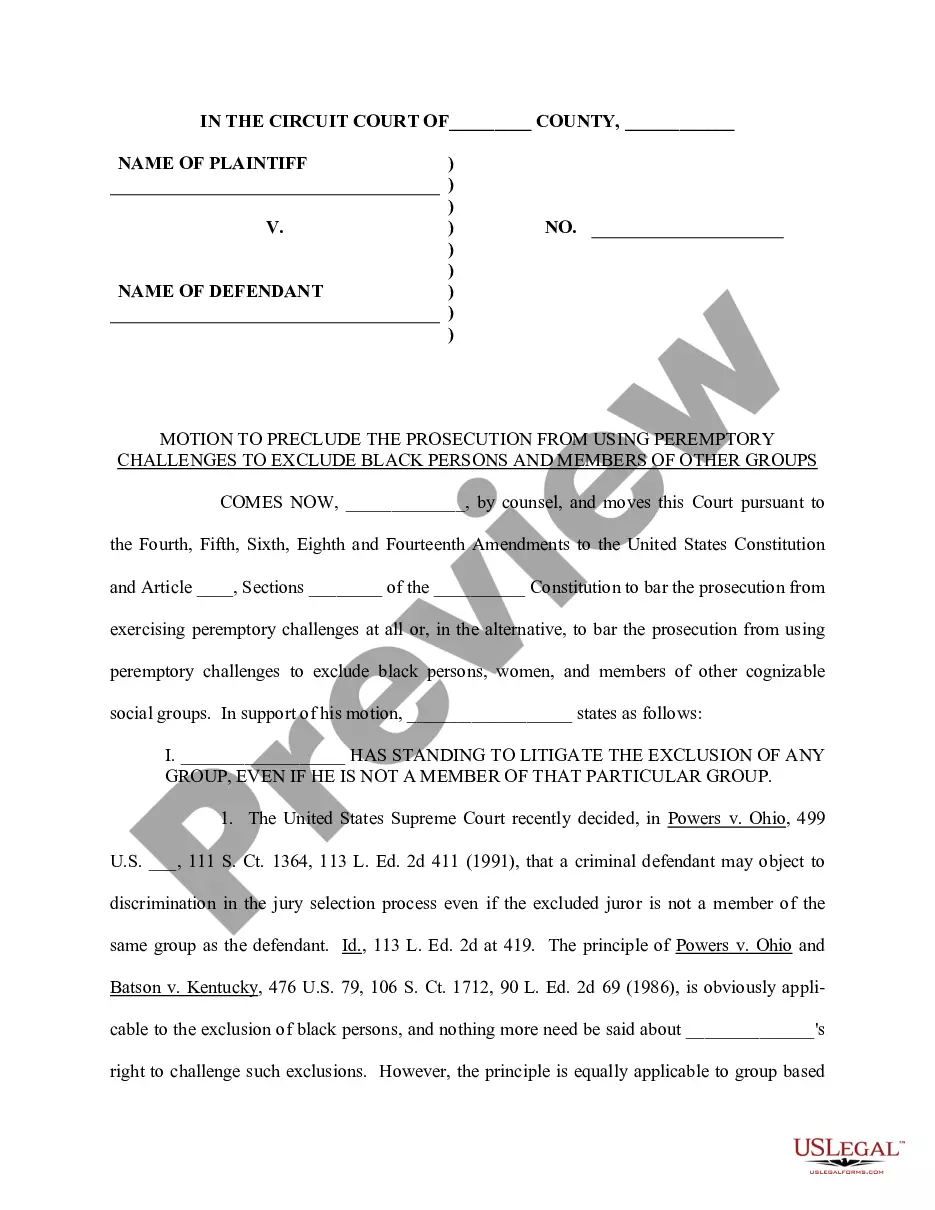
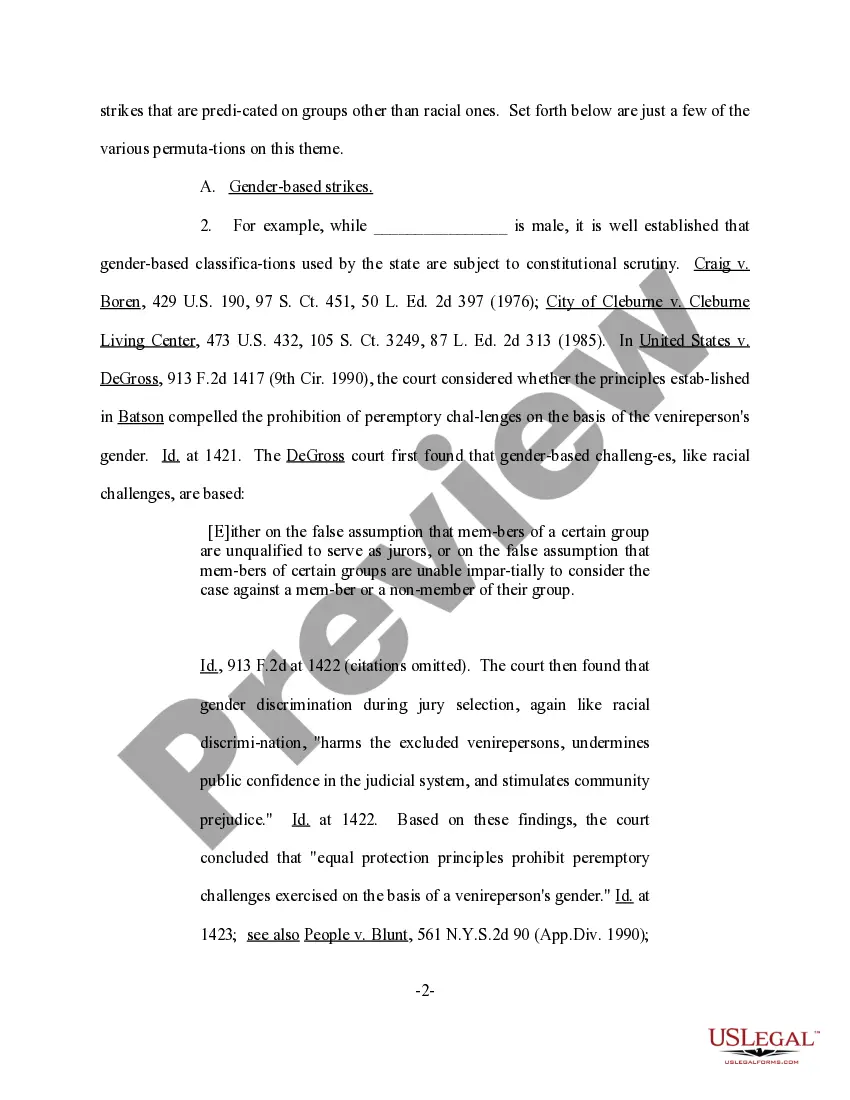
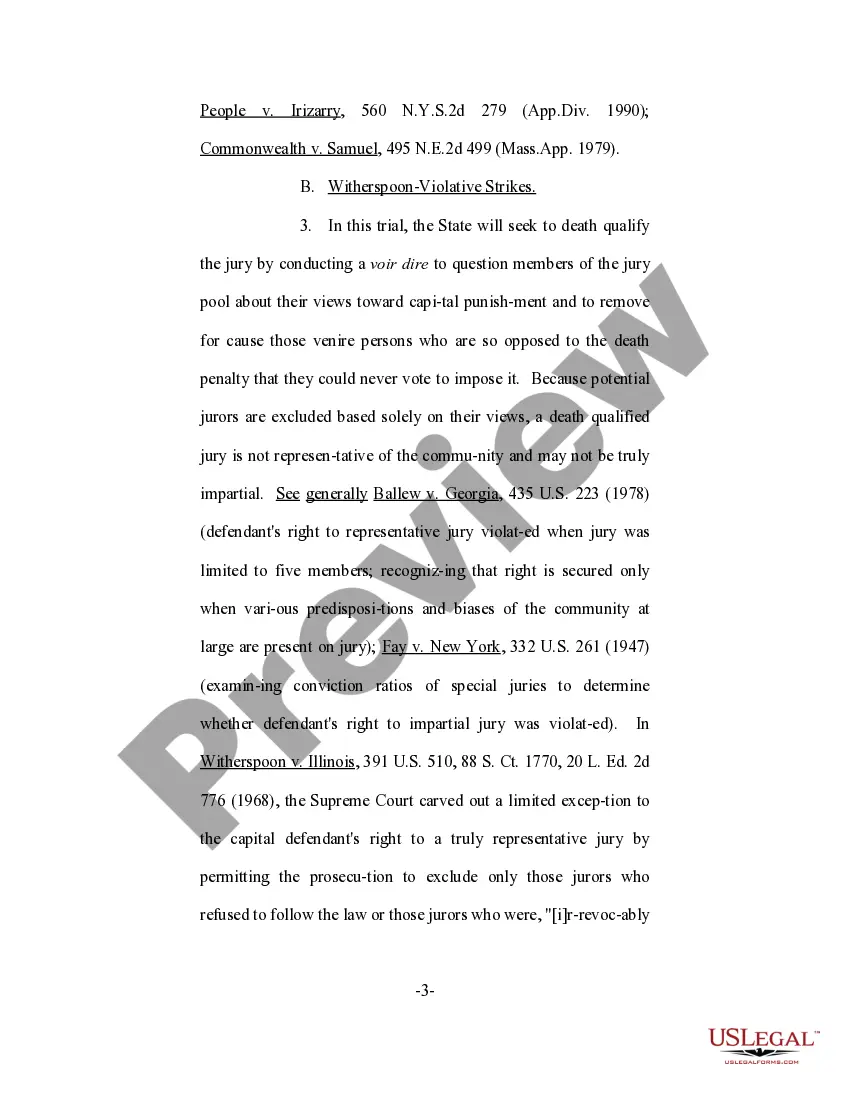
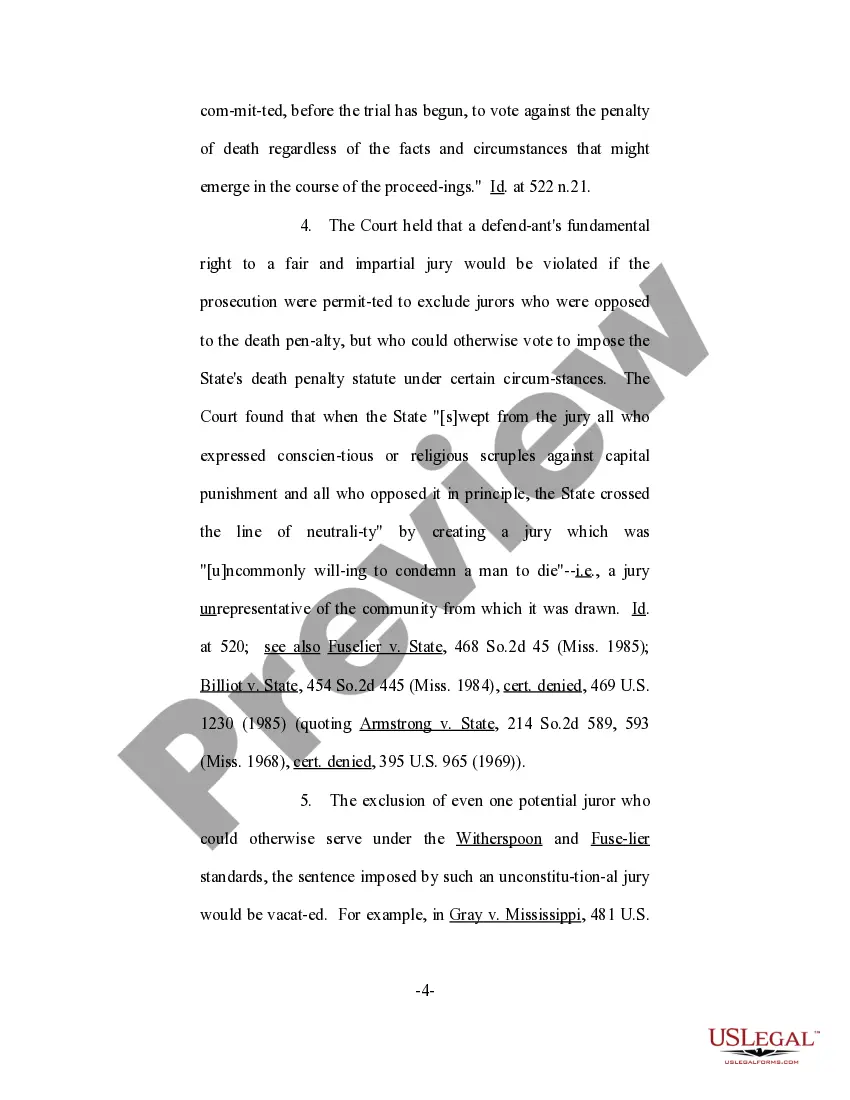

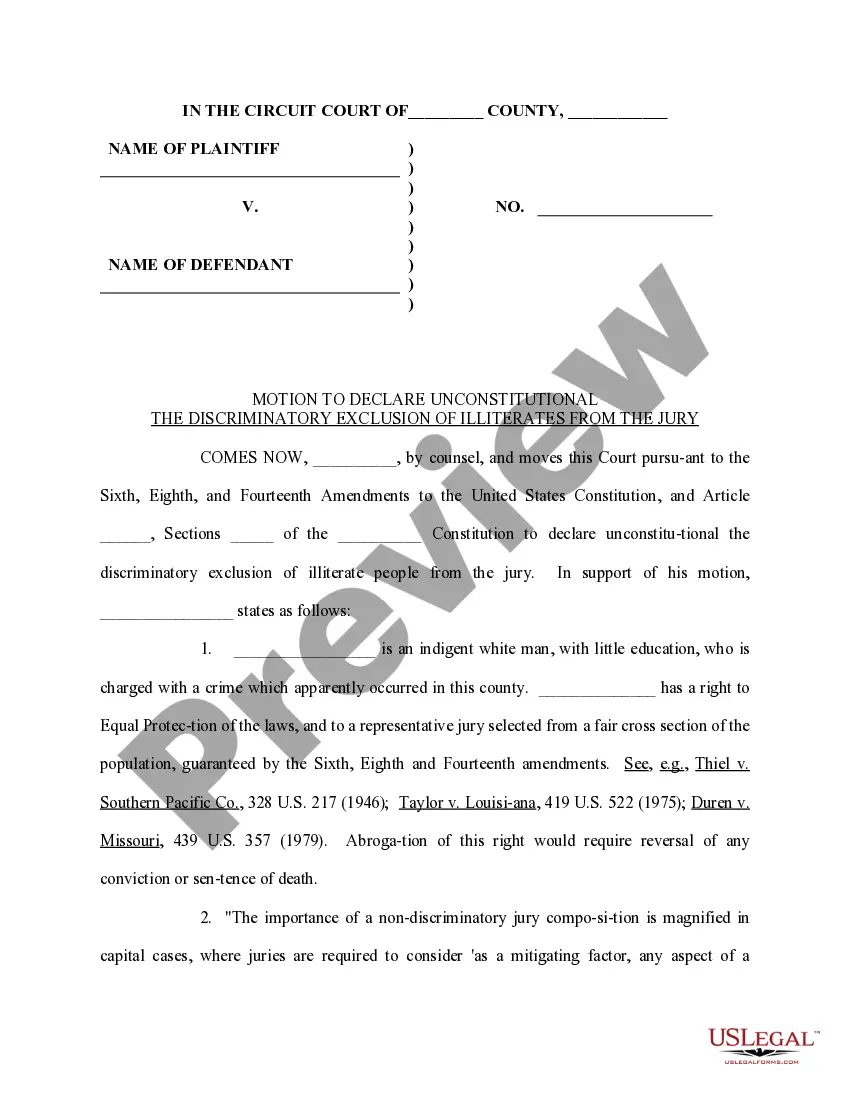
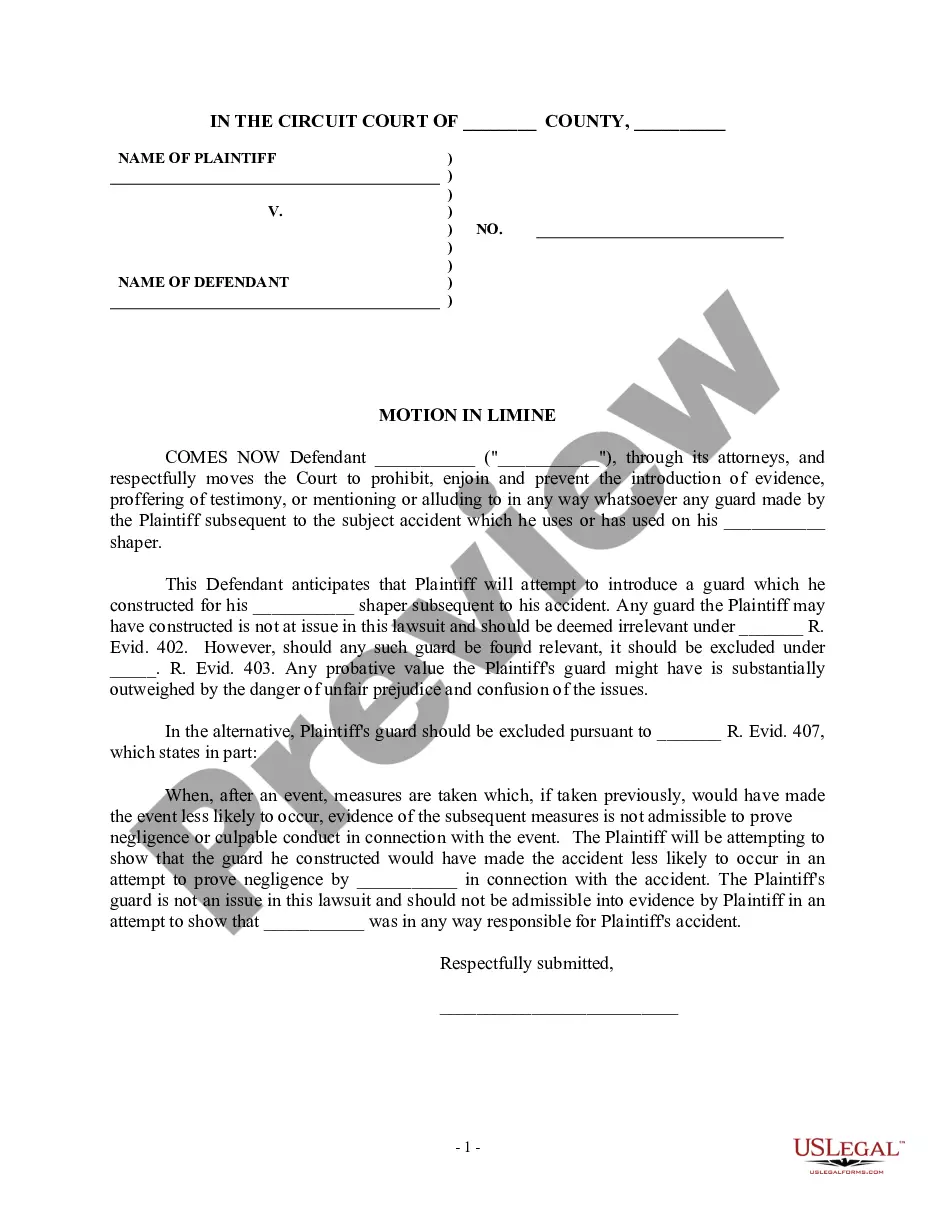
Get your form ready online
Our built-in tools help you complete, sign, share, and store your documents in one place.
Make edits, fill in missing information, and update formatting in US Legal Forms—just like you would in MS Word.
Download a copy, print it, send it by email, or mail it via USPS—whatever works best for your next step.
Sign and collect signatures with our SignNow integration. Send to multiple recipients, set reminders, and more. Go Premium to unlock E-Sign.
If this form requires notarization, complete it online through a secure video call—no need to meet a notary in person or wait for an appointment.
We protect your documents and personal data by following strict security and privacy standards.

Make edits, fill in missing information, and update formatting in US Legal Forms—just like you would in MS Word.

Download a copy, print it, send it by email, or mail it via USPS—whatever works best for your next step.

Sign and collect signatures with our SignNow integration. Send to multiple recipients, set reminders, and more. Go Premium to unlock E-Sign.

If this form requires notarization, complete it online through a secure video call—no need to meet a notary in person or wait for an appointment.

We protect your documents and personal data by following strict security and privacy standards.
Looking for another form?
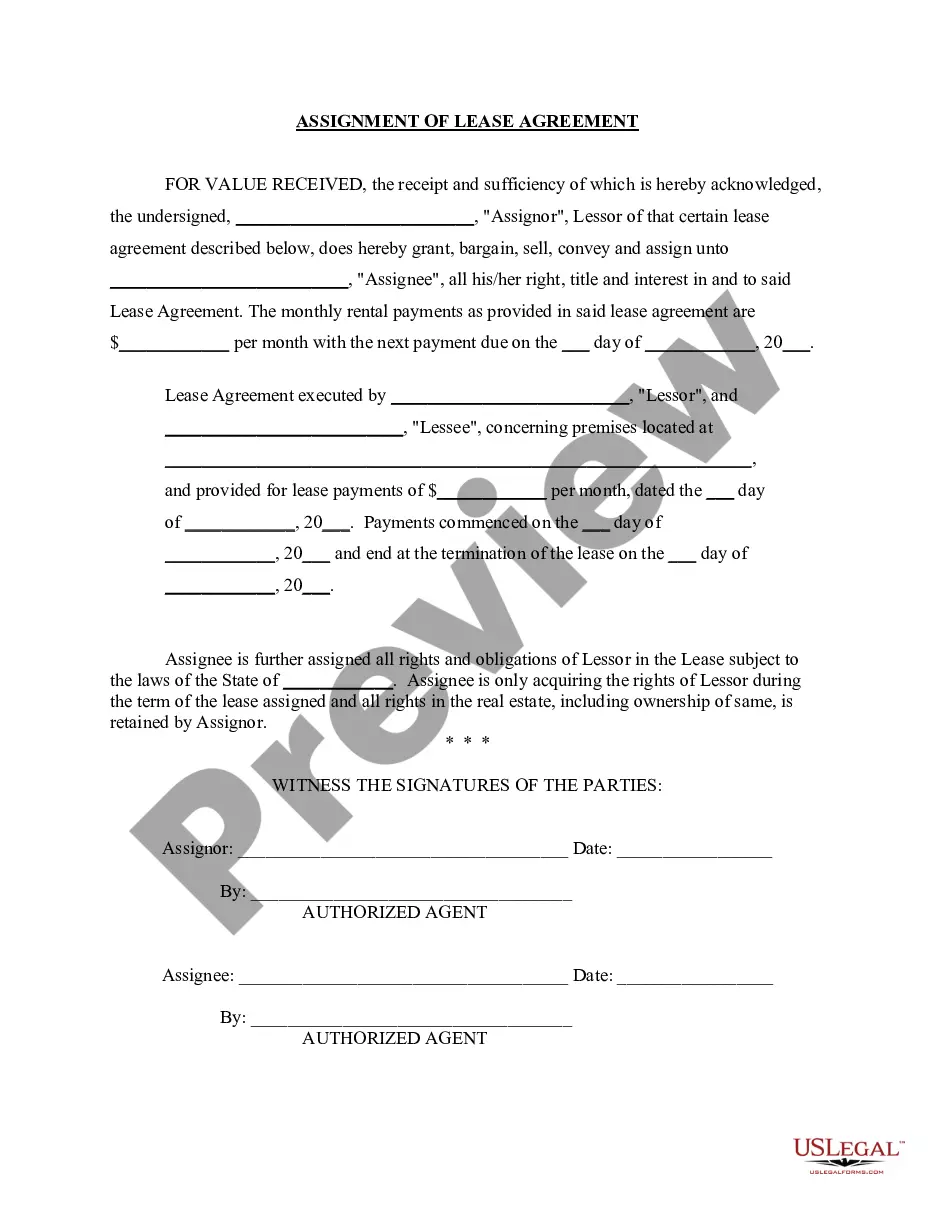
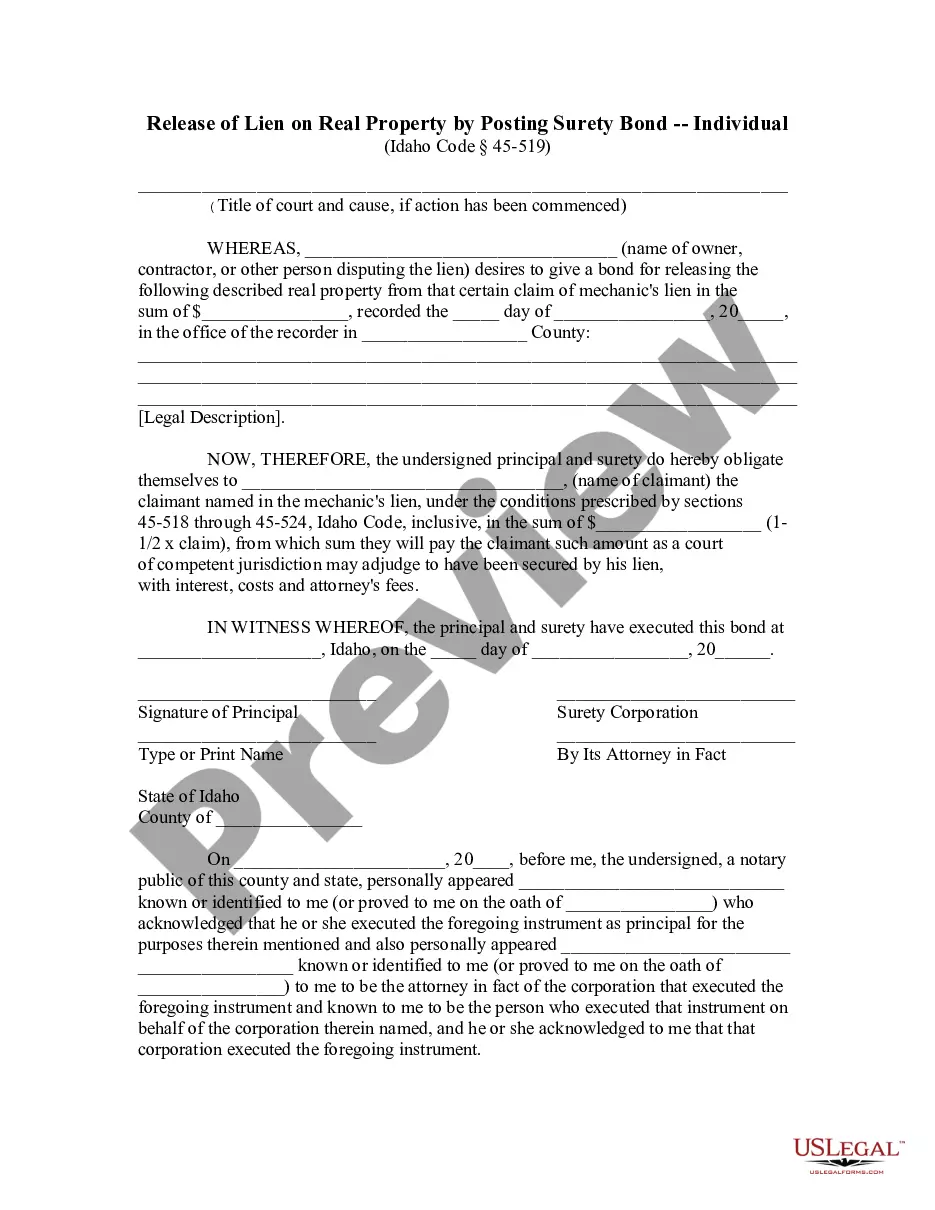


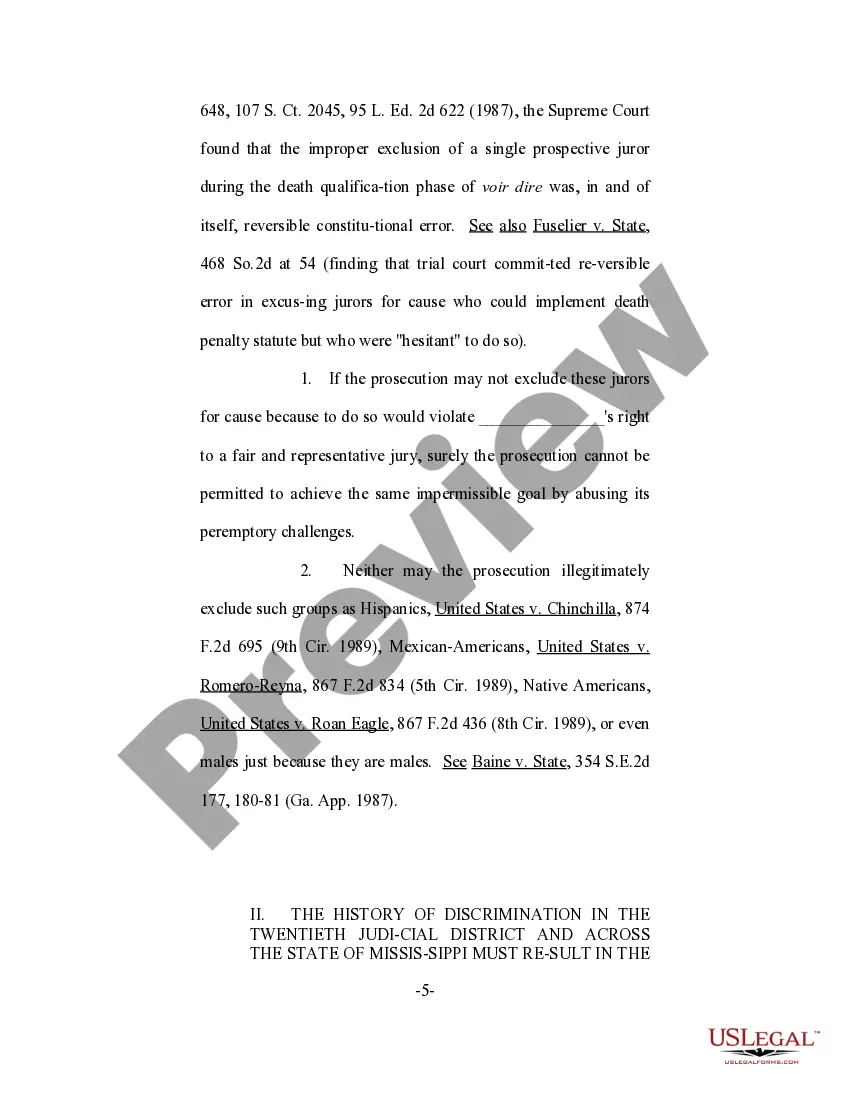
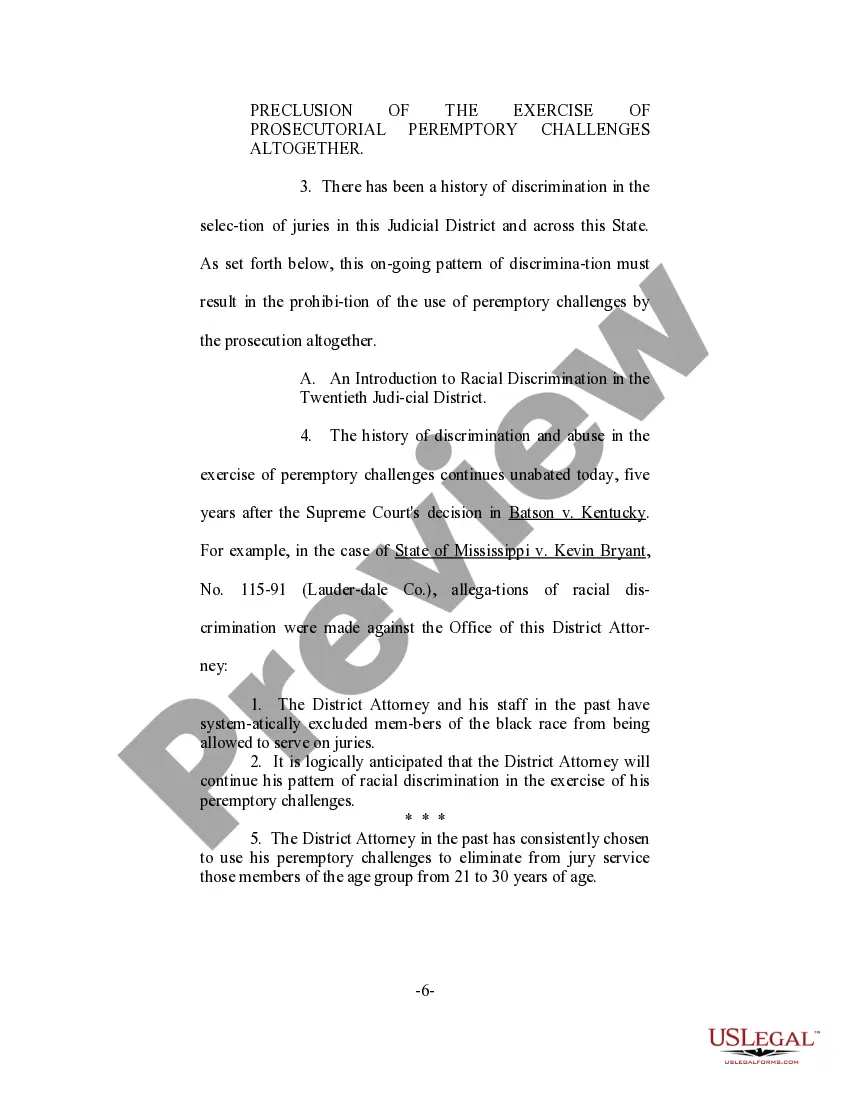
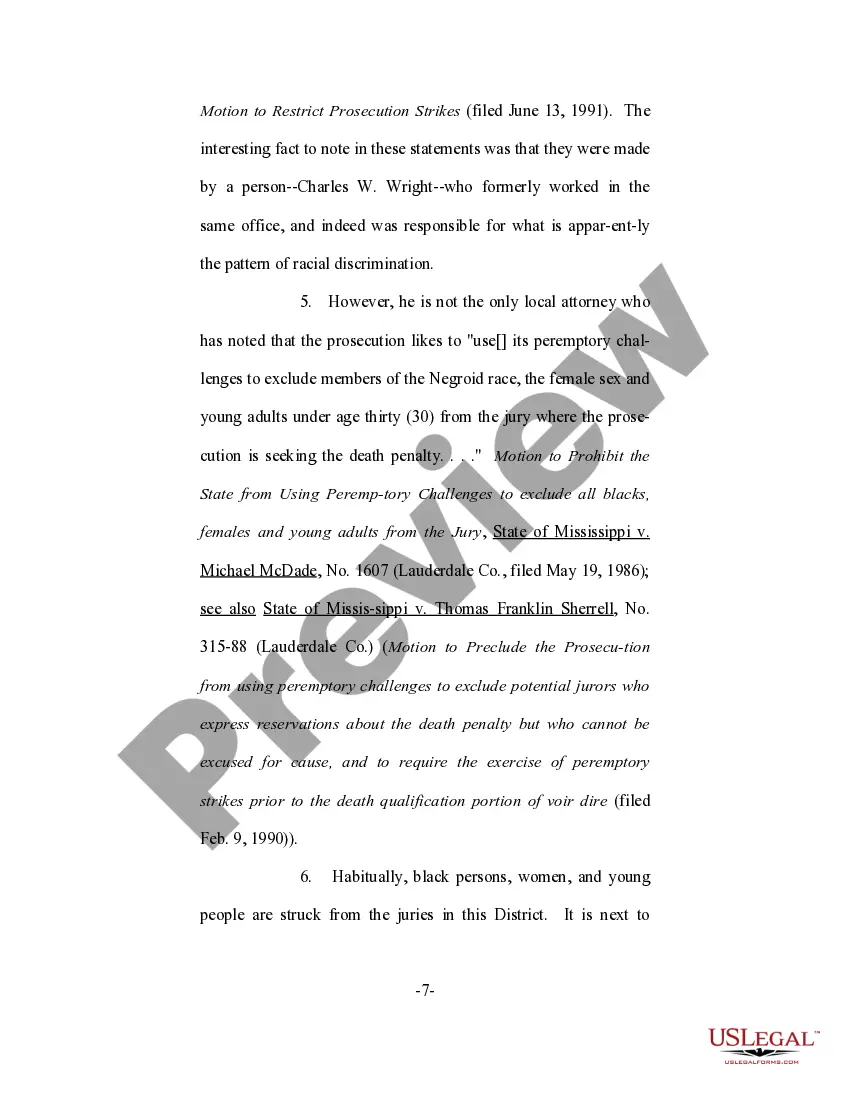
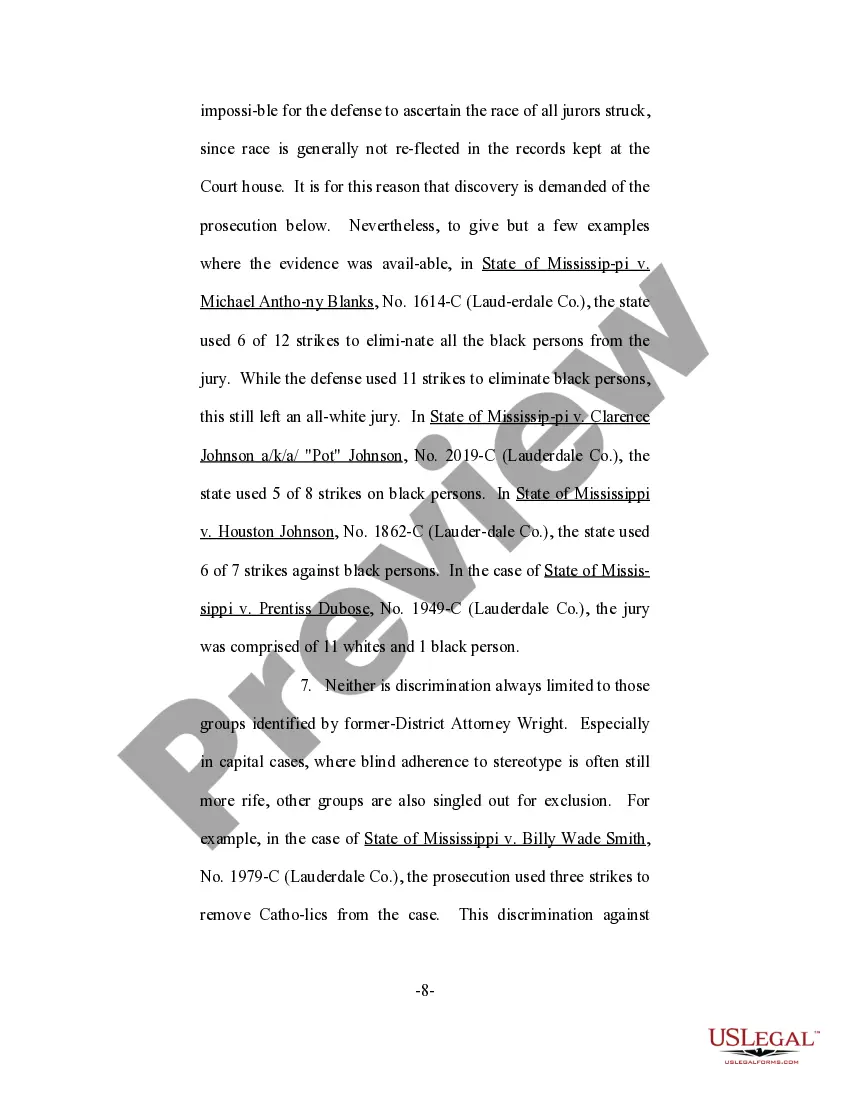
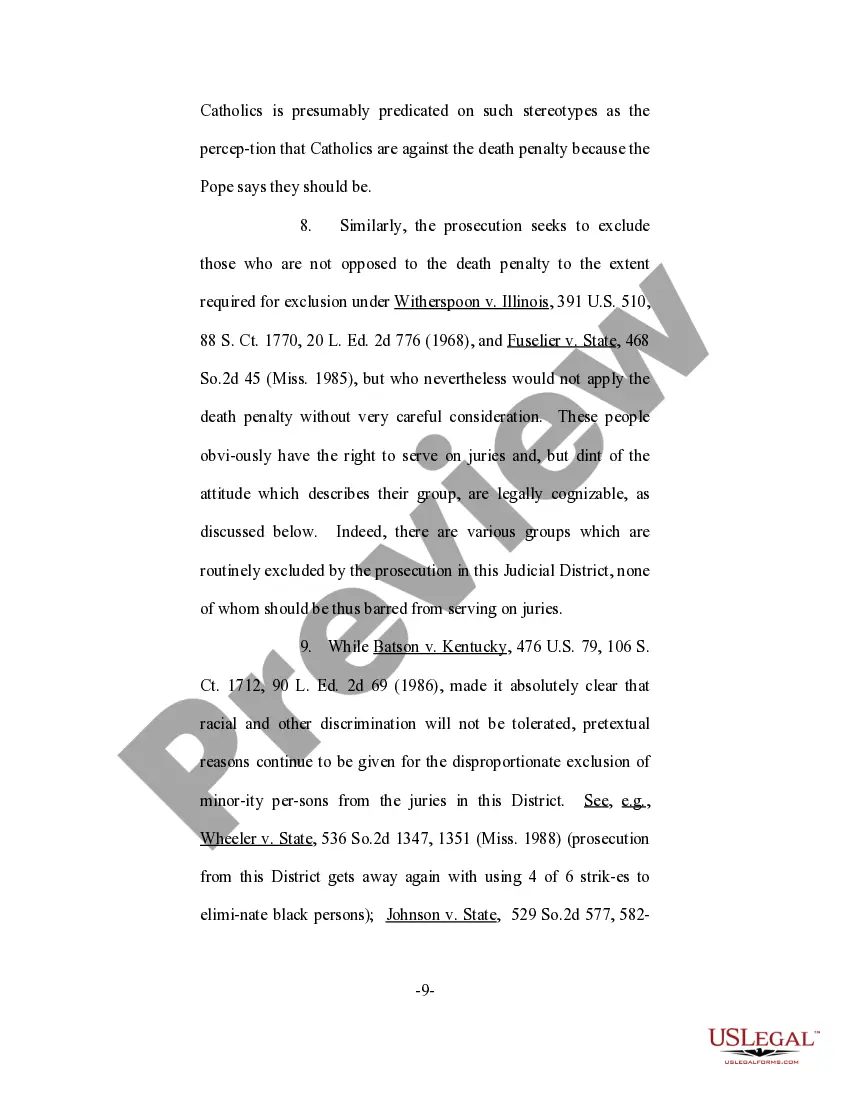
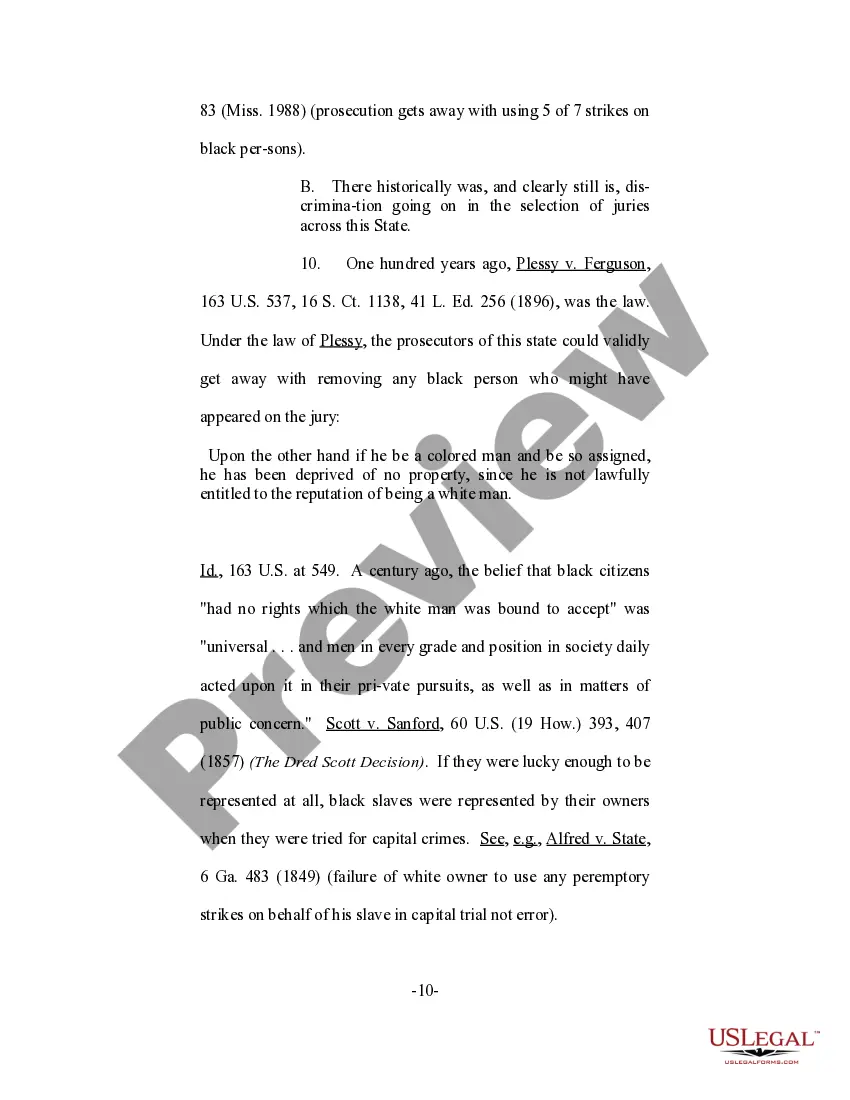
How to fill out Motion To Preclude The Prosecution From Using Peremptory Challenges To Exclude Black Persons And Members Of Other Groups?
It’s well known that you cannot transform into a legal expert instantly, nor can you swiftly learn how to prepare Prosecution Using Form A without possessing a particular skill set.
Developing legal documents is a lengthy process that necessitates a certain level of education and expertise. So why not entrust the preparation of the Prosecution Using Form A to the professionals.
With US Legal Forms, one of the most extensive repositories of legal templates, you can find everything from court documents to formats for internal corporate communication. We understand how crucial compliance and adherence to federal and state laws and regulations are. That’s why, on our platform, all templates are region-specific and current.
You can revisit your documents from the My documents tab at any time. If you are an existing client, you can simply Log In, and locate and download the template from the same tab.
No matter the purpose of your paperwork—whether it’s financial and legal or personal—our platform has you covered. Try US Legal Forms now!
- Identify the form you require using the search bar at the top of the page.
- Preview it (if this option is available) and review the accompanying description to ascertain if Prosecution Using Form A is what you need.
- Initiate your search again if you require any other form.
- Create a free account and choose a subscription plan to purchase the form.
- Select Buy now. Once the payment is processed, you can acquire the Prosecution Using Form A, complete it, print it, and send or mail it to the intended individuals or entities.
Form popularity
FAQ
Before a prosecutor charges a criminal case, three key conditions must be met: first, there must be a reasonable belief that a crime has occurred. Second, there must be sufficient evidence to support the charges. Finally, the prosecution must consider the public interest in pursuing the case. These criteria help ensure that only warranted cases proceed through the legal system, promoting justice.
When prosecutors elect not to prosecute, they enter a phase known as nolle prosequi. This legal term indicates that the prosecution will not pursue charges at this time but can potentially revisit the case later. It is a strategic decision that reflects the complexities of the legal system and the need for sufficient evidence. Understanding this process is crucial for defendants and victims alike.
A prosecutor may decide not to prosecute a case due to the presence of compelling mitigating factors. These factors could include the defendant's lack of prior criminal history, evidence of self-defense, or significant gaps in the case's evidence. Additionally, resource constraints and the likelihood of success can also influence this decision. Each case is unique, and prosecutors must weigh these considerations carefully.
Cases involving complex financial crimes or those with intricate legal issues can often be the hardest to win in court. These cases require a deep understanding of both the law and the financial systems involved. Moreover, proving intent and establishing a clear connection between the accused and the alleged crime presents significant challenges. Therefore, thorough preparation and strategic planning are essential for successful prosecution.
The primary reason prosecutors choose not to prosecute is often the lack of sufficient evidence. Without strong evidence to support the case, a prosecutor may believe that pursuing prosecution will not result in a conviction. Additionally, they may consider factors like the credibility of witnesses and the overall strength of the case. This careful evaluation ensures that resources are allocated effectively and justly.
In a trial by declaration, you send in a written statement, along with any evidence you have, to the court to explain what happened. You generally also send in payment. The officer who wrote the ticket then gets a chance to send in their own written statement. A judge then reviews both and mails you a decision.
TicketKick Step by Step Guide to Filling out the TR-205 Form YouTube Start of suggested clip End of suggested clip Look for the checked box. This is also the location where you'll be mailing in your defense package.MoreLook for the checked box. This is also the location where you'll be mailing in your defense package. Below that just fill in your name. The next step is filling in your citation.
Prosecutors are supposed to both enforce the law and "do justice." Doing justice means that a prosecutor occasionally decides not to prosecute a case (or files less severe charges) because the interests of justice require it, even if the facts of the case might support a conviction.
Filing a trial by declaration may be a good option. In California, filing a TBD allows you two shots at winning your ticket, first by paper, and second by live trial.
In a trial by written declaration, you have until the due date on your citation to submit your written statement and any evidence supporting your case. The officer who issued the citation will submit their own statement and any evidence they have against you.