Prior Convictions Without Physical Evidence
Description
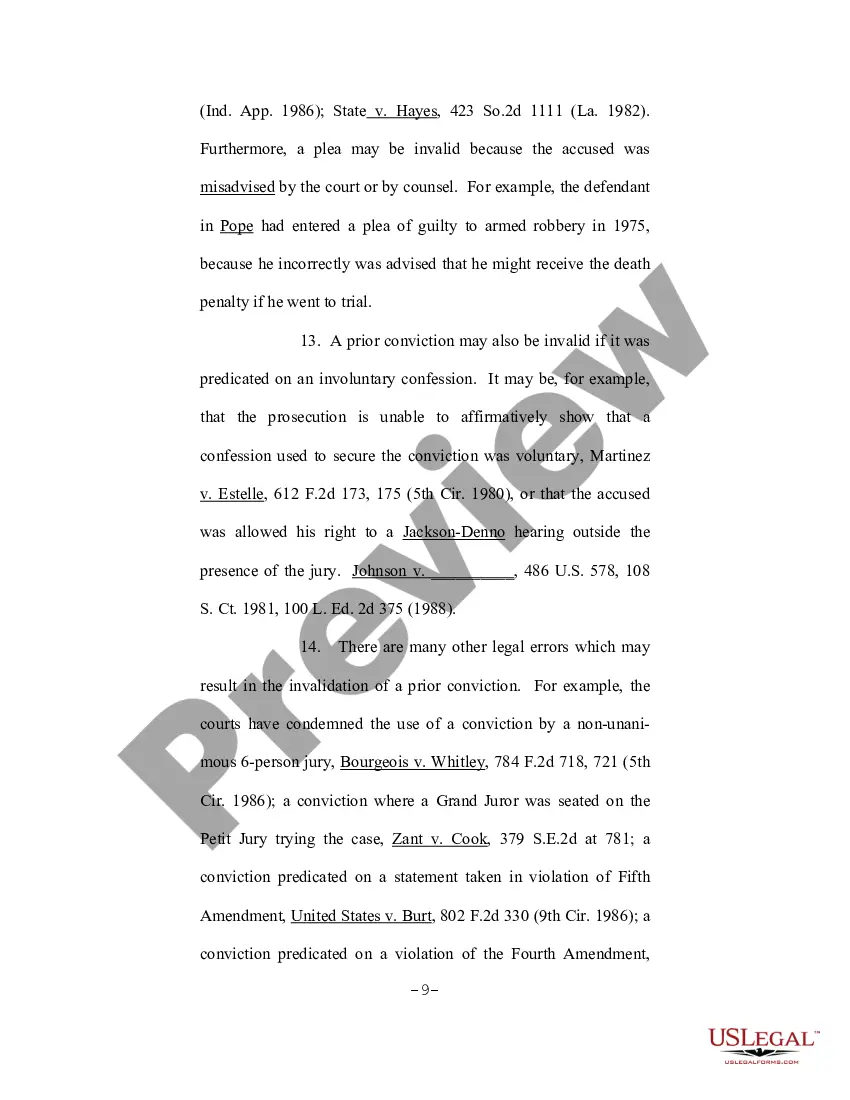
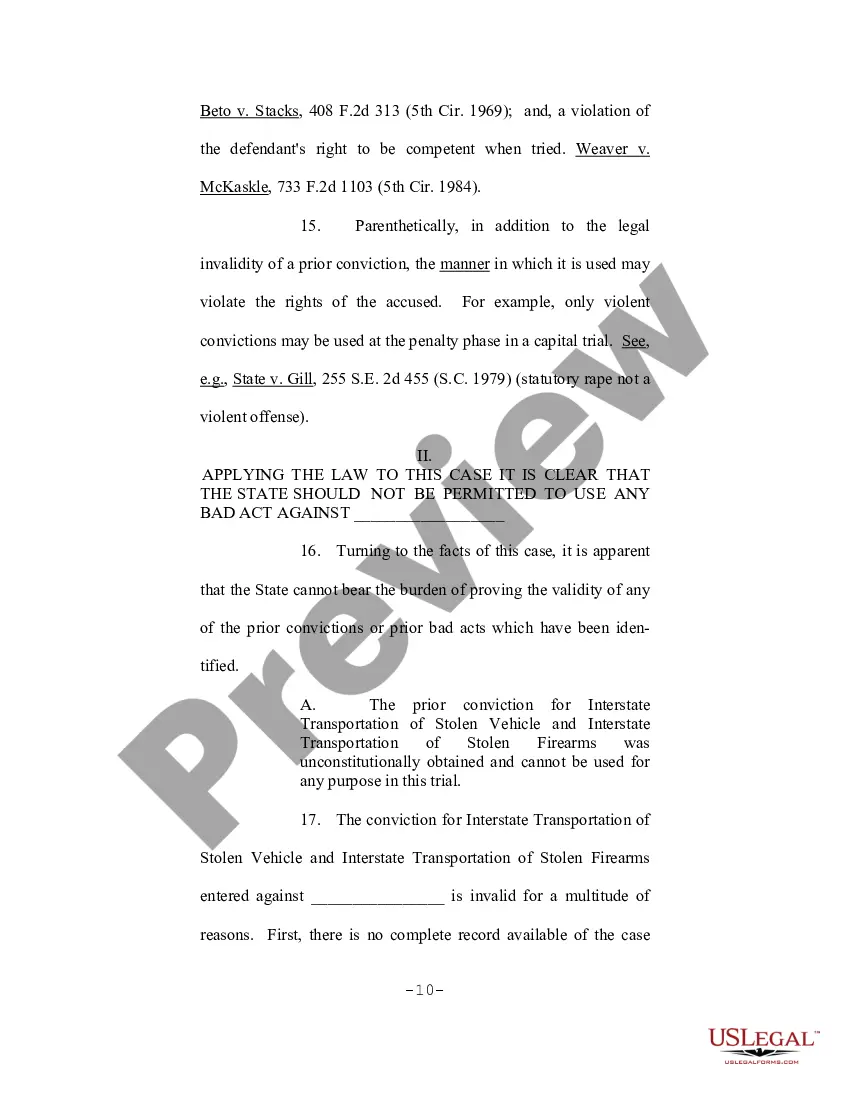

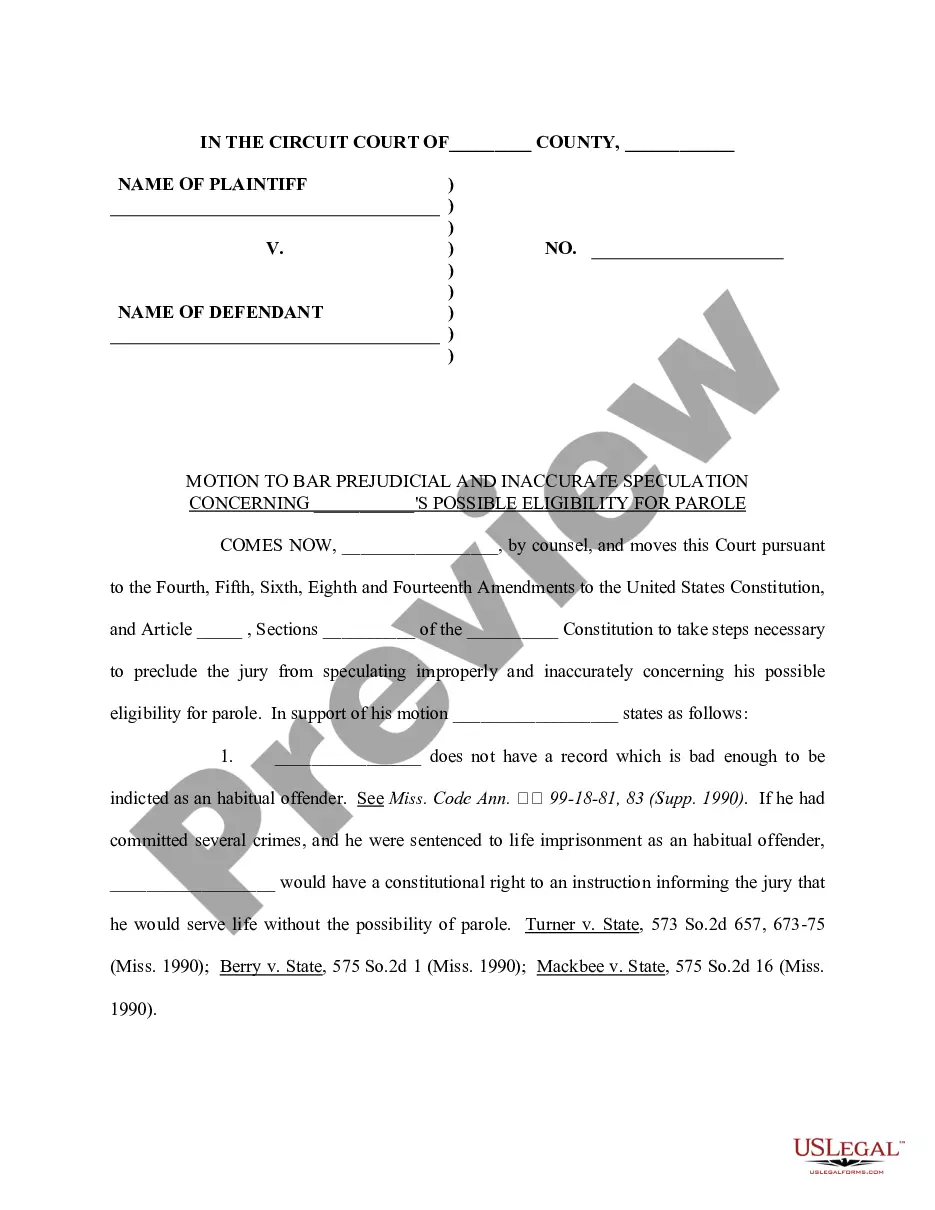
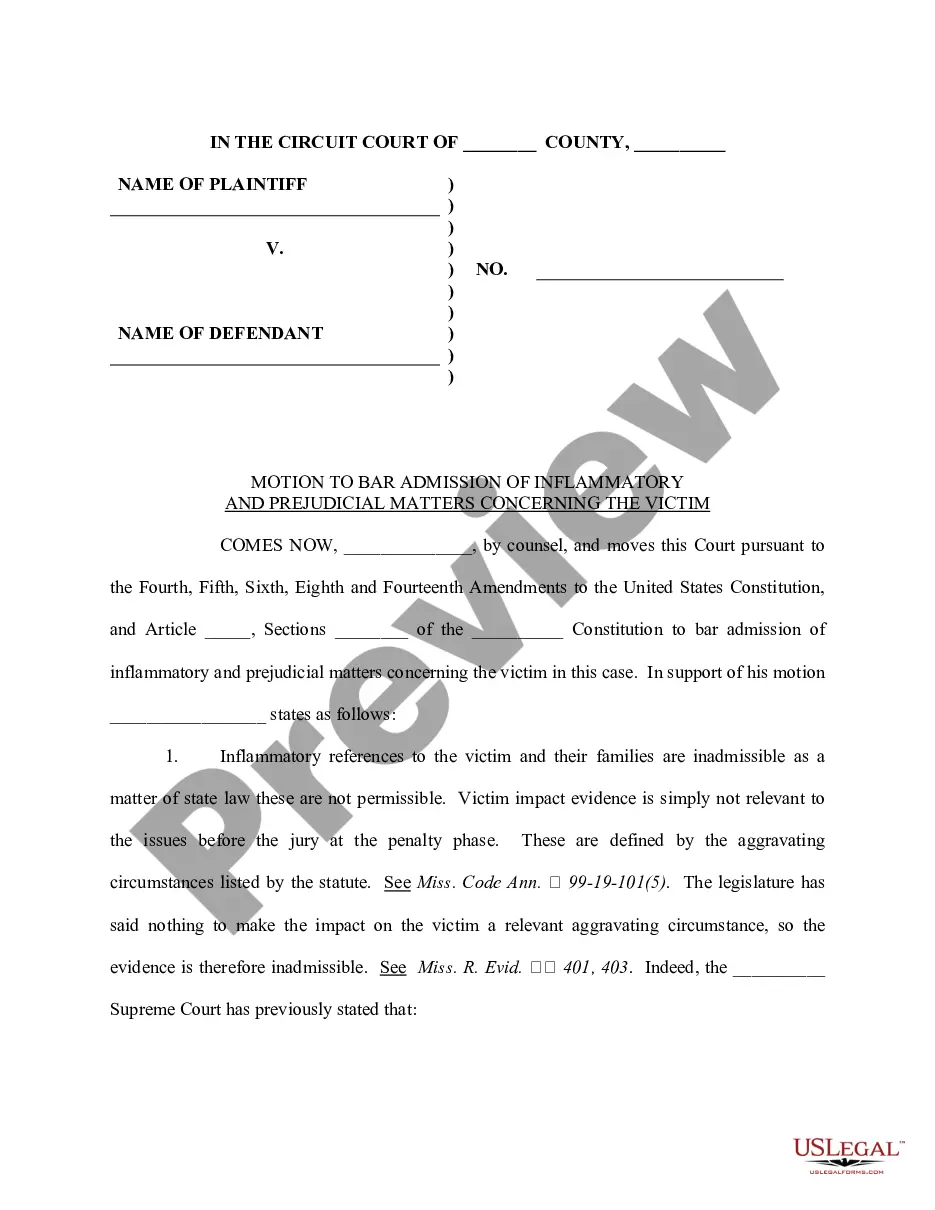
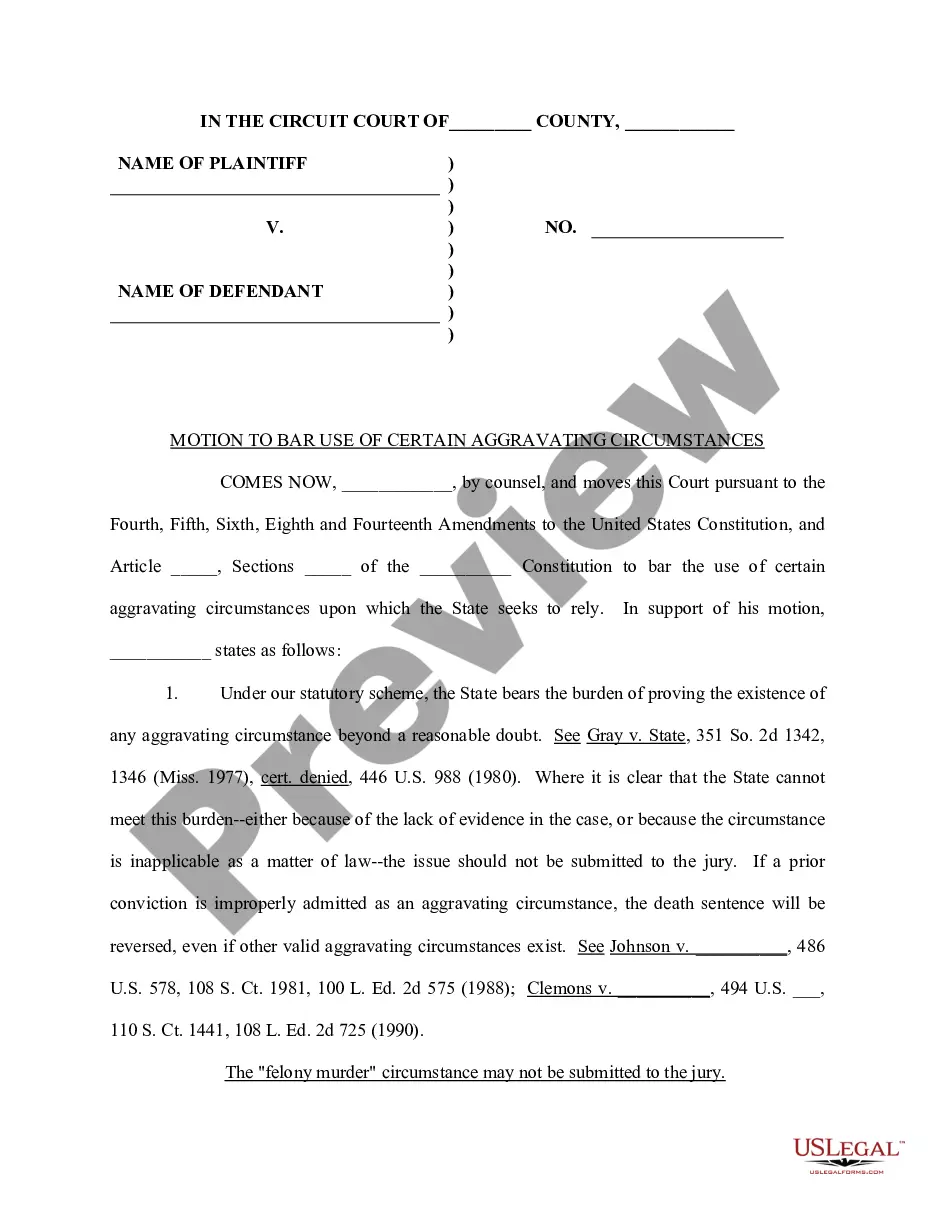
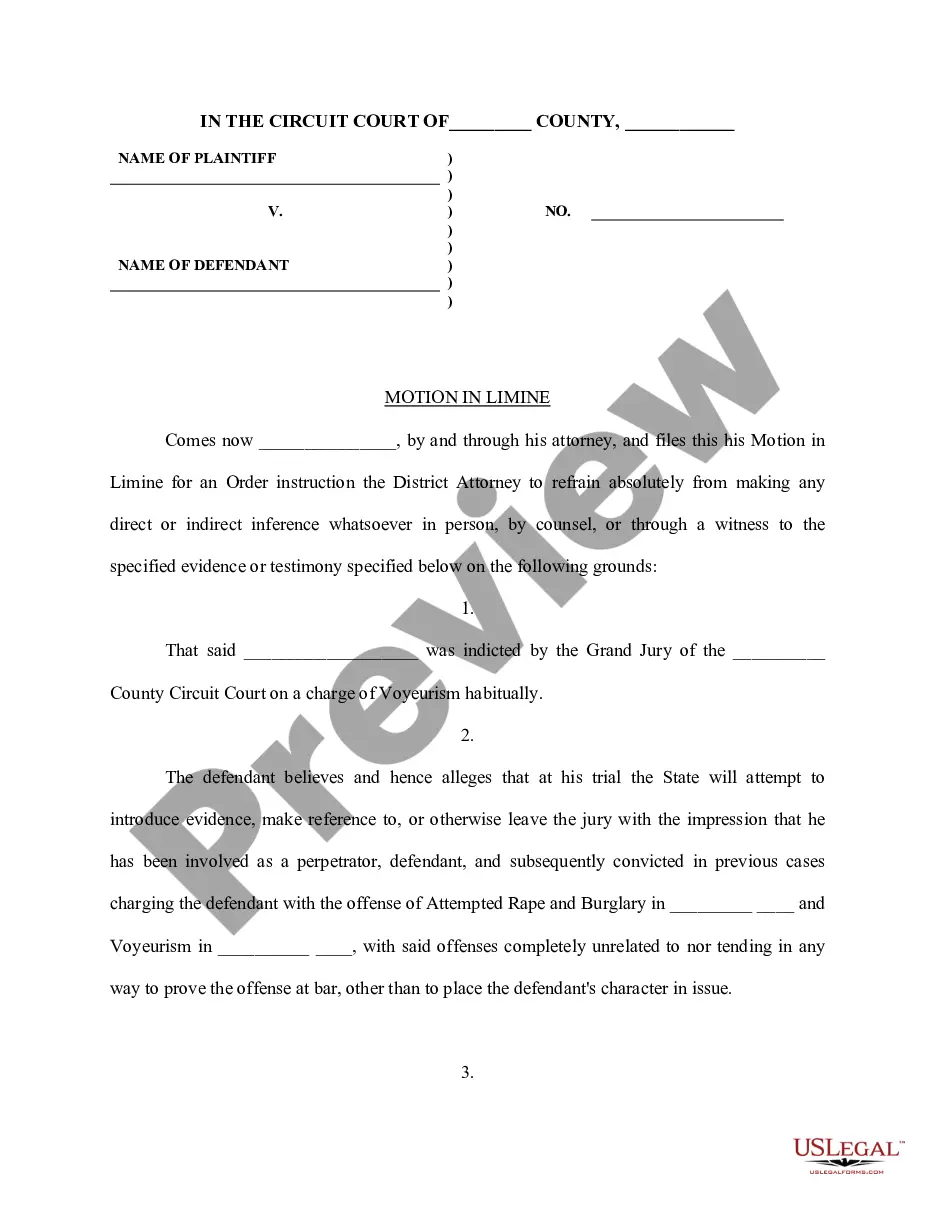
Get your form ready online
Our built-in tools help you complete, sign, share, and store your documents in one place.
Make edits, fill in missing information, and update formatting in US Legal Forms—just like you would in MS Word.
Download a copy, print it, send it by email, or mail it via USPS—whatever works best for your next step.
Sign and collect signatures with our SignNow integration. Send to multiple recipients, set reminders, and more. Go Premium to unlock E-Sign.
If this form requires notarization, complete it online through a secure video call—no need to meet a notary in person or wait for an appointment.
We protect your documents and personal data by following strict security and privacy standards.

Make edits, fill in missing information, and update formatting in US Legal Forms—just like you would in MS Word.

Download a copy, print it, send it by email, or mail it via USPS—whatever works best for your next step.

Sign and collect signatures with our SignNow integration. Send to multiple recipients, set reminders, and more. Go Premium to unlock E-Sign.

If this form requires notarization, complete it online through a secure video call—no need to meet a notary in person or wait for an appointment.

We protect your documents and personal data by following strict security and privacy standards.
Looking for another form?






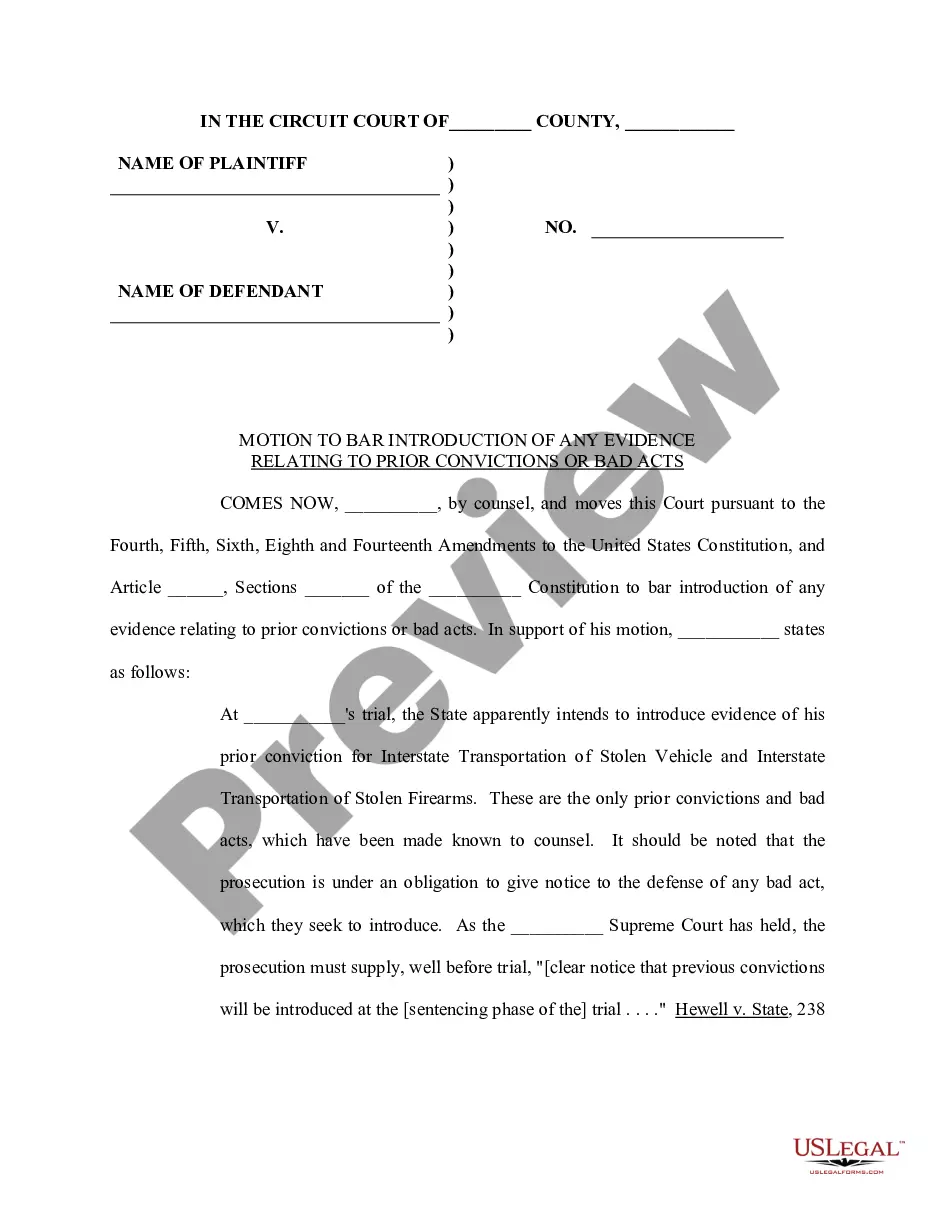
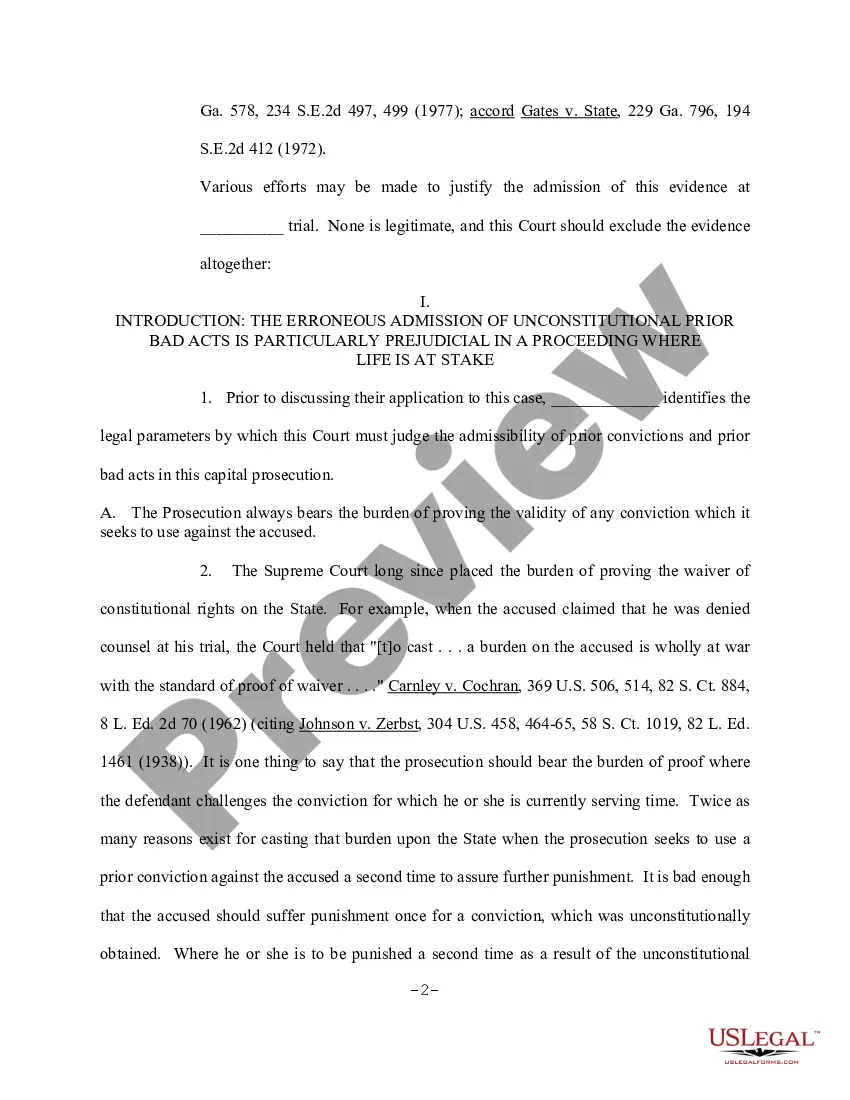
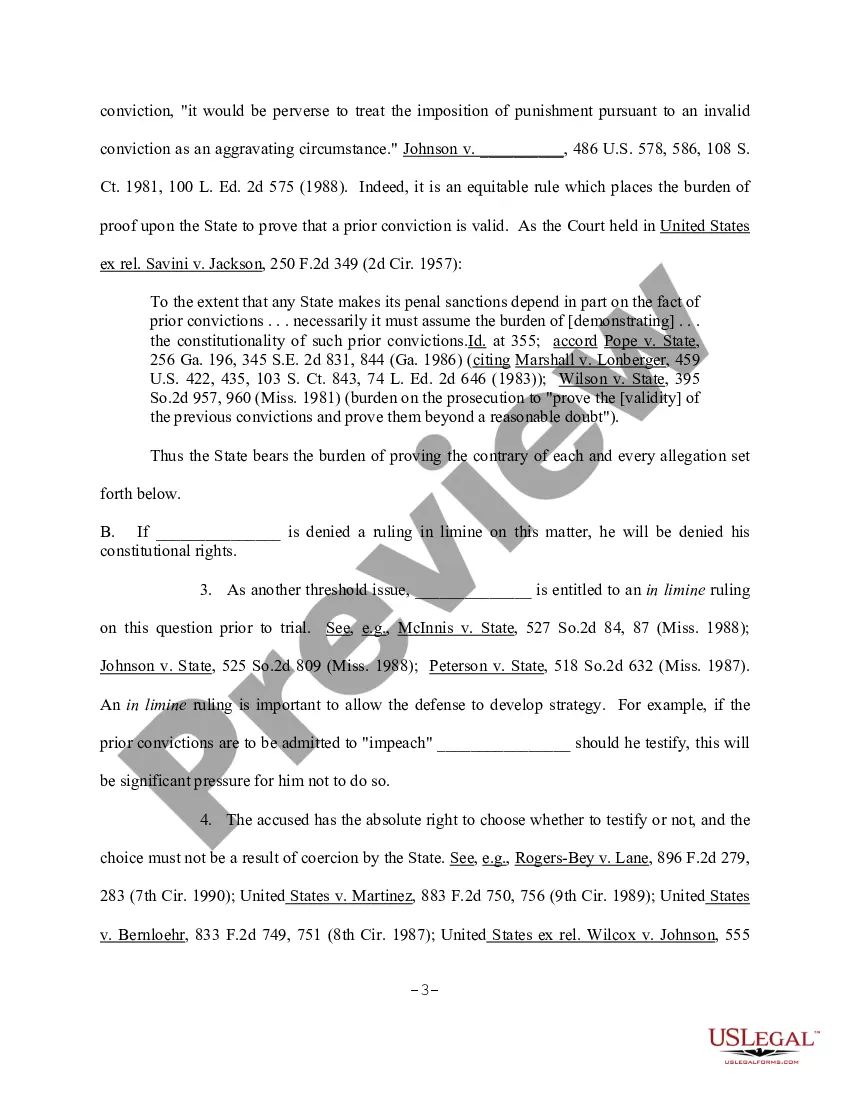
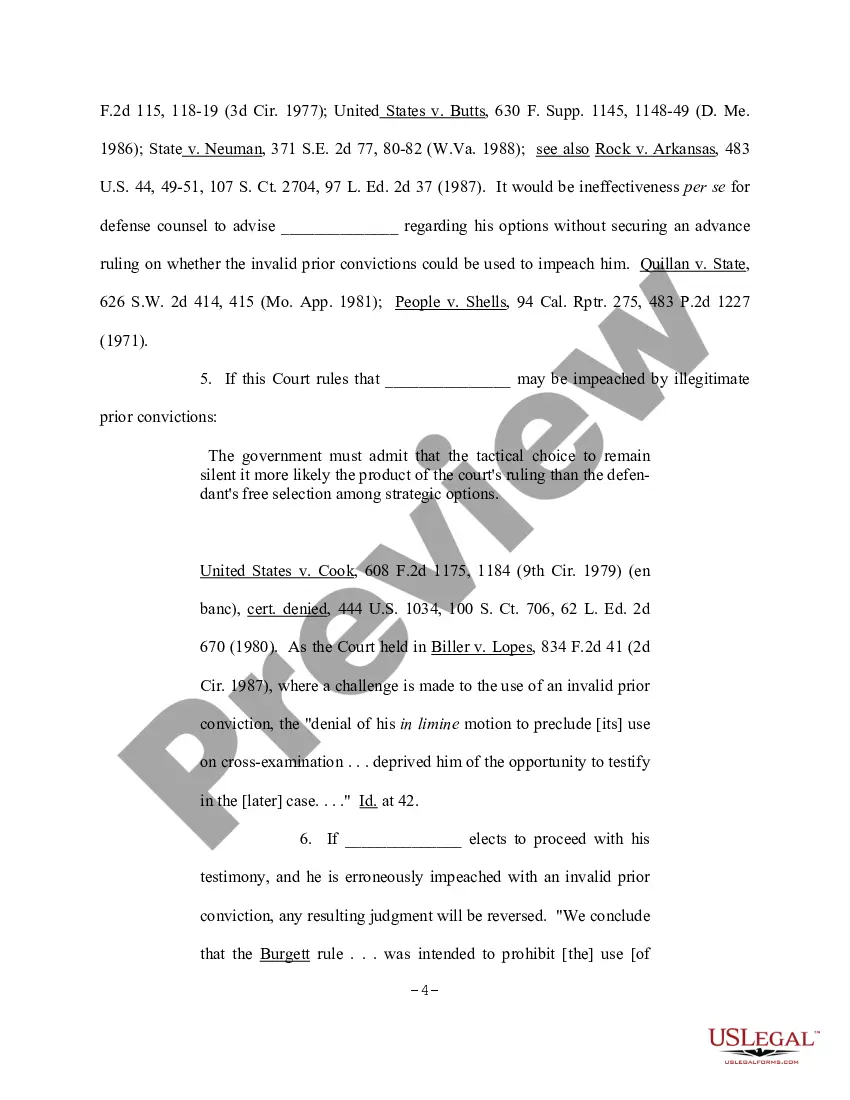
How to fill out Motion To Bar Introduction Of Any Evidence Relating To Prior Convictions Or Bad Acts?
Dealing with legal paperwork and protocols can be a lengthy addition to your day.
Previous Offenses Lacking Physical Proof and similar forms often require you to search for them and comprehend how to fulfill them proficiently.
Therefore, if you are managing financial, legal, or personal issues, having a comprehensive and user-friendly online repository of forms at your disposal will be greatly beneficial.
US Legal Forms is the leading online resource for legal templates, featuring over 85,000 state-specific forms and various tools to assist you in completing your documents with ease.
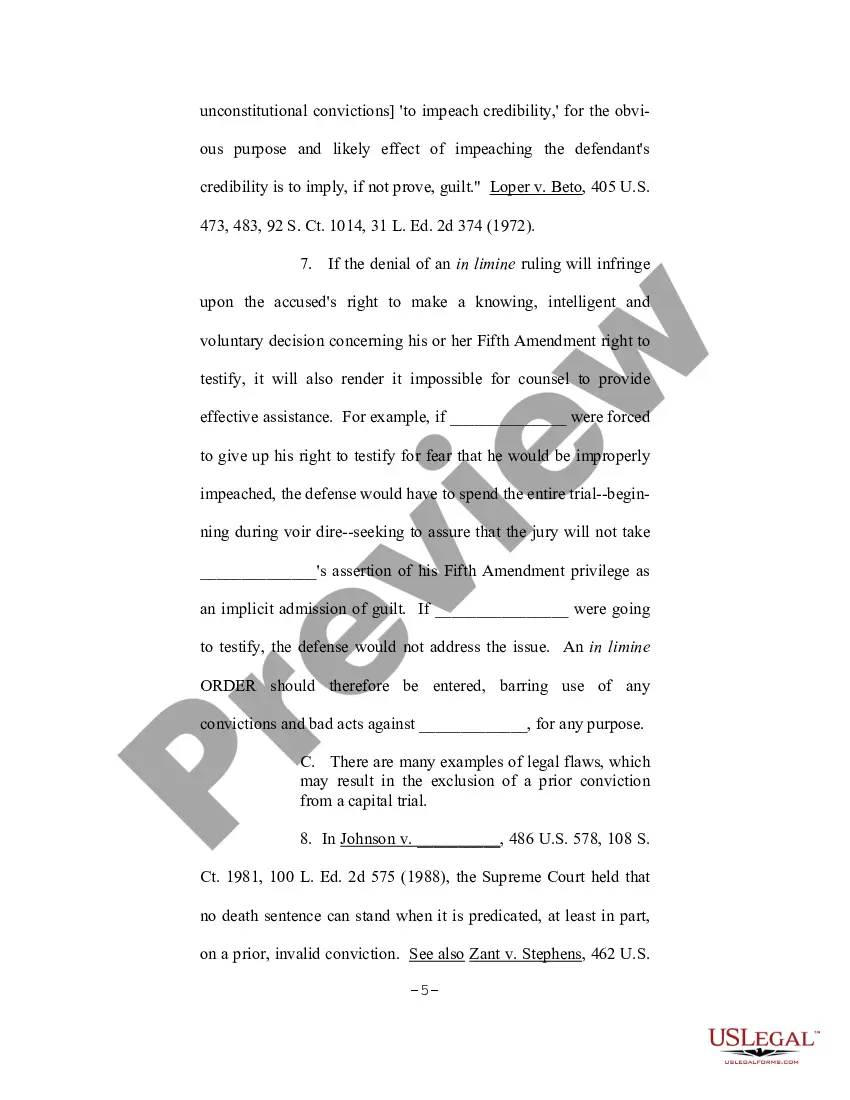
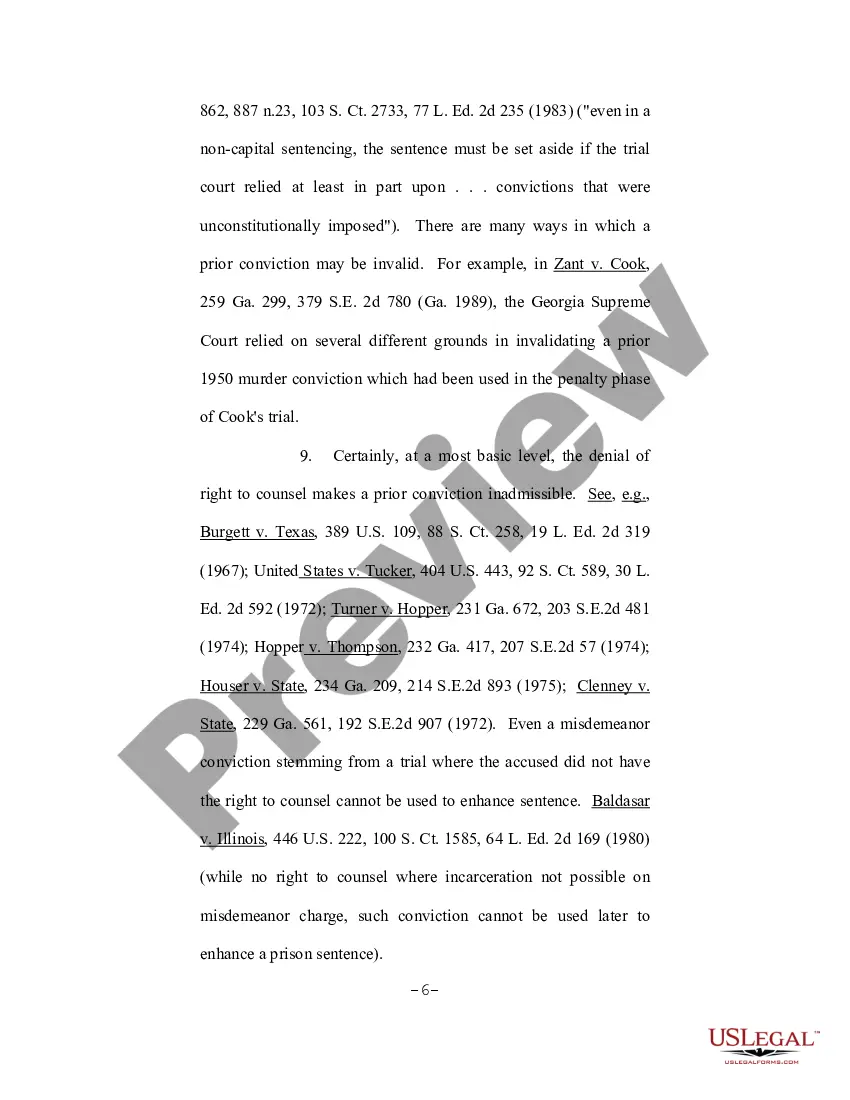
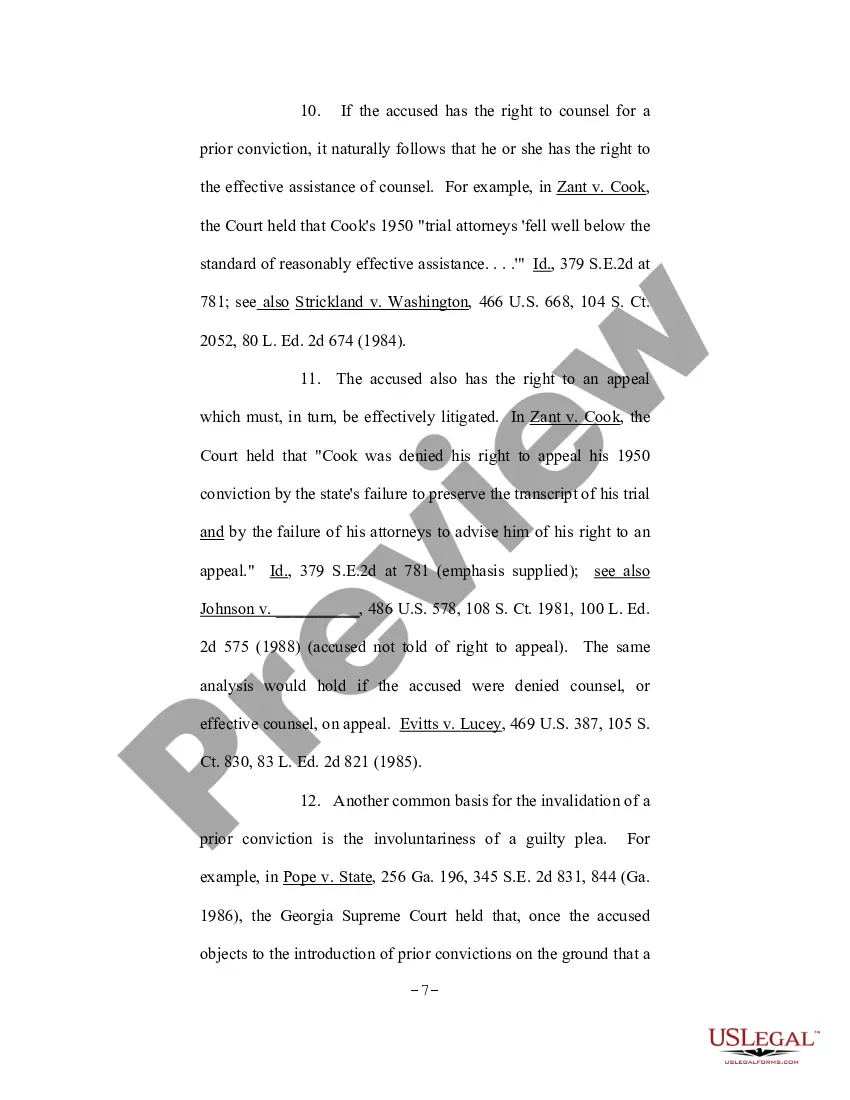
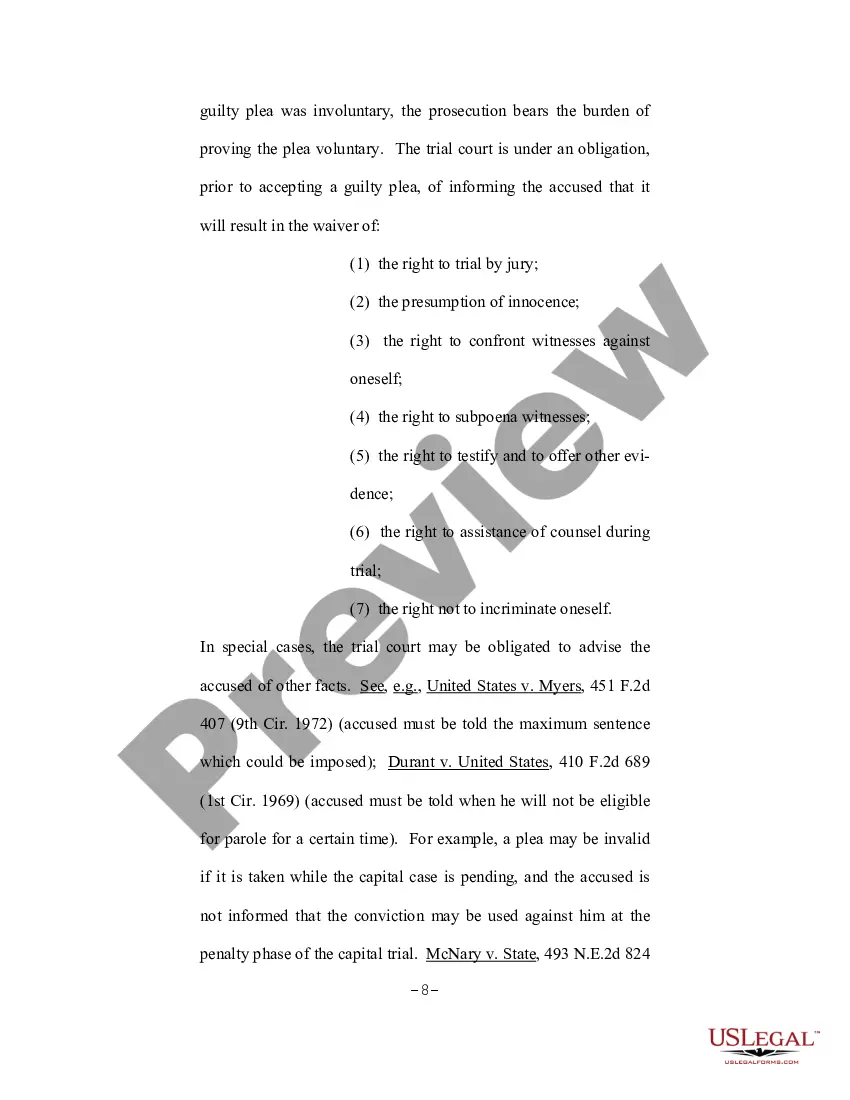
Is this your first time using US Legal Forms? Sign up and create a free account in just a few minutes, gaining access to the form library and Previous Offenses Lacking Physical Proof. Then, follow these steps to fill out your form: Ensure you have found the correct form using the Preview feature and reviewing the form description. Click Buy Now when prepared and select the subscription plan that suits you. Hit Download then fill out, eSign, and print the form. US Legal Forms has 25 years of experience aiding users in managing their legal documents. Obtain the form you need right now and streamline any process effortlessly.
- Browse the collection of relevant documents available to you with a single click.
- US Legal Forms provides you with state- and county-specific forms accessible for download at any time.
- Secure your document management processes with a premium service that enables you to assemble any form within minutes without additional or hidden fees.
- Simply Log In to your account, find Previous Offenses Lacking Physical Proof, and download it immediately from the My documents section.
- You can also retrieve previously saved forms.
Form popularity
FAQ
Yes, it is possible to face legal consequences even when there is no direct proof. The legal system may still rely on prior convictions without physical evidence, as circumstantial evidence can influence a judge or jury’s decision. However, each case is unique, and the absence of physical evidence may weaken the prosecution's case. Using US Legal Forms can assist you in exploring your options and understanding the implications of your situation.
In criminal cases, proof often includes eyewitness testimony, forensic evidence, and documentation. While some cases rely on direct evidence, others may depend on circumstantial evidence to establish guilt. When discussing prior convictions without physical evidence, it’s essential to understand that a conviction can still occur if the prosecution presents sufficient indirect evidence. Consulting US Legal Forms can help you navigate these complexities and understand your rights.
Yes, it is possible to be convicted without physical evidence. In many cases, the prosecution relies on witness testimony or circumstantial evidence to build their case. While prior convictions without physical evidence can influence the outcome, the overall strength of the evidence presented plays a significant role. If you find yourself in this situation, seeking legal guidance through resources like US Legal Forms can help you better understand your rights and options.
The rule of evidence for prior convictions allows a court to consider previous criminal convictions when assessing a defendant's credibility or character. This means that if a person has prior convictions without physical evidence, those convictions can still impact their case. However, the admissibility of such evidence often depends on the relevance to the current charges. Understanding these nuances is crucial, and platforms like US Legal Forms can help you navigate the complexities of legal documentation.
In a criminal case, the prosecution bears the burden of proving that the defendant is guilty beyond all reasonable doubt. This means that the prosecution must convince the jury that there is no other reasonable explanation that can come from the evidence presented at trial.
Further, California criminal law allows the prosecution to convict a defendant on circumstantial evidence alone. If direct evidence were always necessary for a conviction, a crime would need a direct eyewitness, or the guilty party would avoid criminal responsibility.
Not-Guilty Verdict In the unlikely event that a case goes to trial with minimal evidence, a jury will make the decision on guilt. A jury could return a final judgment of not guilty if they believe there is insufficient evidence to prove beyond a reasonable doubt that you committed the offense in question.
In general, you cannot be charged without evidence, but many people take this to mean physical evidence. In the absence of physical evidence, you can still receive drug charges if you had control over an illegal substance or had the intent to sell or distribute that substance, even if you did not physically possess it.
Rule 609 of the Federal Rules of Evidence deals with the impeachment of a witness by evidence that the witness has been previously convicted of a crime.