Prior Convictions With Civil Proceedings
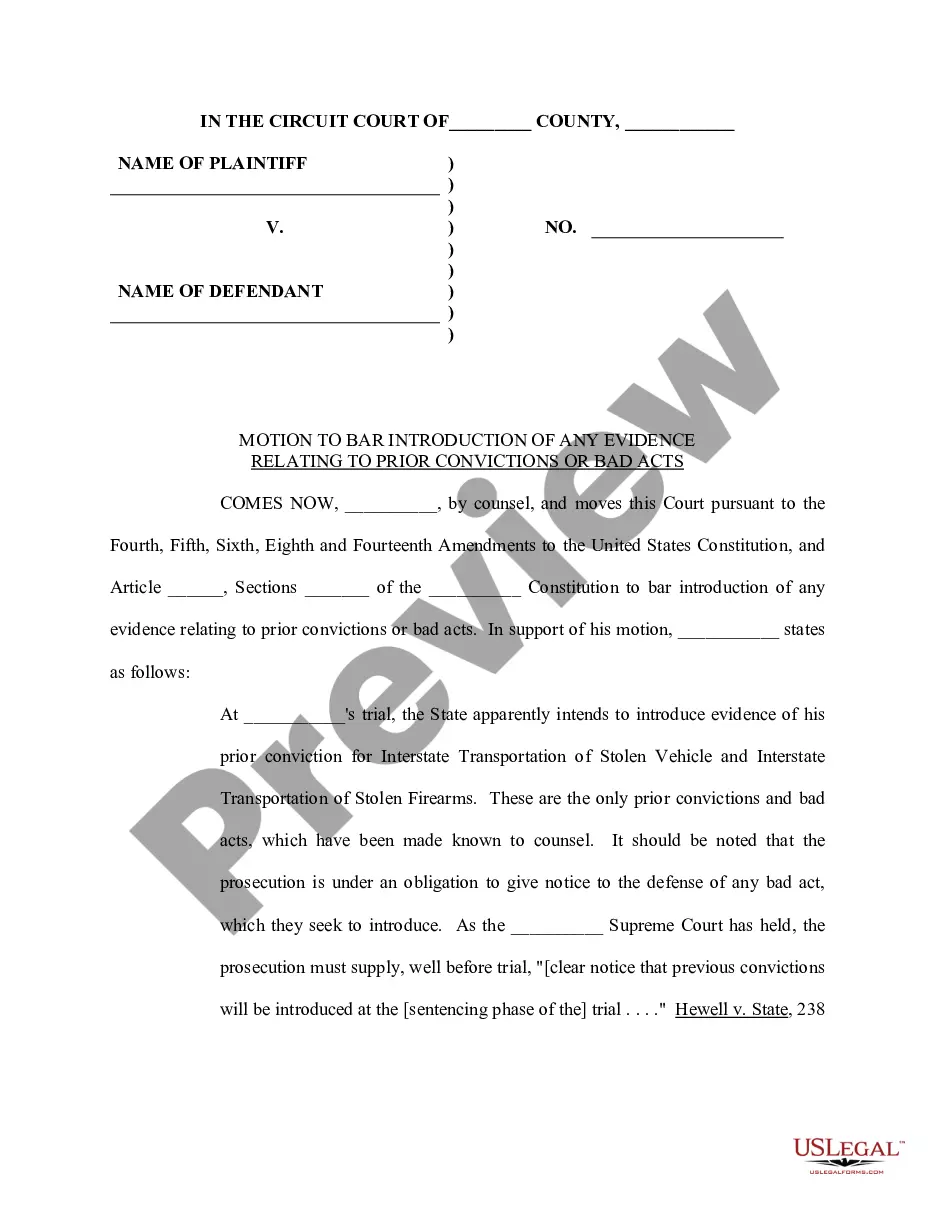
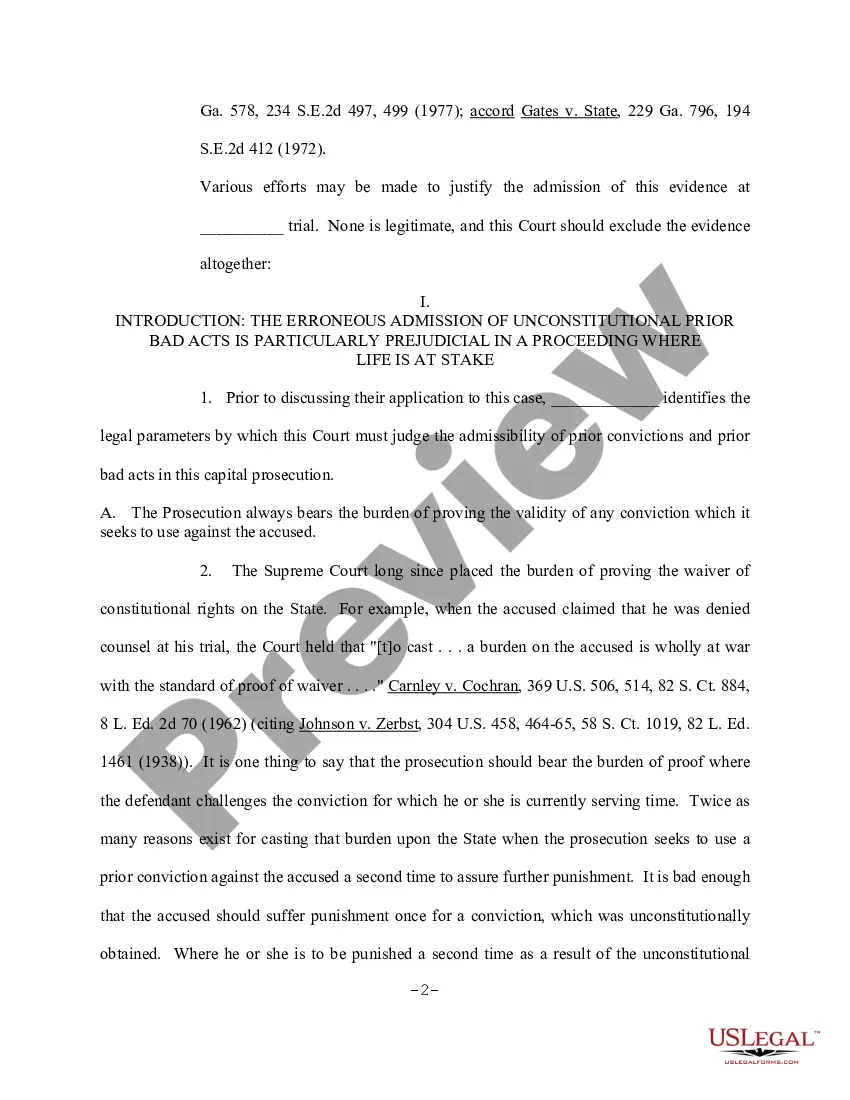
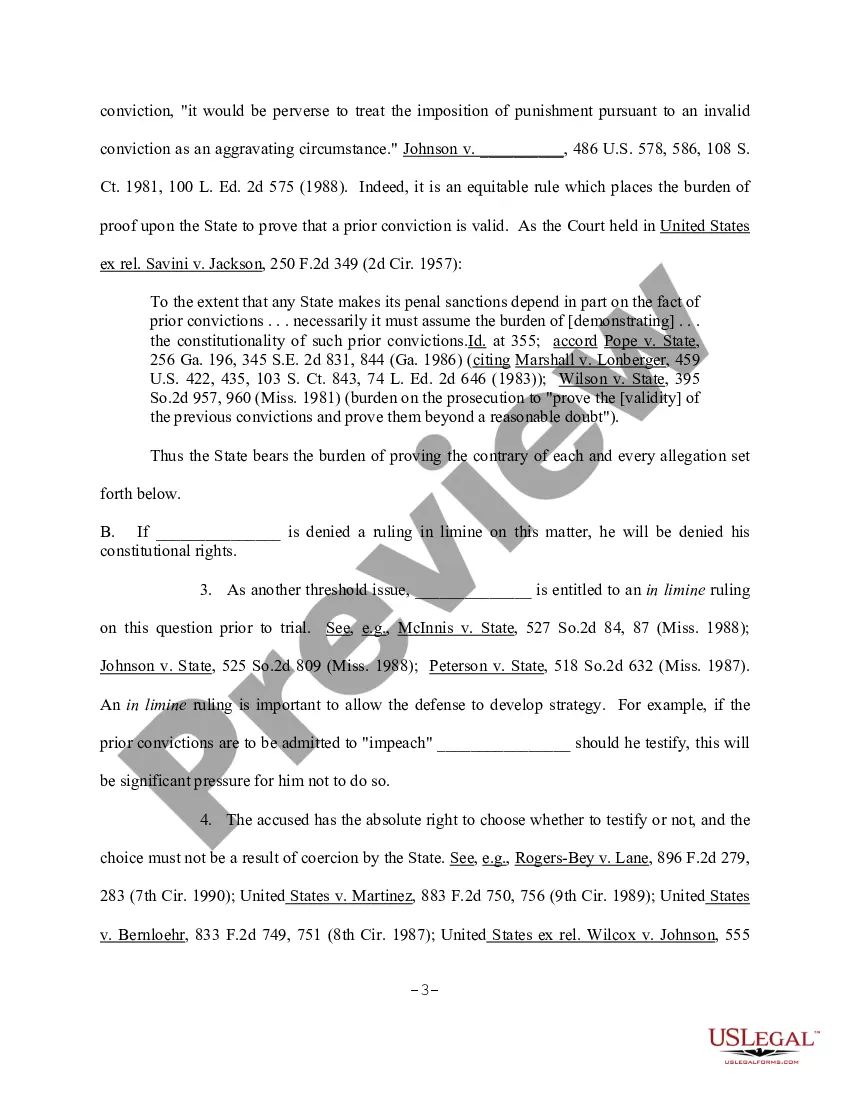
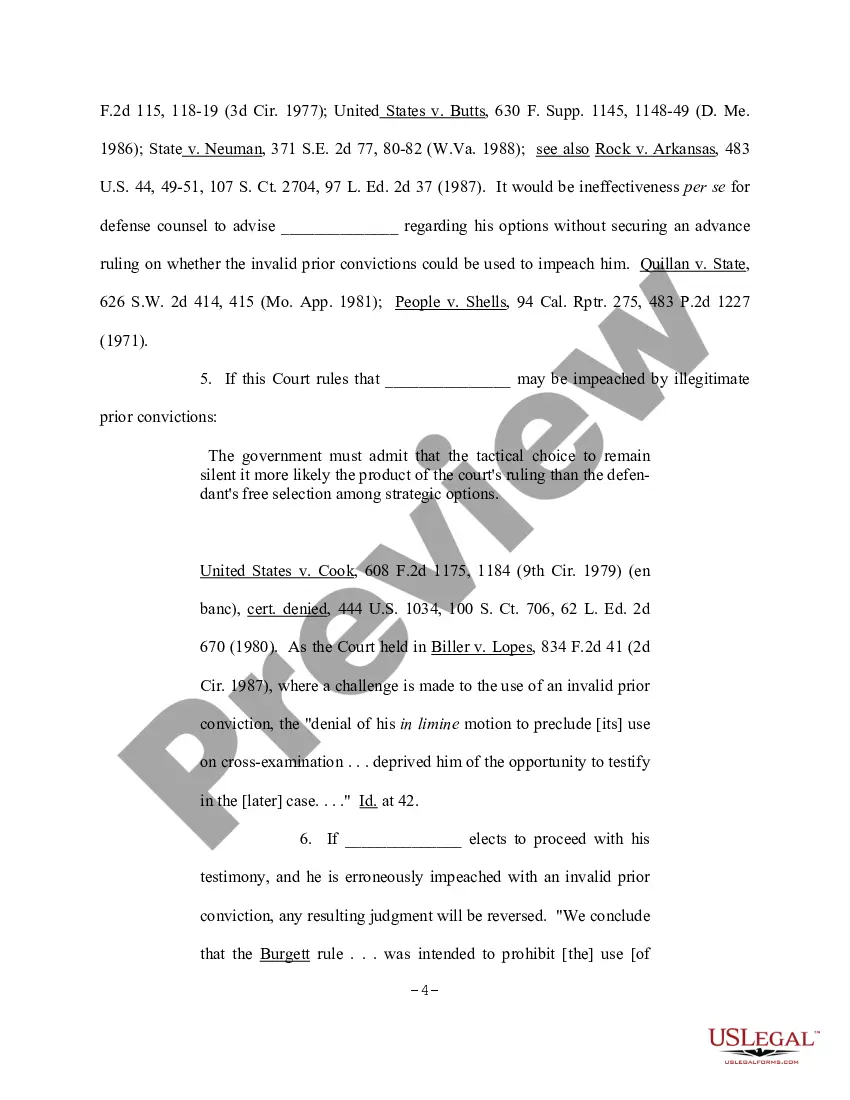
Description

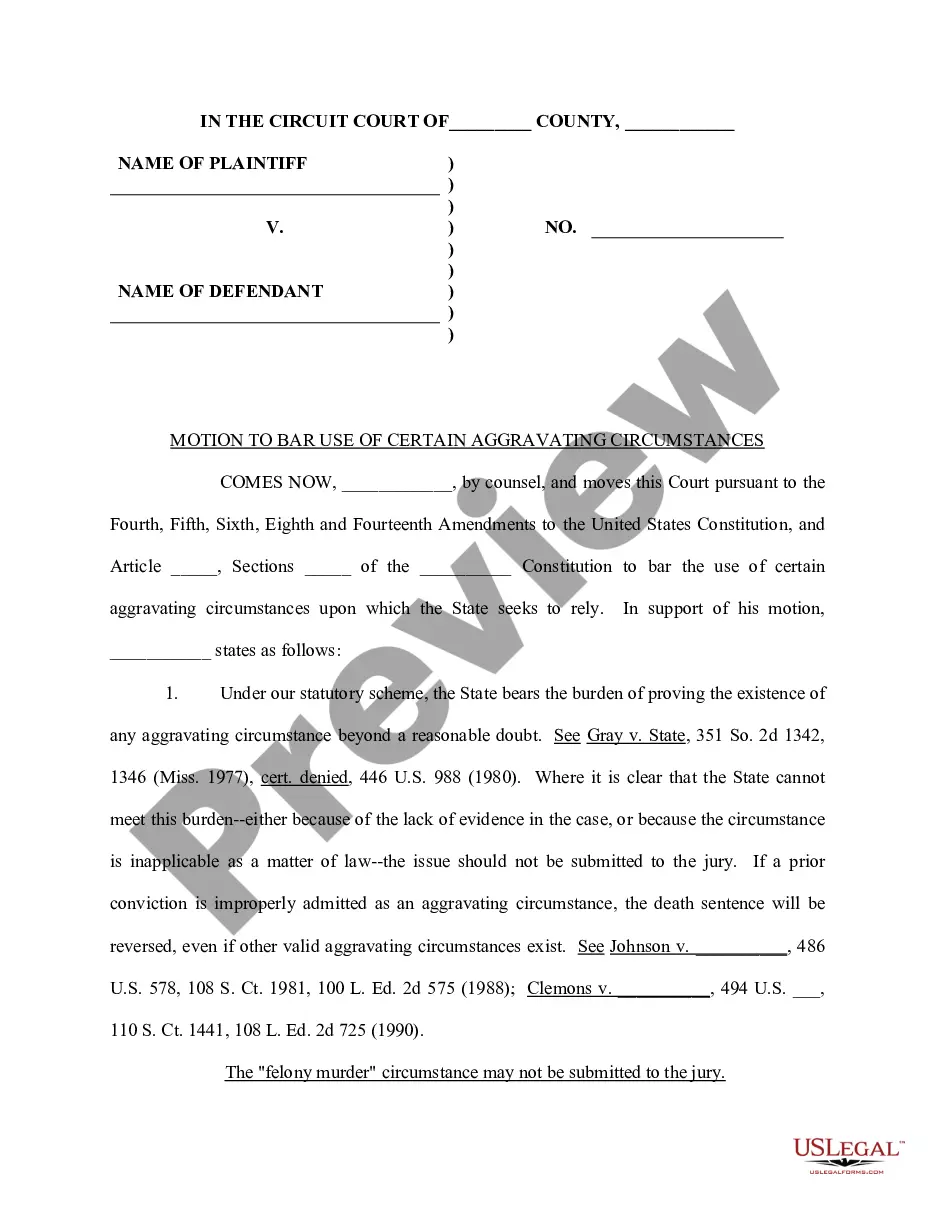
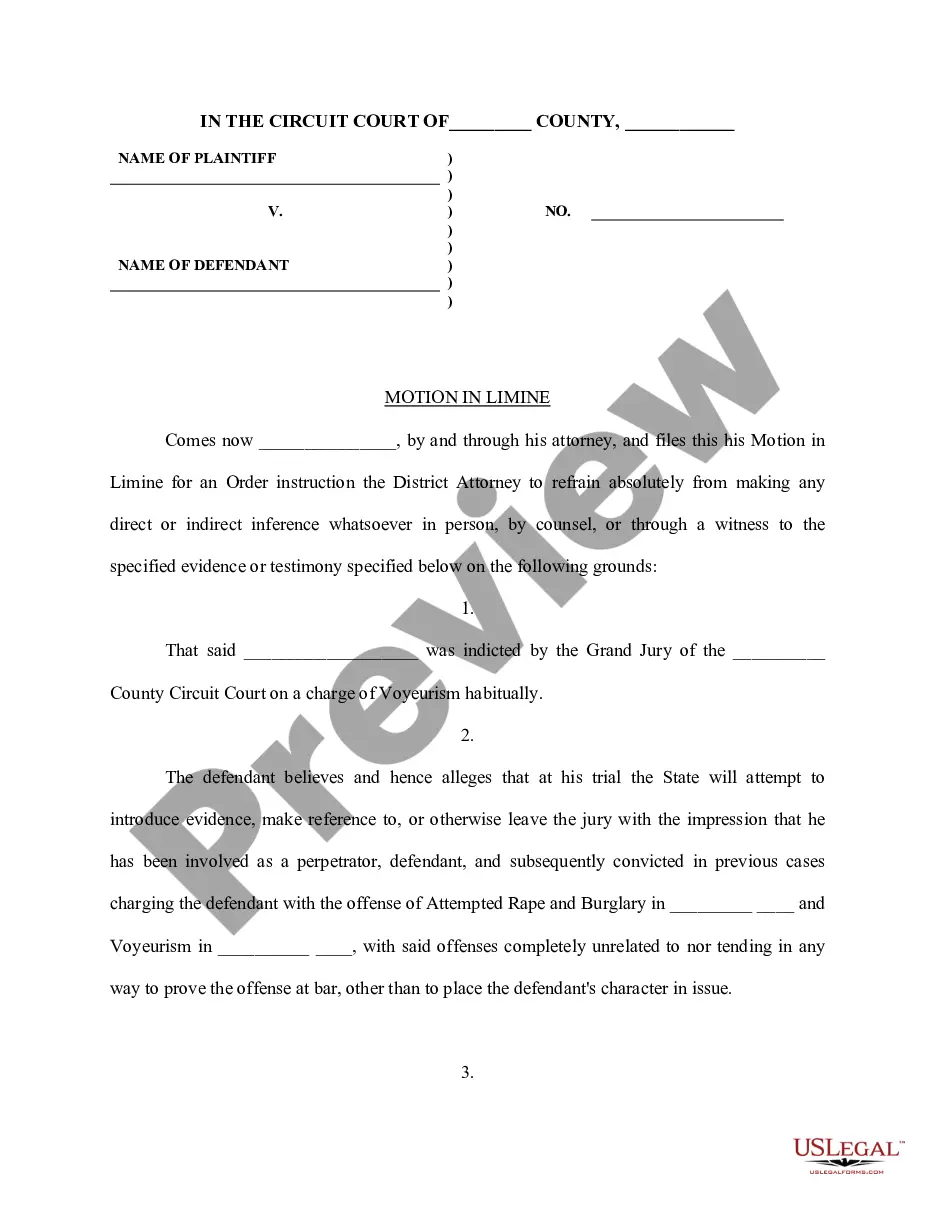
Get your form ready online
Our built-in tools help you complete, sign, share, and store your documents in one place.
Make edits, fill in missing information, and update formatting in US Legal Forms—just like you would in MS Word.
Download a copy, print it, send it by email, or mail it via USPS—whatever works best for your next step.
Sign and collect signatures with our SignNow integration. Send to multiple recipients, set reminders, and more. Go Premium to unlock E-Sign.
If this form requires notarization, complete it online through a secure video call—no need to meet a notary in person or wait for an appointment.
We protect your documents and personal data by following strict security and privacy standards.

Make edits, fill in missing information, and update formatting in US Legal Forms—just like you would in MS Word.

Download a copy, print it, send it by email, or mail it via USPS—whatever works best for your next step.

Sign and collect signatures with our SignNow integration. Send to multiple recipients, set reminders, and more. Go Premium to unlock E-Sign.

If this form requires notarization, complete it online through a secure video call—no need to meet a notary in person or wait for an appointment.

We protect your documents and personal data by following strict security and privacy standards.
Looking for another form?



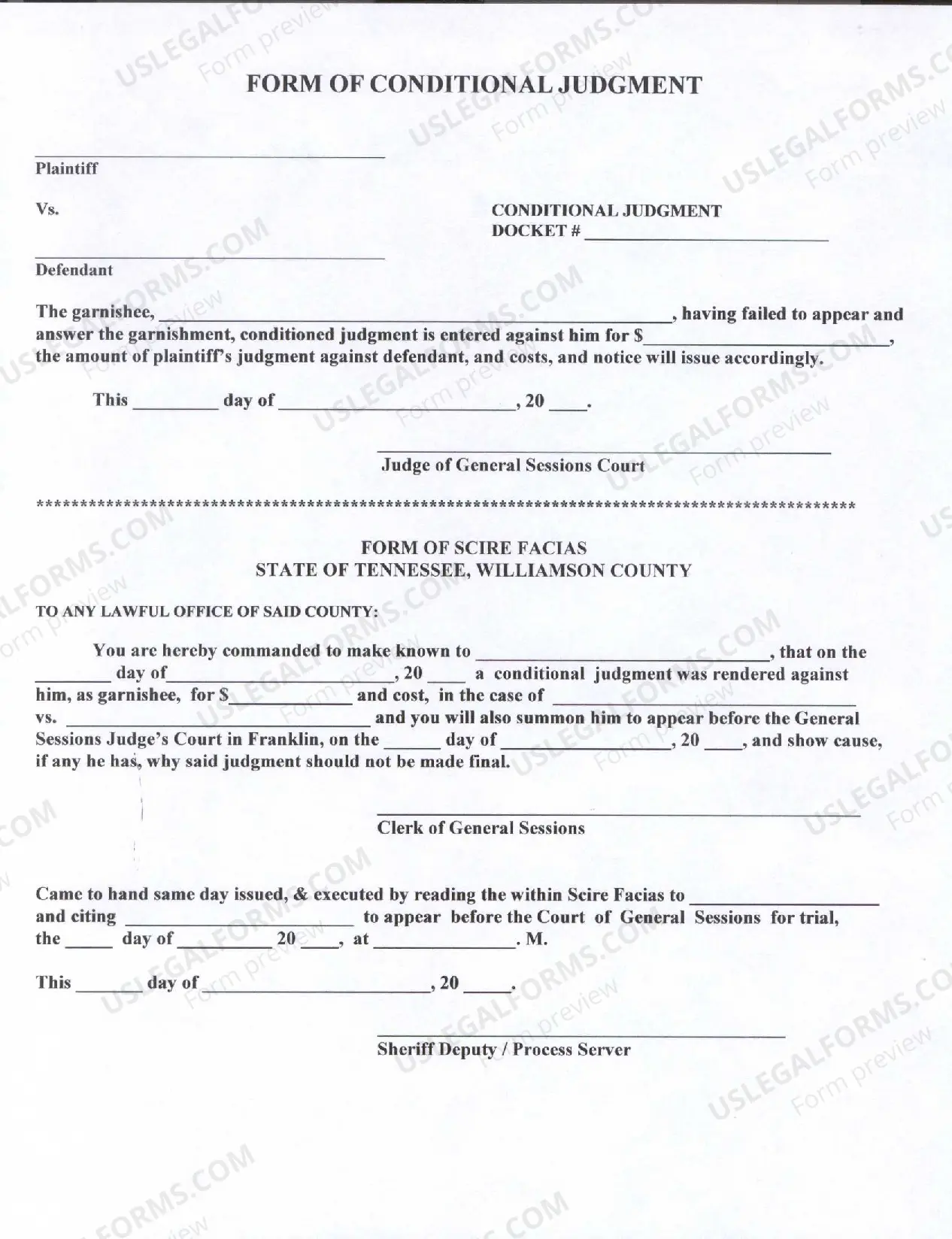
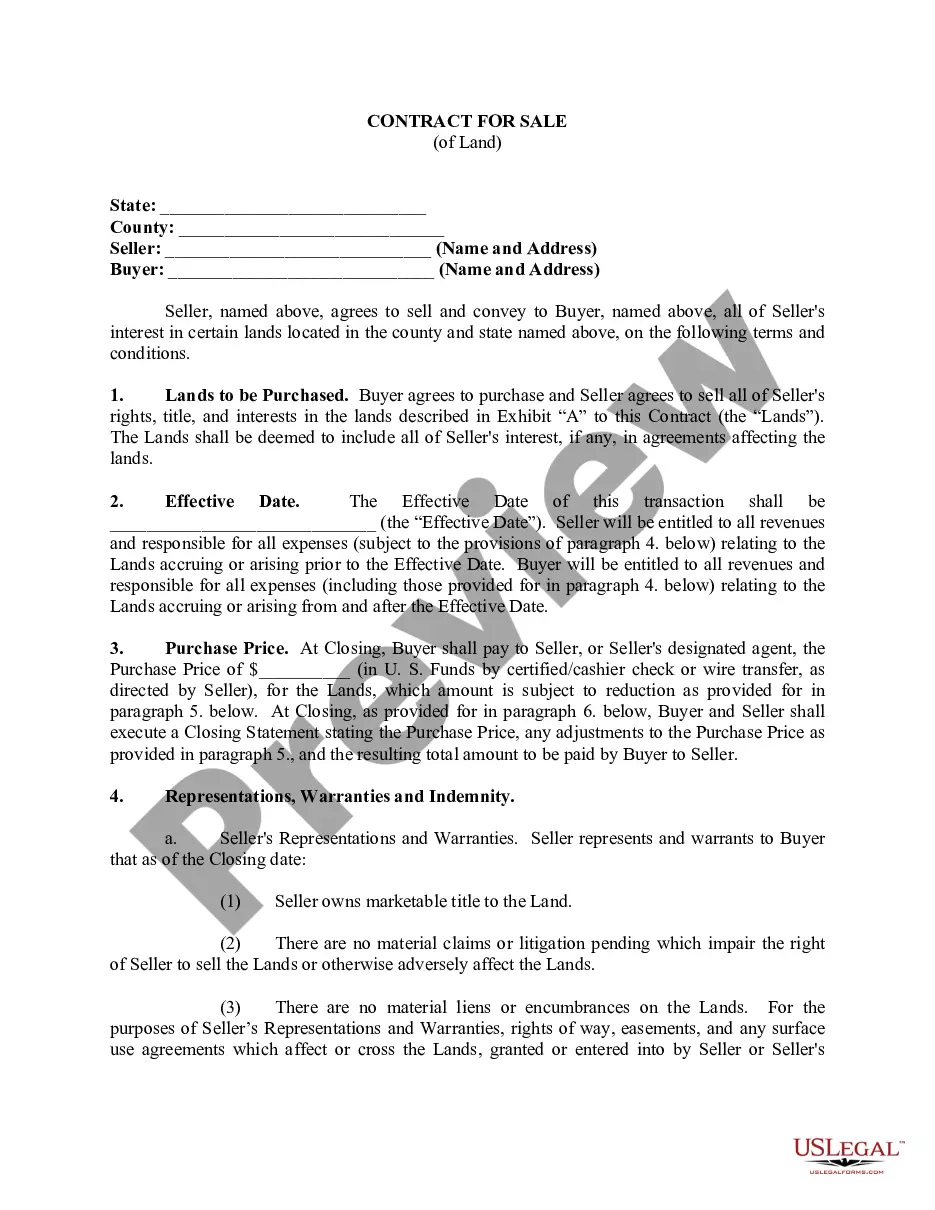





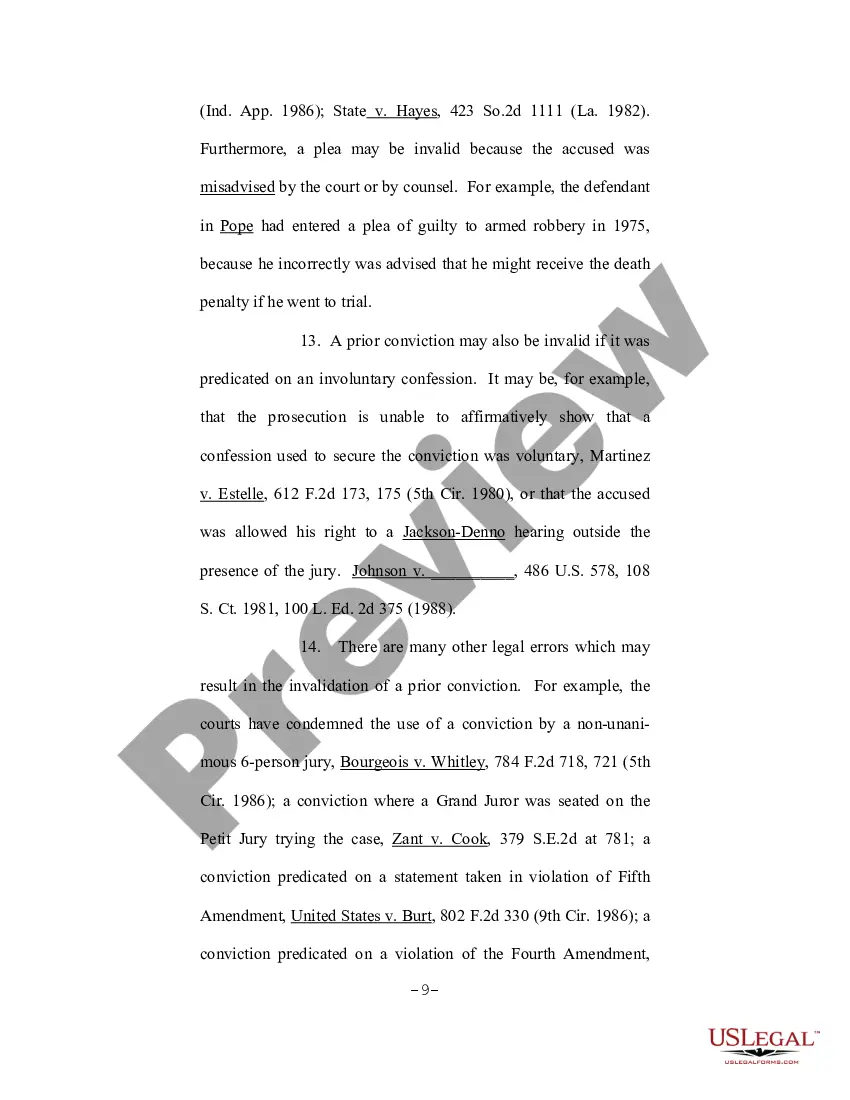
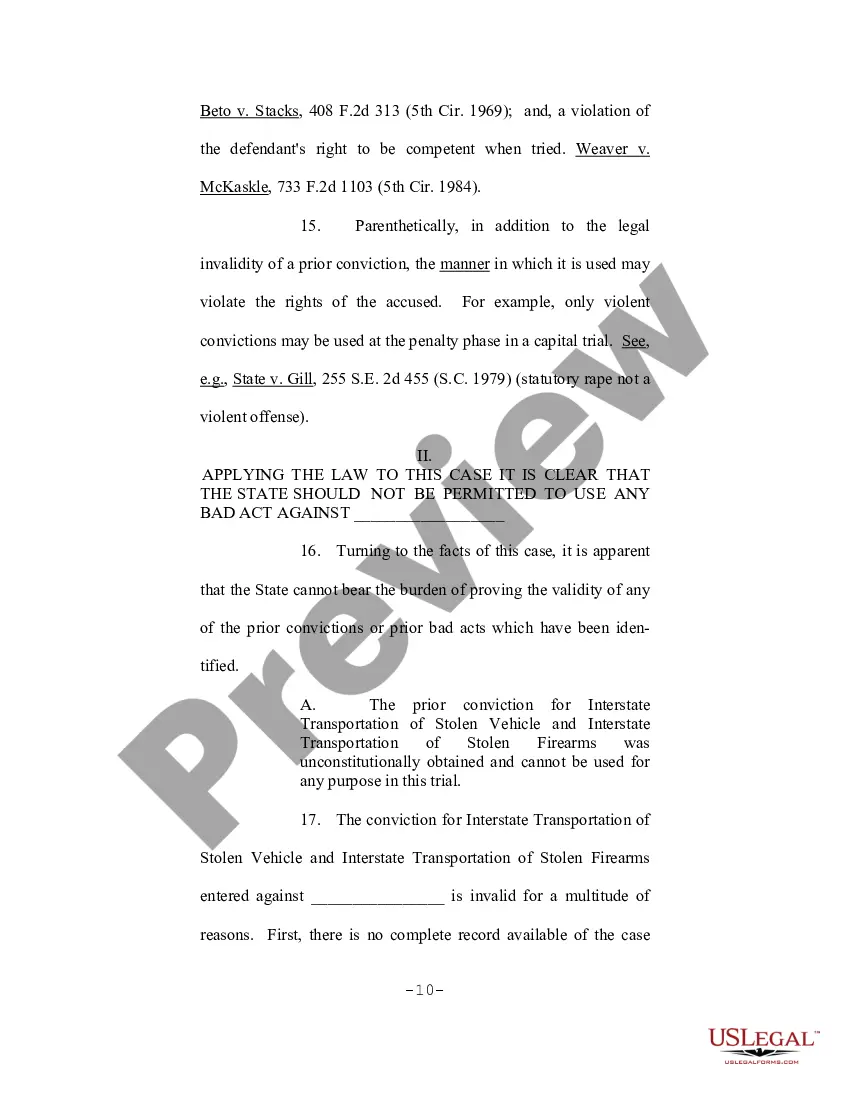
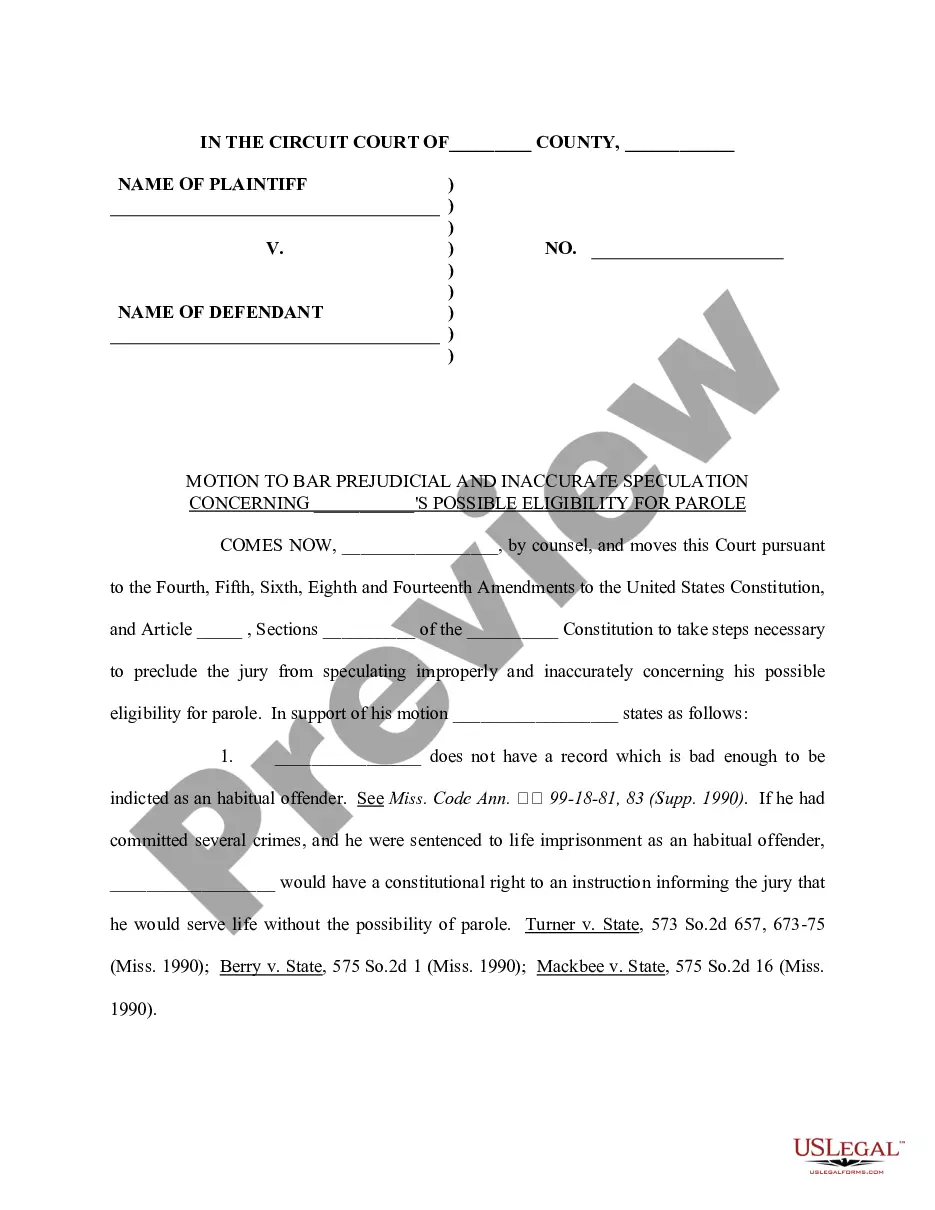
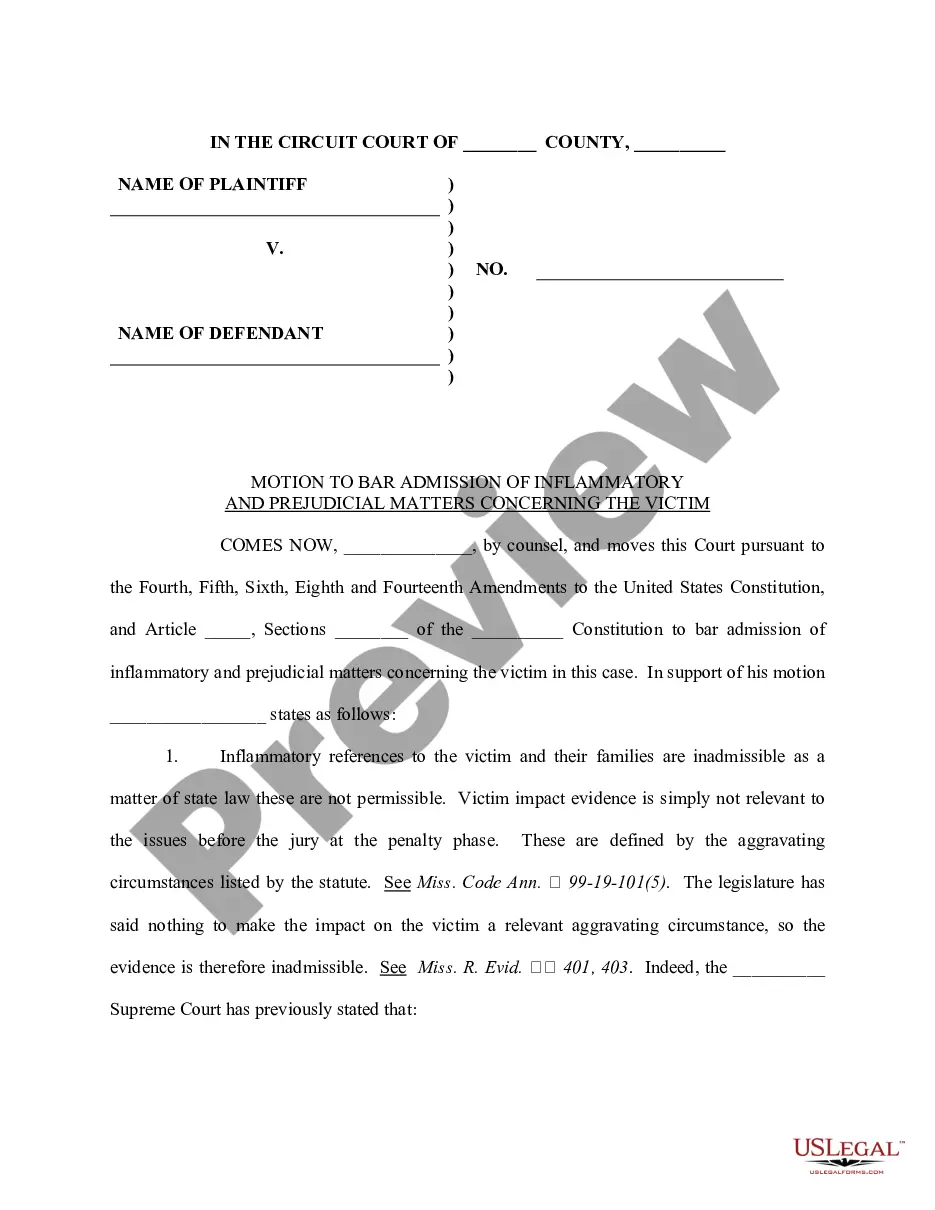
How to fill out Motion To Bar Introduction Of Any Evidence Relating To Prior Convictions Or Bad Acts?
The Previous Convictions With Civil Procedures you observe on this page is a reusable legal framework crafted by expert attorneys in compliance with federal and local laws and regulations.
For over 25 years, US Legal Forms has supplied individuals, companies, and lawyers with more than 85,000 validated, state-specific documents for any business and personal circumstance. It’s the quickest, simplest, and most dependable method to acquire the paperwork you require, as the service ensures the utmost level of data security and anti-malware safeguards.
Subscribe to US Legal Forms to access verified legal templates for all of life’s circumstances at your fingertips.
- Search for the document you require and examine it.
- Sign up and Log In.
- Obtain the editable template.
- Complete and sign the document.
- Download your paperwork once again.
Form popularity
FAQ
Yes, a criminal conviction can be used in a civil case, particularly when it relates to liability or damages. Courts often allow evidence of prior convictions with civil proceedings to establish the credibility of a party or the severity of an incident. However, the admissibility of such evidence may depend on various factors, including the nature of the conviction. For tailored advice on this matter, consider exploring the resources available on US Legal Forms.
To request your previous convictions, you typically need to contact the relevant law enforcement agency or court. Each state has its own procedures for accessing this information, so it's important to follow the specific steps outlined by your state. Additionally, utilizing platforms like US Legal Forms can streamline your request process by providing the necessary forms and guidance. This way, you can efficiently obtain the information required for your civil proceedings.
The 609 prior conviction refers to a specific provision in the law that allows you to access information regarding certain prior convictions. This provision is particularly relevant when evaluating how prior convictions with civil proceedings impact legal matters. Understanding these convictions is crucial for anyone involved in civil cases, as they can influence outcomes. If you need assistance navigating this process, US Legal Forms offers resources to help you understand your rights.
The rule of evidence for prior convictions typically allows such evidence to be presented if it is relevant to the case. This may include demonstrating a pattern of behavior or establishing credibility. In civil proceedings involving prior convictions, understanding these rules is vital for a fair trial. Legal guidance can provide the clarity needed to navigate these issues successfully.
Writing a conviction statement involves clearly outlining the facts of the conviction, including the date, nature of the offense, and the court's ruling. It’s essential to be concise yet comprehensive, ensuring the statement reflects the necessary details. When dealing with prior convictions with civil proceedings, accuracy matters. Resources like uslegalforms can assist you in drafting this statement effectively.
The evidence rule for prior convictions generally states that such convictions may be introduced to prove a person's character or propensity to commit similar acts. However, this is subject to specific legal standards and limitations. In cases involving prior convictions with civil proceedings, the admissibility of this evidence can significantly affect outcomes. Consulting with a legal professional can help you navigate these complexities.
Prior bad acts are often excluded to prevent unfair prejudice against a party. The concern is that jurors may focus more on the past actions than the case at hand, leading to biased decisions. In civil proceedings involving prior convictions, it’s important to understand these limitations. Seeking guidance from a legal expert can clarify how these rules apply to your situation.
Prior bad acts may be admissible in specific civil cases, depending on the circumstances. Courts often allow this type of evidence if it demonstrates a pattern of behavior or establishes motive. Therefore, prior convictions with civil proceedings can influence the outcome of your case. Legal advice is crucial in these scenarios to ensure proper representation.
The five rules of evidence generally include relevance, materiality, competence, authentication, and hearsay. Each rule plays a significant role in determining what evidence is admissible in court. When discussing prior convictions with civil proceedings, understanding these rules can help you navigate legal challenges. Consulting resources like uslegalforms can provide valuable insights.
A previous conviction refers to any criminal offense for which a person has been found guilty in a court of law. This includes felony and misdemeanor charges. In the context of prior convictions with civil proceedings, it is crucial to know how these convictions may impact civil cases. Always verify the specifics of your case with a legal professional.