Prior Convictions For Evidence
Description
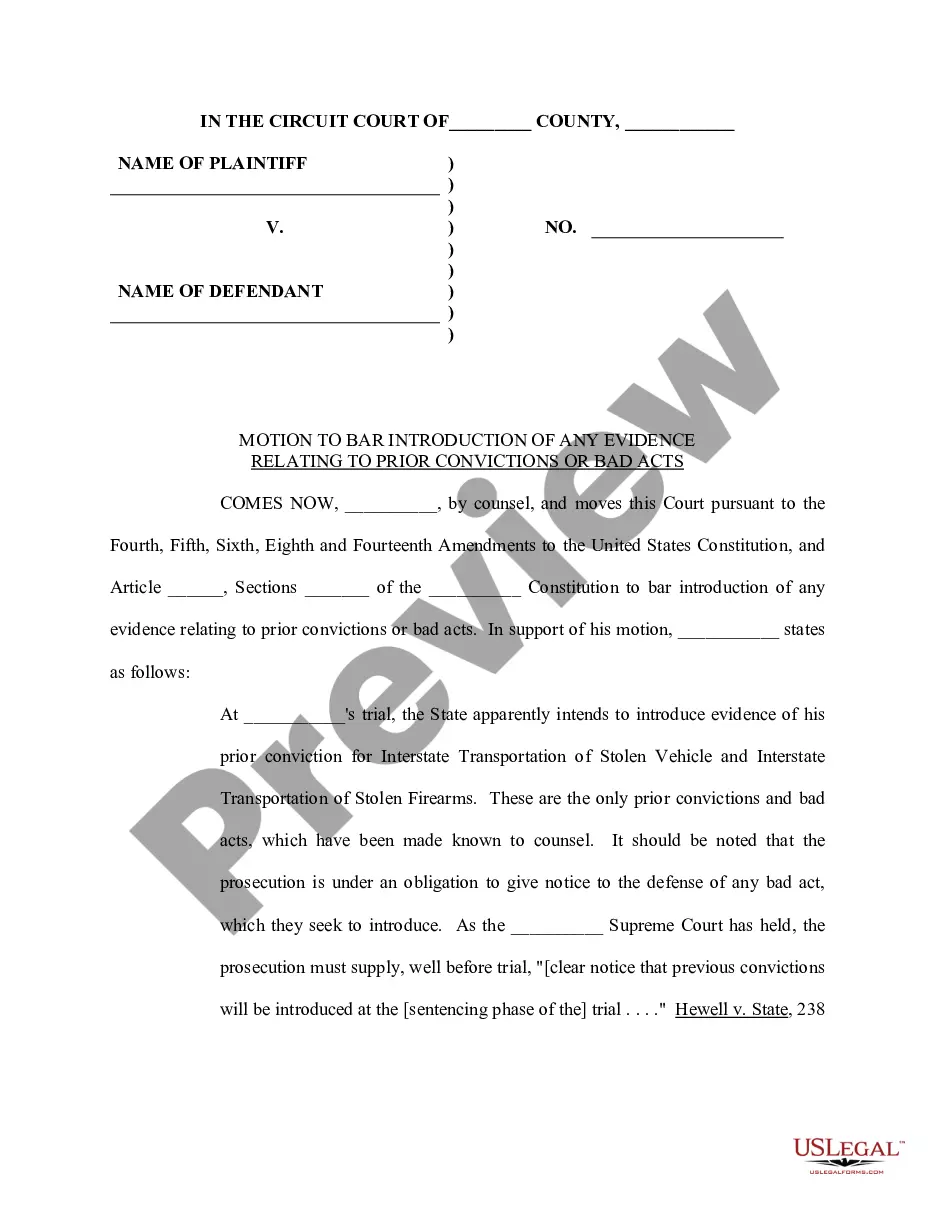
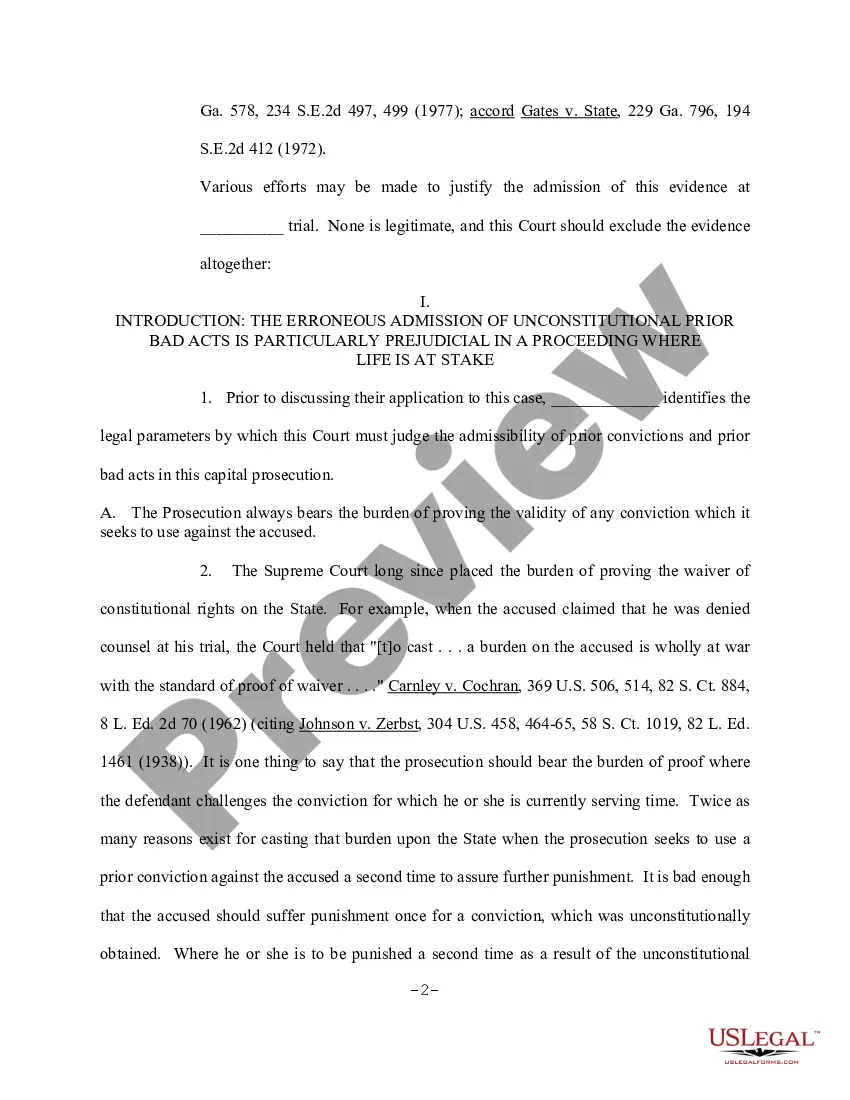
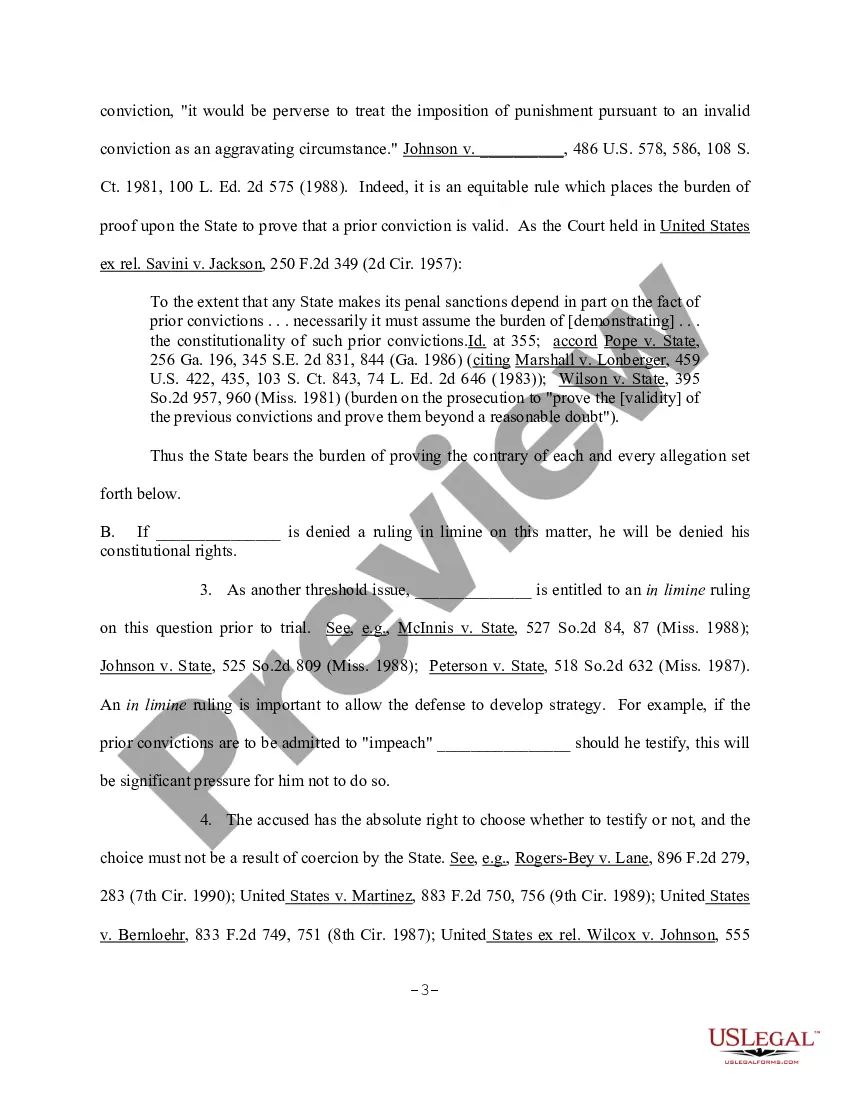
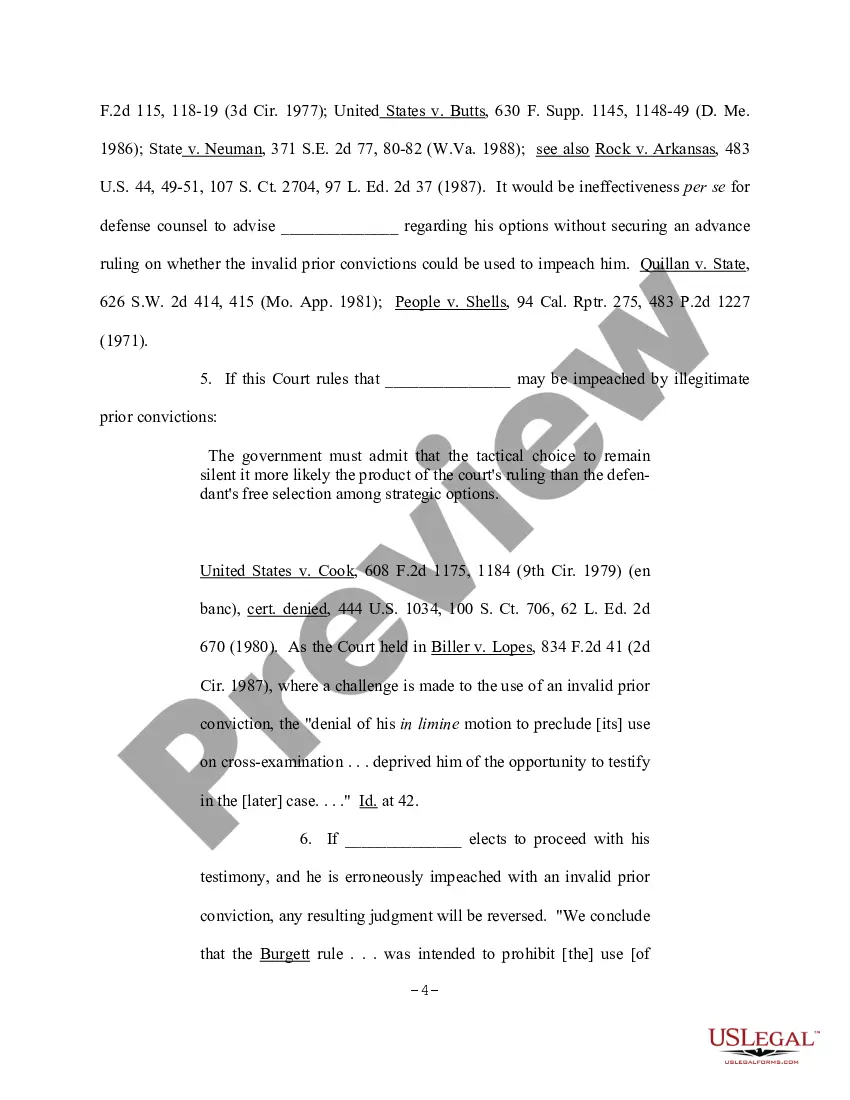
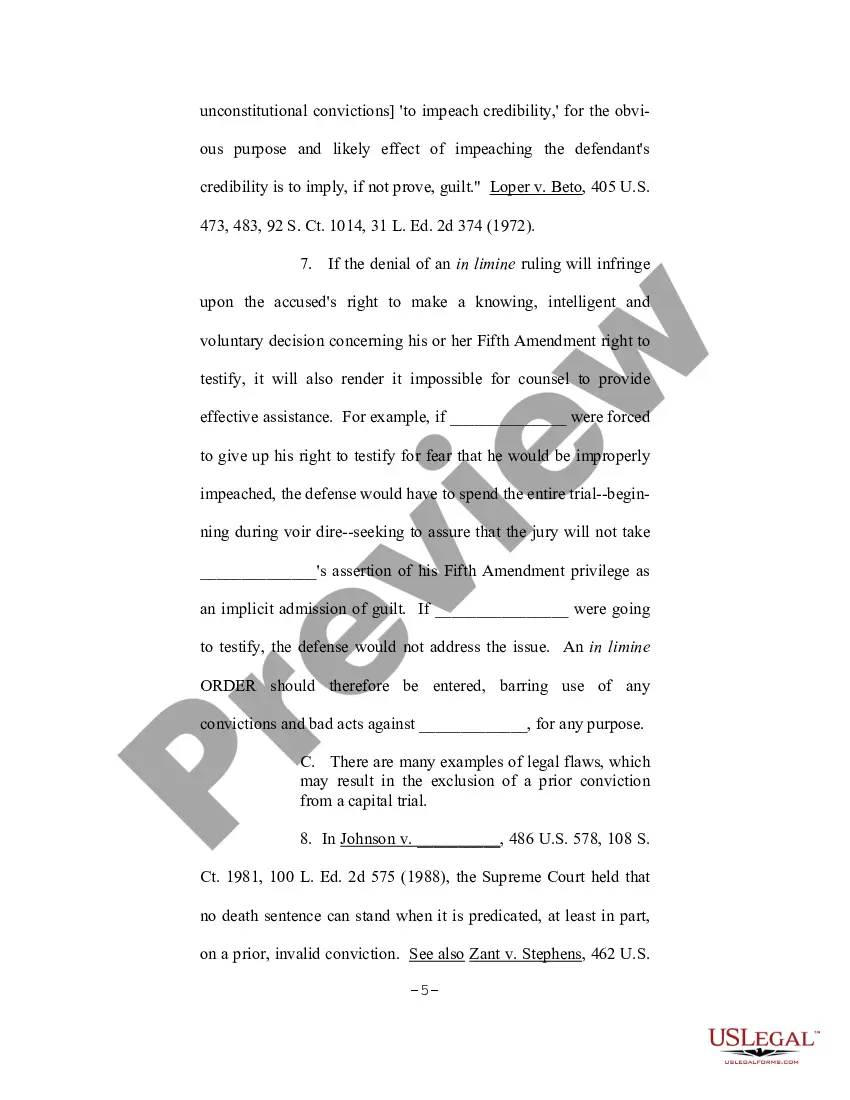
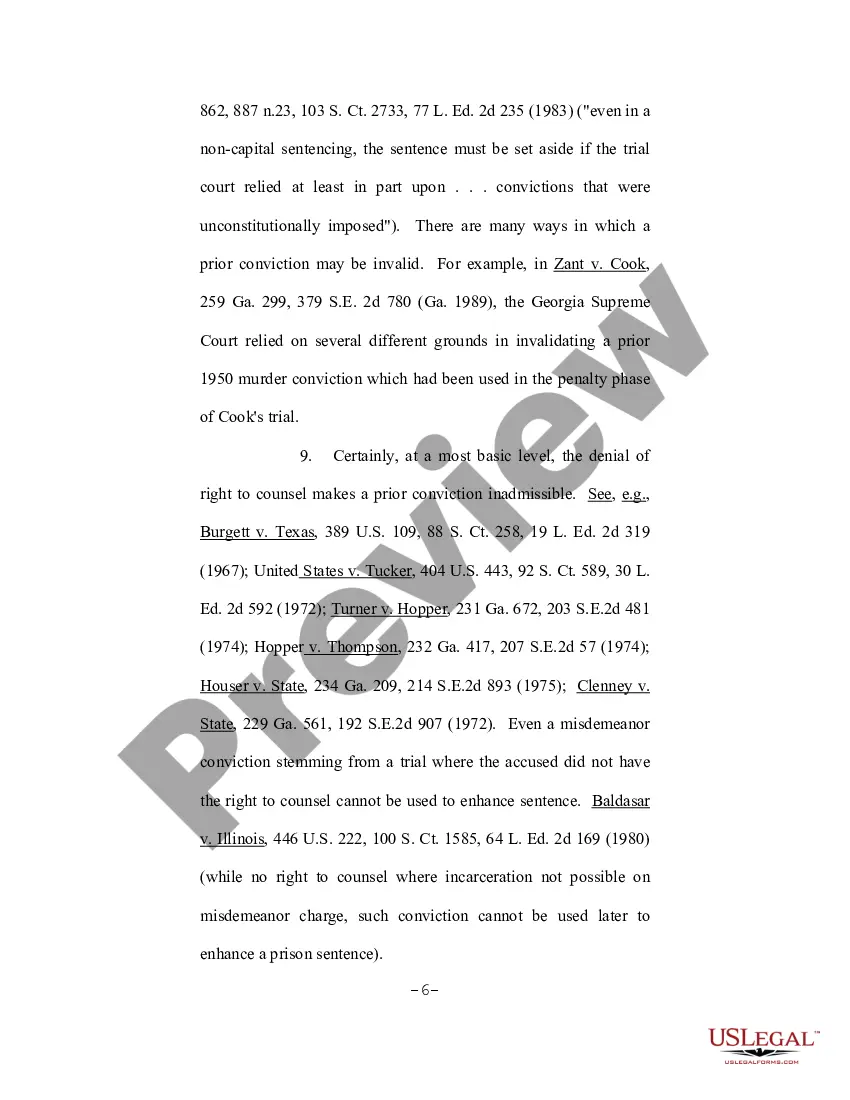
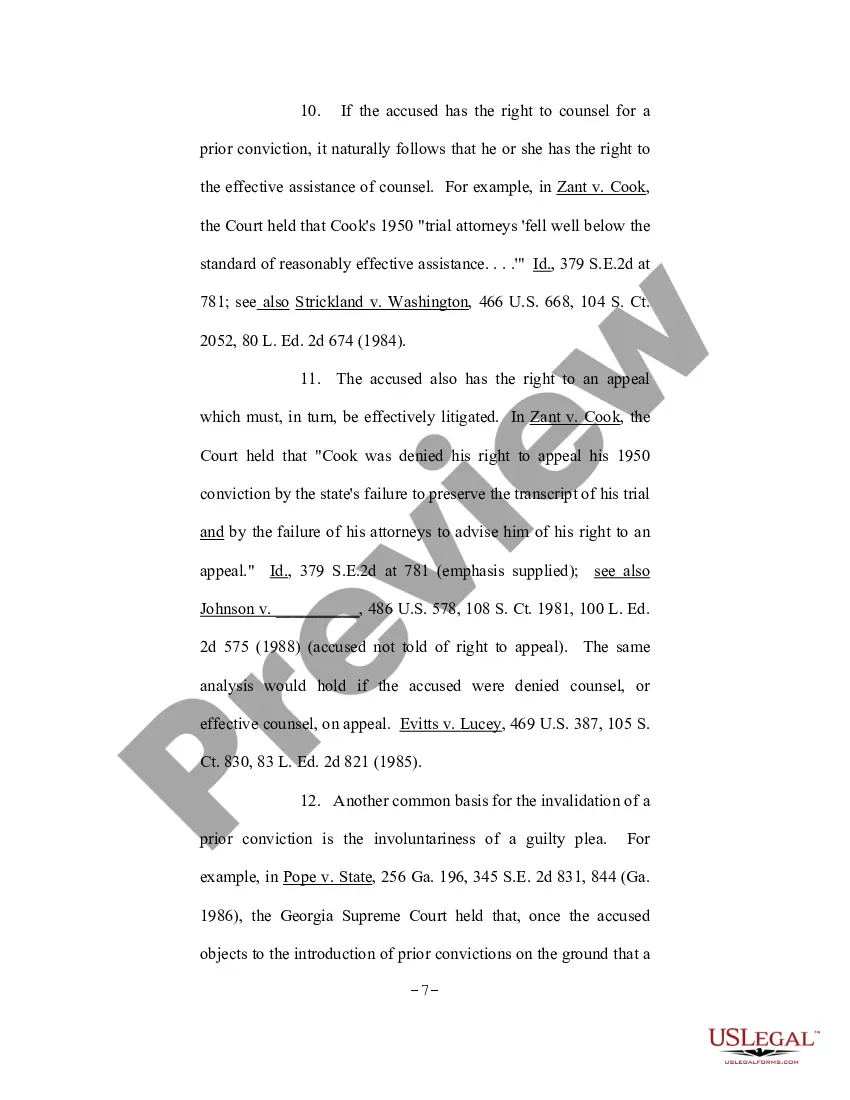
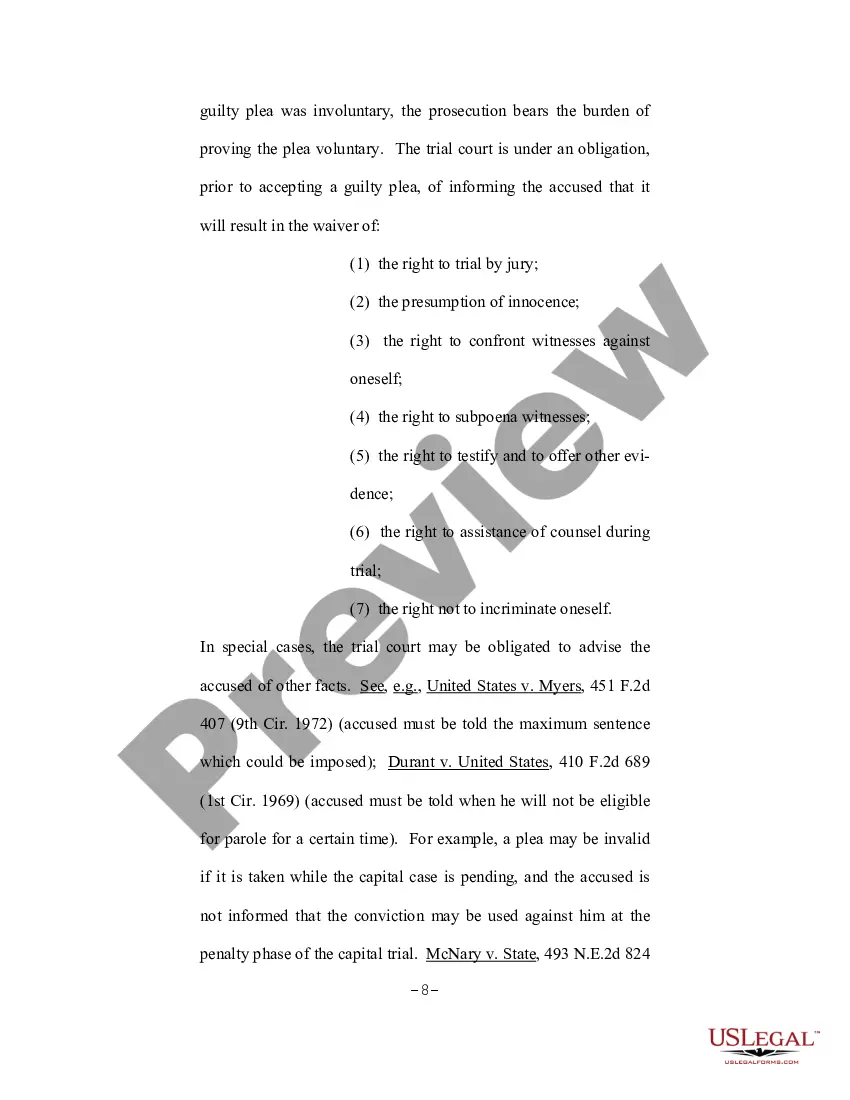
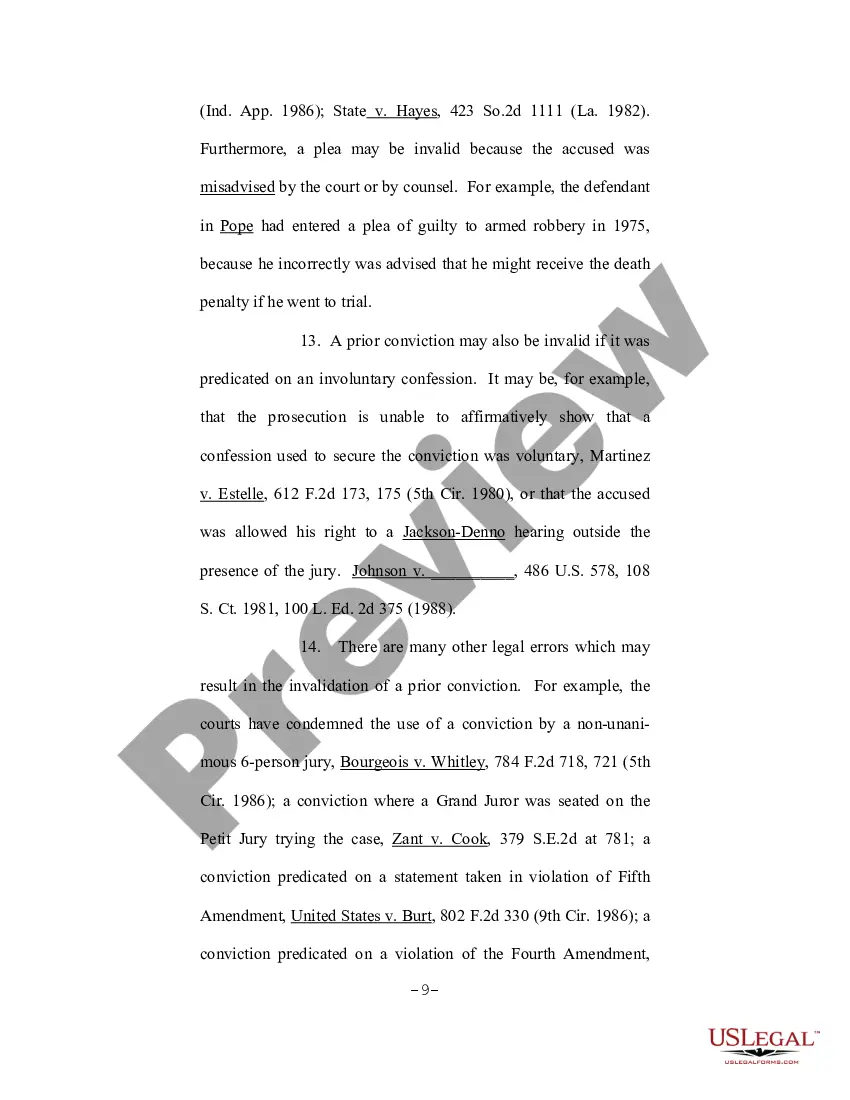
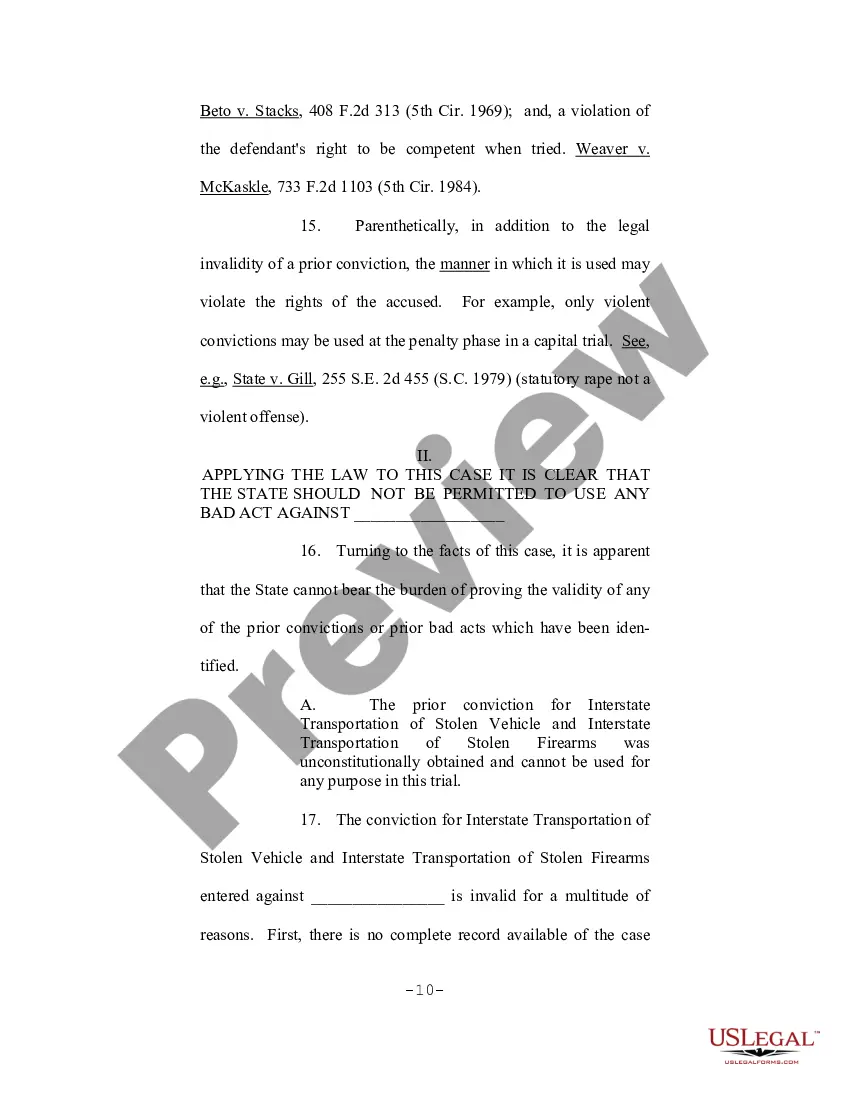

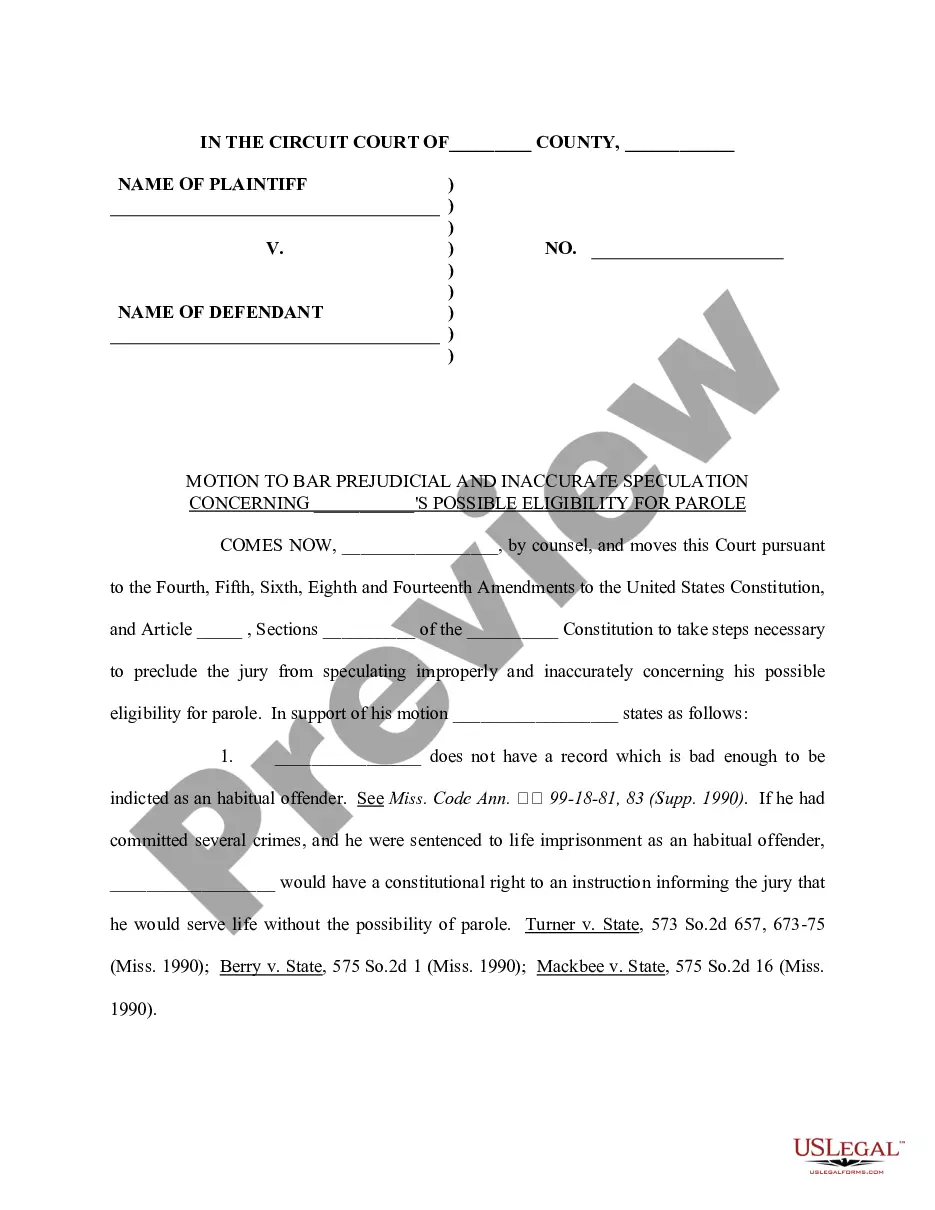
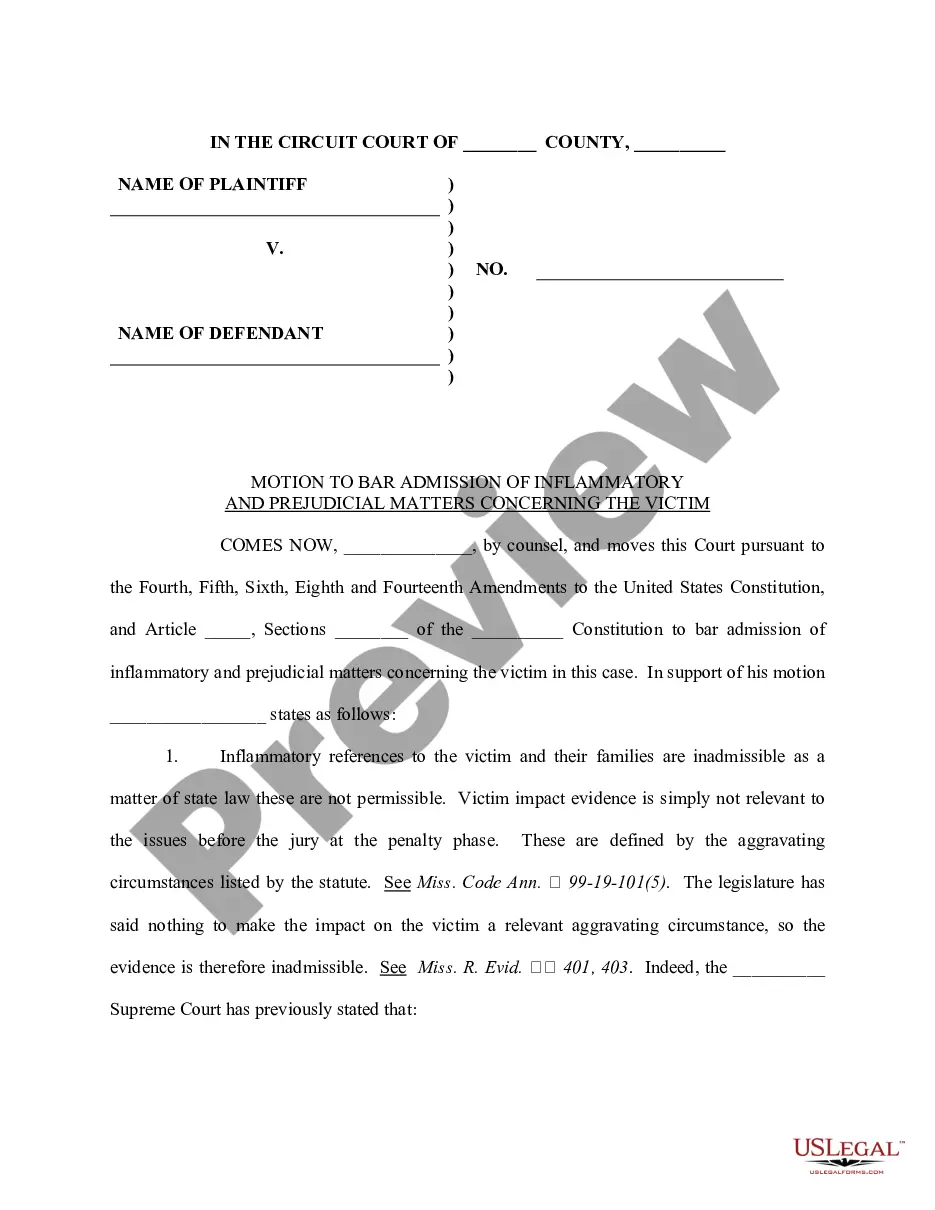
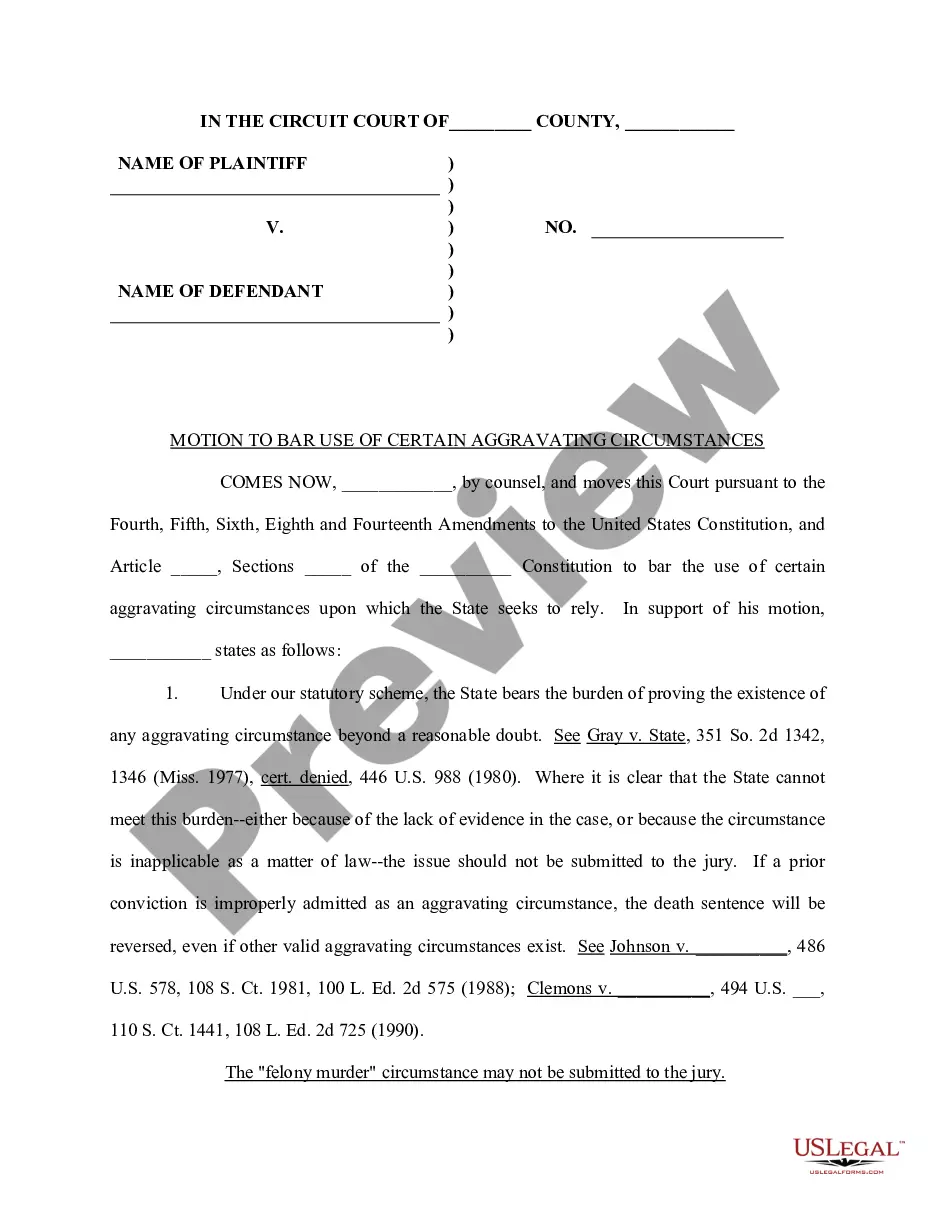
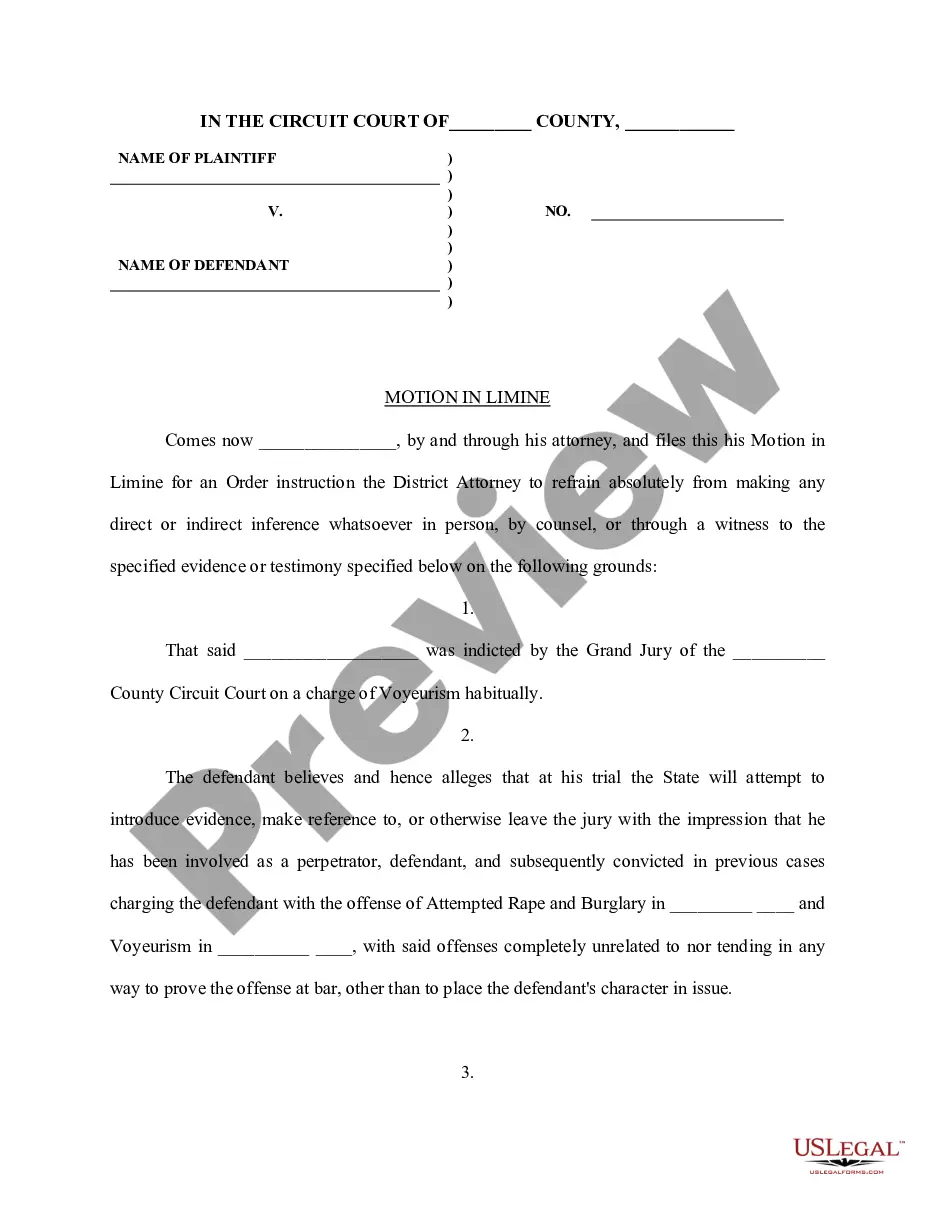
Get your form ready online
Our built-in tools help you complete, sign, share, and store your documents in one place.
Make edits, fill in missing information, and update formatting in US Legal Forms—just like you would in MS Word.
Download a copy, print it, send it by email, or mail it via USPS—whatever works best for your next step.
Sign and collect signatures with our SignNow integration. Send to multiple recipients, set reminders, and more. Go Premium to unlock E-Sign.
If this form requires notarization, complete it online through a secure video call—no need to meet a notary in person or wait for an appointment.
We protect your documents and personal data by following strict security and privacy standards.

Make edits, fill in missing information, and update formatting in US Legal Forms—just like you would in MS Word.

Download a copy, print it, send it by email, or mail it via USPS—whatever works best for your next step.

Sign and collect signatures with our SignNow integration. Send to multiple recipients, set reminders, and more. Go Premium to unlock E-Sign.

If this form requires notarization, complete it online through a secure video call—no need to meet a notary in person or wait for an appointment.

We protect your documents and personal data by following strict security and privacy standards.
Looking for another form?


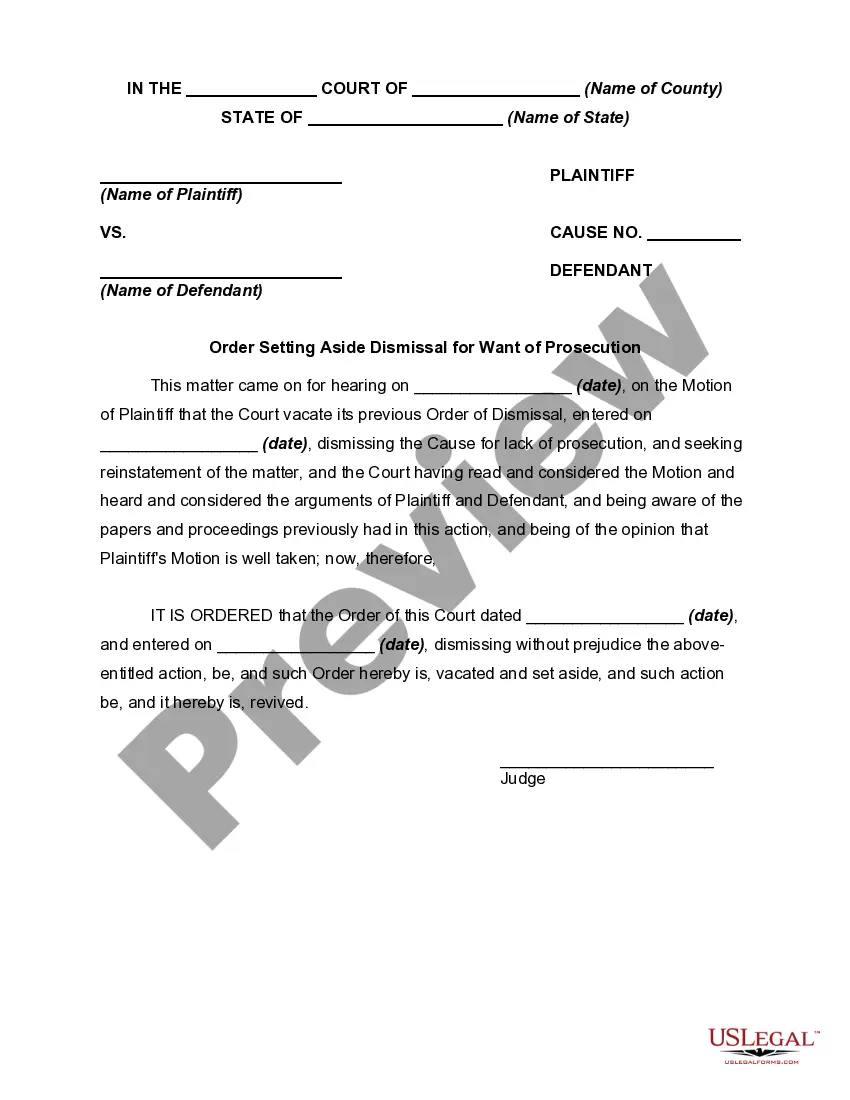







How to fill out Motion To Bar Introduction Of Any Evidence Relating To Prior Convictions Or Bad Acts?
Legal paperwork management can be daunting, even for seasoned professionals.
When you are looking for a Prior Convictions For Evidence and lack the time to invest in finding the correct and current version, the procedures may become overwhelming.
US Legal Forms caters to all your requirements, from personal to business paperwork, all in one place.
Utilize advanced tools to complete and oversee your Prior Convictions For Evidence.
Here are the steps to follow after securing the form you need: Verify it is the correct document by previewing it and reviewing its details. Ensure that the template is recognized in your state or county. Click Buy Now when you are prepared. Select a monthly subscription plan. Choose the format you require, and Download, fill out, eSign, print, and send your document. Enjoy the US Legal Forms online library, supported by 25 years of experience and reliability. Transform your routine document management into a seamless and user-friendly process today.
- Access a valuable resource library of articles, guides, and materials related to your situation and requirements.
- Save time and effort in locating the documents you need, and use US Legal Forms’ advanced search and Preview feature to find Prior Convictions For Evidence and obtain it.
- If you have a monthly subscription, Log In to your US Legal Forms account, search for the form, and download it.
- Check your My documents section to view the documents you have previously downloaded and manage your folders as desired.
- If this is your first experience with US Legal Forms, create an account and gain unlimited access to all the platform’s benefits.
- A powerful online form repository can transform the experience for anyone aiming to handle these matters efficiently.
- US Legal Forms is a frontrunner in digital legal documents, boasting over 85,000 state-specific legal forms accessible at any time.
- With US Legal Forms, you can access state- or county-specific legal and business documents.
Form popularity
FAQ
A prior conviction refers to any legal judgment against you for a criminal offense before the current case. This can include guilty pleas, guilty verdicts, or even cases where you received a deferred adjudication. These prior convictions for evidence play a significant role in how your current legal matters are perceived. For detailed advice, consider exploring resources available on USLegalForms to better understand your situation.
A previous conviction typically includes any offense for which you were found guilty, whether it's a misdemeanor or felony. This can involve a wide range of crimes, from theft to more serious charges. It's crucial to understand that these prior convictions for evidence can impact your current legal situations, especially in court. If you need assistance, USLegalForms offers resources to help you navigate your record.
Requesting previous convictions typically involves contacting the appropriate court or law enforcement agency. You may need to fill out specific forms and provide identification to access the information. For a streamlined process, you can utilize platforms like uslegalforms, which guide users in obtaining necessary legal documents and information efficiently.
The rule of evidence for prior convictions allows such evidence under certain conditions. It must be relevant to the case at hand, and its admission must not create a substantial risk of unfair prejudice. This rule is crucial when assessing prior convictions for evidence in legal proceedings.
Prior bad acts are typically not admissible because they can unduly prejudice the jury against the defendant. The legal system aims to focus on the evidence relevant to the current case rather than past behavior that may not relate directly to the charges. This helps ensure a fair trial for the defendant.
The strongest form of evidence against a defendant is often direct evidence, which provides clear proof of a fact, such as eyewitness testimony or video footage. Additionally, prior convictions for evidence may also play a significant role in establishing a pattern of criminal behavior. This combination can create a compelling case against the defendant.
The evidence rule for prior convictions dictates that such evidence can be admitted if it is relevant and not overly prejudicial. Courts may allow prior convictions for evidence to demonstrate a pattern of behavior or intent. However, the specifics can vary depending on jurisdiction and case details.
The five rules of evidence include relevance, materiality, competency, hearsay, and authentication. These rules help determine what information can be presented in court. Understanding these principles is essential for evaluating prior convictions for evidence and their impact on a case.
Yes, past crimes can be used as evidence in court, but there are specific rules governing their admissibility. Generally, prior convictions for evidence must be relevant to the current case and not prejudicial. Courts often assess whether the probative value of the past crime outweighs any potential harm to the defendant.