Property Auction By Bank
Description

Get your form ready online
Our built-in tools help you complete, sign, share, and store your documents in one place.
Make edits, fill in missing information, and update formatting in US Legal Forms—just like you would in MS Word.
Download a copy, print it, send it by email, or mail it via USPS—whatever works best for your next step.
Sign and collect signatures with our SignNow integration. Send to multiple recipients, set reminders, and more. Go Premium to unlock E-Sign.
If this form requires notarization, complete it online through a secure video call—no need to meet a notary in person or wait for an appointment.
We protect your documents and personal data by following strict security and privacy standards.

Make edits, fill in missing information, and update formatting in US Legal Forms—just like you would in MS Word.

Download a copy, print it, send it by email, or mail it via USPS—whatever works best for your next step.

Sign and collect signatures with our SignNow integration. Send to multiple recipients, set reminders, and more. Go Premium to unlock E-Sign.

If this form requires notarization, complete it online through a secure video call—no need to meet a notary in person or wait for an appointment.

We protect your documents and personal data by following strict security and privacy standards.
Looking for another form?


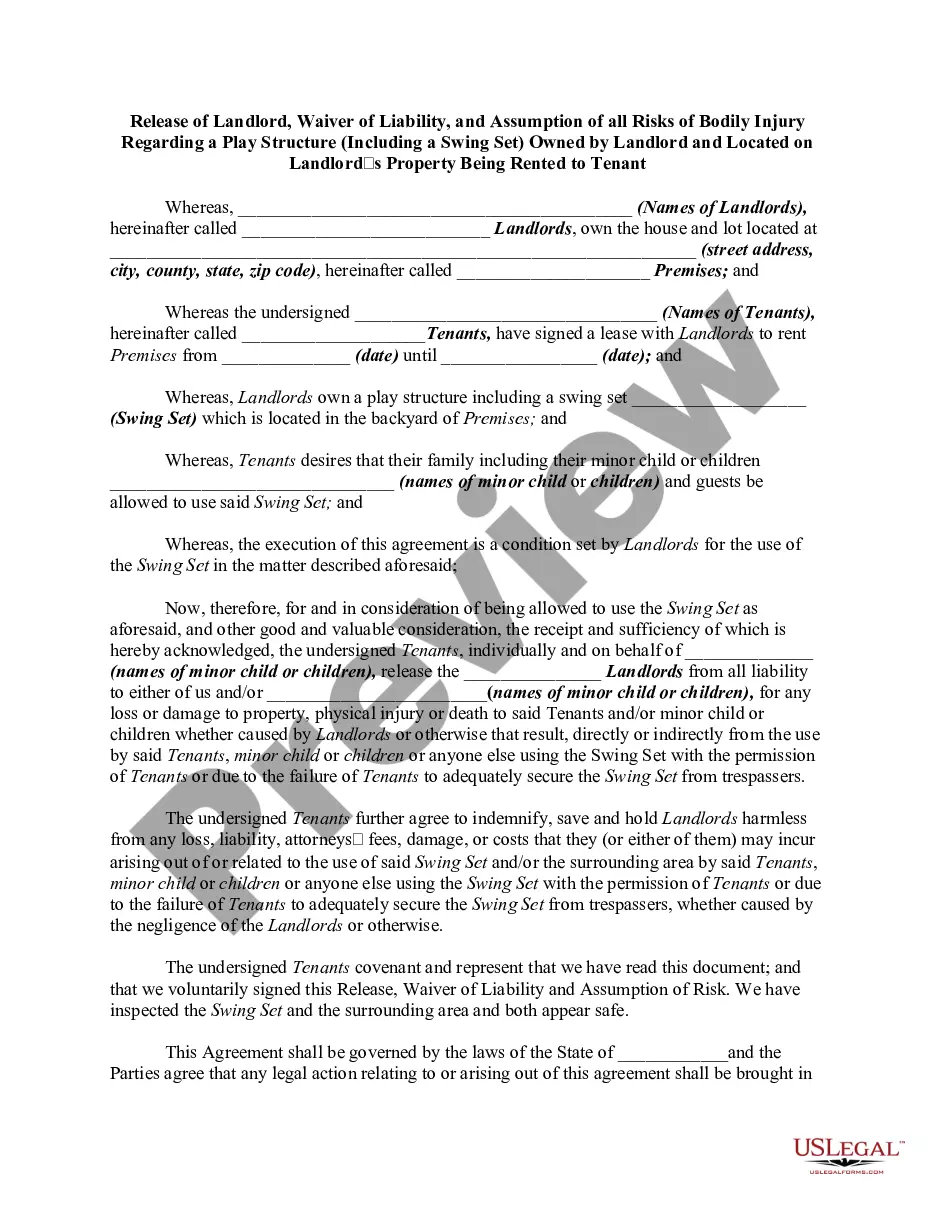



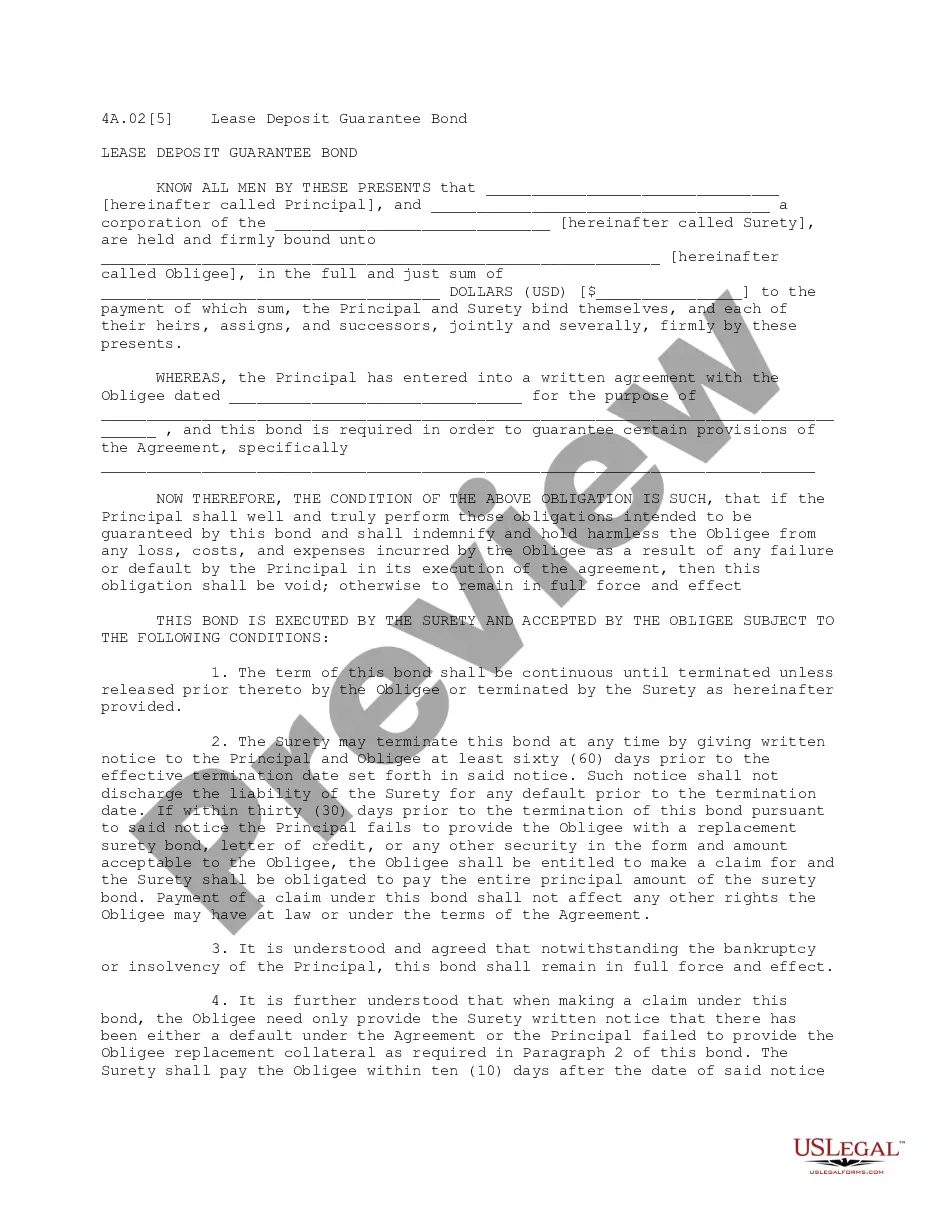

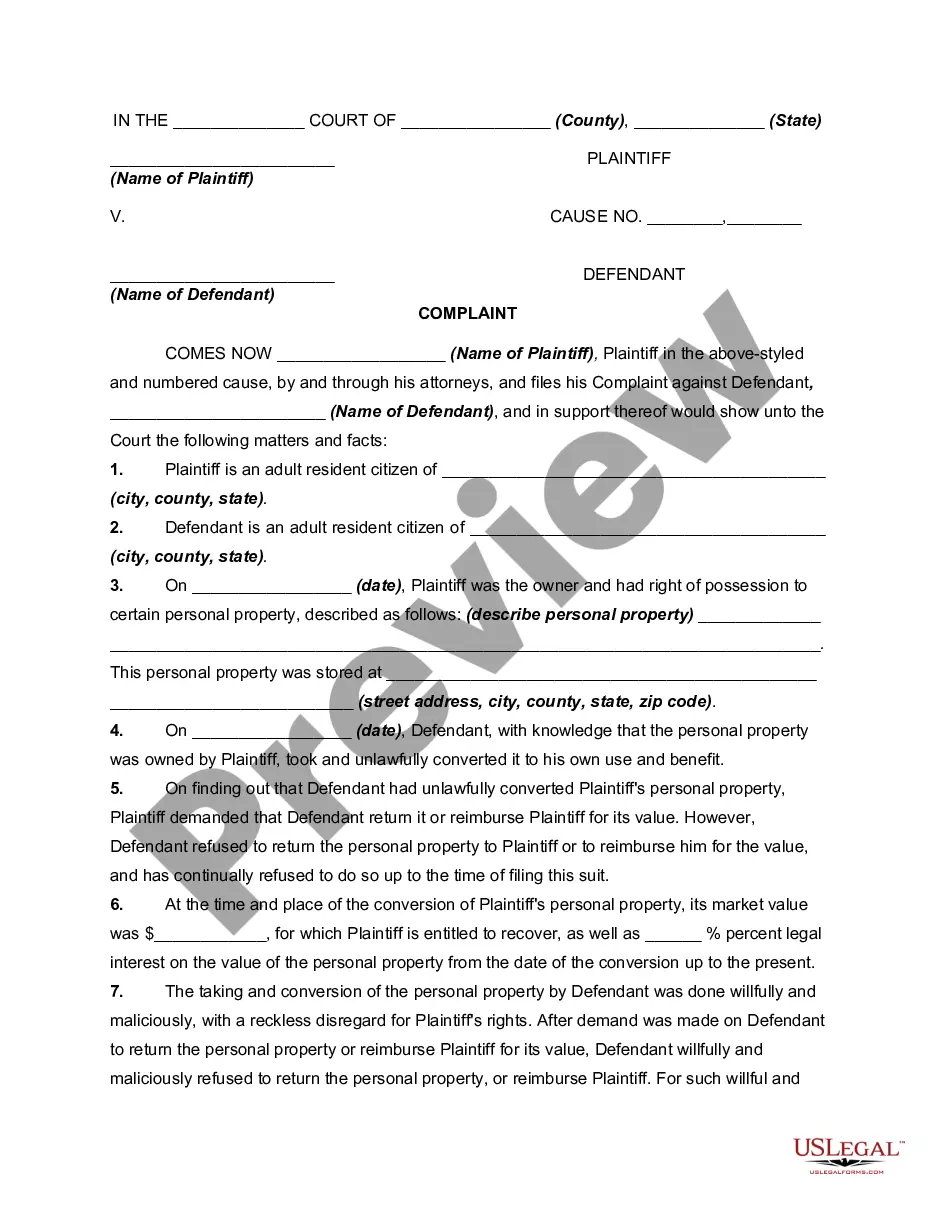
How to fill out Notice Of Sale Of Abandoned Or Unclaimed Personal Property At Public Auction - Abandonment?
Handling legal documents and processes can be a labor-intensive addition to your schedule.
Property Auction By Bank and similar forms frequently necessitate you to search for them and comprehend the optimal way to fill them out efficiently.
Consequently, whether you are managing financial, legal, or personal issues, having a comprehensive and accessible online directory of forms at your disposal will significantly aid you.
US Legal Forms is the premier online resource for legal templates, boasting over 85,000 state-specific forms and a range of tools to help you complete your documents effortlessly.
Is this your first time using US Legal Forms? Create and set up your account in a few minutes, and you’ll gain access to the form directory and Property Auction By Bank. Then, follow the steps below to complete your form: Ensure you have located the correct form using the Review option and examining the form details. Select Buy Now when ready, and opt for the monthly subscription plan that suits your requirements. Click Download, then fill out, eSign, and print the form. US Legal Forms has 25 years of experience assisting users in managing their legal documents. Acquire the form you need today and streamline any process without hassle.
- Explore the directory of relevant documents available with just one click.
- US Legal Forms provides you with state- and county-specific forms accessible at any time for download.
- Safeguard your document management processes with a top-tier service that allows you to prepare any form in minutes without incurring additional or hidden charges.
- Simply Log In to your account, locate Property Auction By Bank, and obtain it instantly from the My documents section.
- You can also access previously saved forms.
Form popularity
FAQ
In a traditional auction, several properties are sold in turn on a set day. There is usually a starting or guide price and a reserve price, which must be met for the home to sell. All bids taken are legally binding.
Some examples of acceptable Proof of Funds include: Recent bank statements. Brokerage account statements (stocks, mutual funds, ETFs) Bank letters.
The goods are sold to all members of the public at large who are assembled in one place for the auction. Such interested buyers are the bidders. The price they are offering for the goods is the bid. And the goods will be sold to the bidder with the highest bid.
Once an item is placed for sale, the auctioneer will start at a relatively low price to attract a large number of bidders. The price increases each time someone makes a new, higher bid until finally, no other bidders are willing to offer more than the most recent bid, and the highest bidder takes the item.
He established four major (one-sided) auction types: (1) the ascending-bid (open, oral, or English) auction; (2) the descending-bid (Dutch) auction; (3) the first-price, sealed-bid auction; and (4) the second-price, sealed-bid (Vickrey) auction.