Court Case Hearing For Dui
Description
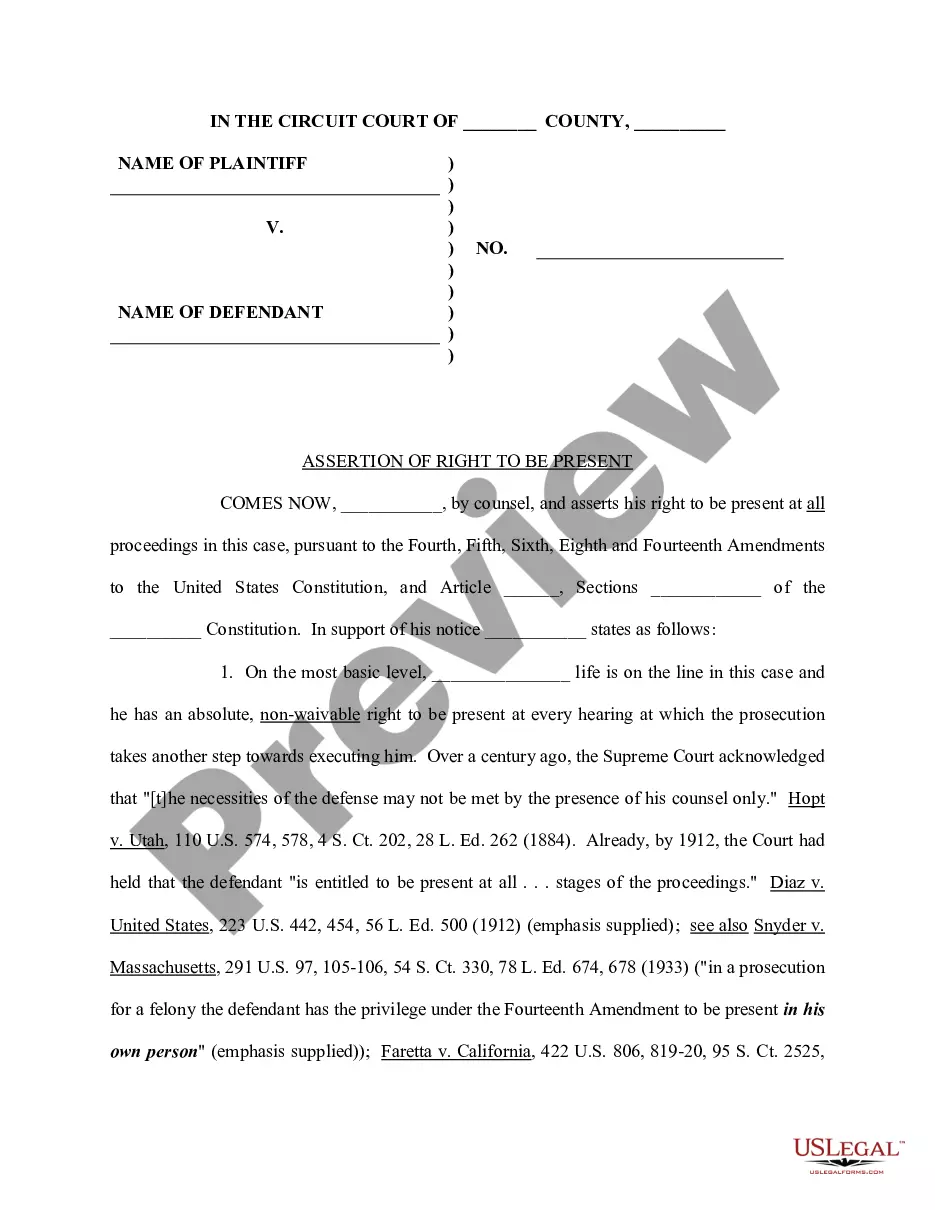
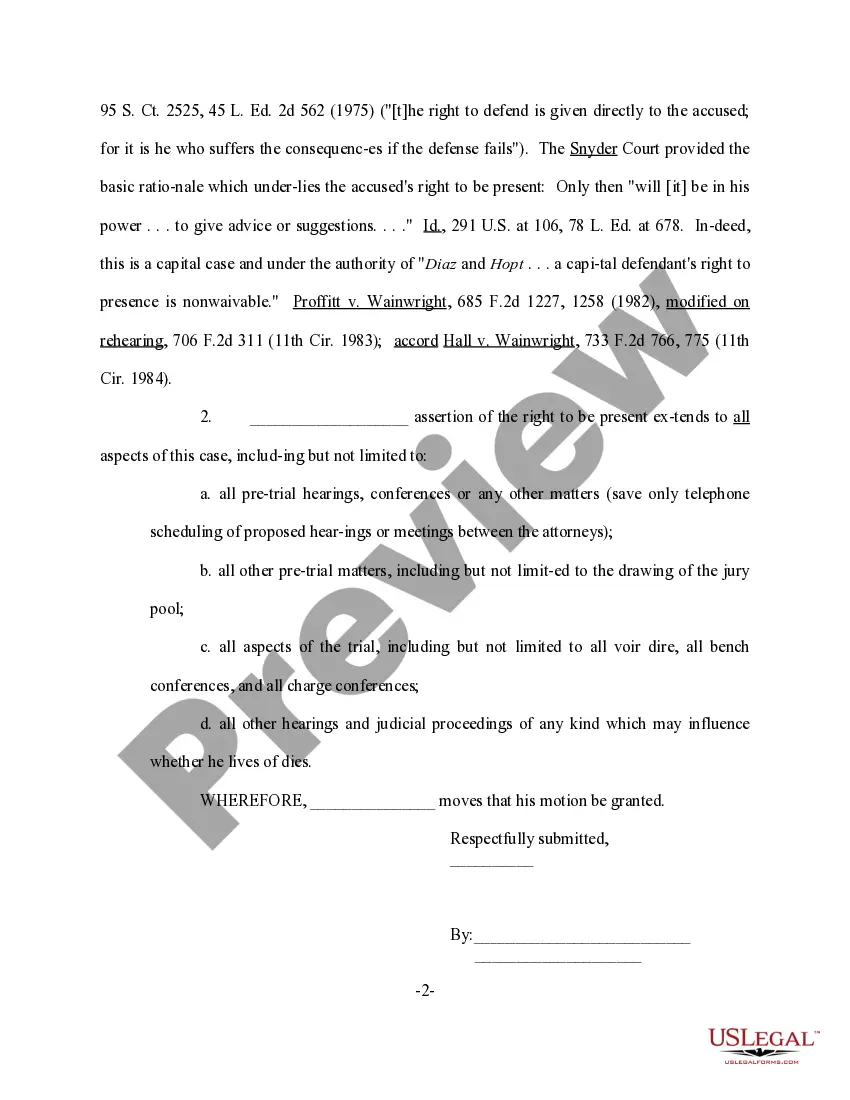



How to fill out Assertion Of Right To Be Present?
Accessing legal document examples that adhere to national and local regulations is vital, and the web provides numerous alternatives to select from.
However, what's the use of wasting time looking for the suitable Court Case Hearing For Dui example online if the US Legal Forms digital library already compiles such templates in one place.
US Legal Forms is the top online legal repository featuring over 85,000 fillable templates created by lawyers for any business and personal situation.
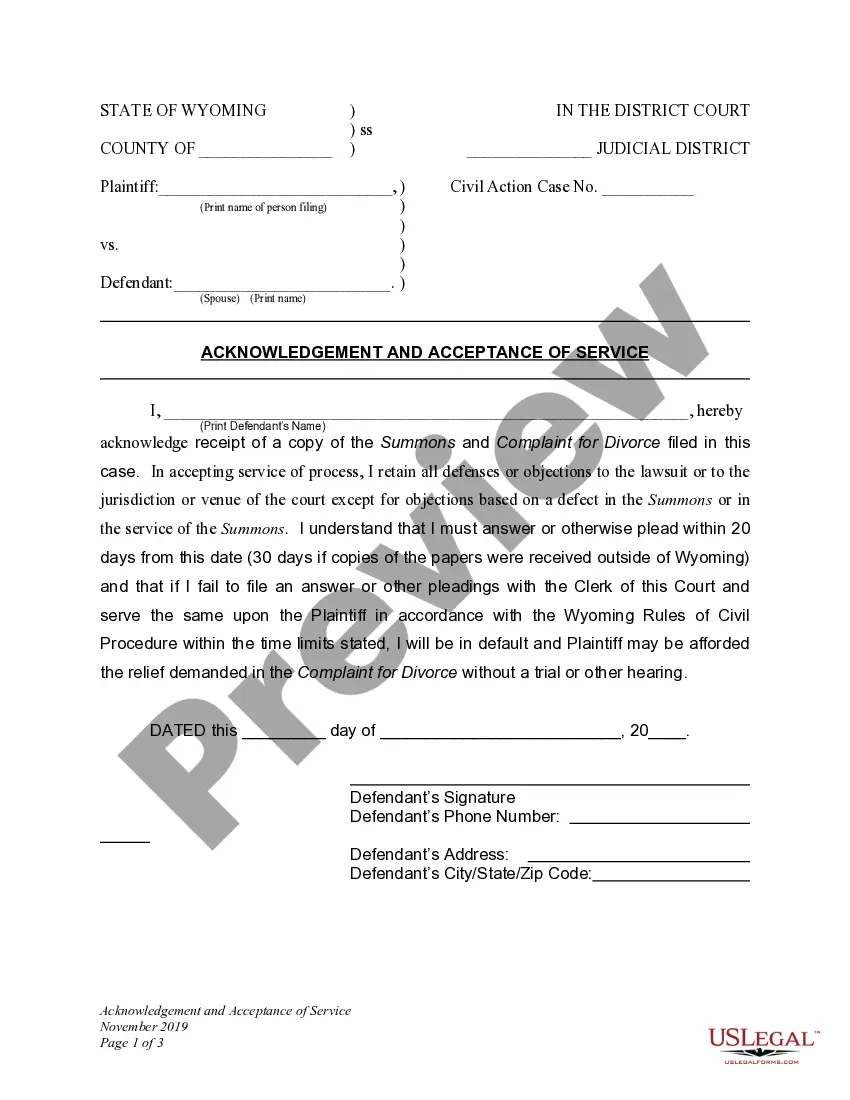
Review the template utilizing the Preview feature or through the text description to ensure it meets your requirements.
- They are simple to navigate with all documents categorized by state and intended use.
- Our experts keep up with legal updates, ensuring your form is current and compliant when acquiring a Court Case Hearing For Dui from our site.
- Retrieving a Court Case Hearing For Dui is straightforward and quick for both existing and new users.
- If you already have an account with a valid membership, Log In and download the required document sample in the appropriate format.
- If you are a newcomer to our site, follow the instructions below.
Form popularity
FAQ
When speaking to a judge during a DUI hearing, it’s essential to remain respectful and composed. Clearly articulate your understanding of the situation and express your commitment to rectifying your behavior. During a court case hearing for DUI, keeping your statements succinct and honest will help convey your sincerity and responsibility.
The process of hearing a case begins with the presentation of evidence and statements by both the prosecution and defense. During a court case hearing for DUI, each side will present their arguments, followed by cross-examinations and witness testimonies. After reviewing all information, the judge will make a decision based on legal guidelines and the specifics of the case.
Apologizing to a judge for DUI requires honesty and humility. During your court case hearing for DUI, you should express your regret for your actions, explain how you plan to avoid similar mistakes in the future, and demonstrate that you have taken steps toward rehabilitation. A sincere apology reflects your awareness of the harm caused and your commitment to make amends.
The best plea deal for DUI focuses on reducing the charges or minimizing penalties while ensuring accountability. In a court case hearing for DUI, a plea deal might involve probation or mandatory alcohol education programs instead of jail time. Engaging an attorney experienced in DUI cases can help you outline the best plea options for your situation.
For a first-time DUI, the best case often involves demonstrating that this was a lapse in judgment rather than a pattern of behavior. During the court case hearing for DUI, presenting evidence of rehabilitation, such as completing a substance abuse program, can strengthen your case. A skilled attorney can be invaluable in negotiating a fair resolution.
Judges appreciate when individuals take responsibility for their actions. During a court case hearing for DUI, expressing remorse and a commitment to change can resonate positively. Judges are often looking for evidence that you understand the risks and are making plans to avoid similar situations in the future.
When attending a court case hearing for DUI, it’s important to express respect and acknowledgment of the situation. You should start by addressing the judge courteously and clearly convey your understanding of the gravity of your case. This sets a respectful tone and shows that you take the court proceedings seriously.
When addressing a judge in a DUI case, it is important to be respectful and honest. You should acknowledge your mistakes and express your commitment to making better choices in the future. Preparing a clear statement can help convey your sincerity and can make a positive impression during your court case hearing for DUI, potentially influencing the judge's decision.
The most common plea for a DUI is typically 'guilty' or 'no contest' (nolo contendere). Choosing this plea may lead to a plea deal with reduced penalties, especially if there are mitigating circumstances. It is wise to consult with legal professionals who specialize in DUI cases to ensure you understand all options available during your court case hearing for DUI.
The most common punishment for a DUI includes fines, license suspension, and mandatory alcohol education programs. In some cases, community service or probation may also be involved. Being informed about potential penalties is crucial, as they can vary depending on prior offenses and specific state laws during your court case hearing for DUI.