Court Transcript Proceedings For Financial Settlement
Description
Get your form ready online
Our built-in tools help you complete, sign, share, and store your documents in one place.
Make edits, fill in missing information, and update formatting in US Legal Forms—just like you would in MS Word.
Download a copy, print it, send it by email, or mail it via USPS—whatever works best for your next step.
Sign and collect signatures with our SignNow integration. Send to multiple recipients, set reminders, and more. Go Premium to unlock E-Sign.
If this form requires notarization, complete it online through a secure video call—no need to meet a notary in person or wait for an appointment.
We protect your documents and personal data by following strict security and privacy standards.

Make edits, fill in missing information, and update formatting in US Legal Forms—just like you would in MS Word.

Download a copy, print it, send it by email, or mail it via USPS—whatever works best for your next step.

Sign and collect signatures with our SignNow integration. Send to multiple recipients, set reminders, and more. Go Premium to unlock E-Sign.

If this form requires notarization, complete it online through a secure video call—no need to meet a notary in person or wait for an appointment.

We protect your documents and personal data by following strict security and privacy standards.
Looking for another form?
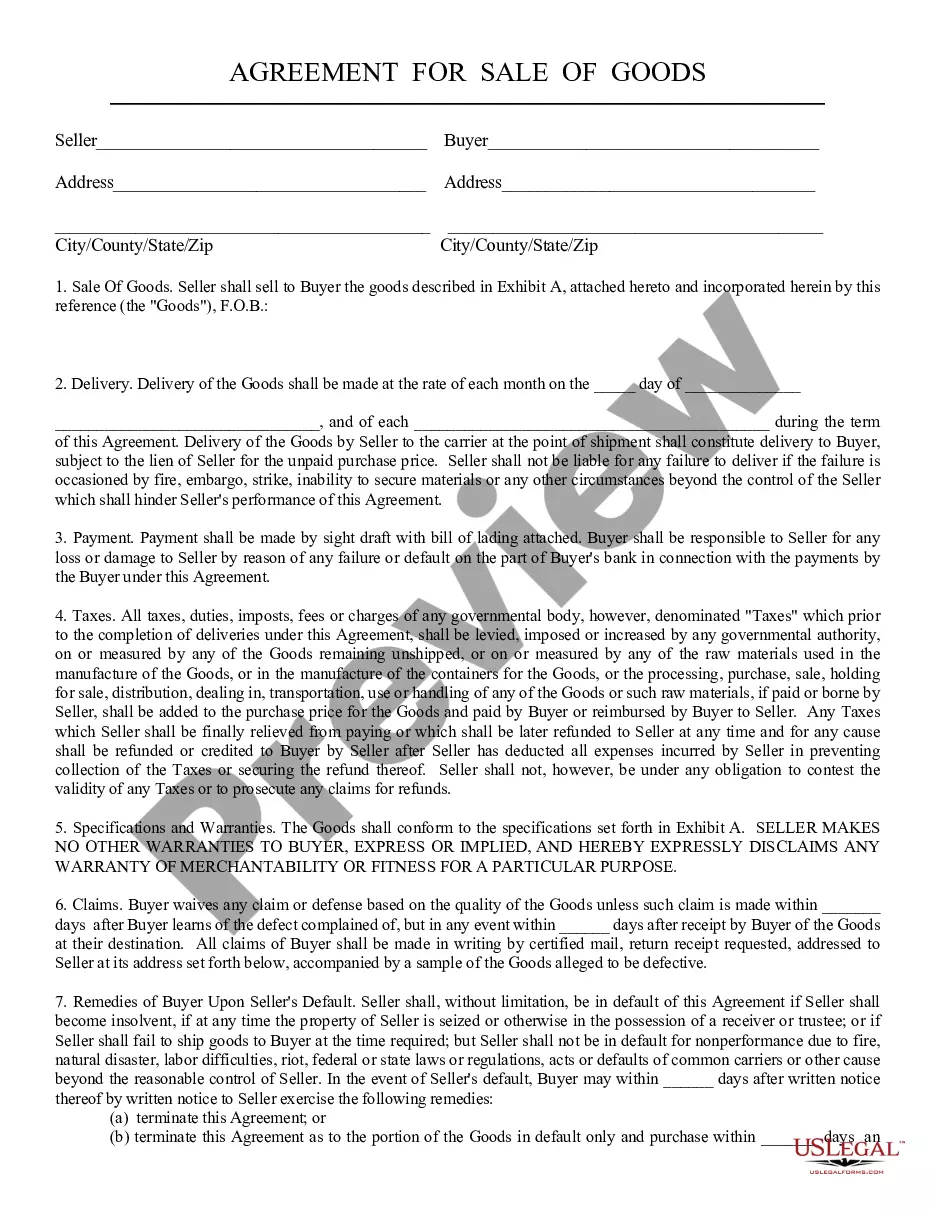
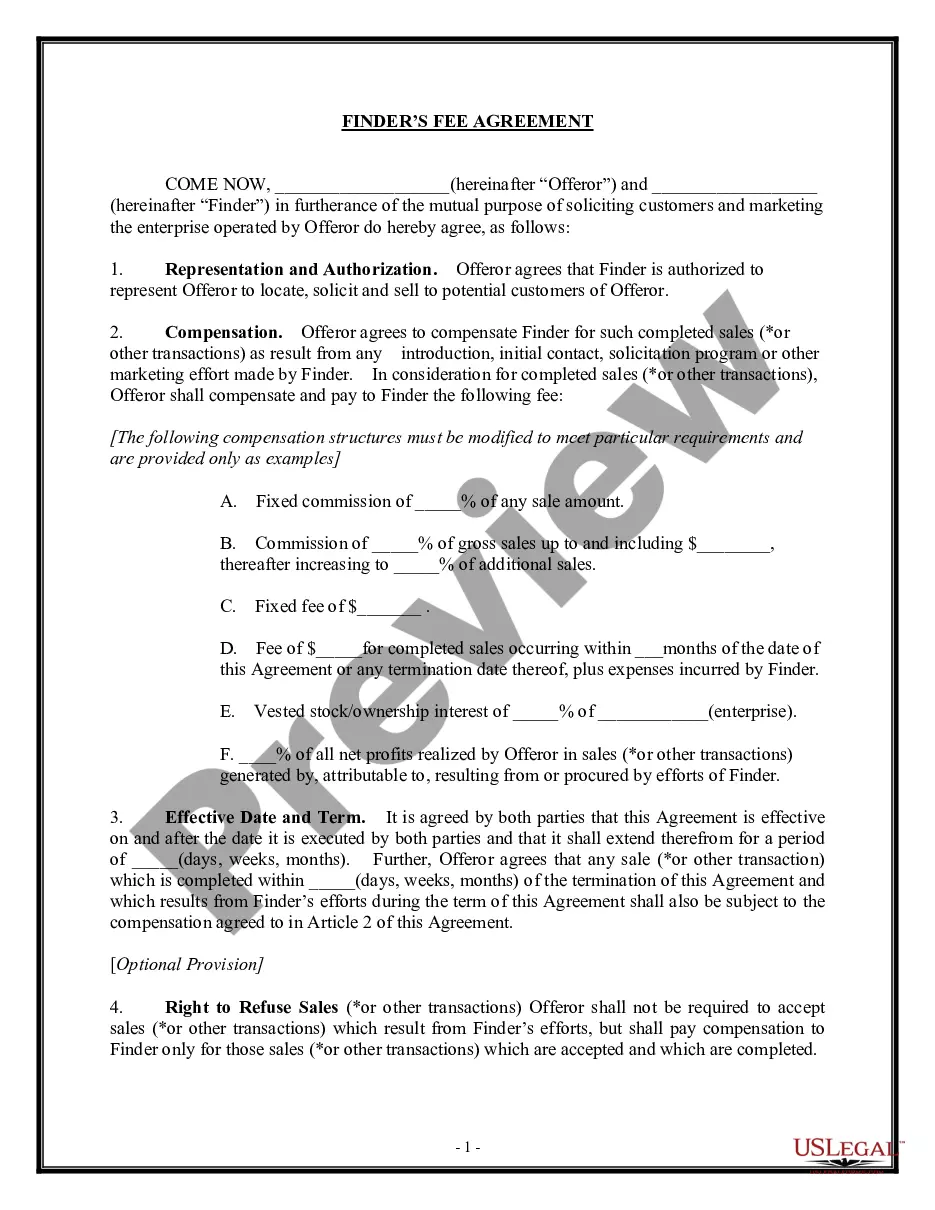
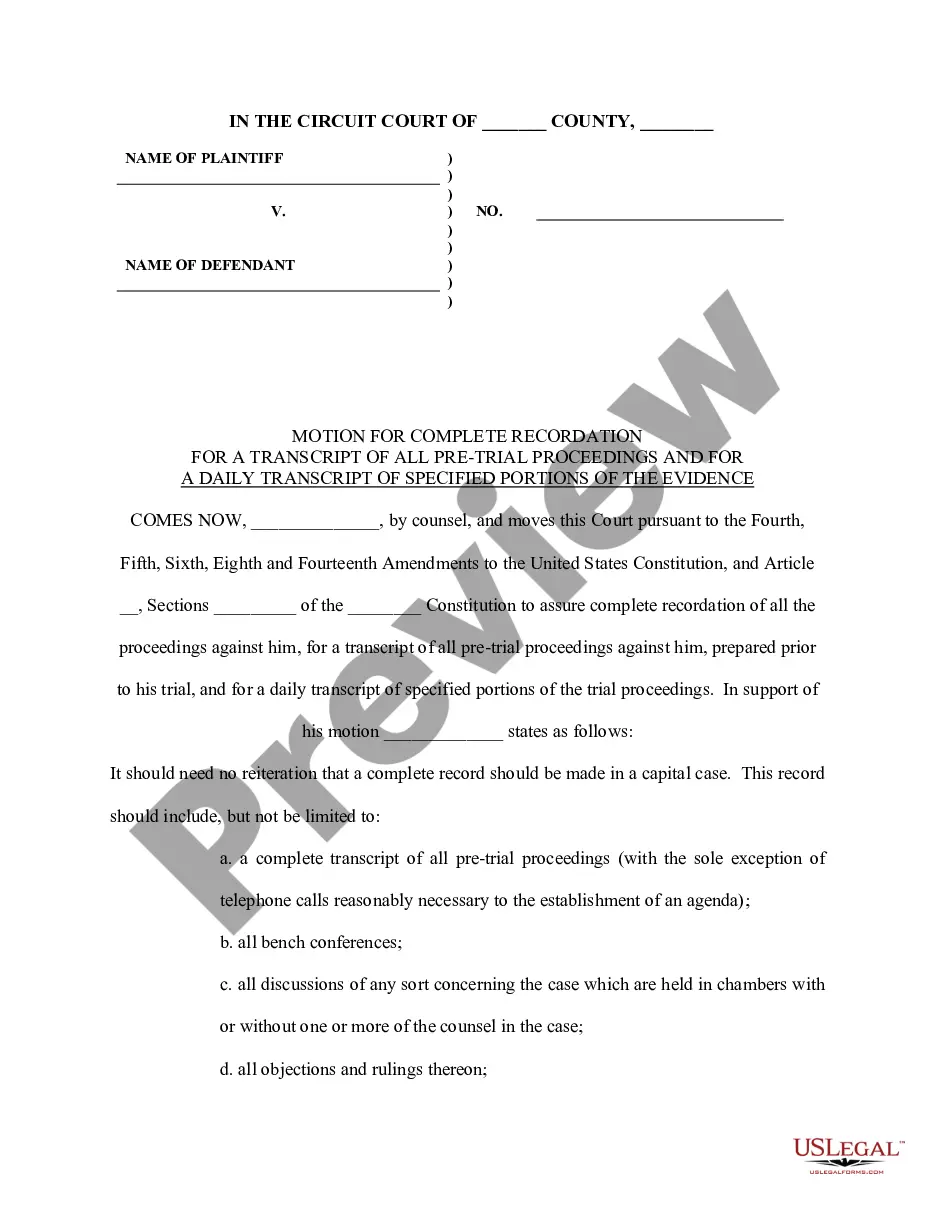
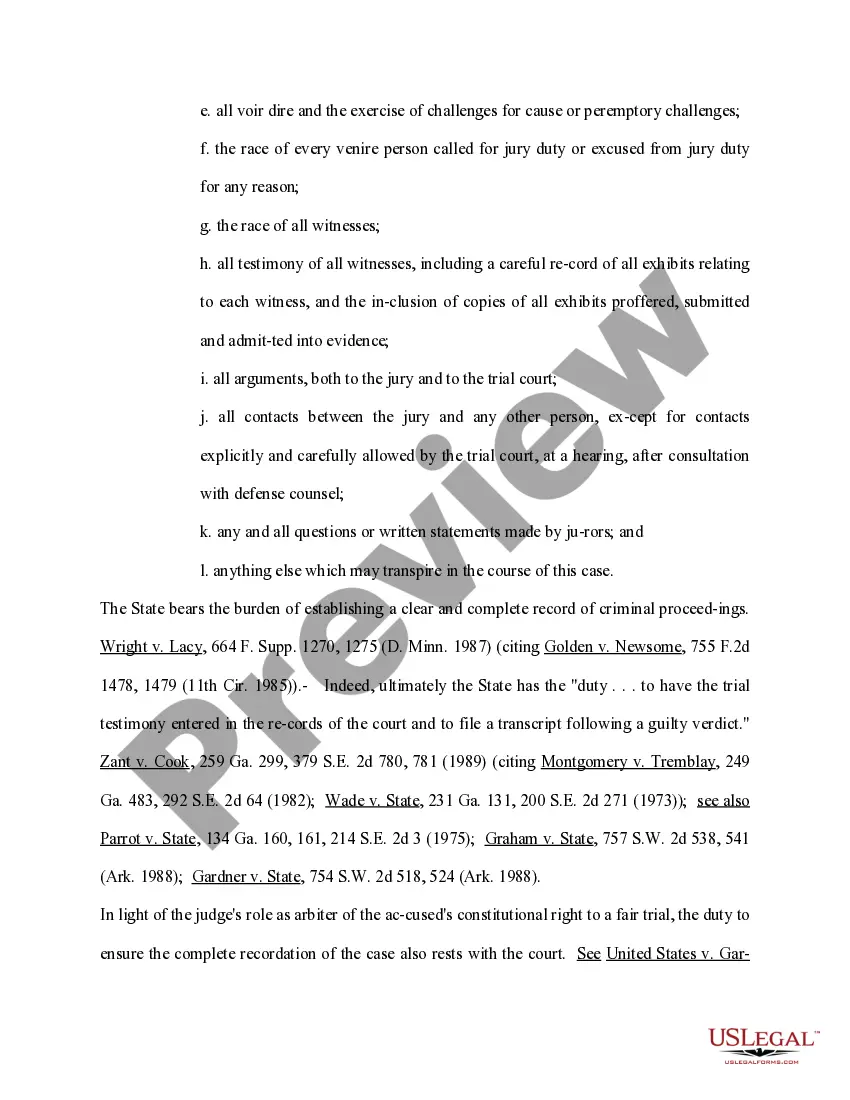
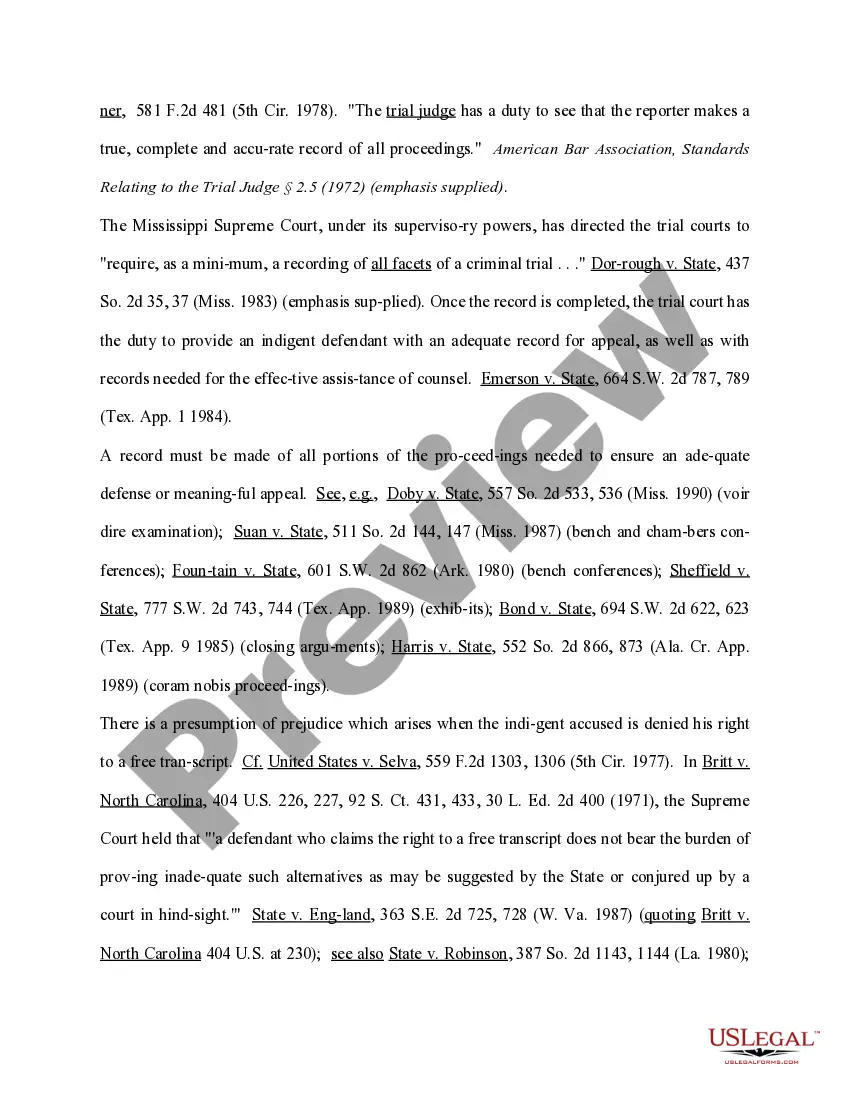
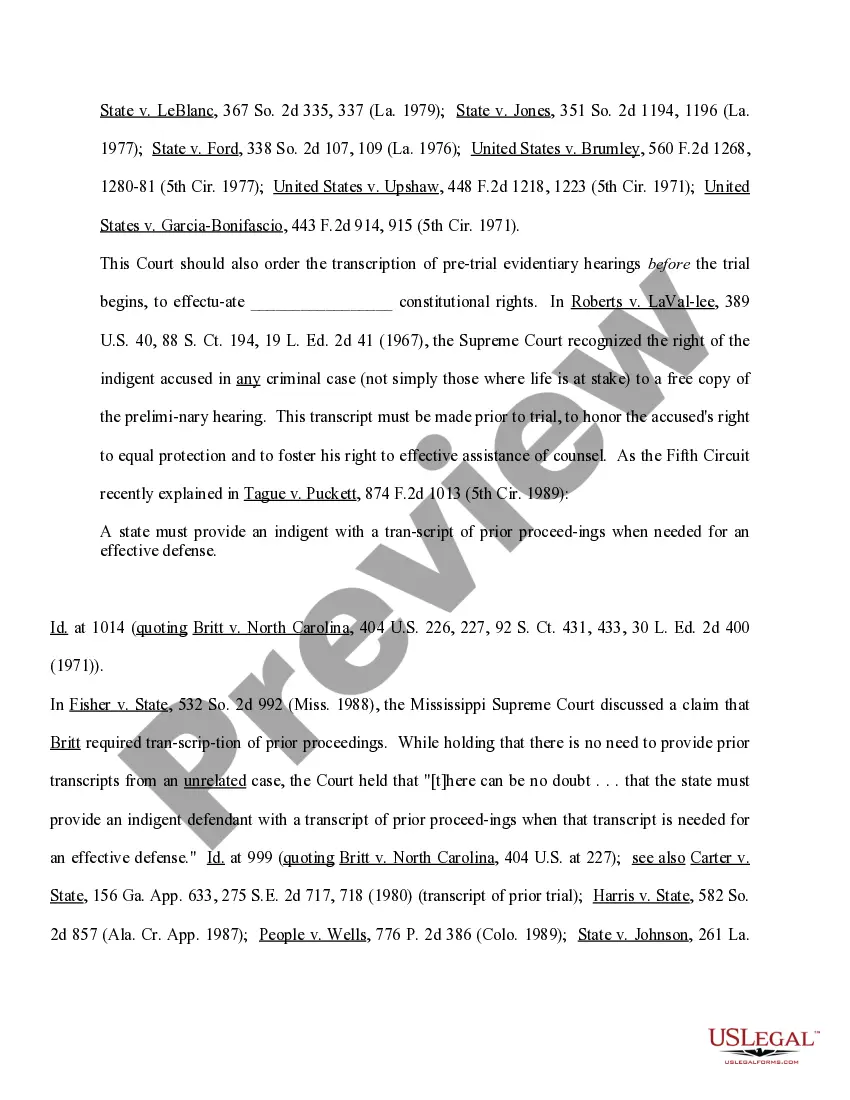
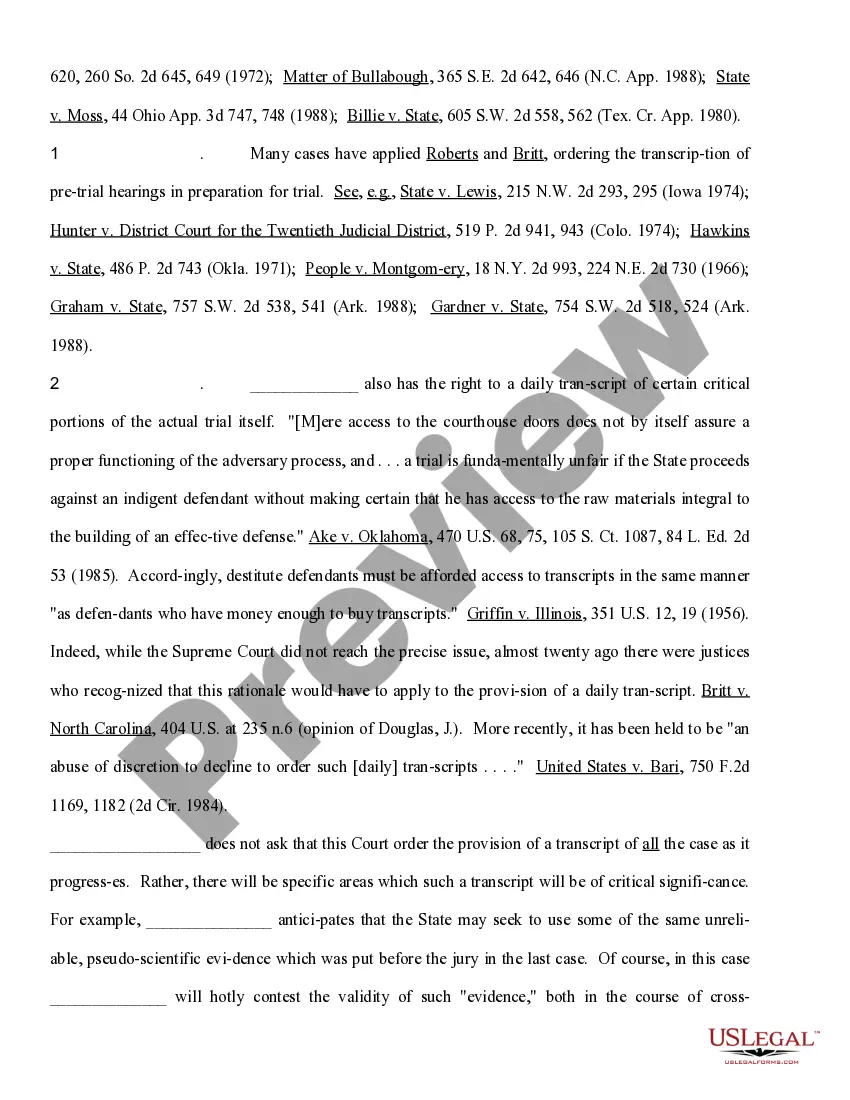
How to fill out Motion For Complete Recordation For A Transcript Of All Pretrial Proceedings And For A Daily Transcript Of Specified Portions Of The Evidence?
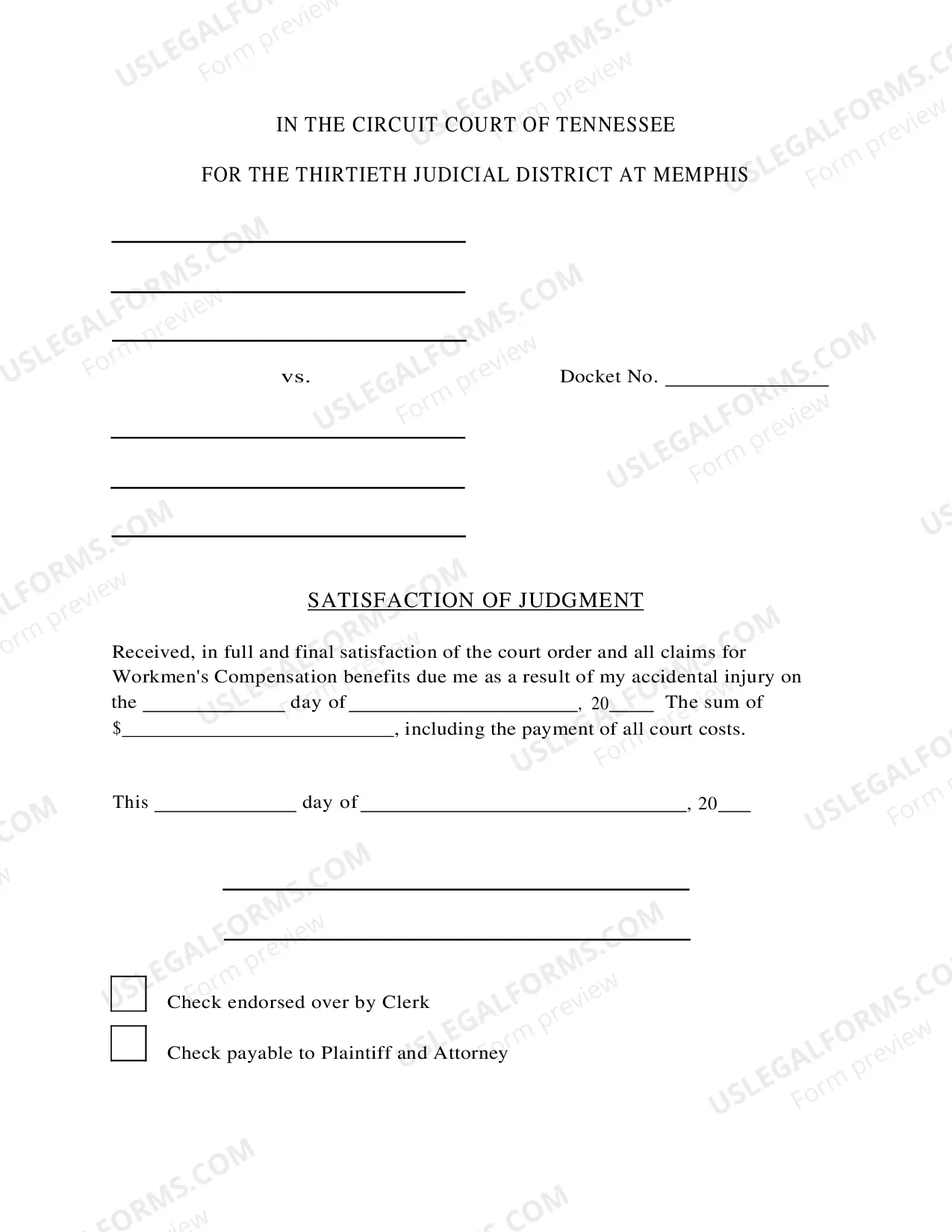
The Court Transcript Proceedings For Financial Settlement displayed on this page is a versatile legal template crafted by experienced attorneys in accordance with federal and state statutes and regulations.
For over 25 years, US Legal Forms has supplied individuals, enterprises, and legal experts with more than 85,000 validated, state-specific templates for any commercial and personal scenarios. It’s the fastest, easiest, and most reliable method to acquire the documents you require, as the service promises the utmost level of data security and anti-malware safeguards.
Subscribe to US Legal Forms to have verified legal templates for all of life's situations readily available.
- Search for the document you require and review it.
- Browse through the file you sought and preview it or examine the form description to ensure it meets your requirements. If it doesn’t, use the search feature to find the correct one. Click Buy Now once you have identified the template you need.
- Register and Log In.
- Select the pricing option that fits you best and set up an account. Utilize PayPal or a credit card for a quick payment. If you already possess an account, Log In and verify your subscription to proceed.
- Obtain the editable template.
- Pick the format you prefer for your Court Transcript Proceedings For Financial Settlement (PDF, DOCX, RTF) and download the document onto your device.
- Fill out and sign the documents.
- Print the template to complete it manually. Alternatively, employ an online multifunctional PDF editor to swiftly and accurately fill in and sign your form with a valid signature.
- Download your documents again.
- Utilize the same document again whenever required. Access the My documents tab in your profile to redownload any previously downloaded forms.
Form popularity
FAQ
In divorce financial settlement proceedings, the court will start from the premise that the husband and wife are each entitled to half the family assets. That presumption can easily be displaced meaning the wife could get very little or a lot more than 50%.
The general principle is that personal assets within the matrimonial pot should be divided equally upon divorce.
In the UK, both parties (regardless of whether they are the husband or wife) are typically entitled to 50 per cent of the matrimonial assets.
However, if you diverge from such a split in a long marriage, the court will want to know why and may decline your consent order if the reasons are not made clear. Because of this, a standard 70/30 asset split or a 60/40 asset split on divorce is a myth.
As part of the Form E process, parties are required to provide 12 months of bank statements for each bank account held in their name.