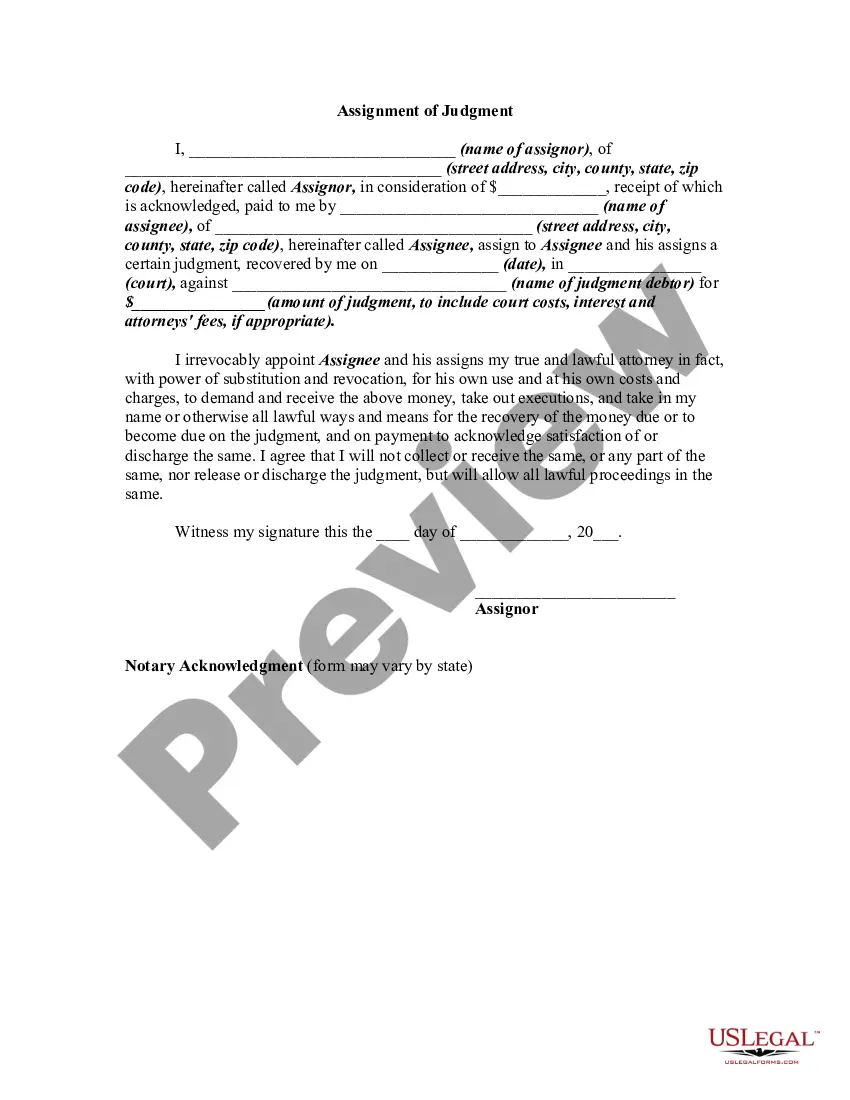
Collection On Judgment
Description
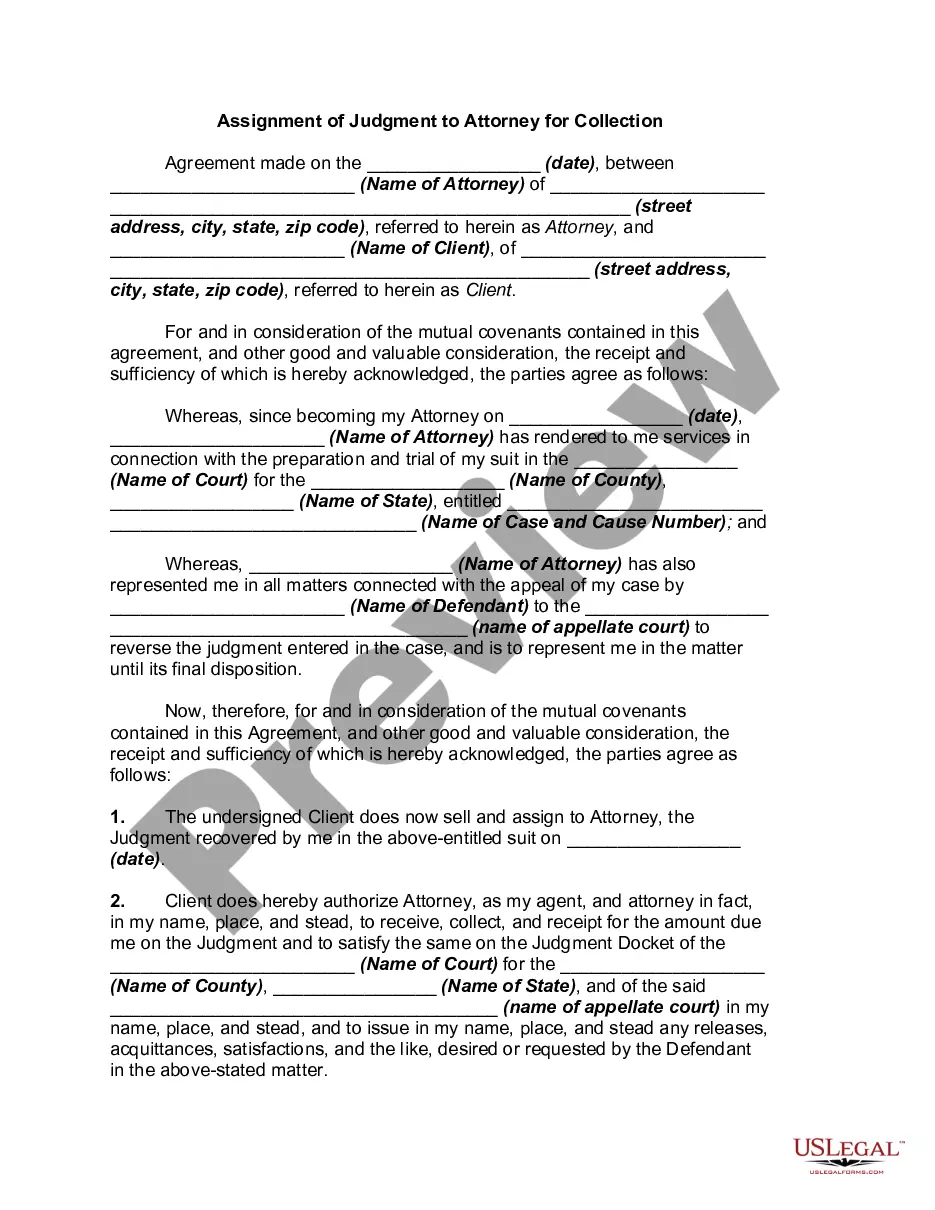
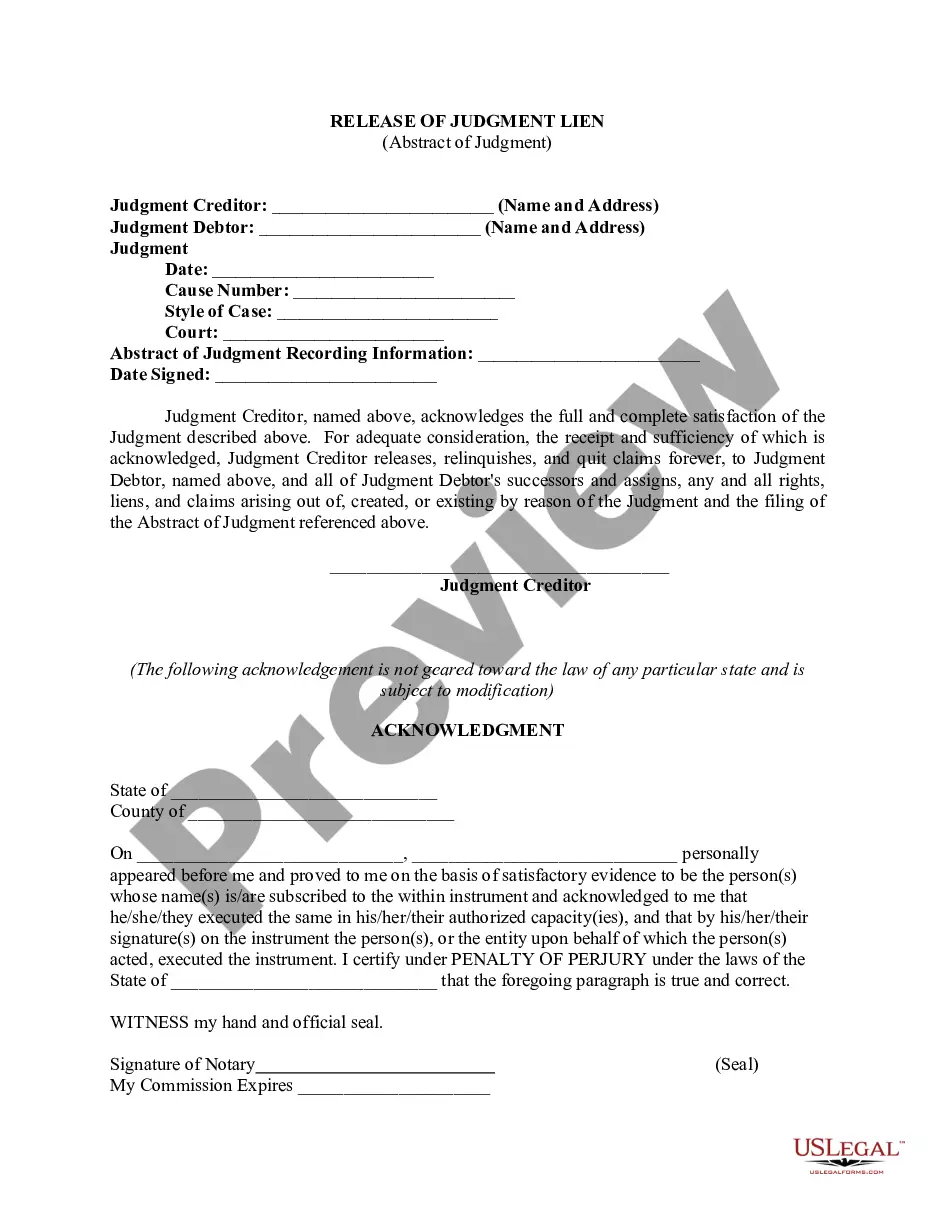
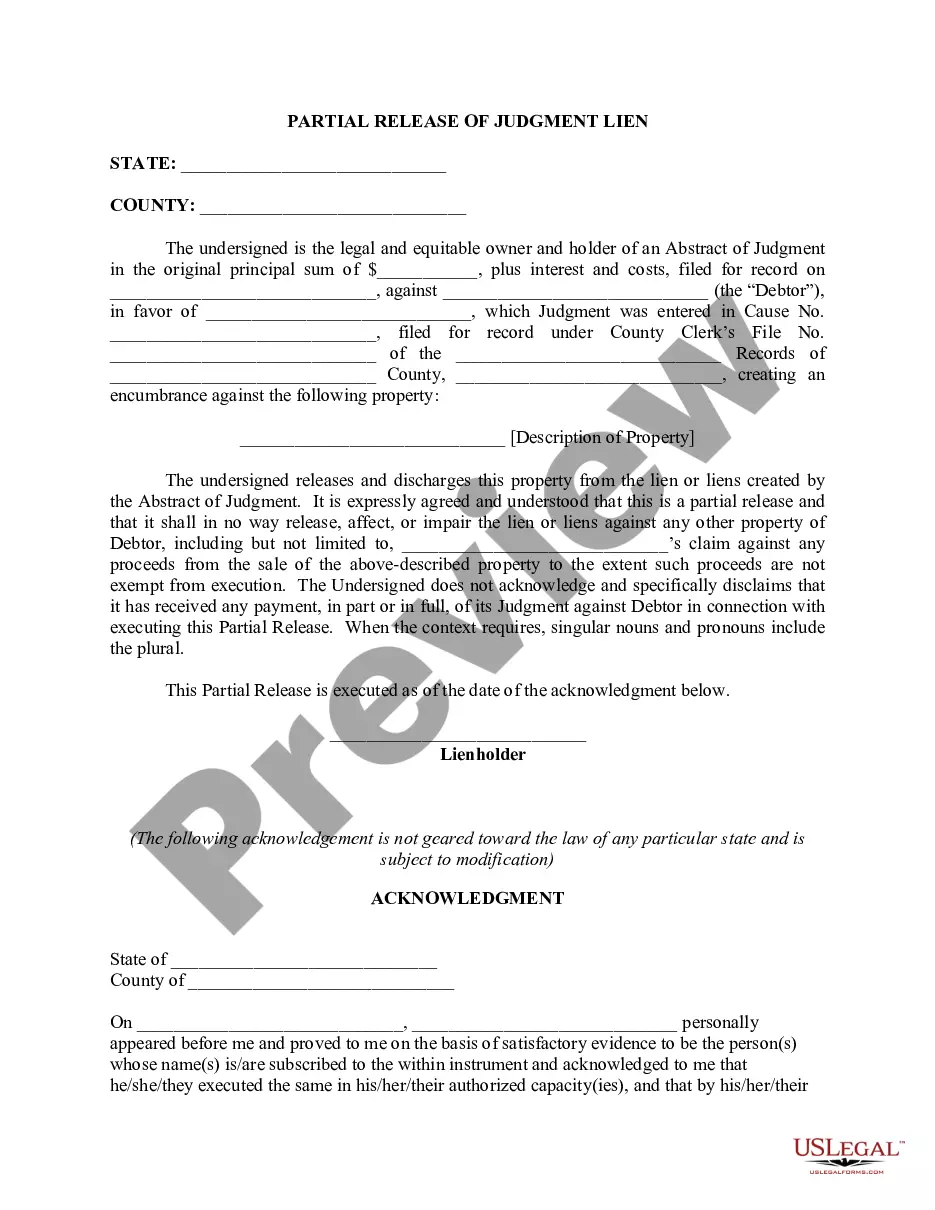
Get your form ready online
Our built-in tools help you complete, sign, share, and store your documents in one place.
Make edits, fill in missing information, and update formatting in US Legal Forms—just like you would in MS Word.
Download a copy, print it, send it by email, or mail it via USPS—whatever works best for your next step.
Sign and collect signatures with our SignNow integration. Send to multiple recipients, set reminders, and more. Go Premium to unlock E-Sign.
If this form requires notarization, complete it online through a secure video call—no need to meet a notary in person or wait for an appointment.
We protect your documents and personal data by following strict security and privacy standards.

Make edits, fill in missing information, and update formatting in US Legal Forms—just like you would in MS Word.

Download a copy, print it, send it by email, or mail it via USPS—whatever works best for your next step.

Sign and collect signatures with our SignNow integration. Send to multiple recipients, set reminders, and more. Go Premium to unlock E-Sign.

If this form requires notarization, complete it online through a secure video call—no need to meet a notary in person or wait for an appointment.

We protect your documents and personal data by following strict security and privacy standards.
Looking for another form?
How to fill out Assignment Of Judgment?
Working with legal documents and operations might be a time-consuming addition to your day. Collection On Judgment and forms like it typically need you to search for them and navigate how to complete them correctly. For that reason, whether you are taking care of financial, legal, or individual matters, using a comprehensive and convenient web library of forms on hand will help a lot.
US Legal Forms is the best web platform of legal templates, offering more than 85,000 state-specific forms and numerous resources to assist you to complete your documents quickly. Explore the library of pertinent documents available to you with just one click.
US Legal Forms provides you with state- and county-specific forms offered by any moment for downloading. Safeguard your papers management processes using a top-notch support that allows you to prepare any form in minutes without extra or hidden charges. Just log in to the profile, find Collection On Judgment and download it right away from the My Forms tab. You may also access formerly downloaded forms.
Would it be the first time utilizing US Legal Forms? Register and set up a free account in a few minutes and you’ll gain access to the form library and Collection On Judgment. Then, stick to the steps listed below to complete your form:
- Be sure you have discovered the proper form using the Review feature and reading the form description.
- Pick Buy Now once ready, and select the monthly subscription plan that suits you.
- Select Download then complete, eSign, and print out the form.
US Legal Forms has twenty five years of expertise assisting users handle their legal documents. Get the form you require today and streamline any process without having to break a sweat.
Form popularity
FAQ
If you do not pay the judgment, the judge can order you to appear in court. This is called an Application And Order For Appearance and Examination (EJ-125) . You can be ordered into court every 4 months to furnish information to aid in the enforcement of judgment until you pay the judgment.
If the losing party does not pay the winning party, the winning party may apply for a writ of attachment on a judgment. A writ of attachment is a form issued by the Court that allows the winning party to get monies from the losing party's wages and/or bank account and other property owed to the winning party.
If you have been served with an Order to Appear and fail to go to the hearing and have not paid the judgment, including post-judgment costs and interest, a bench warrant may be issued for your arrest. You may be held in contempt of court and you may be ordered to pay penalties.
Garnishment is a court procedure that allows you to collect the money owed to you by taking in from the judgment debtor's wages, bank account, or another source (such as income tax refunds). To file a garnishment, contact the court clerk for the proper forms. Instructions are provided with the form.
Write the name and last known address of the judgment debtor in the space provided. You may also include any known aliases used by the judgment debtor. Fill in the last 4 digits of the judgment debtor's driver license number and state where it was issued, if you know them.