Letter Deceased Person Without Will
Description
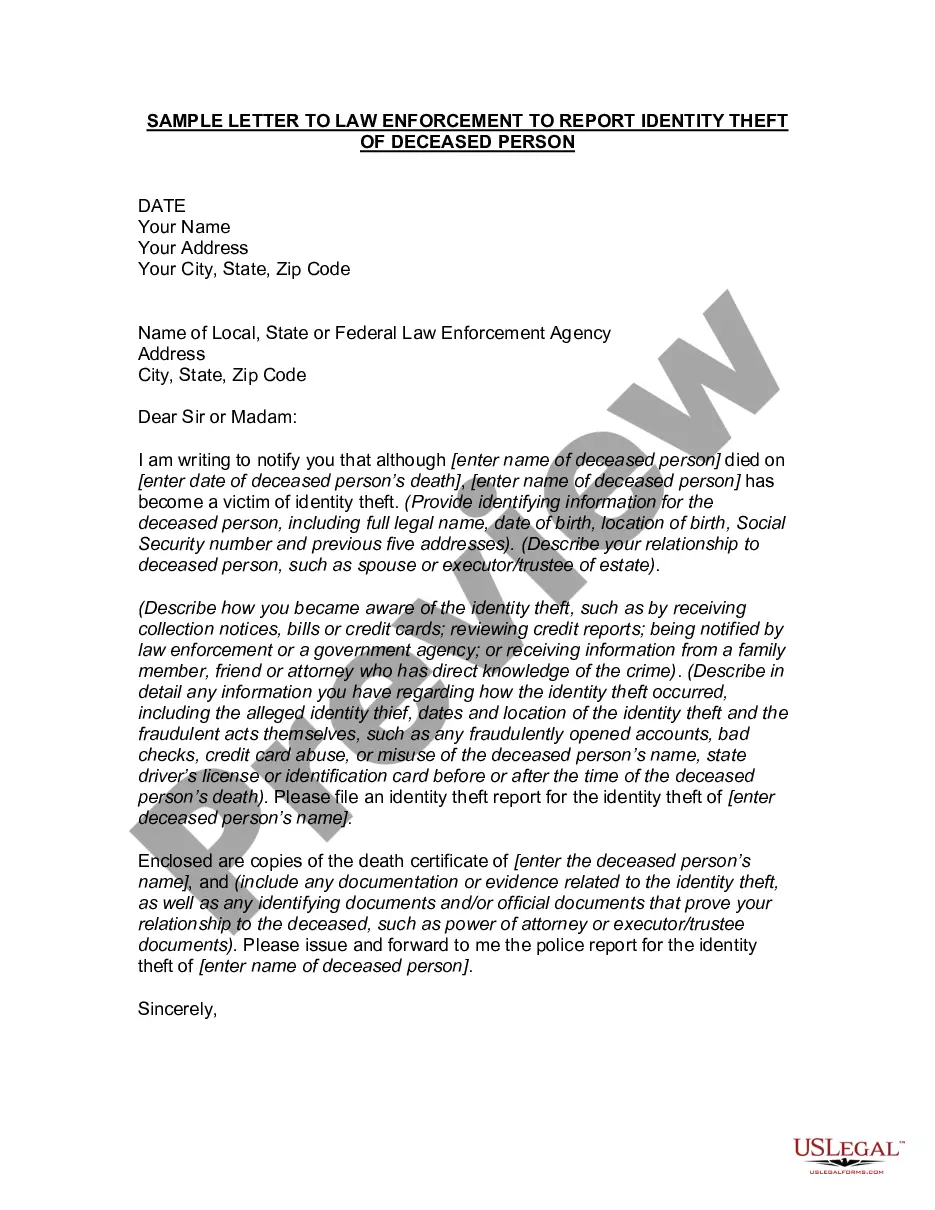

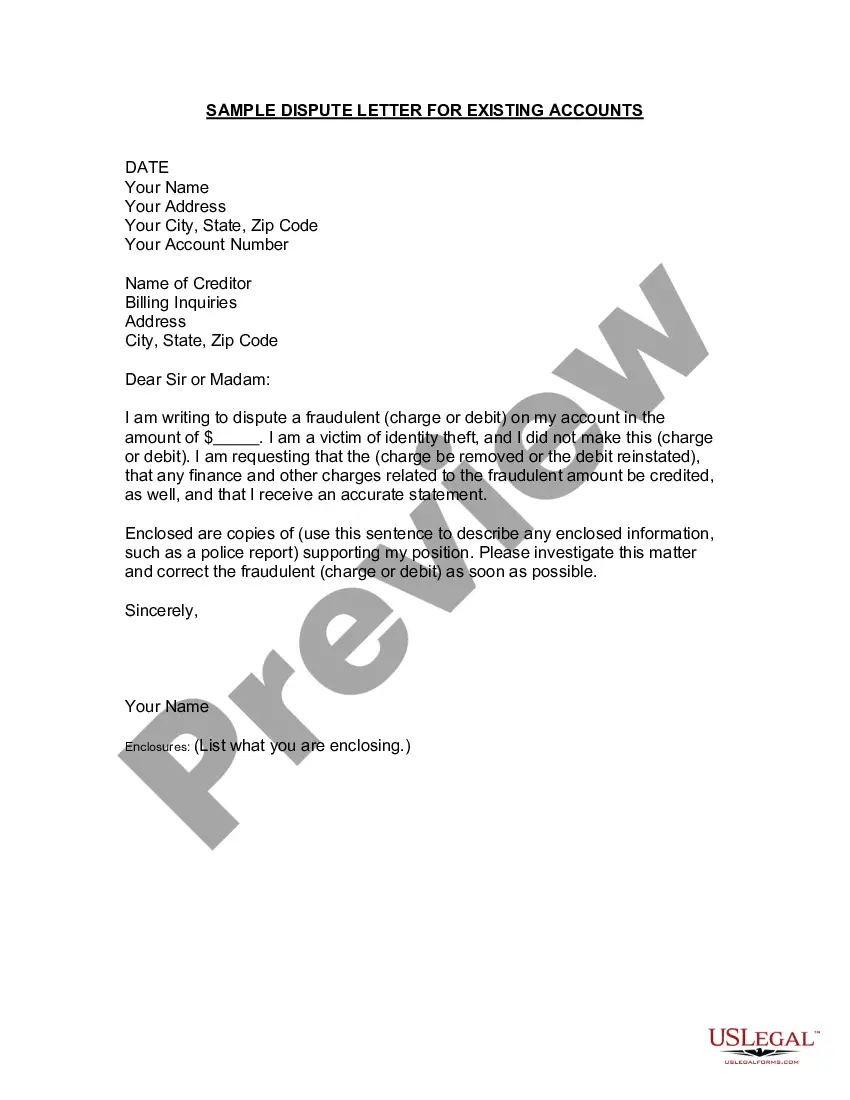
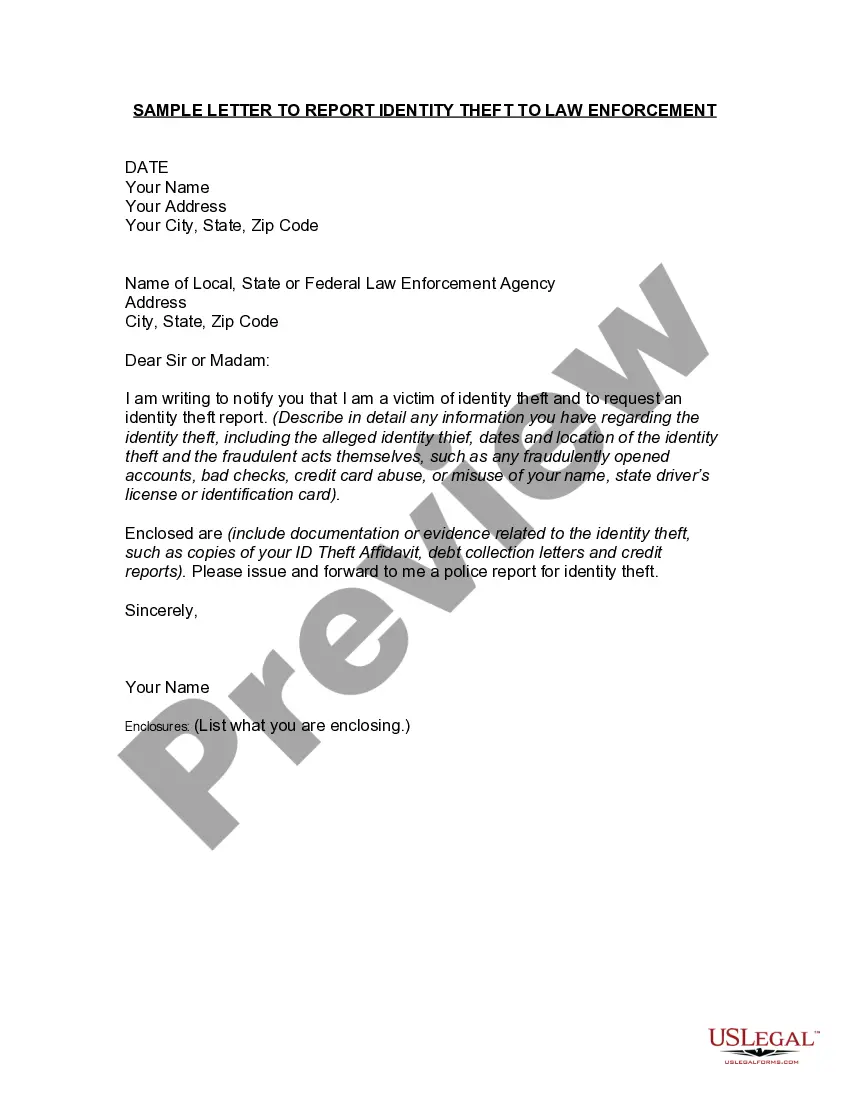
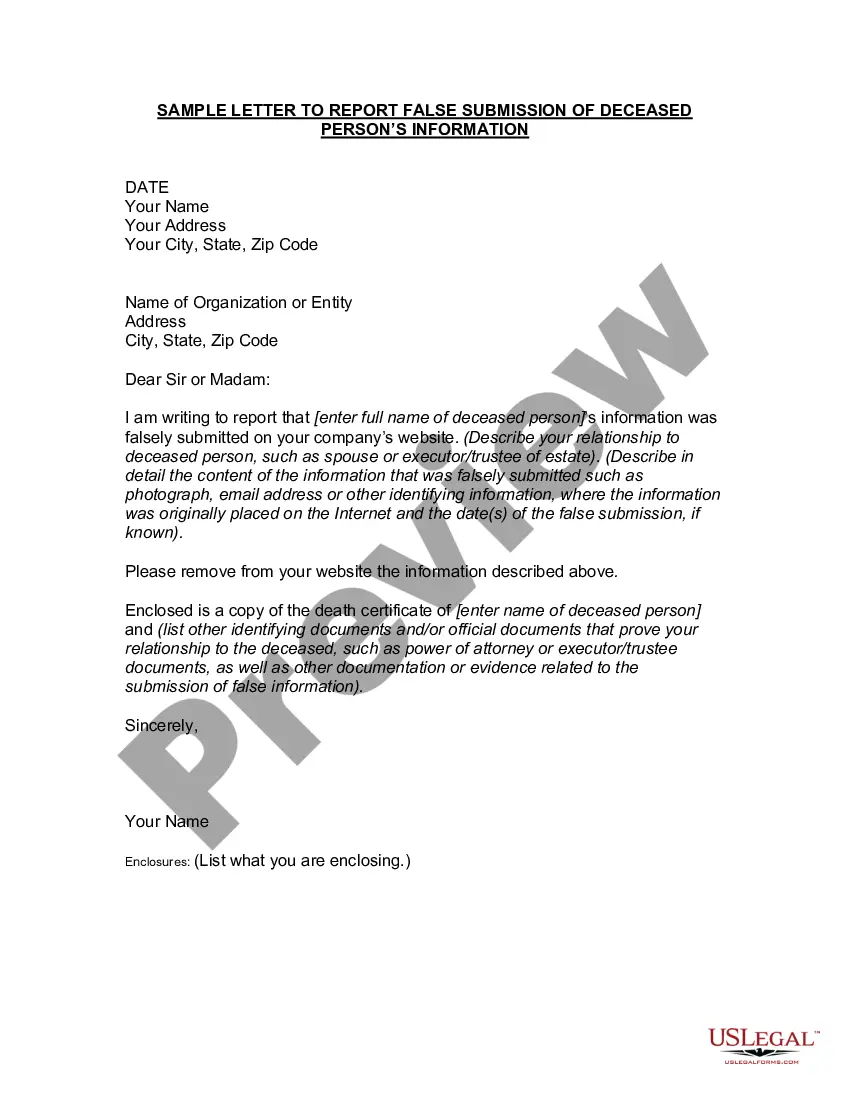
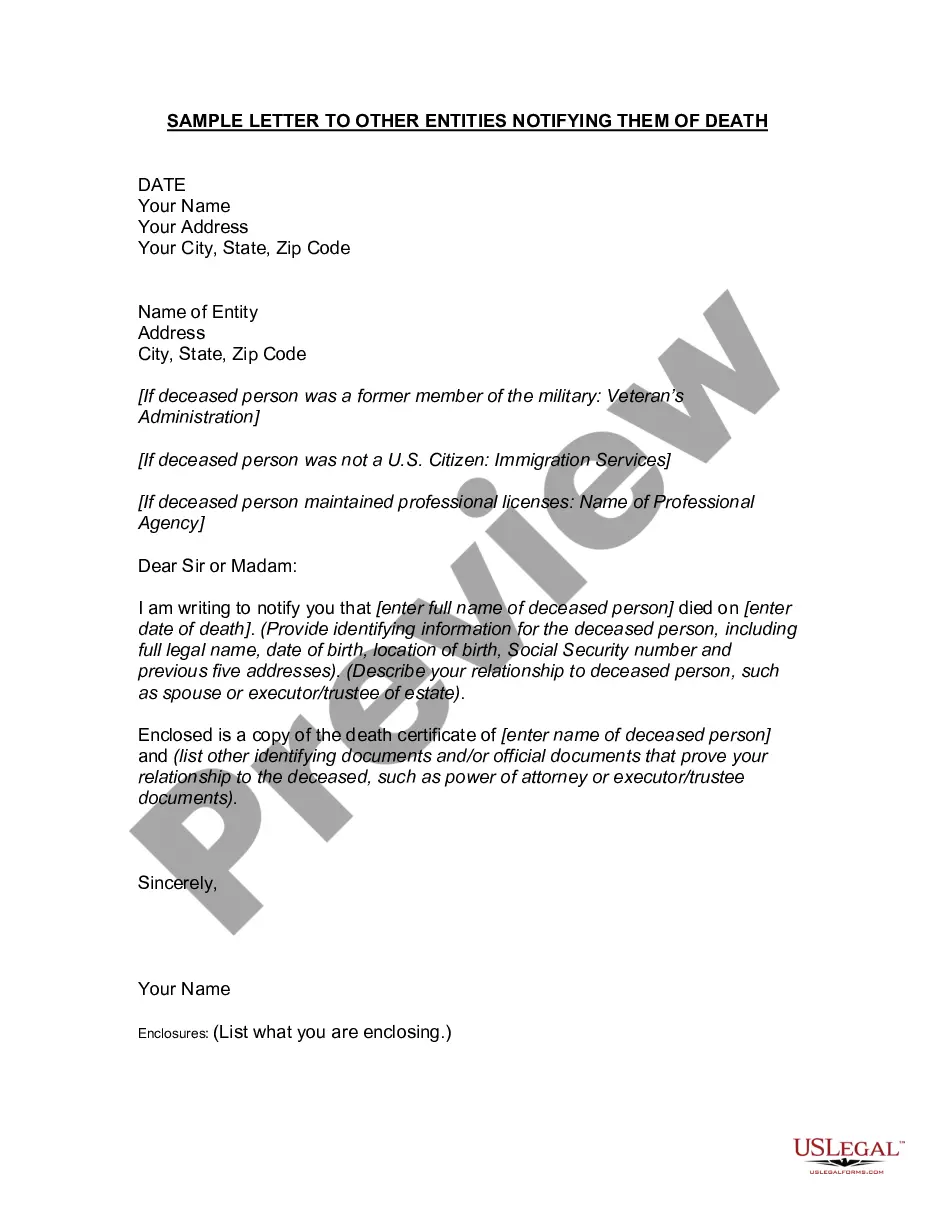
Get your form ready online
Our built-in tools help you complete, sign, share, and store your documents in one place.
Make edits, fill in missing information, and update formatting in US Legal Forms—just like you would in MS Word.
Download a copy, print it, send it by email, or mail it via USPS—whatever works best for your next step.
Sign and collect signatures with our SignNow integration. Send to multiple recipients, set reminders, and more. Go Premium to unlock E-Sign.
If this form requires notarization, complete it online through a secure video call—no need to meet a notary in person or wait for an appointment.
We protect your documents and personal data by following strict security and privacy standards.

Make edits, fill in missing information, and update formatting in US Legal Forms—just like you would in MS Word.

Download a copy, print it, send it by email, or mail it via USPS—whatever works best for your next step.

Sign and collect signatures with our SignNow integration. Send to multiple recipients, set reminders, and more. Go Premium to unlock E-Sign.

If this form requires notarization, complete it online through a secure video call—no need to meet a notary in person or wait for an appointment.

We protect your documents and personal data by following strict security and privacy standards.
Looking for another form?



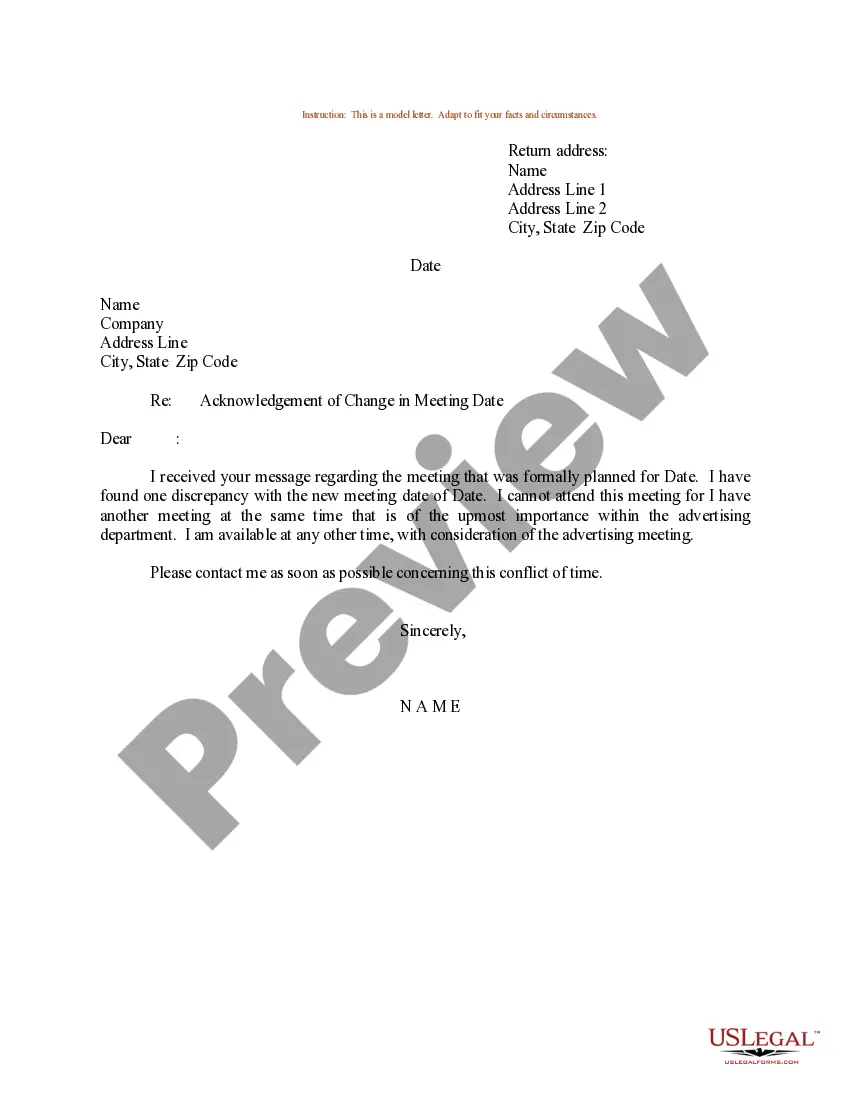


How to fill out Letter To Law Enforcement Notifying Them Of Identity Theft Of Deceased Person?
Individuals often link legal documentation with something intricate that only an expert can manage.
In a sense, this is accurate, as creating a Letter for a Deceased Individual Without a Will demands considerable expertise regarding specific subject matters, including state and local laws.
Nonetheless, with US Legal Forms, the process has become simpler: pre-prepared legal documents for various personal and business situations tailored to state legislation are compiled in a single online repository and are now accessible to everyone.
All templates in our collection are reusable: once purchased, they remain stored in your profile. You can maintain access to them whenever needed via the My documents tab. Explore all the advantages of utilizing the US Legal Forms platform. Subscribe today!
- US Legal Forms offers over 85,000 current forms categorized by state and application area, making the search for a Letter for a Deceased Individual Without a Will or any other specific template quick and easy.
- Previously registered participants with an active subscription must Log In to their account and click Download to retrieve the form.
- New users to the service will need to establish an account and subscribe before saving any documents.
- Here is a detailed guide on how to obtain the Letter for a Deceased Individual Without a Will.
- Examine the page content thoroughly to confirm it fulfills your requirements.
- Review the form description or confirm it through the Preview feature.
- Search for an alternative sample using the Search field in the header if the initial one does not meet your criteria.
- Click Buy Now when you locate the suitable Letter for a Deceased Individual Without a Will.
- Choose a pricing plan that suits your preferences and financial plan.
- Create an account or Log In to continue to the payment page.
- Execute payment for your subscription using PayPal or your credit card.
- Select the format for your document and click Download.
- Print your file or upload it to an online editor for quicker completion.
Form popularity
FAQ
A certified letter may be sent to you for various reasons, often related to legal matters, including notifications about an estate after a letter deceased person without will. These letters provide important information about your rights, obligations, or upcoming court dates. It’s essential to read them carefully and respond appropriately, as they can significantly affect legal proceedings and estate management.
A letter of authorization after death is a document that grants someone the authority to act on behalf of the deceased regarding their estate. This letter is particularly important when there is no will in place, as it can help manage any outstanding affairs or permissions required for a letter deceased person without a will. Having the right documentation in place ensures that all actions are legally recognized and effective.
Filing letters of administration without a will involves submitting specific paperwork to the probate court. You need to demonstrate your relationship to the deceased person and the absence of a will to obtain authority over the estate. This process can be complex, but platforms like US Legal Forms streamlines the experience with easy-to-follow templates and guidance, ensuring you can navigate the requirements with confidence.
A certified letter for a deceased person is an official document that confirms the status of the estate and alerts individuals about the next steps in the probate process. This letter can address various matters, including creditor notifications and asset distribution for a letter deceased person without will. It’s vital to take these communications seriously, as they can influence your claims and obligations regarding the estate.
You may receive a certified letter from probate court to notify you about the probate process regarding an estate. This letter often serves to inform you of your rights or duties related to the estate of a letter deceased person without a will. Understanding these details is crucial, as they can directly impact how assets are distributed. Engaging with a legal professional can help clarify your responsibilities.
To prove you are the executor of an estate, you must provide the probate court with the decedent's will, naming you as executor, and obtain the court's issued Letters Testamentary. If there is no will, you will need the Letter of Administration, which appoints you as the administrator. This paperwork serves as official proof of your authority over the estate. You can rely on resources from US Legal Forms to navigate this requirement.
Writing a letter cannot replace a legally binding will, but it might provide guidance on your wishes. It can offer insights into how you want your belongings distributed, especially if there is no will, which could be useful if a Letter deceased person without will is being used. However, for legal purposes, formal documentation through a will is essential to ensure your desires are honored. Consider consulting legal resources for more comprehensive information on this topic.
When there is no will, the court appoints an administrator to handle the estate, rather than an executor. The administrator must distribute the deceased person's assets according to state laws, which often includes family members and beneficiaries. Therefore, the administrator does not have the authority to take everything for themselves. Using the Letter deceased person without will can help clarify the distribution process.
To obtain a letter of administration without a will, start by filing a petition with the probate court. You will likely need to provide information about the deceased and their potential heirs. Platforms like USLegalForms can assist you in generating the required documents and provide guidance throughout the process.
In Tennessee, if someone passes away without a will, the state intestacy laws dictate the distribution of their assets. Typically, the court will appoint an administrator, who will oversee the estate's closure. This process highlights the importance of obtaining letters of administration, which can be facilitated through resources like USLegalForms.
