Letter Deceased Person With Creditor With No Estate
Description
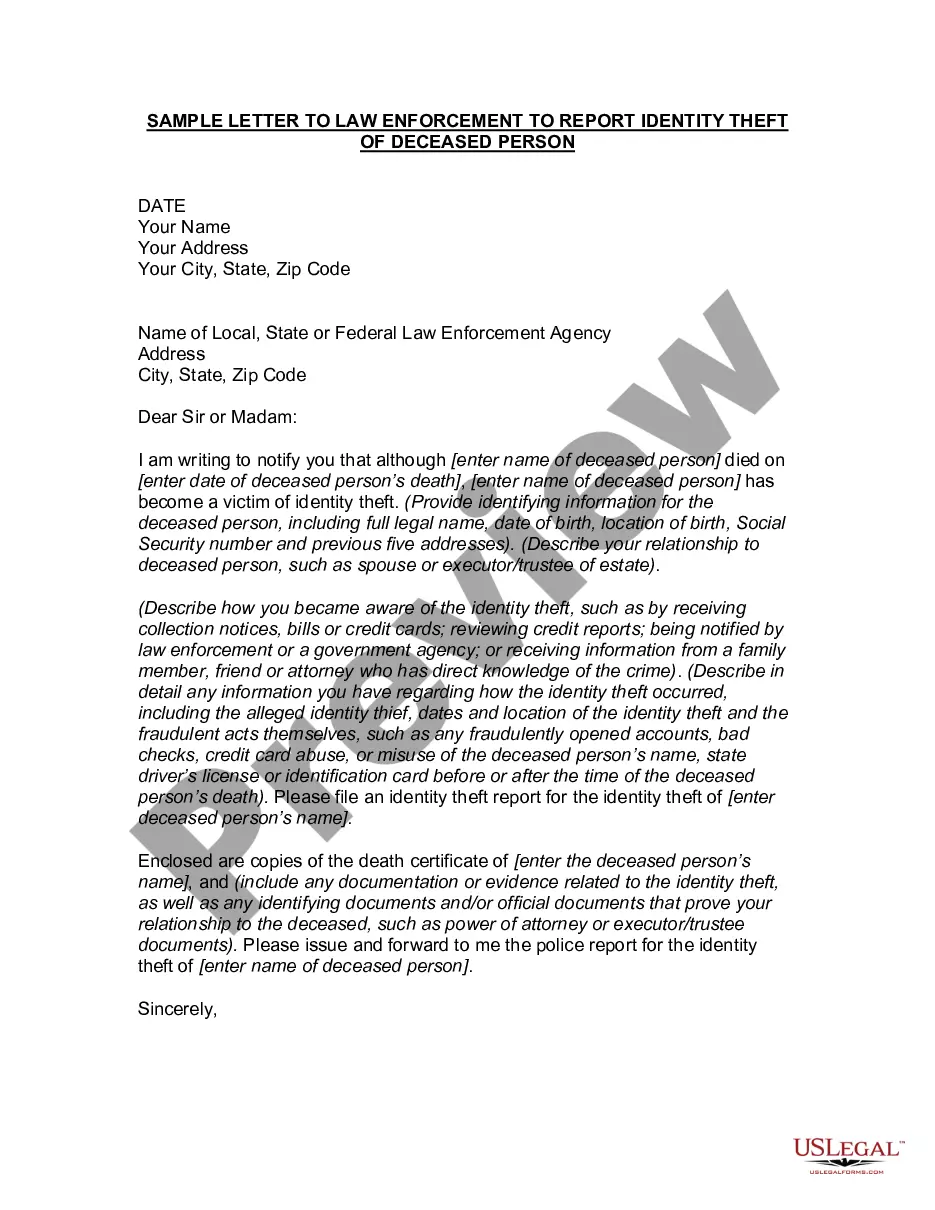
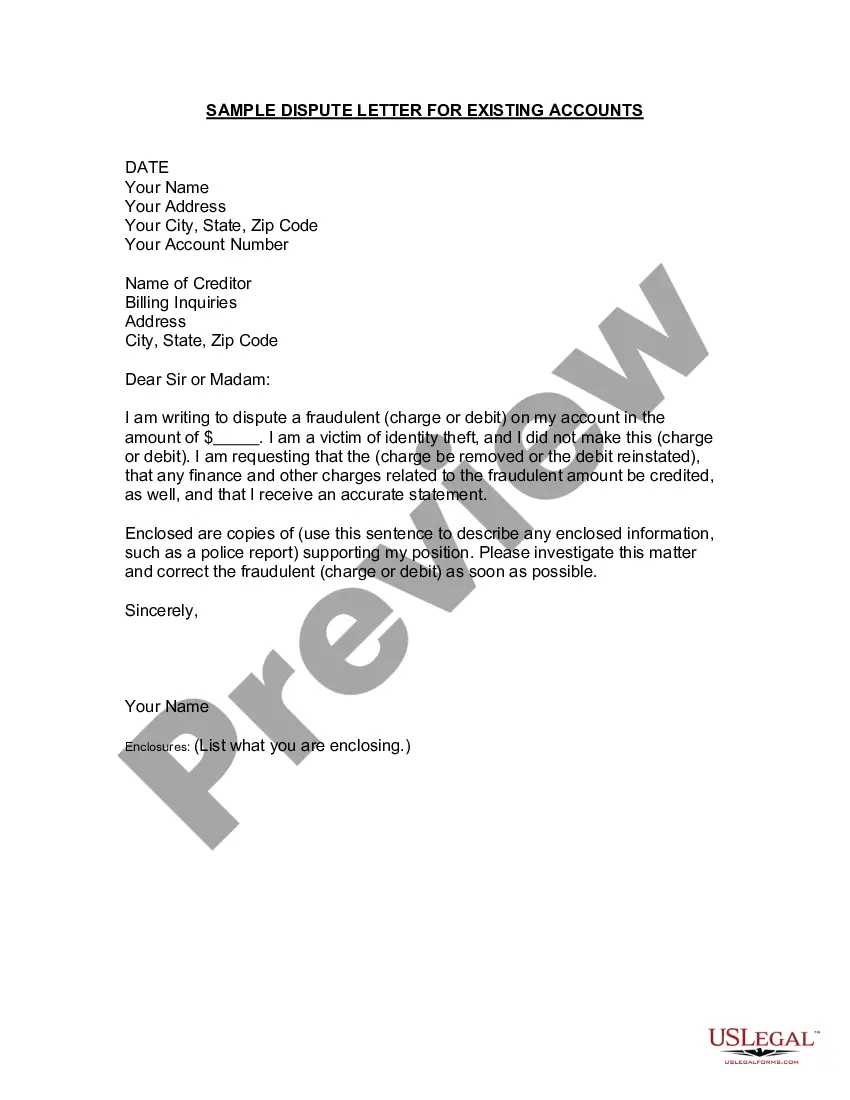
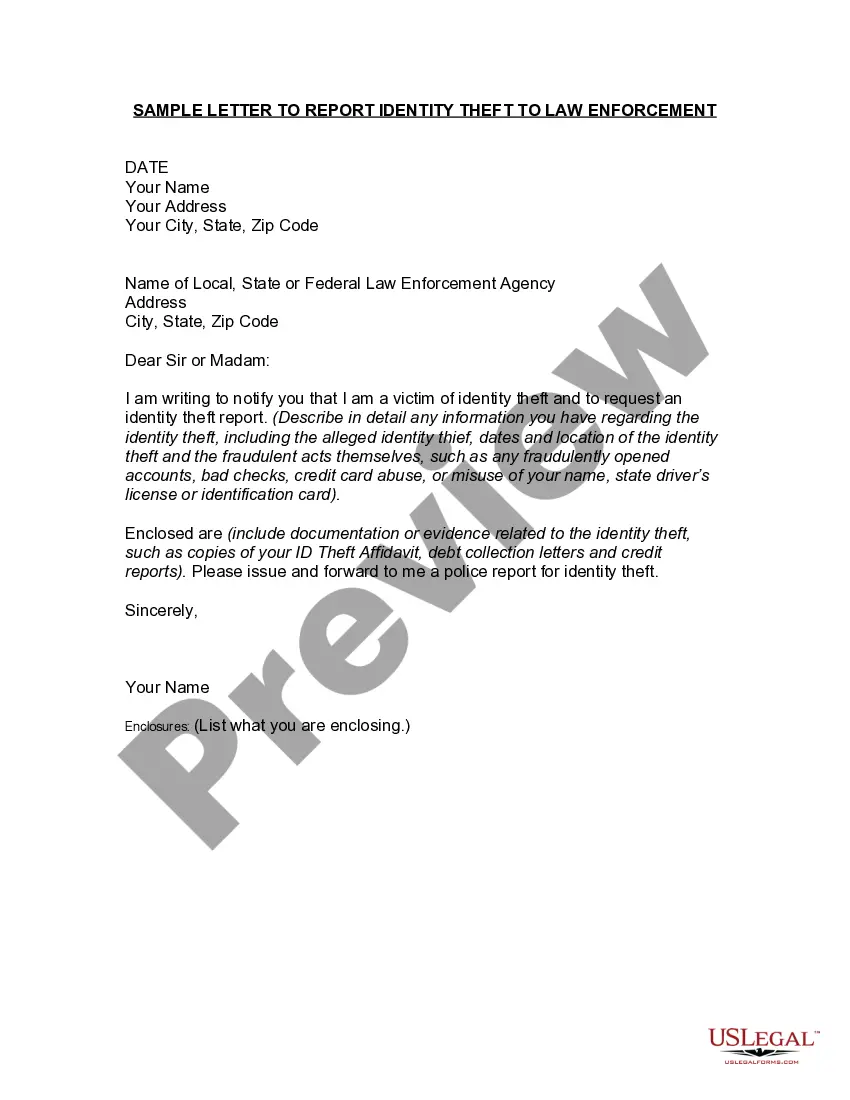
Get your form ready online
Our built-in tools help you complete, sign, share, and store your documents in one place.
Make edits, fill in missing information, and update formatting in US Legal Forms—just like you would in MS Word.
Download a copy, print it, send it by email, or mail it via USPS—whatever works best for your next step.
Sign and collect signatures with our SignNow integration. Send to multiple recipients, set reminders, and more. Go Premium to unlock E-Sign.
If this form requires notarization, complete it online through a secure video call—no need to meet a notary in person or wait for an appointment.
We protect your documents and personal data by following strict security and privacy standards.

Make edits, fill in missing information, and update formatting in US Legal Forms—just like you would in MS Word.

Download a copy, print it, send it by email, or mail it via USPS—whatever works best for your next step.

Sign and collect signatures with our SignNow integration. Send to multiple recipients, set reminders, and more. Go Premium to unlock E-Sign.

If this form requires notarization, complete it online through a secure video call—no need to meet a notary in person or wait for an appointment.

We protect your documents and personal data by following strict security and privacy standards.
Looking for another form?
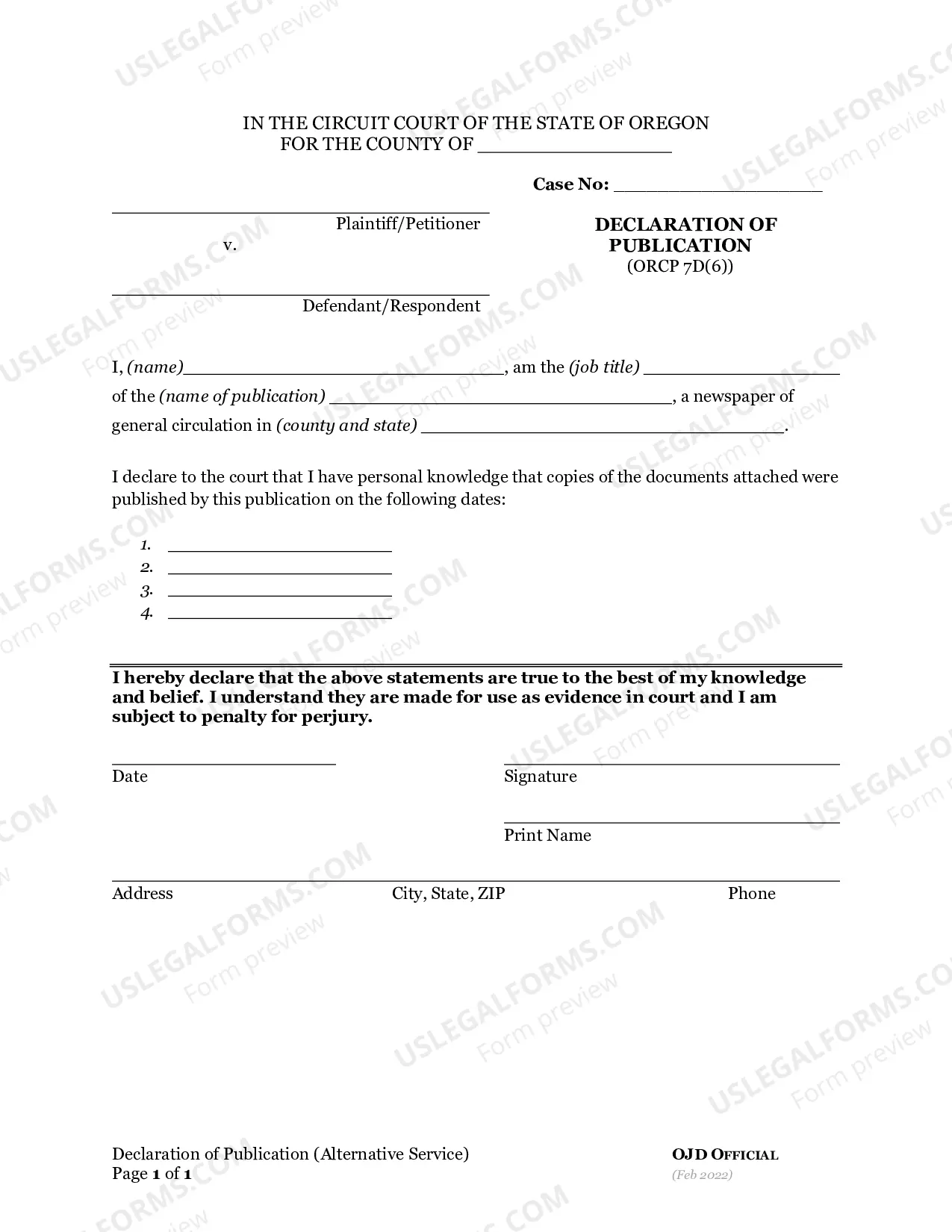
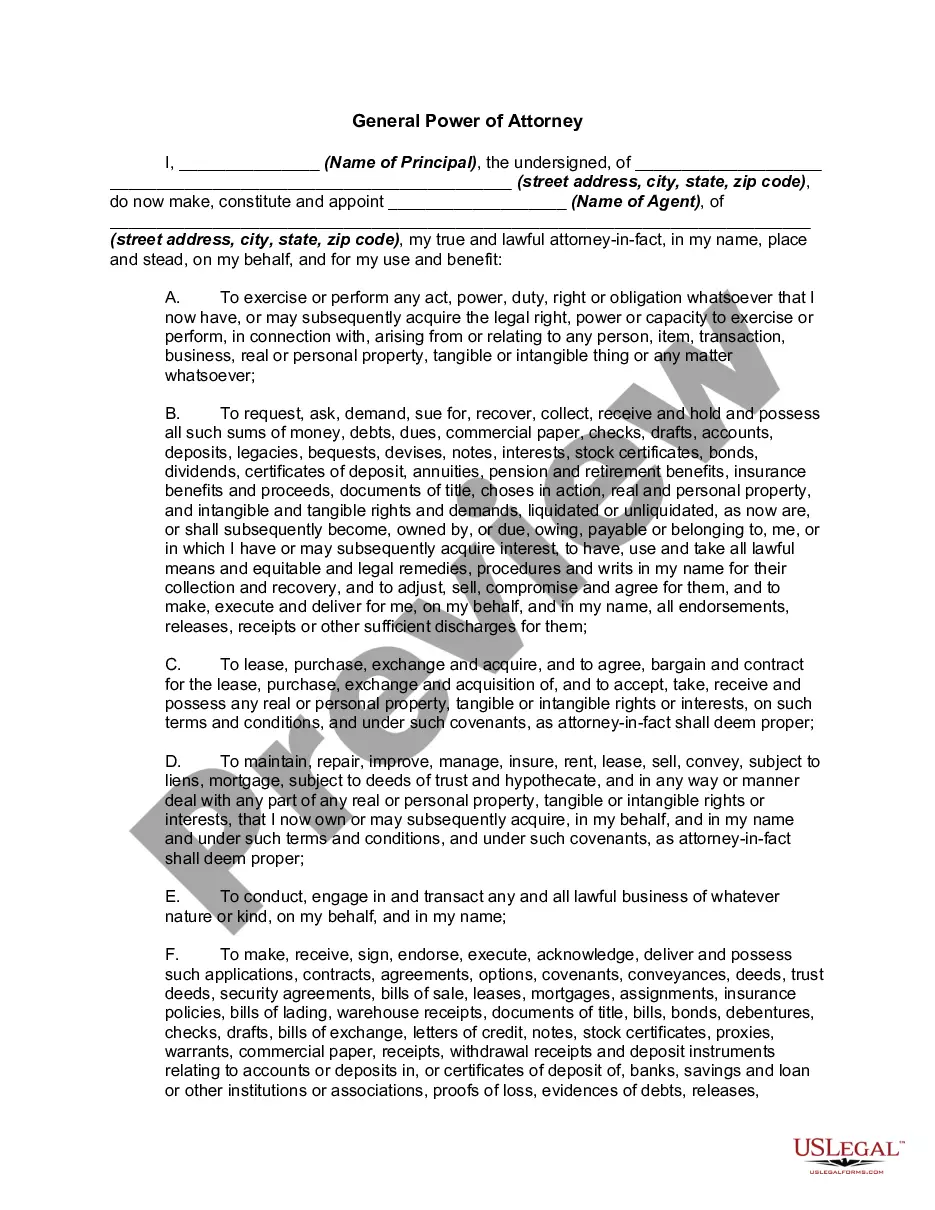
How to fill out Letter To Law Enforcement Notifying Them Of Identity Theft Of Deceased Person?
When you need to finalize a Letter for a Deceased Individual with a Creditor without an Estate that adheres to your local state's statutes and rules, there can be several choices to choose from.
There's no need to browse through every document to ensure it meets all the legal stipulations if you are a US Legal Forms subscriber.
It is a trustworthy service that can assist you in obtaining a reusable and current template on any subject.
Navigating to the recommended page and reviewing it for conformity with your requirements.
- US Legal Forms is the most extensive online directory with a repository of over 85k ready-to-use documents for commercial and personal legal situations.
- All templates are verified to comply with each state’s regulations.
- Consequently, when downloading the Letter for a Deceased Individual with a Creditor without an Estate from our platform, you can be confident that you have a legitimate and current document.
- Retrieving the necessary template from our site is very simple.
- If you already possess an account, merely Log In to the platform, ensure your subscription is active, and store the chosen file.
- Later, you can open the My documents section in your profile and gain access to the Letter for a Deceased Individual with a Creditor without an Estate at any time.
- If this is your initial time on our platform, please adhere to the instructions below.
Form popularity
FAQ
When you write a letter to creditors for a deceased person with no estate, start by clearly stating the deceased's name and account details. Explain that the person has passed away and that there are no assets available to cover any debts. Include any relevant documents, such as a death certificate, to support your claim. Using a professional and respectful tone is essential, as it helps establish that you are addressing serious financial matters with care.
When informing creditors of someone's death, be straightforward and clear about the situation. State that the person has deceased, provide relevant details, and explain there is no estate to honor debts. This transparency is crucial, and using a service like uslegalforms can help you craft a professional letter deceased person with creditor with no estate.
To post a death notice to creditors, you should draft a formal notification letter and send it to each creditor. It’s essential to confirm delivery, whether through certified mail or another method, so you have proof of notification. By doing this, you adhere to proper communication practices regarding the letter deceased person with creditor with no estate.
You typically send a formal letter to creditors when someone dies. This letter should clearly inform them of the death, include the deceased’s personal information, and state the absence of an estate to cover any debts. Utilizing a template from uslegalforms can make this process easier, ensuring you address all necessary points in your letter deceased person with creditor with no estate.
When writing to creditors after a death, it’s important to clearly state that the individual has passed away. You should include the deceased person's full name, date of death, and mention that there is no estate available to settle debts. This helps notify creditors and clarifies the situation, reducing any confusion about payment expectations for the letter deceased person with creditor with no estate.
To write a letter to the credit bureau for a deceased person, begin with a clear introduction stating the individual has died. Include their full name, social security number, and date of death. Request the bureau to update their records to reflect the individual’s status, emphasizing there is no estate to settle any outstanding debts. This ensures the credit report is accurate and unaffected by the deceased person's outstanding debts.
An executor is typically liable for debts incurred before the deceased's passing, as they must ensure that all outstanding debts are settled from the estate. If the estate does not have enough funds to cover these debts, the executor has no further liability. Communicating effectively with creditors through letters can simplify this process.
Yes, credit card debt typically falls under no estate if the deceased has no remaining assets. Creditors cannot collect debts from family members unless they are co-signers or have guaranteed the debt. Sending a letter to the credit card company can help confirm the absence of an estate and settle any concerns.
In the UK, a debt generally becomes uncollectible after six years, known as the limitation period. If a creditor has not taken legal action to collect the debt during that time, they can no longer pursue recovery. Using a letter to notify creditors of a lack of estate may help clarify the situation for both parties.
To write a letter to creditors for a deceased person with no estate, start by addressing the creditor directly. Clearly state that the individual has passed away and mention that there are no assets to cover the debts. Include necessary details, such as the deceased's full name, date of death, and a request for confirmation of the account's status. This approach can help in managing creditor expectations.