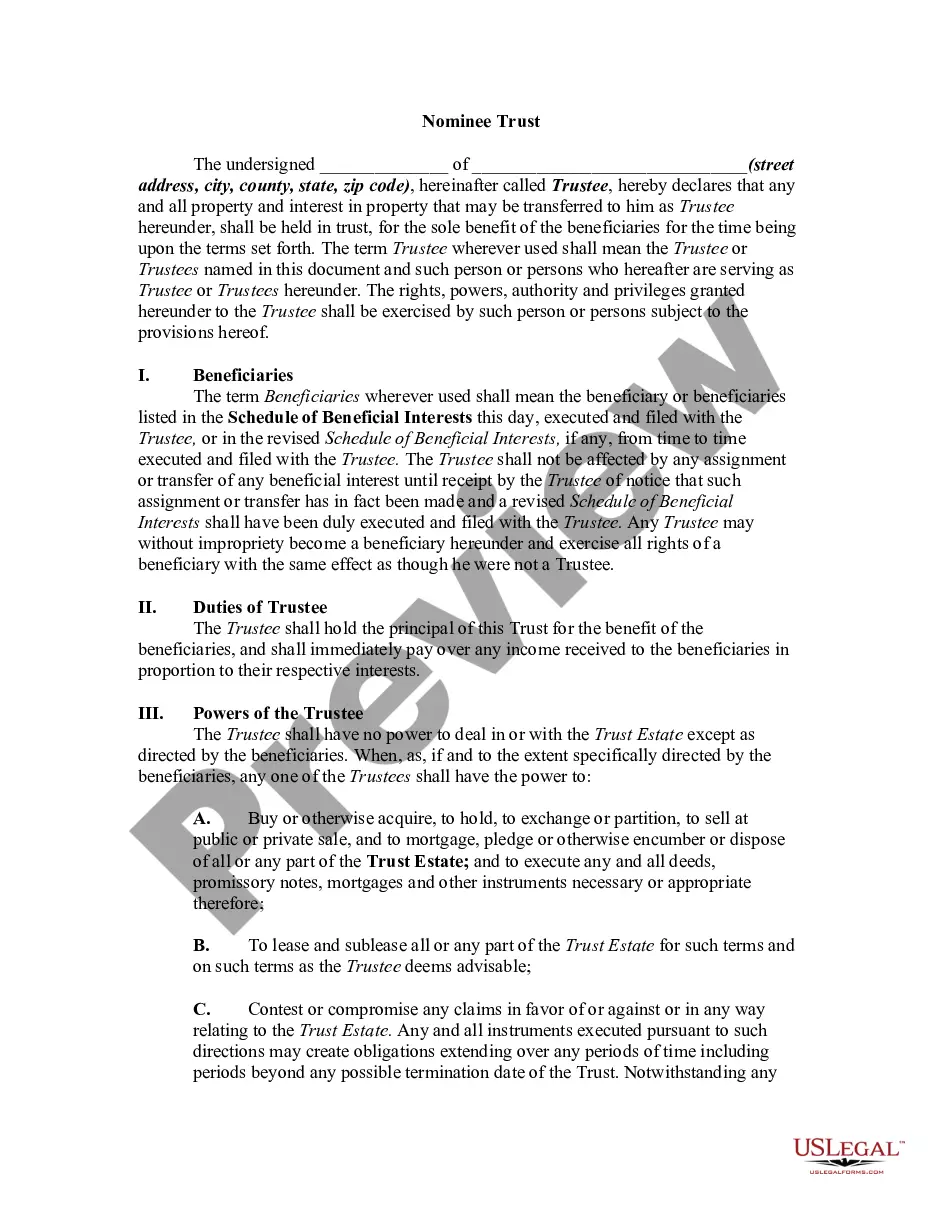
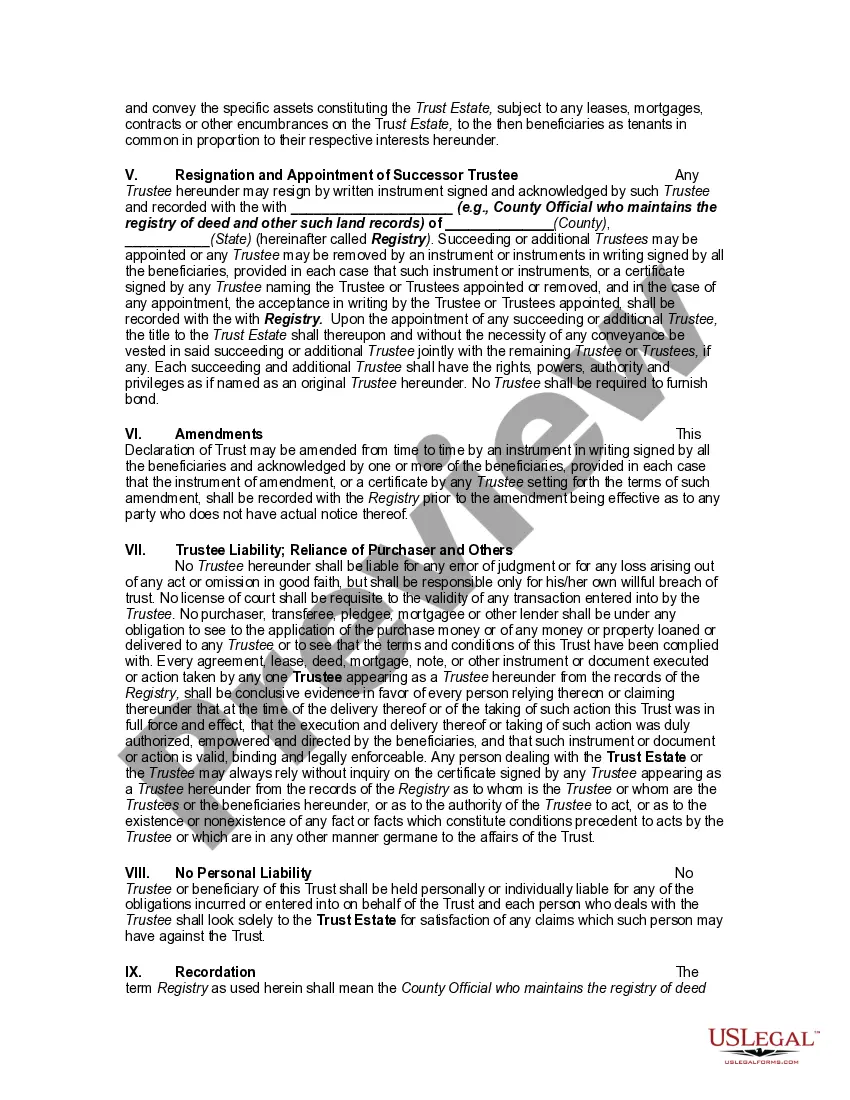
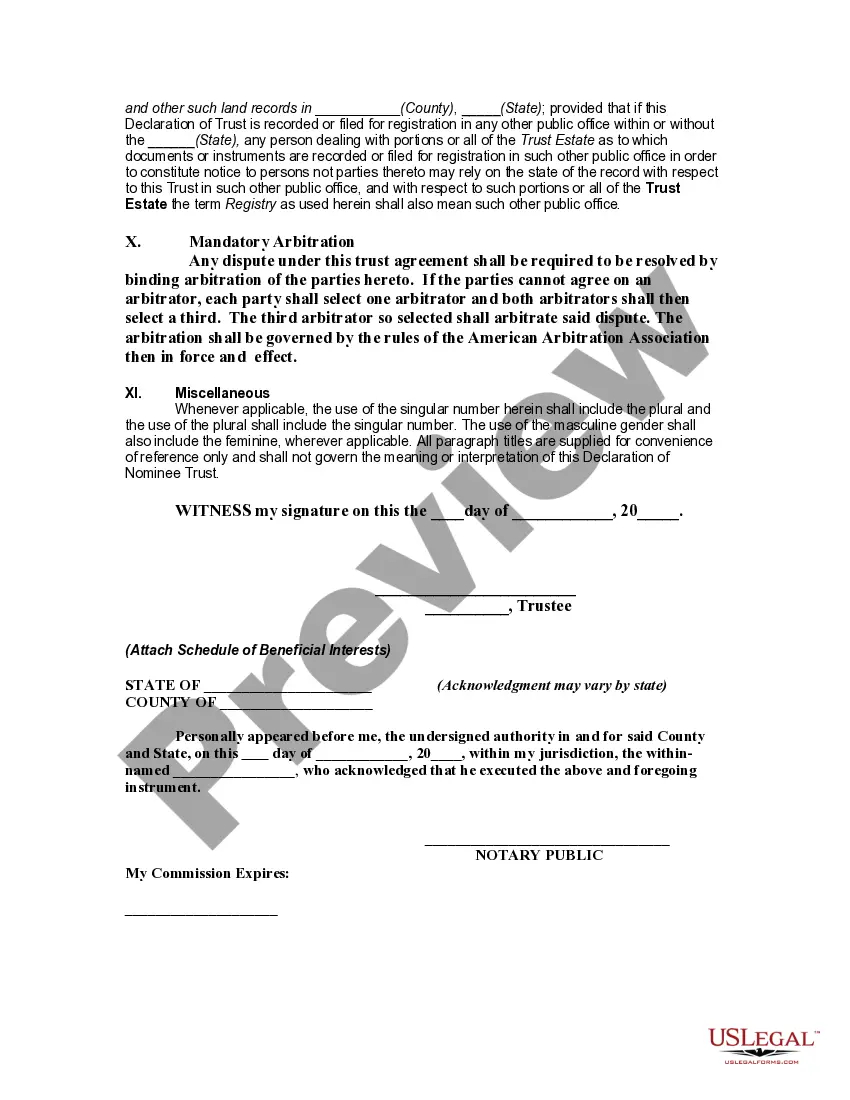
Nominee Company Vs Trust
Description
Get your form ready online
Our built-in tools help you complete, sign, share, and store your documents in one place.
Make edits, fill in missing information, and update formatting in US Legal Forms—just like you would in MS Word.
Download a copy, print it, send it by email, or mail it via USPS—whatever works best for your next step.
Sign and collect signatures with our SignNow integration. Send to multiple recipients, set reminders, and more. Go Premium to unlock E-Sign.
If this form requires notarization, complete it online through a secure video call—no need to meet a notary in person or wait for an appointment.
We protect your documents and personal data by following strict security and privacy standards.

Make edits, fill in missing information, and update formatting in US Legal Forms—just like you would in MS Word.

Download a copy, print it, send it by email, or mail it via USPS—whatever works best for your next step.

Sign and collect signatures with our SignNow integration. Send to multiple recipients, set reminders, and more. Go Premium to unlock E-Sign.

If this form requires notarization, complete it online through a secure video call—no need to meet a notary in person or wait for an appointment.

We protect your documents and personal data by following strict security and privacy standards.
Looking for another form?







How to fill out Nominee Trust?
Legal documents handling can be daunting, even for the most adept professionals.
When searching for a Nominee Company Vs Trust and lacking the time to find the suitable and current version, the processes may become anxiety-inducing.
US Legal Forms caters to all requirements you might have, ranging from personal to business documents, all in one location.
Utilize innovative tools to complete and manage your Nominee Company Vs Trust.
Here are the steps to follow after reaching the form you require: Validate this is the correct form by previewing it and reviewing its details.
- Tap into a database of articles, guides, and resources that align with your circumstances and requirements.
- Save time and energy searching for the documents you need, and use US Legal Forms’ sophisticated search and Review feature to find Nominee Company Vs Trust and retrieve it.
- If you possess a membership, Log In to your US Legal Forms account, look for the form, and download it.
- Examine your My documents tab to see the files you have already downloaded and to manage your folders as you prefer.
- If this is your initial experience with US Legal Forms, create a free account to gain unrestricted access to the entire library's benefits.
- A comprehensive online form repository can transform the way individuals approach these matters.
- US Legal Forms is a leading provider in online legal documents, featuring over 85,000 state-specific legal forms available to you at any time.
- With US Legal Forms, you can access localized legal and business documentation.
Form popularity
FAQ
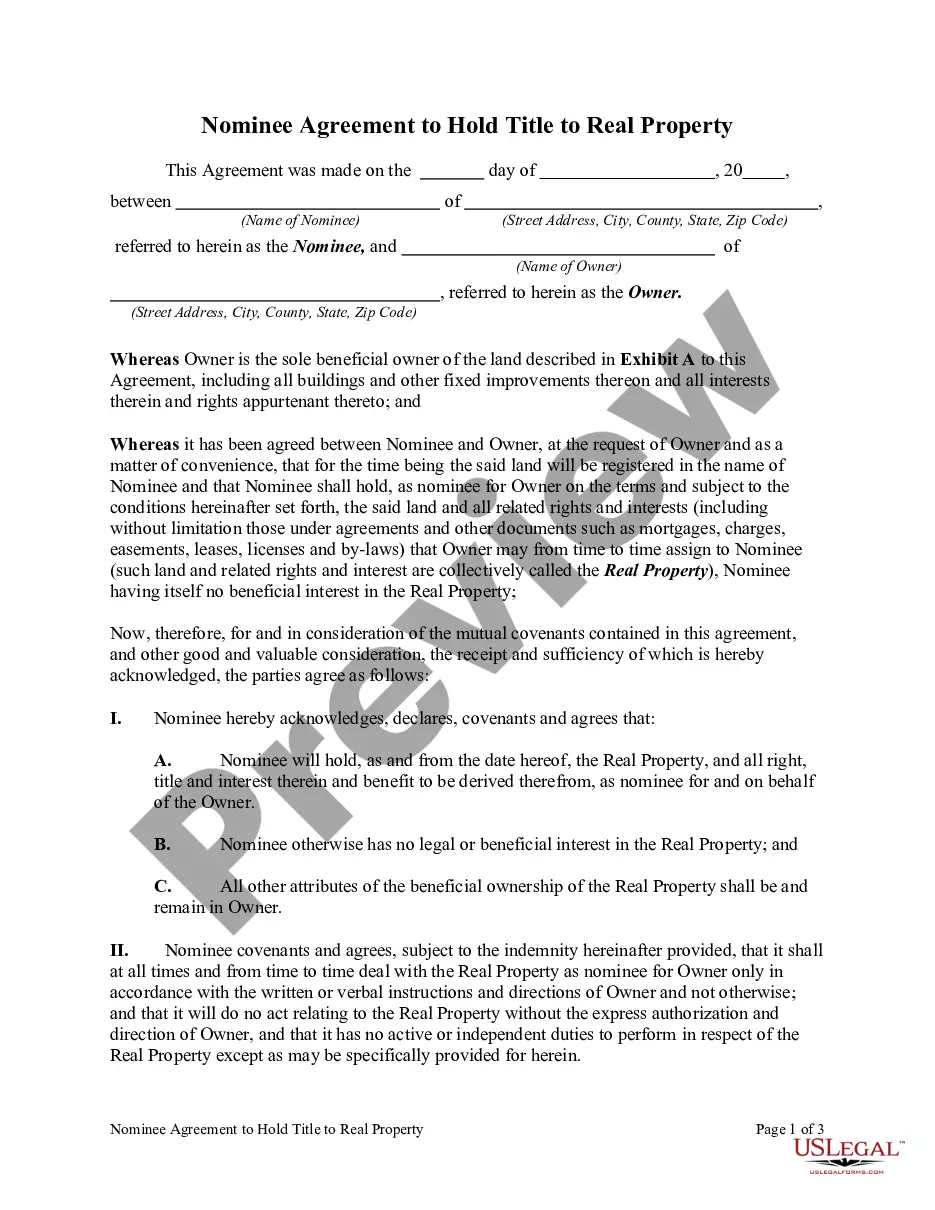
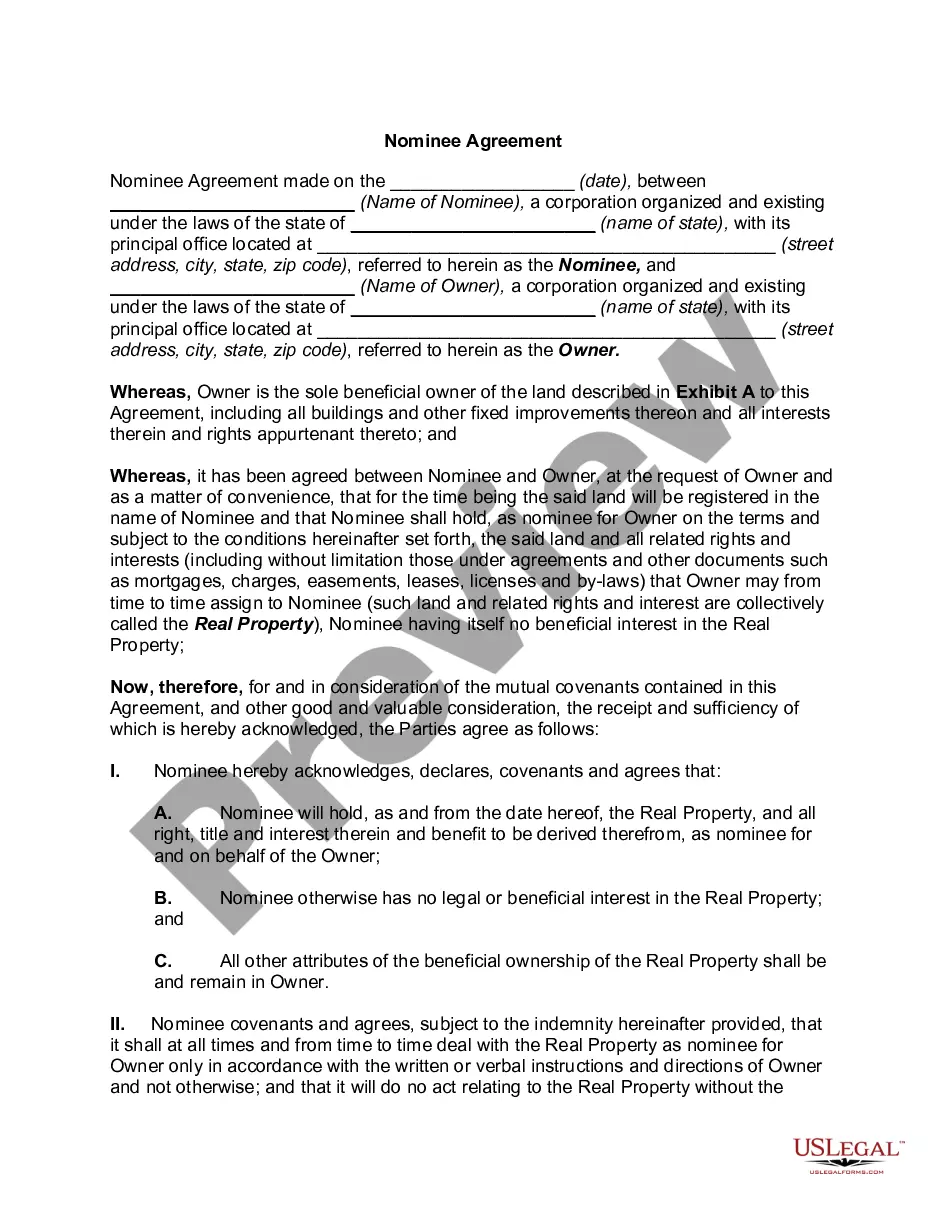
A nominee company refers to a firm that acts on behalf of other individuals or entities. In the context of the nominee company vs trust discussion, it can hold assets or manage operations while ensuring the original owners retain privacy and control. This structure is often used to keep ownership details confidential while still complying with legal requirements.
Under the current rules, a trust (including a bare trust) must generally file an annual income tax return (a ?T3 Return?) for a tax year if the trust: (i) has tax to pay for the year; (ii) disposes of capital property; or (iii) distributes all or part of its income or capital to trust beneficiaries.
A nominee is a company that is nominated to hold assets on behalf of another entity. In early stage investing, the nominee's role is to hold shares in a company on behalf of the underlying investors in the business.
A bare trust is often used for holding real property. For example, a numbered company might be used as the registered owner of land, to hide the name of the real owner from public view. The term ?nominee? is also used for a bare trustee. T may also be called the ?agent? of O, again just acting on O's instructions.
A nominee corporation is an agent with respect to a particular transaction if the nominee corporation is an agent based on a determination of fact and an application of the principles of law.
Does a trust file its own income tax return? Yes, if the trust is a simple trust or complex trust, the trustee must file a tax return for the trust (IRS Form 1041) if the trust has any taxable income (gross income less deductions is greater than $0), or gross income of $600 or more.