Estate Closing Property Without
Description
Get your form ready online
Our built-in tools help you complete, sign, share, and store your documents in one place.
Make edits, fill in missing information, and update formatting in US Legal Forms—just like you would in MS Word.
Download a copy, print it, send it by email, or mail it via USPS—whatever works best for your next step.
Sign and collect signatures with our SignNow integration. Send to multiple recipients, set reminders, and more. Go Premium to unlock E-Sign.
If this form requires notarization, complete it online through a secure video call—no need to meet a notary in person or wait for an appointment.
We protect your documents and personal data by following strict security and privacy standards.

Make edits, fill in missing information, and update formatting in US Legal Forms—just like you would in MS Word.

Download a copy, print it, send it by email, or mail it via USPS—whatever works best for your next step.

Sign and collect signatures with our SignNow integration. Send to multiple recipients, set reminders, and more. Go Premium to unlock E-Sign.

If this form requires notarization, complete it online through a secure video call—no need to meet a notary in person or wait for an appointment.

We protect your documents and personal data by following strict security and privacy standards.
Looking for another form?
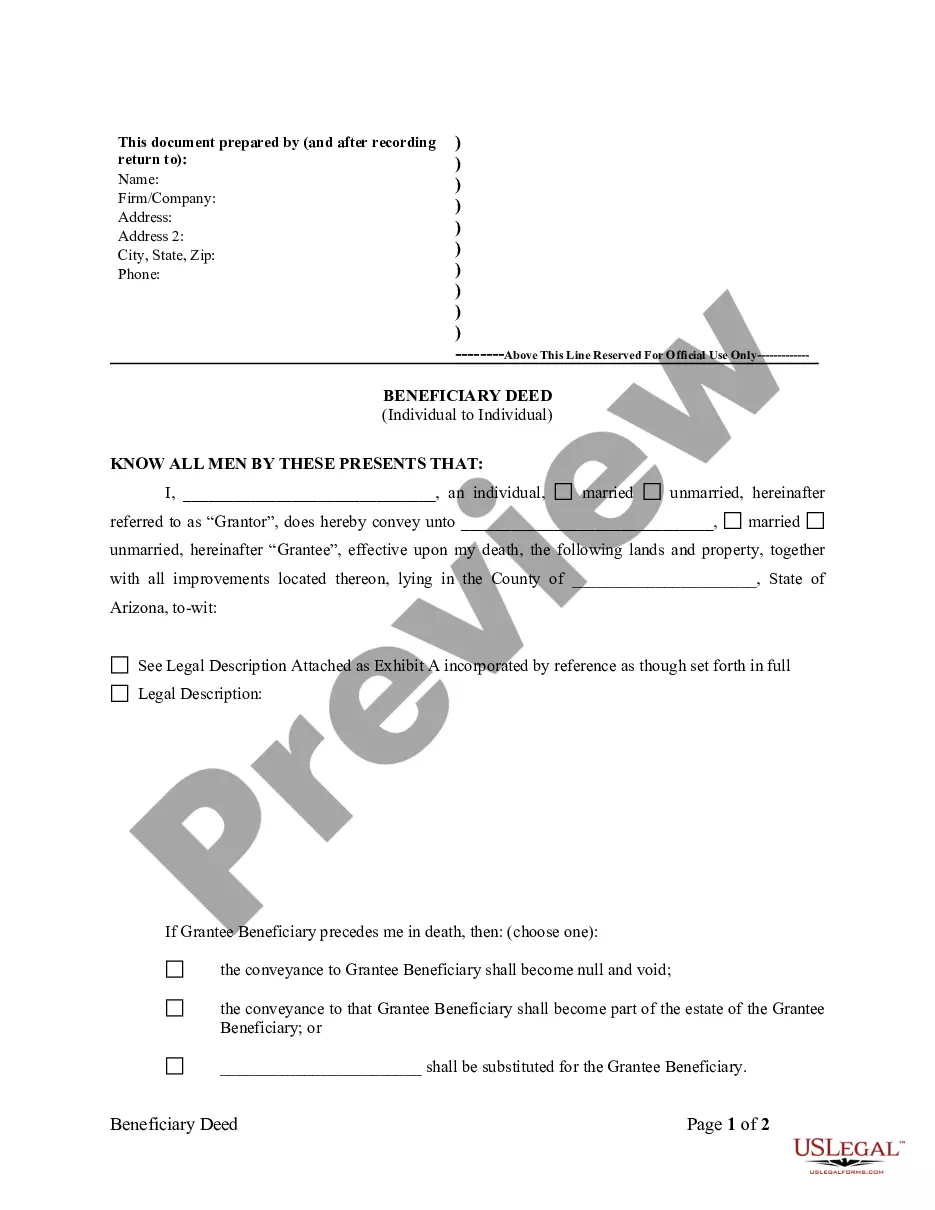


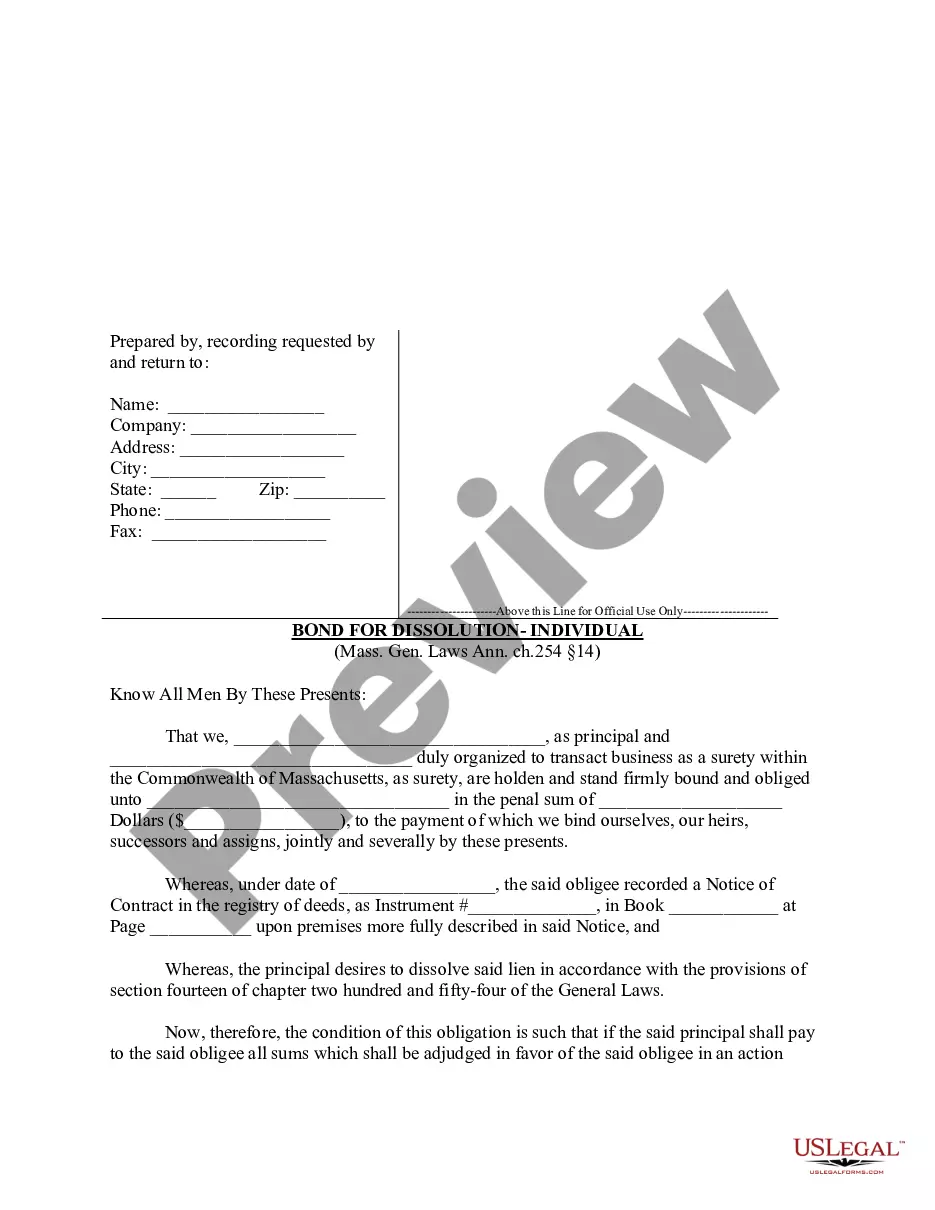


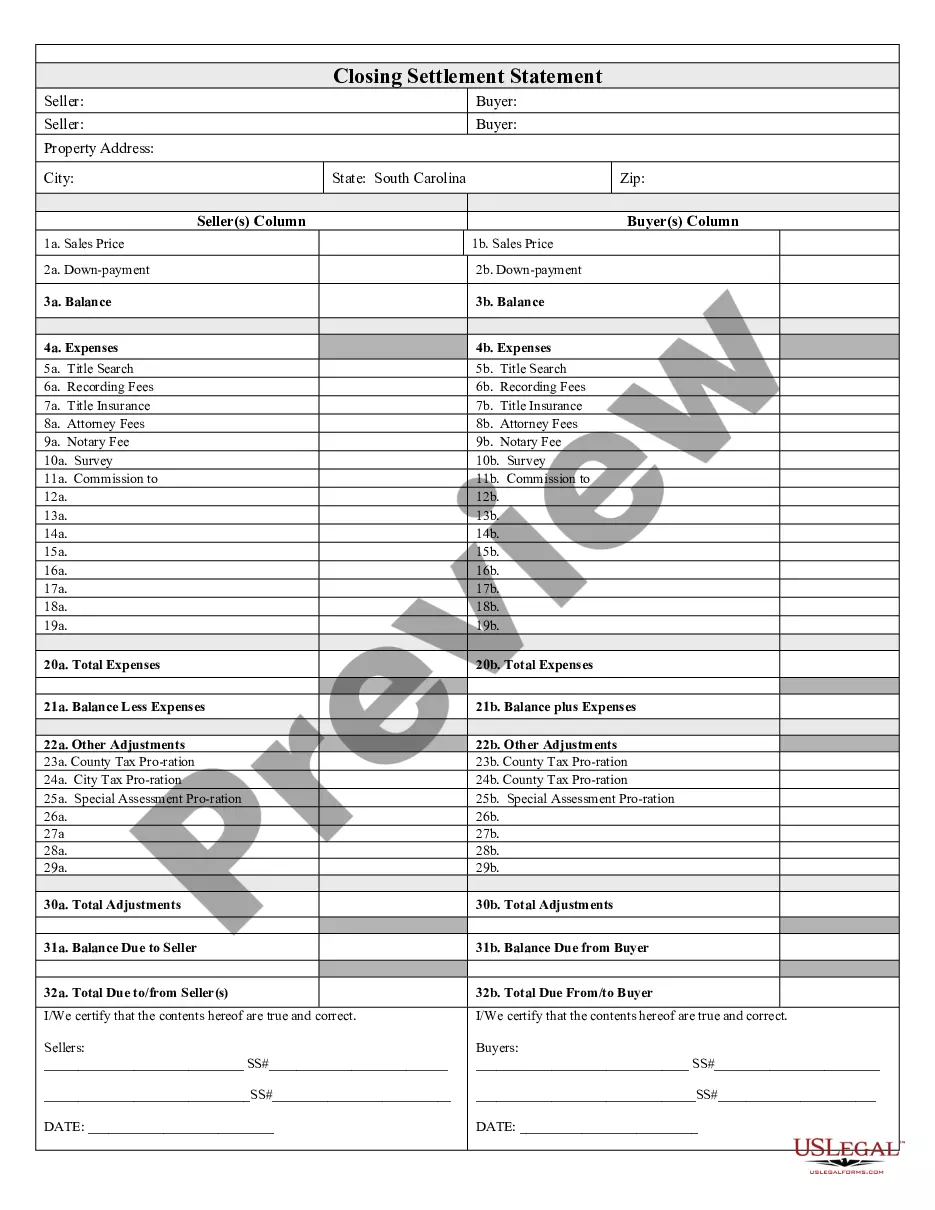

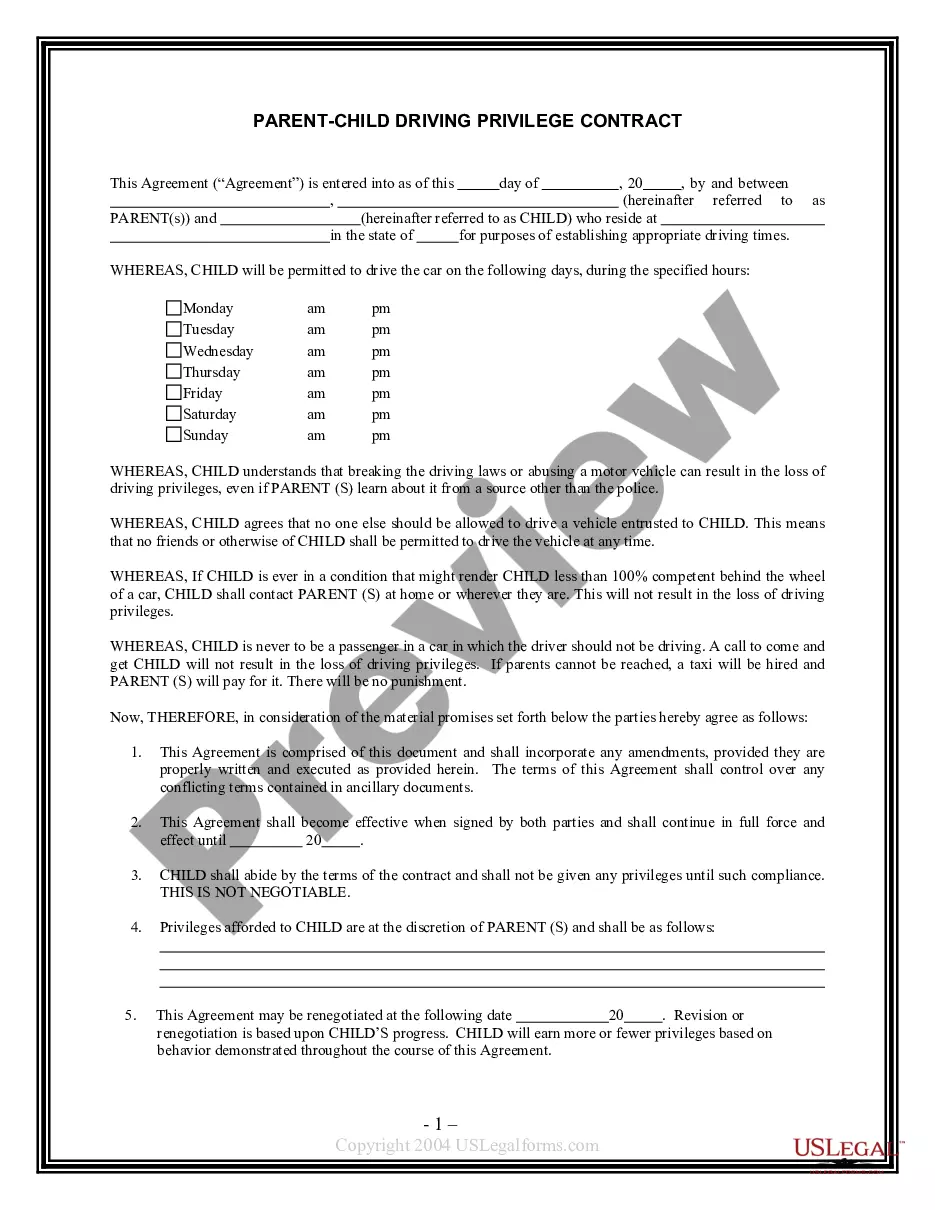

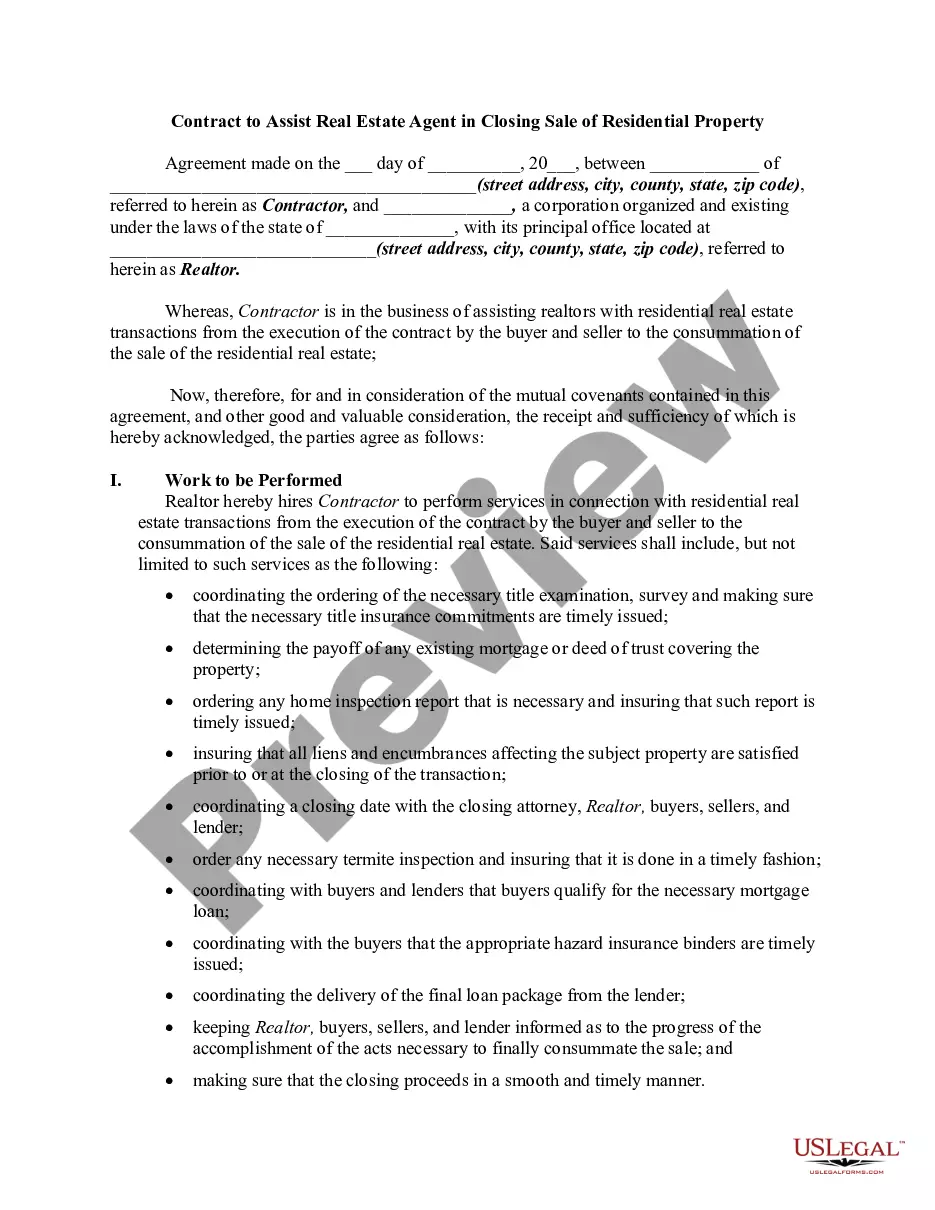
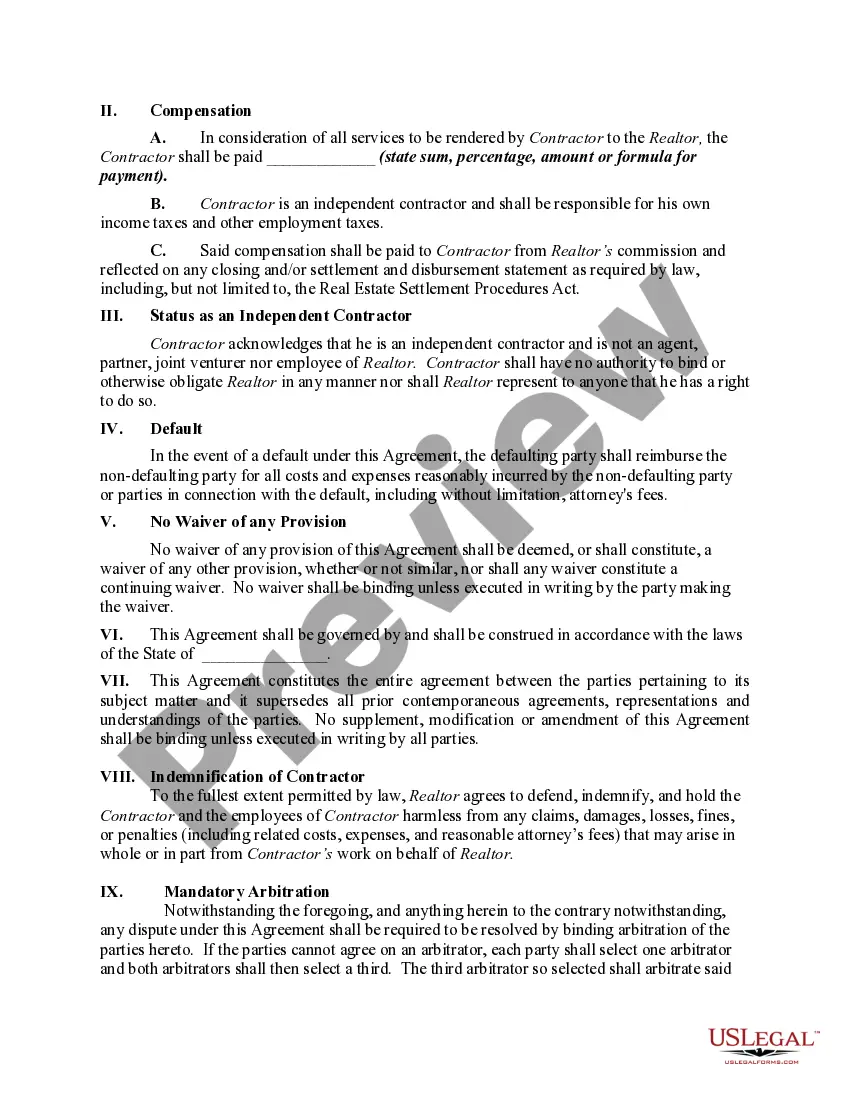
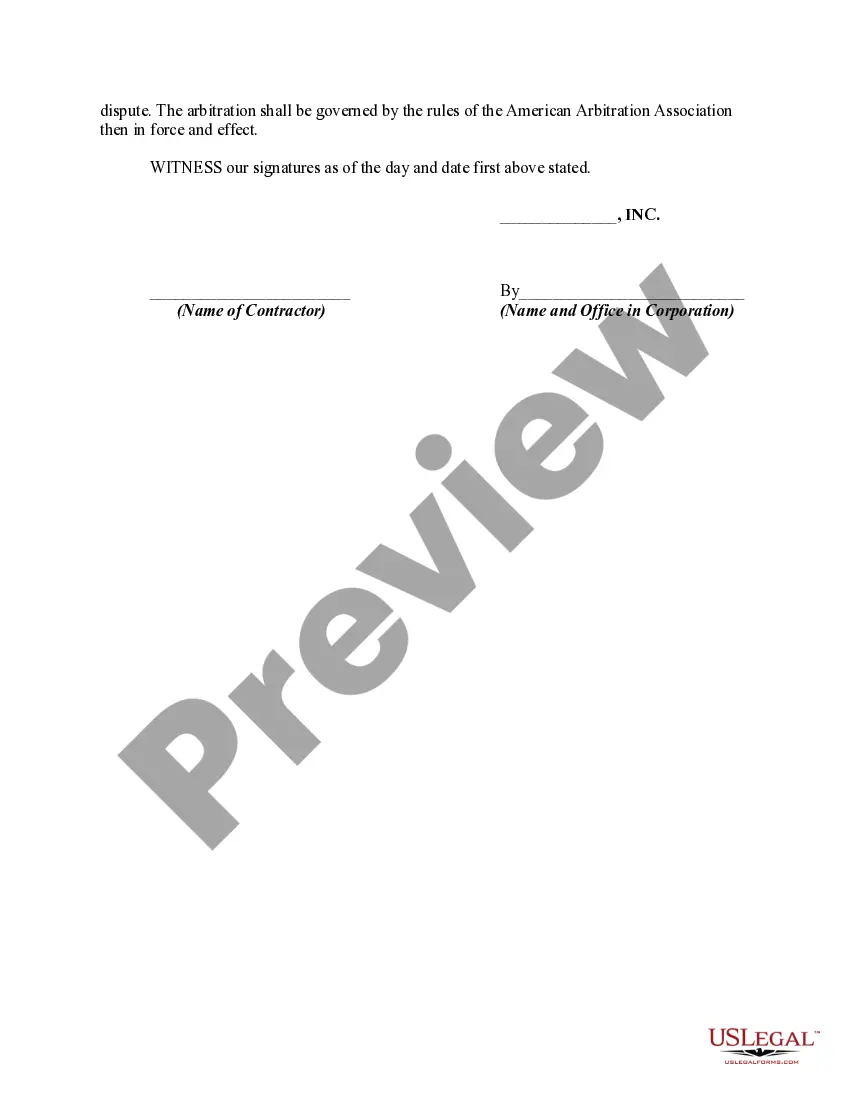
How to fill out Contract To Assist Real Estate Agent Or Realtor In Closing Sale Of Residential Property?
It’s well known that you cannot become a legal expert instantly, nor can you determine how to swiftly prepare Estate Closing Property Without without possessing a unique skill set.
Assembling legal documents is a lengthy task necessitating specific training and abilities. So why not entrust the preparation of the Estate Closing Property Without to the experts.
With US Legal Forms, one of the largest libraries of legal documents, you can find anything from court filings to templates for internal corporate communication.
If you require a different form, start your search again.
Sign up for a free account and select a subscription plan to buy the form. Select Buy now. Once the payment is completed, you can download the Estate Closing Property Without, fill it out, print it, and send or post it to the appropriate individuals or entities.
- We understand how important it is to follow federal and local laws and regulations.
- That’s why all forms on our site are location specific and current.
- Start off with our platform and obtain the document you need in just minutes.
- Locate the document you seek by utilizing the search bar at the top of the webpage.
- Preview it (if this option is available) and review the supporting description to determine if Estate Closing Property Without is what you need.
Form popularity
FAQ
A waiver of liability must be clear, unambiguous, and explicit in expressing the parties' intent. Many courts in California have ruled that waivers printed in faint or small font, or in an inconspicuous place (deep in a document, on the back of a page, etc.), are less likely to be held enforceable.
In California, release of liability waivers are legally enforceable contracts in which you assume the risk of injury for engaging in potentially dangerous activities.
Key Takeaways On How To Write A Waiver Choose a waiver template. Determine the type of activity or service. State the purpose of the waiver. Identify the risks. Include a title. Include customer information. Include waiver terms. Include a statement of understanding.
In general, waivers of liability are enforceable in California so long as they have been drafted correctly and explicitly discuss the scope of coverage. Waivers also have to be legible and use high visibility text, and they cannot illegally waive unknown or unrelated claims.
In the state of California, waivers of liability will be considered enforceable so long as they have been drafted properly and the language is explicit as to the scope of coverage. Additionally, the language in question has to be legible and use high-visibility text (in other words, it cannot be in the fine print).
Release Versus Waiver The main difference between releases and waivers is the transferring of ownership. When rights are released, they are transferred to another party. When rights are waived, they are gone altogether.
Waivers, like all legal documents, generally need to be clear, specific, and concrete. This means the waiver text cannot be ambiguous, unreadable, unspecific, or hard to understand. Another situation where a waiver may be invalid is if a separate party, not protected by the legal document, caused your injuries.
It is vital to understand that by signing a liability waiver, you are essentially agreeing not to sue unless someone who is an agent of the business causes intentional harm or exhibits gross negligence or violated state or federal law.