Creditor And Death
Description
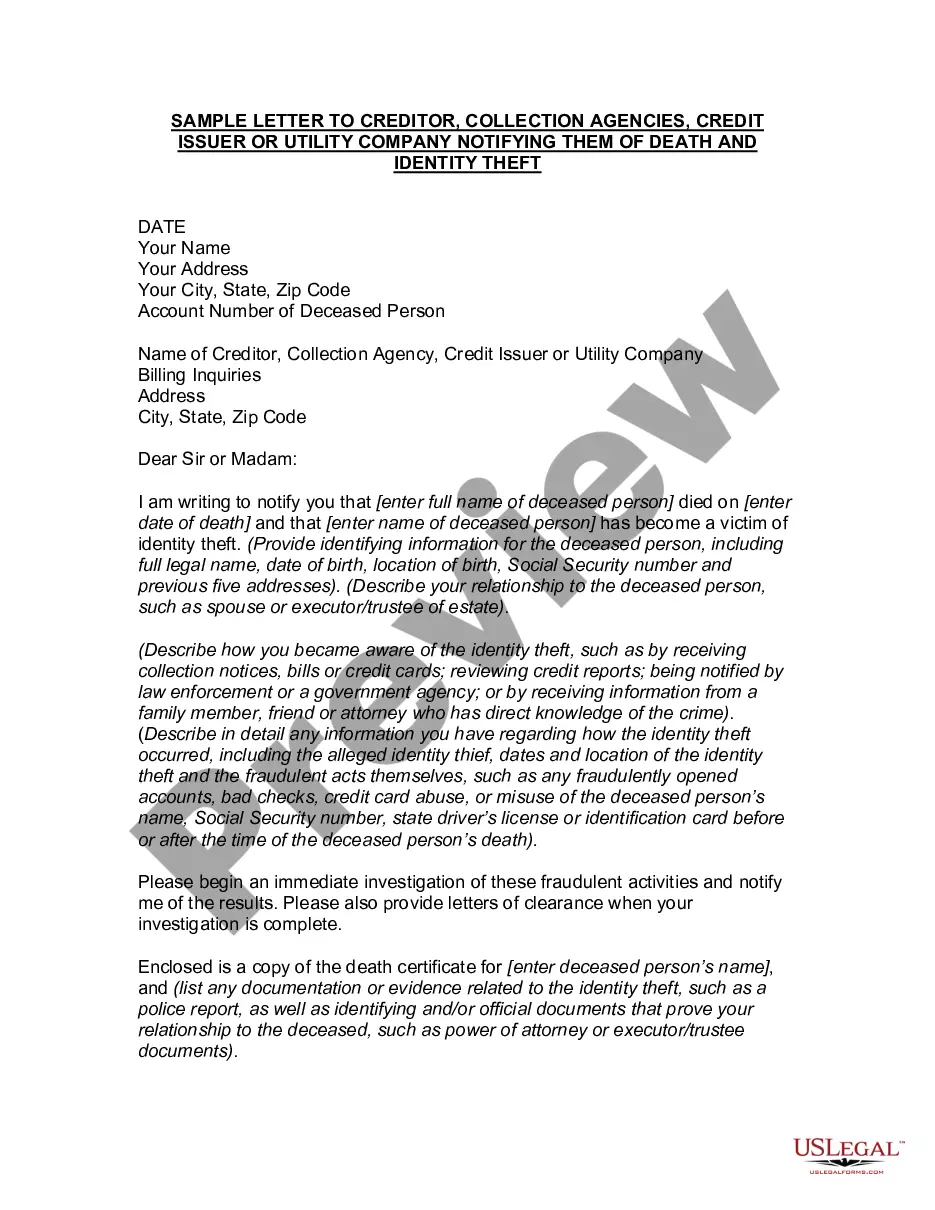

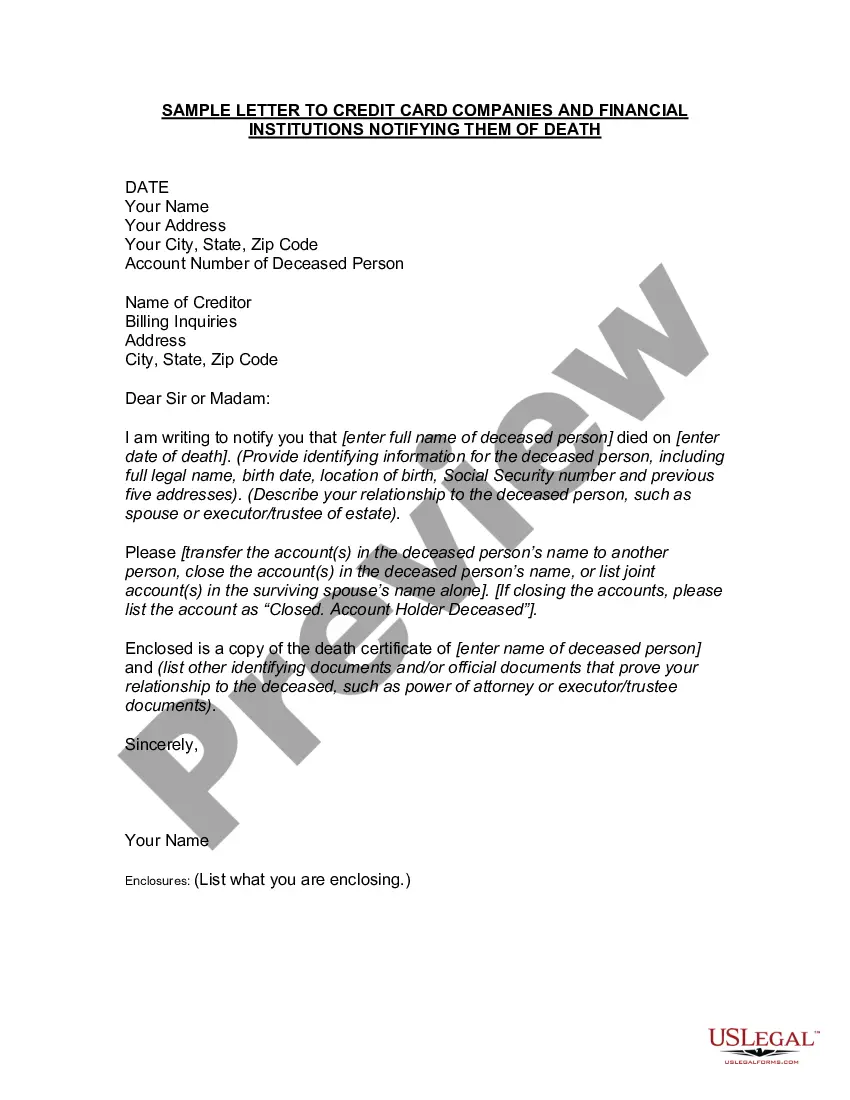
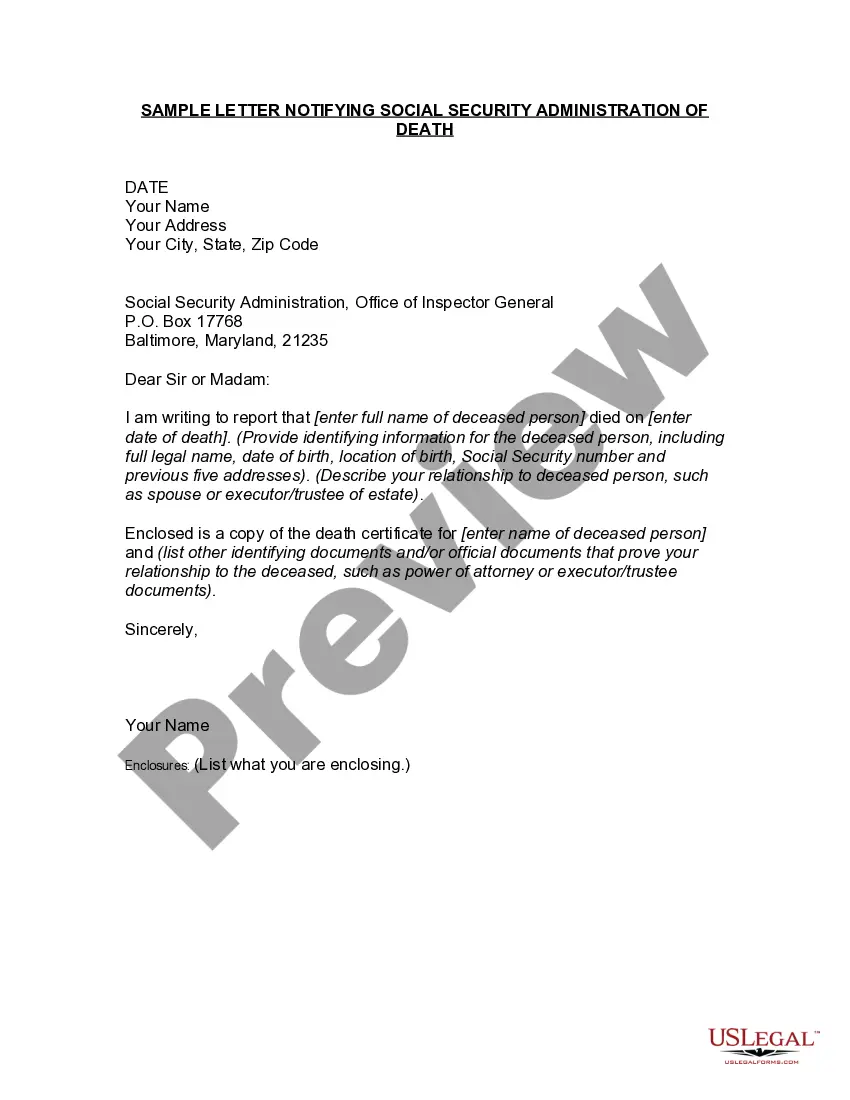
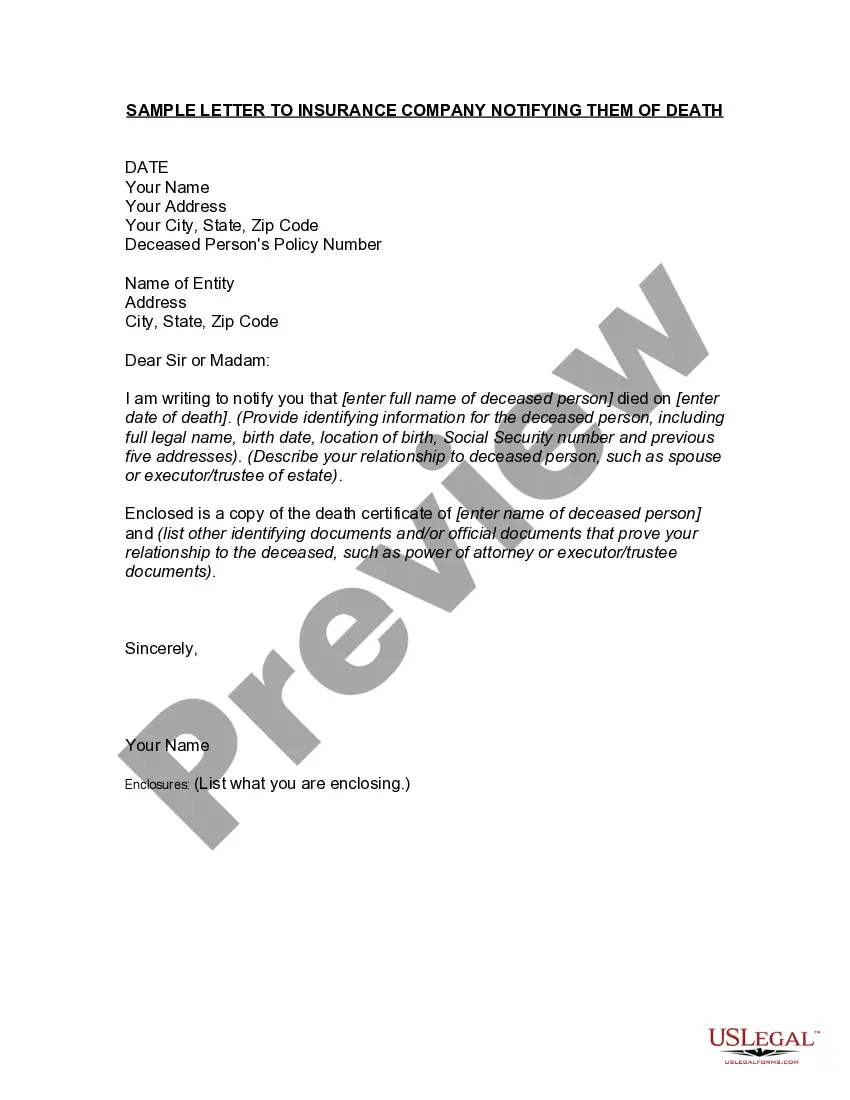
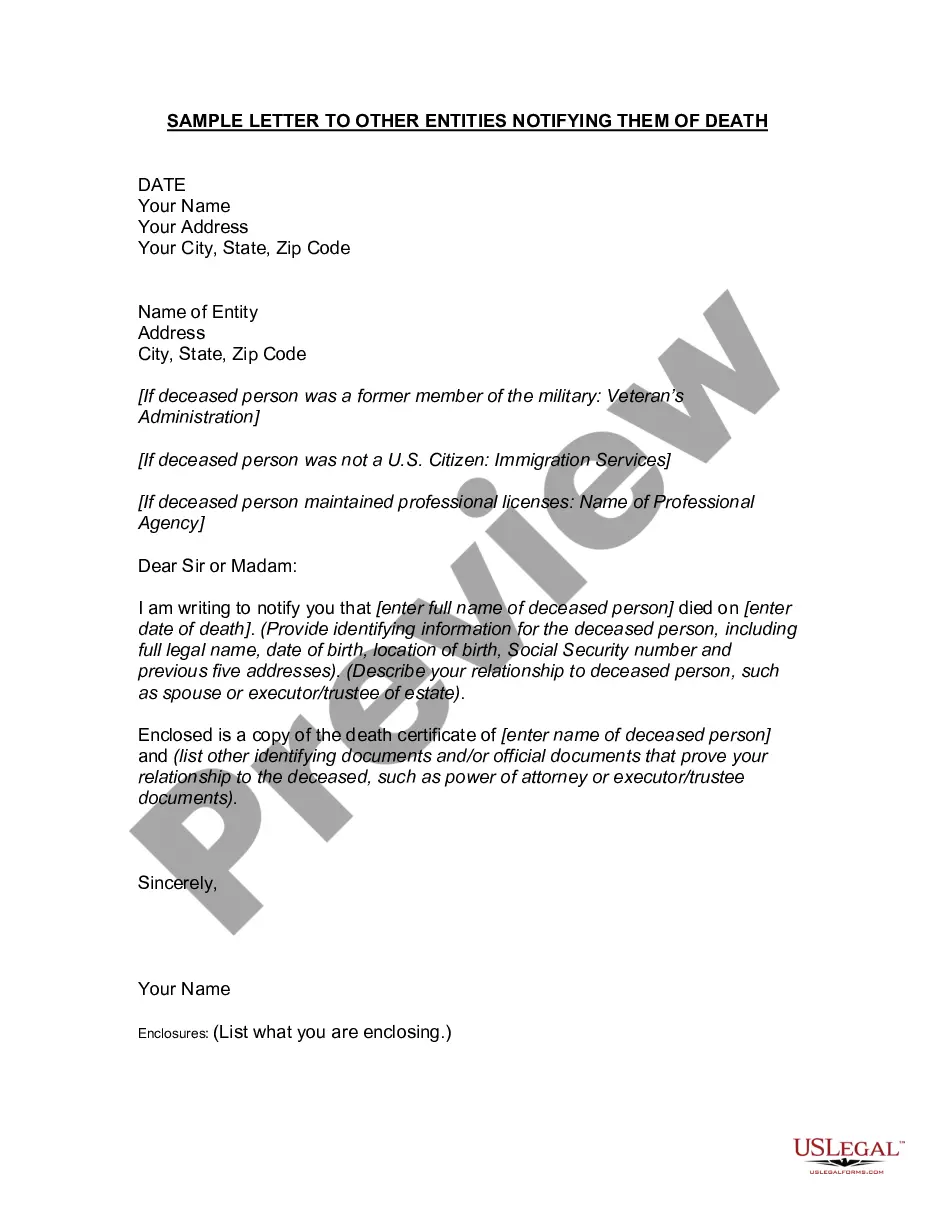
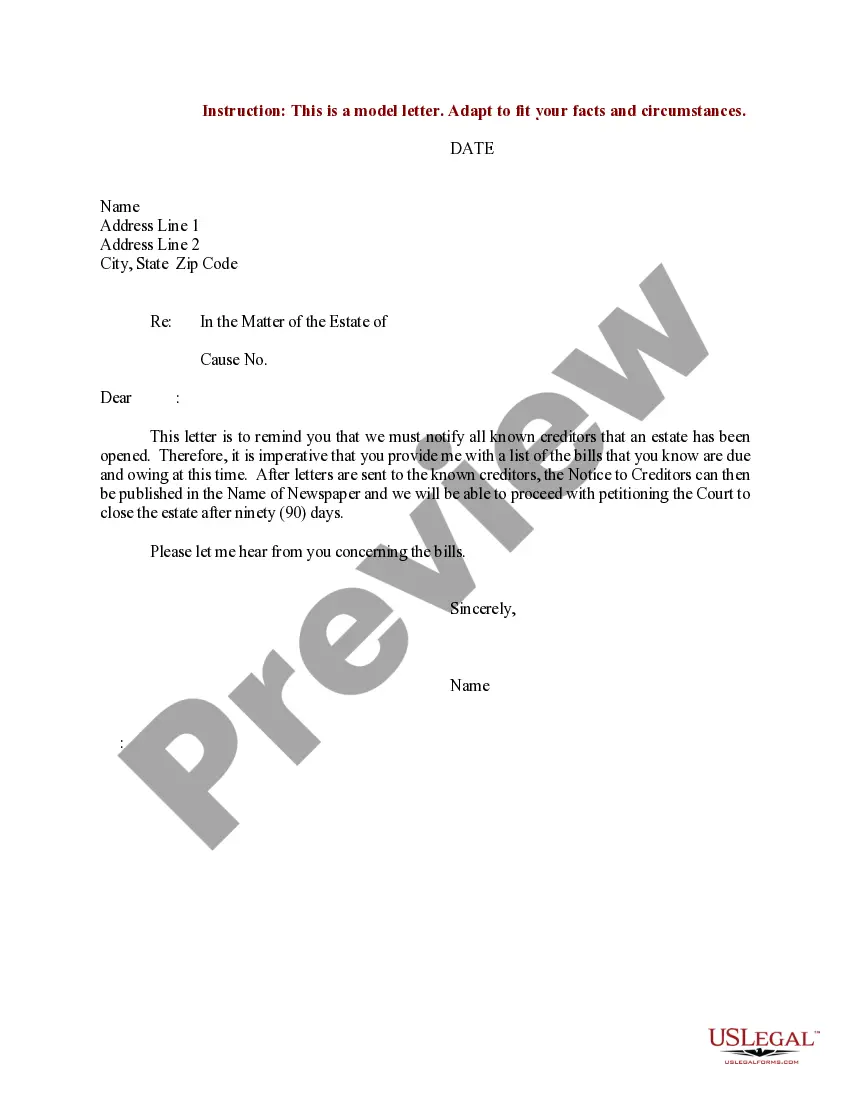
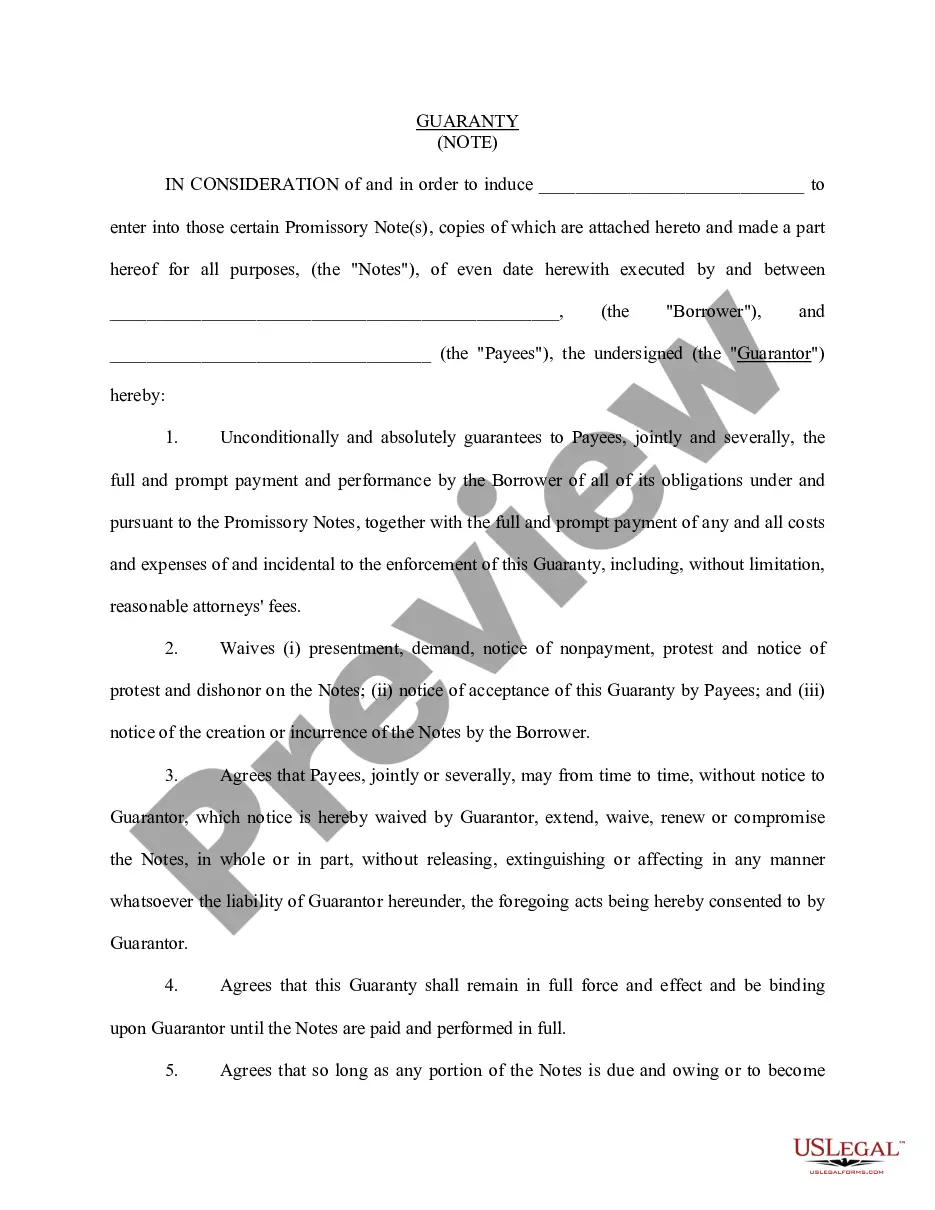
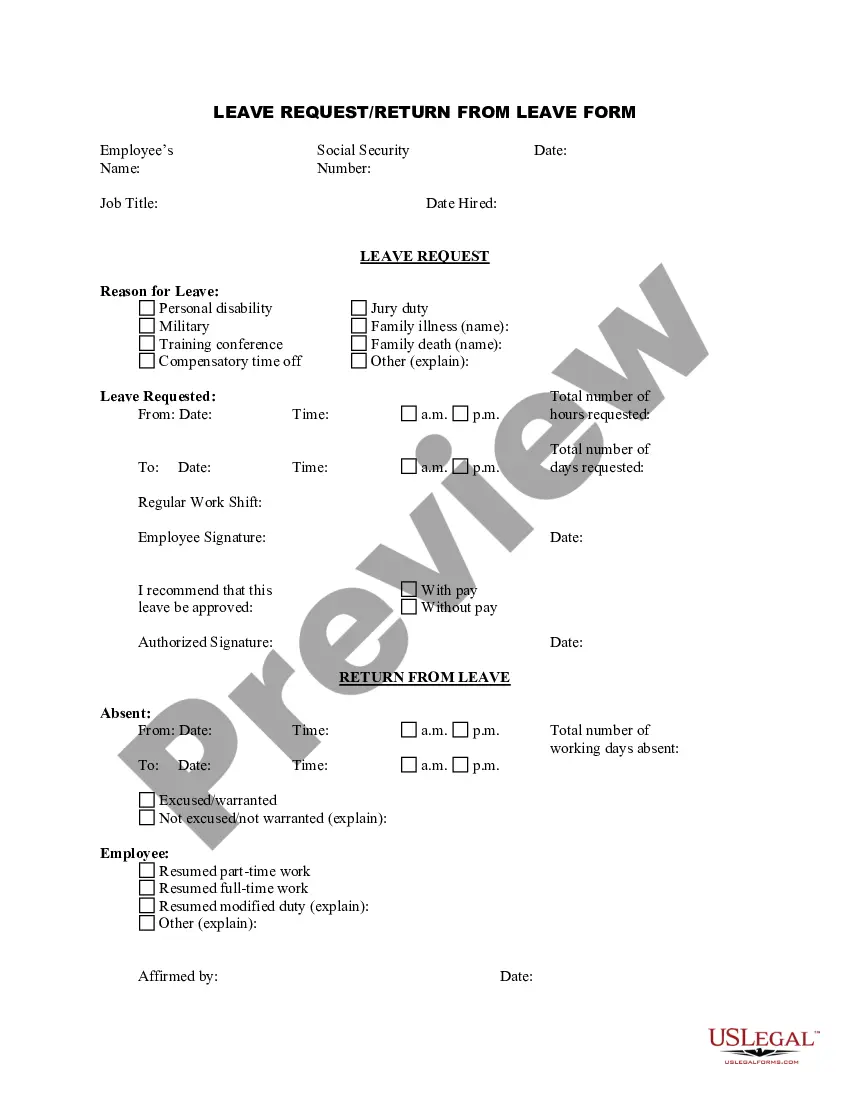
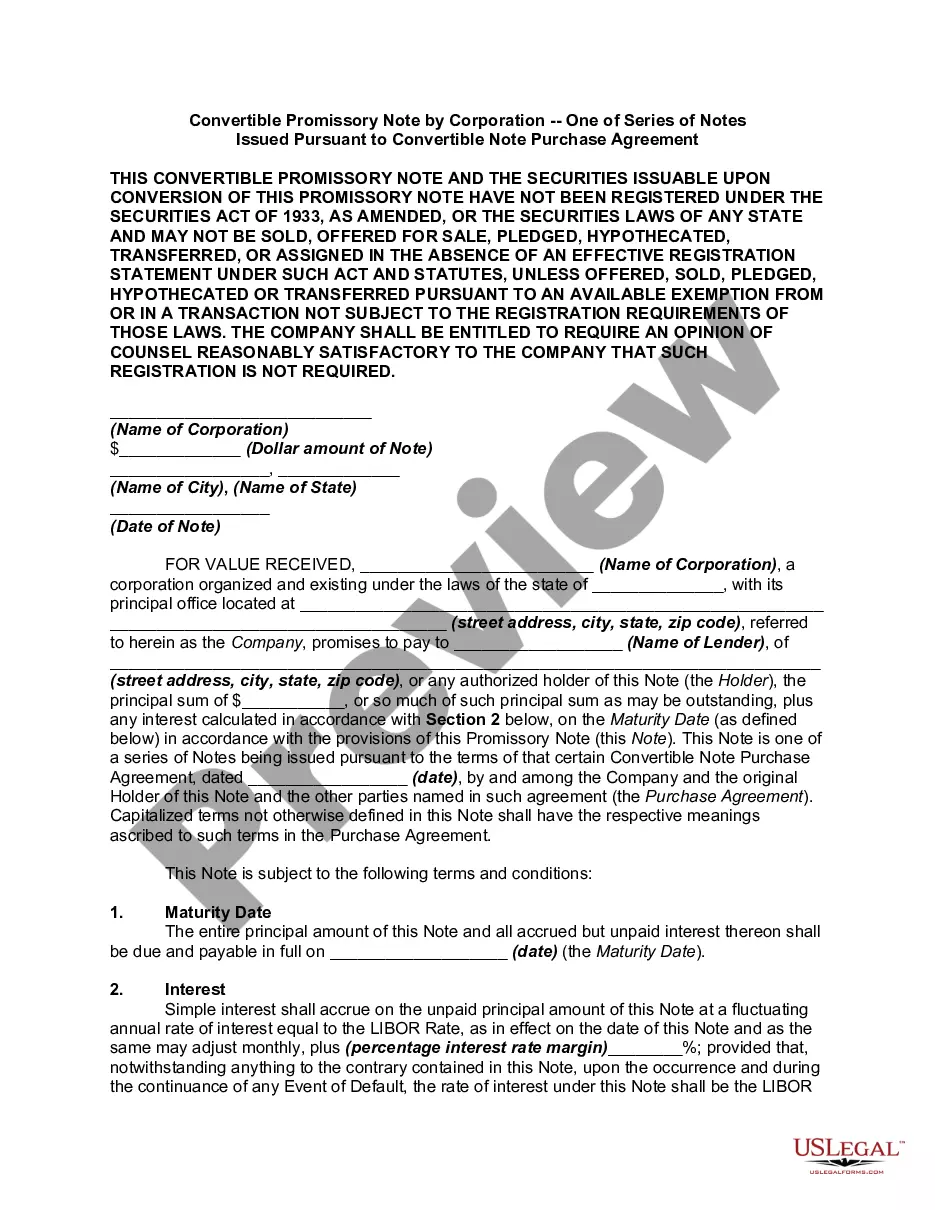
How to fill out Letter To Creditor, Collection Agencies, Credit Issuer Or Utility Company Notifying Them Of Death?
Handling legal documents and activities can be a labor-intensive addition to your schedule.
Creditor And Death and similar forms usually necessitate you to locate them and comprehend how to fill them out accurately.
Thus, whether you are managing financial, legal, or personal affairs, utilizing a thorough and user-friendly online repository of forms when you need it will be very beneficial.
US Legal Forms is the leading online platform for legal templates, featuring over 85,000 state-specific forms and various tools that will assist you in completing your documents effortlessly.
Is this your first time using US Legal Forms? Sign up and create an account in just a few minutes, and you'll have access to the form library and Creditor And Death. Then, follow the outlined steps to complete your form: Make sure you have selected the correct form using the Preview function and reviewing the form details. Choose Buy Now when ready, and select the subscription option that aligns with your needs. Click Download and then fill out, sign, and print the form. US Legal Forms boasts twenty-five years of experience aiding individuals with their legal documents. Find the form you require today and streamline any process effortlessly.
- Explore the collection of relevant documents available to you with just one click.
- US Legal Forms grants you access to state- and county-specific forms available anytime for download.
- Protect your document management tasks by utilizing a premier service that enables you to prepare any form in minutes without extra or concealed charges.
- Simply Log In to your account, search for Creditor And Death, and obtain it immediately from the My documents section.
- You can also access previously saved forms.
Form popularity
FAQ
Unfortunately, ?(Detail Deceased's name) ?passed away on ?(Detail Date)?. I enclose a copy of their death certificate. They didn't leave behind any assets and there is no money to pay what they owe. Please consider writing off this debt because there is no prospect of you ever recovering any money towards it.
It's possible to negotiate the credit card debt of a deceased person if you're legally responsible for paying the debt. That means you must be the executor or the administrator of the estate, a cosigner or joint account holder on the credit card, or a surviving spouse in a community property state.
Court filings are just one aspect of the Probate Process. Negotiation and settlement of the Deceased's Debts is often an overlooked but nevertheless an important component of the overall estate settlement process.
When someone dies, their debts are generally paid out of the money or property left in the estate. If the estate can't pay it and there's no one who shared responsibility for the debt, it may go unpaid. Generally, when a person dies, their money and property will go towards repaying their debt.
Similarly, creditors do not have the right to go after the assets of parents, children (for instance, child support), siblings, or any other family members.