Disclaimer O Que é
Description
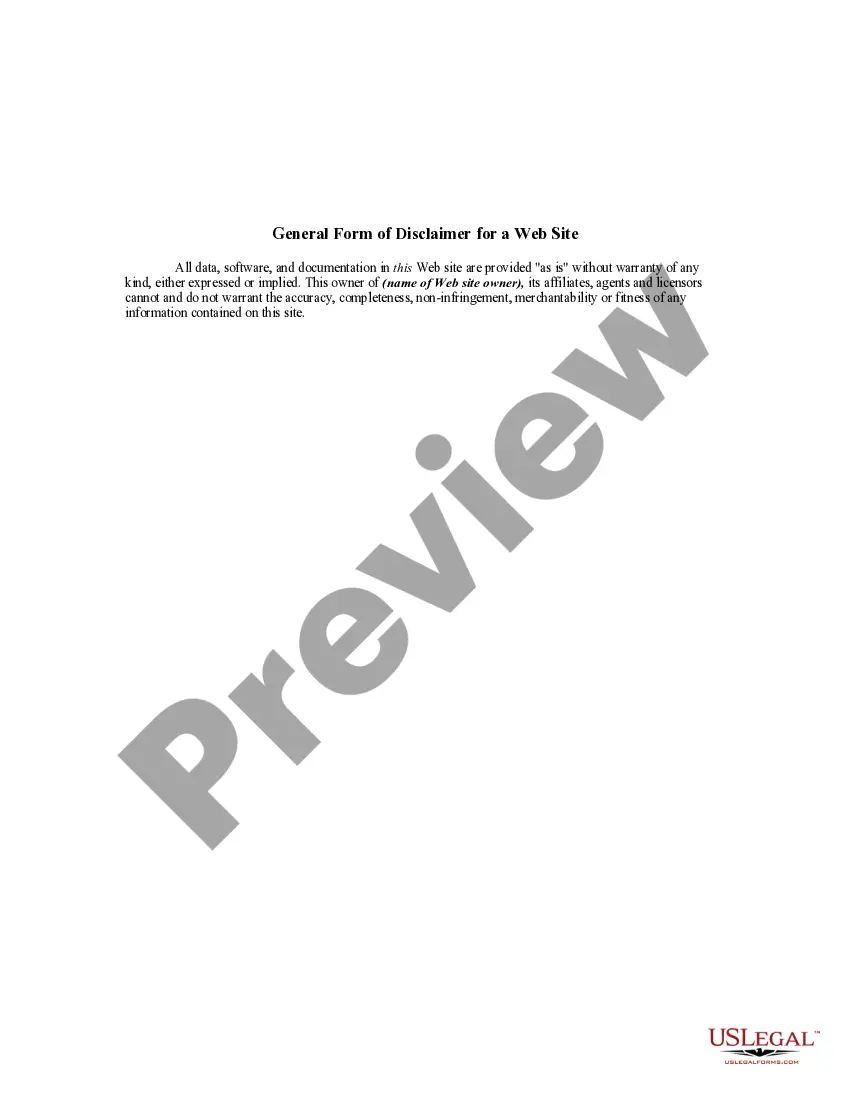
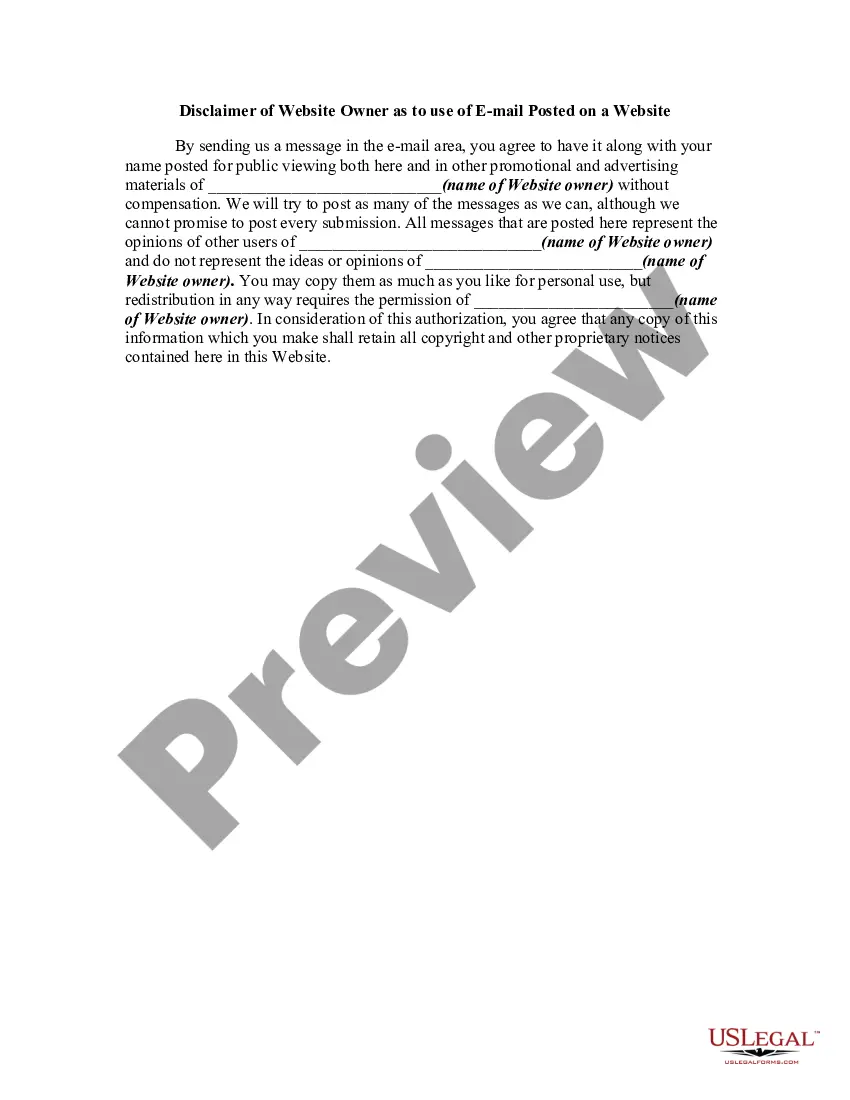
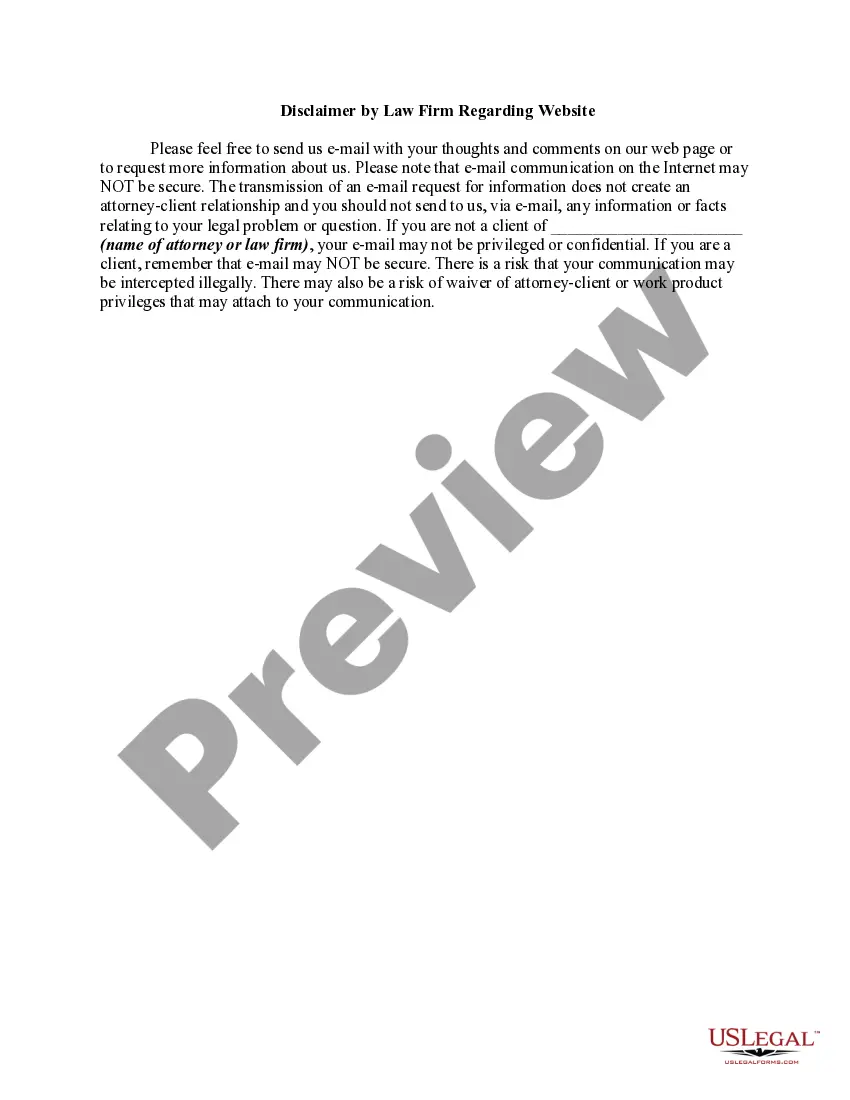


How to fill out Disclaimer Of Liability From Postings On A Website?
- Log into your US Legal Forms account by clicking here if you’re a returning user. Ensure your subscription remains active; renew it if necessary.
- For new users, start by previewing the document descriptions to confirm you select the form that meets your legal requirements accurately.
- If your desired form isn't suitable, utilize the search function at the top to find the correct template that aligns with your jurisdiction.
- Proceed to purchase your selected document by clicking the Buy Now button. Choose a subscription plan that fits your needs and create an account for full access.
- Complete your transaction by entering your payment information using either a credit card or your PayPal account.
- Finally, download your completed form to your device. You can always access it later from the My Forms section.
Leveraging US Legal Forms not only simplifies the process of obtaining legal documents, but it also ensures you're covered with expertly crafted forms tailored to your needs.
Start your journey toward efficient legal documentation today by exploring our extensive library and getting the assistance you need for precise form completion.
Form popularity
FAQ
You should add a disclaimer at the beginning or the end of a document to ensure it is seen by the reader. It can also be useful to repeat it at the beginning of sections where legal implications arise. This approach guarantees that your audience remains informed throughout the document. Understanding 'Disclaimer o que é' is key to effectively placing your disclaimers.
To obtain a disclaimer, you can draft one based on your specific needs or use templates provided by legal form platforms. Websites like US Legal Forms offer ready-made disclaimers that can be customized for your situation. This can save you time and ensure that you're compliant with legal standards. Familiarity with 'Disclaimer o que é' will help you select or craft the best disclaimer for your needs.
A disclaimer should be placed where it is most relevant to the content it covers, such as at the beginning or end of a document. This strategic placement ensures that readers see it at a time when it can inform their understanding. Additionally, including it on every page of a website where applicable can enhance visibility. If you grasp 'Disclaimer o que é', you’ll better understand effective placement.
Drafting a disclaimer involves clearly stating the intentions and limitations of your content or services. Begin by identifying the specific areas where legal liability may exist and address them plainly. Utilize straightforward language to avoid confusion and ensure comprehensibility for your audience. Understanding 'Disclaimer o que é' will guide you in creating an effective disclaimer tailored to your needs.
A legal disclaimer should be prominently positioned either at the bottom of your webpage or in a designated section of your content. This placement makes the disclaimer easily visible while respecting your users’ reading experience. Additionally, it is crucial to ensure that it doesn't get lost among other information. Knowing 'Disclaimer o que é' will assist you in ensuring your legal disclaimers are effective.
To effectively display a disclaimer on a website, place it in the footer or a dedicated page linked from the main navigation. This ensures it is accessible yet does not disrupt the flow of content. Alternatively, you can use a pop-up or banner for specific content requiring immediate attention. Finding out 'Disclaimer o que é' will help you craft an effective disclaimer for your site.
In a report, a disclaimer should be placed near the beginning to inform readers about the limitations or scope of your content. This helps to set the right expectations before diving into the details. By positioning it early, you can enhance clarity and transparency for your audience, ensuring they understand the context. Remember, understanding 'Disclaimer o que é' is vital for proper usage.
The enforceability of a disclaimer can depend on various factors, such as its clarity and the specific circumstances of a case. Courts generally inspect whether the disclaimer was adequately communicated and whether it covers the appropriate legal grounds. Therefore, understanding disclaimer o que é is crucial for ensuring that they are drafted effectively. For creating appropriate disclaimers, consider using the US Legal Forms platform for reliable, legally sound templates.
A disclaimer serves as a legal statement intended to clarify certain aspects or limit liability, much like a warning. It informs users about possible risks or limitations associated with a particular product, service, or information. In essence, understanding a disclaimer o que é allows individuals to navigate potential misunderstandings and protect themselves. In various contexts, it functions as a shield against claims while promoting transparency.
To post a disclaimer effectively, identify the platform or medium where your content will be shared. Whether it’s a website, social media page, or printed material, the disclaimer should be easily accessible. For digital formats, use visibility tools such as pop-ups or dedicated sections on your page. This way, you adequately inform your audience about 'disclaimer o que é' and reinforce the intent behind your message.