Shareholder Stakeholder
Description
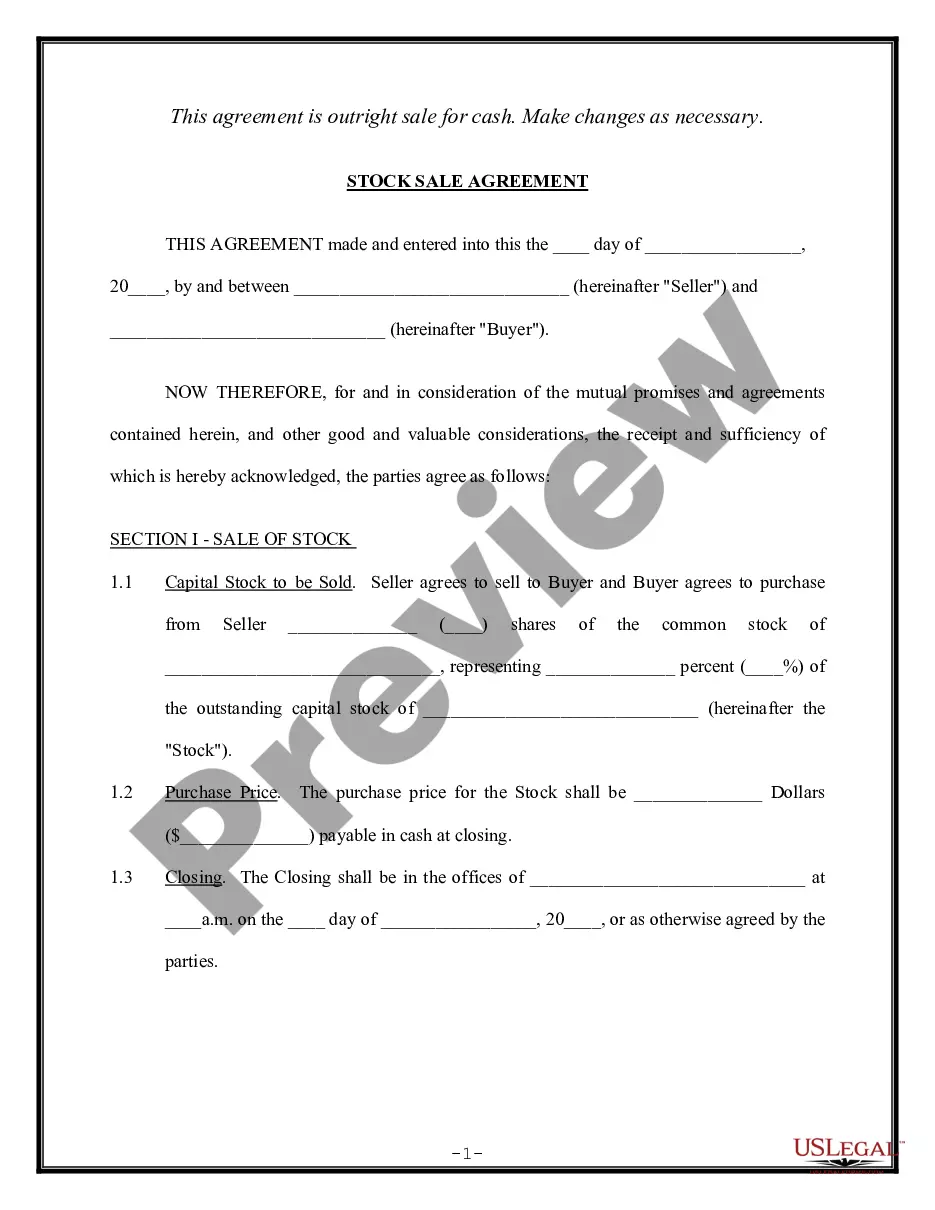
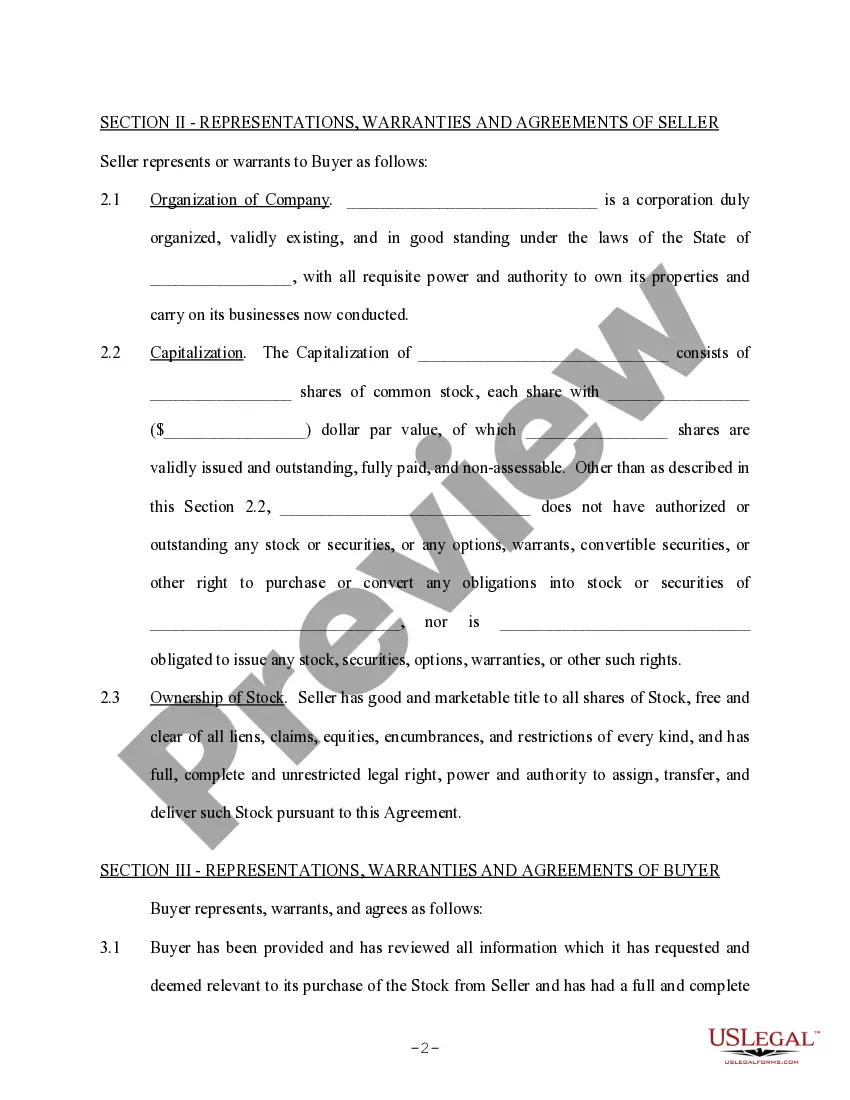
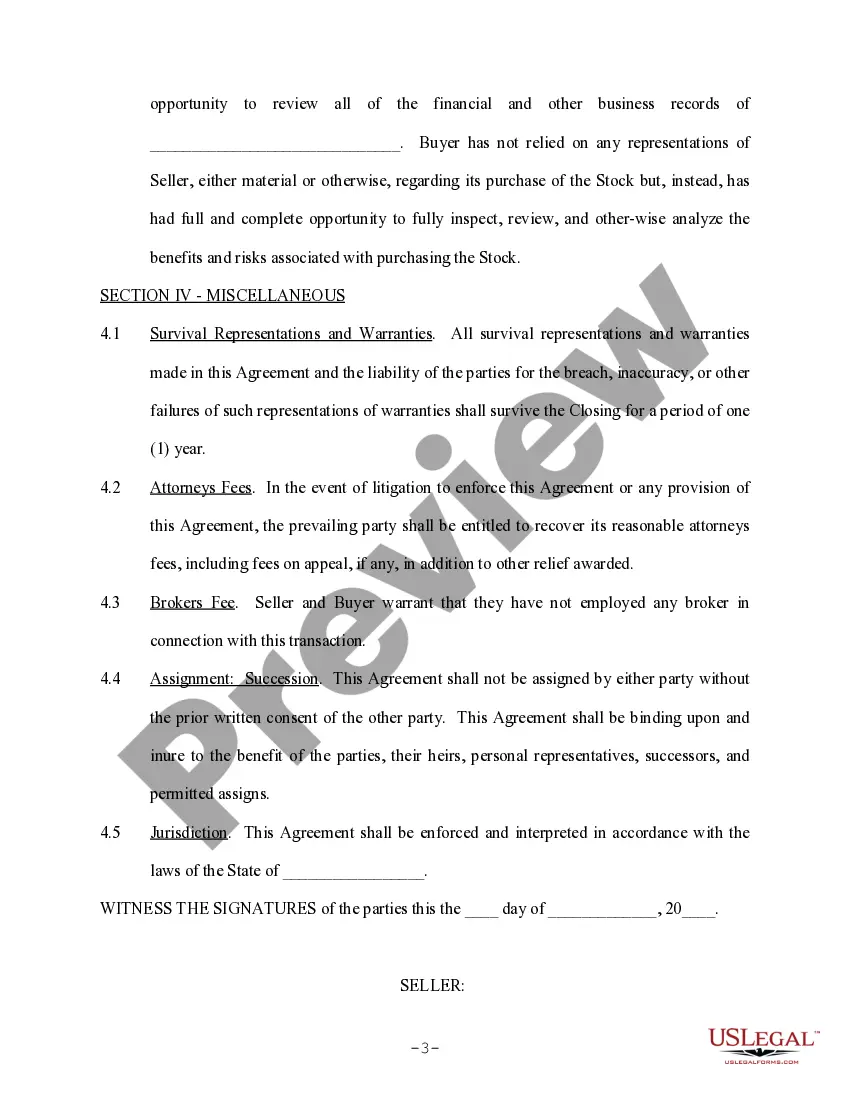


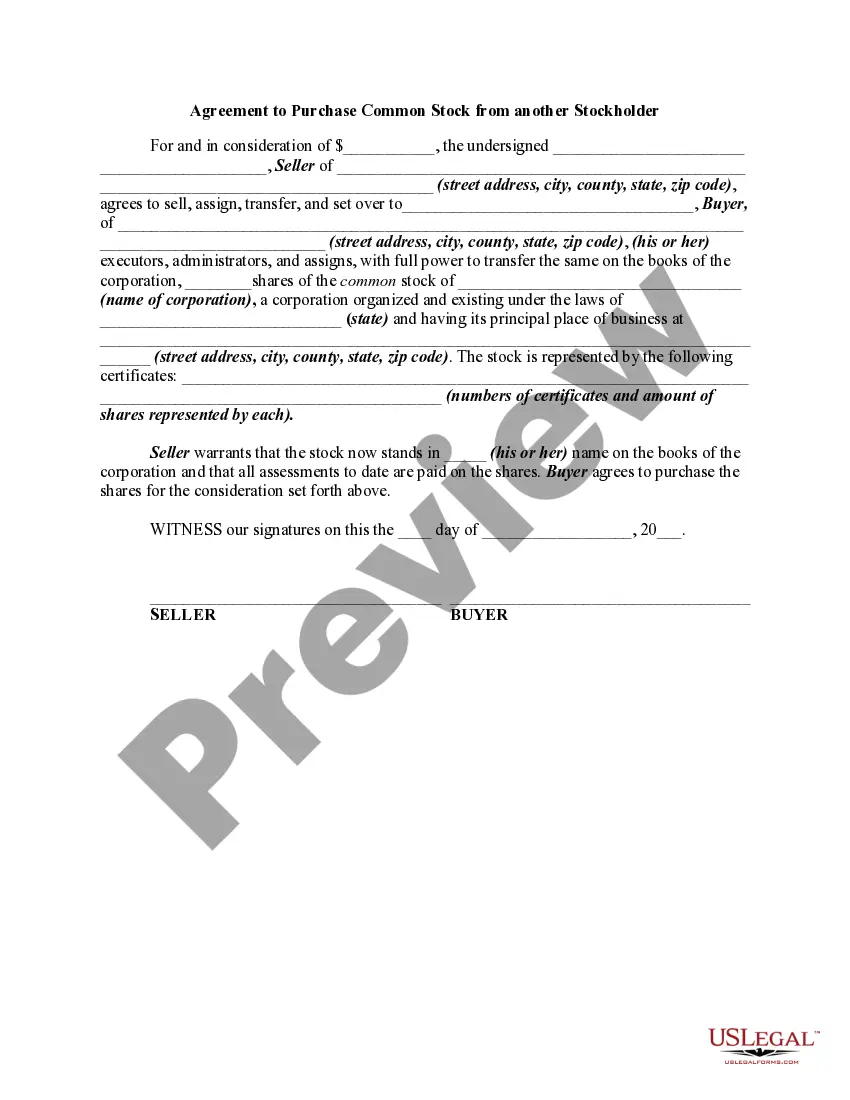
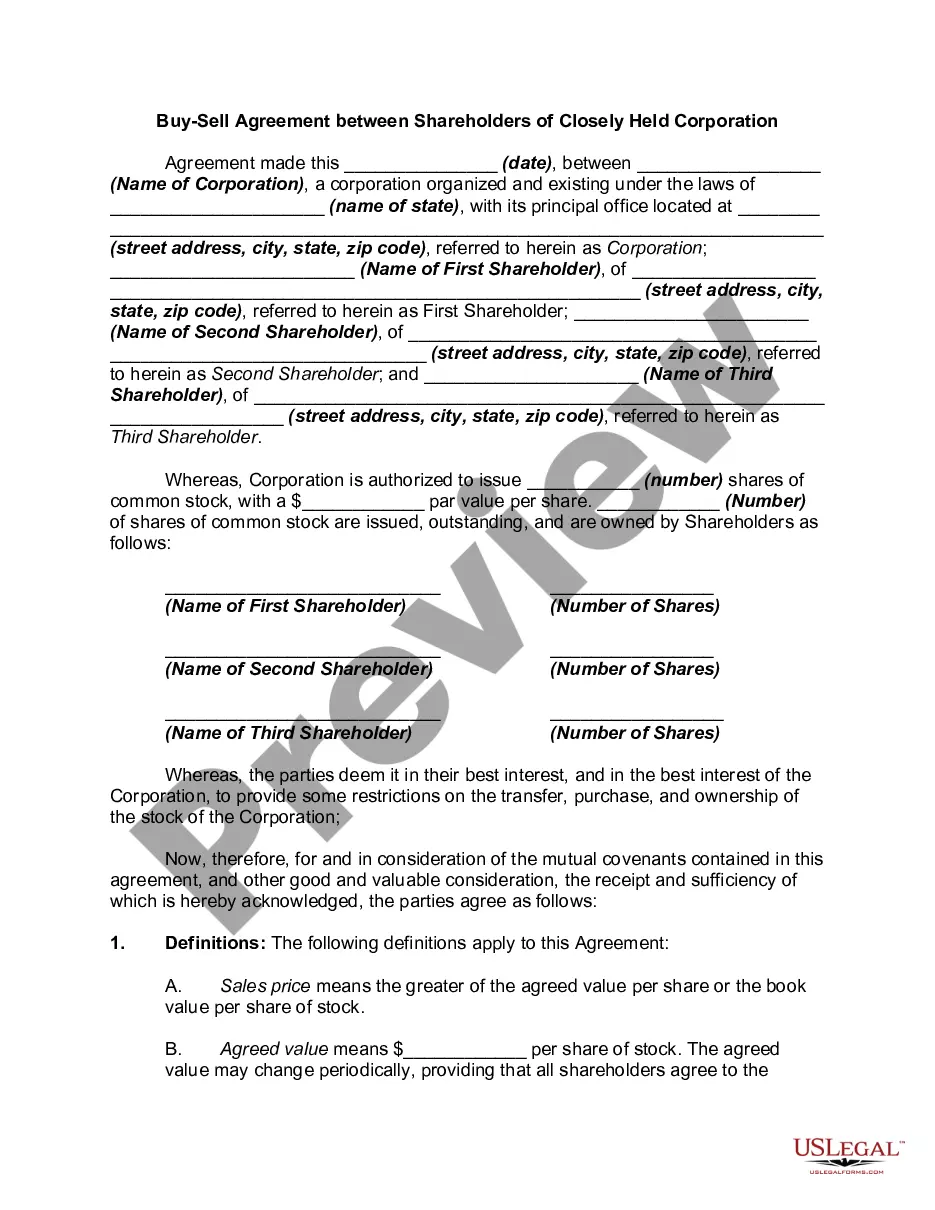
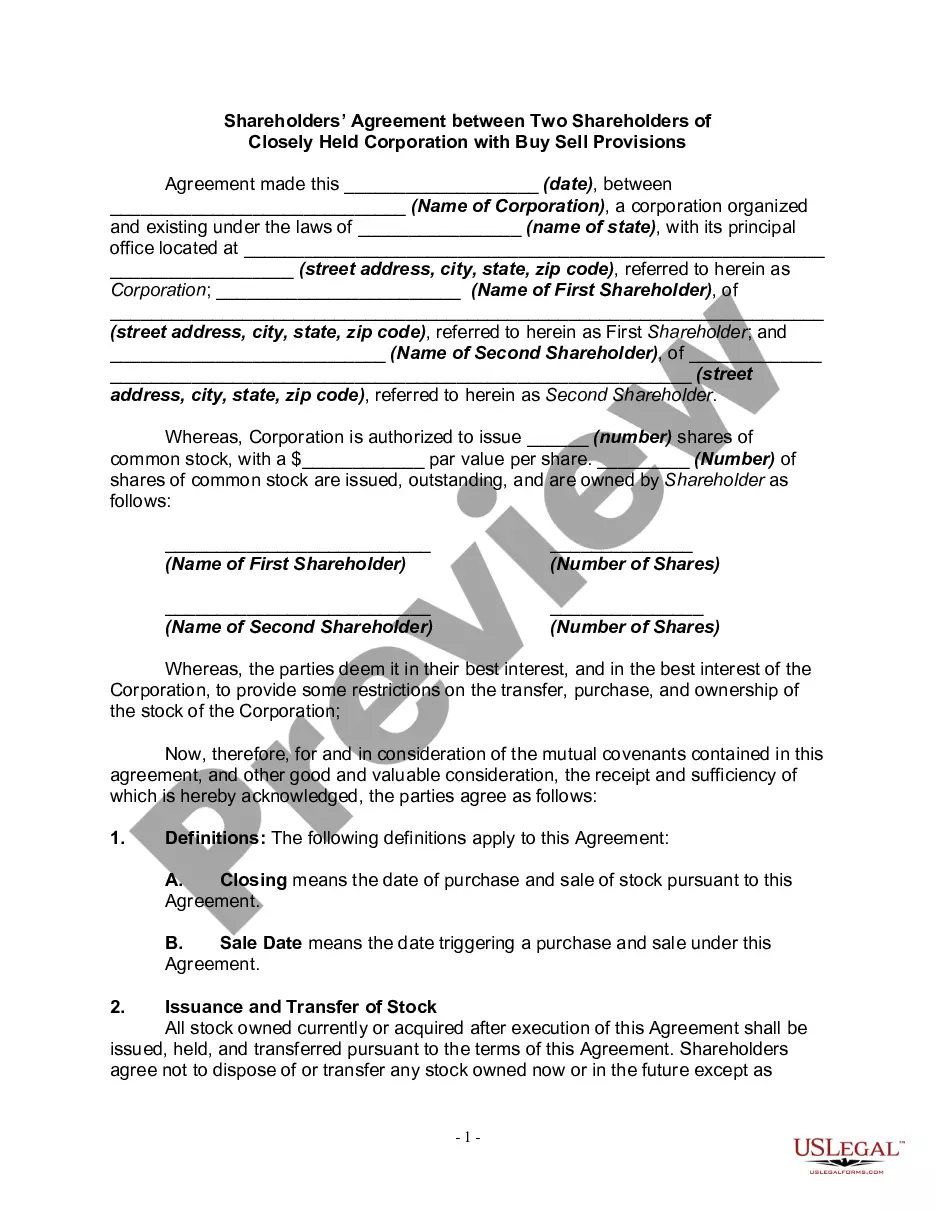
Get your form ready online
Our built-in tools help you complete, sign, share, and store your documents in one place.
Make edits, fill in missing information, and update formatting in US Legal Forms—just like you would in MS Word.
Download a copy, print it, send it by email, or mail it via USPS—whatever works best for your next step.
Sign and collect signatures with our SignNow integration. Send to multiple recipients, set reminders, and more. Go Premium to unlock E-Sign.
If this form requires notarization, complete it online through a secure video call—no need to meet a notary in person or wait for an appointment.
We protect your documents and personal data by following strict security and privacy standards.

Make edits, fill in missing information, and update formatting in US Legal Forms—just like you would in MS Word.

Download a copy, print it, send it by email, or mail it via USPS—whatever works best for your next step.

Sign and collect signatures with our SignNow integration. Send to multiple recipients, set reminders, and more. Go Premium to unlock E-Sign.

If this form requires notarization, complete it online through a secure video call—no need to meet a notary in person or wait for an appointment.

We protect your documents and personal data by following strict security and privacy standards.
Looking for another form?

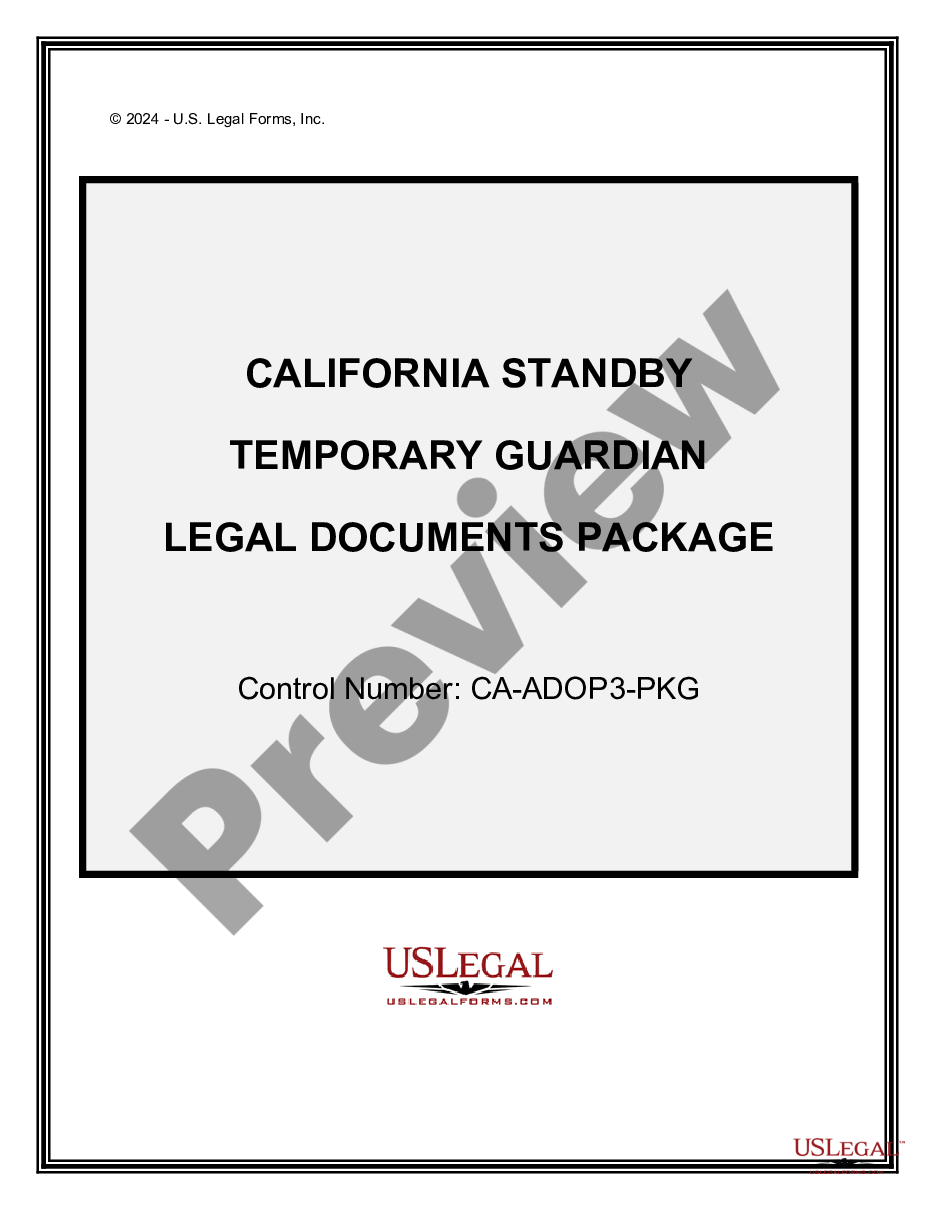






How to fill out Shareholder Agreement To Sell Stock To Other Shareholder?
- If you are a returning user, log in to your account to access the needed form template. Ensure your subscription is active, renewing it if necessary.
- For first-time users, begin by browsing through our extensive library. Use the Preview mode and descriptions to ensure the form meets your requirements and adheres to local jurisdiction rules.
- If the available template doesn’t suit your needs, utilize the Search tab to find alternative options. Confirm you have selected the right document before proceeding.
- Purchase your chosen document by clicking the Buy Now button. Select a subscription plan that aligns with your needs and create an account for full access.
- Complete your purchase by entering your payment details via credit card or PayPal, securing your subscription to our vast resources.
- Finally, download the legal form onto your device for easy access. You can revisit it anytime in the My Forms section of your profile.
Conclusively, US Legal Forms empowers both individuals and legal professionals with an extensive library to efficiently handle legal documentation. With over 85,000 templates, you can trust that your legal forms are accurate and reliable.
Start your journey today and experience the ease of accessing legal forms tailored for shareholders and stakeholders!
Form popularity
FAQ
An example of a stakeholder is a local community group affected by a company's environmental policies. Such groups engage with businesses to address concerns about sustainability and social responsibility. By recognizing stakeholders like community representatives, companies can better align their practices with public expectations. This strengthens the bond between shareholder stakeholders and the broader community.
Essentially, there is no difference between a shareholder and a stockholder, as both terms refer to individuals or entities that own shares in a company. However, the term 'shareholder' is often used more broadly to include anyone with an equity interest, while 'stockholder' may emphasize ownership of common or preferred stock. Understanding these terms highlights the importance of shareholders' roles in a company's governance.
Four main types of stakeholders include employees, customers, suppliers, and the community. Employees contribute their skills and time, while customers provide the demand for products and services. Suppliers deliver necessary resources, and the community influences a company's reputation and operations. Knowing the various stakeholders helps businesses navigate relationships that can impact their success.
The difference lies primarily in ownership and interest. A shareholder holds stock in a company, benefiting financially from its success through dividends and appreciation. Conversely, a stakeholder encompasses a broader group that includes those affected by the company's operations, not limited to financial ownership. Recognizing the roles of both shareholders and stakeholders can lead companies to make more inclusive decisions.
A stakeholder is anyone with a vested interest in a company, including employees, customers, suppliers, and the community. In contrast, a shareholder specifically owns shares in the company and has a financial claim on its assets. Understanding this distinction between shareholder and stakeholder is vital for businesses aiming to engage various interested parties effectively. This clarity can help enhance corporate strategies and foster better communication.
Yes, investing in stocks means you become a shareholder in the company that issues those stocks. As a shareholder stakeholder, you benefit from any dividends and have a say in certain business decisions. This investment fosters a connection between you and the company, influencing both your financial future and the company's direction.
A stock represents a claim on a company's assets and earnings, while a shareholder is an individual or entity that owns shares in a company. Essentially, stocks are the financial instruments, while shareholders are the investors behind those instruments. Understanding this distinction can help clarify the roles of different participants in the business environment.
Owners and shareholders are often used interchangeably, but there can be nuances. Shareholders own shares of stock and have a claim on the company’s profits, while owners might refer to individuals with total control over the entire entity, including private businesses. It’s essential to understand these differences to grasp the broader concept of shareholder stakeholders.
Yes, if you own stock in a company, you are considered a shareholder. This ownership gives you a stake in the company's success and can grant you voting rights on certain corporate matters. Being a shareholder stakeholder means that your financial interests are tied to the company’s performance and decisions.
A classic example of a shareholder stakeholder is a person who invests in a major corporation and thus owns a portion of its shares. This person not only benefits financially from the company's success but also has some influence over its strategic direction during shareholder meetings. Examples like this highlight the intertwined nature of shareholder interests with those of other stakeholders, such as employees and customers.