Policy Company Statement With Join
Description
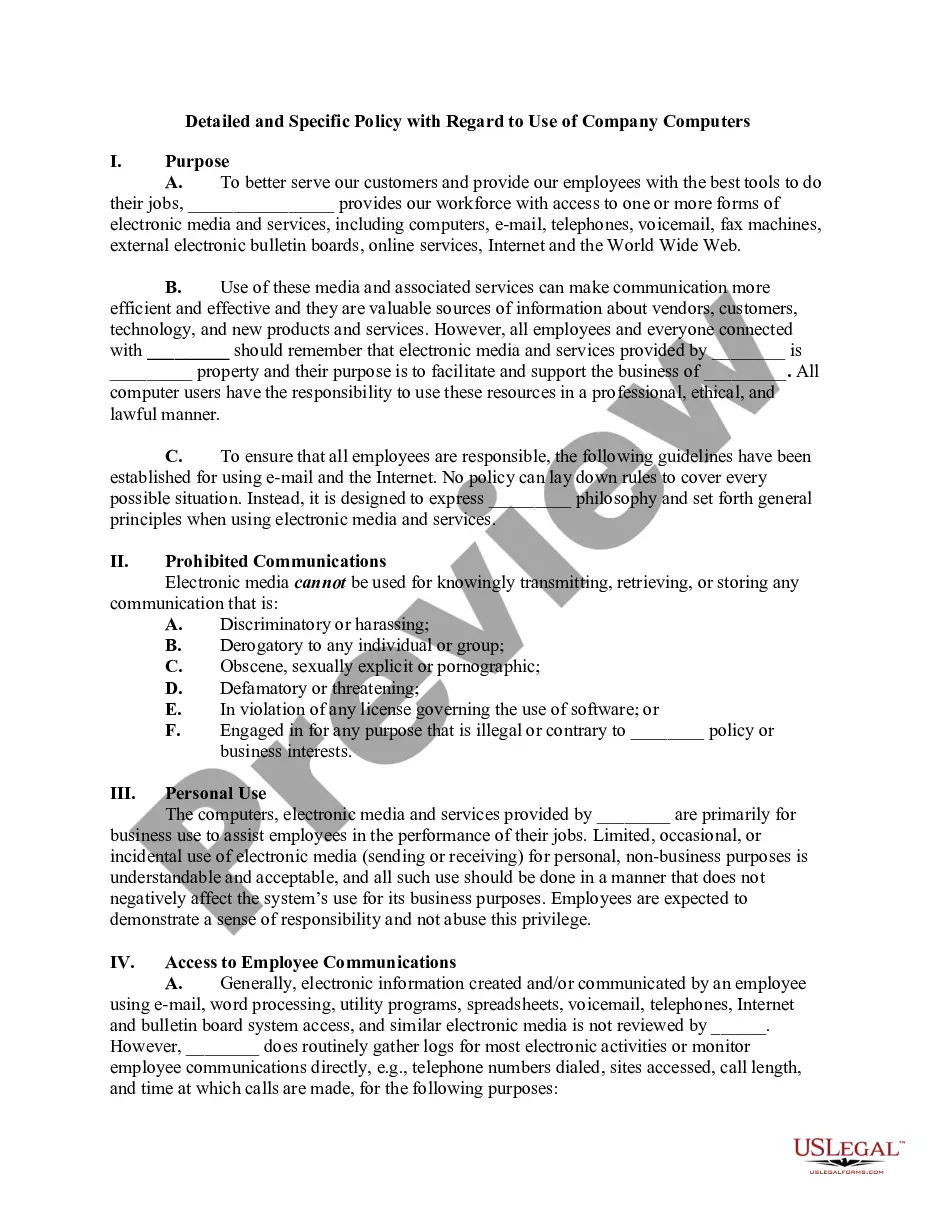
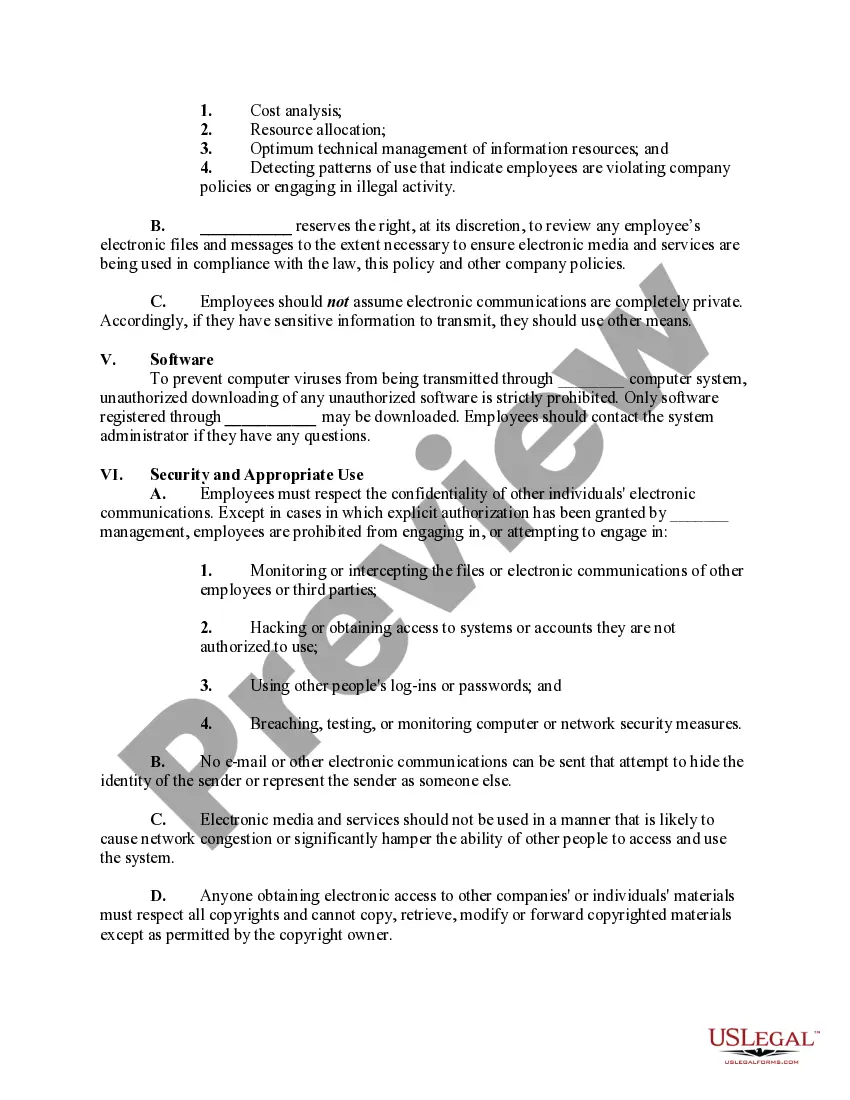
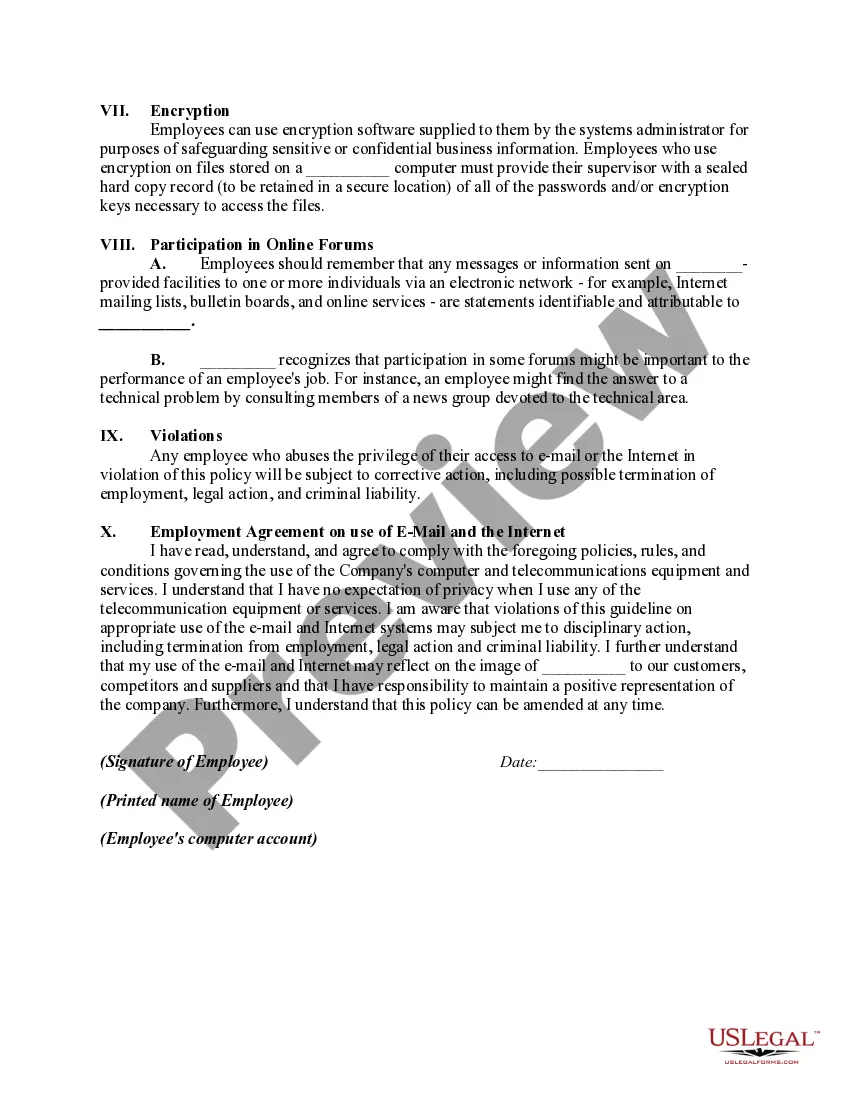
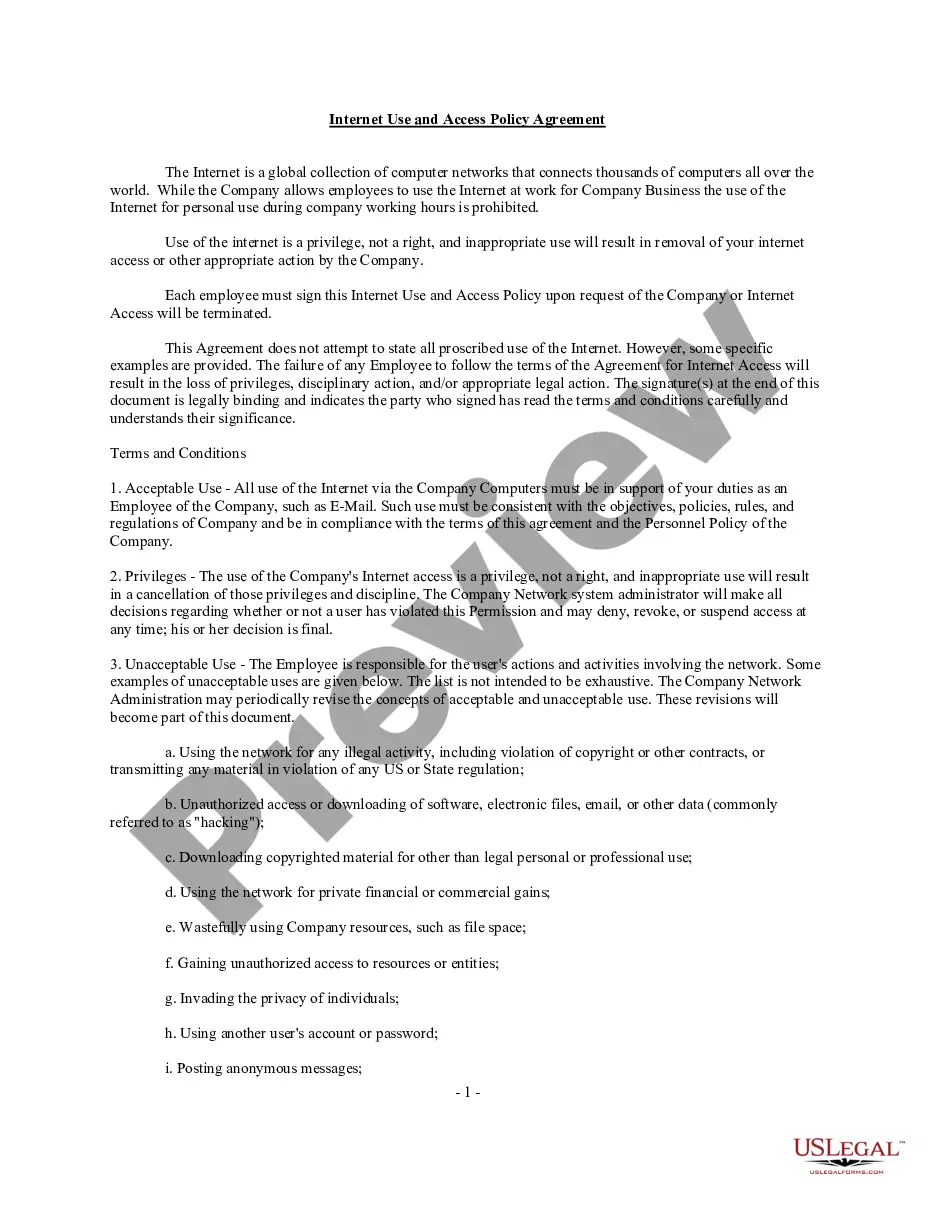








How to fill out Detailed And Specific Policy With Regard To Use Of Company Computers?
Utilizing legal document templates that adhere to federal and state regulations is essential, and the internet provides numerous selections to consider.
However, why spend time searching for the right Policy Company Statement With Join template online when the US Legal Forms digital library already aggregates such forms in one location.
US Legal Forms stands as the largest virtual legal repository, featuring over 85,000 customizable templates created by attorneys for various business and personal scenarios.
1. Examine the template utilizing the Preview feature or through the text description to confirm it aligns with your requirements.
- They are straightforward to navigate, with all documents categorized by state and intended use.
- Our team stays current with legal updates, ensuring that your form is accurate and compliant when acquiring a Policy Company Statement With Join from our platform.
- Acquiring a Policy Company Statement With Join is simple and prompt for existing and new users.
- If you possess an account with an active subscription, Log In and save the document sample you need in your preferred format.
- For newcomers to our site, follow the instructions below.
Form popularity
FAQ
The INNER JOIN keyword selects all rows from both the tables as long as the condition is satisfied. This keyword will create the result-set by combining all rows from both the tables where the condition satisfies i.e value of the common field will be the same. Syntax: SELECT table1.
Always put the join conditions in the ON clause if you are doing an INNER JOIN . So, do not add any WHERE conditions to the ON clause, put them in the WHERE clause. If you are doing a LEFT JOIN , add any WHERE conditions to the ON clause for the table in the right side of the join.
The rule for INNER JOIN (JOIN) is that only rows with matching in both tables are returned. In the other types of JOIN operators this behavior is different.
The general form of a join is: SELECT <fields from both tables> FROM <left table> JOIN <right table> ON <condition>; JOIN in the above is any of the various join statement key words, such as INNER JOIN, LEFT JOIN and so on.
A JOIN clause is used to combine rows from two or more tables, based on a related column between them. Notice that the "CustomerID" column in the "Orders" table refers to the "CustomerID" in the "Customers" table. The relationship between the two tables above is the "CustomerID" column.