Auction Payment Rules
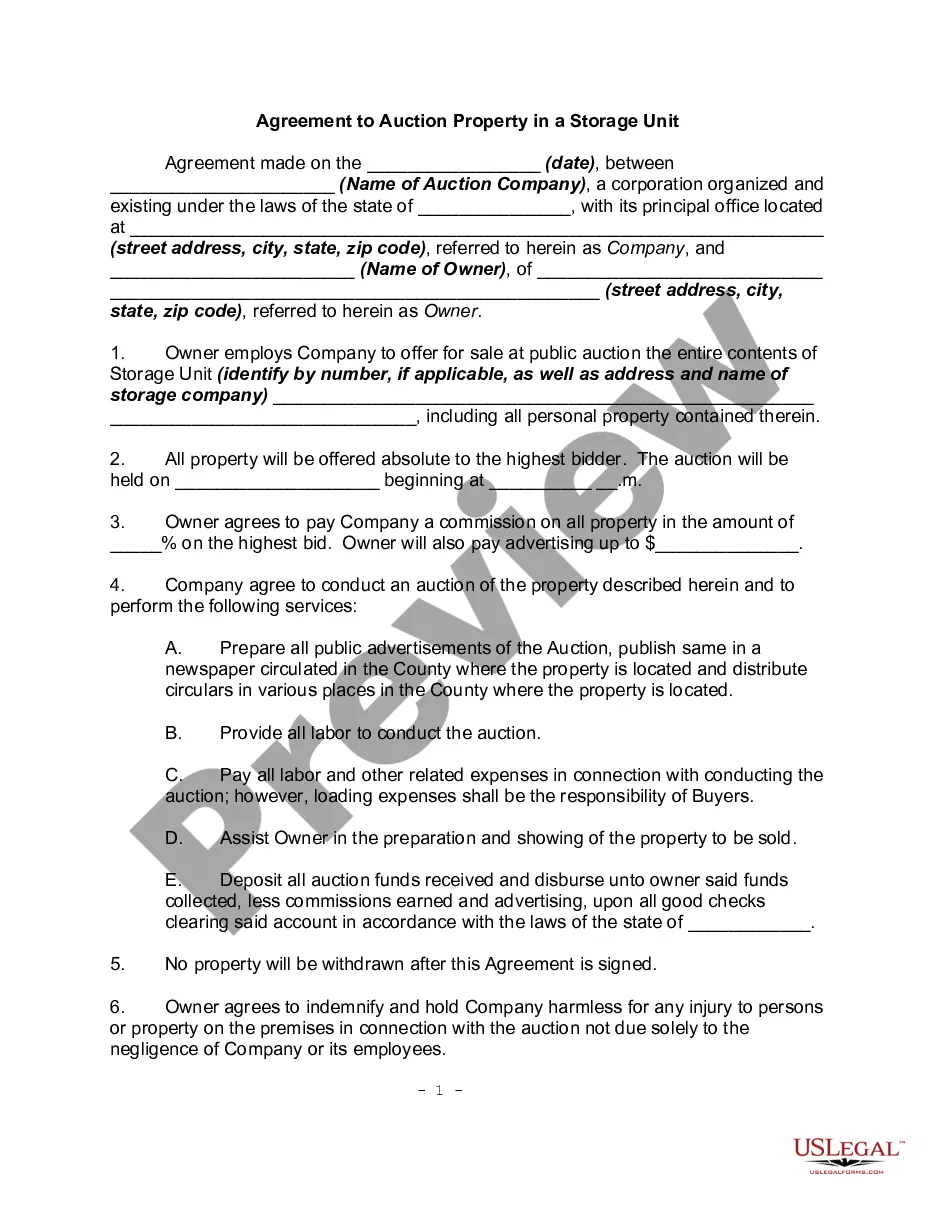
Description
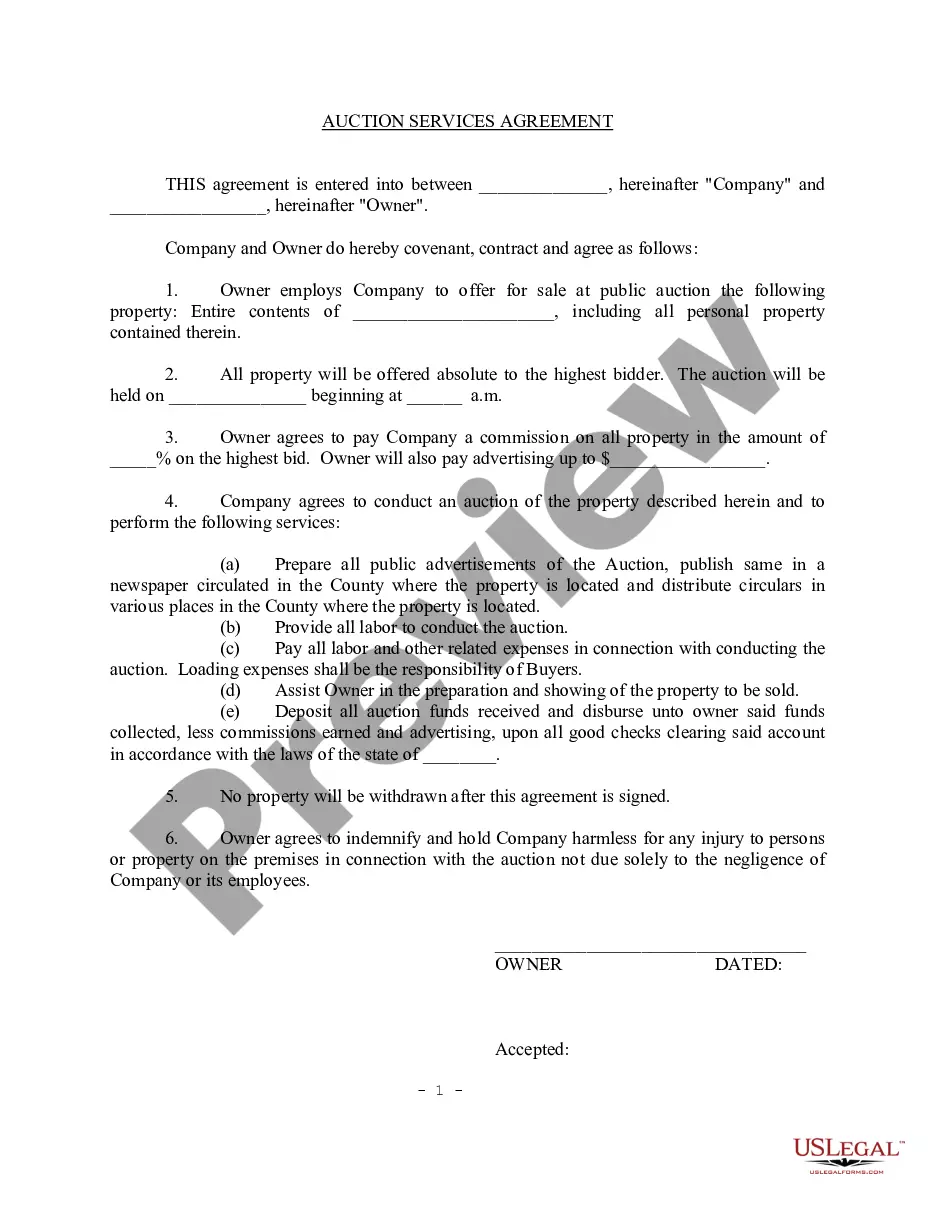
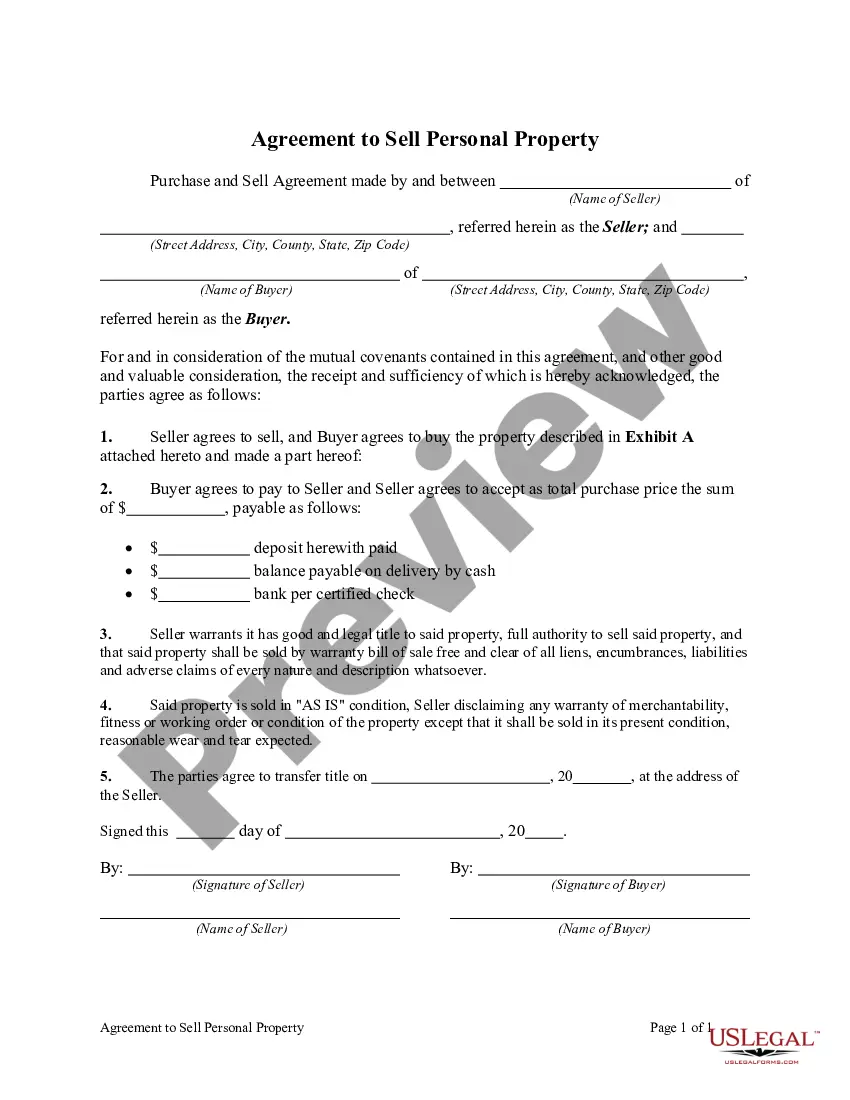
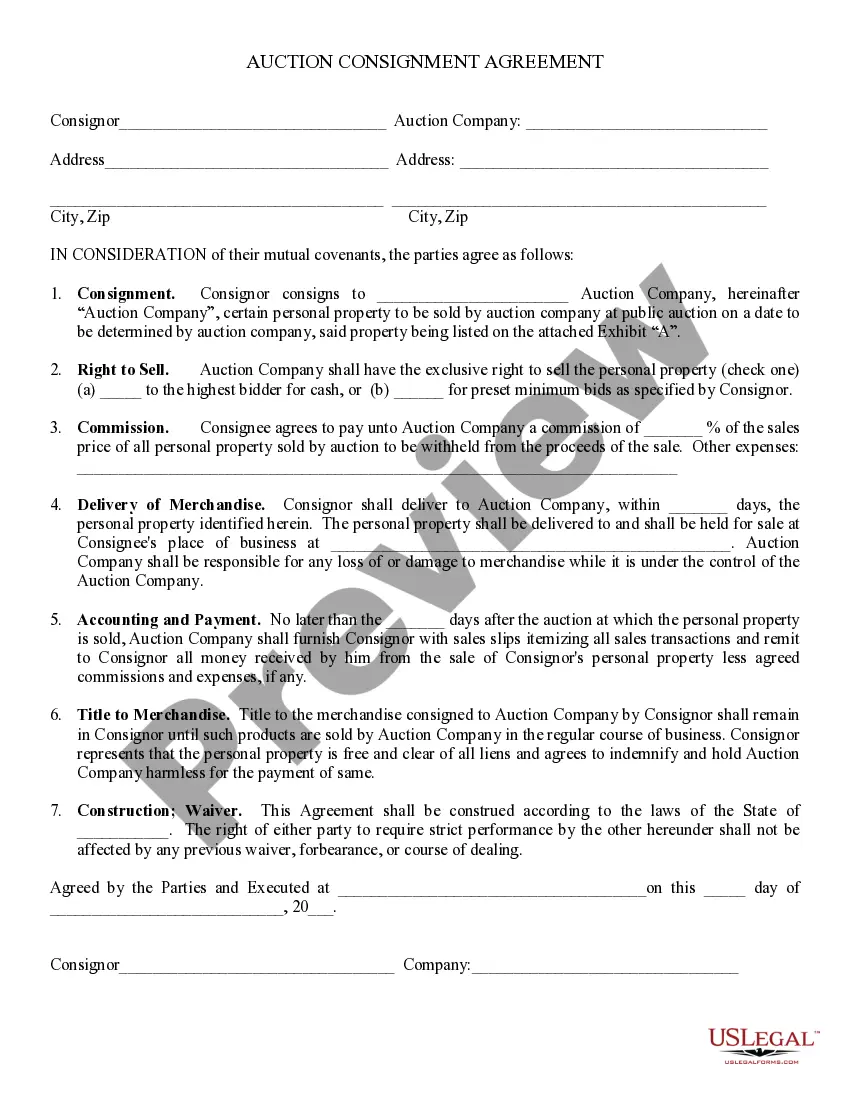
Get your form ready online
Our built-in tools help you complete, sign, share, and store your documents in one place.
Make edits, fill in missing information, and update formatting in US Legal Forms—just like you would in MS Word.
Download a copy, print it, send it by email, or mail it via USPS—whatever works best for your next step.
Sign and collect signatures with our SignNow integration. Send to multiple recipients, set reminders, and more. Go Premium to unlock E-Sign.
If this form requires notarization, complete it online through a secure video call—no need to meet a notary in person or wait for an appointment.
We protect your documents and personal data by following strict security and privacy standards.

Make edits, fill in missing information, and update formatting in US Legal Forms—just like you would in MS Word.

Download a copy, print it, send it by email, or mail it via USPS—whatever works best for your next step.

Sign and collect signatures with our SignNow integration. Send to multiple recipients, set reminders, and more. Go Premium to unlock E-Sign.

If this form requires notarization, complete it online through a secure video call—no need to meet a notary in person or wait for an appointment.

We protect your documents and personal data by following strict security and privacy standards.
Looking for another form?
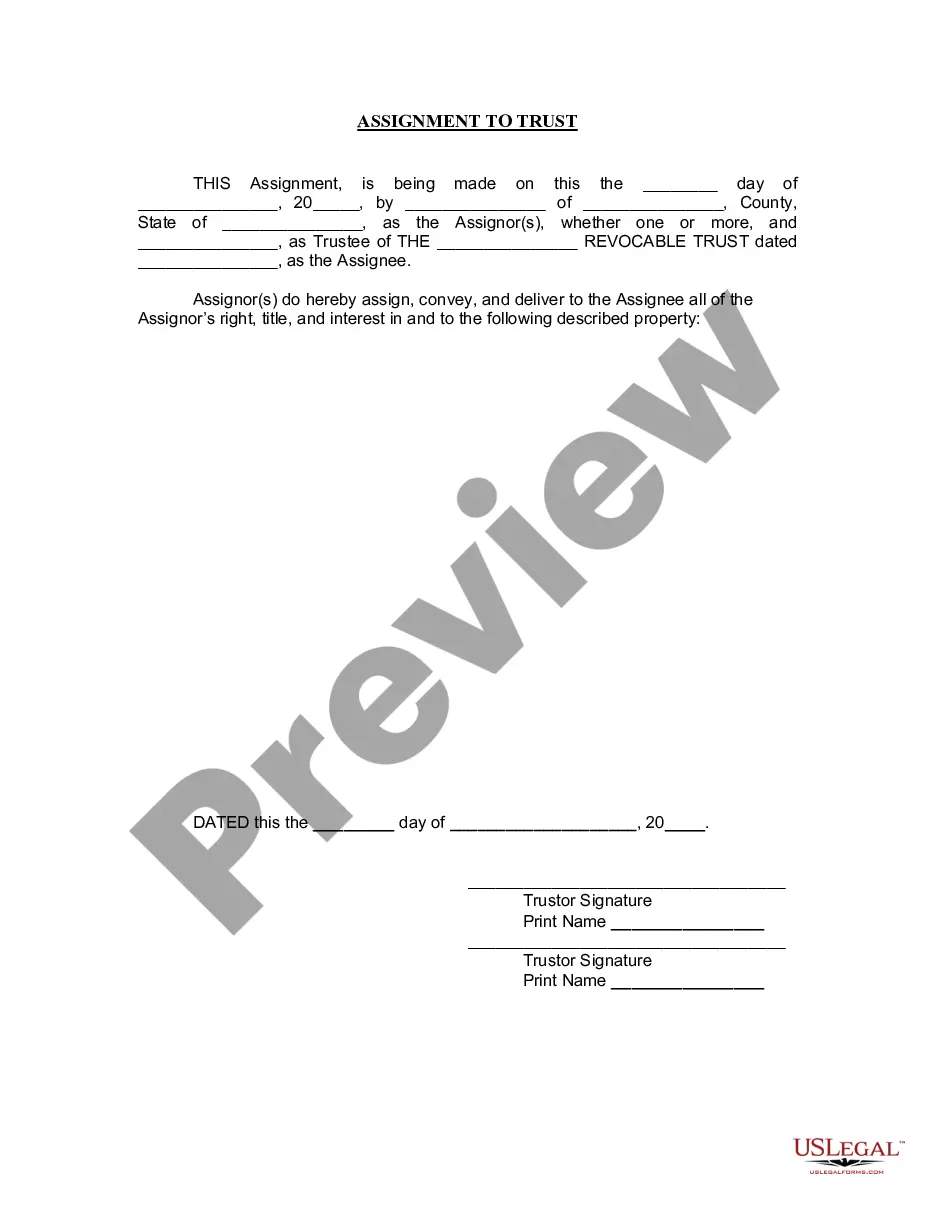

How to fill out Auction Of Personal Property Agreement?
Creating legal documents from the ground up can frequently be daunting.
Some situations may require extensive research and significant financial investment.
If you’re looking for a simpler and more economical method of drafting Auction Payment Rules or any other forms without the hassle, US Legal Forms is always available to assist you.
Our online repository of over 85,000 current legal documents encompasses nearly every aspect of your financial, legal, and personal affairs.
But before directly proceeding to download Auction Payment Rules, consider these suggestions: Review the document preview and descriptions to ensure you are on the correct form you are looking for. Confirm that the form you choose meets the standards of your state and county. Select the most appropriate subscription plan to obtain the Auction Payment Rules. Download the document, then complete, validate, and print it out. US Legal Forms boasts an impeccable reputation and over 25 years of expertise. Join us today and simplify the process of document execution!
- With just a few clicks, you can swiftly access state- and county-compliant templates carefully crafted by our legal experts.
- Utilize our platform whenever you need dependable services through which you can effortlessly find and download the Auction Payment Rules.
- If you’re already familiar with our website and have created an account with us previously, simply Log In to your account, locate the template, and download it immediately or re-download it anytime later in the My documents section.
- Don't have an account? No problem. It takes only a few minutes to establish one and browse the catalog.
Form popularity
FAQ
Auction payment rules are essential to ensure a fair and smooth bidding process. Generally, bidders must adhere to the terms set by the auction house, including payment methods, deadlines, and any required deposits. It's important to read the specific auction's terms before participating to avoid any misunderstandings. Using platforms like US Legal Forms can help you find the necessary documents and guides to navigate these rules effectively.
The 3-minute rule in auctions refers to a guideline that allows for a final bidding extension of three minutes if a bid is placed within the last three minutes of an auction. This rule aims to give all bidders a fair chance to respond to last-minute bids while maintaining excitement. Understanding this rule is essential for navigating auction payment rules effectively. By familiarizing yourself with these concepts, you can participate in auctions with confidence.
The 3 minute rule in auctions refers to the guideline that extends the bidding period if a bid is placed within the last three minutes of the auction. This rule aims to give all participants a fair chance to place their bids, ensuring excitement and engagement during the auction process. Familiarizing yourself with auction payment rules, including this one, can enhance your bidding experience and help you avoid missing out on your desired item.
Auction sales follow specific auction payment rules that ensure fairness and transparency. Typically, bidders must register before participating, and all bids must be made publicly. Once the auction concludes, the highest bidder usually wins, but they must adhere to the payment terms set forth by the auctioneer. Understanding these rules helps prevent disputes and ensures a smooth transaction.
There are several types of documents that qualify as proof of funds. In some transactions, a simple printed bank statement can qualify. Additionally, a certified financial statement or a copy of a money market account balance may qualify.
Most auction houses choose not to pursue complicated, expensive, and time-consuming lawsuits, so failed bid cases rarely end up in court. Instead, unpaid items are usually returned to the original consignor, put into a future auction, or sold privately.
Some examples of acceptable Proof of Funds include: Recent bank statements. Brokerage account statements (stocks, mutual funds, ETFs) Bank letters.
Sellers may accept credit cards, checks, money orders or even wire transfers. For specific questions relating to payments, winning bidders should contact the seller directly.
The bidders lift up their bidder card to announce their bid price so the auctioneer can identify who is making the bid. The process ends when there are no more bids, and the buyer making the highest bid gets the item. The highest bidder takes ownership of the item immediately after paying their bid price.