Trust Document Sample For Company
Description
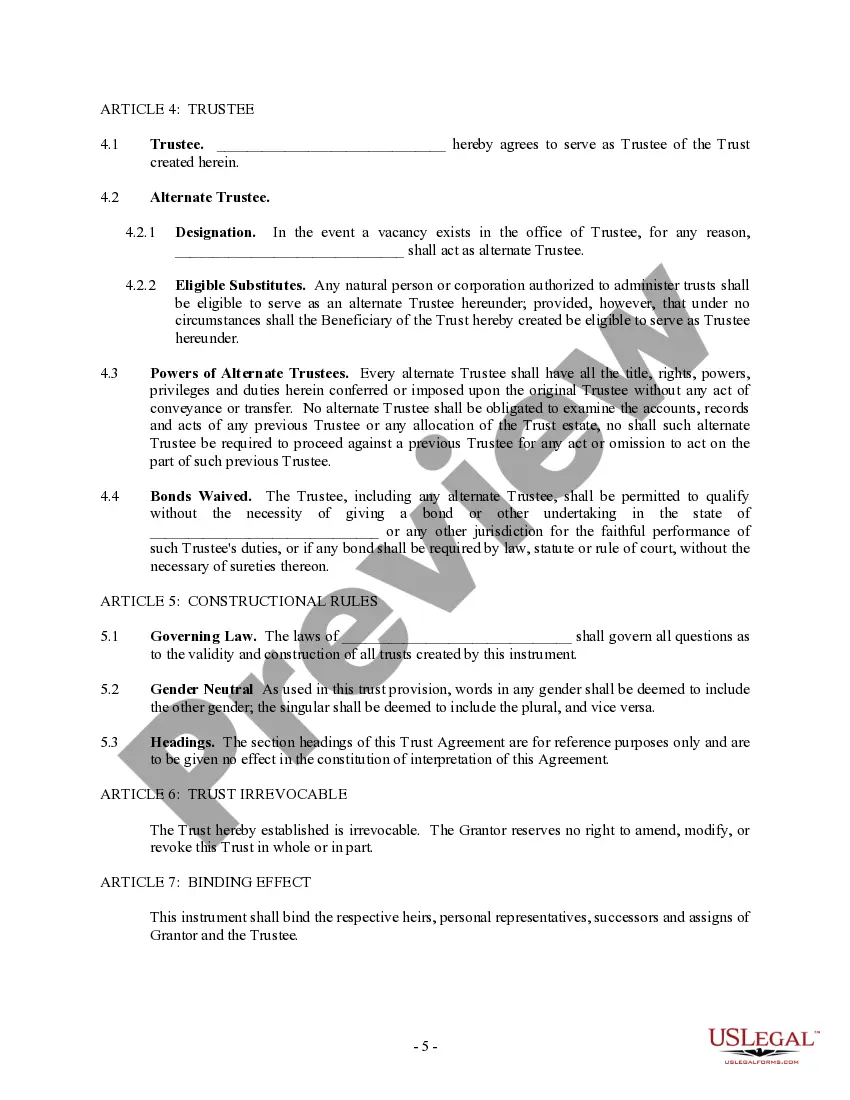
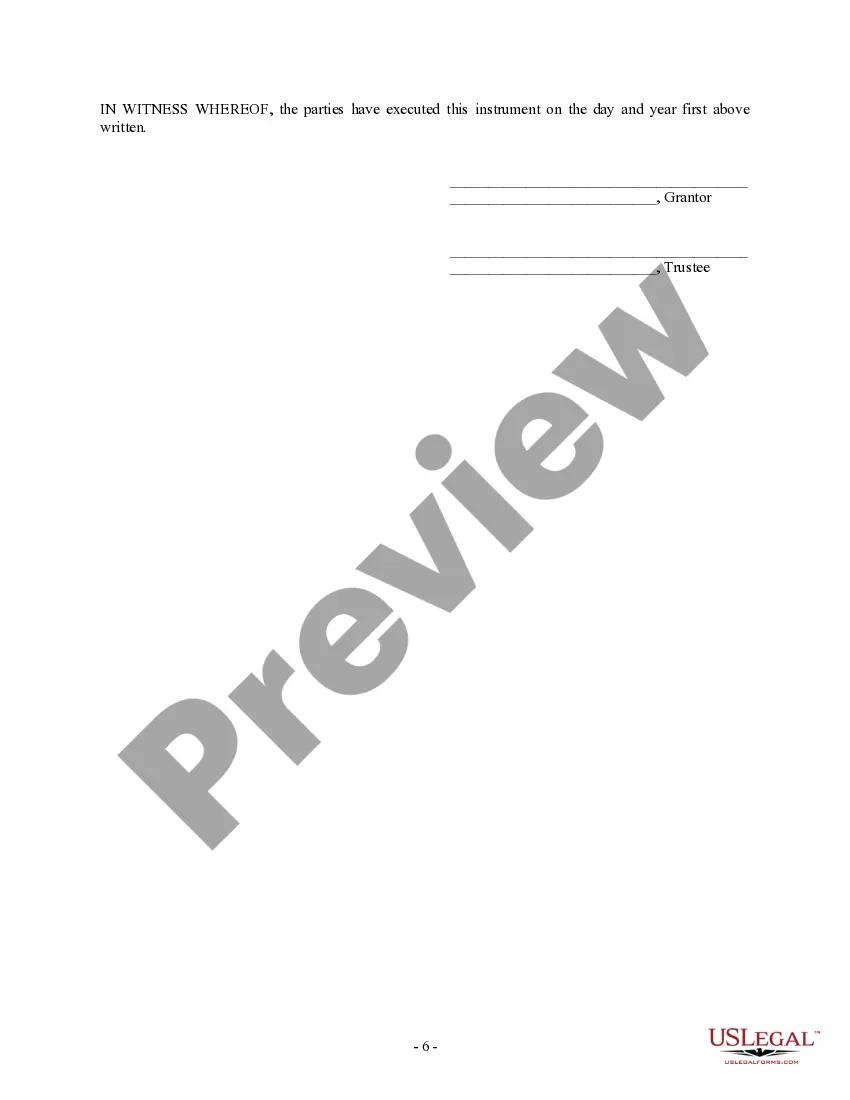
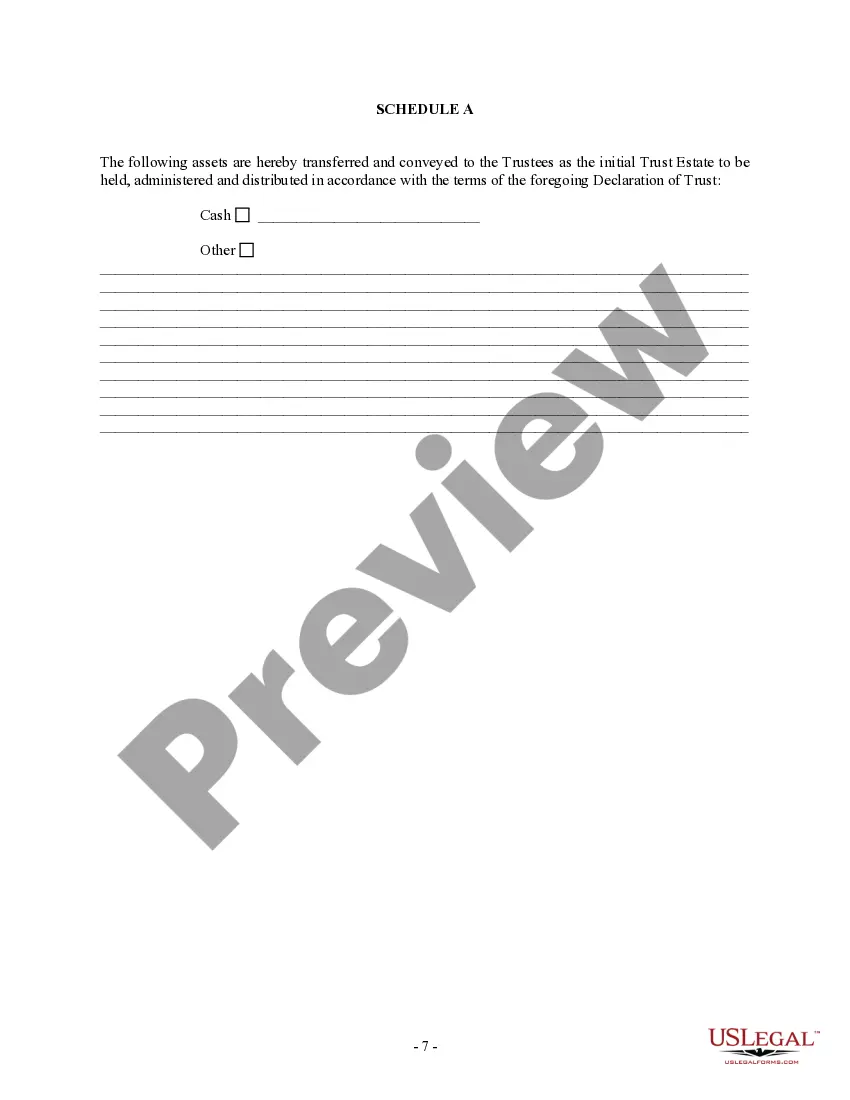
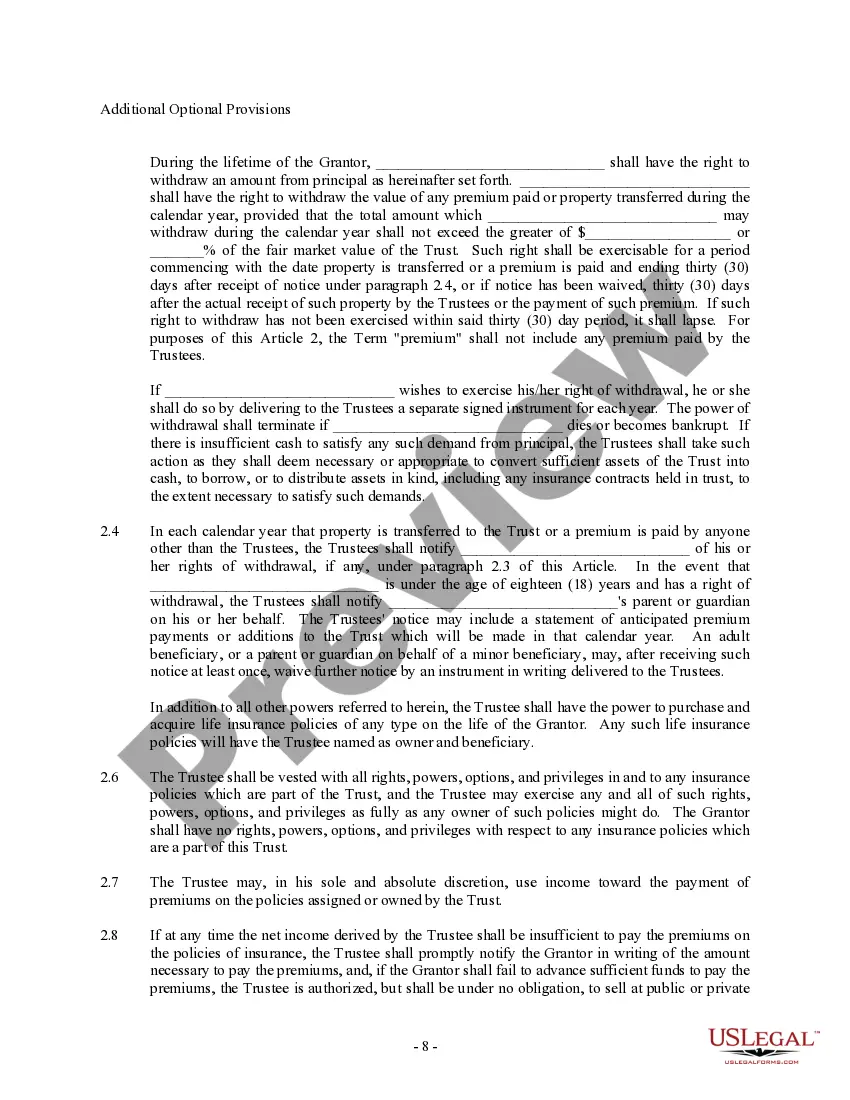
Get your form ready online
Our built-in tools help you complete, sign, share, and store your documents in one place.
Make edits, fill in missing information, and update formatting in US Legal Forms—just like you would in MS Word.
Download a copy, print it, send it by email, or mail it via USPS—whatever works best for your next step.
Sign and collect signatures with our SignNow integration. Send to multiple recipients, set reminders, and more. Go Premium to unlock E-Sign.
If this form requires notarization, complete it online through a secure video call—no need to meet a notary in person or wait for an appointment.
We protect your documents and personal data by following strict security and privacy standards.

Make edits, fill in missing information, and update formatting in US Legal Forms—just like you would in MS Word.

Download a copy, print it, send it by email, or mail it via USPS—whatever works best for your next step.

Sign and collect signatures with our SignNow integration. Send to multiple recipients, set reminders, and more. Go Premium to unlock E-Sign.

If this form requires notarization, complete it online through a secure video call—no need to meet a notary in person or wait for an appointment.

We protect your documents and personal data by following strict security and privacy standards.
Looking for another form?


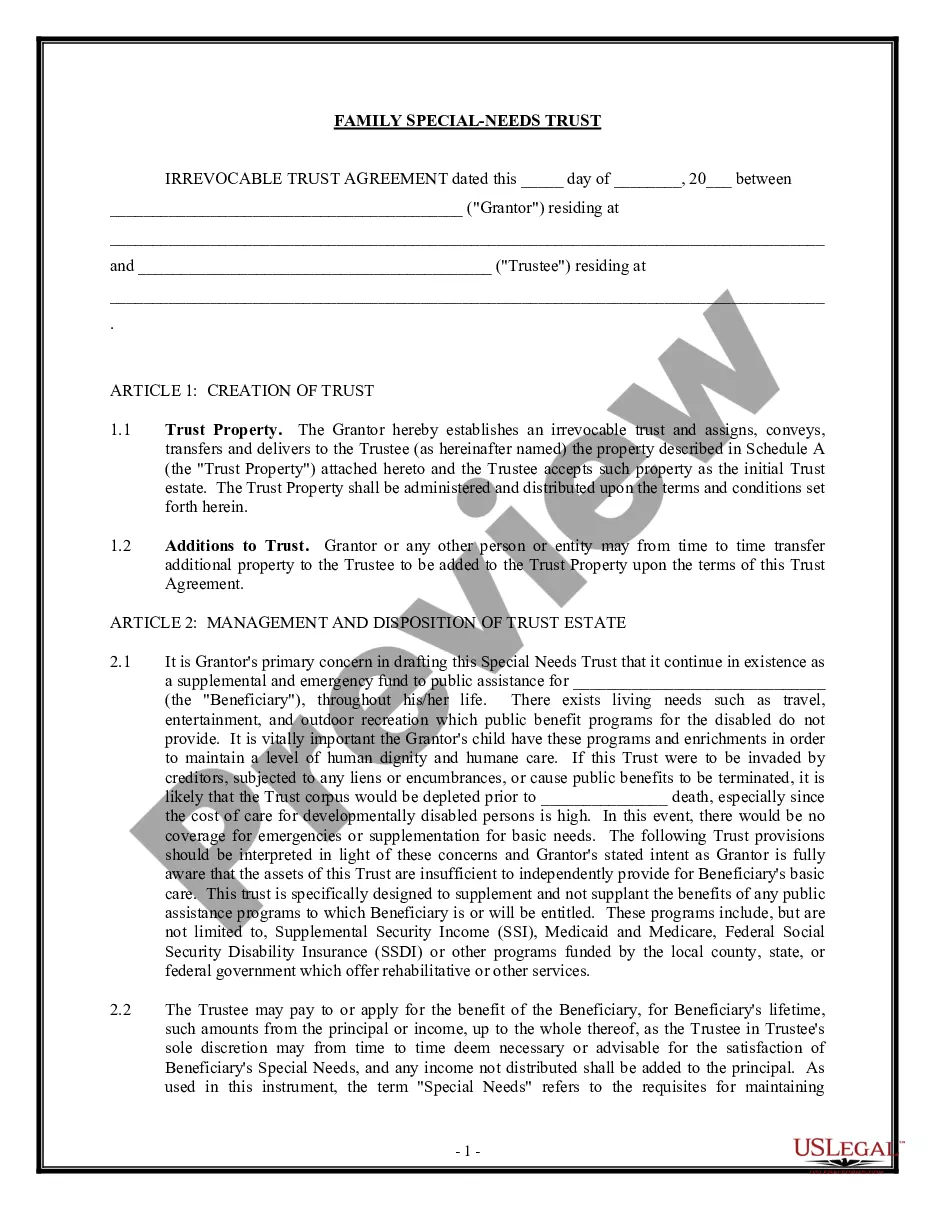
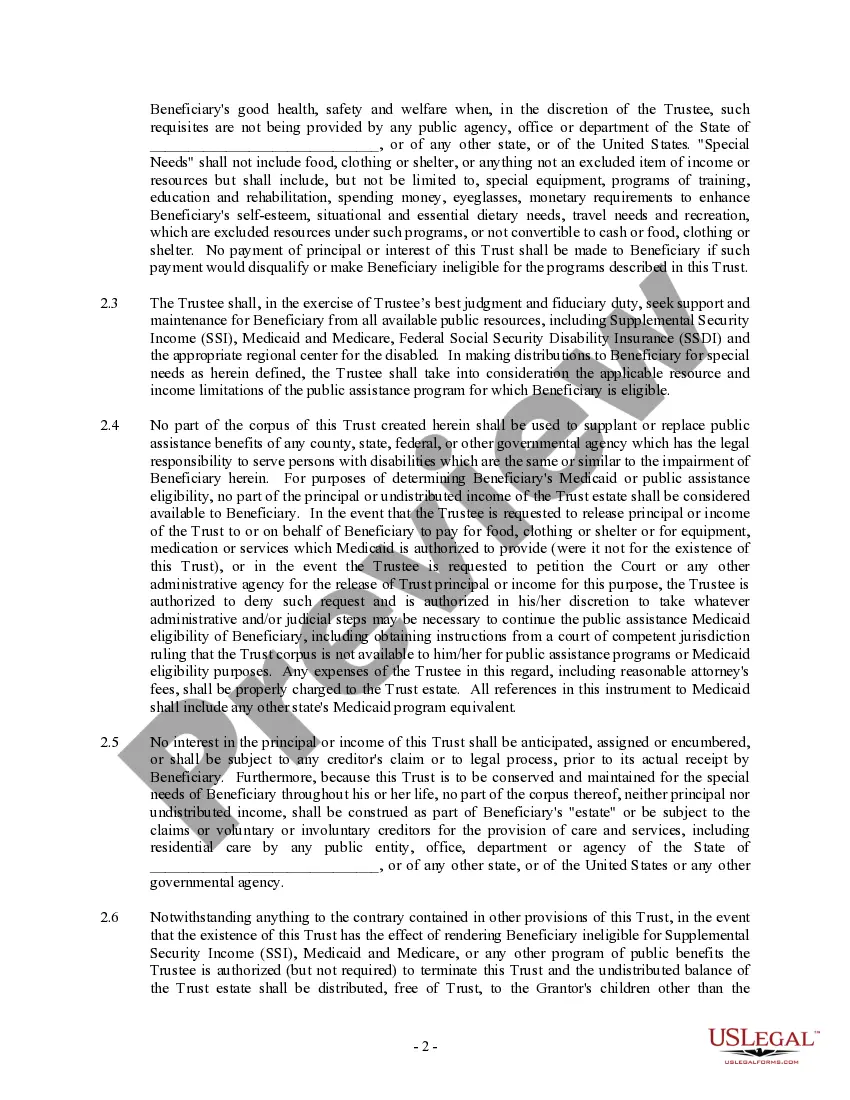
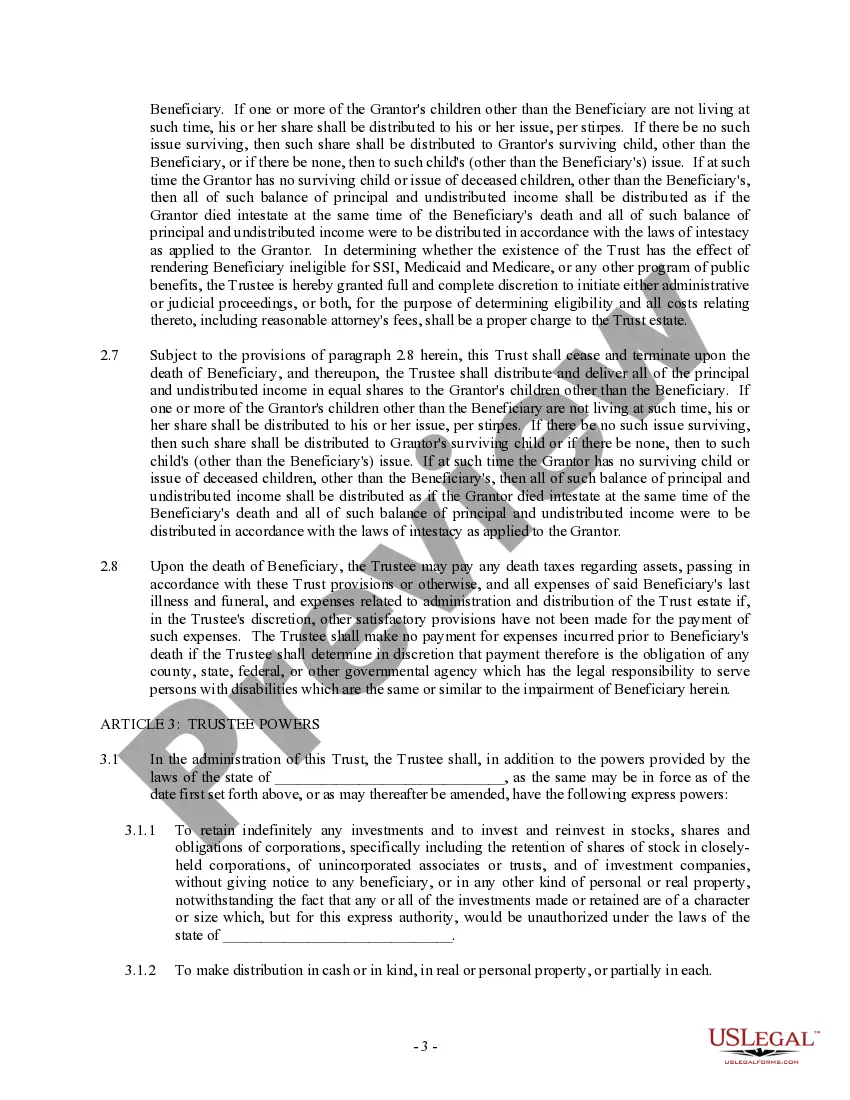
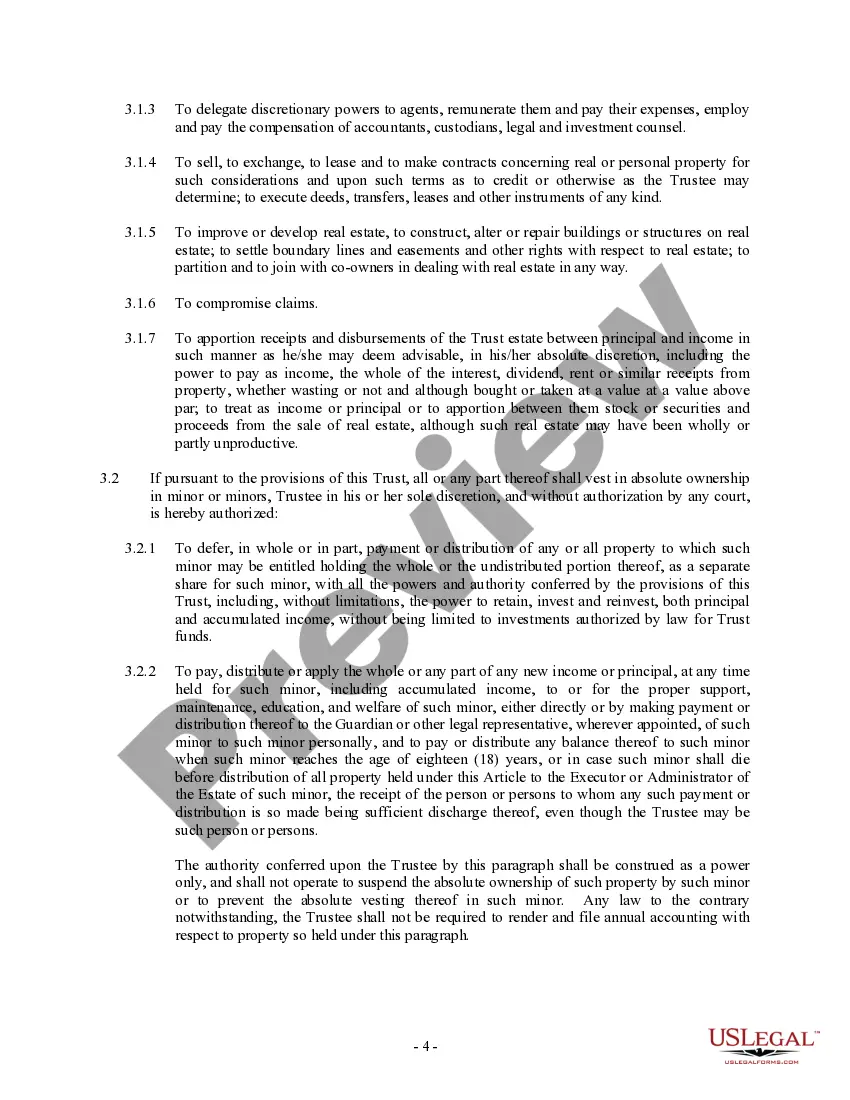
How to fill out Trust Agreement - Family Special Needs?
Handling legal paperwork and processes might be a time-intensive addition to your schedule.
Trust Document Example For Company and similar forms typically necessitate you to search for them and comprehend how to fill them out correctly.
Consequently, if you are managing financial, legal, or personal issues, possessing a complete and easy-to-navigate online library of documents readily available will provide significant support.
US Legal Forms stands as the premier online resource for legal templates, offering over 85,000 state-specific documents along with a range of tools to assist in completing your paperwork effortlessly.
Is this your first time using US Legal Forms? Register and set up an account in just a few moments, granting you access to the form library and Trust Document Example For Company. Then, follow the steps below to fill out your form.
- Explore the collection of relevant documents accessible with just a single click.
- US Legal Forms supplies you with forms that are specific to your state and county available for download at any time.
- Safeguard your document management processes with a high-quality service that enables you to create any form within a few minutes without any extra or concealed fees.
- Simply Log In to your account, locate Trust Document Example For Company, and obtain it immediately in the My documents section.
- You can also access previously downloaded documents.
Form popularity
FAQ
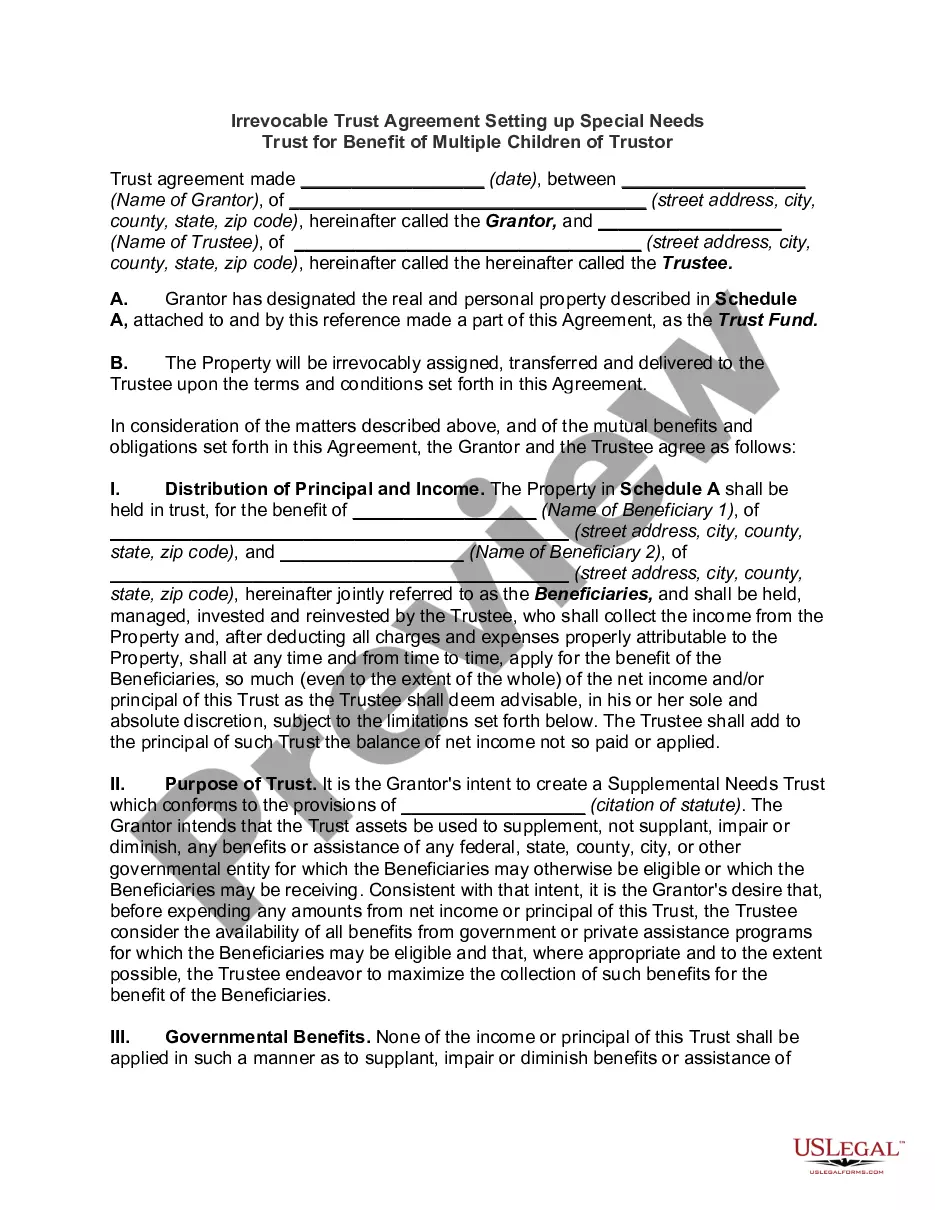
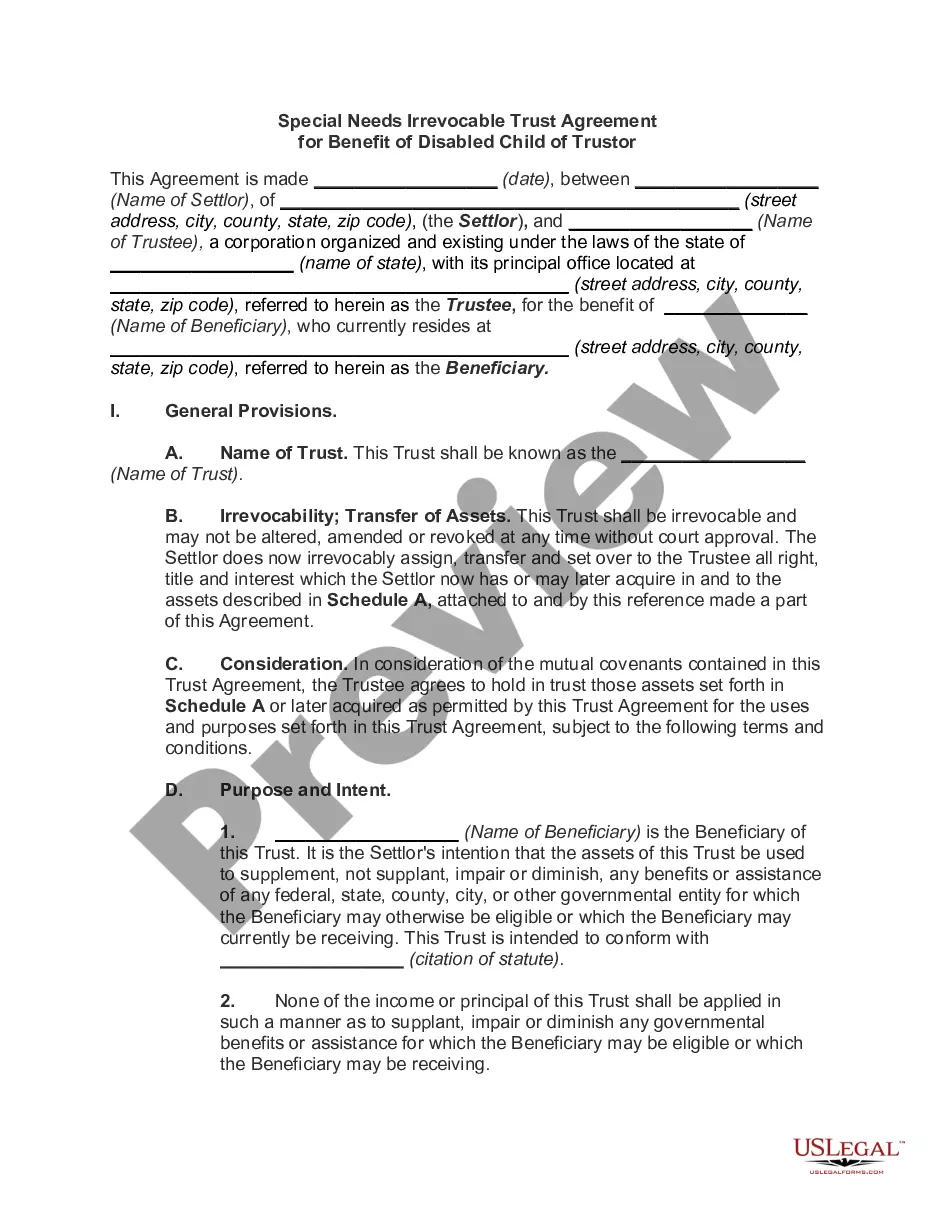
A trust is an agreement that allows one party, known as a trustee, to hold, manage, and direct assets or property on behalf of another party, called the beneficiary. In a business trust, a trustee manages a business and conducts transactions for the benefit of its beneficiaries.
Some of the larger trust companies are Northern Trust, Bessemer Trust, and U.S. Trust, which is now part of Bank of America Corporation. These trusts generally charge their fees based on a percentage of assets, ranging from 0.25% to 2.0%, depending on the size of the trust.
A business trust could also be a real estate investment trust, which allows beneficiaries to invest in real estate assets by purchasing stock in the entity. The trustees may lease the properties and collect the rent, then pass the income along to the beneficiaries, who would pay income tax on those dividends.
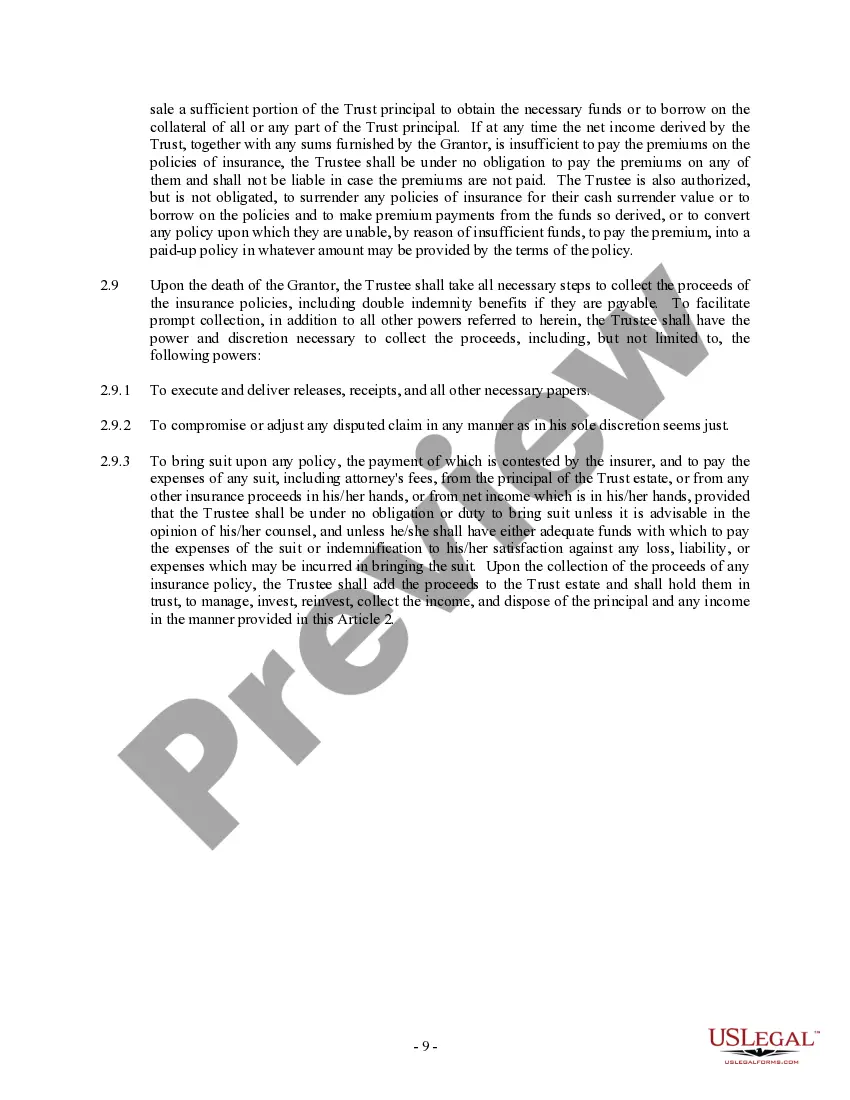
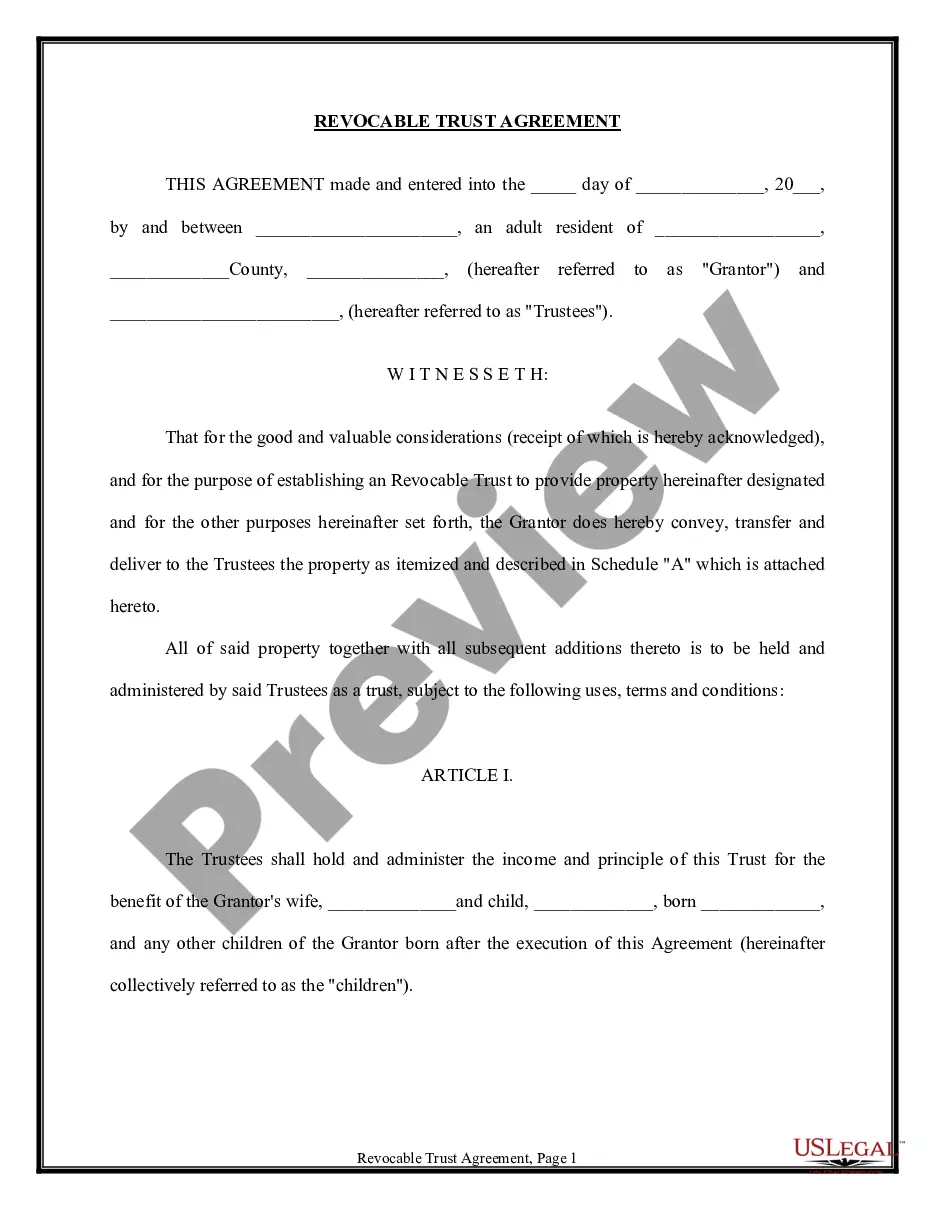
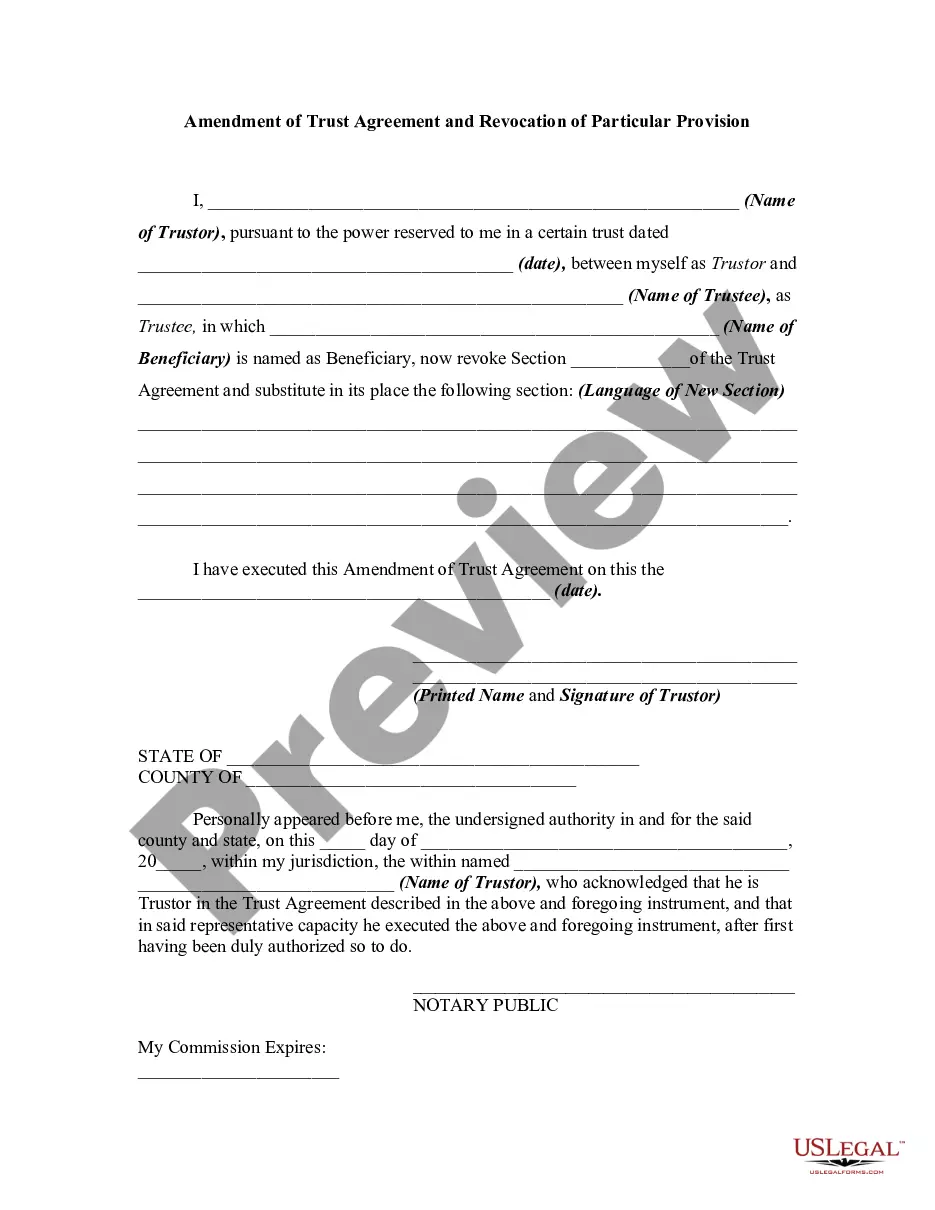
Declaration of trust is the document used to establish the primary details of a trust. While some states allow oral declarations, many states require a written declaration of trust outlining the essential pieces of the trust in order for it to be legally recognized.
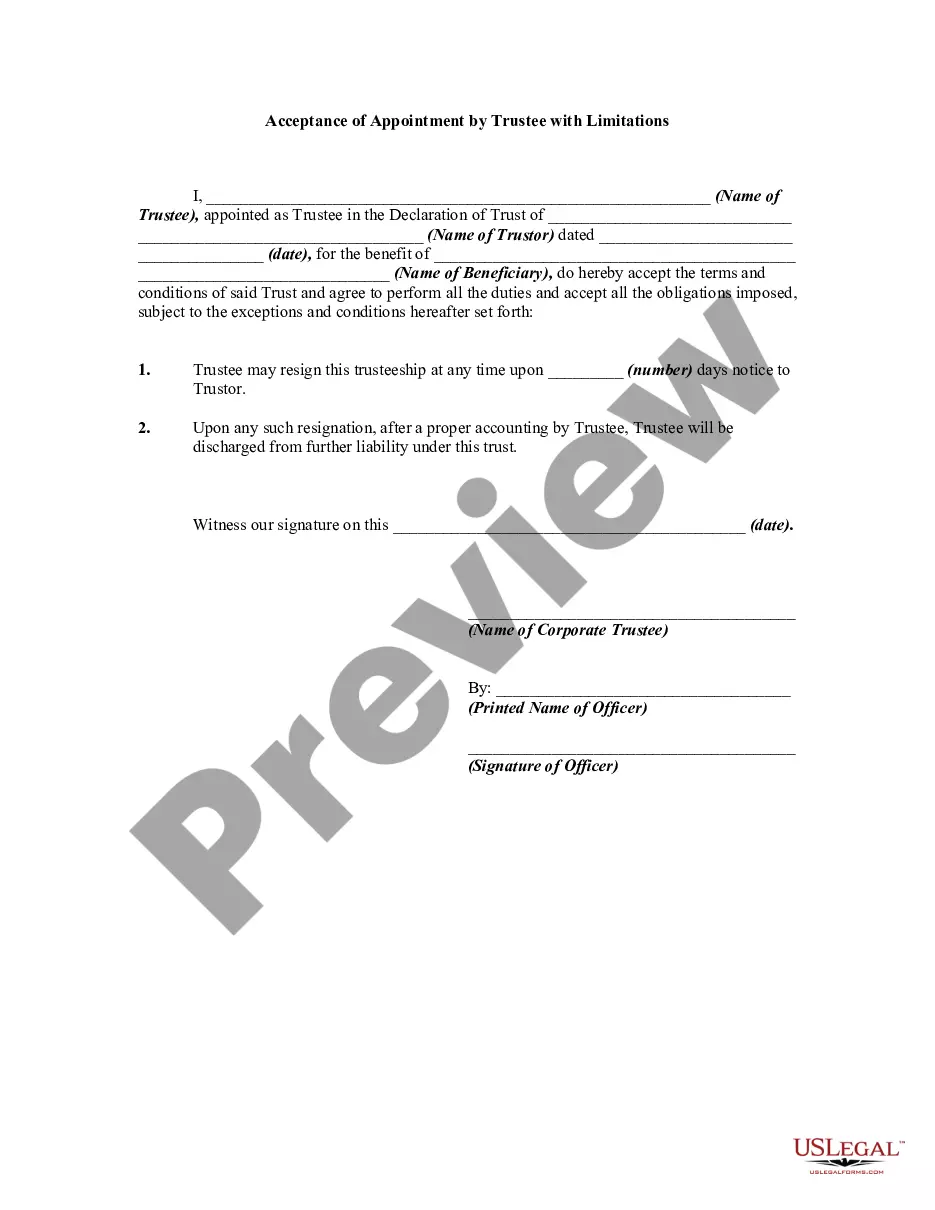
A declaration of trust, or nominee declaration, appoints a trustee to oversee assets for the benefit of another person or people. The declaration also describes the assets that are to be held in the trust and how they are to be managed. State laws have different requirements for the creation of a declaration of trust.