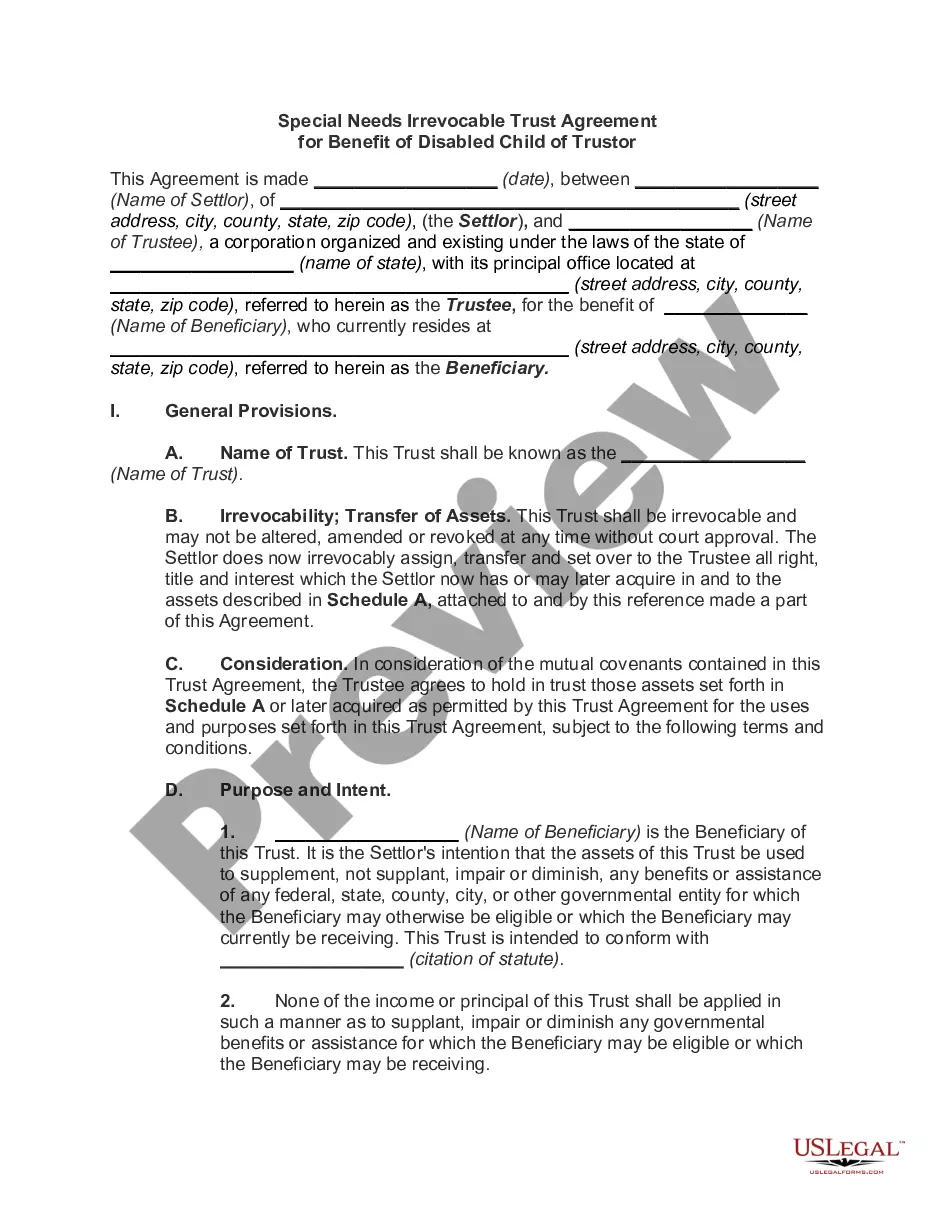
Special Needs Trust Oregon With Ira
Description
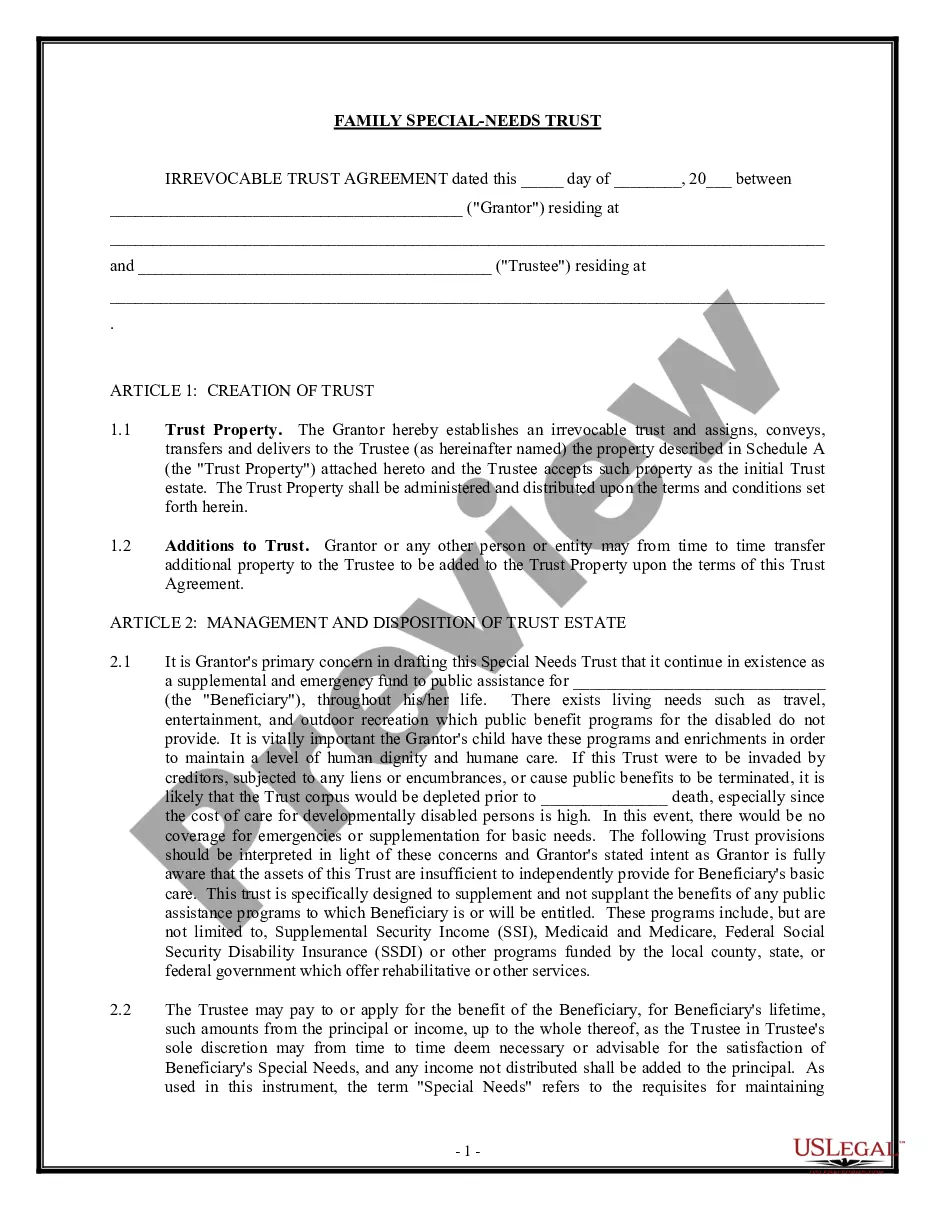
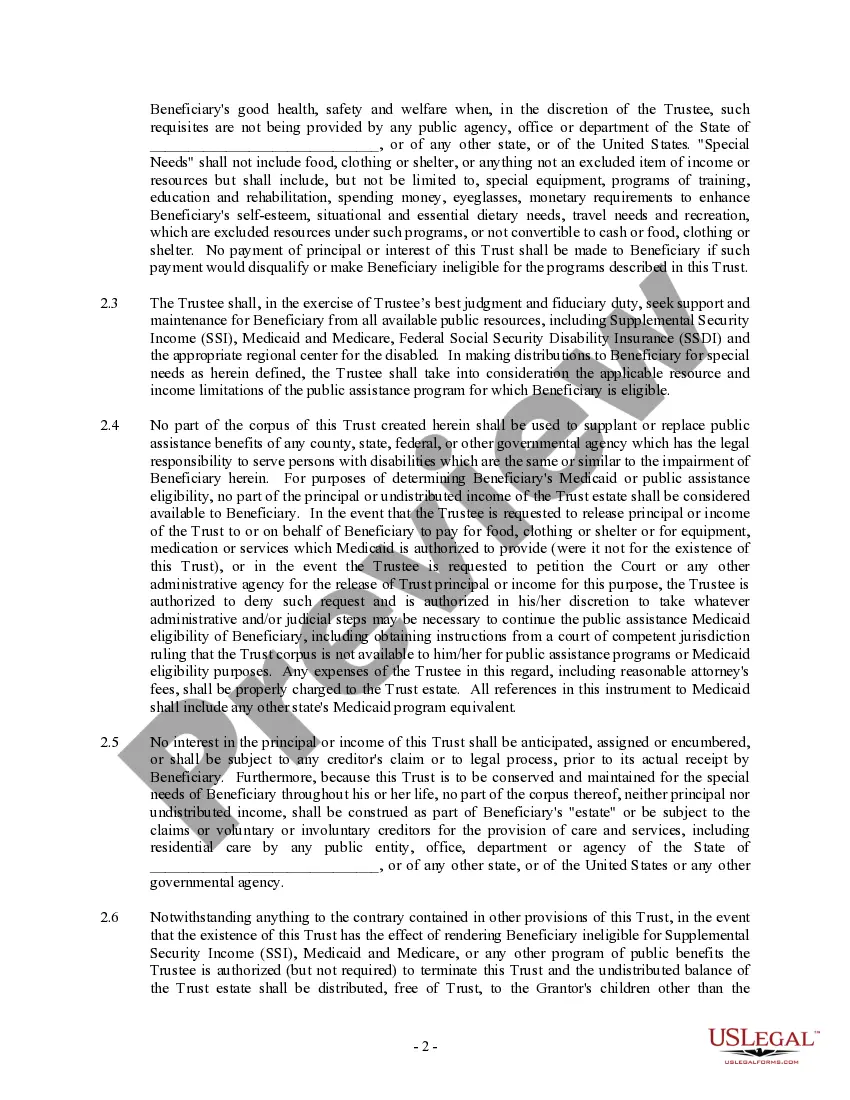
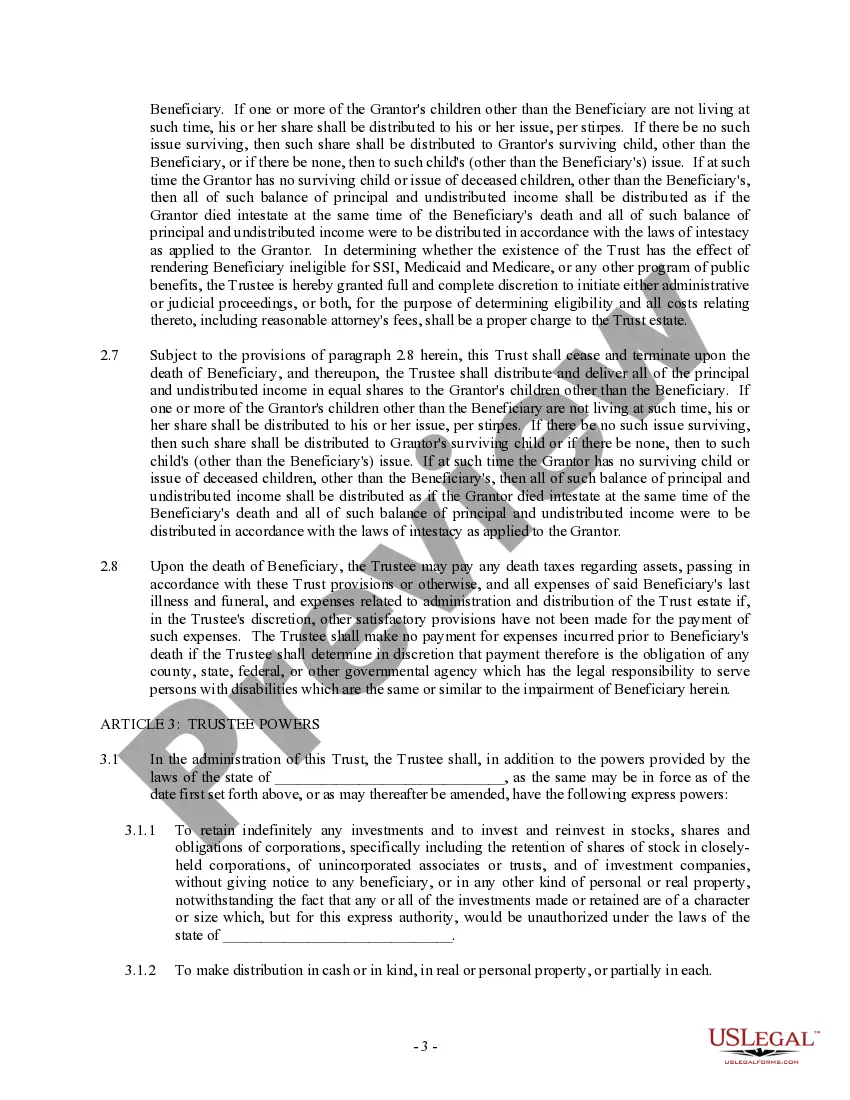
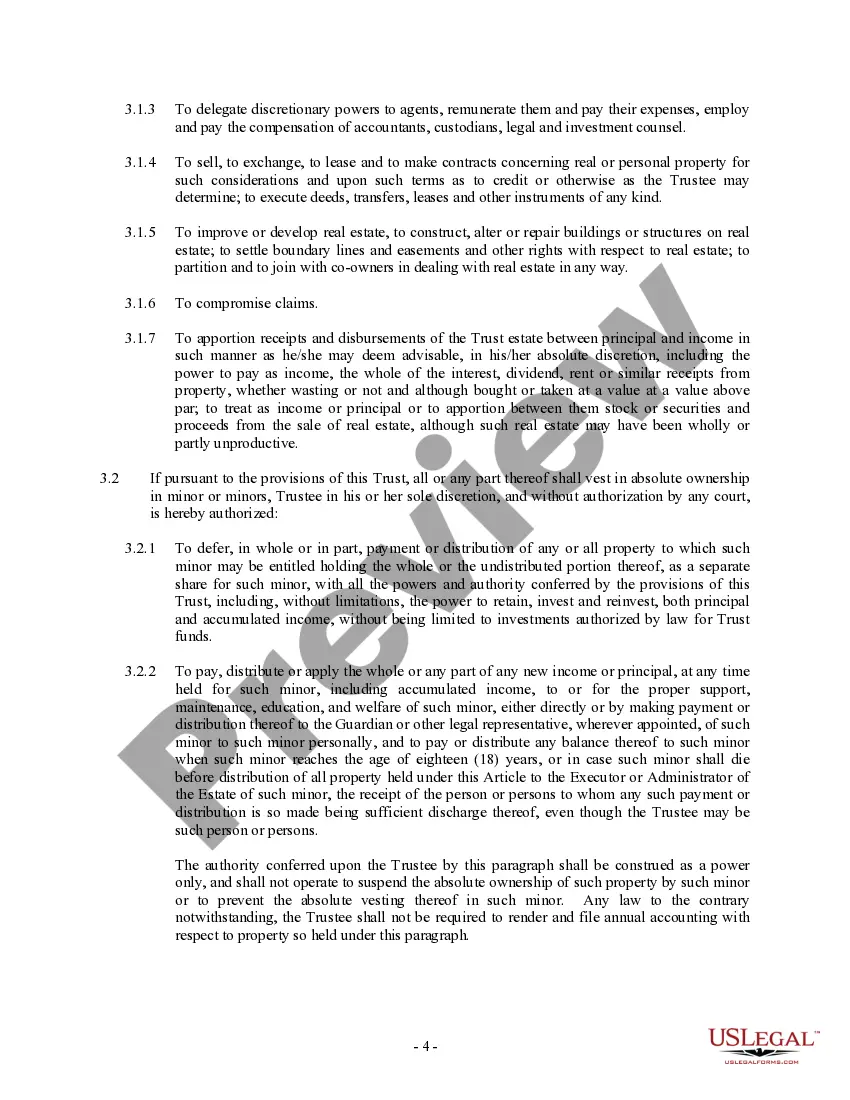
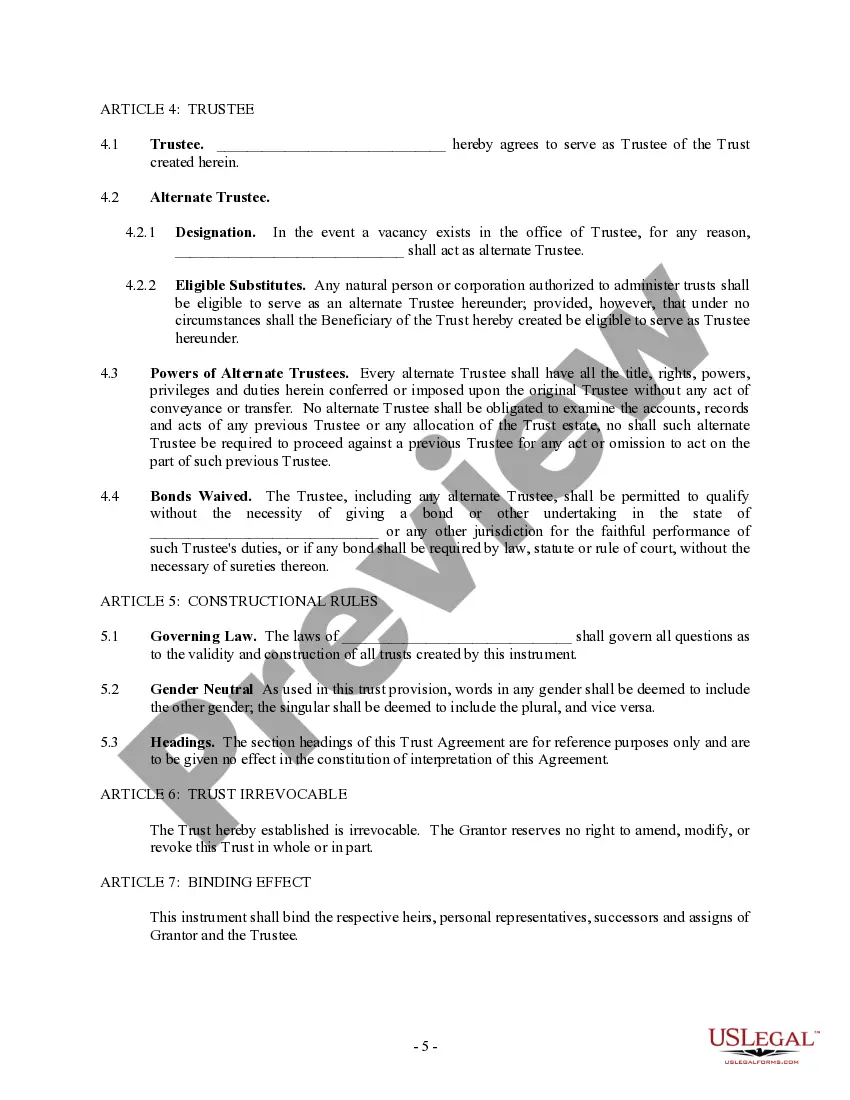
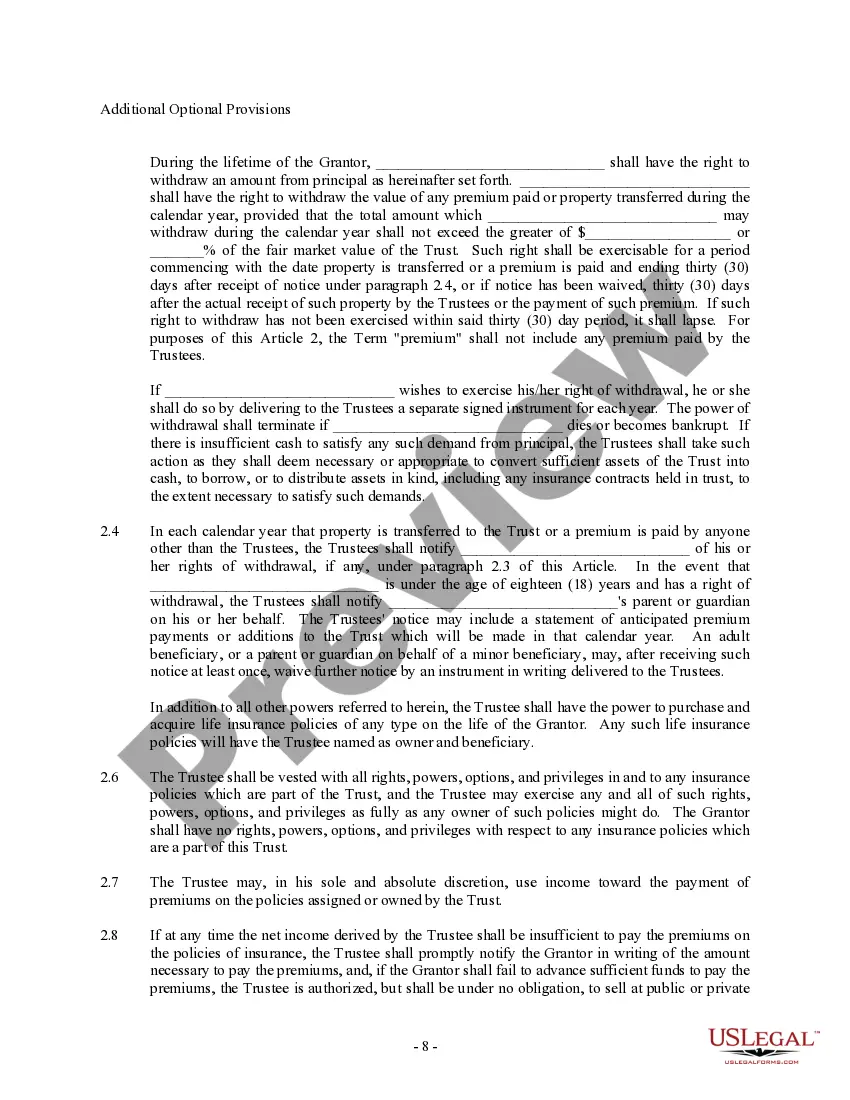

Get your form ready online
Our built-in tools help you complete, sign, share, and store your documents in one place.
Make edits, fill in missing information, and update formatting in US Legal Forms—just like you would in MS Word.
Download a copy, print it, send it by email, or mail it via USPS—whatever works best for your next step.
Sign and collect signatures with our SignNow integration. Send to multiple recipients, set reminders, and more. Go Premium to unlock E-Sign.
If this form requires notarization, complete it online through a secure video call—no need to meet a notary in person or wait for an appointment.
We protect your documents and personal data by following strict security and privacy standards.

Make edits, fill in missing information, and update formatting in US Legal Forms—just like you would in MS Word.

Download a copy, print it, send it by email, or mail it via USPS—whatever works best for your next step.

Sign and collect signatures with our SignNow integration. Send to multiple recipients, set reminders, and more. Go Premium to unlock E-Sign.

If this form requires notarization, complete it online through a secure video call—no need to meet a notary in person or wait for an appointment.

We protect your documents and personal data by following strict security and privacy standards.
Looking for another form?

How to fill out Trust Agreement - Family Special Needs?
Creating legal paperwork from the ground up can frequently feel a bit daunting.
Certain situations may require extensive research and substantial financial resources.
If you're looking for a simpler and more economical method of producing Special Needs Trust Oregon With Ira or any other documents without unnecessary hurdles, US Legal Forms is always at your service.
Our online repository of over 85,000 current legal documents covers nearly every facet of your financial, legal, and personal matters.
Before proceeding to download Special Needs Trust Oregon With Ira, please consider the following advice: Review the document preview and descriptions to confirm you have the correct form, verify that the template meets your state and county specifications, select the appropriate subscription plan to acquire the Special Needs Trust Oregon With Ira, and finally, download the document. Afterward, complete, certify, and print it. US Legal Forms has a pristine reputation and over 25 years of experience. Join us now and make form completion an effortless and orderly process!
- With just a handful of clicks, you can swiftly access compliant forms tailored for you by our legal professionals.
- Utilize our platform whenever you require dependable and trustworthy services to quickly find and retrieve the Special Needs Trust Oregon With Ira.
- If you're a returning user and have an existing account, simply Log In, choose the form, and download it immediately or re-download it later in the My documents section.
- Not yet registered? No worries. Setting up an account takes minimal time and allows you to browse the catalog.
Form popularity
FAQ
However, the trust is often named as the IRA beneficiary when there are no exceptional circumstances to do so. While there are certainly reasons, such as a special needs beneficiary, when it would be appropriate, in most instances a trust is a poor IRA beneficiary.
Retirement accounts like an IRA, Roth IRA, 401K, 403b, 457 and the like don't belong in your trust. Placing any of these assets in your trust would mean that you're taking them out of your name to retitle them in the name of your trust. The impact this will have on your taxes can be disastrous.
You cannot put your individual retirement account (IRA) in a trust while you are living. You can, however, name a trust as the beneficiary of your IRA and dictate how the assets are to be handled after your death. This applies to all types of IRAs, including traditional, Roth, SEP, and SIMPLE IRAs.
In general, there are many good reasons to put an asset into a trust: a trust protects it from creditors after you pass away, can reduce estate taxes, can assist in long-term care planning, and offers more control than a will in regard to managing the distribution of assets.
While the permissible distributions depend on what types of public benefits are being received, generally a supplemental needs trust may make distributions for the beneficiary's education, recreation, counseling, and supplemental medical services.