Special Needs Trust In Massachusetts
Description

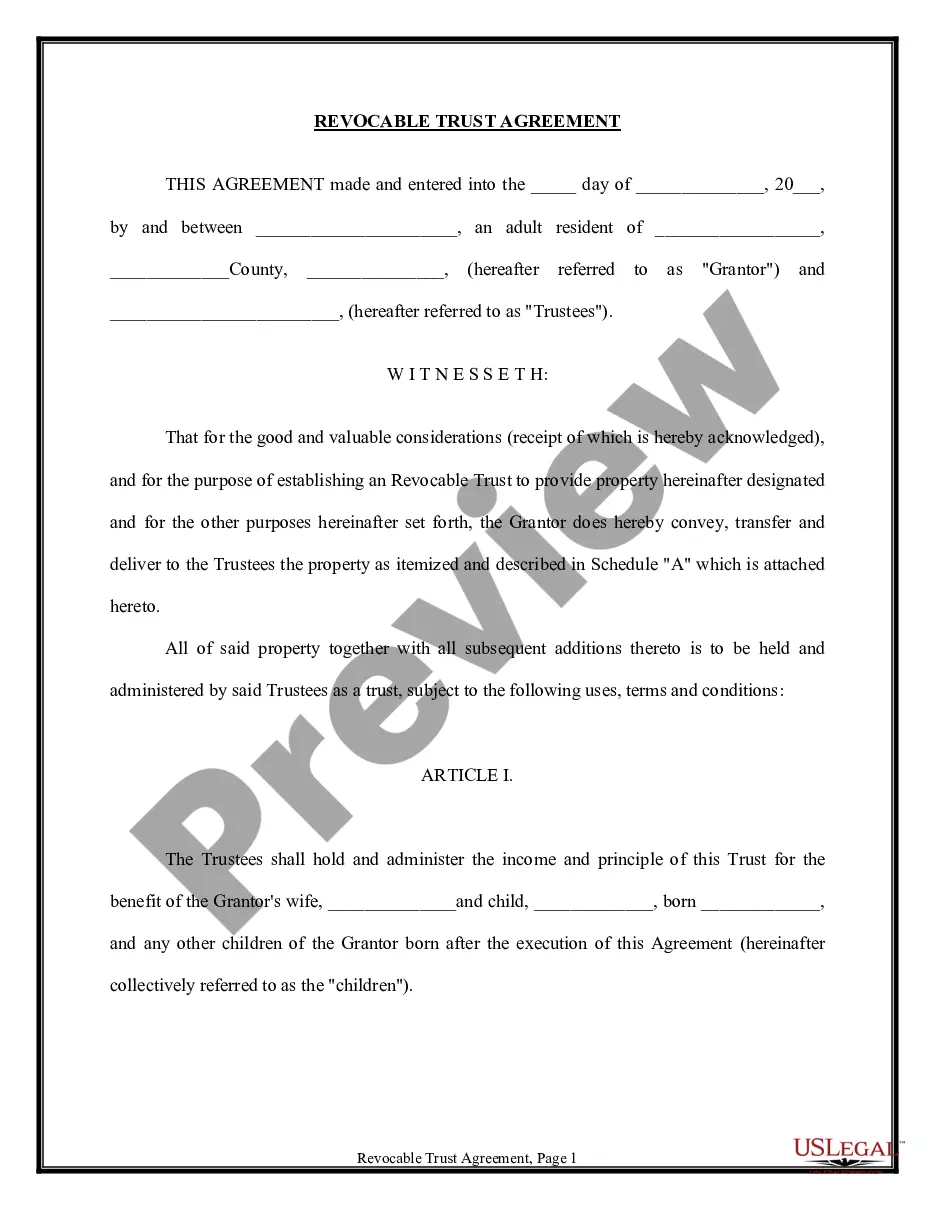


Get your form ready online
Our built-in tools help you complete, sign, share, and store your documents in one place.
Make edits, fill in missing information, and update formatting in US Legal Forms—just like you would in MS Word.
Download a copy, print it, send it by email, or mail it via USPS—whatever works best for your next step.
Sign and collect signatures with our SignNow integration. Send to multiple recipients, set reminders, and more. Go Premium to unlock E-Sign.
If this form requires notarization, complete it online through a secure video call—no need to meet a notary in person or wait for an appointment.
We protect your documents and personal data by following strict security and privacy standards.

Make edits, fill in missing information, and update formatting in US Legal Forms—just like you would in MS Word.

Download a copy, print it, send it by email, or mail it via USPS—whatever works best for your next step.

Sign and collect signatures with our SignNow integration. Send to multiple recipients, set reminders, and more. Go Premium to unlock E-Sign.

If this form requires notarization, complete it online through a secure video call—no need to meet a notary in person or wait for an appointment.

We protect your documents and personal data by following strict security and privacy standards.
Looking for another form?

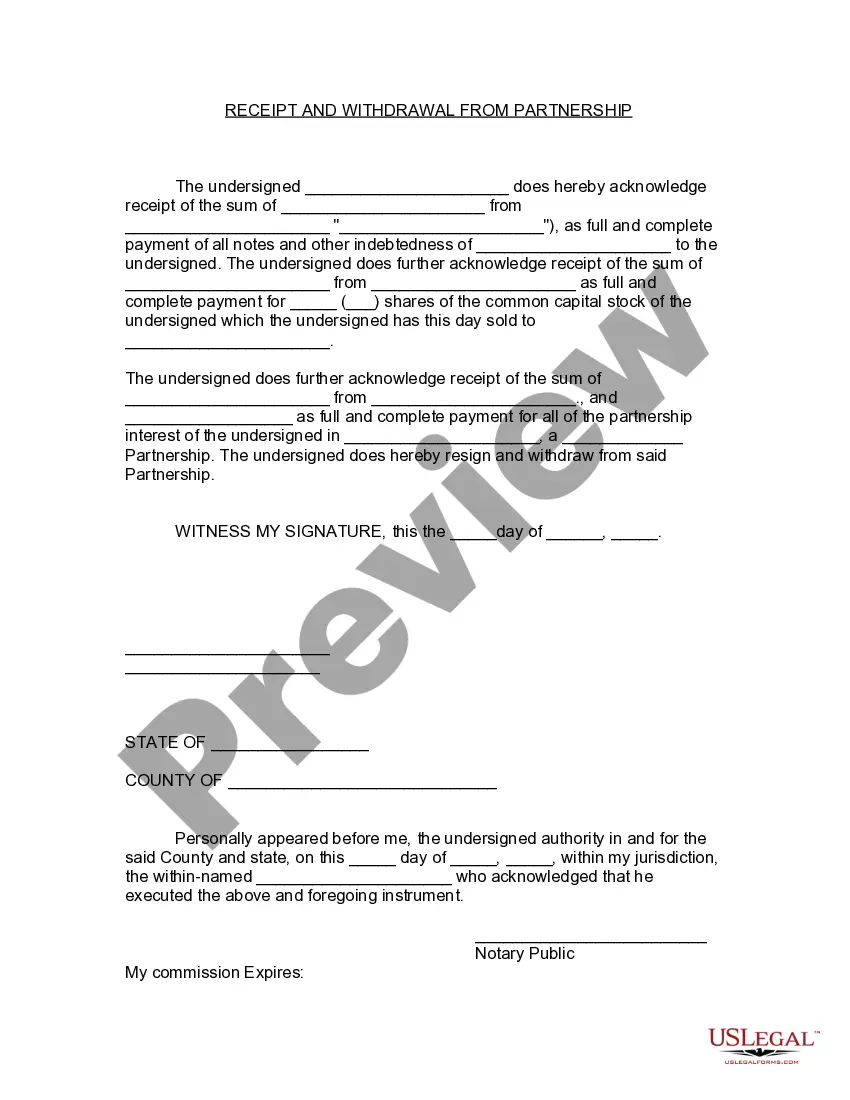



How to fill out Trust Agreement - Family Special Needs?
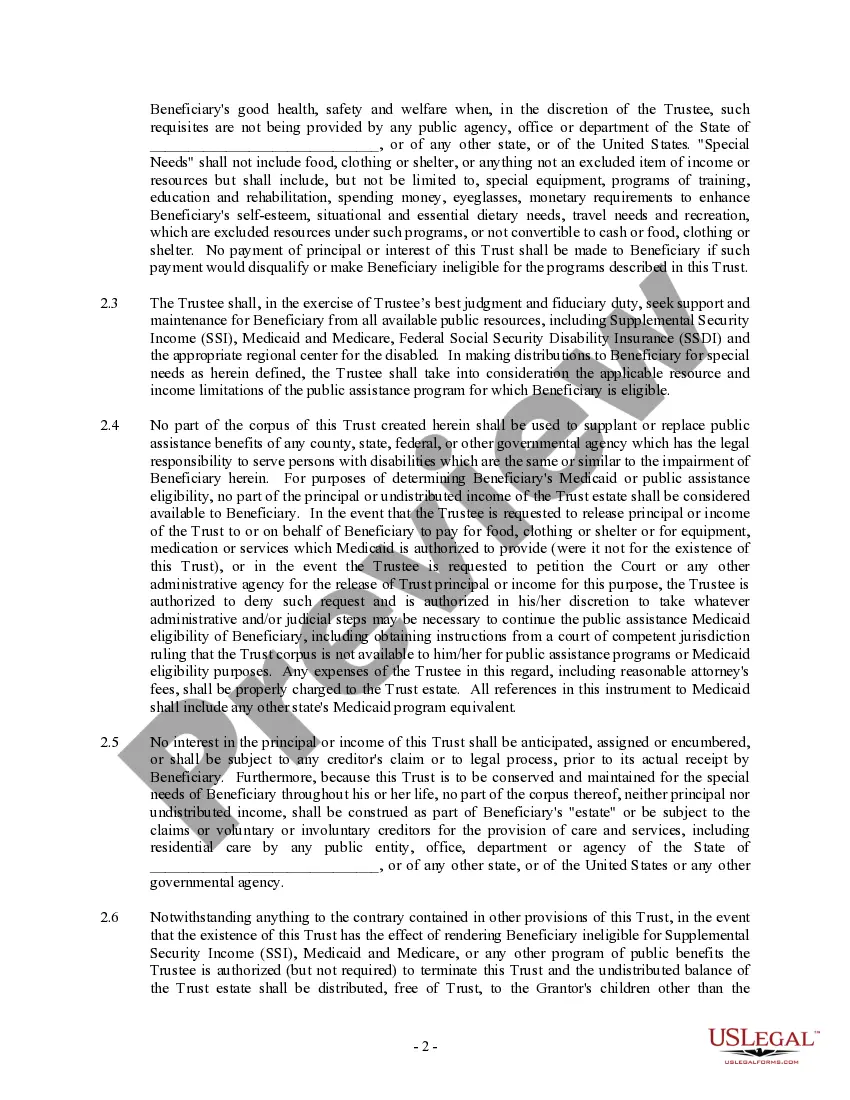
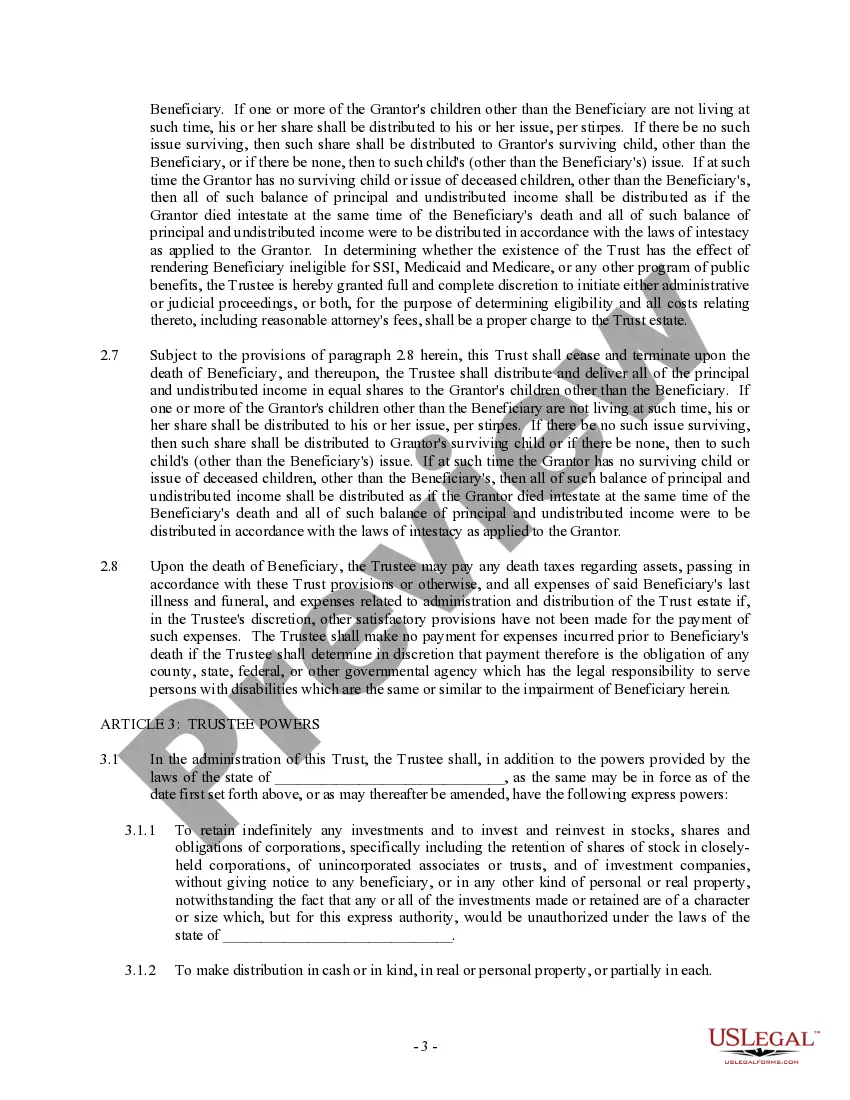
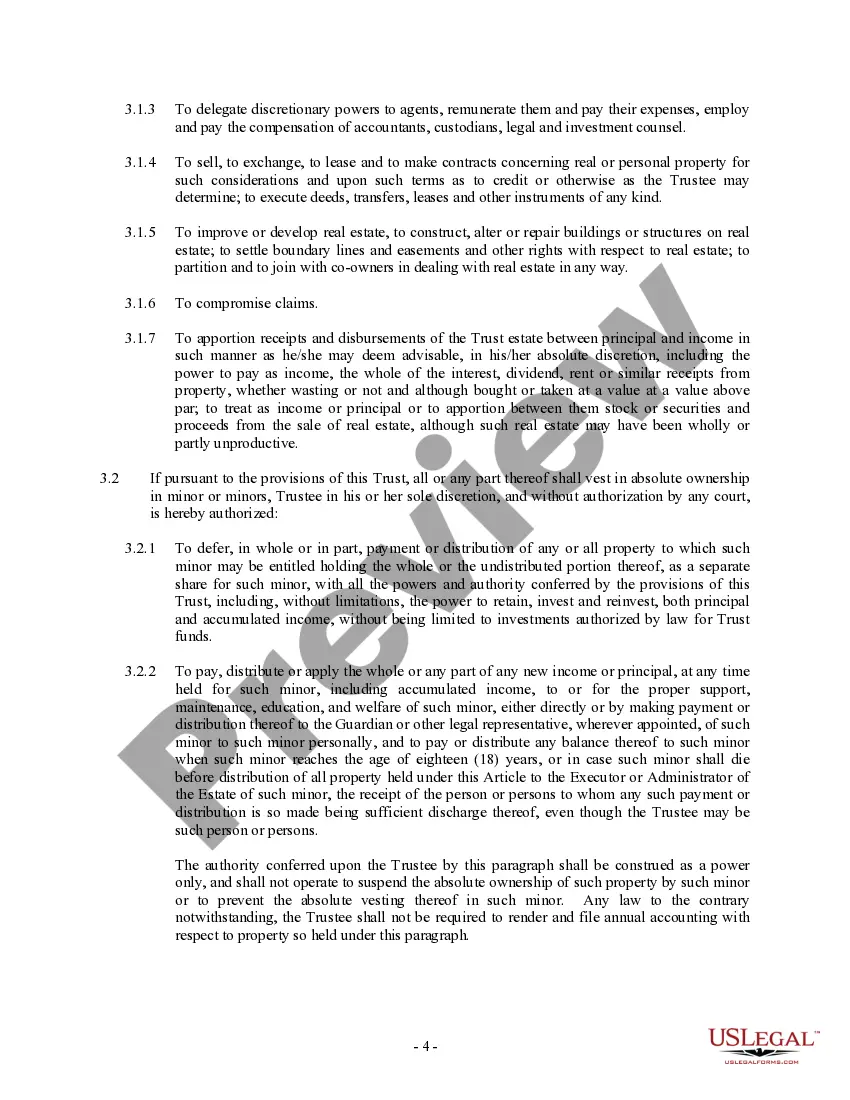
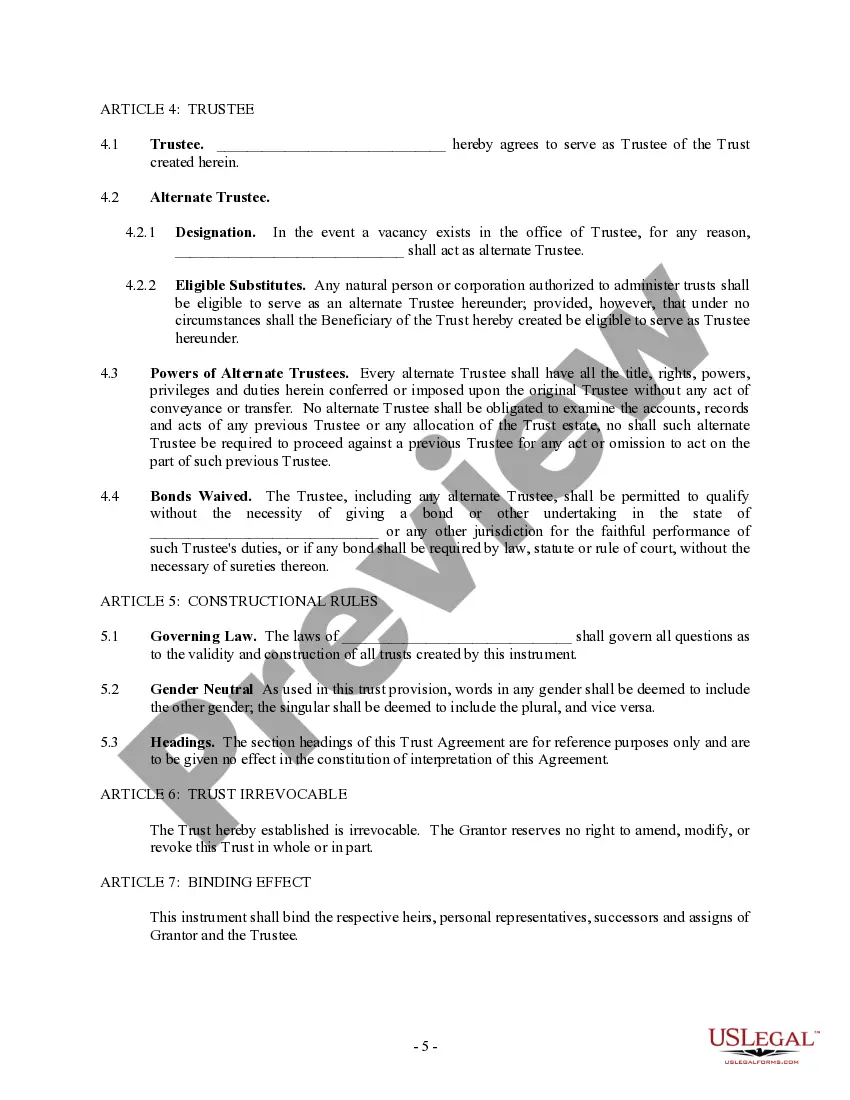
The Special Needs Trust in Massachusetts mentioned on this page is a versatile legal template crafted by expert attorneys in compliance with federal and state regulations.
For over 25 years, US Legal Forms has supplied individuals, organizations, and legal practitioners with more than 85,000 authenticated, state-specific documents for any commercial and personal situations. It’s the fastest, simplest, and most dependable method to acquire the documents you require, as the service guarantees the highest standards of data security and anti-malware safeguards.
Register for US Legal Forms to access authenticated legal templates for all of life's situations.
- Explore the document you require and examine it.
- Choose the pricing plan that works for you and create an account.
- Pick the format you prefer for your Special Needs Trust in Massachusetts (PDF, Word, RTF) and download the document to your device.
- Print the template to fill it out manually. Alternatively, use an online versatile PDF editor to quickly and accurately complete and sign your form with a valid signature.
- Utilize the same document again as needed. Access the My documents tab in your profile to redownload any previously downloaded forms.
Form popularity
FAQ
The exemption amount for a special needs trust in Massachusetts allows individuals with disabilities to retain certain assets while remaining eligible for public benefits. Typically, a special needs trust can hold up to $100,000 in assets without affecting eligibility. It’s wise to work with an attorney to maximize potential benefits and align with state exemptions.
Not all trusts need to file a tax return; it depends on the trust's income. If a special needs trust in Massachusetts generates income, it may require filing a federal form. It's important to seek advice from a tax professional to determine your specific obligations and ensure compliance.
Filing requirements for a special needs trust in Massachusetts include ensuring the trust is in writing and signed by the grantor. You will also need to identify the beneficiary and specify how the assets will be managed. Additionally, consulting with a legal expert can provide clarity on compliance with state regulations and enhance the trust's effectiveness.
To file a trust in Massachusetts, you must first draft the trust document, adhering to state laws. You'll then need to fund the trust by transferring assets into it. After that, it’s advisable to consult with an attorney familiar with special needs trusts in Massachusetts to ensure compliance and proper execution.
Yes, a special needs trust must have its own EIN in Massachusetts. Having a distinct EIN helps maintain clear financial records and eases the tax process. This organizational step is essential for the proper administration of the trust and ensures it operates independently from the beneficiary's finances.
Indeed, a special needs trust in Massachusetts requires its own EIN number. This is crucial for managing the trust’s finances and complying with tax requirements. The EIN acts like a Social Security number for the trust, which allows it to file tax returns and conduct financial transactions.
The IRS generally taxes a special needs trust in Massachusetts based on its type. If the trust is revocable, the grantor will report its income on their personal tax returns. However, an irrevocable special needs trust may be taxed separately, meaning the trust itself must file a return and report any income generated.
Yes, a trust typically requires its own Employer Identification Number (EIN) if it has more than one beneficiary or if it is irrevocable. Establishing a special needs trust in Massachusetts often involves creating a separate entity for tax purposes. This helps ensure compliance with tax regulations and allows for proper management of the trust's assets.
One major mistake parents often make is failing to properly fund the trust or not understanding the implications of their choices. Without adequate funding, a special needs trust in Massachusetts may not provide the financial support needed for the beneficiary's care. Additionally, overlooking the inclusion of essential provisions can lead to complications later on. Engaging with professionals who specialize in trusts can help prevent these issues and ensure smoother management.
Special needs can be categorized into three primary groups: intellectual disabilities, physical disabilities, and developmental disabilities. Intellectual disabilities affect cognitive functioning, while physical disabilities impact mobility and health. Developmental disabilities encompass various disorders that can affect social skills, communication, and learning. Understanding these types helps in effectively creating a special needs trust in Massachusetts tailored to meet specific needs.