Special Needs Trust Form 1041 For 2023
Description
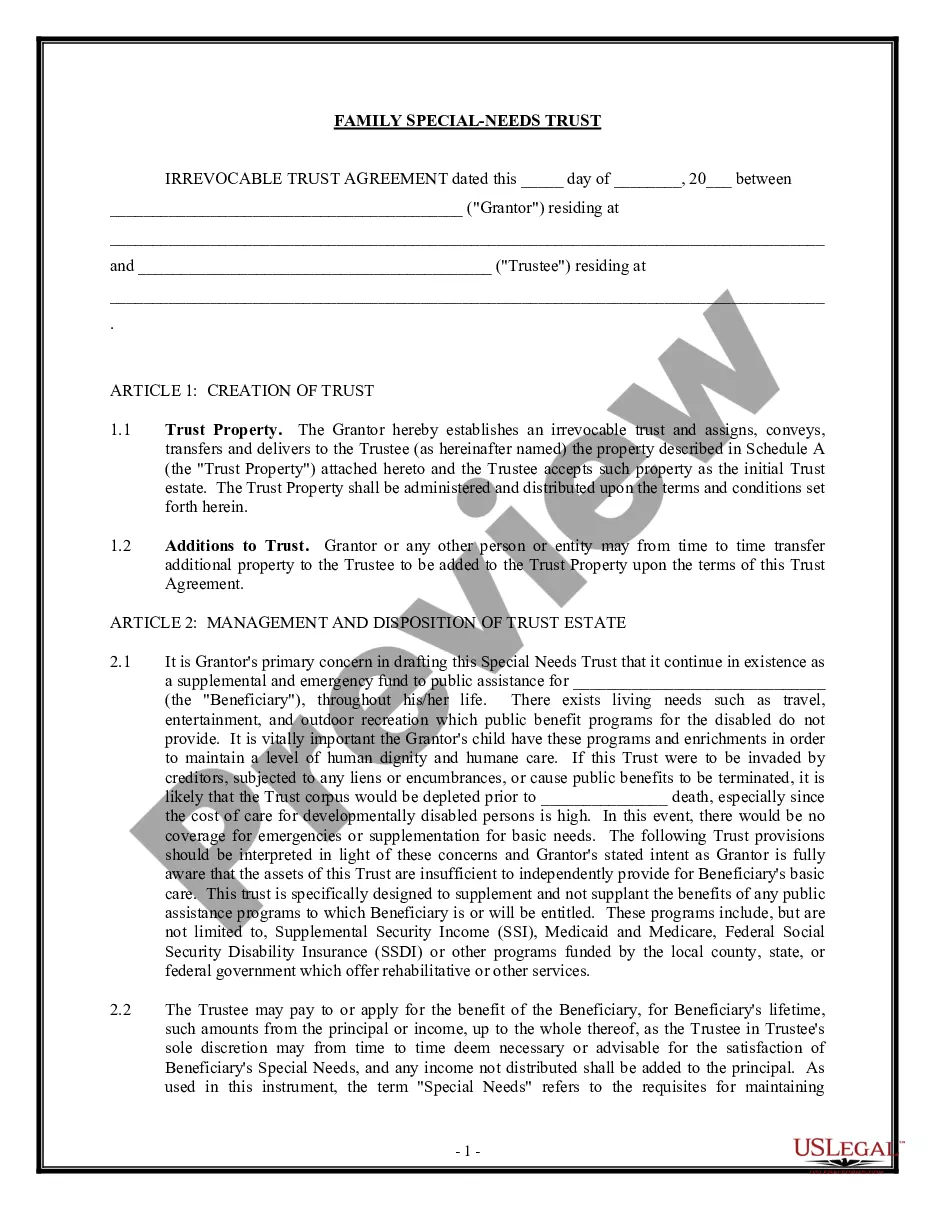
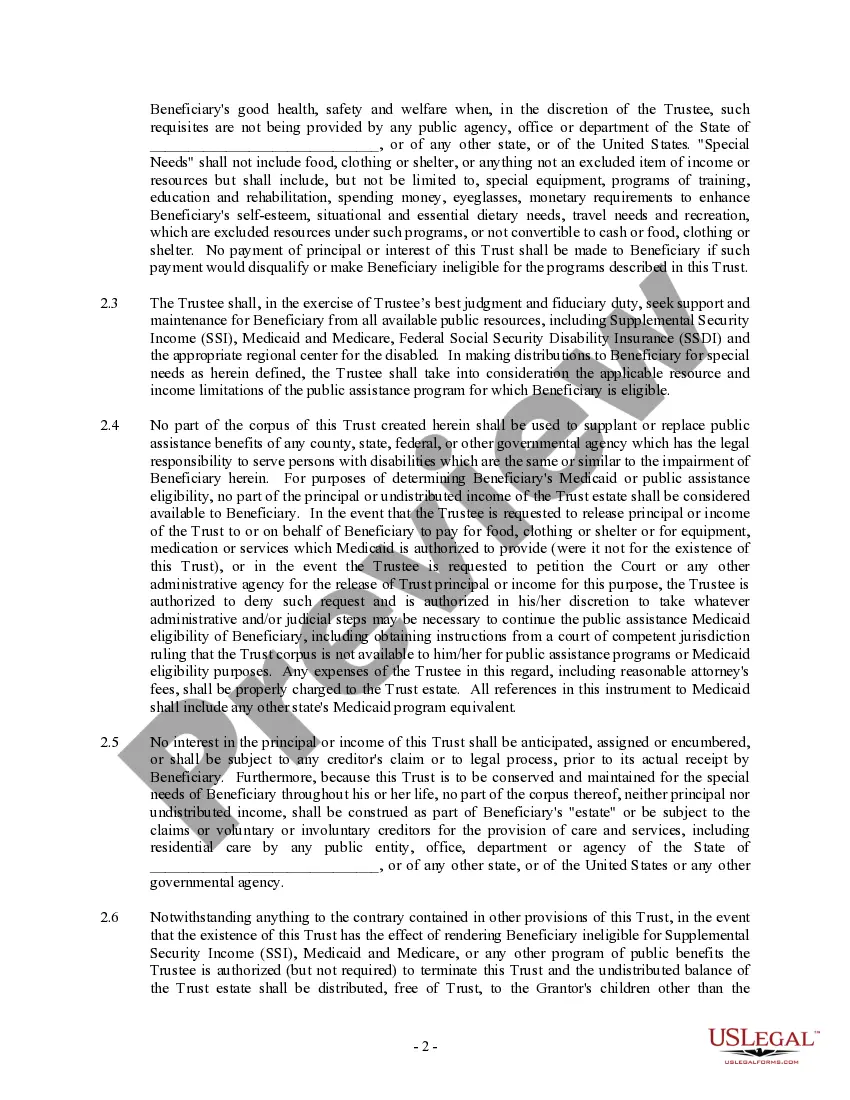
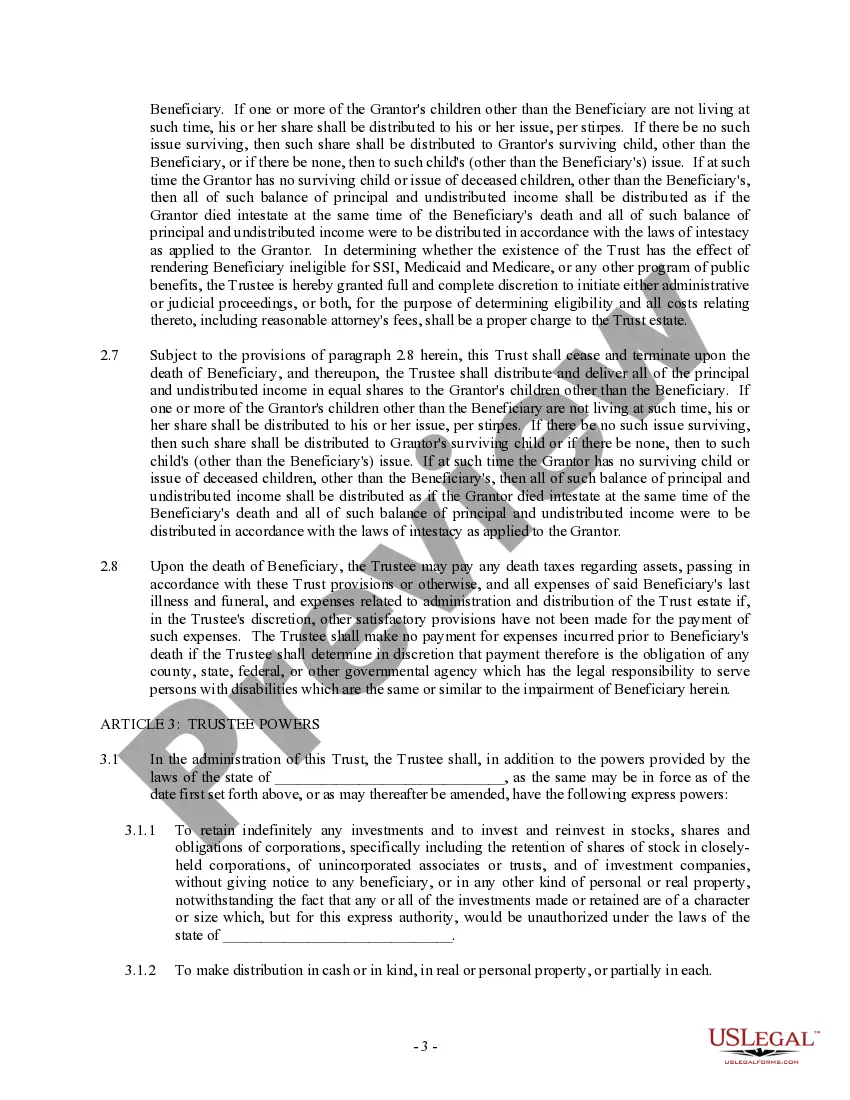
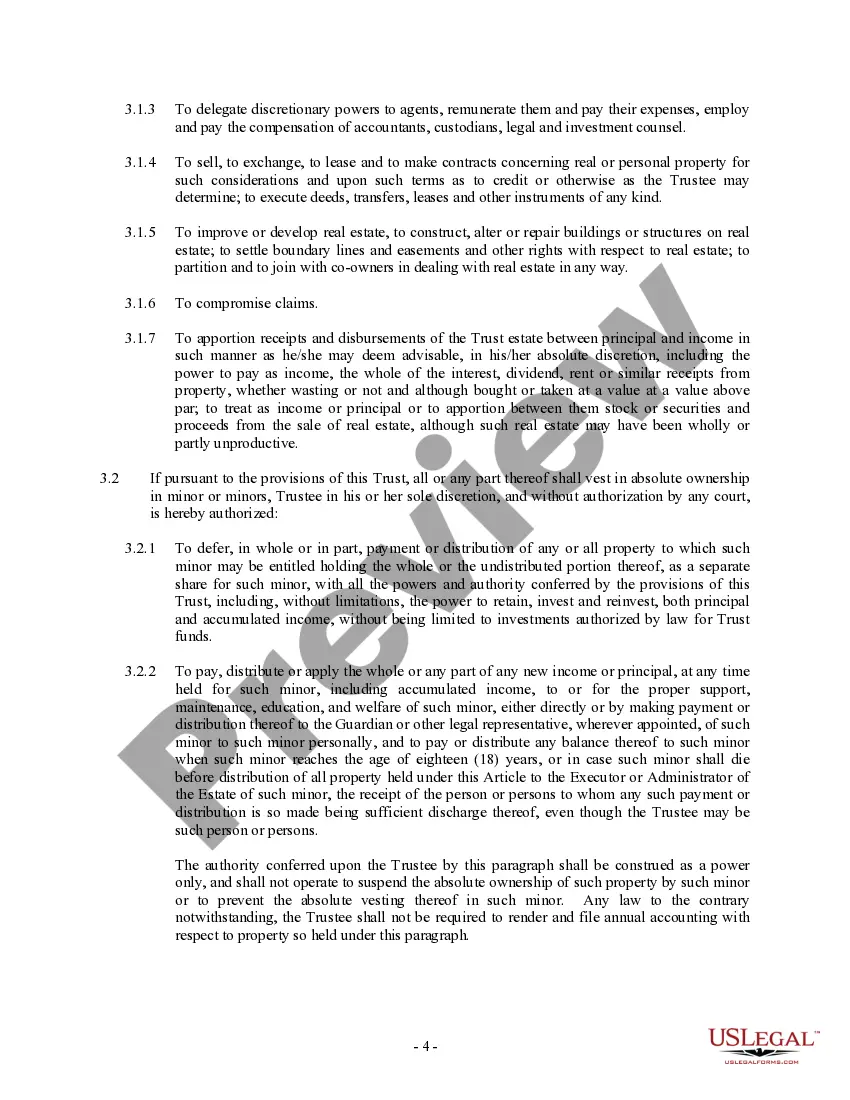
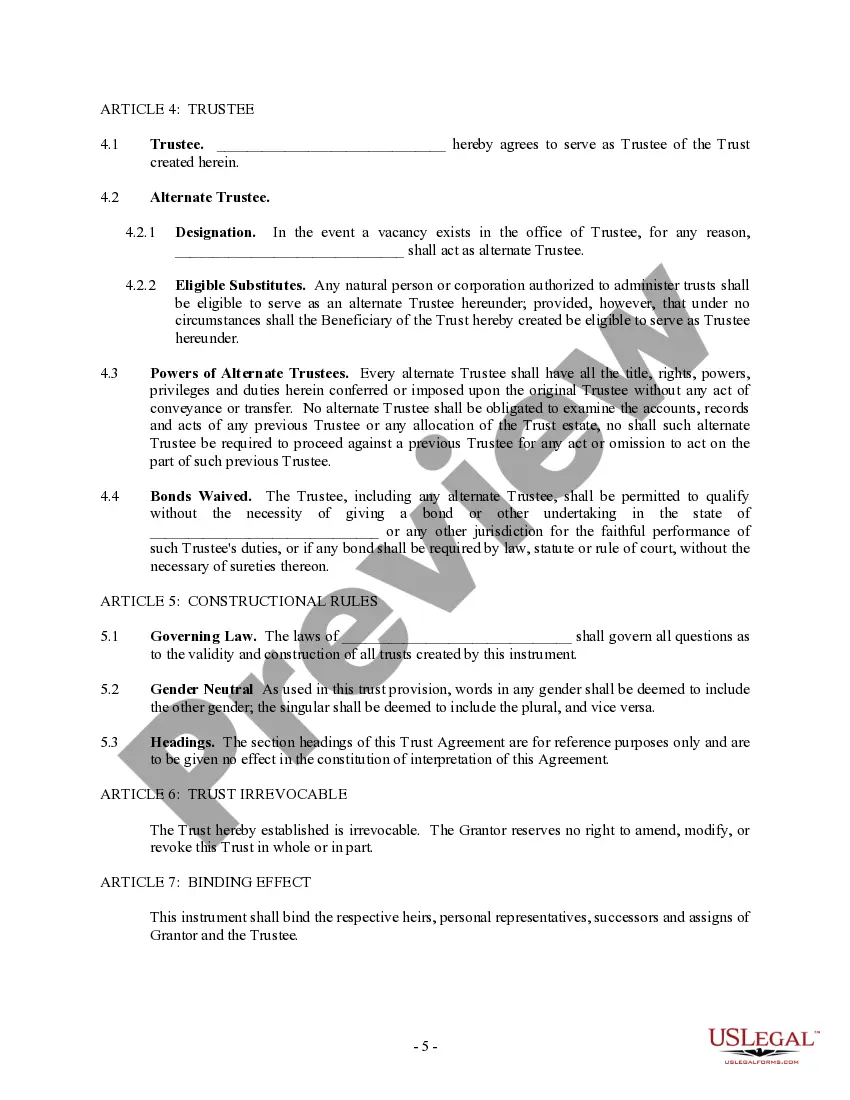
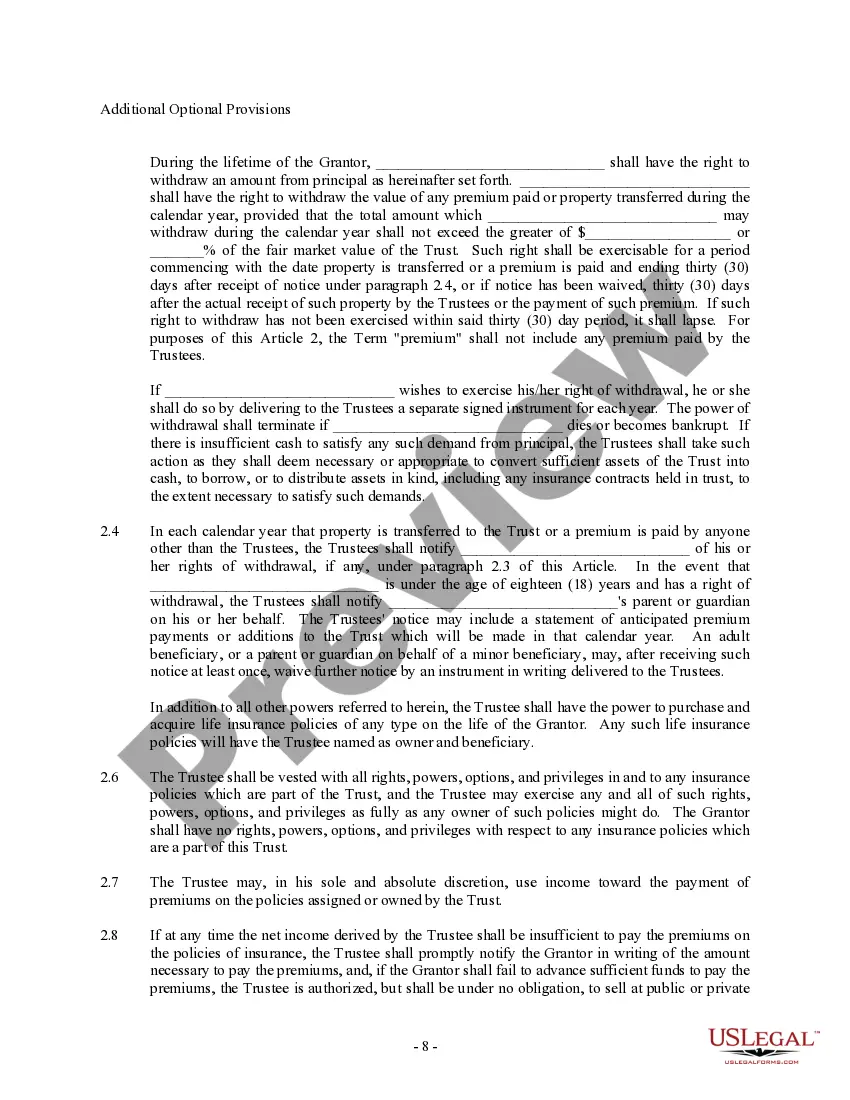


Get your form ready online
Our built-in tools help you complete, sign, share, and store your documents in one place.
Make edits, fill in missing information, and update formatting in US Legal Forms—just like you would in MS Word.
Download a copy, print it, send it by email, or mail it via USPS—whatever works best for your next step.
Sign and collect signatures with our SignNow integration. Send to multiple recipients, set reminders, and more. Go Premium to unlock E-Sign.
If this form requires notarization, complete it online through a secure video call—no need to meet a notary in person or wait for an appointment.
We protect your documents and personal data by following strict security and privacy standards.

Make edits, fill in missing information, and update formatting in US Legal Forms—just like you would in MS Word.

Download a copy, print it, send it by email, or mail it via USPS—whatever works best for your next step.

Sign and collect signatures with our SignNow integration. Send to multiple recipients, set reminders, and more. Go Premium to unlock E-Sign.

If this form requires notarization, complete it online through a secure video call—no need to meet a notary in person or wait for an appointment.

We protect your documents and personal data by following strict security and privacy standards.
Looking for another form?

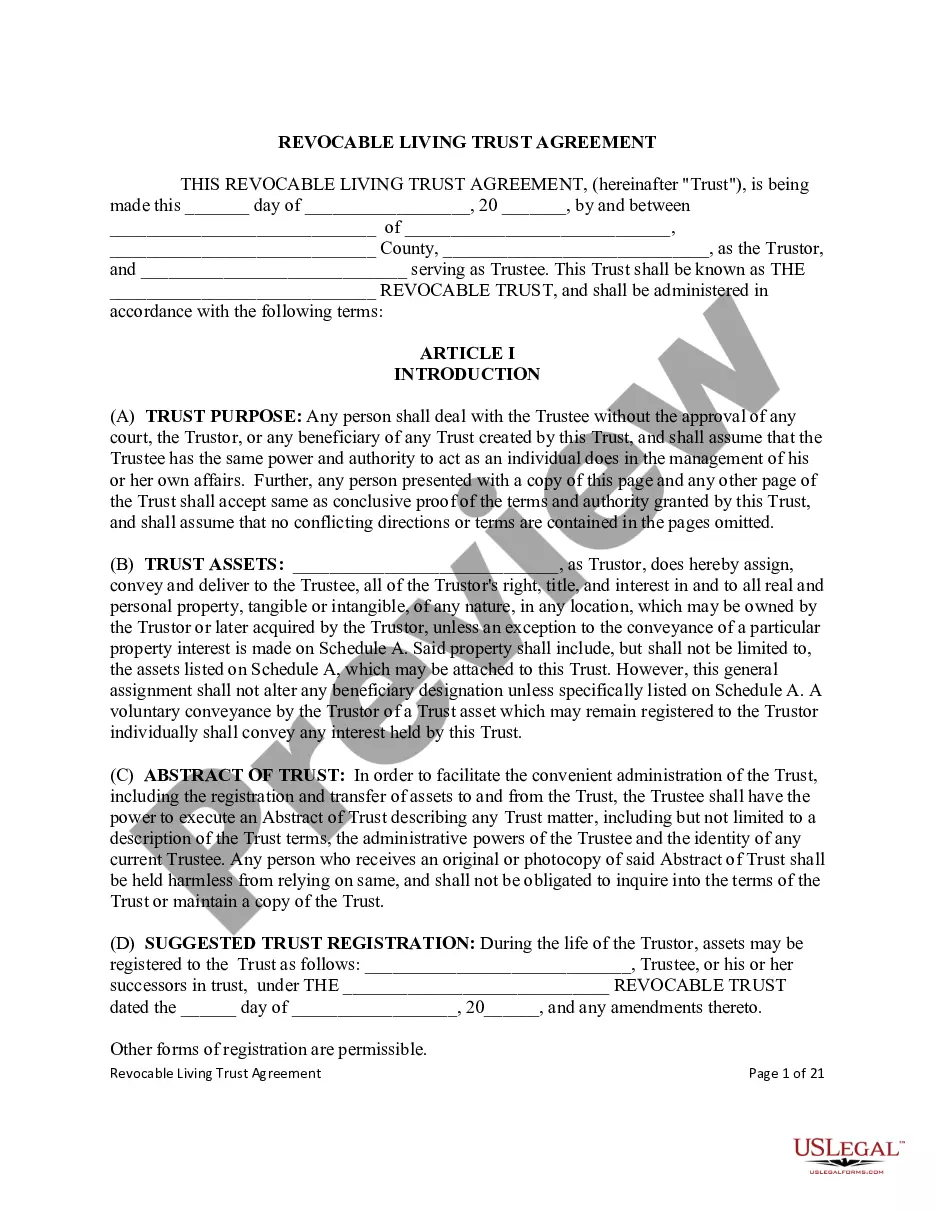

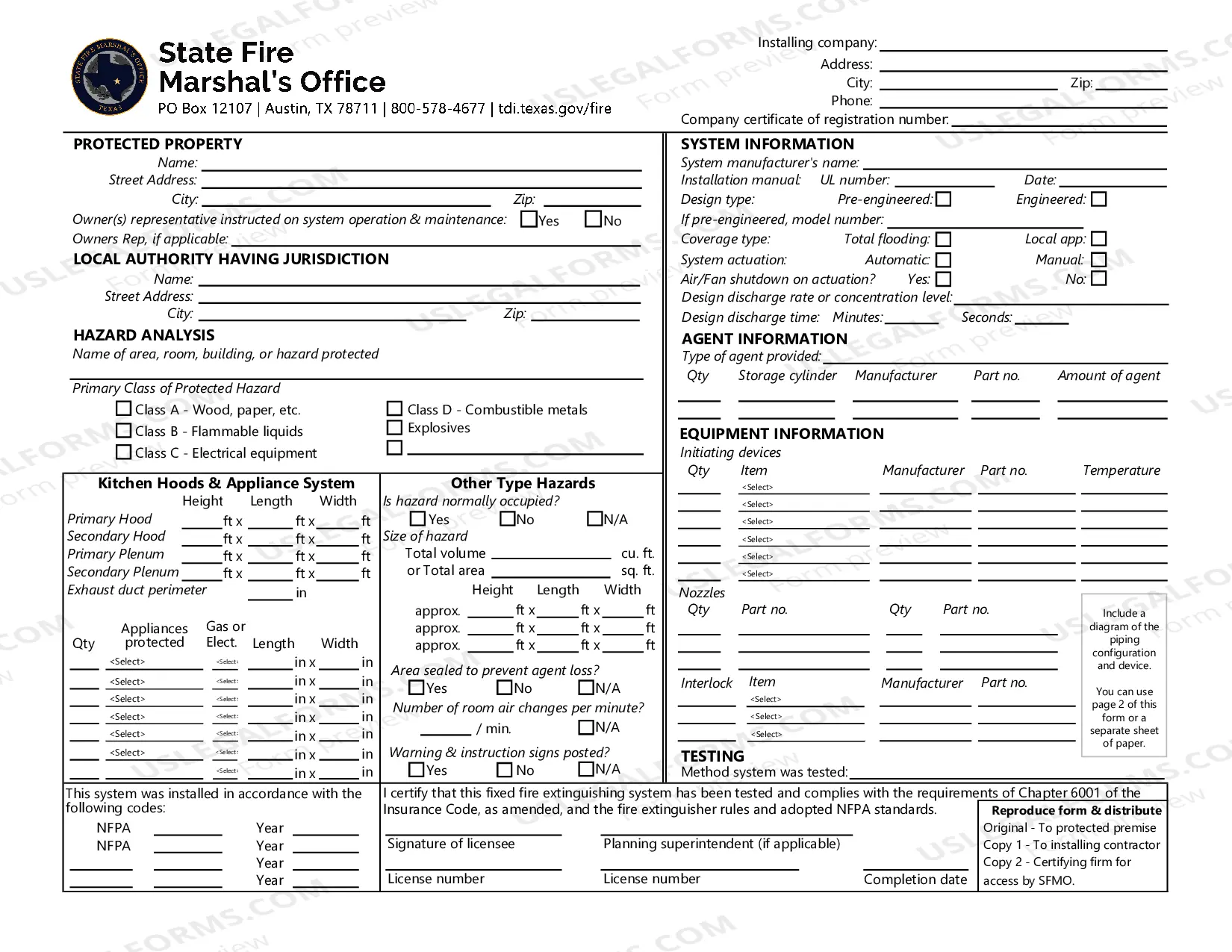




How to fill out Trust Agreement - Family Special Needs?
It’s clear that you cannot instantly become a legal authority, nor can you swiftly understand how to effectively draft Special Needs Trust Form 1041 For 2023 without having a specialized background.
Formulating legal documents is a labor-intensive task that necessitates specific training and expertise. Therefore, why not entrust the creation of the Special Needs Trust Form 1041 For 2023 to the professionals.
With US Legal Forms, which boasts one of the largest collections of legal documents, you can access everything from court filings to templates for internal business communication. We recognize the importance of adhering to federal and local laws and regulations.
Select Buy now. Once the payment is processed, you can download the Special Needs Trust Form 1041 For 2023, fill it out, print it, and send or mail it to the appropriate individuals or organizations.
You can regain access to your forms from the My documents section at any time. If you are an existing client, you can simply Log In and find and download the template from the same section.
- Here’s how you can begin with our website and obtain the form you need in just a few minutes.
- Find the form you need by utilizing the search bar at the top of the page.
- Preview it (if this option is available) and review the supporting description to determine if Special Needs Trust Form 1041 For 2023 is what you require.
- Restart your search if you need a different form.
- Create a free account and choose a subscription plan to purchase the form.
Form popularity
FAQ
In the case of third party special needs trusts, if the trust is considered a grantor trust, all items of income, deduction and credit are generally taxed to the individual(s) who created and funded the trust (typically parents or other relatives of the individual with a disability).
It is important to remember that the SNT cannot deduct expenses like rent and food. Deductions can be for medical care, custodial care, support services, and similar care not provided by public benefits programs.
A Special Needs Trust must have its own Federal Identification Number (also called an Employer Identification Number, EIN, Tax Identification Number, or TIN) to be valid. This unique number means that the Trust is its own entity, and that it does not belong to anyone but itself.
Whether or not you need an EIN for a trust depends on the type of trust. Generally, grantor revocable trusts do not need an EIN. Any income taxes from a revocable trust is reported via the grantor's SSN since the grantor can revoke the trust at any time and regain possession of the property.
The default exemption for a trust is $100, while a trust that is required to distribute all its income can qualify for a $300 exemption. In 2022, a qualified disability trust is allowed a $4,400 exemption. The increased exemption becomes critical given the design of most qualified disability trusts.