Sample Trust Financial Statements With Answers
Description
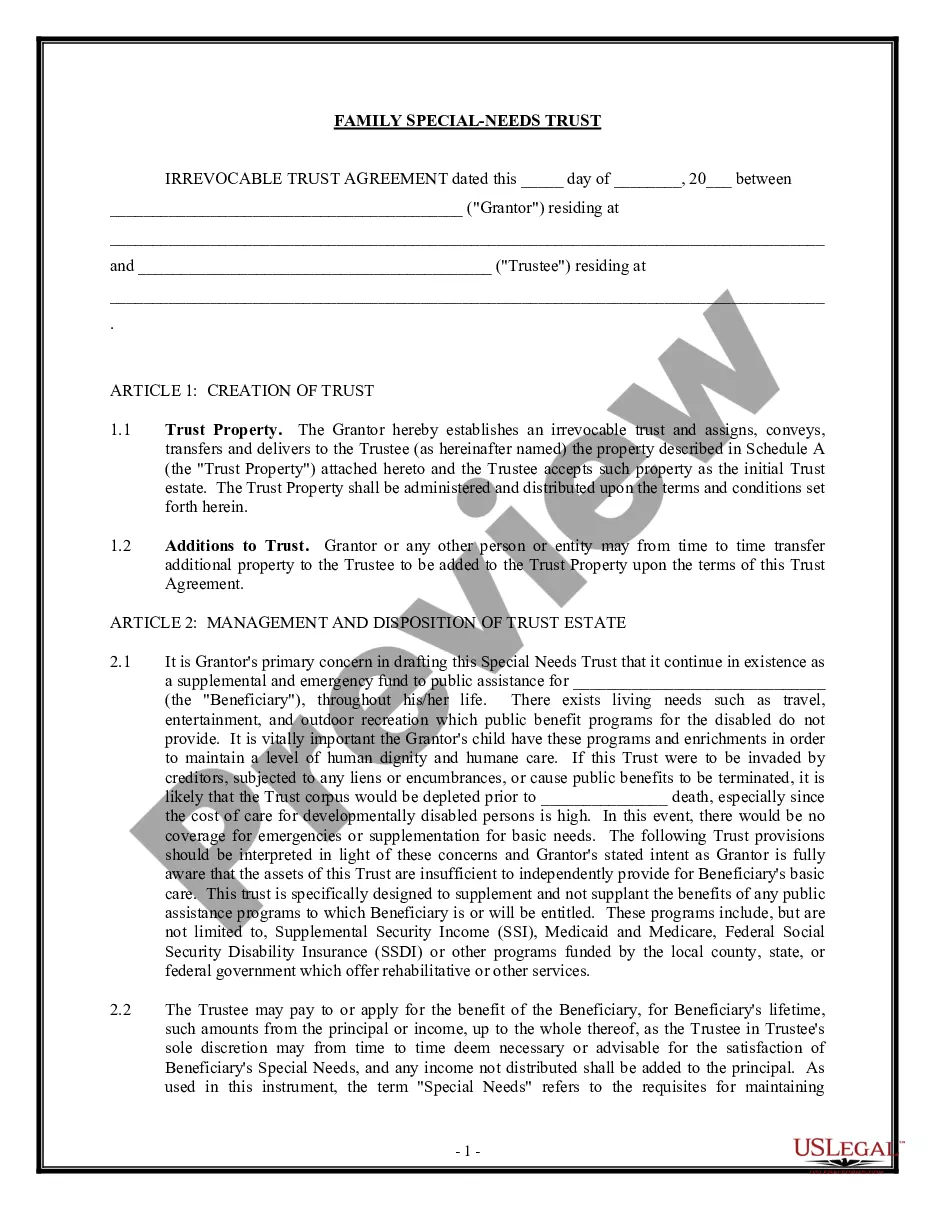
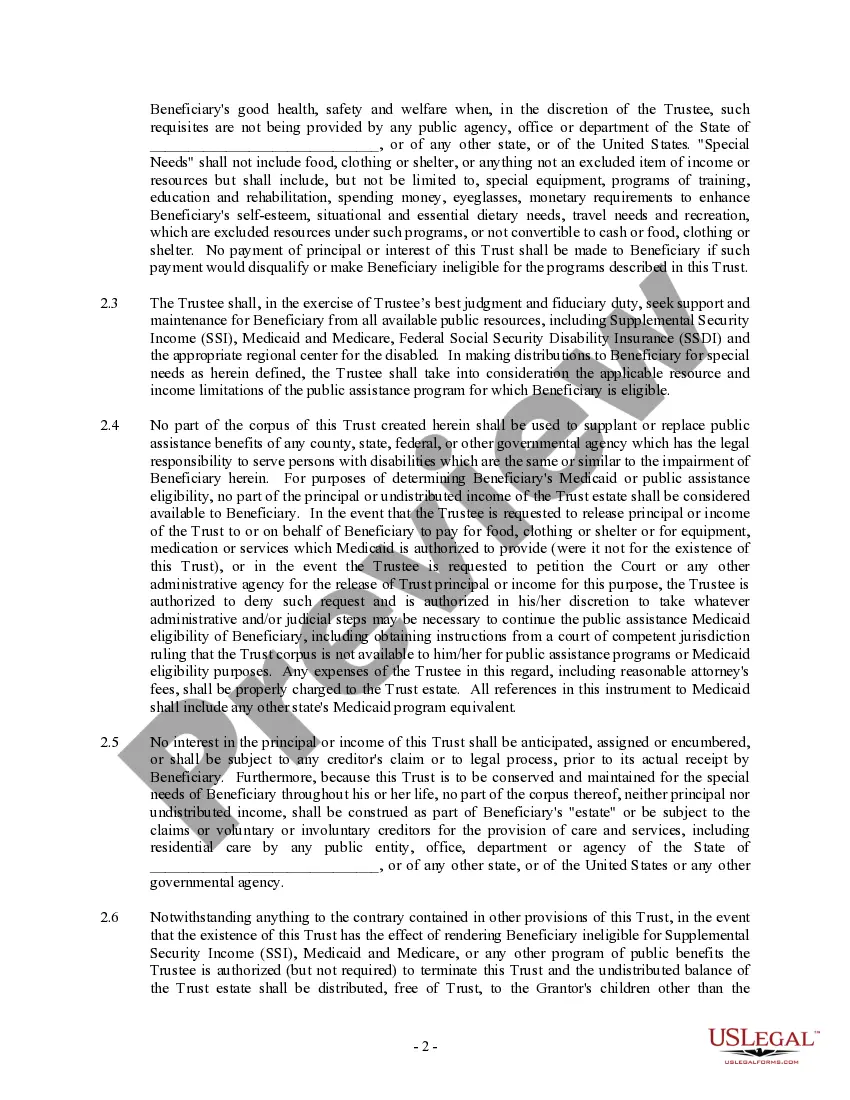
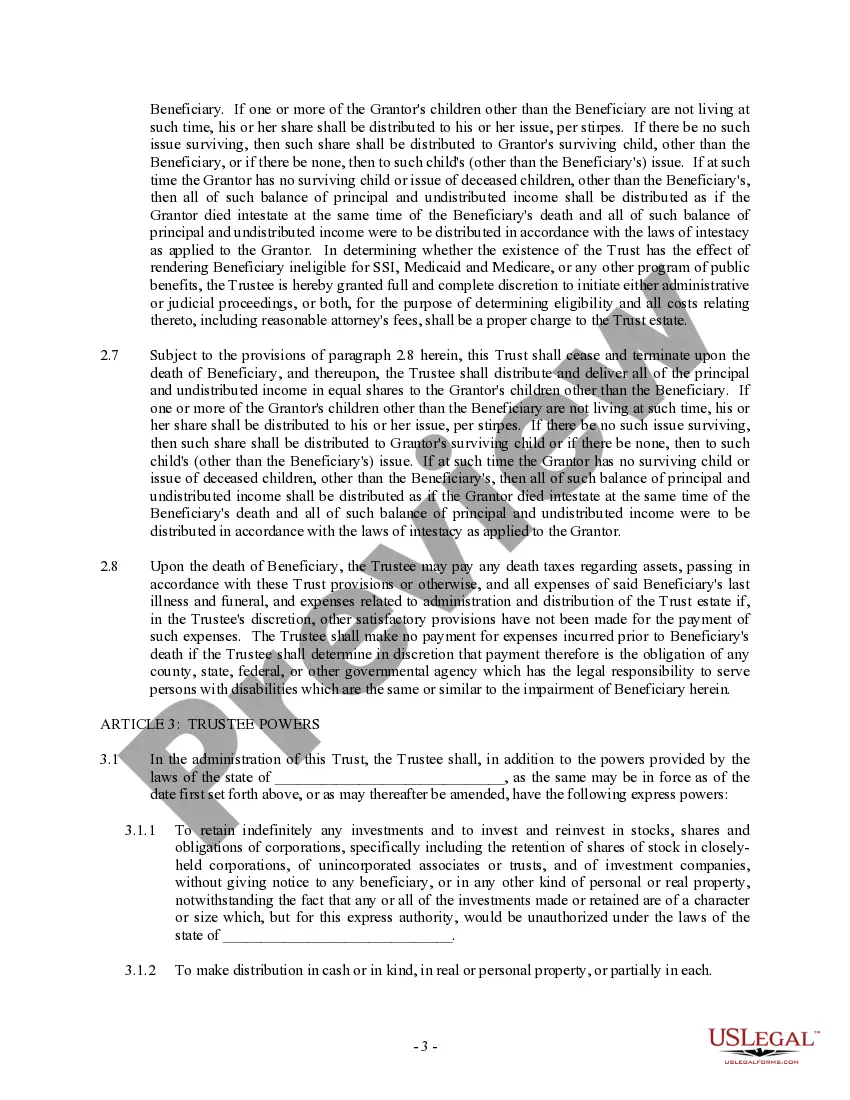
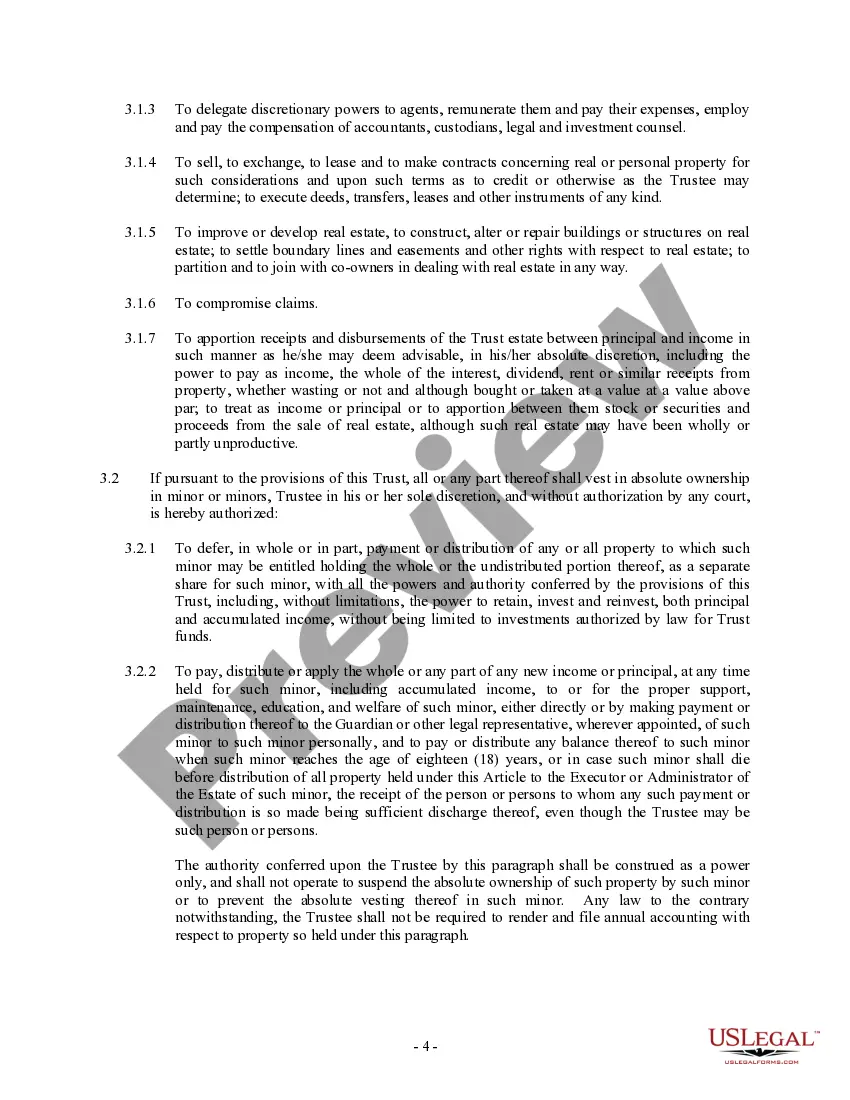


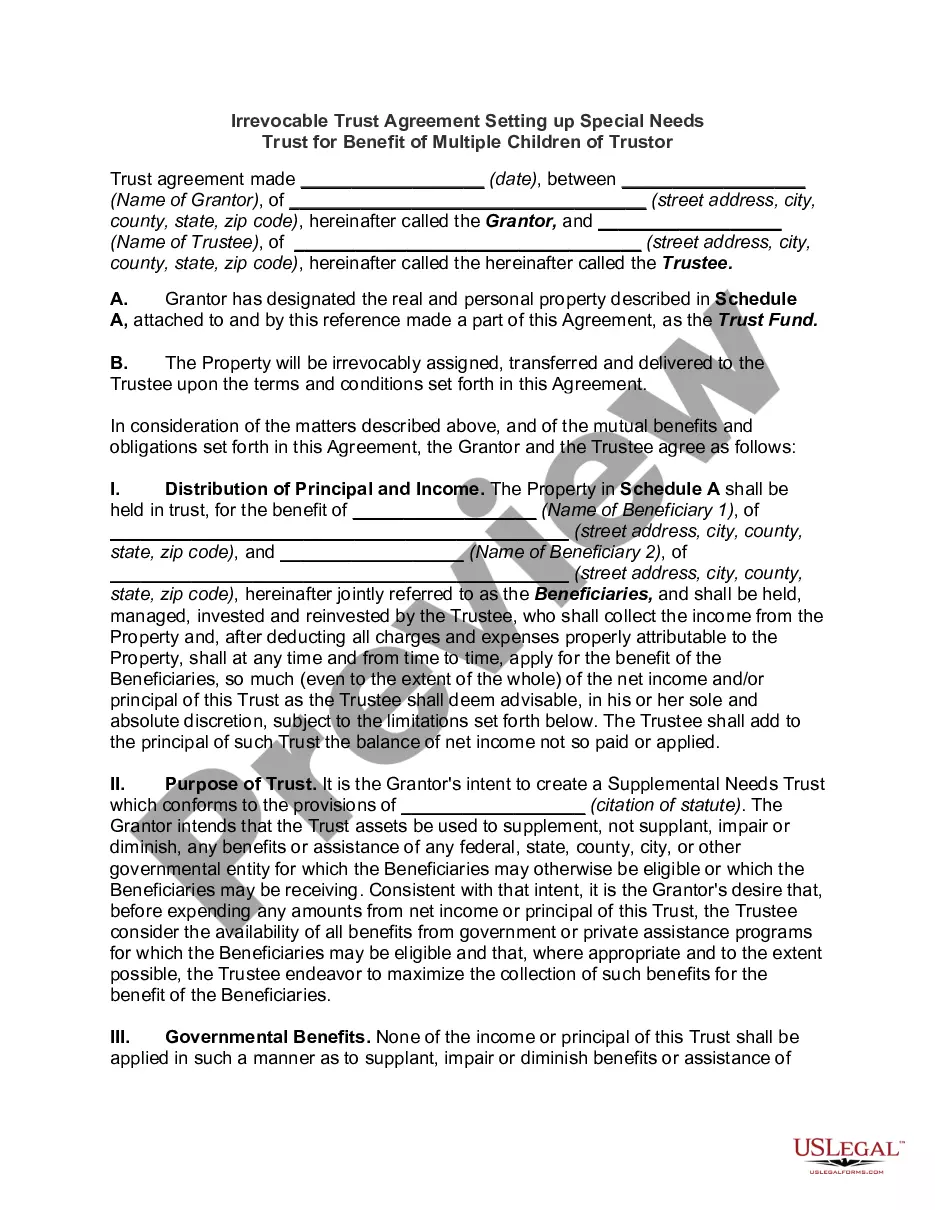
Get your form ready online
Our built-in tools help you complete, sign, share, and store your documents in one place.
Make edits, fill in missing information, and update formatting in US Legal Forms—just like you would in MS Word.
Download a copy, print it, send it by email, or mail it via USPS—whatever works best for your next step.
Sign and collect signatures with our SignNow integration. Send to multiple recipients, set reminders, and more. Go Premium to unlock E-Sign.
If this form requires notarization, complete it online through a secure video call—no need to meet a notary in person or wait for an appointment.
We protect your documents and personal data by following strict security and privacy standards.

Make edits, fill in missing information, and update formatting in US Legal Forms—just like you would in MS Word.

Download a copy, print it, send it by email, or mail it via USPS—whatever works best for your next step.

Sign and collect signatures with our SignNow integration. Send to multiple recipients, set reminders, and more. Go Premium to unlock E-Sign.

If this form requires notarization, complete it online through a secure video call—no need to meet a notary in person or wait for an appointment.

We protect your documents and personal data by following strict security and privacy standards.
Looking for another form?






How to fill out Trust Agreement - Family Special Needs?
Creating legal documents from the ground up can frequently be daunting.
Certain situations may require extensive research and significant financial investment.
If you’re in search of a more direct and budget-friendly method of generating Sample Trust Financial Statements With Answers or other documents without excessive hassle, US Legal Forms is always available to assist.
Our online library of over 85,000 current legal forms covers nearly every aspect of your financial, legal, and personal affairs. With just a few clicks, you can swiftly obtain state- and county-compliant documents meticulously prepared by our legal professionals.
US Legal Forms boasts an impeccable reputation and over 25 years of experience. Join us today and simplify the document completion process into something efficient and straightforward!
- Utilize our website whenever you require a dependable and trustworthy service to quickly find and download Sample Trust Financial Statements With Answers.
- If you’re already familiar with our site and have previously registered an account, simply Log In to your account, find the form, and download it, or re-download it at any time in the My documents section.
- Don’t have an account? No worries. Setting it up takes minimal time, allowing you to browse the library.
- However, before proceeding to download Sample Trust Financial Statements With Answers, adhere to these guidelines.
- Review the form preview and descriptions to ensure you’ve located the form you need.
Form popularity
FAQ
Filling out a personal financial statement requires careful attention to detail. Start by listing all your assets, including bank accounts, investments, and property. Next, outline your liabilities, such as loans and credit card debts. By comparing these figures, you can gain insights into your financial health. For those seeking guidance, our platform offers sample trust financial statements with answers, making it easier for you to navigate the process.
Yes, preparing financial statements for a trust is essential to maintain transparency and accountability. These statements offer a detailed view of the trust's financial health, ensuring that beneficiaries understand how assets are managed. Sample trust financial statements with answers can provide you with a framework to create your statements, helping you meet legal requirements and fulfill fiduciary duties.
Accounting for a trust involves tracking all financial transactions, including income, expenses, and distributions to beneficiaries. It should reflect the trust's financial position accurately and provide a clear view of its operations. Utilizing sample trust financial statements with answers can guide you in effectively categorizing and reporting these transactions, ensuring compliance and transparency.
Yes, a trustee is generally required to provide accounting to beneficiaries. This includes sharing detailed records of the trust's income, expenses, and distributions. Providing sample trust financial statements with answers is essential for maintaining transparency and trust. If you're looking for comprehensive templates or guidance, uSLegalForms offers valuable resources to help you fulfill these obligations.
An accounting of a trust typically includes a detailed statement of all transactions over a specific period. It presents assets, income, expenses, and distributions in an organized format. To better understand this, consider looking at sample trust financial statements with answers, which can illustrate what these documents should include. This visualization can help build confidence in managing and reporting trust finances.
Preparing a trust accounting involves gathering all financial records related to the trust. You need to document any income received, expenses incurred, and distributions made to beneficiaries. Sample trust financial statements with answers can guide you through this process, ensuring you include all necessary details. This systematic approach provides clarity and transparency for all parties involved.
The income statement, balance sheet, and statement of cash flows are required financial statements. These three statements are informative tools that traders can use to analyze a company's financial strength and provide a quick picture of a company's financial health and underlying value.
Lay out your income statement. Put the net sales on one line. Underneath that, put the cost of sales. ... Put the operating costs in general categories underneath the gross profit. ... Next, have a line each for the interest and the taxes. ... The final line should be the net income.
These guidelines recommend that the financial statements should comprise balance sheet, capital account, income statement and notes to the accounts. However, a system of double-entry bookkeeping should also be operated for the trust accounting. This will ensure that every transaction is transparent.
Trustees must provide financial statements that consist of: a statement of financial position setting out the assets, liabilities, and net assets of the trust as at the end of the return year, and.