Florida Special Needs Trust Form For Medicaid
Description


Get your form ready online
Our built-in tools help you complete, sign, share, and store your documents in one place.
Make edits, fill in missing information, and update formatting in US Legal Forms—just like you would in MS Word.
Download a copy, print it, send it by email, or mail it via USPS—whatever works best for your next step.
Sign and collect signatures with our SignNow integration. Send to multiple recipients, set reminders, and more. Go Premium to unlock E-Sign.
If this form requires notarization, complete it online through a secure video call—no need to meet a notary in person or wait for an appointment.
We protect your documents and personal data by following strict security and privacy standards.

Make edits, fill in missing information, and update formatting in US Legal Forms—just like you would in MS Word.

Download a copy, print it, send it by email, or mail it via USPS—whatever works best for your next step.

Sign and collect signatures with our SignNow integration. Send to multiple recipients, set reminders, and more. Go Premium to unlock E-Sign.

If this form requires notarization, complete it online through a secure video call—no need to meet a notary in person or wait for an appointment.

We protect your documents and personal data by following strict security and privacy standards.
Looking for another form?







How to fill out Trust Agreement - Family Special Needs?
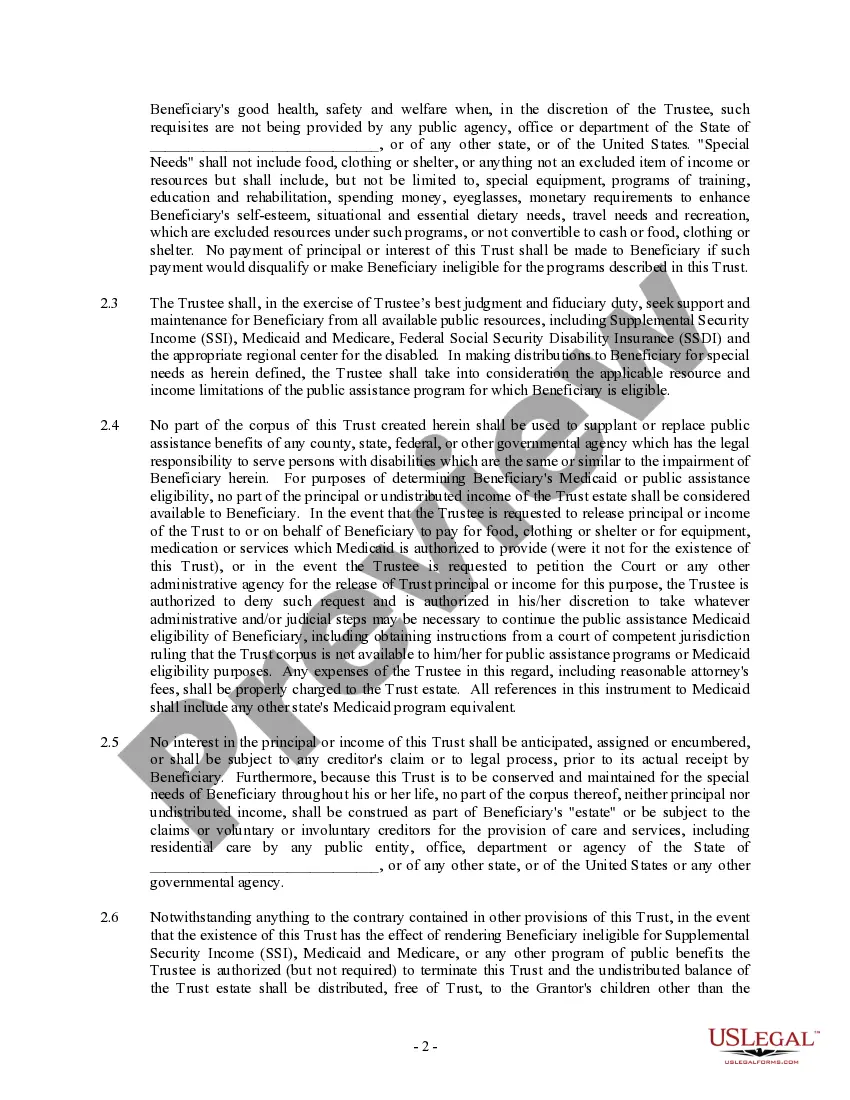
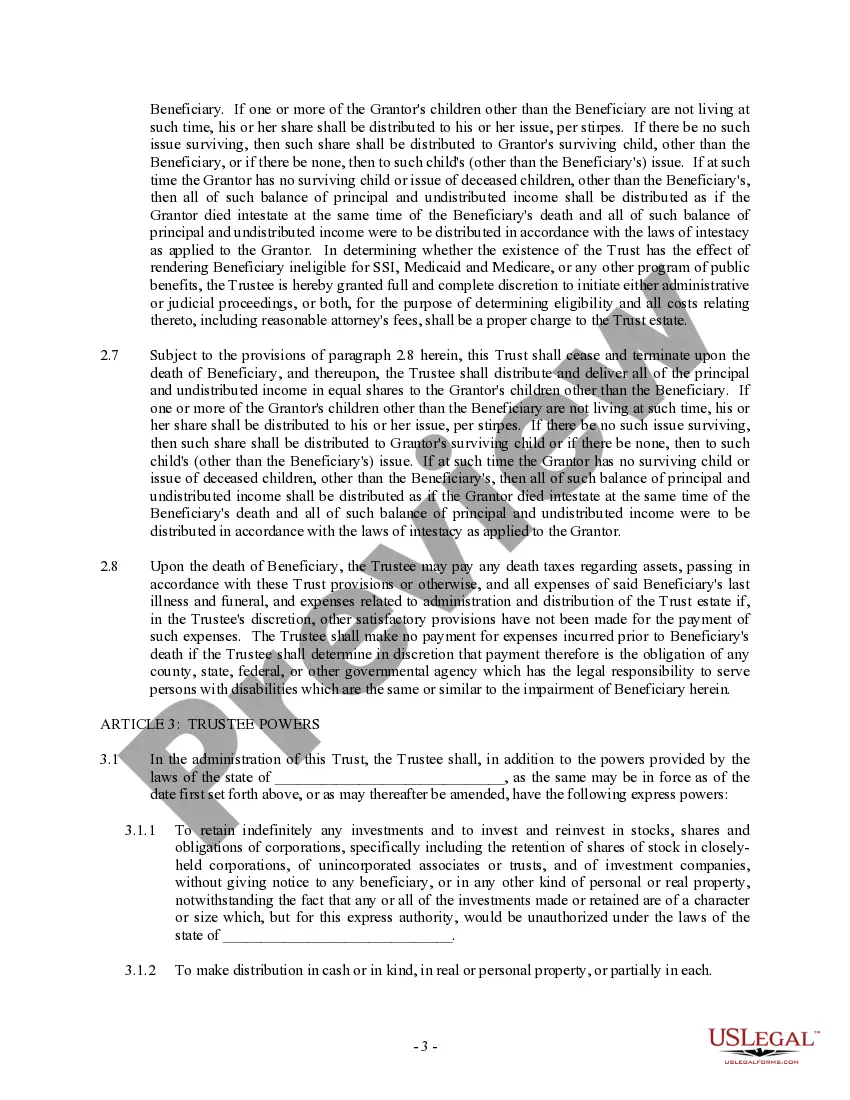
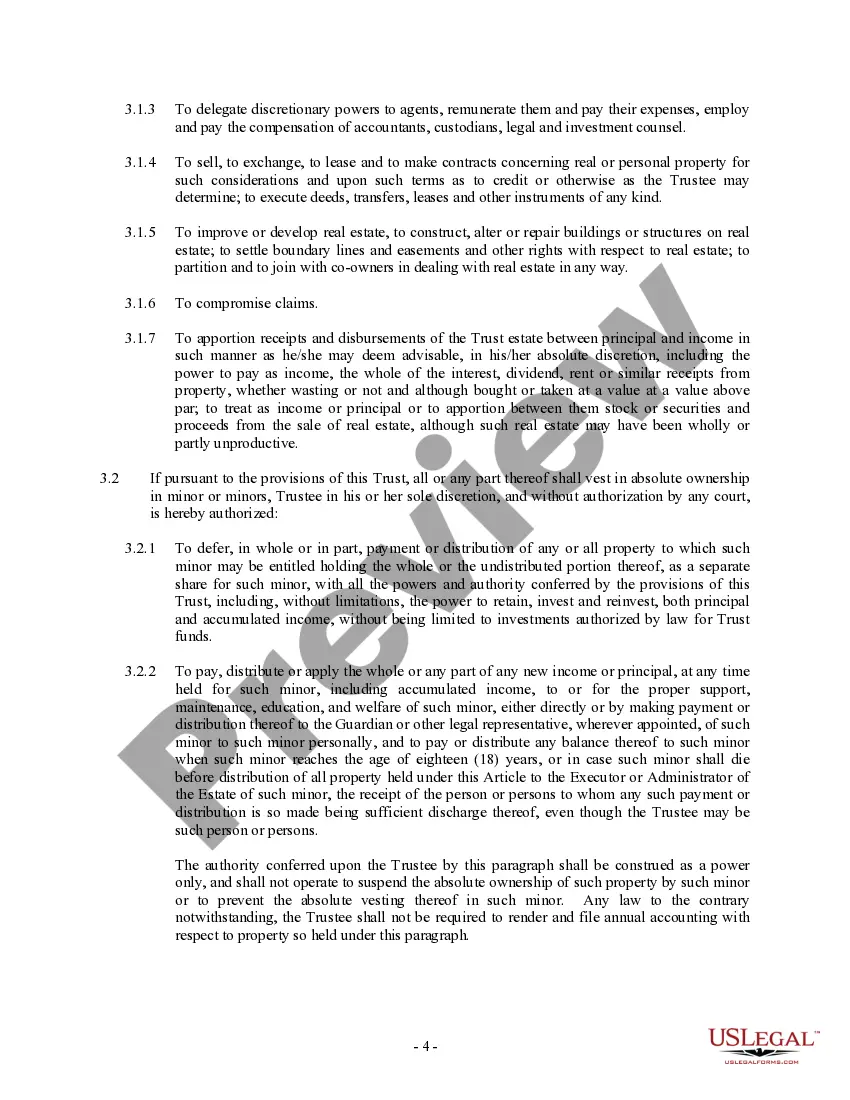
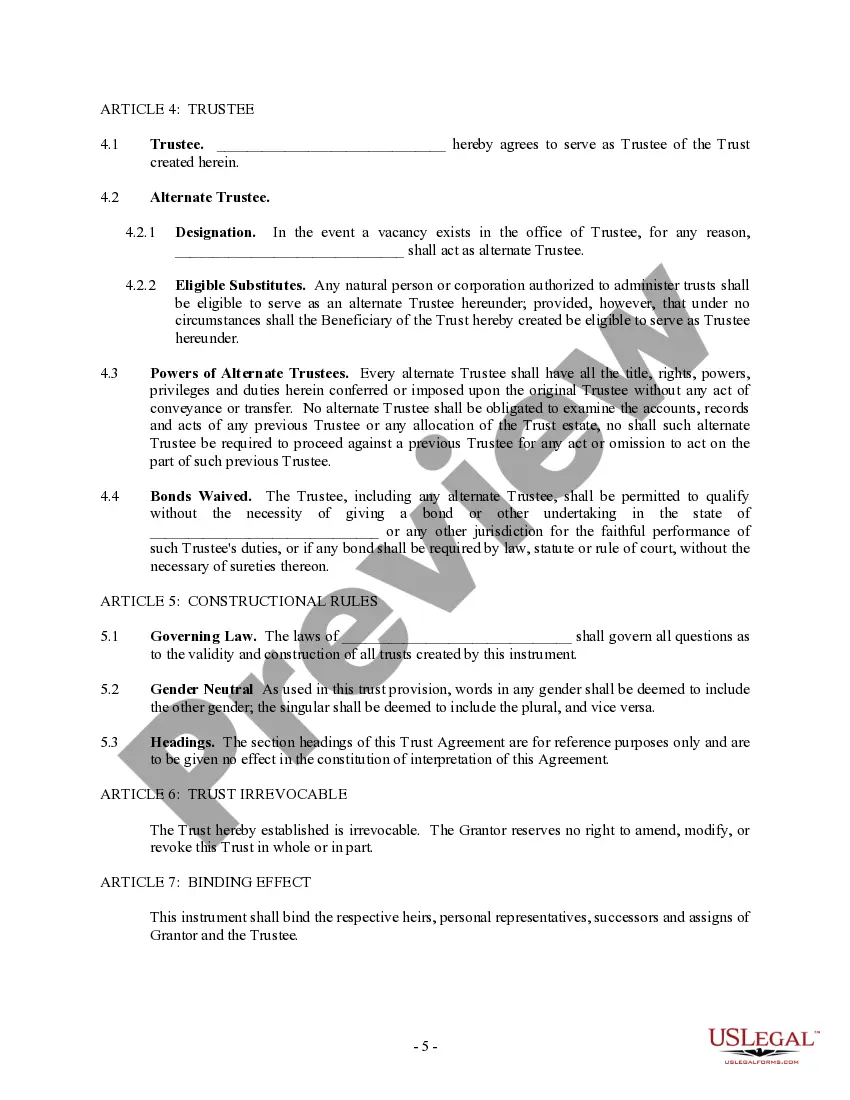
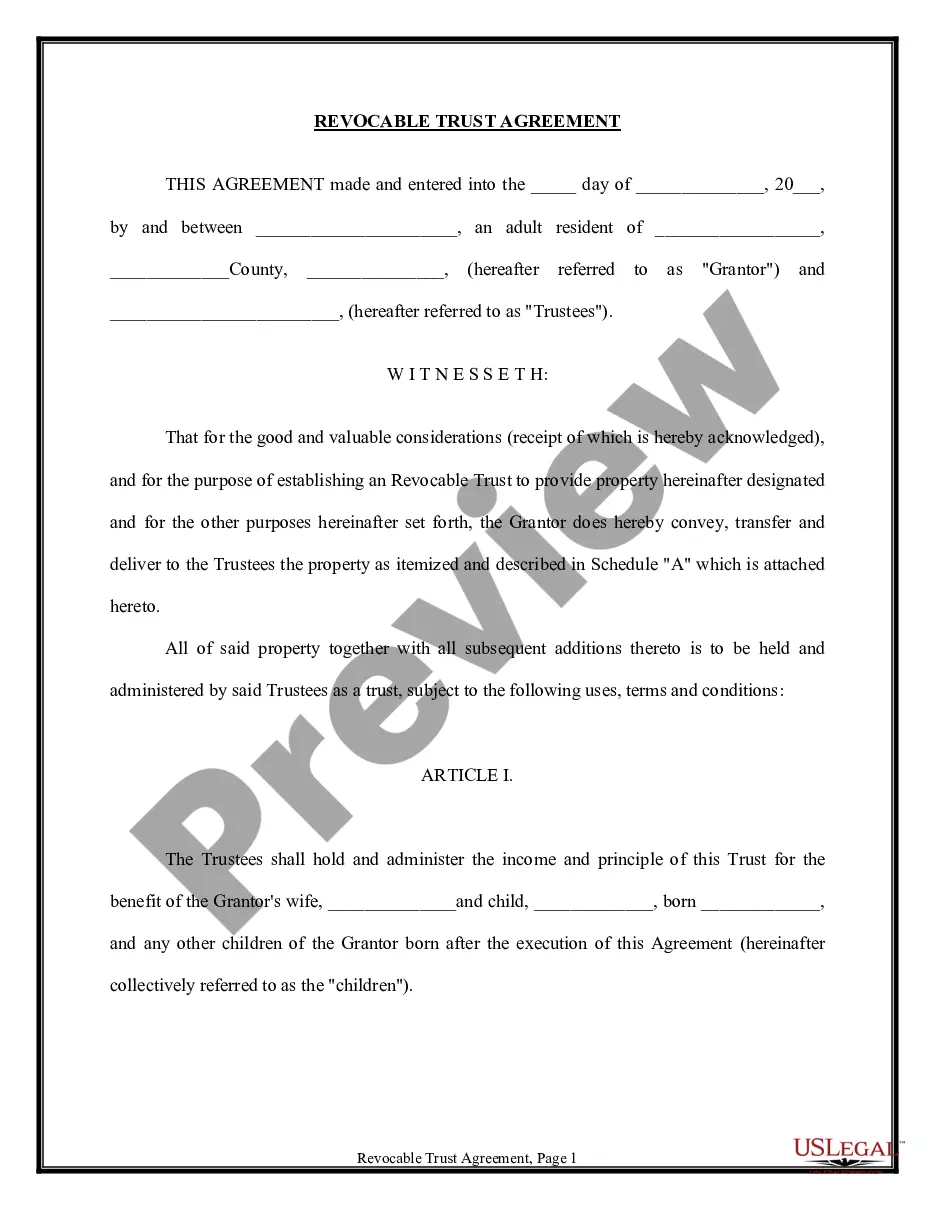
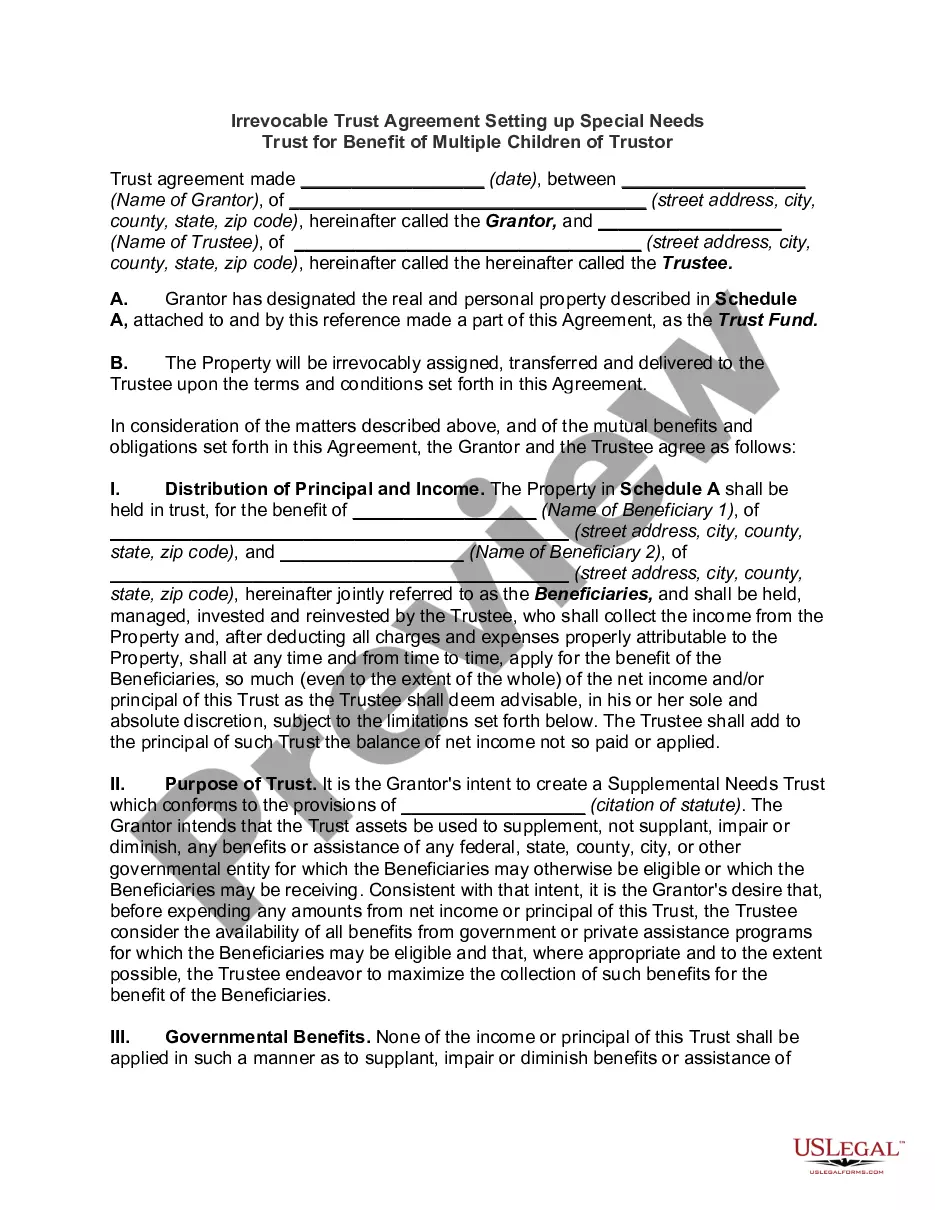
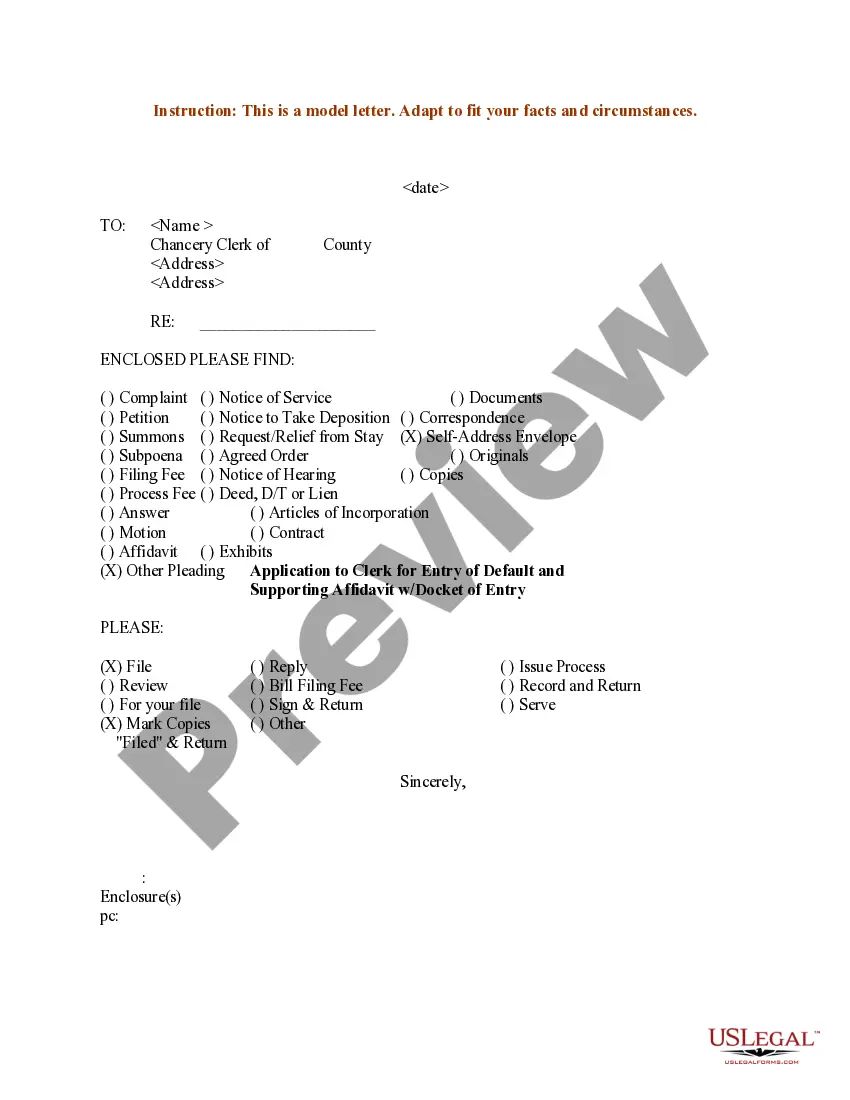
The Florida Special Needs Trust Document For Medicaid that you encounter on this webpage is a versatile legal template created by experienced attorneys in accordance with federal and state regulations.
For over 25 years, US Legal Forms has assisted individuals, organizations, and legal practitioners with more than 85,000 validated, state-specific documents for any commercial and personal scenario. It’s the fastest, simplest, and most reliable method to acquire the forms you require, as the service promises the utmost level of data security and anti-malware safeguards.
Register for US Legal Forms to have authenticated legal templates for all of life’s situations instantly available.
- Search for the document you require and verify it.
- Browse through the file you searched and preview it or review the form description to confirm it meets your needs. If it doesn't, utilize the search bar to find the appropriate one. Click Buy Now once you have identified the template you require.
- Subscribe and Log In.
- Choose the pricing plan that fits you best and create an account. Use PayPal or a credit card to make a prompt payment. If you already possess an account, Log In and check your subscription to continue.
- Obtain the fillable template.
- Select the format you desire for your Florida Special Needs Trust Document For Medicaid (PDF, Word, RTF) and save the sample onto your device.
- Complete and sign the paperwork.
- Print the template to fill it out manually. Alternatively, you can use an online multifunctional PDF editor to rapidly and accurately fill out and sign your document with an eSignature.
- Download your documents once more.
- Use the same file again whenever necessary. Access the My documents tab in your profile to redownload any previously acquired forms.
Form popularity
FAQ
To qualify for Medicaid with a trust, you should consider setting up a Florida special needs trust form for Medicaid. This trust allows you to retain assets without jeopardizing your eligibility for benefits. It's essential to comply with state regulations regarding asset limits and income qualifications. Using a reliable platform like US Legal Forms can simplify the process of creating this trust and ensuring it meets all necessary requirements.
A special needs trust in Florida is a financial tool designed to ensure individuals with disabilities can receive support without losing government benefits. The trust holds assets for the benefit of the individual while allowing them to maintain Medicaid and other essential services. When creating a special needs trust, consider using a Florida special needs trust form for Medicaid to streamline the process and ensure compliance.
A special needs trust can enhance your loved one's life without affecting their Medicaid benefits, provided it complies with legal standards. This trust allows beneficiaries to receive additional resources for their care without risking their eligibility for essential government assistance. Using a Florida special needs trust form for Medicaid ensures that the trust is properly established to provide these benefits.
Yes, a well-structured trust can protect assets from Medicaid in Florida, particularly if it is a special needs trust designed for this purpose. This type of trust allows individuals to preserve their inheritance while ensuring their loved ones still qualify for benefits. A Florida special needs trust form for Medicaid can help you navigate the complexities of asset protection effectively.
You can put certain assets in a trust to comply with Medicaid requirements, but this must be done with caution. Transferring assets is tightly regulated, and improper transfers can lead to penalties. When creating a trust, utilizing a Florida special needs trust form for Medicaid ensures you follow the necessary guidelines to maintain eligibility.
Several assets are typically exempt from Medicaid recovery, such as a primary residence, personal belongings, and certain life insurance policies. Additionally, funds held in a properly established special needs trust can remain exempt. Using a Florida special needs trust form for Medicaid can help retain assets while ensuring your loved one receives the care they need.
In general, a properly designed special needs trust does not affect Medicaid eligibility. The funds in the trust can supplement care without jeopardizing your benefits. It is crucial to use a Florida special needs trust form for Medicaid that adheres to regulations, ensuring that your loved one retains access to vital assistance while benefiting from additional resources.
The downside of a special needs trust can include costs and complexity in its creation and maintenance. Additionally, if not structured correctly, the trust may not fully protect your assets or may inadvertently impact eligibility for benefits. When considering a Florida special needs trust form for Medicaid, you should seek professional guidance to ensure it aligns with your financial goals.
While a Florida special needs trust form for Medicaid can provide significant benefits, there are some disadvantages to consider. First, setting up a Medicaid trust can be complex and may require legal assistance, which can incur costs. Additionally, assets transferred to the trust may take time to be fully available for your use, limiting your immediate access to those funds. Finally, there may be limitations on income and asset distribution, which can affect your financial planning.