First Party Special Needs Trust With Trust
Description

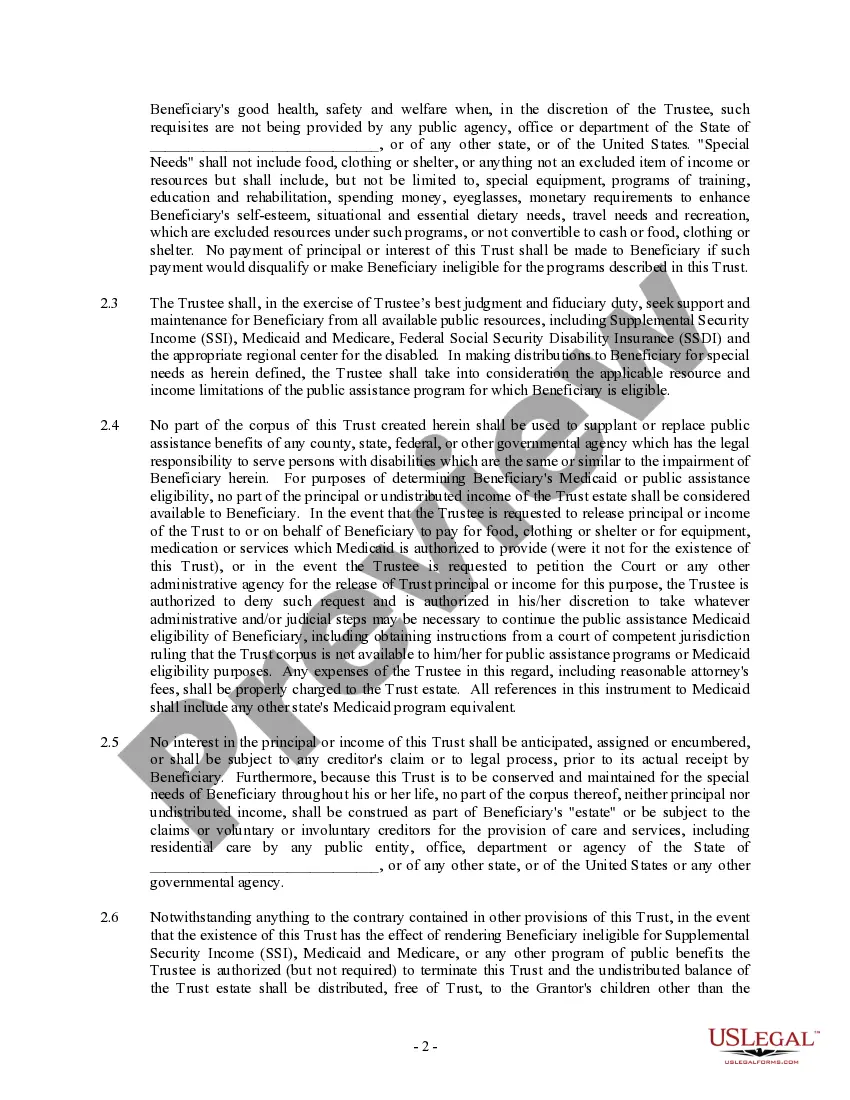
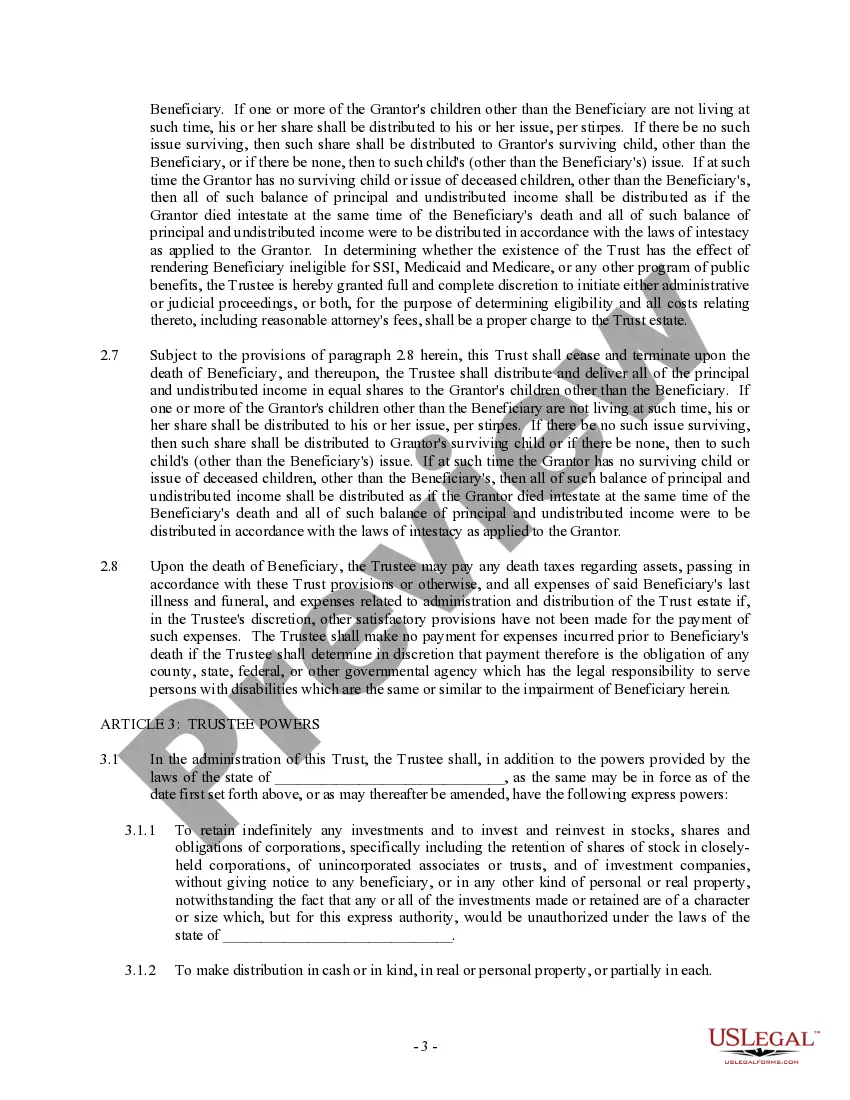
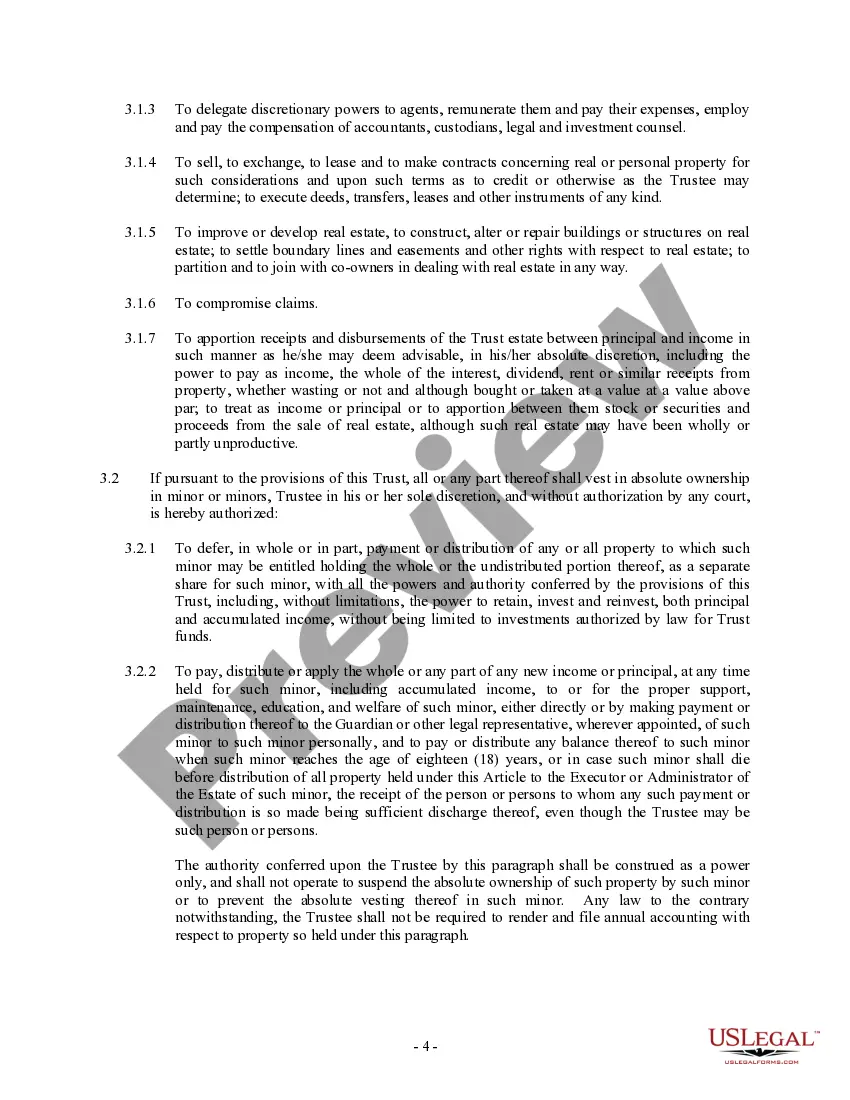
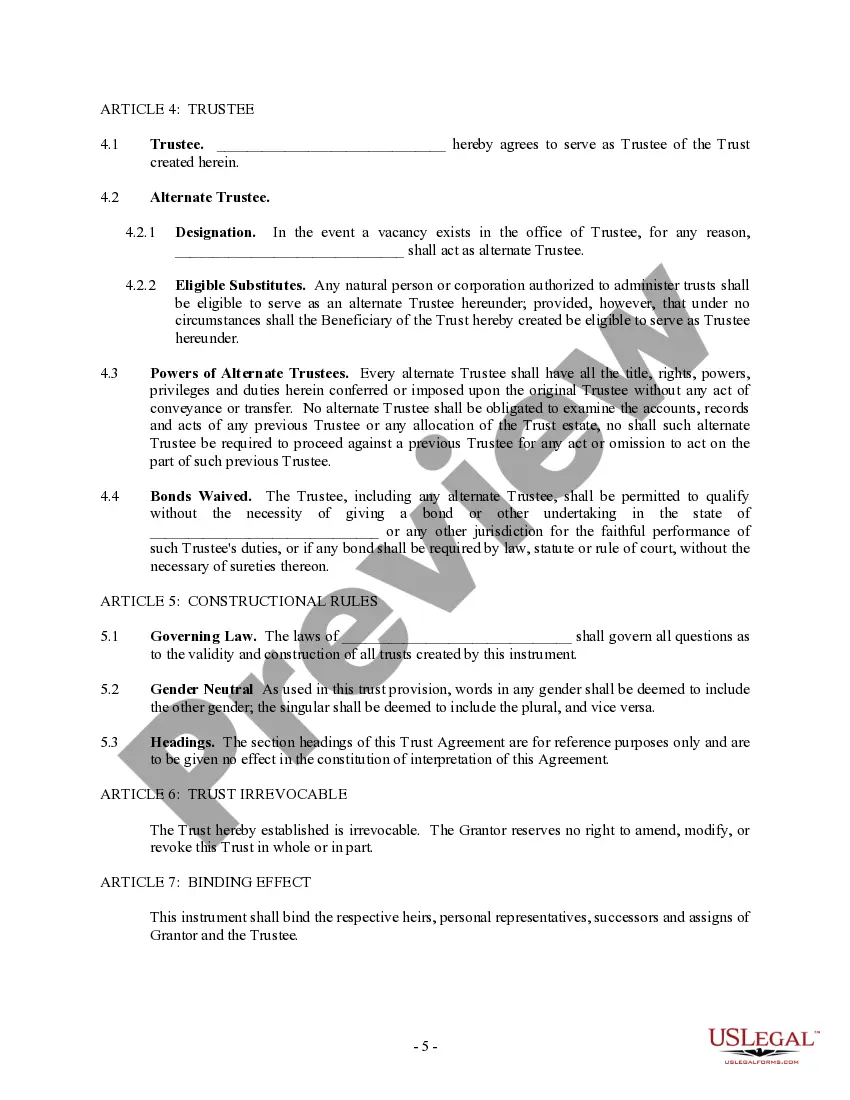


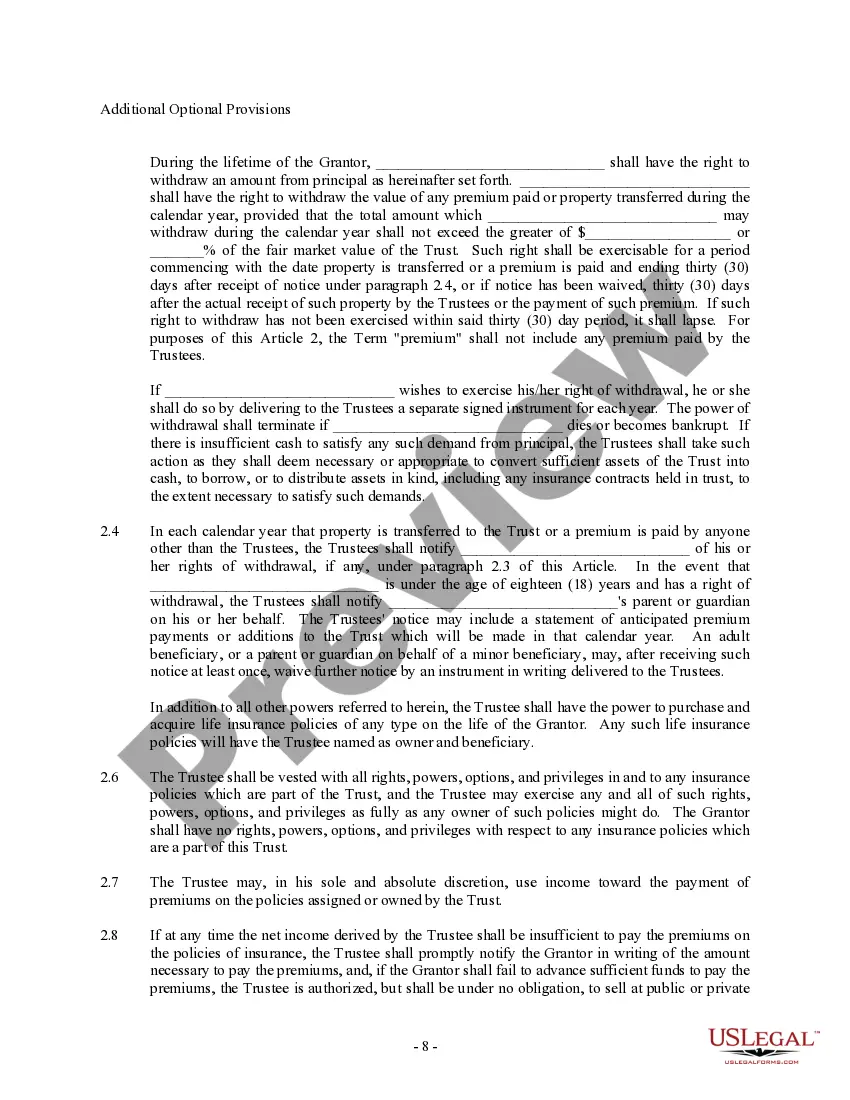
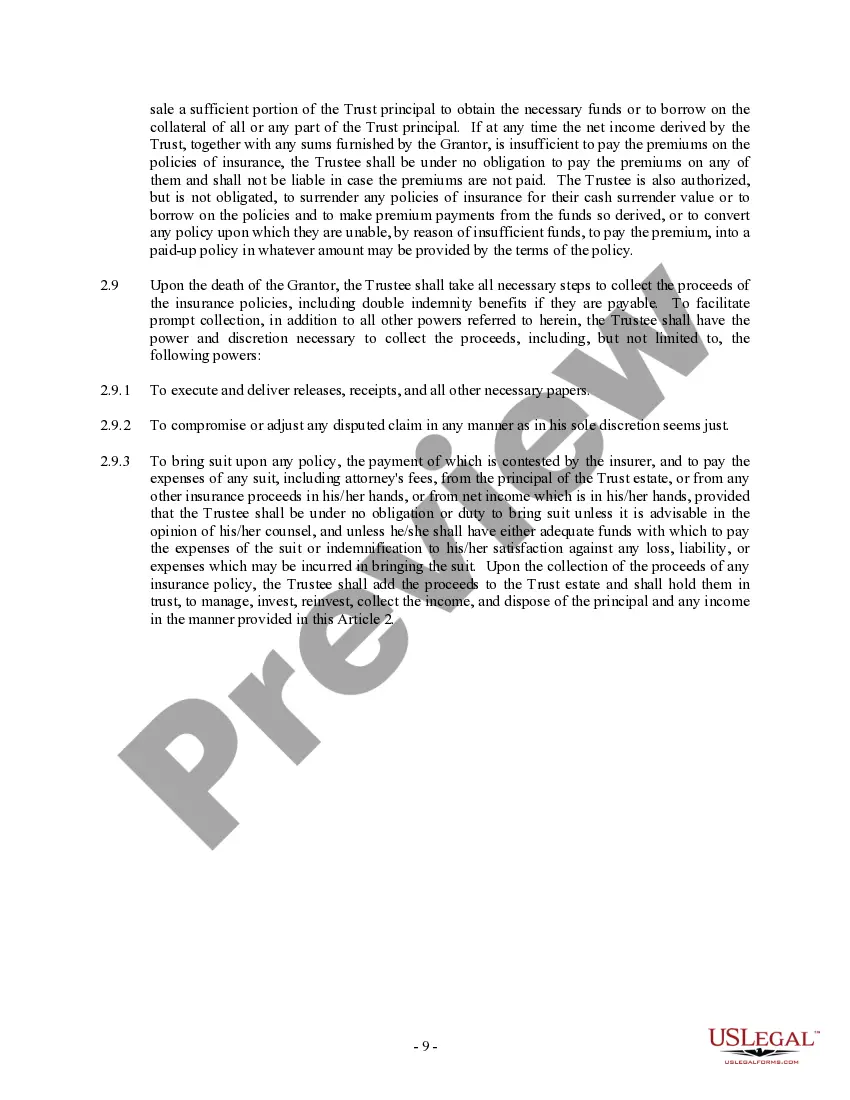
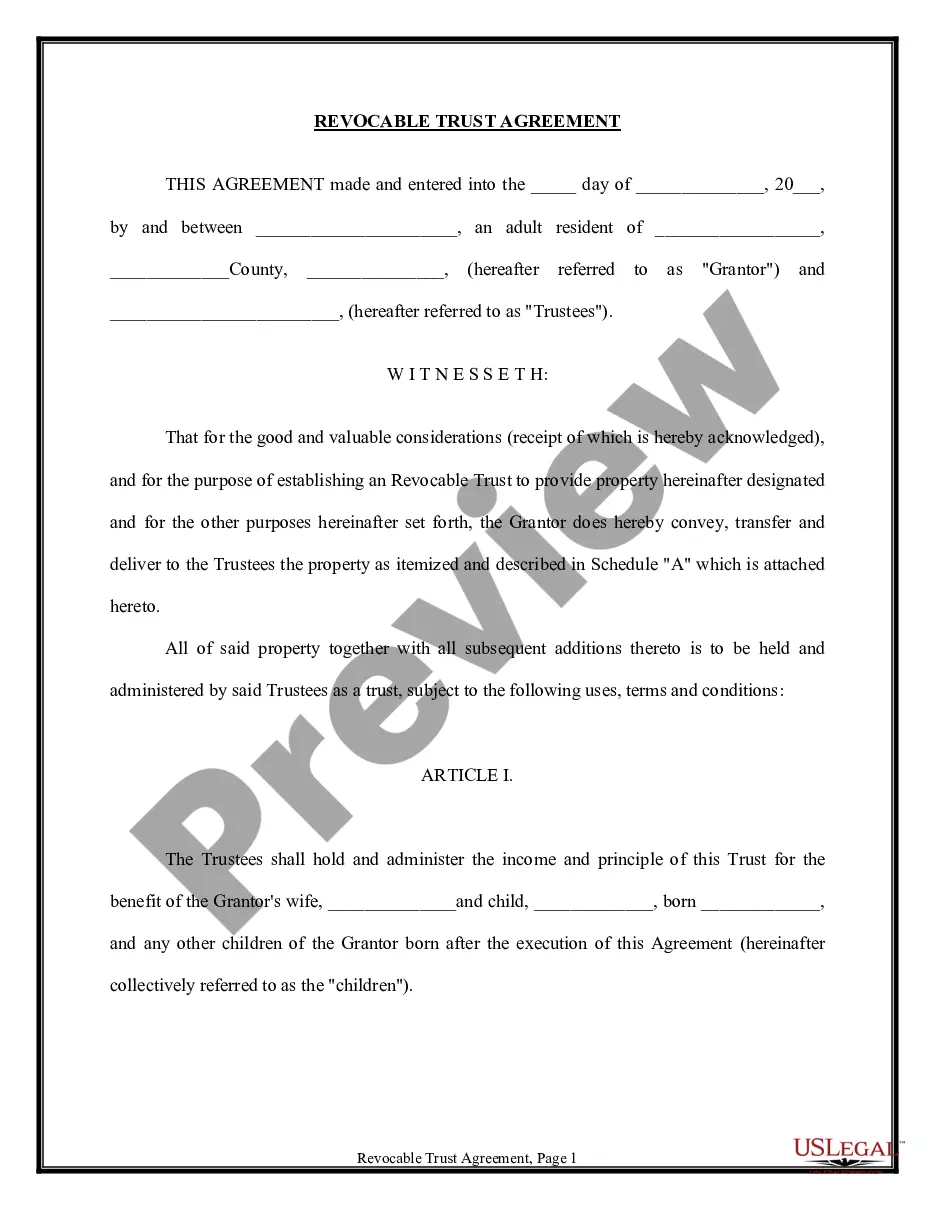
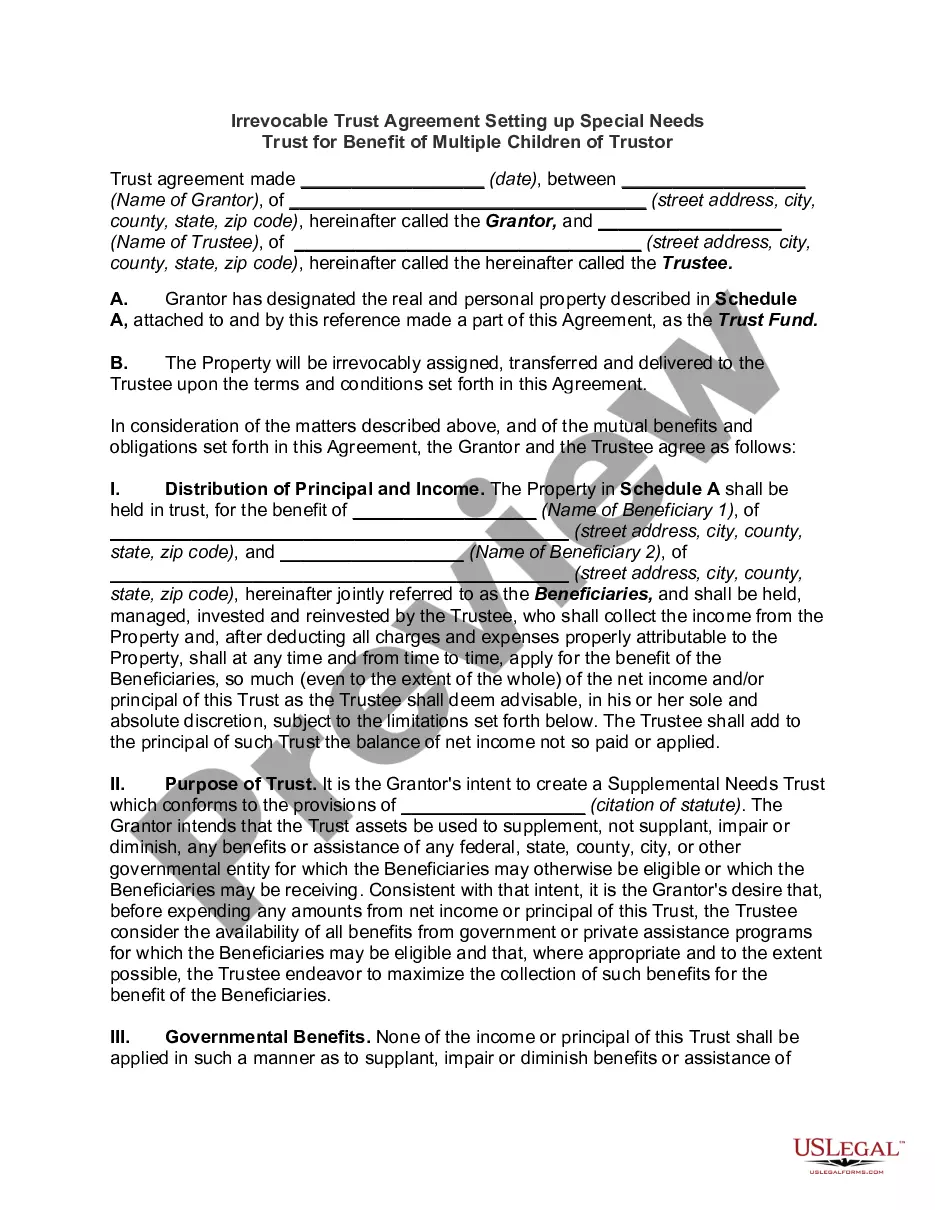

Get your form ready online
Our built-in tools help you complete, sign, share, and store your documents in one place.
Make edits, fill in missing information, and update formatting in US Legal Forms—just like you would in MS Word.
Download a copy, print it, send it by email, or mail it via USPS—whatever works best for your next step.
Sign and collect signatures with our SignNow integration. Send to multiple recipients, set reminders, and more. Go Premium to unlock E-Sign.
If this form requires notarization, complete it online through a secure video call—no need to meet a notary in person or wait for an appointment.
We protect your documents and personal data by following strict security and privacy standards.

Make edits, fill in missing information, and update formatting in US Legal Forms—just like you would in MS Word.

Download a copy, print it, send it by email, or mail it via USPS—whatever works best for your next step.

Sign and collect signatures with our SignNow integration. Send to multiple recipients, set reminders, and more. Go Premium to unlock E-Sign.

If this form requires notarization, complete it online through a secure video call—no need to meet a notary in person or wait for an appointment.

We protect your documents and personal data by following strict security and privacy standards.
Looking for another form?
How to fill out Trust Agreement - Family Special Needs?
Whether for commercial objectives or for private matters, individuals must manage legal circumstances at some stage in their lives.
Completing legal paperwork requires meticulous focus, beginning with choosing the correct form template.
Once downloaded, you can fill out the form with the aid of editing software or print it and complete it by hand. With an extensive US Legal Forms catalog available, you don’t need to waste time scouring the internet for the right template. Utilize the library’s straightforward navigation to find the suitable template for any scenario.
- Acquire the sample you require by utilizing the search option or catalog browsing.
- Review the form’s details to confirm it aligns with your situation, state, and locality.
- Select the form’s preview to inspect it.
- If it is the wrong document, return to the search feature to find the First Party Special Needs Trust With Trust template you need.
- Obtain the template once it fulfills your criteria.
- If you possess a US Legal Forms account, simply click Log in to access previously stored documents in My documents.
- If you do not have an account yet, you may download the form by clicking Buy now.
- Choose the appropriate pricing option.
- Complete the account registration form.
- Select your payment method: use a credit card or PayPal account.
- Choose the file format you prefer and download the First Party Special Needs Trust With Trust.
Form popularity
FAQ
Taxation on a first party special needs trust with trust can be complex, but understanding the basics is important. Generally, the trust's income is taxed to the beneficiary, which could mean that income earned within the trust may impact the beneficiary’s tax responsibilities. However, the principal amount in the trust is usually not subject to taxes. For accurate tax guidance, consider reaching out to a tax professional or using platforms like uslegalforms, which can assist in navigating these intricacies.
In the context of a first party special needs trust with trust, the grantor is typically the individual with special needs or their parent or legal guardian. This person establishes the trust, creating legal control over the assets placed within it. Importantly, this arrangement allows the grantor to maintain eligibility for government benefits while securing their financial future. Engaging a knowledgeable attorney can help clarify this role and ensure appropriate trust setup.
The downfall of having a first party special needs trust with trust often includes the administrative burden it places on the trustee. This role requires careful management and record-keeping, which can become time-consuming and complex. Additionally, a trust may limit the beneficiary's access to some forms of public assistance if not structured properly. Working with a knowledgeable service like uslegalforms can simplify the process and ensure everything is in order.
A disadvantage of a family trust is the possibility of disputes among family members regarding the distribution of assets. This can lead to tensions and complications following a loved one’s passing. Additionally, managing a family trust can incur ongoing administrative costs and require regular oversight to ensure compliance with the law. Engaging a professional can help mitigate these issues.
Whether your parents should place their assets in a first party special needs trust with trust depends on their specific circumstances. Establishing a trust can provide peace of mind about managing assets and protecting beneficiaries. It’s important to consider factors like their financial situation, estate planning goals, and the potential impact on government assistance programs. Consulting with a legal expert can provide guidance tailored to their needs.
One downside of placing assets in a first party special needs trust with trust is the potential loss of control over those assets by the grantor. Once assets are transferred, the grantor may not be able to easily access or utilize them without following specific rules. Also, there may be fees associated with maintaining and managing the trust. However, these trade-offs can be worthwhile when considering long-term benefits.
While a first party special needs trust with trust provides benefits, it does have some downsides. One potential issue is the complexity involved in setting it up, requiring legal expertise to ensure it meets all legal requirements. Additionally, if the trust is not properly managed, it could jeopardize the beneficiary's eligibility for certain government benefits. It's crucial to work with professionals to navigate these challenges.
Selecting the best trustee for a first party special needs trust with trust often depends on your unique circumstances and needs. Ideally, the trustee should possess a strong understanding of the beneficiary's needs, have experience in trust management, and demonstrate trustworthiness and reliability. You may consider choosing a professional trustee or an organization specializing in trust administration to ensure competent management. Tools from US Legal Forms can help you navigate the selection process and provide templates for trustee agreements.
One common issue with first party special needs trusts is that they can be complex, leading to confusion about eligibility and funding. Additionally, if not properly managed, these trusts may jeopardize the beneficiary's access to essential benefits like Medicaid or Supplemental Security Income. It's vital to understand the legal requirements and ensure compliance to avoid unexpected pitfalls. Utilizing resources like US Legal Forms can provide clarity and guidance in setting up a first party special needs trust with trust.
Investing a special needs trust should focus on long-term growth while maintaining liquidity to meet the beneficiary's needs. A diversified portfolio that balances risk and return is often recommended, taking into account the unique circumstances of the beneficiary. Engaging with financial advisors who understand the nuances of a first-party special needs trust with trust can help secure the best investment strategy.