Sole Proprietor With Two Businesses
Description
Get your form ready online
Our built-in tools help you complete, sign, share, and store your documents in one place.
Make edits, fill in missing information, and update formatting in US Legal Forms—just like you would in MS Word.
Download a copy, print it, send it by email, or mail it via USPS—whatever works best for your next step.
Sign and collect signatures with our SignNow integration. Send to multiple recipients, set reminders, and more. Go Premium to unlock E-Sign.
If this form requires notarization, complete it online through a secure video call—no need to meet a notary in person or wait for an appointment.
We protect your documents and personal data by following strict security and privacy standards.

Make edits, fill in missing information, and update formatting in US Legal Forms—just like you would in MS Word.

Download a copy, print it, send it by email, or mail it via USPS—whatever works best for your next step.

Sign and collect signatures with our SignNow integration. Send to multiple recipients, set reminders, and more. Go Premium to unlock E-Sign.

If this form requires notarization, complete it online through a secure video call—no need to meet a notary in person or wait for an appointment.

We protect your documents and personal data by following strict security and privacy standards.
Looking for another form?



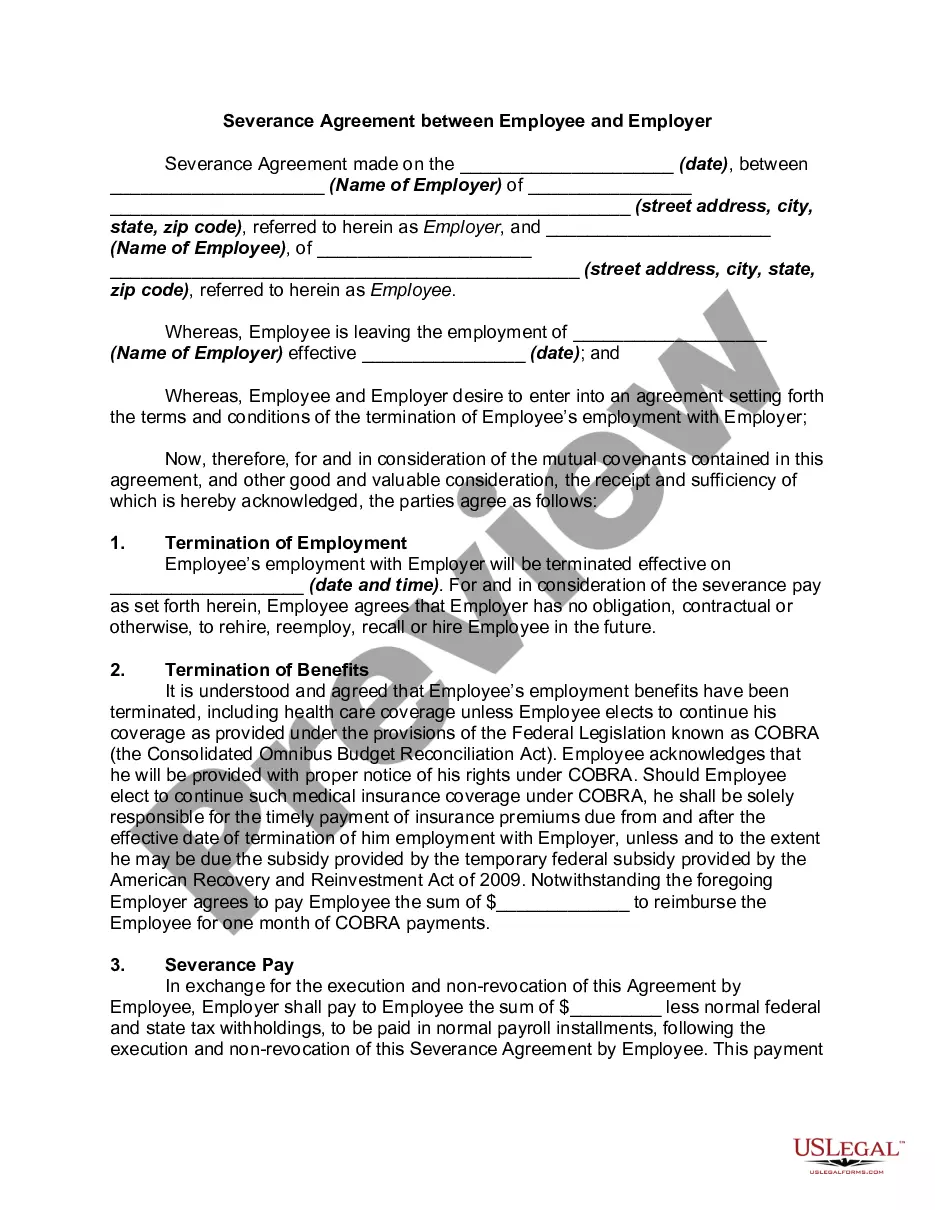
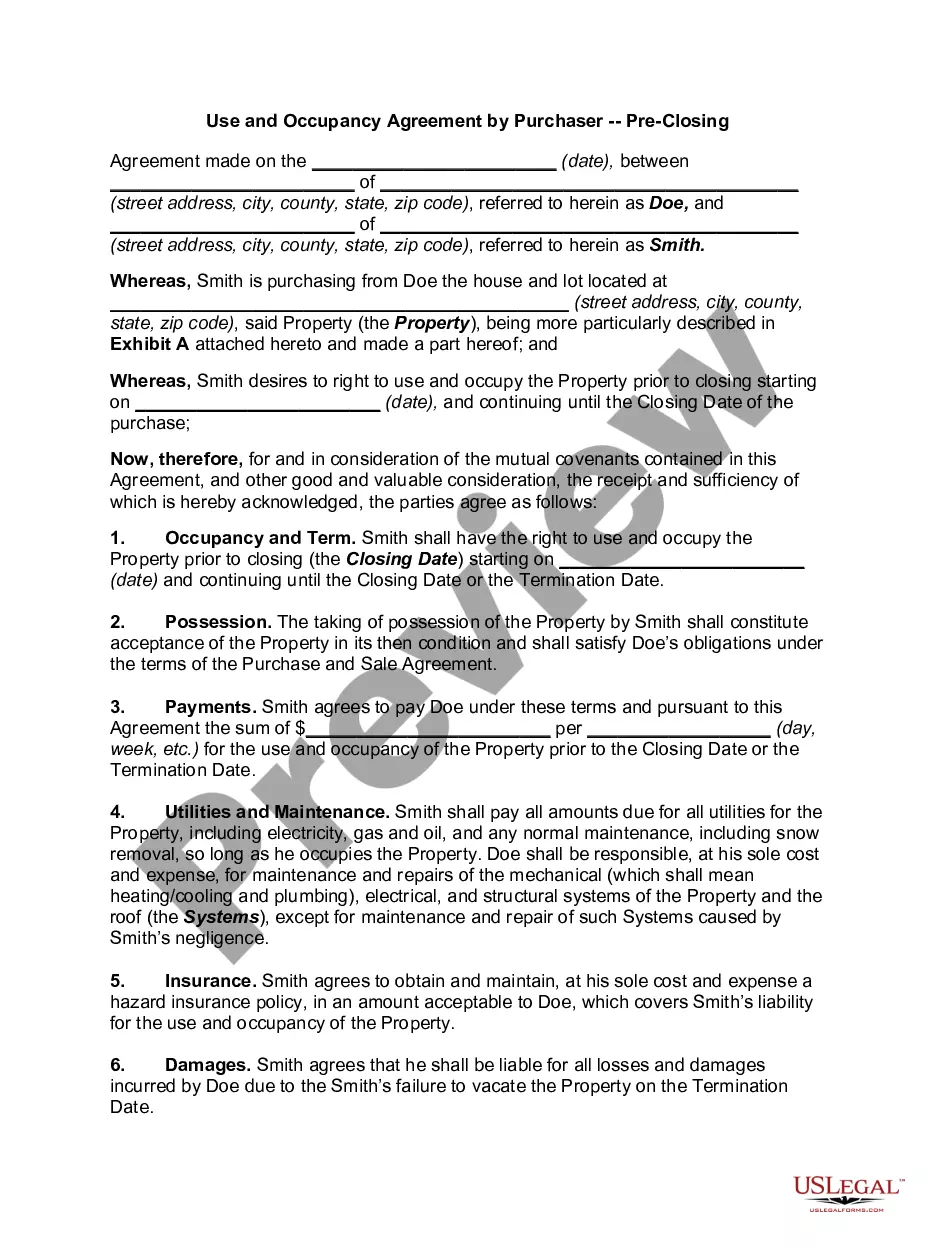



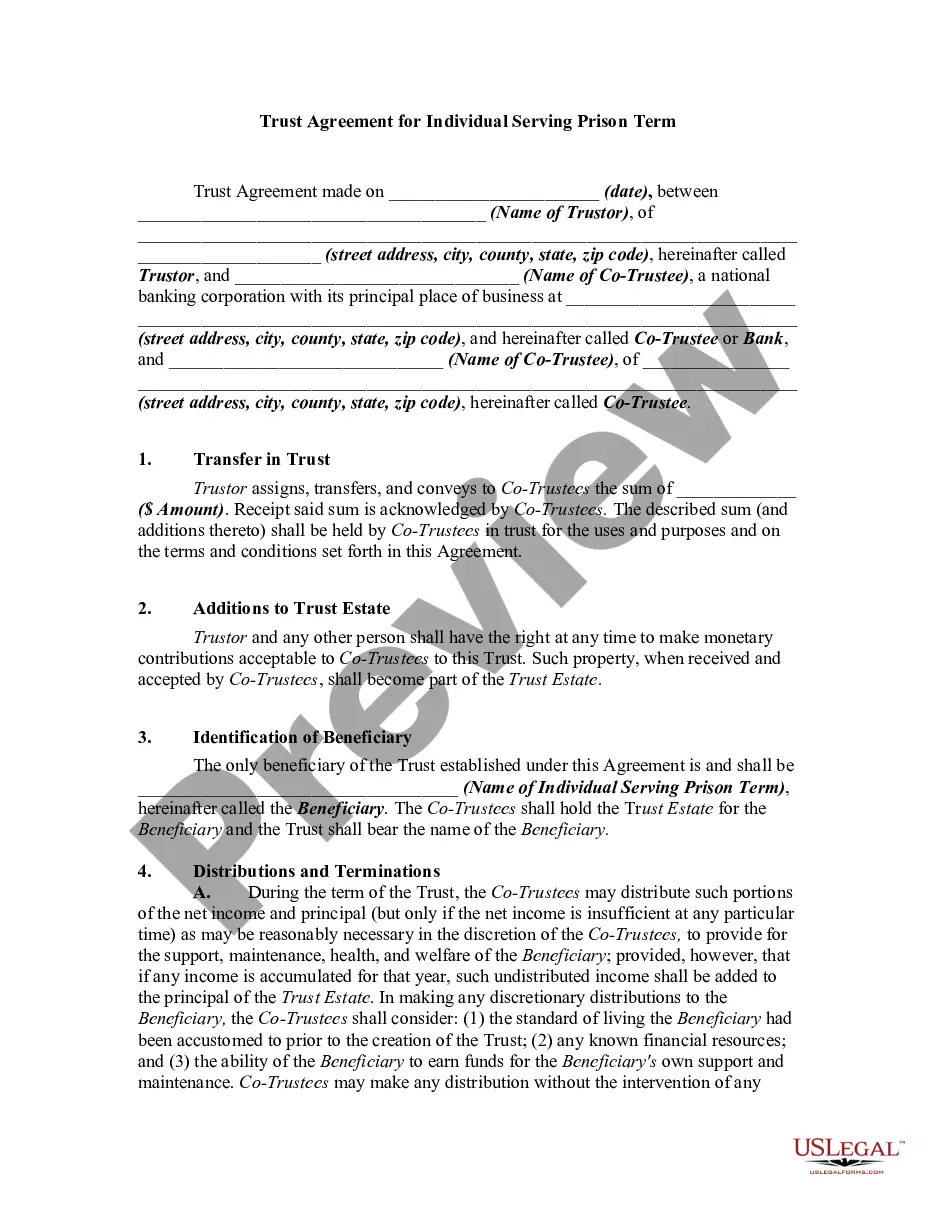

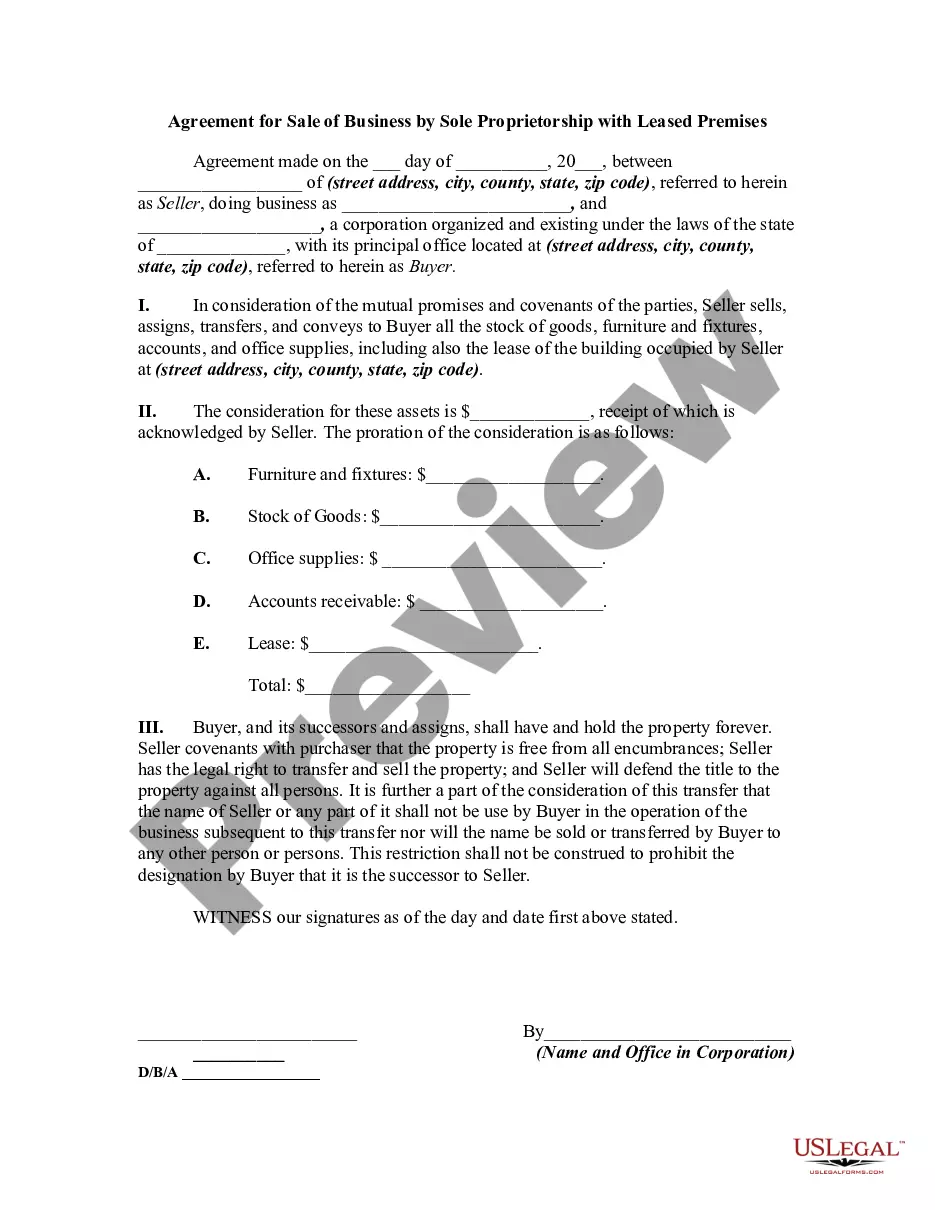
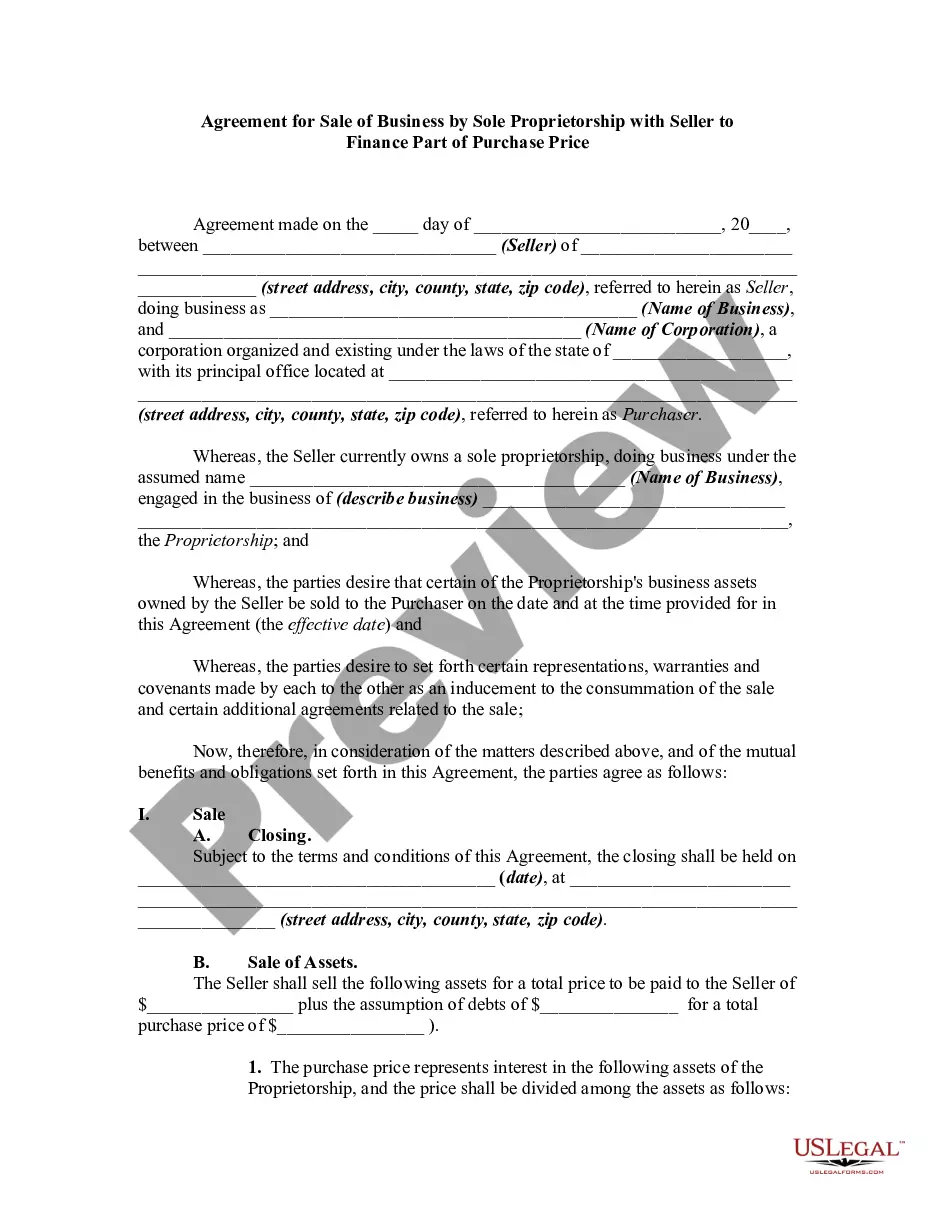
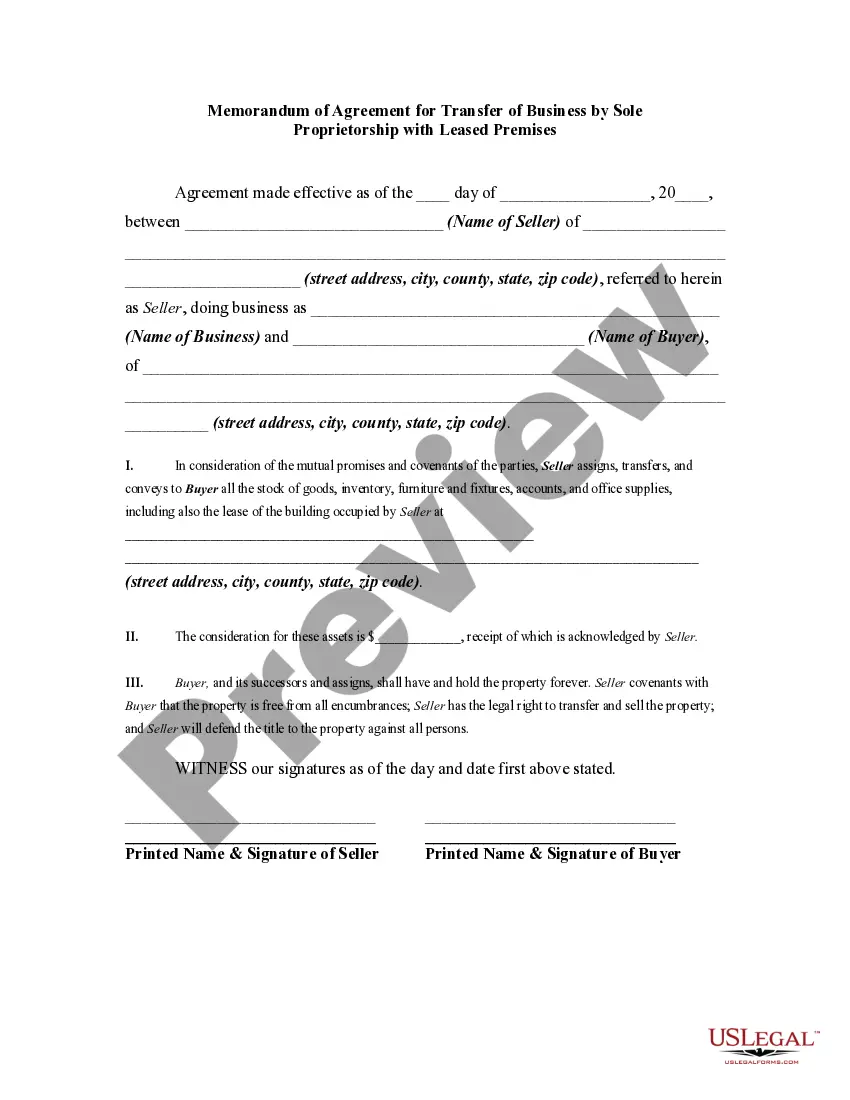
How to fill out Agreement For Sale Of Business By Sole Proprietorship With Leased Premises?
- Log in to your existing US Legal Forms account. Ensure your subscription is active to download form templates directly.
- Preview the selected form to verify it meets your business requirements and complies with local jurisdiction laws.
- If necessary, utilize the search function to locate additional templates that may better suit your needs.
- Select the 'Buy Now' option for your preferred subscription plan. New users will need to register an account to access the form library.
- Complete your purchase by entering your payment information or using a PayPal account for convenience.
- Download the form to your device for completion, and revisit it anytime via the 'My Forms' section in your profile.
US Legal Forms empowers sole proprietors to efficiently produce legally sound documents, offering an extensive form collection and expert assistance throughout the process.
Start streamlining your legal paperwork today by visiting US Legal Forms and explore the benefits of their vast resource library!
Form popularity
FAQ
Certainly, you can run two businesses as a sole proprietor. By managing both businesses yourself, you maintain control over operations and finances. However, it's crucial to separate the financial aspects to avoid confusion during tax season. Tools offered by US Legal Forms can help you stay organized and compliant with industry regulations while you operate as a sole proprietor with two businesses.
A sole proprietorship can indeed involve multiple businesses, but you must operate them under a single business name. This means that as a sole proprietor with two businesses, all income and liability fall under your personal name. Keep in mind that this structure may limit your legal protections, so consult with a professional to understand your options. Using resources from US Legal Forms can guide you in properly structuring your businesses.
Yes, you can successfully run two businesses as a sole trader. As a sole proprietor with two businesses, you manage both ventures under your own name and personal tax identification. It's important to keep clear records for each business's income and expenses, as this will help simplify your tax filings. Consider using tools like US Legal Forms to ensure you meet all legal requirements while managing your businesses.
You can use the same Employer Identification Number (EIN) for two sole proprietorships, provided you treat them as one entity for tax purposes. However, many business owners prefer to obtain a separate EIN for each business for clearer financial tracking. This separation can simplify reporting and accounting. You can find necessary forms and guidance on US Legal Forms to ensure you comply with all requirements.
Yes, you can operate two businesses as a sole proprietor with two separate business names. Each business functions independently, but they are all tied to your personal tax return. It's important to keep accurate records for each venture to streamline your accounting. Using the US Legal Forms platform can help you manage the necessary documentation for multiple businesses effectively.
A sole proprietor with two businesses can have multiple Employer Identification Numbers (EINs), but it is not always necessary. You typically need a separate EIN if you have employees or if your business operates as a partnership. However, if you keep your businesses entirely separate, obtaining additional EINs may simplify your accounting and tax processes. Using USLegalForms makes it easy for you to apply for the necessary EINs and stay organized across your ventures.
Yes, you can run multiple businesses as a sole proprietor with two businesses. This structure allows you to operate different ventures under your name without the need for formal incorporation. However, keep in mind that you will report all earnings on a single tax return, making it essential to maintain clear records for each business. USLegalForms can help you navigate the paperwork and legal requirements to ensure your businesses comply with local regulations.
Filing taxes as a sole proprietor with two businesses involves reporting income from both ventures on one tax return. You will need to complete a Schedule C for each business, detailing the profits and losses. Consider using our legal forms platform to find resources that simplify this process and ensure you comply with tax regulations.
Certainly, a sole proprietor can have two businesses. This flexibility allows you to leverage your skills across different industries. Just remember to maintain distinct financial records for each business, which helps simplify tax filings and enhances your overall financial strategy.
Typically, a sole proprietor with two businesses does not need two EIN numbers unless they operate different types of businesses that require it. The IRS allows you to use one EIN for all business activities, but you can apply for another if necessary for specific compliance reasons. Ensure you understand the requirements based on your business structure.