Charitable Trust For Donations
Description
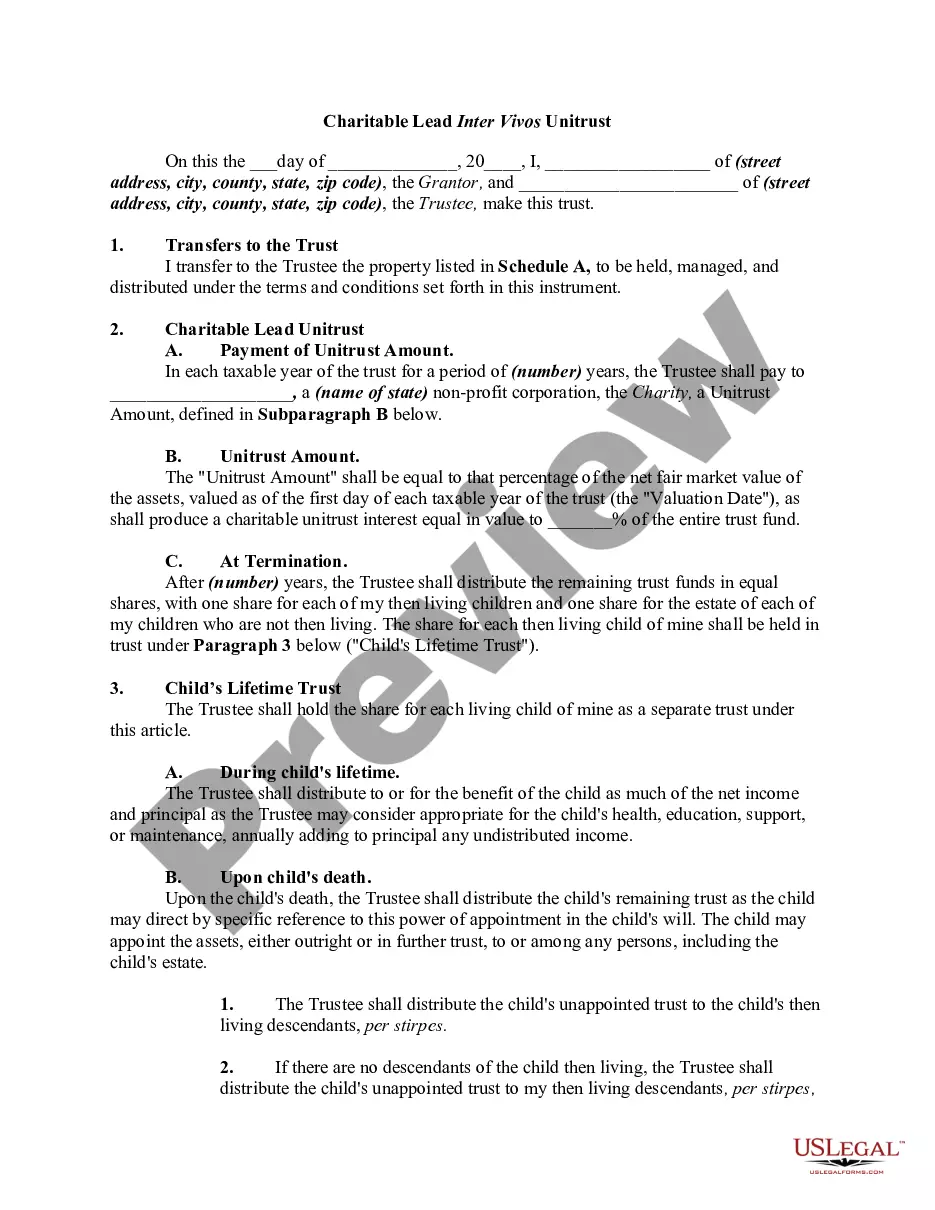
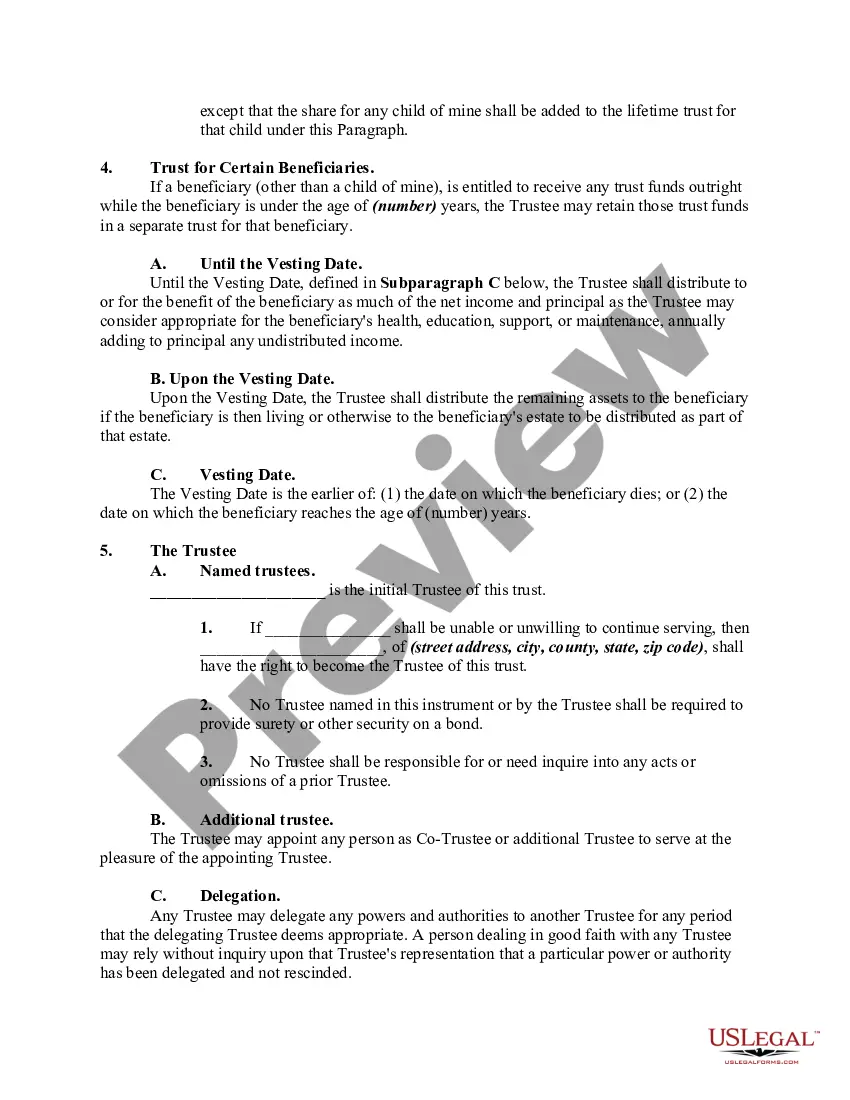
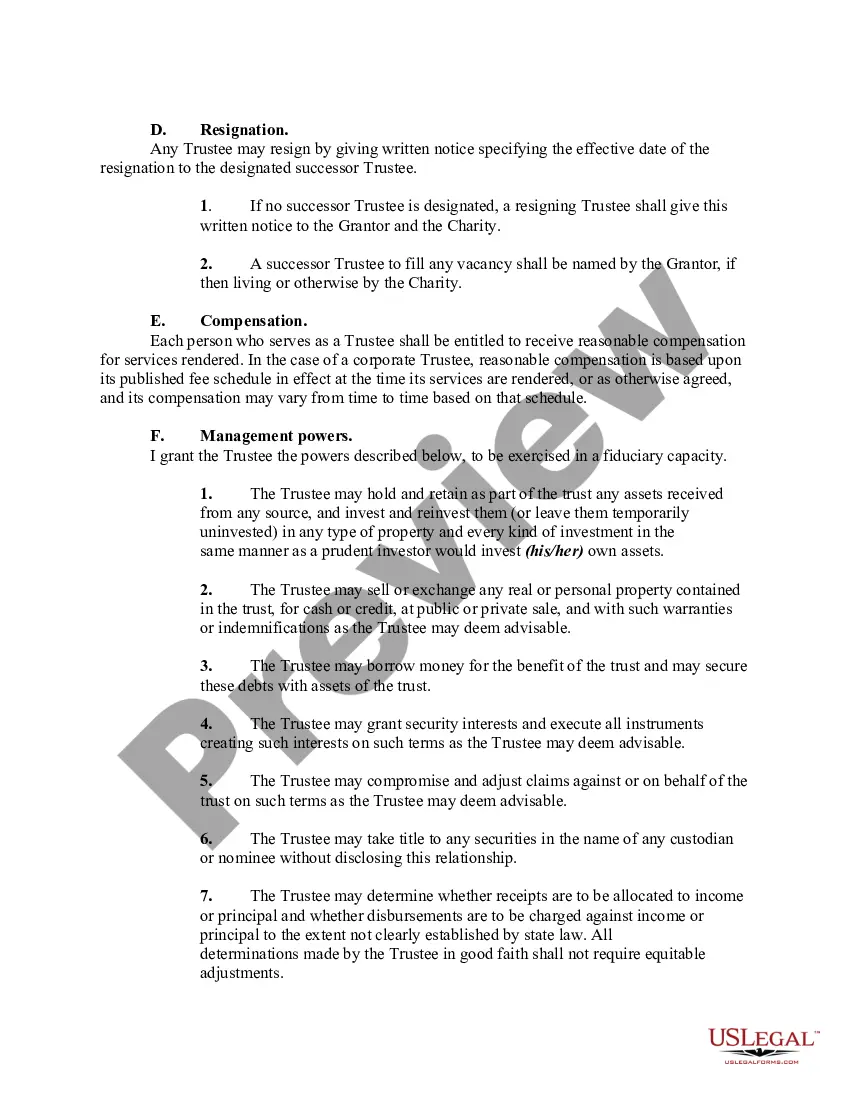
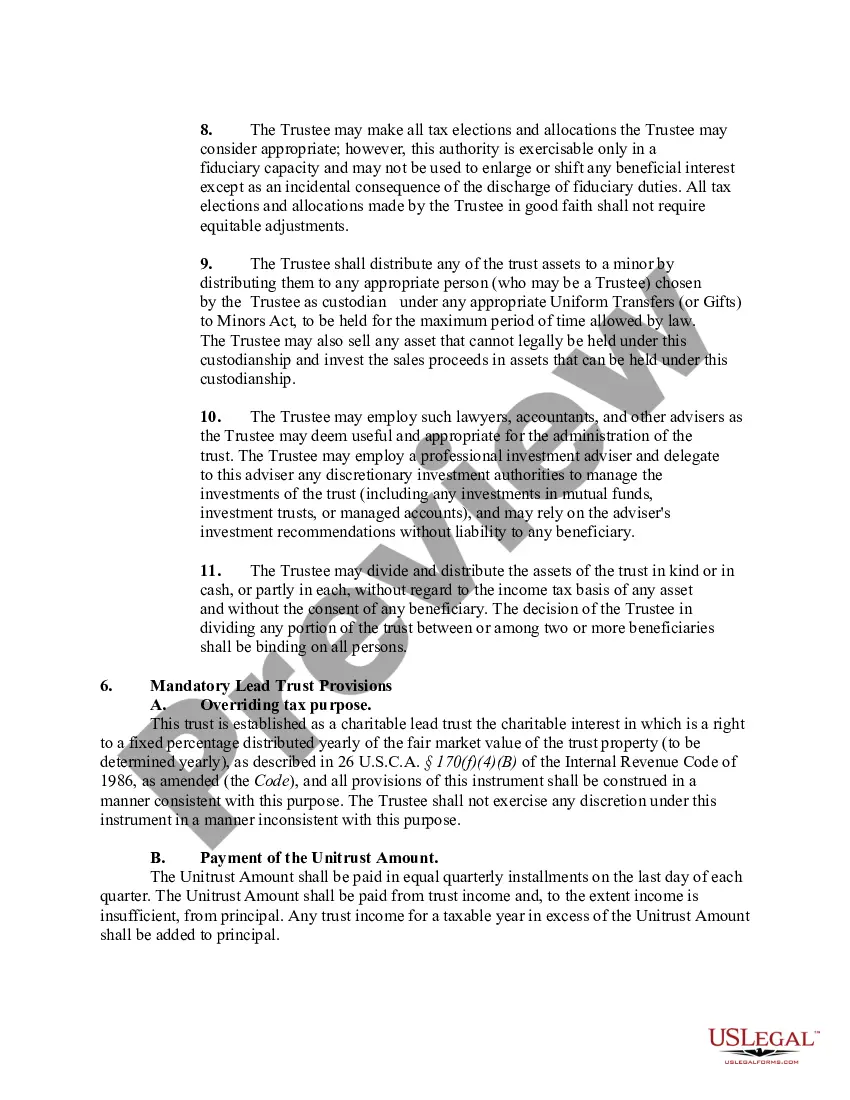
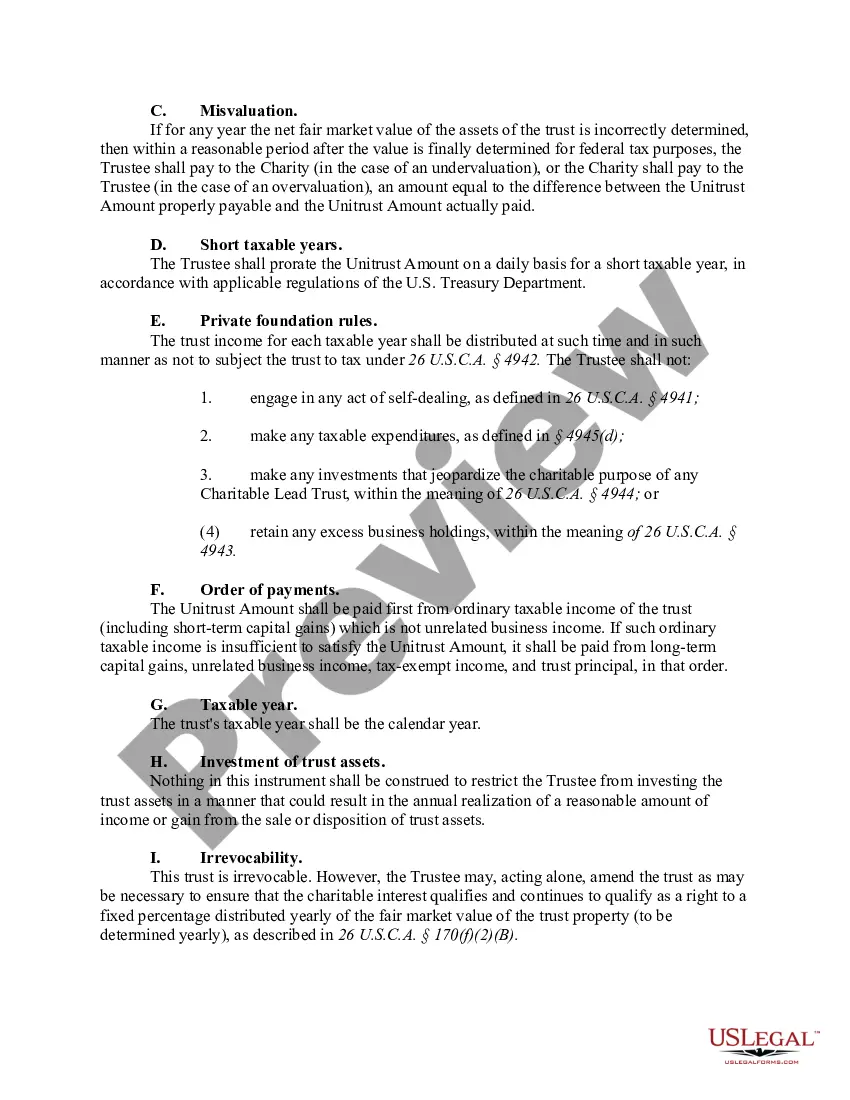
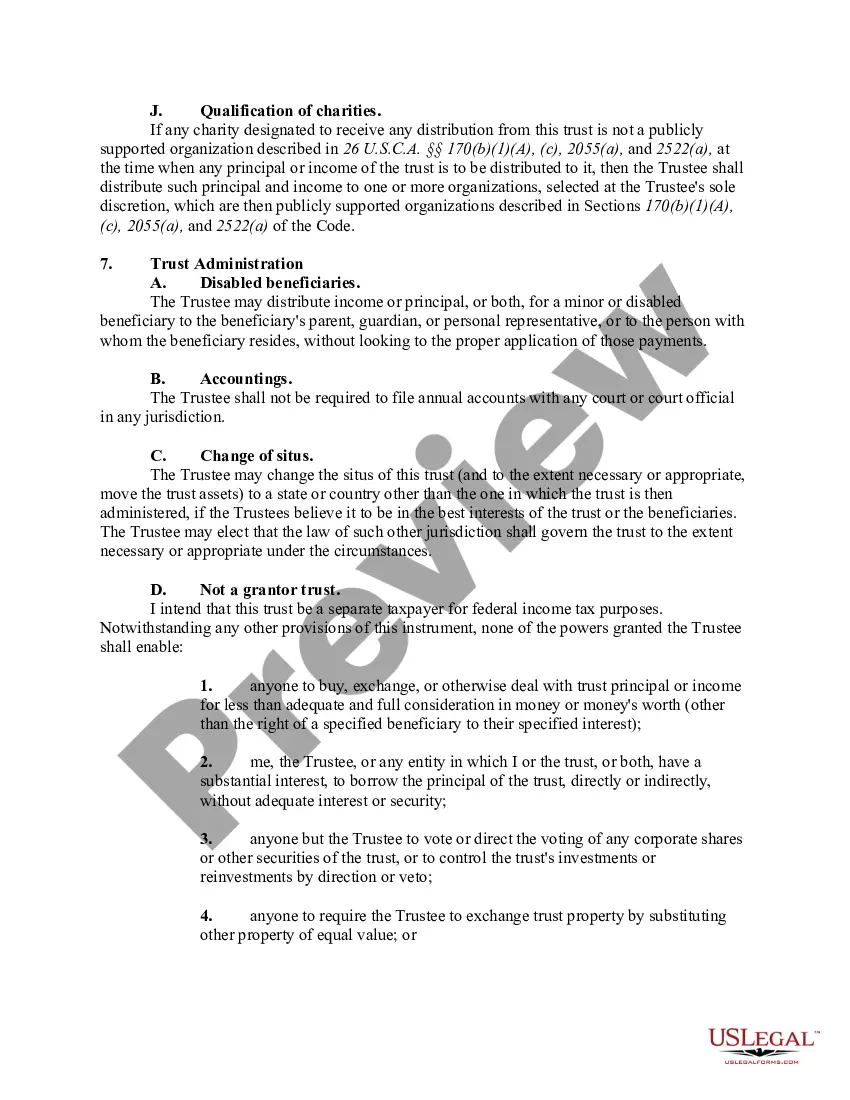
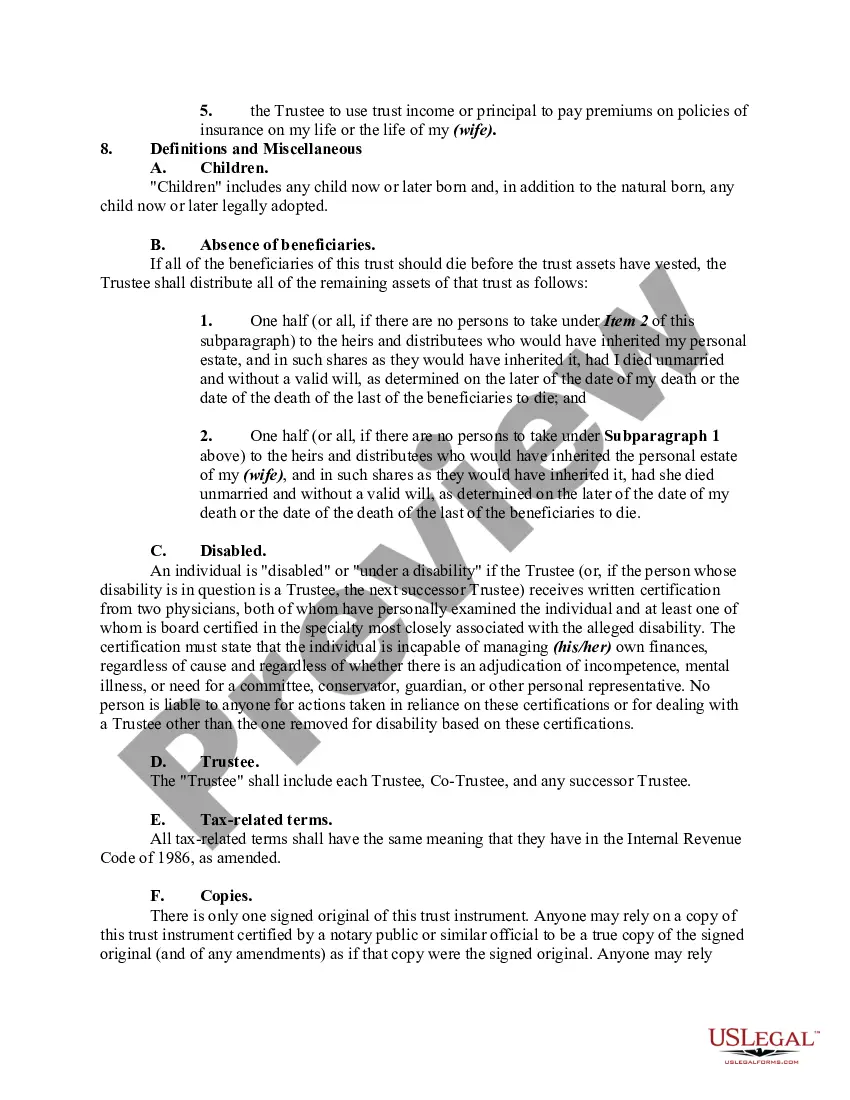
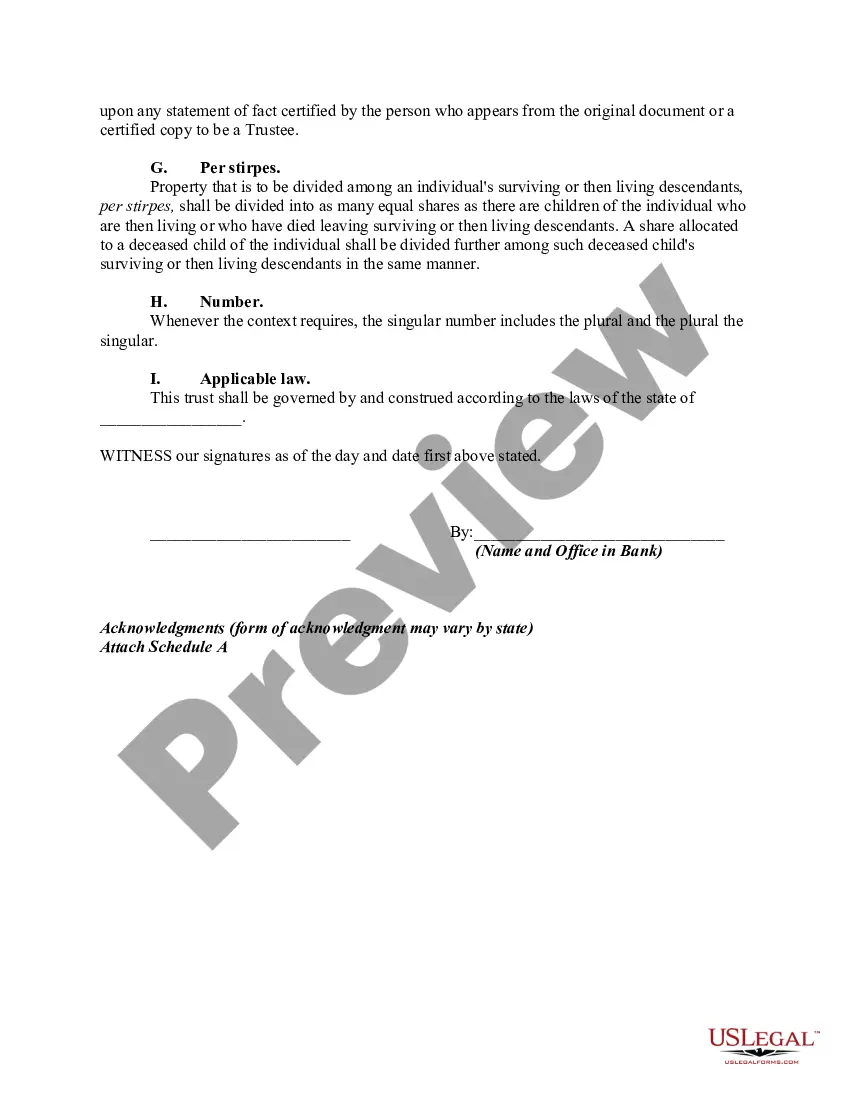
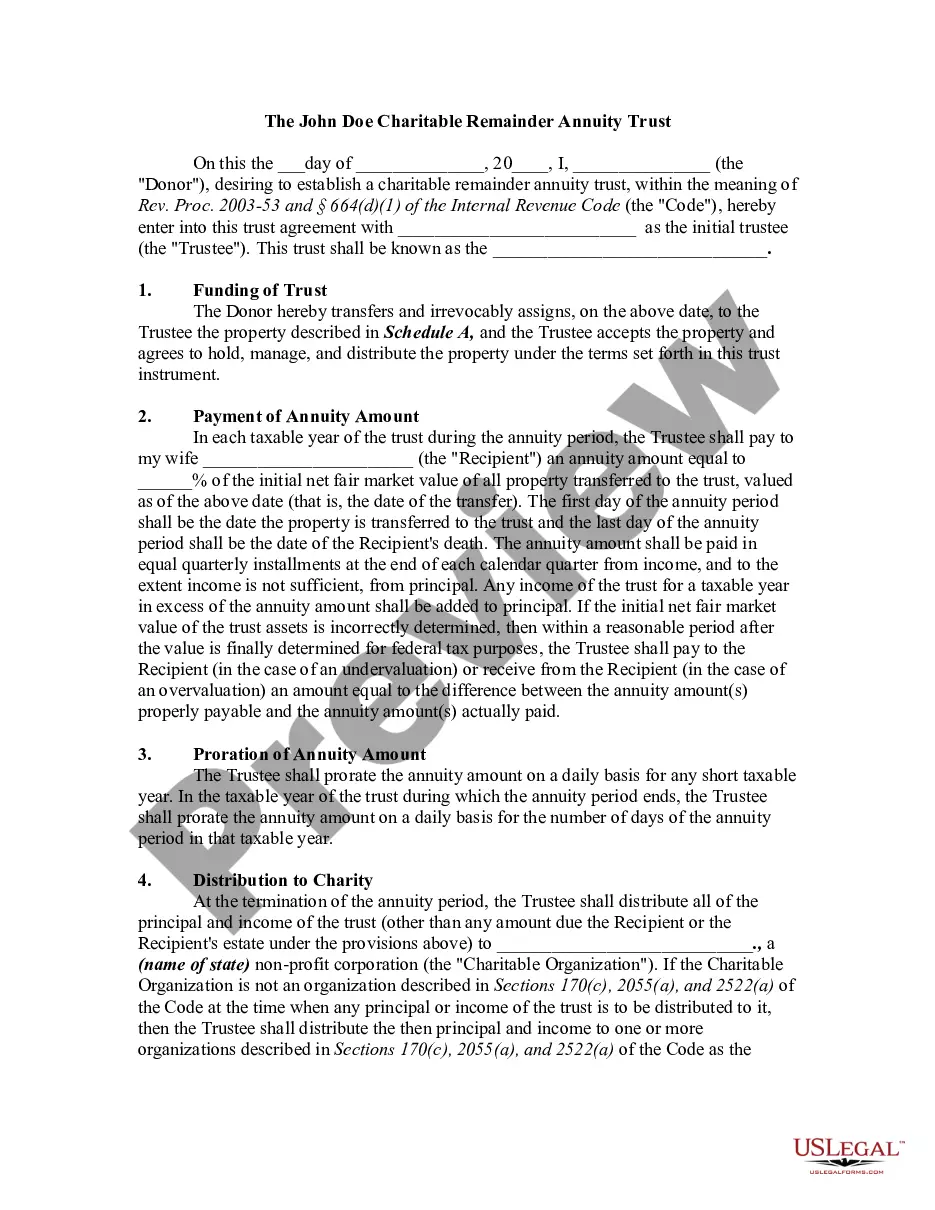
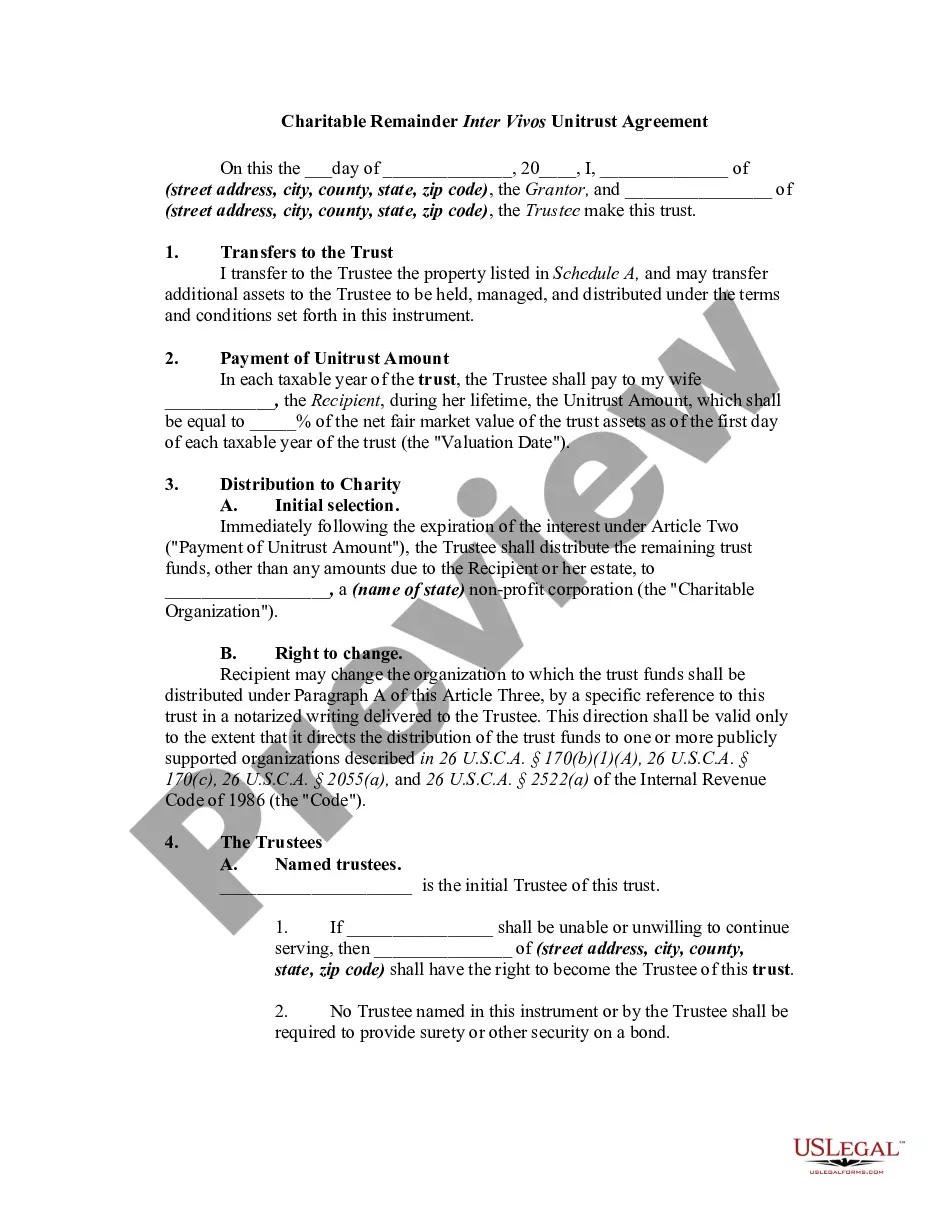
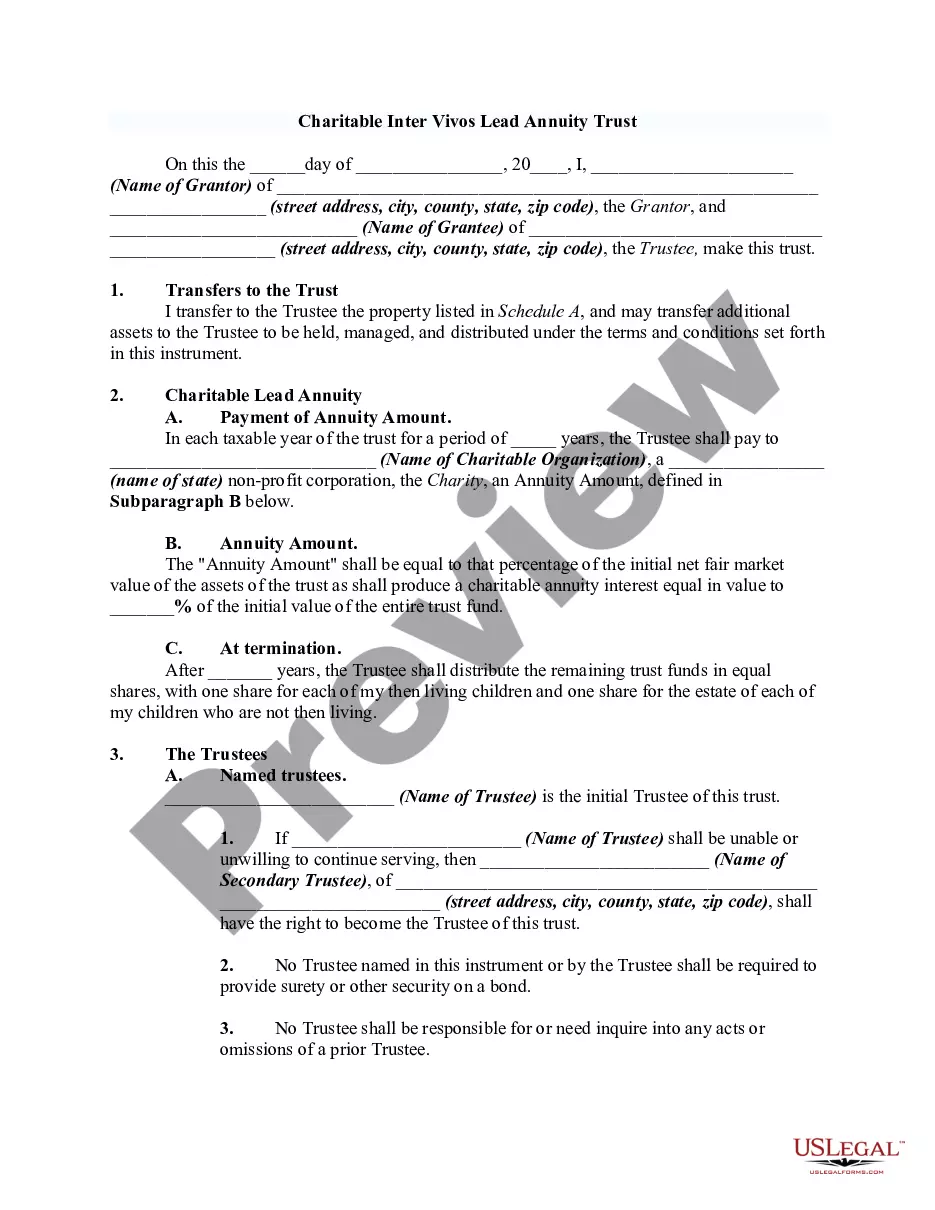
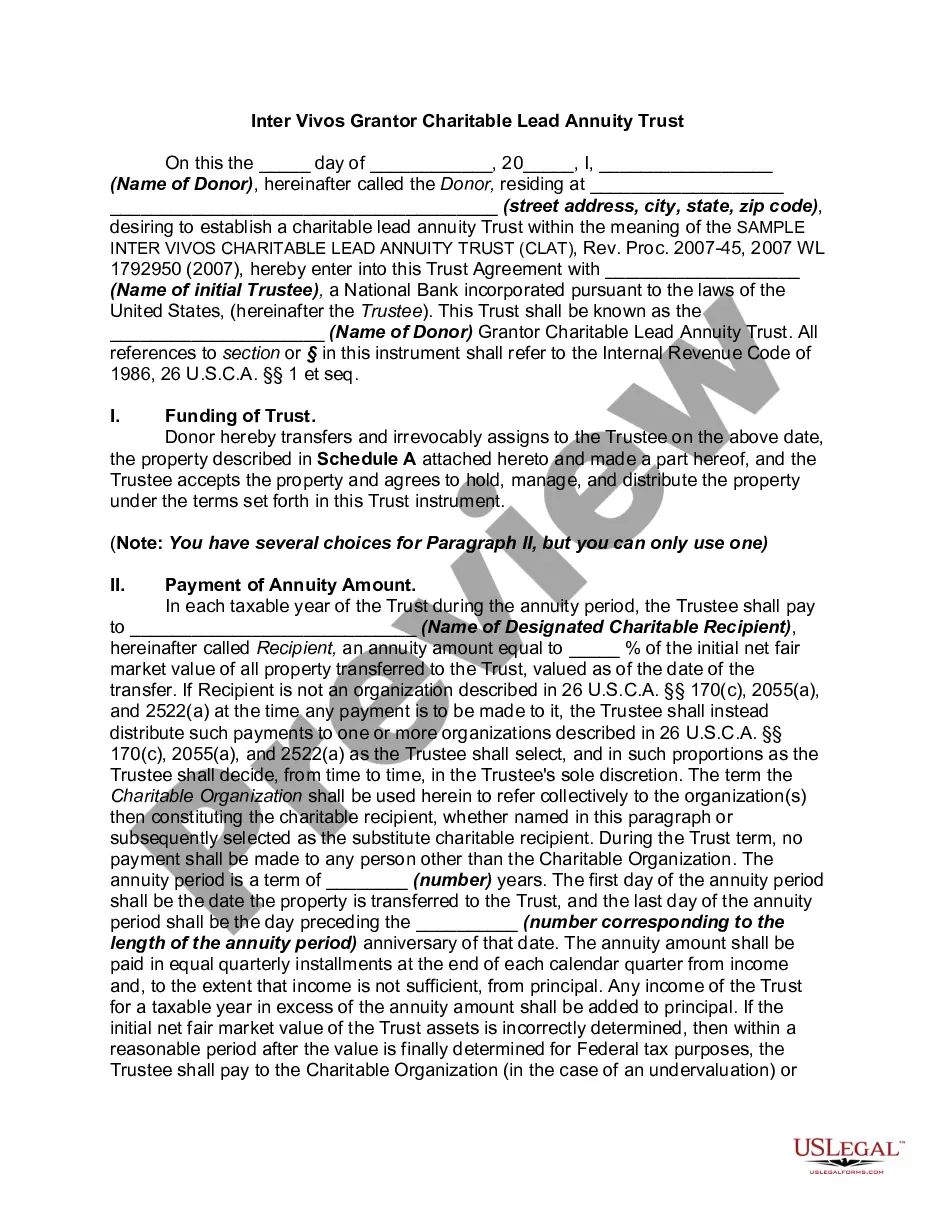
Get your form ready online
Our built-in tools help you complete, sign, share, and store your documents in one place.
Make edits, fill in missing information, and update formatting in US Legal Forms—just like you would in MS Word.
Download a copy, print it, send it by email, or mail it via USPS—whatever works best for your next step.
Sign and collect signatures with our SignNow integration. Send to multiple recipients, set reminders, and more. Go Premium to unlock E-Sign.
If this form requires notarization, complete it online through a secure video call—no need to meet a notary in person or wait for an appointment.
We protect your documents and personal data by following strict security and privacy standards.

Make edits, fill in missing information, and update formatting in US Legal Forms—just like you would in MS Word.

Download a copy, print it, send it by email, or mail it via USPS—whatever works best for your next step.

Sign and collect signatures with our SignNow integration. Send to multiple recipients, set reminders, and more. Go Premium to unlock E-Sign.

If this form requires notarization, complete it online through a secure video call—no need to meet a notary in person or wait for an appointment.

We protect your documents and personal data by following strict security and privacy standards.
Looking for another form?



How to fill out Charitable Lead Inter Vivos Unitrust?
- Log in to your US Legal Forms account if you're a returning user and click the Download button to access your required template. Ensure your subscription remains active, or renew it if necessary.
- For first-time users, begin by exploring the Preview mode and form description to identify the suitable template that meets your requirements and complies with your local jurisdiction.
- If needed, use the Search feature to find other templates that meet your needs, ensuring consistency with your objectives.
- Purchase your document by selecting the Buy Now button and choosing the subscription plan that best fits your needs. You’ll need to create an account to tap into the extensive library.
- Complete your purchase by entering your credit card details or using your PayPal account, securing access to your chosen template.
- Download your form directly to your device and keep it handy. You can revisit it anytime from the My Documents section of your account.
With US Legal Forms, you benefit from an extensive and robust collection of legal forms, surpassing competitors in quality and quantity. This platform is designed to empower both individuals and attorneys to create precise legal documents effortlessly.
Ready to get started? Visit US Legal Forms today to set up your charitable trust for donations and ensure your philanthropic efforts are legally sound.
Form popularity
FAQ
Donations from a charitable trust for donations can be tax-deductible, but specific conditions must be met. The trust itself should be recognized as a charitable entity under IRS rules. As a donor, it's essential to receive proper documentation for your contributions to ensure you can take advantage of any tax benefits. Consulting with a tax advisor can help clarify the deductibility of your contributions.
The IRS sets clear rules surrounding charitable donations, especially regarding the deductibility of contributions. Generally, donations to qualified charitable organizations are tax-deductible, as long as you keep accurate records. A charitable trust for donations enables donors to facilitate these contributions while adhering to IRS regulations. Staying informed about these rules helps ensure your charitable efforts are efficient and compliant.
Yes, a charitable trust for donations generally must file a tax return, but the details can vary based on the trust's structure. Charitable trusts that meet specific requirements may be eligible for exemptions, but it's crucial to consult a tax professional. Filing helps keep your trust compliant with IRS regulations, ensuring that your donations continue to benefit the intended causes. Understanding these obligations supports your mission to give back effectively.
Choosing between a charitable trust for donations and a foundation often depends on your goals. A charitable trust typically offers more flexible terms for distributing funds, while a foundation may provide more control over certain projects. If you seek to make direct donations to causes you care about, a charitable trust for donations could be more beneficial. Consider the legal requirements and your long-term intentions when making this choice.
Certain contributions are not tax-deductible, such as donations made to individuals or political organizations. Additionally, donations made to non-qualified charities, or those not recognized by the IRS, do not qualify for deductions. It's essential to verify that the charitable trust for donations you contribute to meets all legal requirements before expecting tax benefits.
Charitable trusts for donations offer various tax benefits that can enhance your financial situation. Donors can gain immediate tax deductions for contributions, and they may also avoid capital gains tax on asset transfers. Moreover, these trusts can generate income for the donor during their lifetime, while significantly benefiting charitable organizations in the long run.
Donations from a trust can be tax-deductible, but this heavily depends on the trust's structure and type. If the trust qualifies as a charitable trust for donations, and the funds are directed to a qualifying charity, you may benefit from tax deductions. Understanding your trust's configuration can ensure you maximize any available tax benefits.
A charitable remainder trust is a prominent example of a charitable trust for donations. In this structure, the donor gives assets to the trust, which pays the donor or other beneficiaries an income stream for a specified period. After that period, the remaining assets go to a qualified charity. This setup provides income while also serving a charitable cause.
Yes, donations made to a charitable trust for donations can be tax-deductible. This means that when you contribute to a recognized charitable trust, you can potentially lower your taxable income. However, it’s vital to ensure that the trust is registered with the IRS as a qualified charity. Consulting a tax professional can help you navigate the specific tax implications.
While a charitable remainder trust offers many benefits, there are potential pitfalls to consider. One major concern is the complexity involved in establishing and managing the trust, which can require ongoing administrative oversight. Additionally, once set up, the trust may limit your access to assets, so it’s important to weigh these factors carefully before committing to a charitable trust for donations.