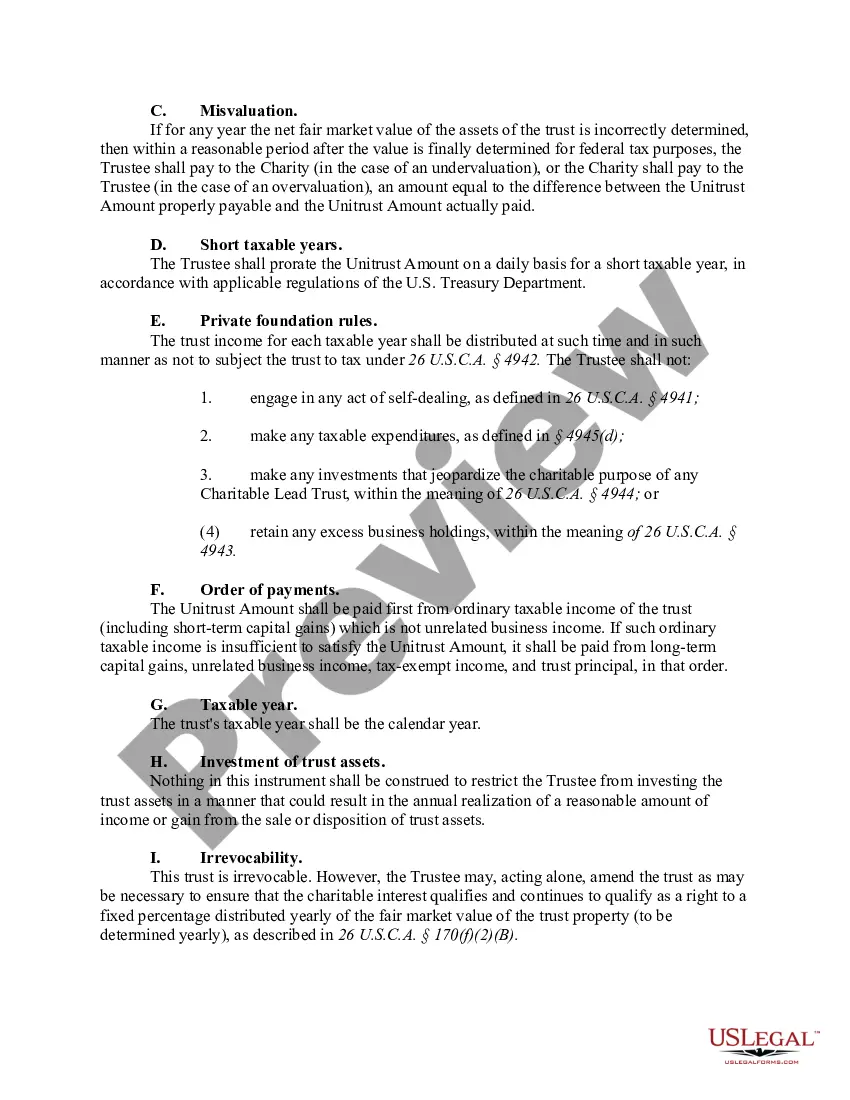
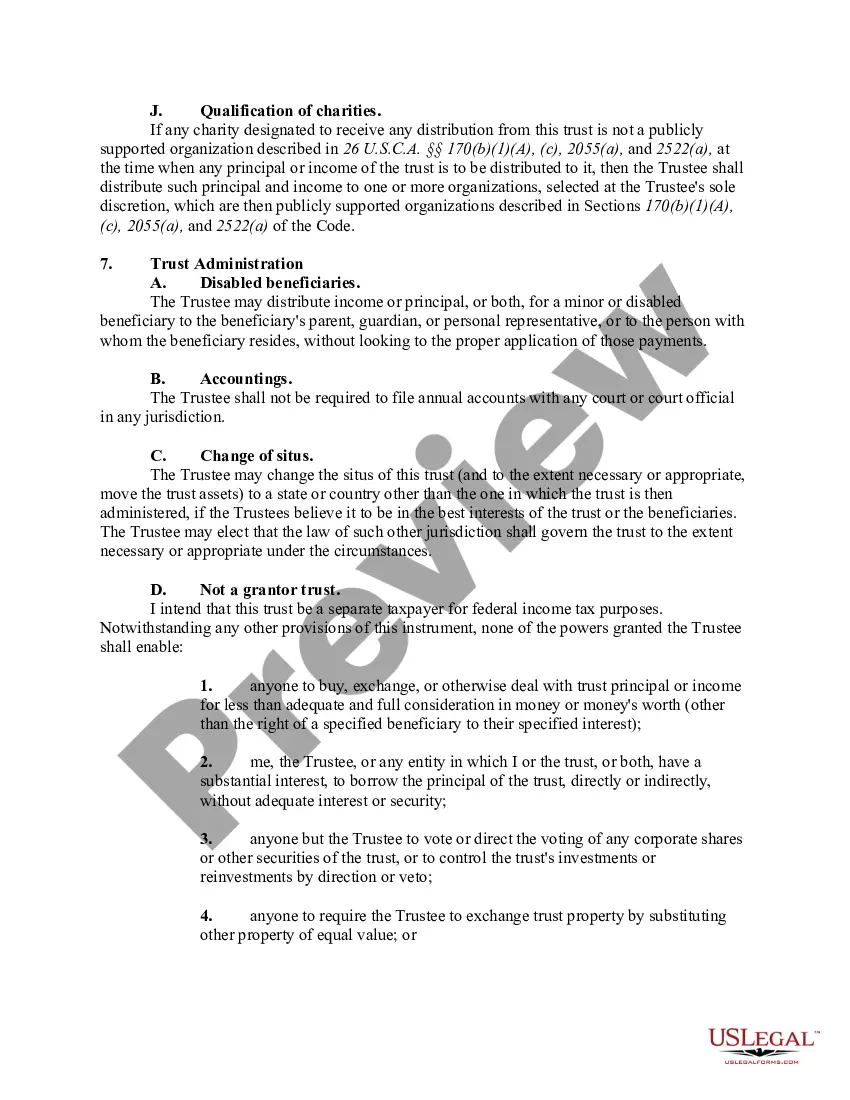
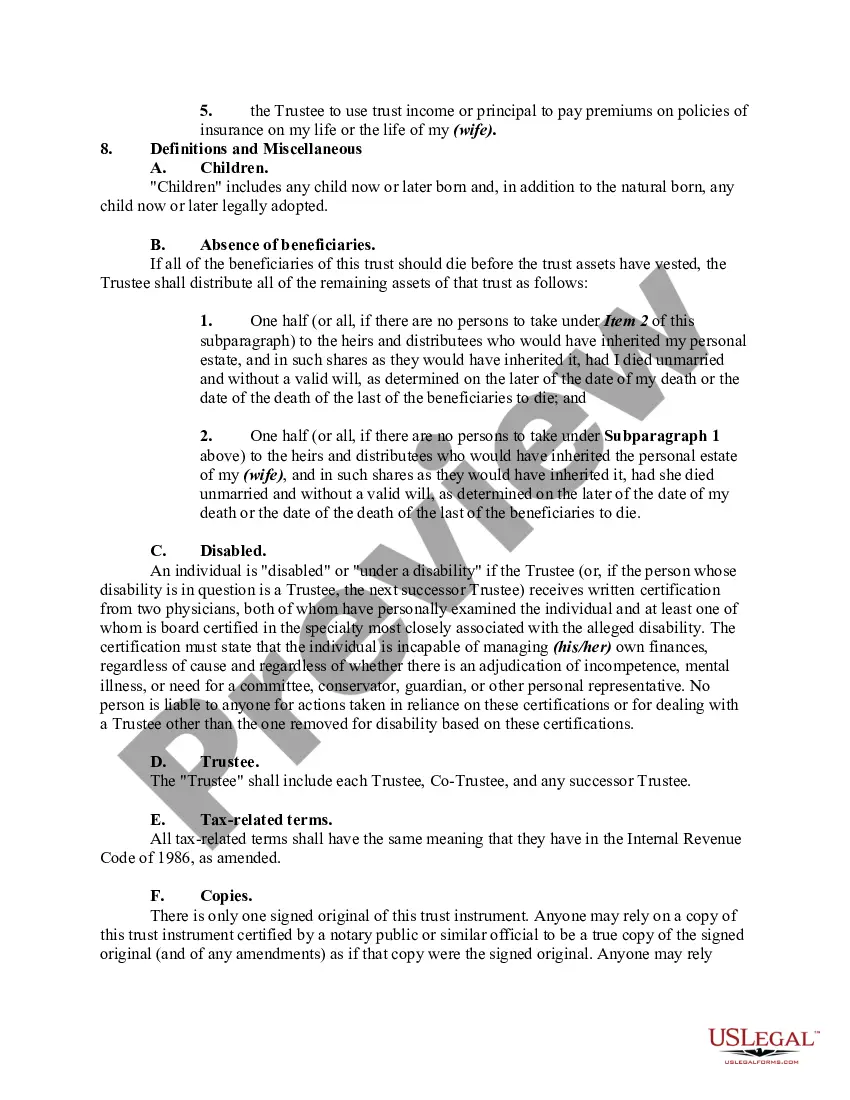
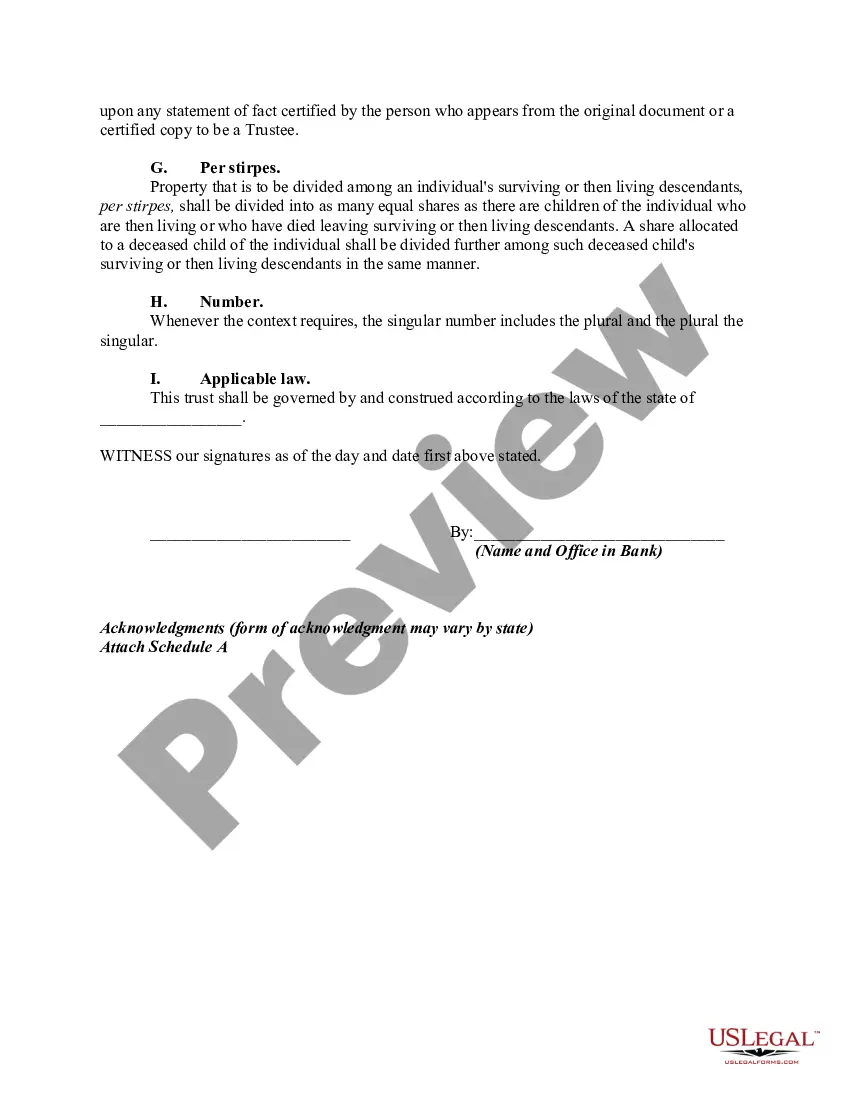
Charitable Remainder Trust With Life Estate
Description
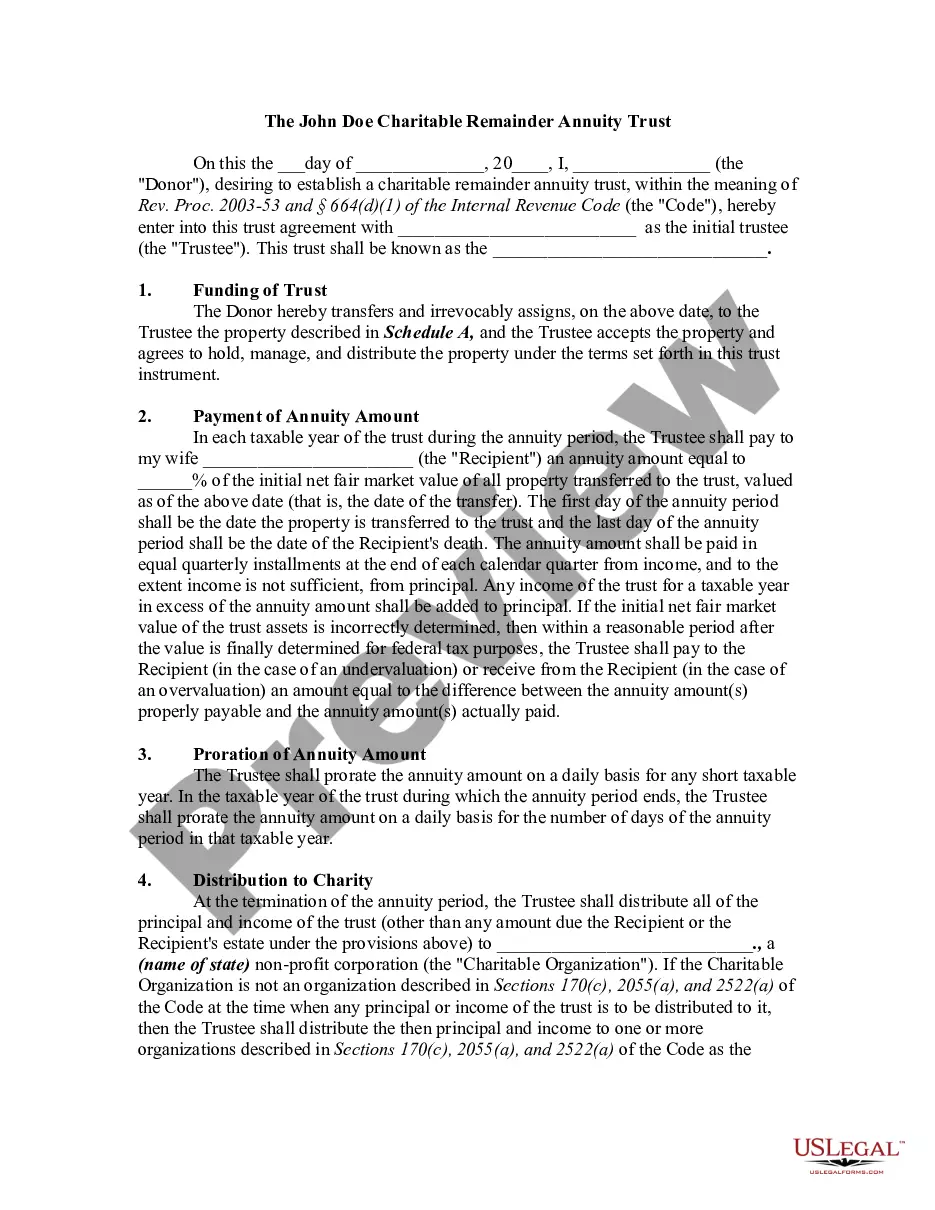
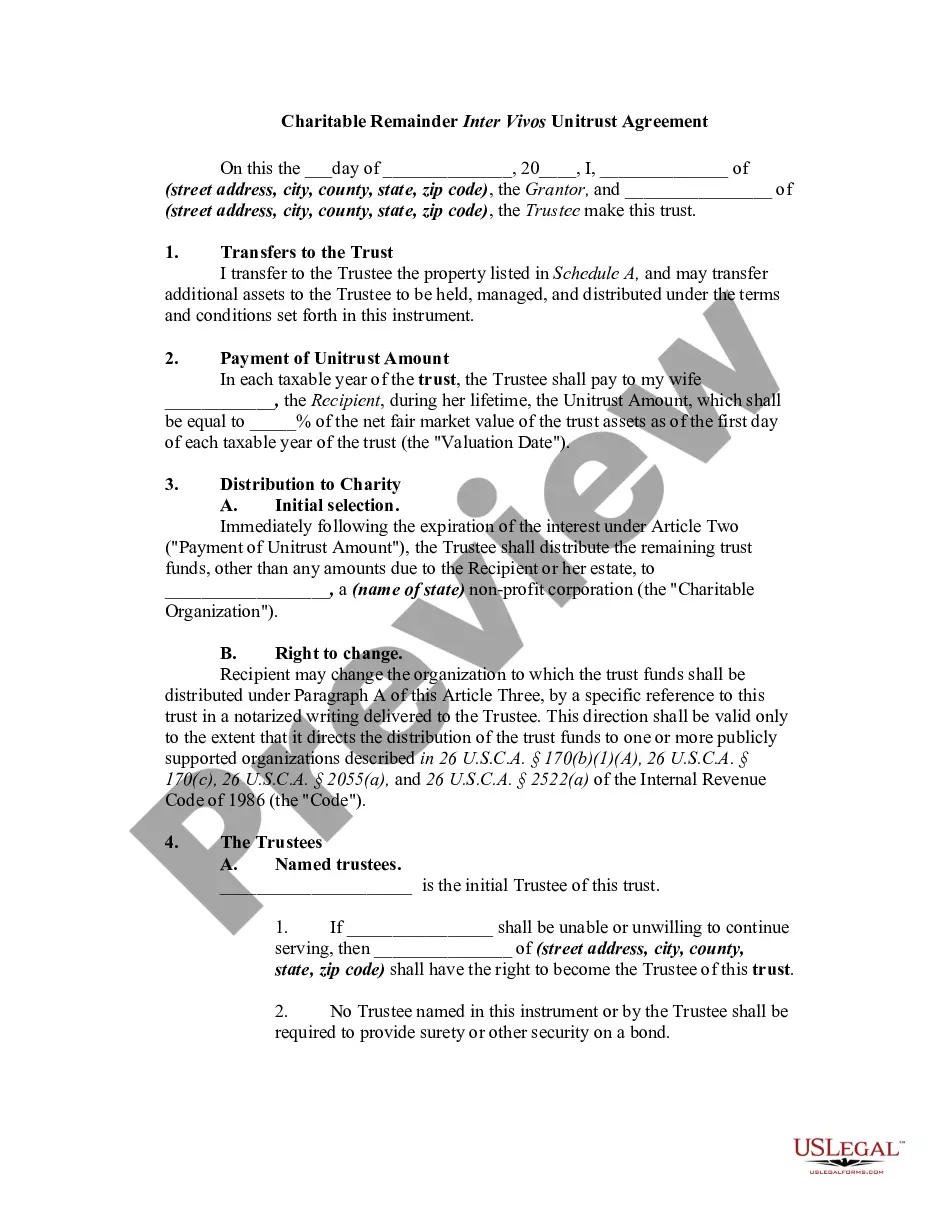
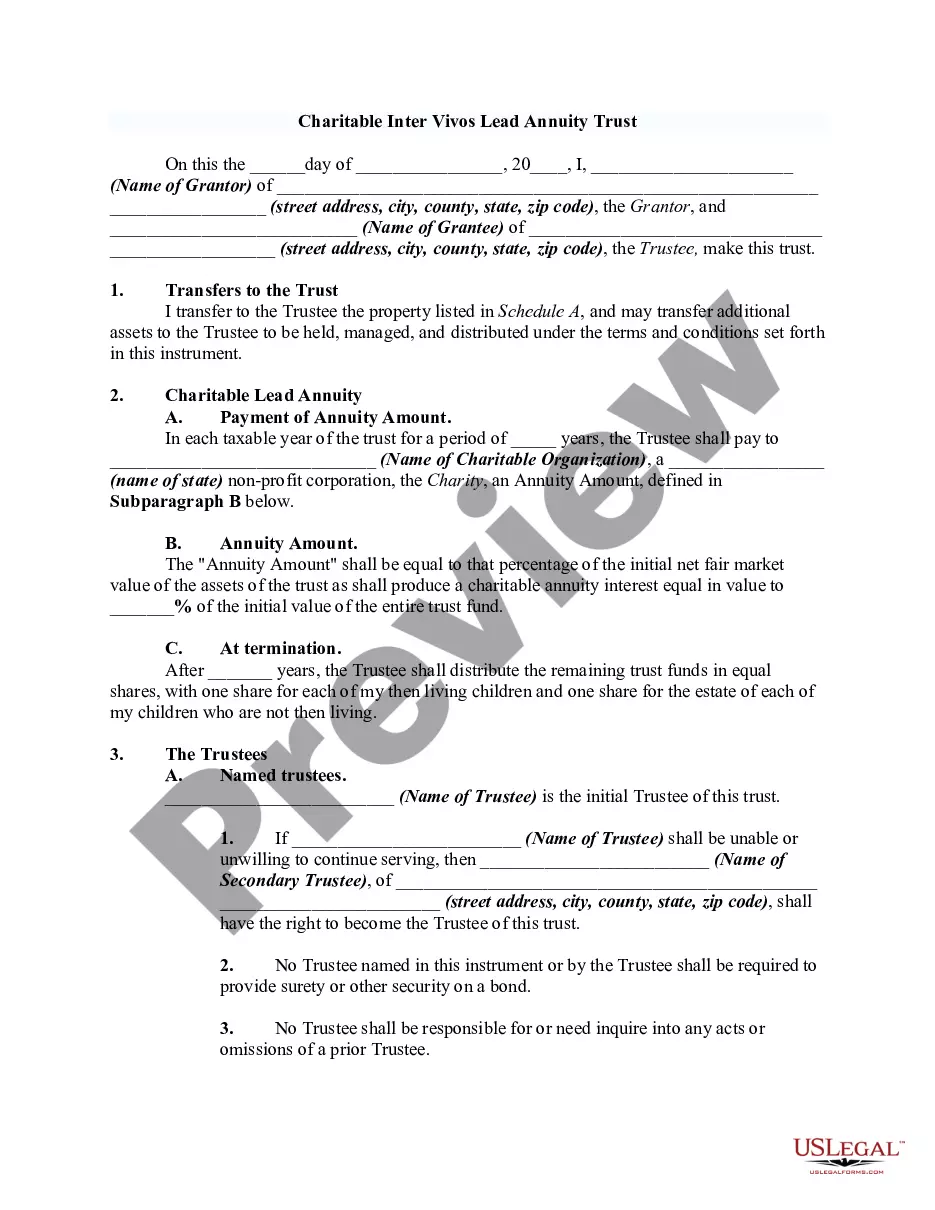
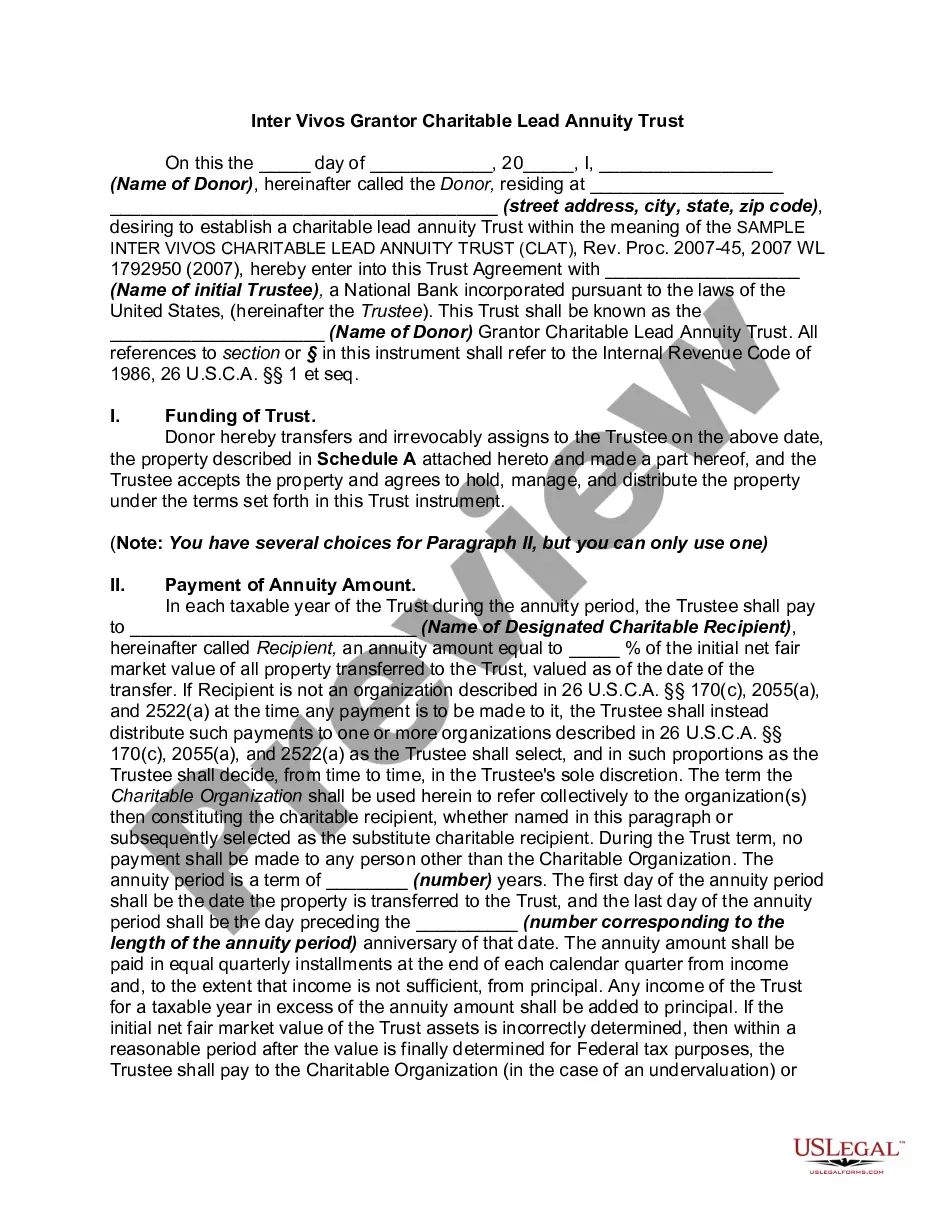
Get your form ready online
Our built-in tools help you complete, sign, share, and store your documents in one place.
Make edits, fill in missing information, and update formatting in US Legal Forms—just like you would in MS Word.
Download a copy, print it, send it by email, or mail it via USPS—whatever works best for your next step.
Sign and collect signatures with our SignNow integration. Send to multiple recipients, set reminders, and more. Go Premium to unlock E-Sign.
If this form requires notarization, complete it online through a secure video call—no need to meet a notary in person or wait for an appointment.
We protect your documents and personal data by following strict security and privacy standards.

Make edits, fill in missing information, and update formatting in US Legal Forms—just like you would in MS Word.

Download a copy, print it, send it by email, or mail it via USPS—whatever works best for your next step.

Sign and collect signatures with our SignNow integration. Send to multiple recipients, set reminders, and more. Go Premium to unlock E-Sign.

If this form requires notarization, complete it online through a secure video call—no need to meet a notary in person or wait for an appointment.

We protect your documents and personal data by following strict security and privacy standards.
Looking for another form?
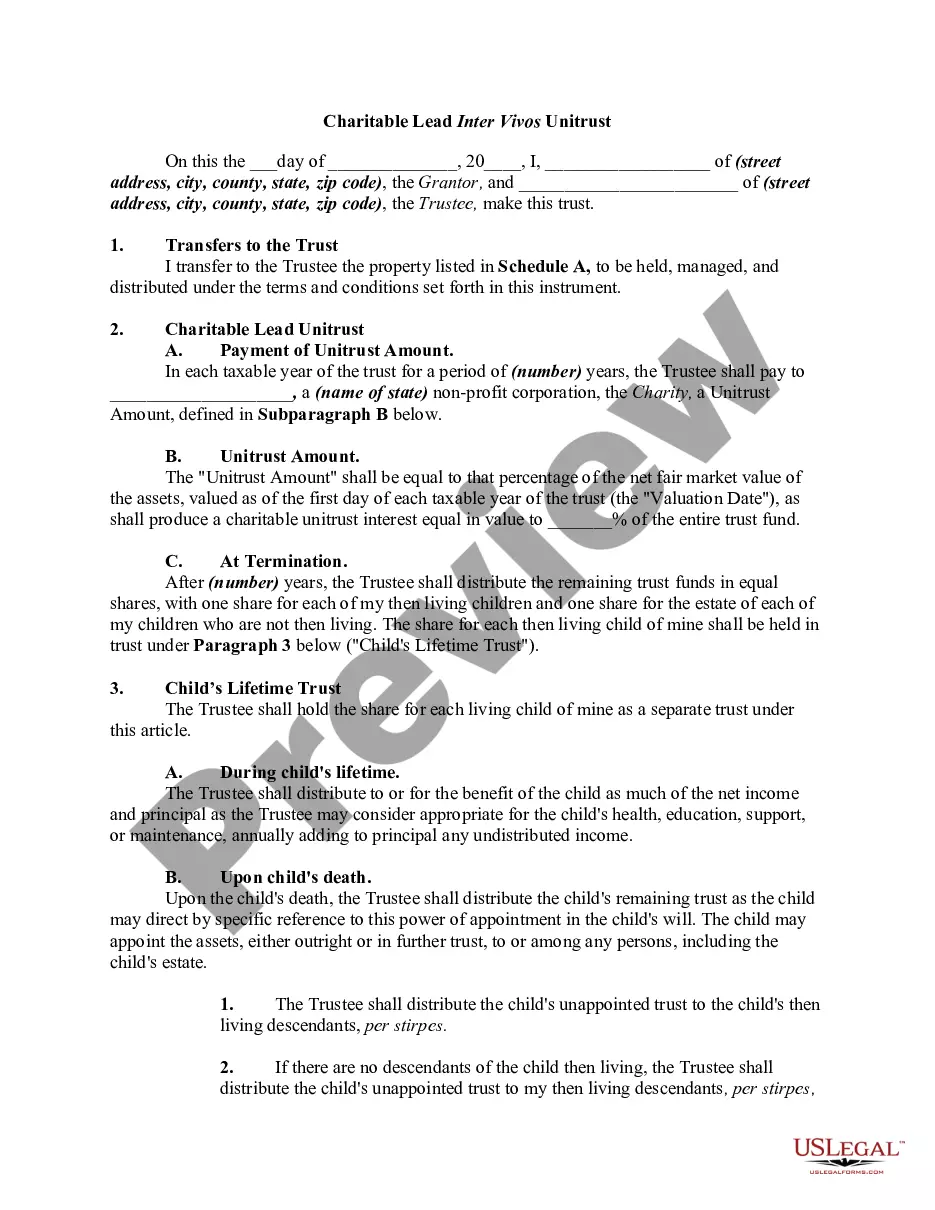
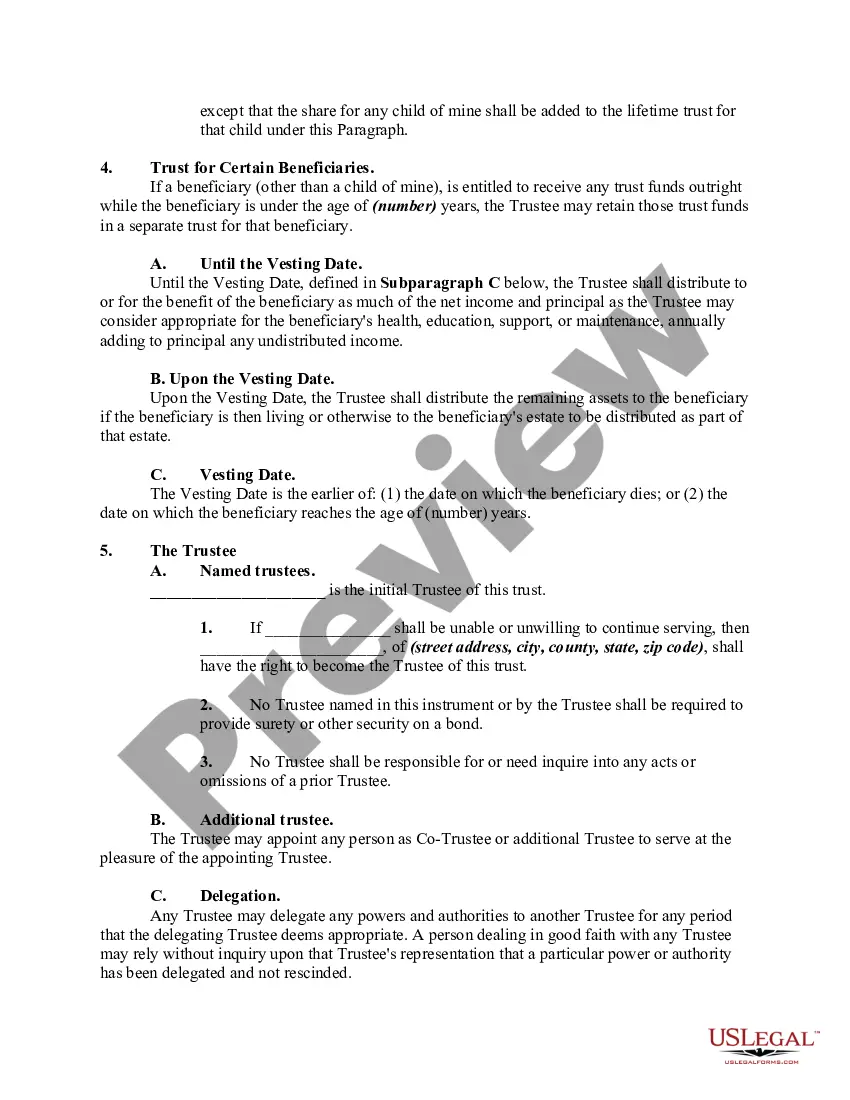
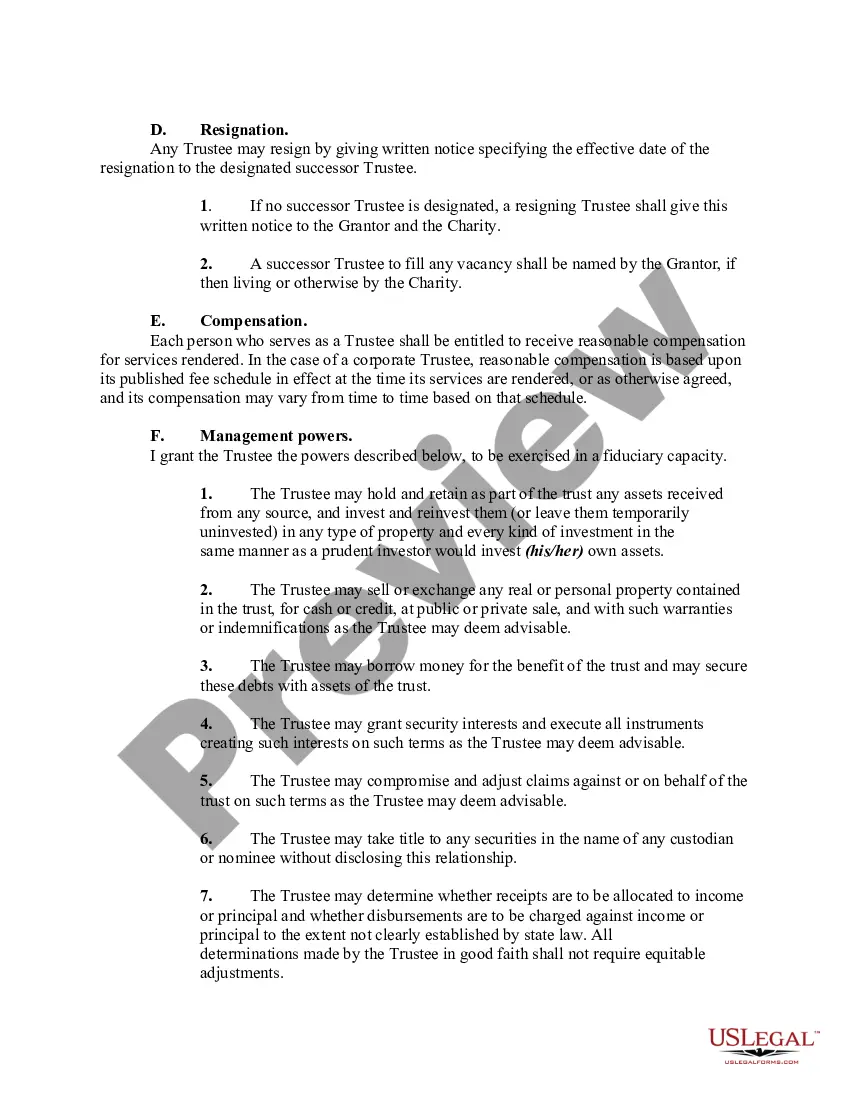
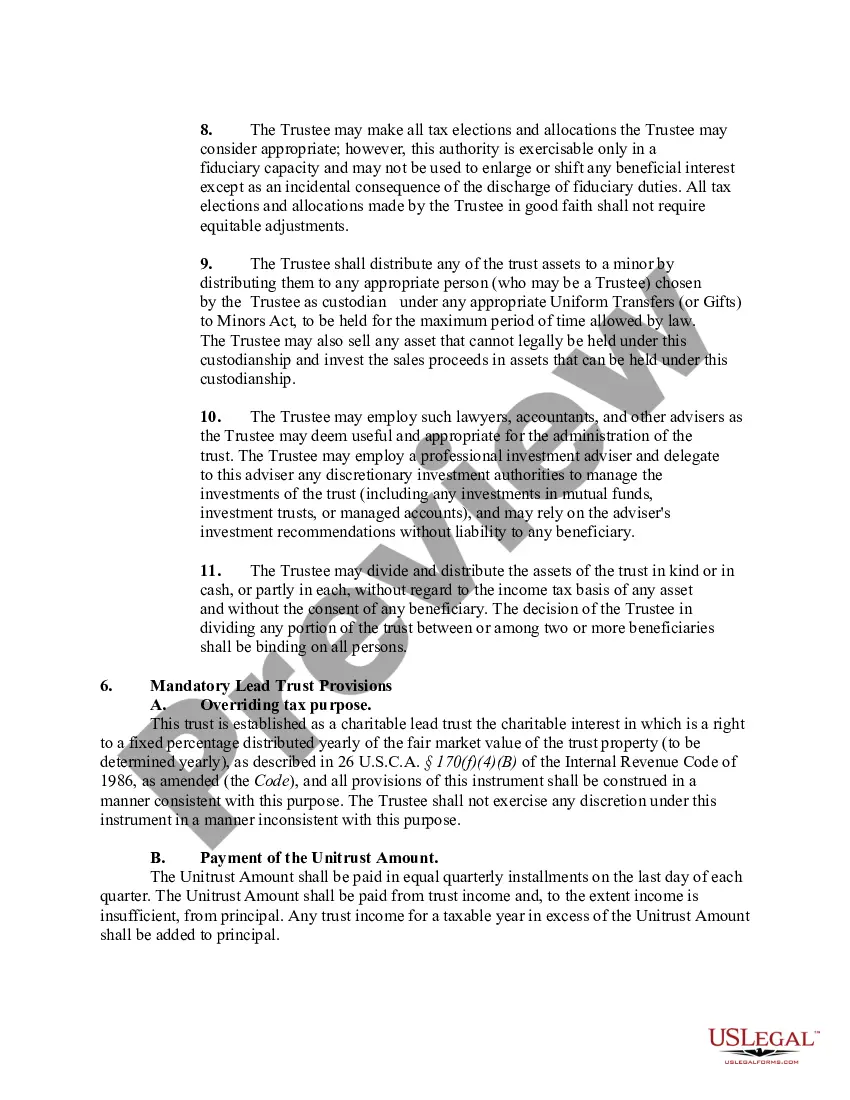
How to fill out Charitable Lead Inter Vivos Unitrust?
Locating a reliable source to obtain the most updated and suitable legal templates is part of the challenge when navigating bureaucracy.
Selecting the correct legal documentation necessitates accuracy and meticulousness, which highlights the importance of acquiring samples of Charitable Remainder Trust With Life Estate solely from reputable providers, such as US Legal Forms. An incorrect template could squander your time and delay your circumstances.
Eliminate the complications that come with your legal documentation. Explore the vast US Legal Forms archive to discover legal samples, assess their applicability to your situation, and download them instantly.
- Utilize the catalog navigation or search feature to locate your template.
- Examine the form’s details to ensure it meets the standards of your state and area.
- View the form preview, if available, to verify that the template aligns with your expectations.
- Return to the search and identify the correct template if the Charitable Remainder Trust With Life Estate does not suit your requirements.
- If you are confident about the form’s applicability, download it.
- As an authorized user, click Log in to verify and access your chosen templates in My documents.
- If you do not have an account yet, click Buy now to acquire the template.
- Choose the pricing option that meets your needs.
- Continue to registration to finalize your purchase.
- Complete your transaction by selecting a payment method (credit card or PayPal).
- Choose the document format for downloading Charitable Remainder Trust With Life Estate.
- Once you have the form on your device, you can modify it using the editor or print it and complete it manually.
Form popularity
FAQ
Question: Where can I obtain a copy of a will? Answer: All estates are public record and anyone may see an estate file or obtain copies from the Probate Court, Estate Division.
If the will meets the statutory requirements for a will in South Carolina, it is valid whether it is made online or not.
Wills in South Carolina don't need to be notarized to be valid, but notarization can make the probate process smoother. That's because, when a will is notarized, it means the probate court doesn't have to summon the witnesses to make sure the will is legally binding.
There are three requirements for a valid will in South Carolina: It is signed by the will-maker. It must have two witness signatures. It must be notarized by a notary public.
An out-of-state Will is valid if it complies with the law at the time it was executed of either (i) the place where the person making the Will was domiciled (legally resided) at the time it was executed or (ii) the place where the person who made the Will was domiciled at the time of his or her death.
If the will meets the statutory requirements for a will in South Carolina, it is valid whether it is made online or not.
No, in South Carolina, you do not need to notarize your will to make it legal. However, South Carolina allows you to make your will "self-proving" and you'll need to go to a notary if you want to do that.
A South Carolina will must be filed with the Probate Court within thirty days of the decedent's death. Once the will is proven, the executor (person who oversees the deceased's estate) can proceed to wrap up the estate, which includes collecting and protecting property, paying off debts, and then distributing assets.