Revocable Trust Em Portugues
Description
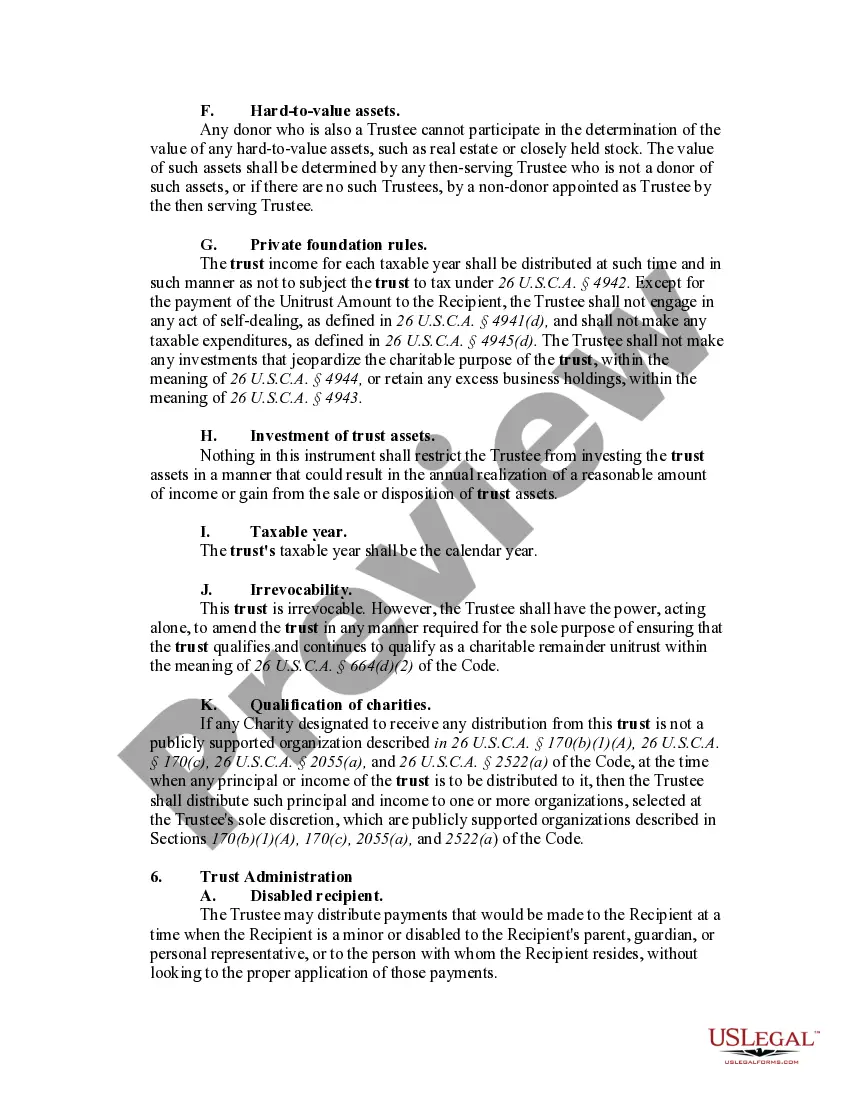
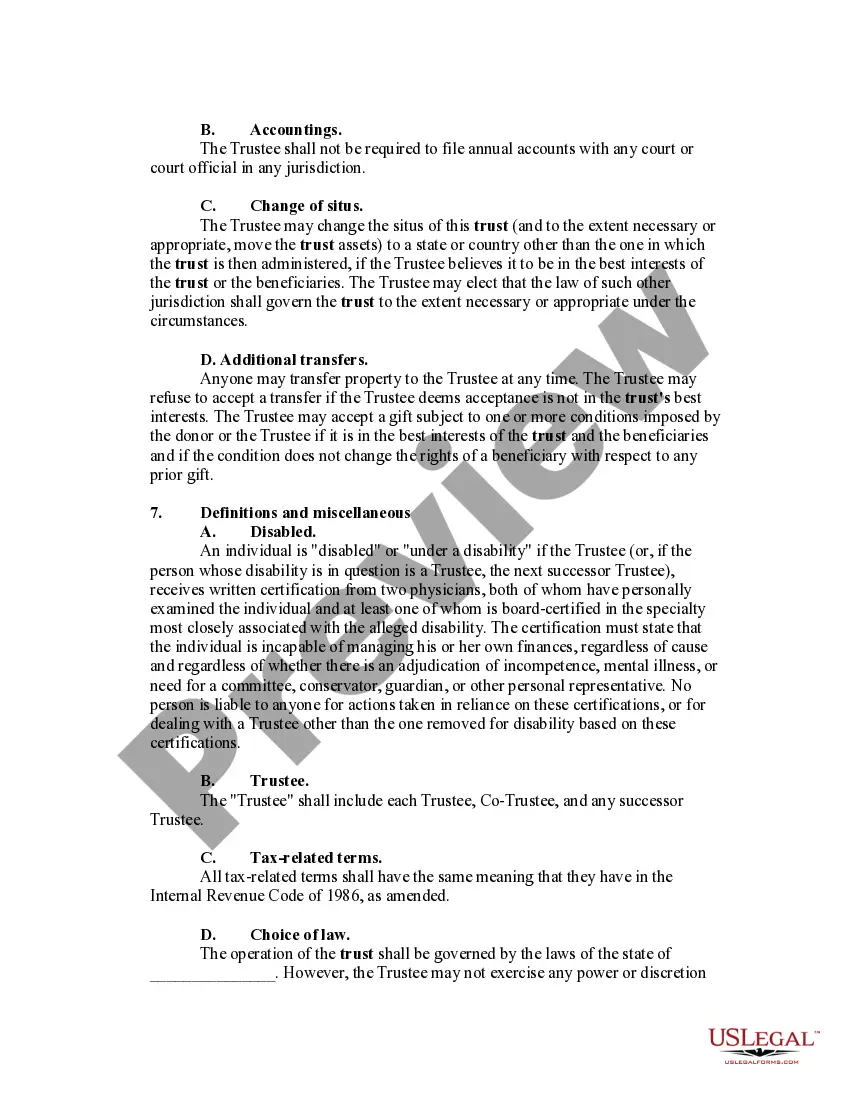
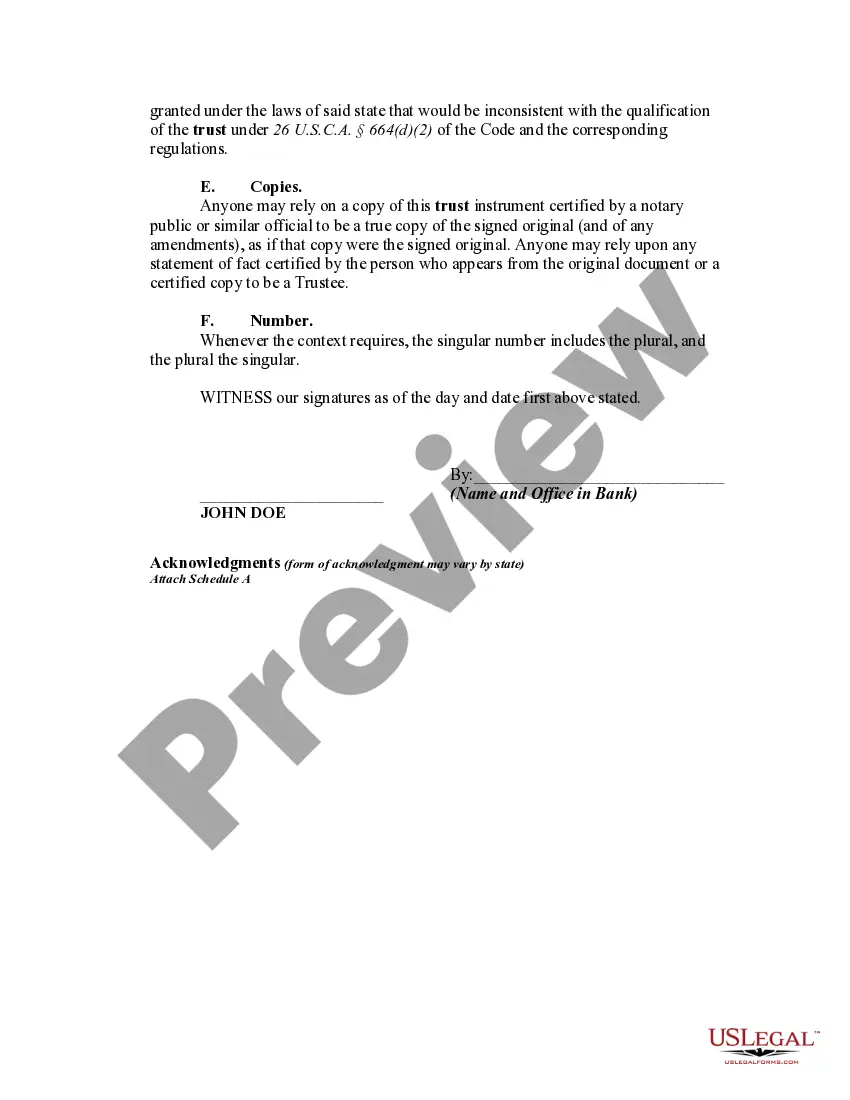
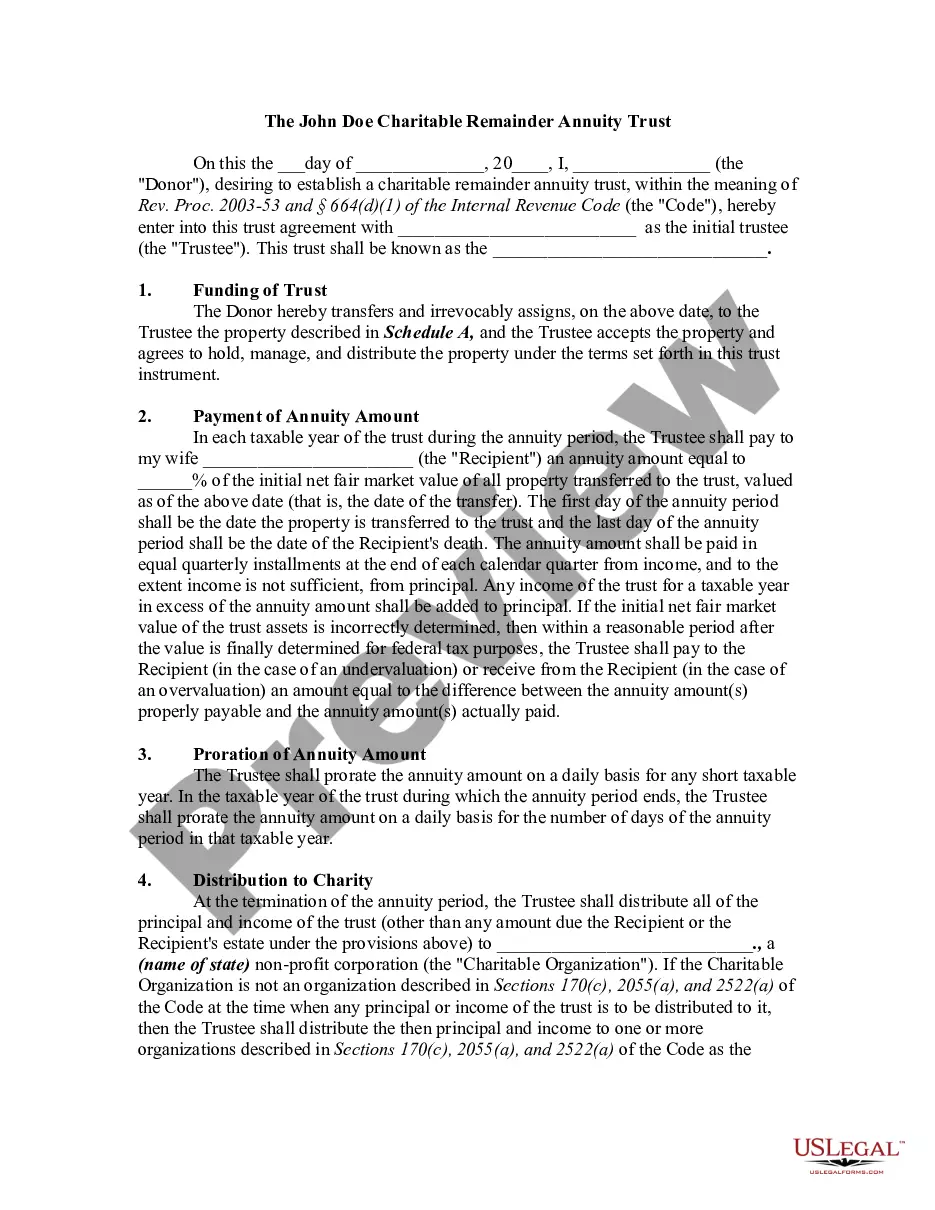
Get your form ready online
Our built-in tools help you complete, sign, share, and store your documents in one place.
Make edits, fill in missing information, and update formatting in US Legal Forms—just like you would in MS Word.
Download a copy, print it, send it by email, or mail it via USPS—whatever works best for your next step.
Sign and collect signatures with our SignNow integration. Send to multiple recipients, set reminders, and more. Go Premium to unlock E-Sign.
If this form requires notarization, complete it online through a secure video call—no need to meet a notary in person or wait for an appointment.
We protect your documents and personal data by following strict security and privacy standards.

Make edits, fill in missing information, and update formatting in US Legal Forms—just like you would in MS Word.

Download a copy, print it, send it by email, or mail it via USPS—whatever works best for your next step.

Sign and collect signatures with our SignNow integration. Send to multiple recipients, set reminders, and more. Go Premium to unlock E-Sign.

If this form requires notarization, complete it online through a secure video call—no need to meet a notary in person or wait for an appointment.

We protect your documents and personal data by following strict security and privacy standards.
Looking for another form?
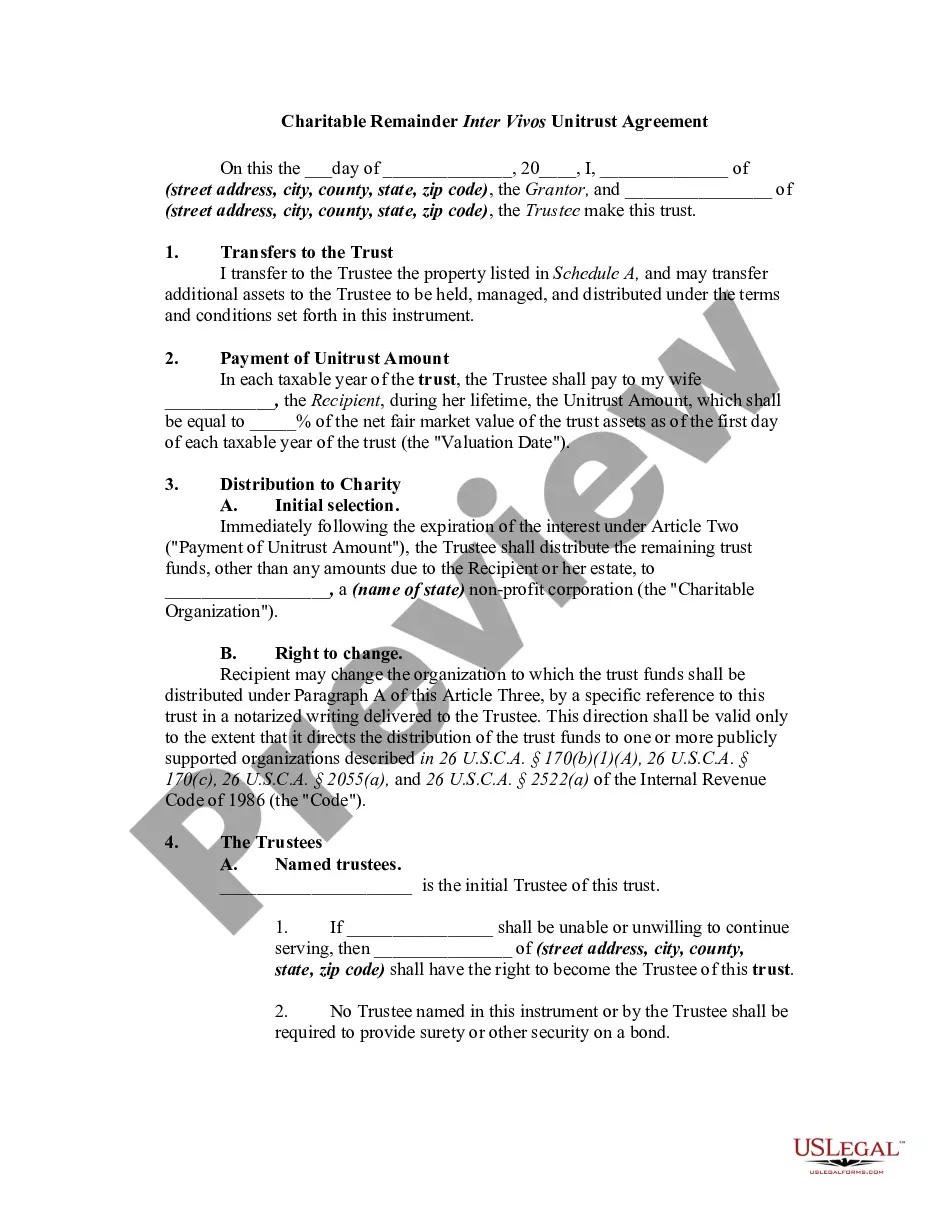
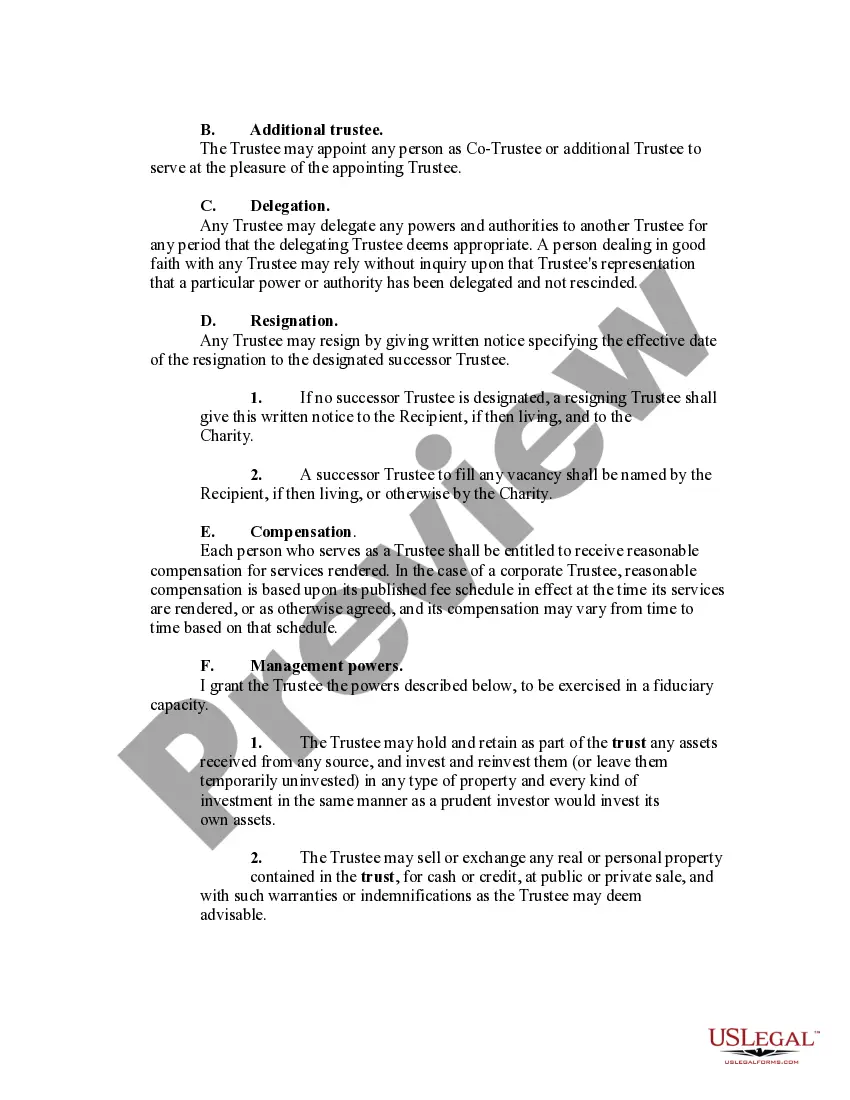
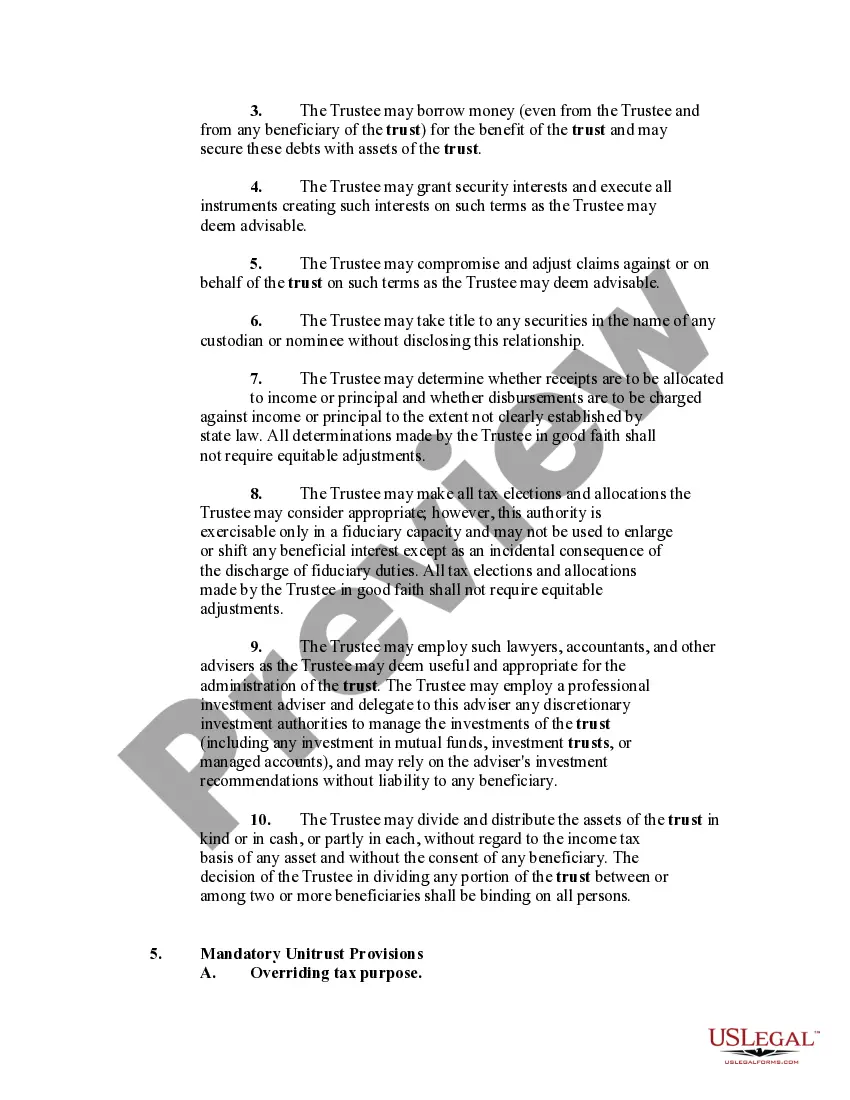
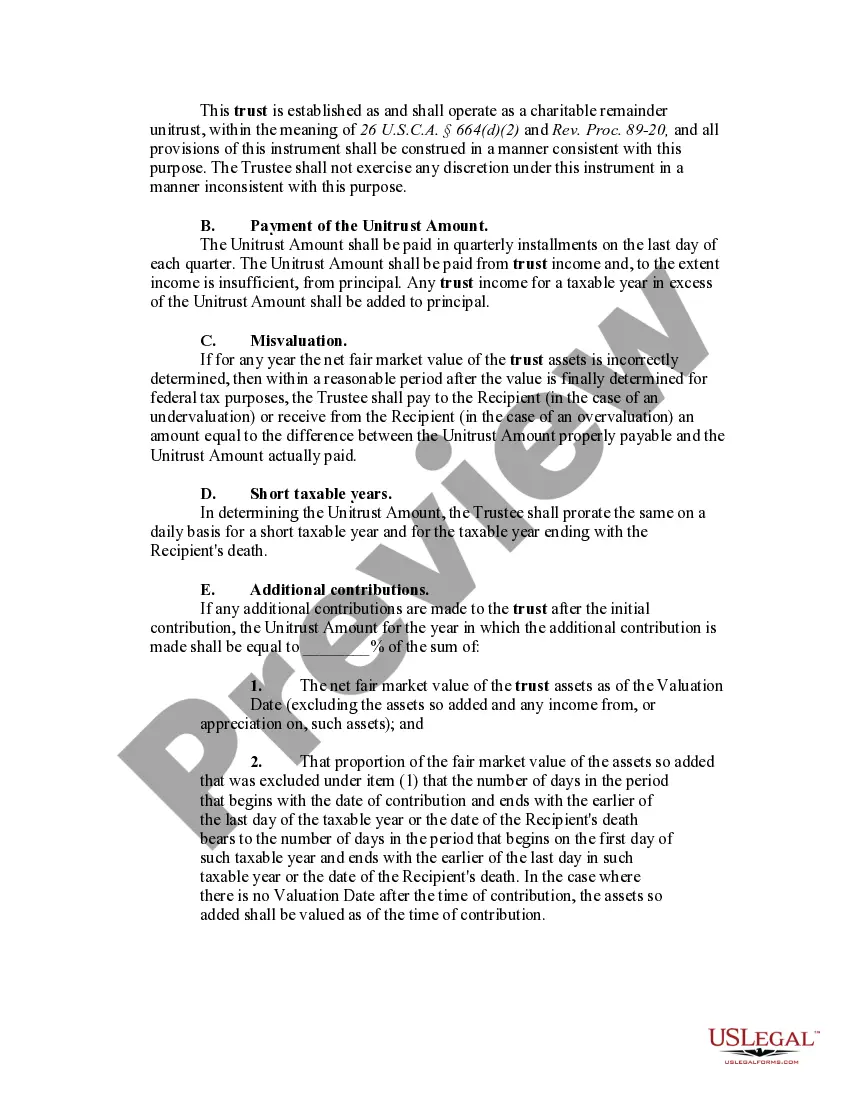
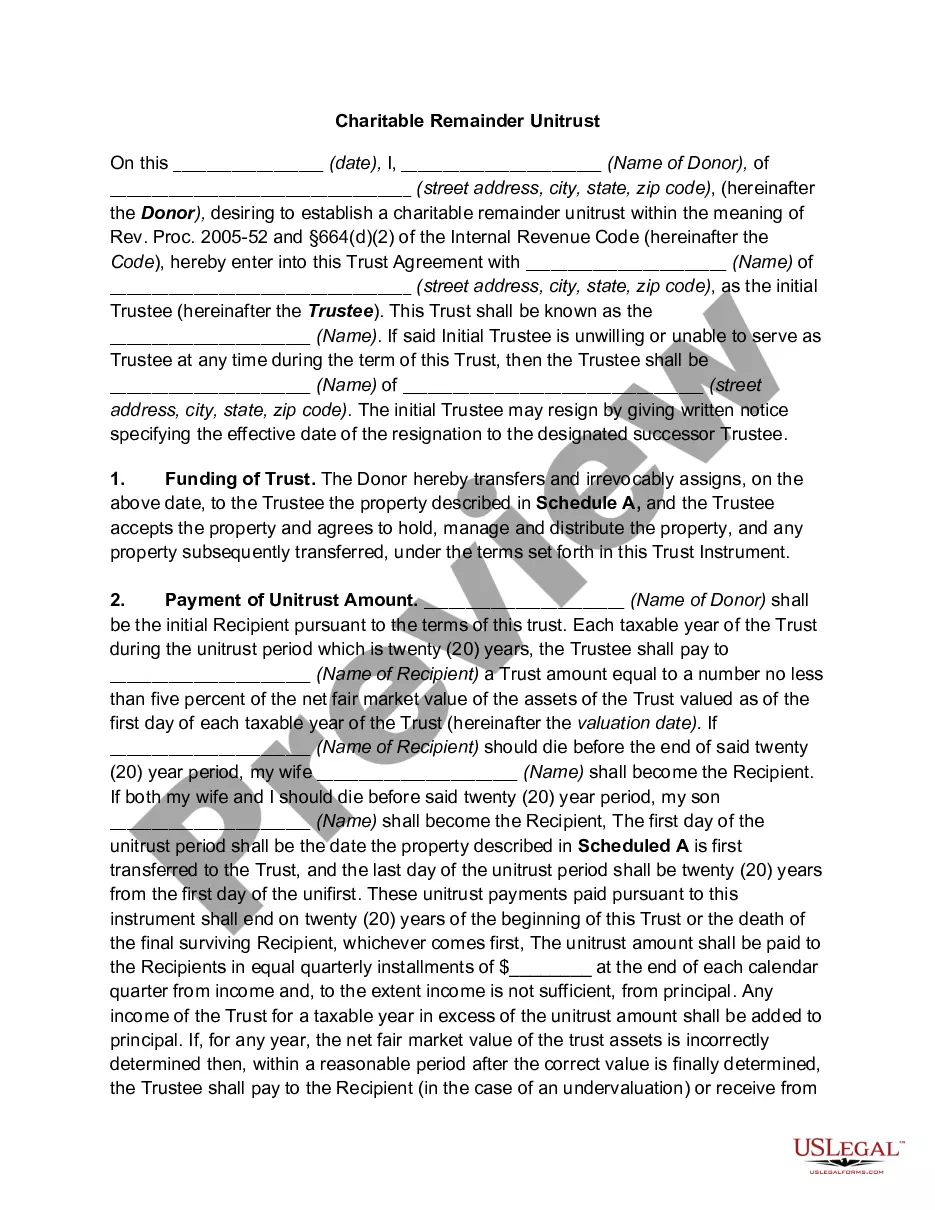
How to fill out Charitable Remainder Inter Vivos Unitrust Agreement?
- Log in to your account on the US Legal Forms website if you're a returning user. Verify that your subscription is active and ready to access the required form.
- If you are a new user, start by previewing the available documents. Ensure that you select the form that matches your needs, particularly one that adheres to your local jurisdiction.
- Search for additional templates if necessary. Utilize the search feature to find the correct form if issues arise with your initial choice. Once you find the right document, proceed to the next step.
- Purchase the document by clicking on the 'Buy Now' button. Choose a subscription plan that fits your requirements and create an account for access to the extensive library of legal forms.
- Complete your purchase by entering your payment details. You can utilize credit card information or choose PayPal for the transaction.
- Download the completed form to your device. You can access this document anytime and keep it stored in the 'My Documents' section of your US Legal Forms profile.
In conclusion, obtaining legal documents related to a revocable trust in Portuguese is straightforward with US Legal Forms. Their extensive library and expert assistance ensure that you have access to accurate and legally binding documents.
Start your estate planning today by visiting US Legal Forms to explore their comprehensive legal form options.
Form popularity
FAQ
Em inglês, 'trust' abrange conceitos de propriedade e gestão de ativos onde uma parte age em benefício de outra. É um componente essencial do planejamento patrimonial e inclui diversos tipos, como o 'revocable trust', que pode ser ajustado ao longo do tempo. Para quem busca entender isso em termos de 'revocable trust em portugues', é fundamental conhecer as implicações legais desta ferramenta.
Um 'trust' em português, muitas vezes designado como 'fideicomisso', é uma maneira de organizar ativos e assegurar seu uso ideal segundo as diretrizes do doador. Ele permite que o dinheiro ou propriedades sejam geridos por outra pessoa, enquanto se mantém a legitimidade e controle dos bens. Portanto, é importante conhecer as nuances do 'revocable trust em portugues' para benefícios patrimoniais.
O termo 'trust' implica uma relação de confiança em que um fiduciário administra os ativos para o benefício de outro. Isso envolve responsabilidades éticas e legais que garantem que o gerenciador atue em prol dos interesses do beneficiário. Se você está considerando um 'revocable trust em portugues', saiba que ele permite flexibilidade e controle sobre os seus bens.
Nos Estados Unidos, um 'trust' é uma entidade legal que permite a distribuição e gestão de bens conforme a vontade do instituidor. Um dos tipos mais comuns é o 'revocable trust', que pode ser alterado ou revogado durante a vida do instituidor. Essa ferramenta é crucial para a organização patrimonial e planejamento sucessório, especialmente na forma 'revocable trust em portugues'.
No contexto jurídico brasileiro, um 'trust' é frequentemente traduzido como 'fideicomisso'. Trata-se de um arranjo que permite a uma pessoa transferir ativos para outra, garantindo que esses valores sejam usados conforme as intenções do doador. Essa definição é essencial, especialmente quando se explora o conceito de 'revocable trust em portugues'.
A palavra 'trust' em inglês refere-se a um relacionamento legal onde uma parte, chamada de fiduciário, detém a propriedade em benefício de outra parte, conhecida como beneficiário. Neste contexto, o 'trust' serve como um instrumento financeiro que pode oferecer vantagens na gestão de ativos. Portanto, compreender 'trust' é fundamental para discutir temas como o 'revocable trust em portugues'.
Setting up a revocable trust em portugues can be relatively straightforward, especially with the right guidance. While it requires careful planning and attention to detail, using user-friendly resources like US Legal Forms can simplify the process. You need to review your assets, decide on beneficiaries, and fill out the necessary documents. With a bit of effort, you can create a revocable trust that meets your needs and offers peace of mind for the future.
Creating a revocable trust em portugues typically involves drafting a trust document, which outlines how your assets will be managed during your lifetime and distributed after your death. You will need to gather information about your assets and identify your beneficiaries. Then, you can work with a legal professional or use a platform like US Legal Forms to create your trust document. Once the trust is established, you must transfer your assets into the trust to ensure they are managed according to your wishes.
One downside of a revocable trust em portugues is that it does not provide asset protection from creditors. Additionally, since you retain control over the assets within the trust, they may be considered part of your estate for tax purposes. This means that while revocable trusts offer flexibility during your lifetime, they might not minimize estate taxes as effectively as irrevocable trusts. Understanding these limitations can help you make informed decisions about your estate planning.
Good names for a trust may include phrases like 'The Heritage Trust' or 'Future Generations Trust.' These names convey care for your loved ones and the hope for their financial well-being. When selecting a name, prioritize clarity and significance to you and your beneficiaries. A thoughtful name helps establish trust and confidence in your planning.