Remainder Unitrust
Description
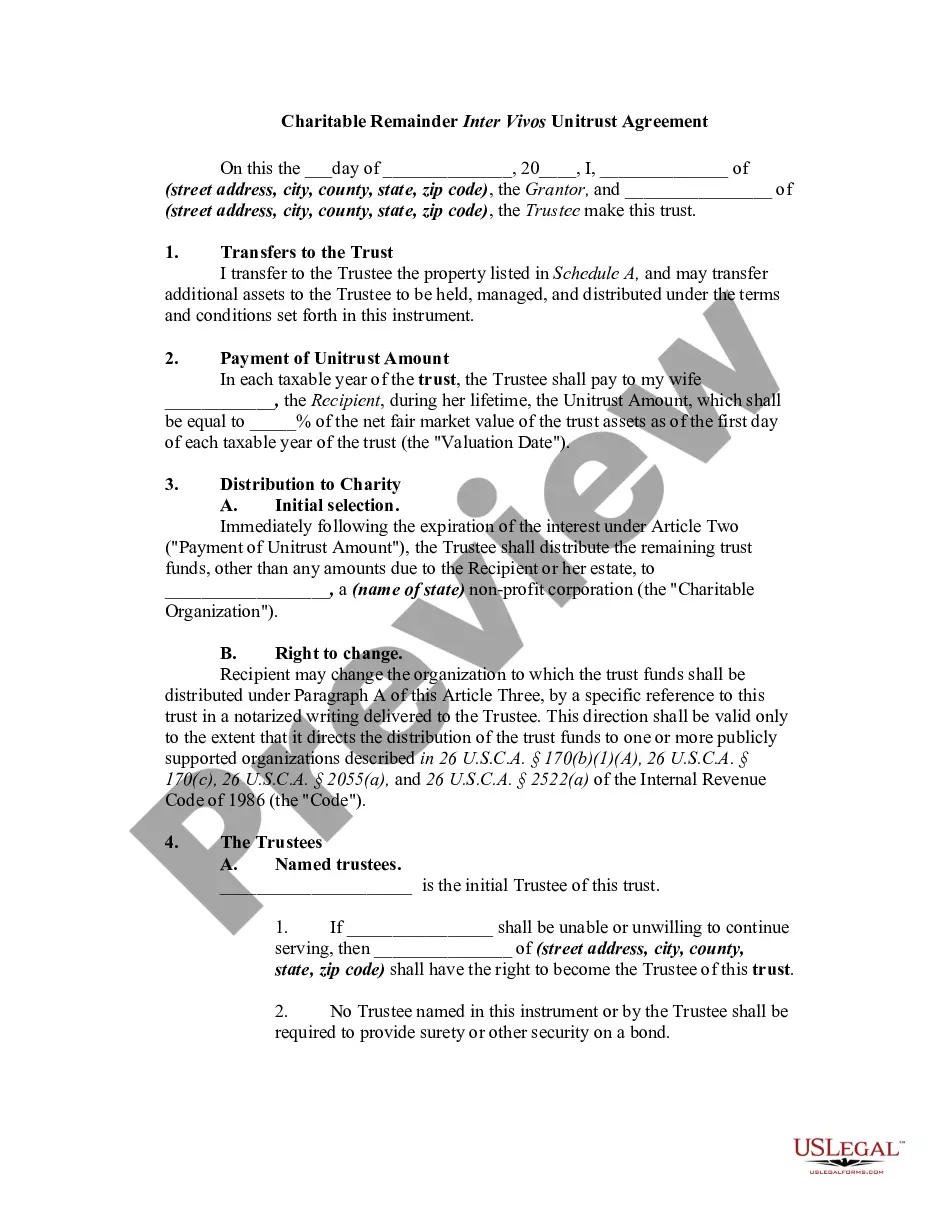
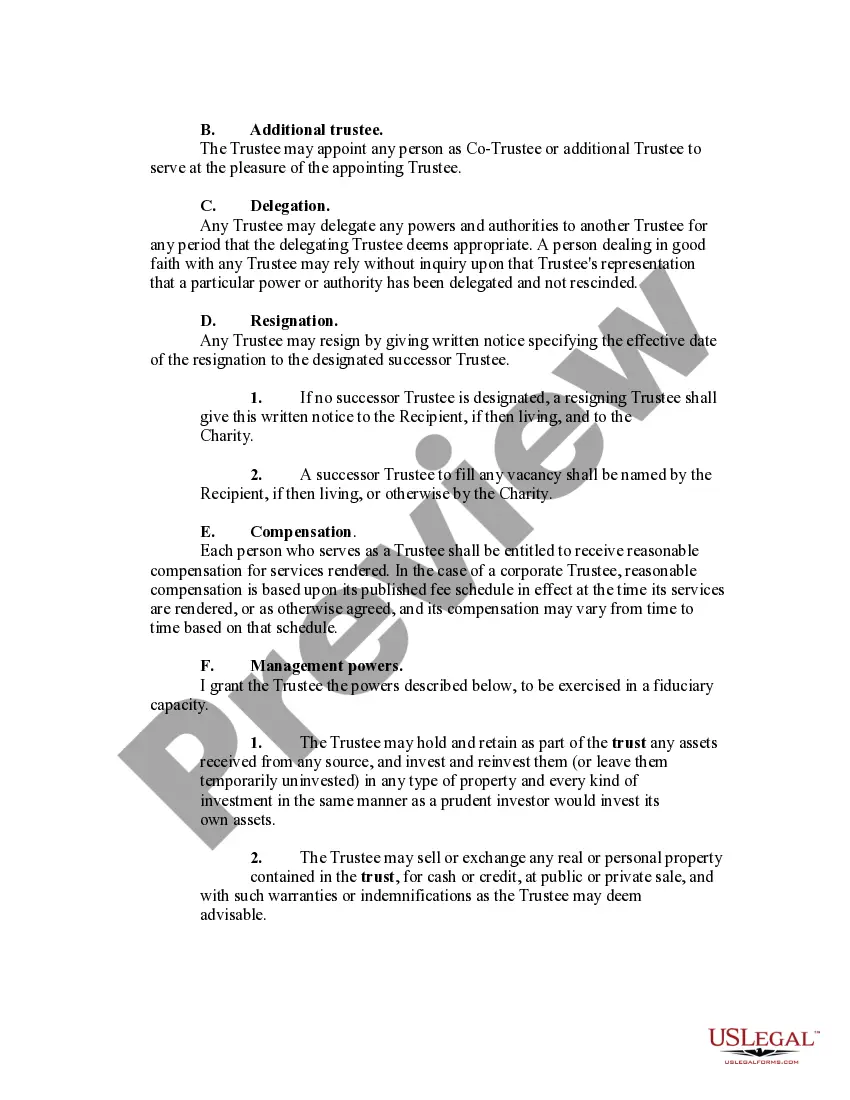
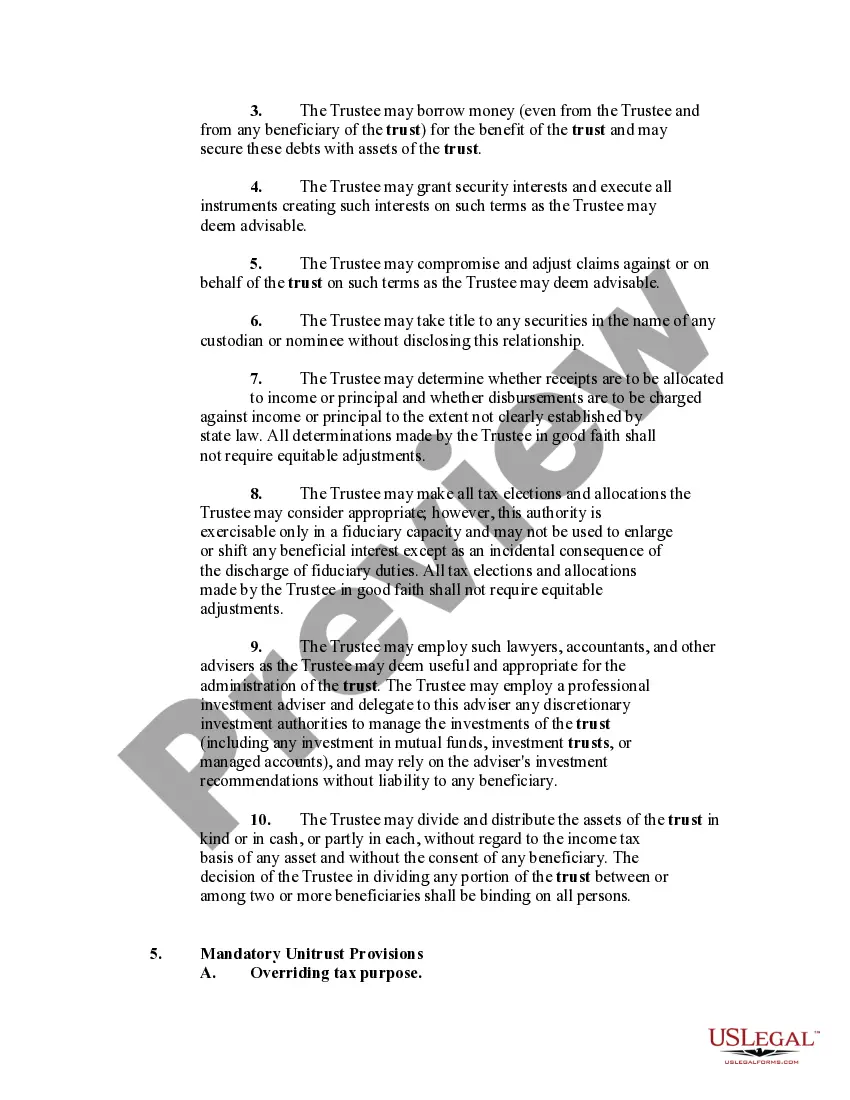
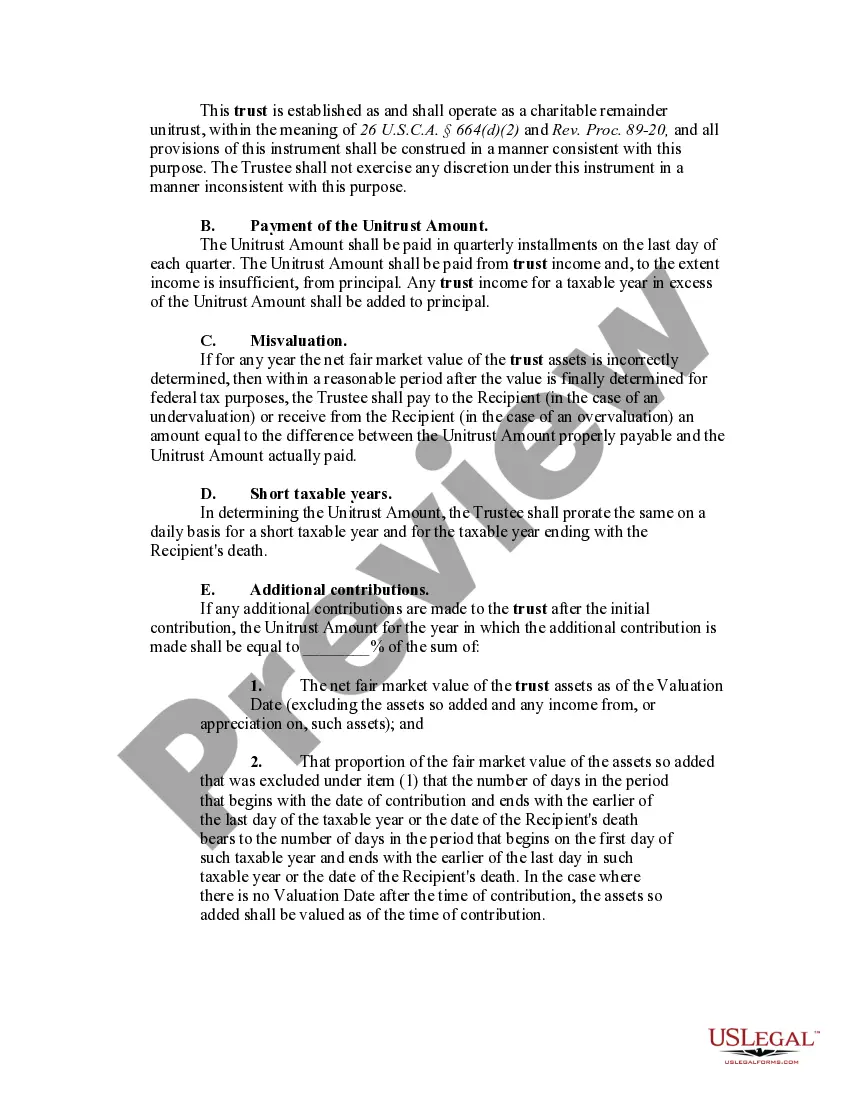
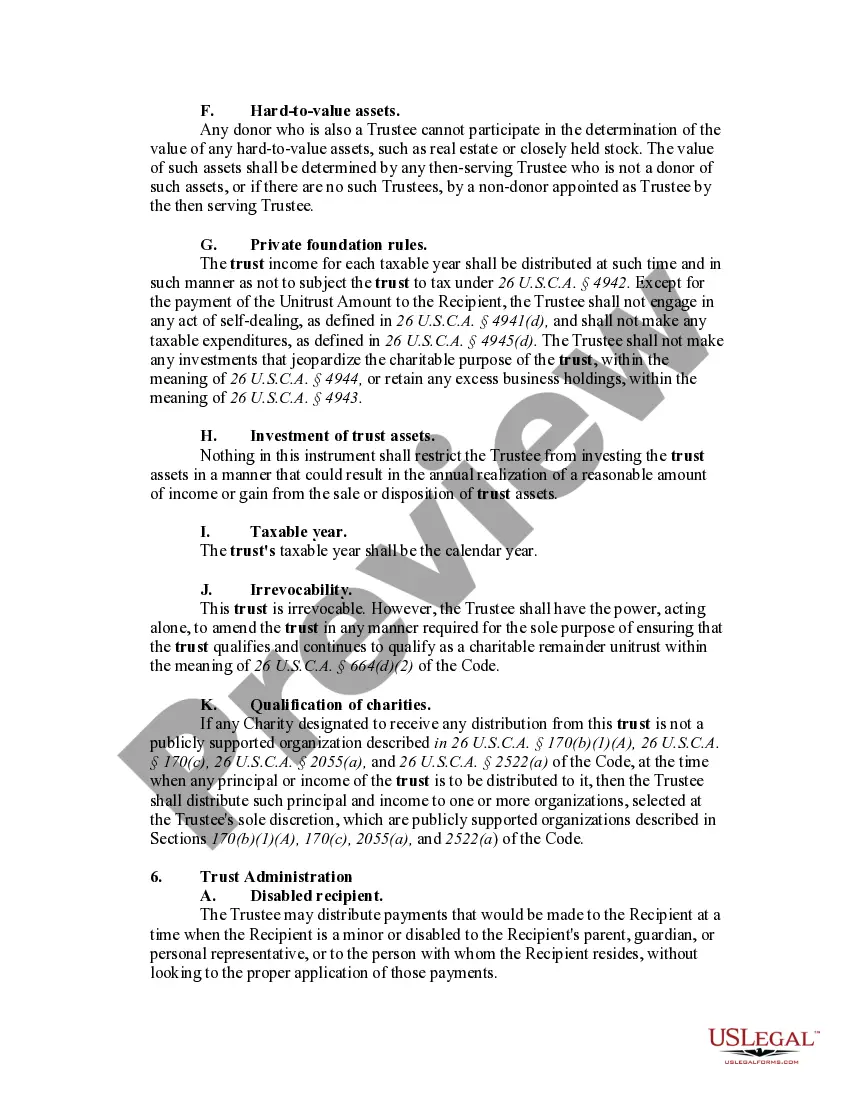
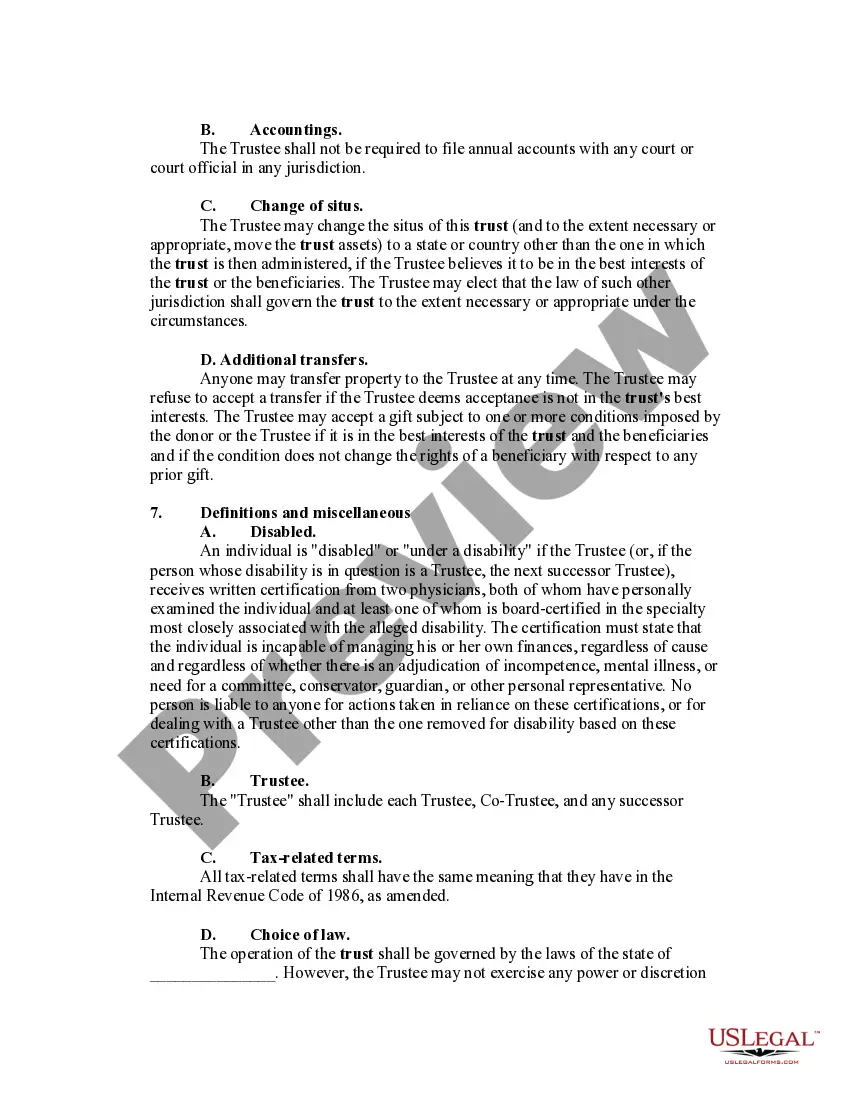
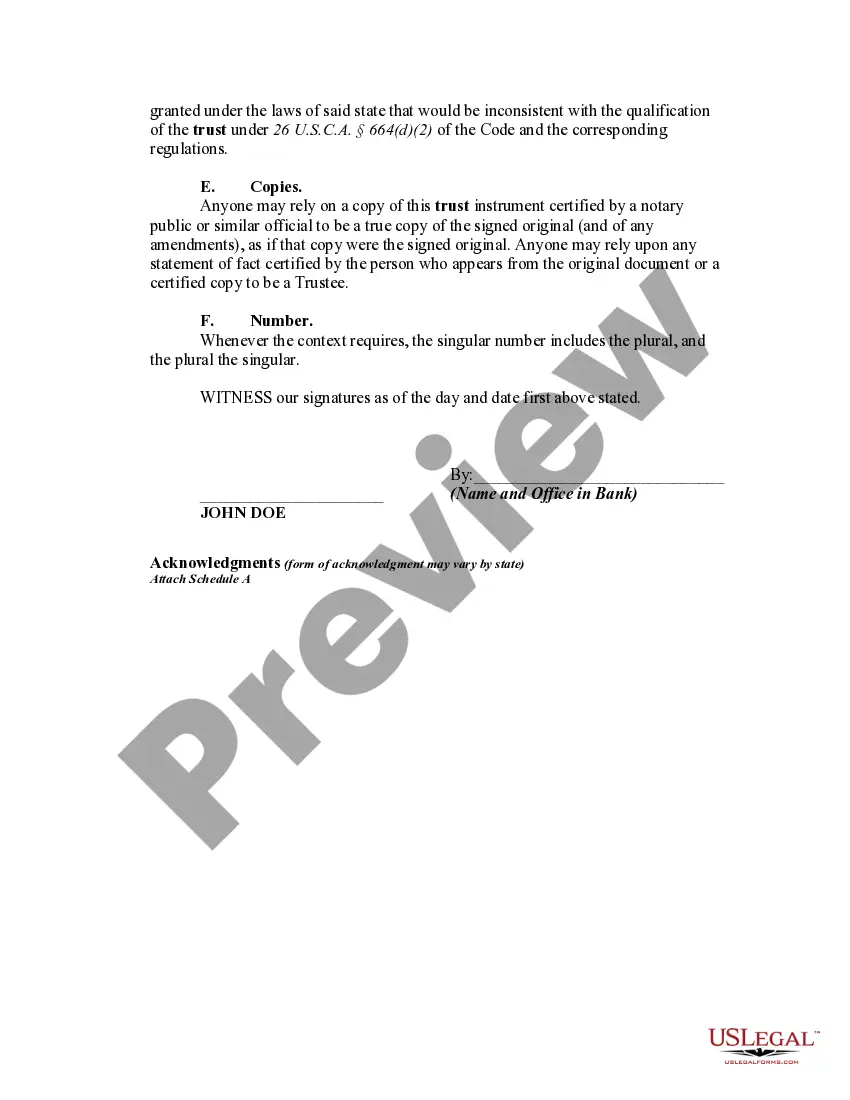
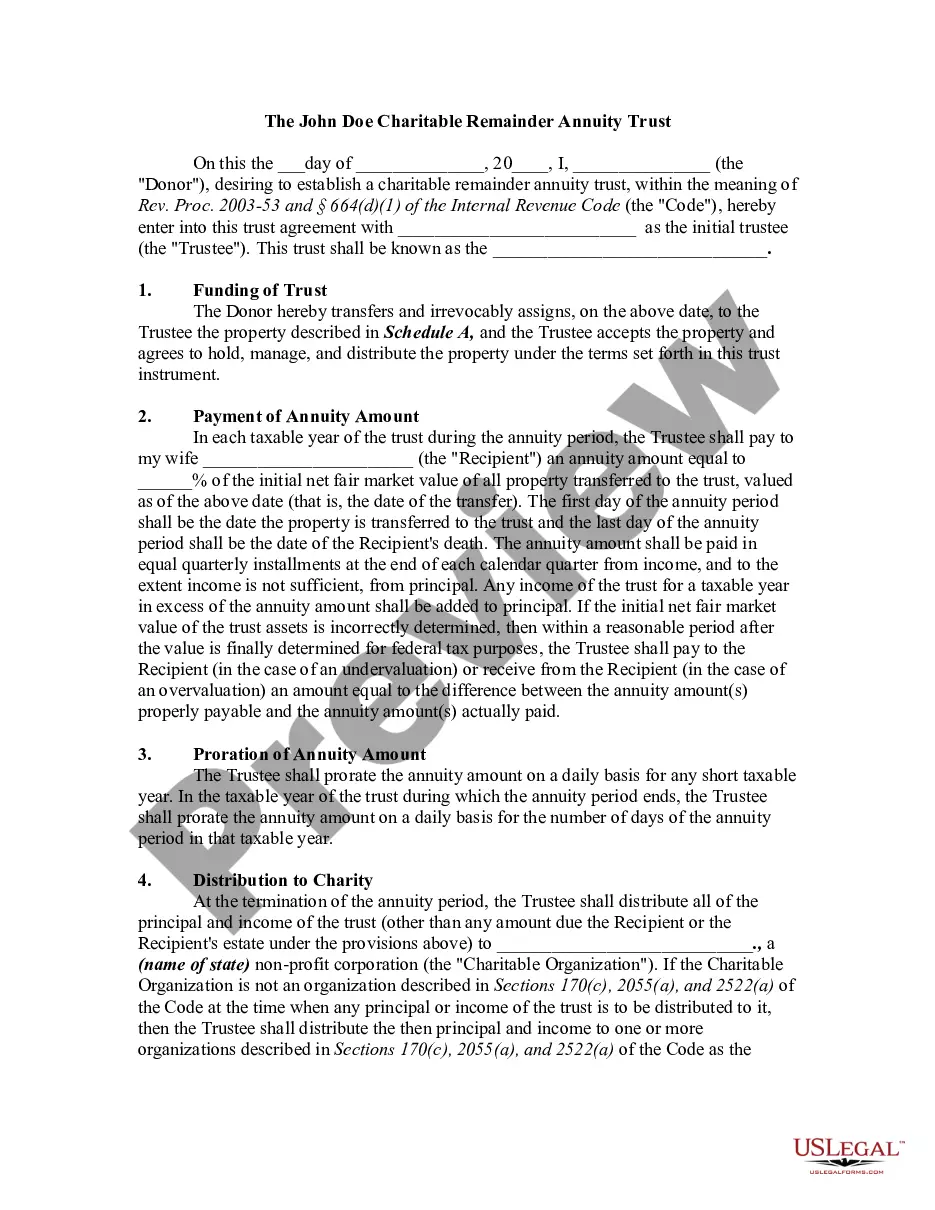
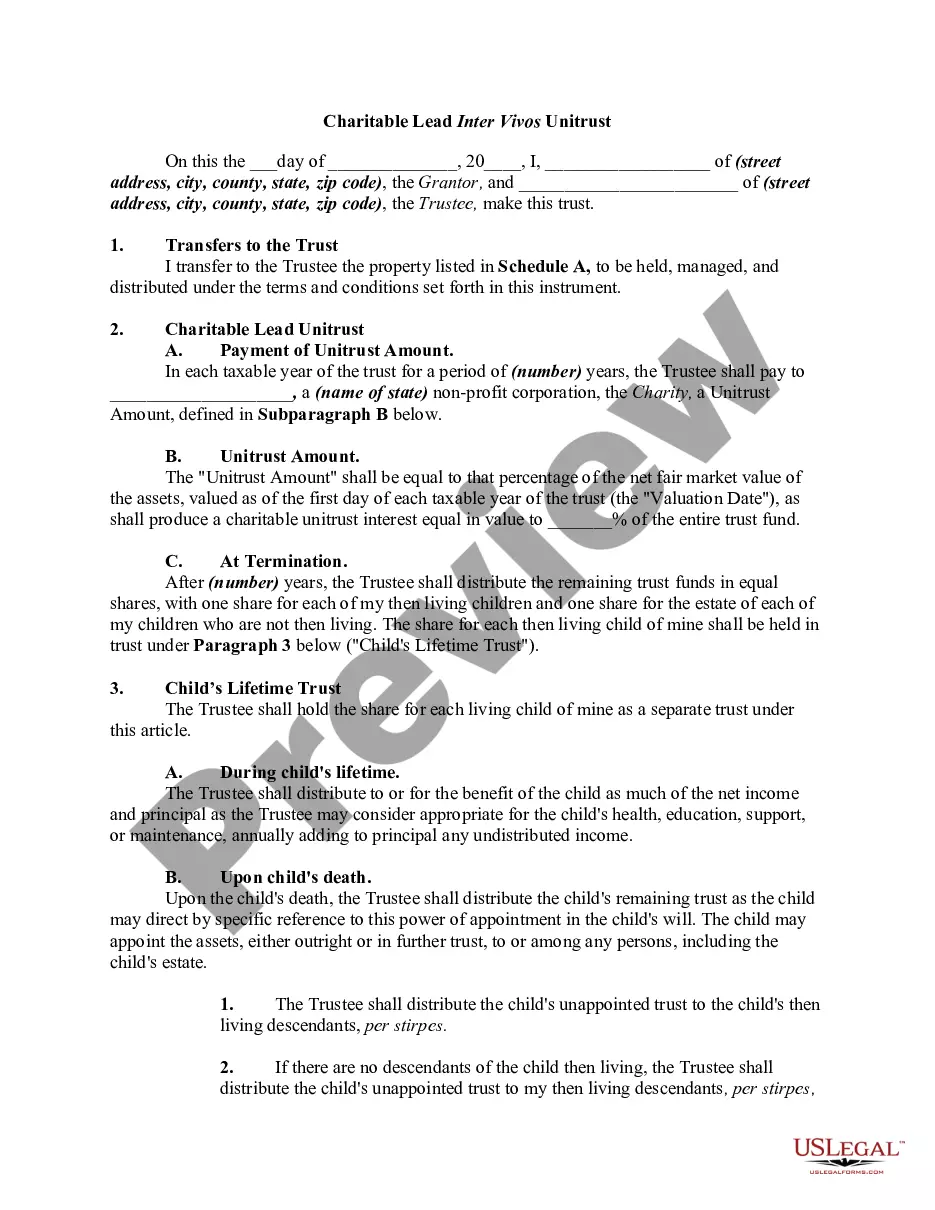
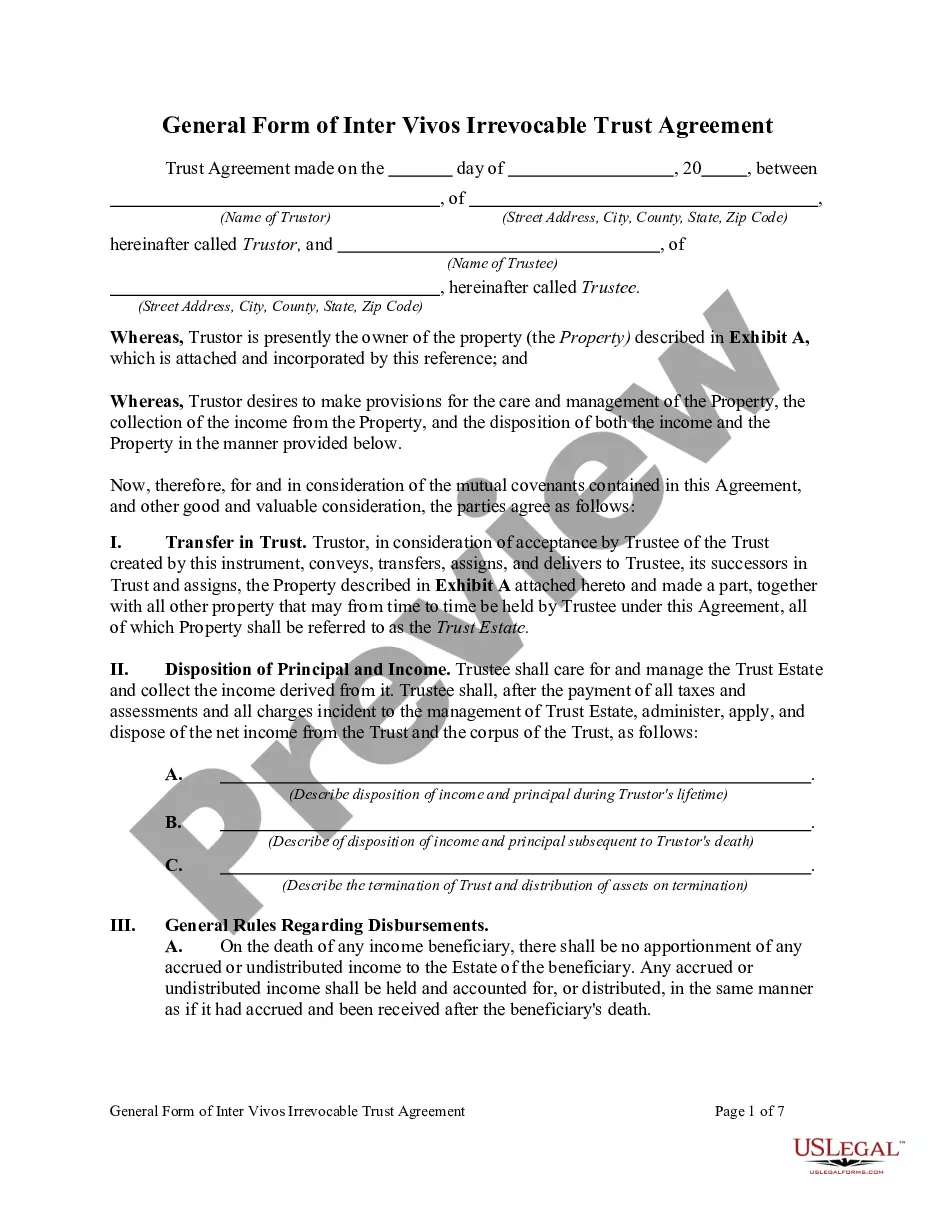
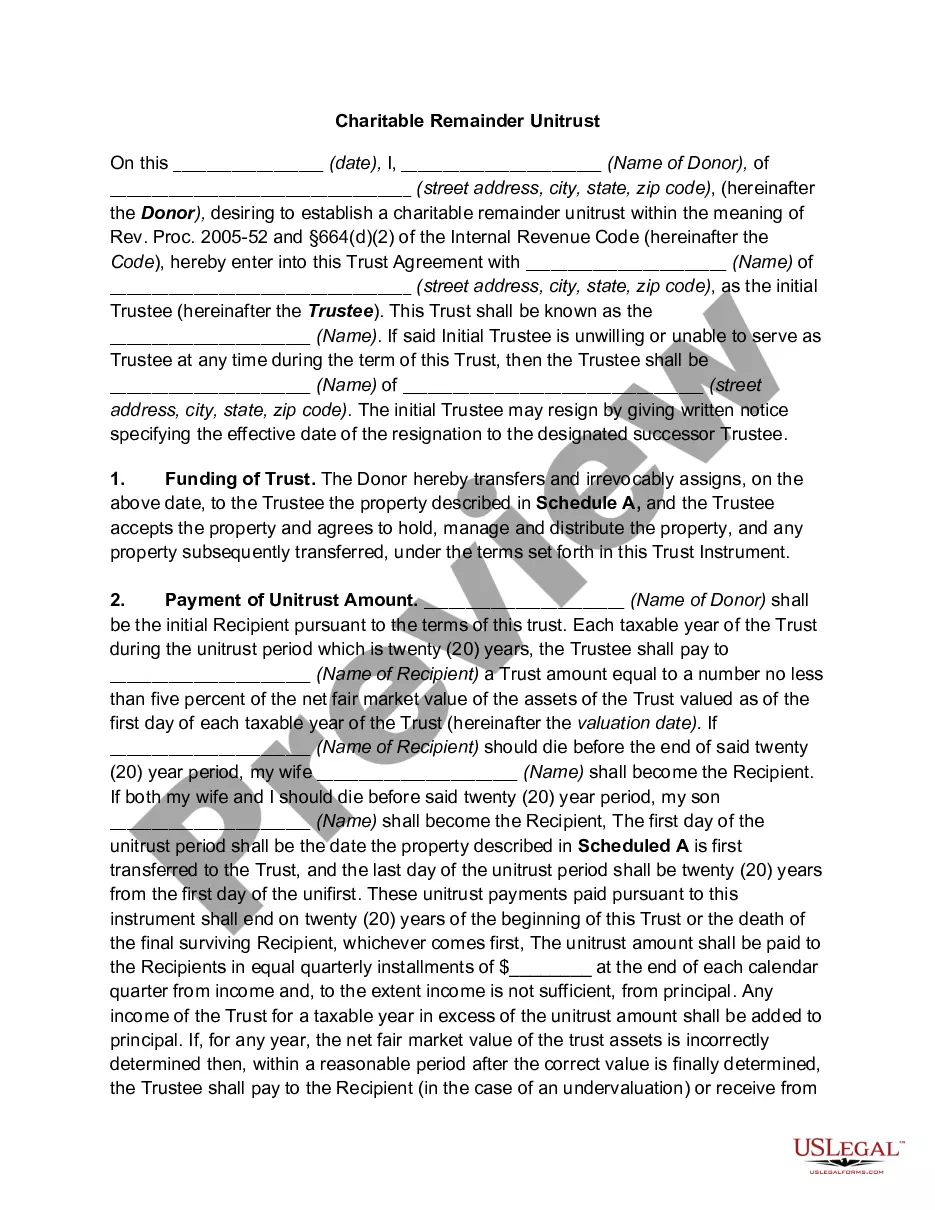
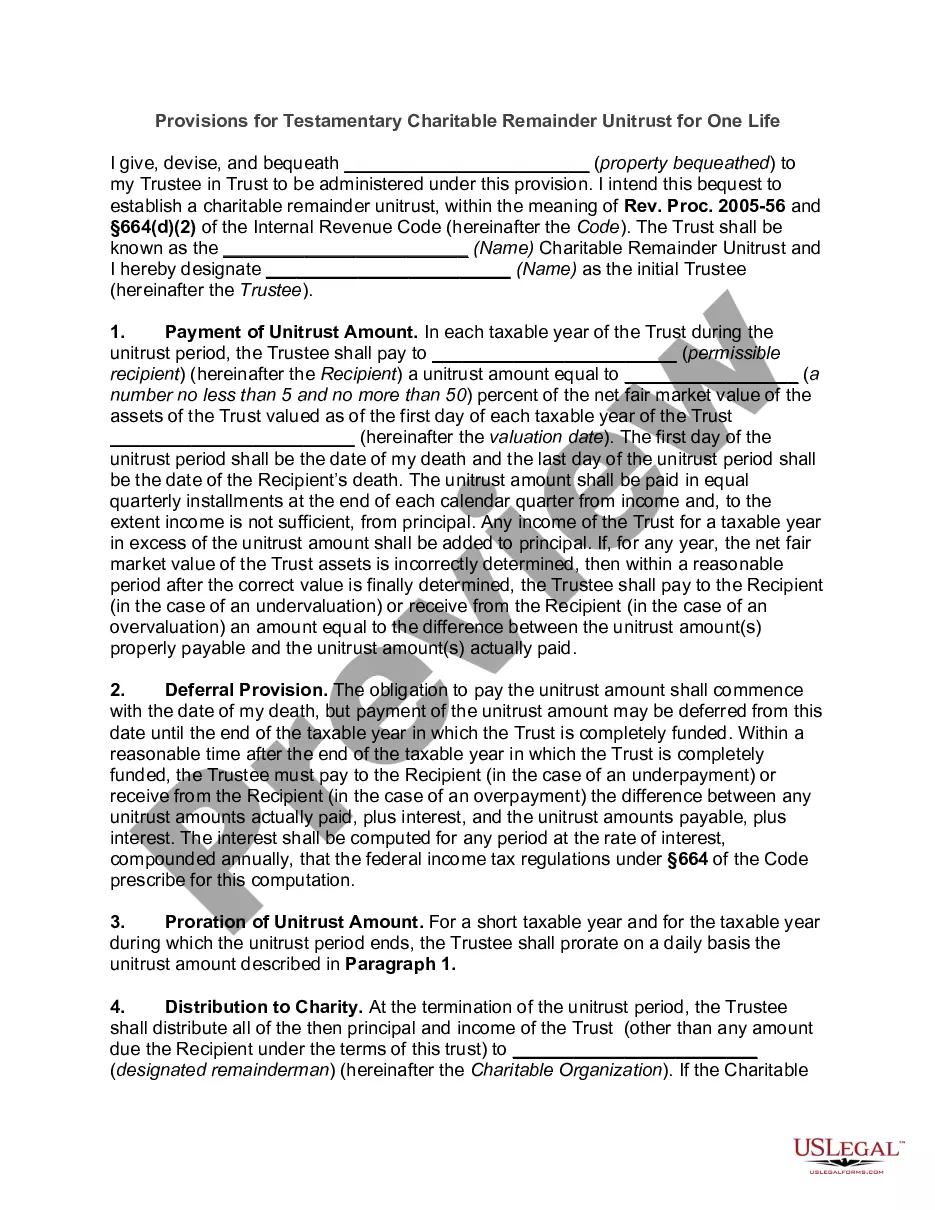
Get your form ready online
Our built-in tools help you complete, sign, share, and store your documents in one place.
Make edits, fill in missing information, and update formatting in US Legal Forms—just like you would in MS Word.
Download a copy, print it, send it by email, or mail it via USPS—whatever works best for your next step.
Sign and collect signatures with our SignNow integration. Send to multiple recipients, set reminders, and more. Go Premium to unlock E-Sign.
If this form requires notarization, complete it online through a secure video call—no need to meet a notary in person or wait for an appointment.
We protect your documents and personal data by following strict security and privacy standards.

Make edits, fill in missing information, and update formatting in US Legal Forms—just like you would in MS Word.

Download a copy, print it, send it by email, or mail it via USPS—whatever works best for your next step.

Sign and collect signatures with our SignNow integration. Send to multiple recipients, set reminders, and more. Go Premium to unlock E-Sign.

If this form requires notarization, complete it online through a secure video call—no need to meet a notary in person or wait for an appointment.

We protect your documents and personal data by following strict security and privacy standards.
Looking for another form?


How to fill out Charitable Remainder Inter Vivos Unitrust Agreement?
- If you're a returning user, log in to your account and download the template by clicking the Download button. Ensure that your subscription is up-to-date; if not, renew it as per your payment plan.
- For first-time users, start by checking the Preview mode and form description to confirm that you've selected the correct template that meets your jurisdiction's requirements.
- If you need a different template, use the Search tab to locate the appropriate form and ensure it aligns with your needs.
- Once you've identified the correct document, click on the Buy Now button and select your preferred subscription plan. You will need to create an account to access the resources.
- Proceed with your purchase by entering your credit card information or using your PayPal account for payment.
- Finally, download your form and save it on your device for completion, ensuring you can access it anytime from the My Forms section.
Using US Legal Forms aids in seamless document creation, offering unparalleled access to a vast collection of customizable legal forms.
Get started today and simplify your legal documentation process with US Legal Forms!
Form popularity
FAQ
Form 5227, which is used by charitable remainder unitrusts to report activities, cannot currently be filed electronically. You will need to print out the form and send it through the mail to meet the IRS requirements. However, utilizing platforms like US Legal Forms can guide you through the filing process and provide necessary templates to ensure accuracy and compliance.
Yes, a Charitable Remainder Unitrust (CRUT) typically files a Form 1041, which is required for reporting income, deductions, gains, and losses associated with the trust. This form helps the trustee report the trust's income to the IRS. Additionally, the trust will also issue a Schedule K-1 to beneficiaries, detailing their share of income for tax purposes.
The 5 rule for charitable remainder trust, often paired with the term '5% rule', outlines the minimum payout requirement for these trusts. This ensures that the trust distributes at least 5% of its assets annually to the beneficiaries. Being aware of this rule helps you maximize the advantages of a remainder unitrust while meeting regulatory requirements.
To set up a charitable remainder unitrust, first consult with a legal or financial advisor to assess your goals. Next, draft a trust document that outlines the terms, including payout rates and charitable beneficiaries. Once the document is complete, fund the trust with assets. USLegalForms offers resources and templates to streamline this setup process.
The income you can withdraw from a charitable remainder trust depends on the specific terms set within the remainder unitrust. Generally, the allowable payout rate ranges from 5% to 50% of the trust's assets, based on the needs of the beneficiaries and IRS regulations. This flexibility can enhance income while providing significant tax benefits.
The 5% rule for a charitable remainder trust refers to the minimum annual payout rate that a remainder unitrust must distribute to avoid penalties. This rule ensures that the trust pays out at least 5% of its assets to beneficiaries each year. Understanding this rule helps maintain compliance while maximizing benefits for both the donor and the charity.
To calculate the charitable remainder trust deduction, start by determining the present value of the charitable interest. Subtract this value from the total value of the assets placed into the remainder unitrust. The IRS provides specific tables to assist in this calculation based on the payout rate and the donor's age. Using tools available on USLegalForms can simplify this process.
The primary difference between a trust and a unitrust lies in how payments are structured. A trust may distribute either a fixed dollar amount or a percentage of the trust's assets, but a unitrust pays a set percentage of the trust's value each year. This setup means that a remainder unitrust can potentially provide varying income amounts based on the trust's performance, allowing for greater flexibility and planning in managing your charitable contributions.
Advised Fund (DAF) and a Charitable Remainder Trust (CRT) serve different functions in philanthropic planning. A DAF allows you to contribute assets while retaining advisory rights over how they are distributed to charities, whereas a CRT provides income for you or your beneficiaries for a specified time before the remaining assets go to charity. Understanding these differences can help you choose the most suitable option for your financial strategy and philanthropic goals involving a remainder unitrust.
Similar to the above, the 10% rule for charitable remainder trusts requires that the total value of the trust must result in at least 10 percent being allocated to charitable entities. This rule protects the charitable purpose by ensuring a meaningful donation, while also providing financial benefits to the donor. When you establish a remainder unitrust, it's essential to consider this guideline to optimize your philanthropic impact.