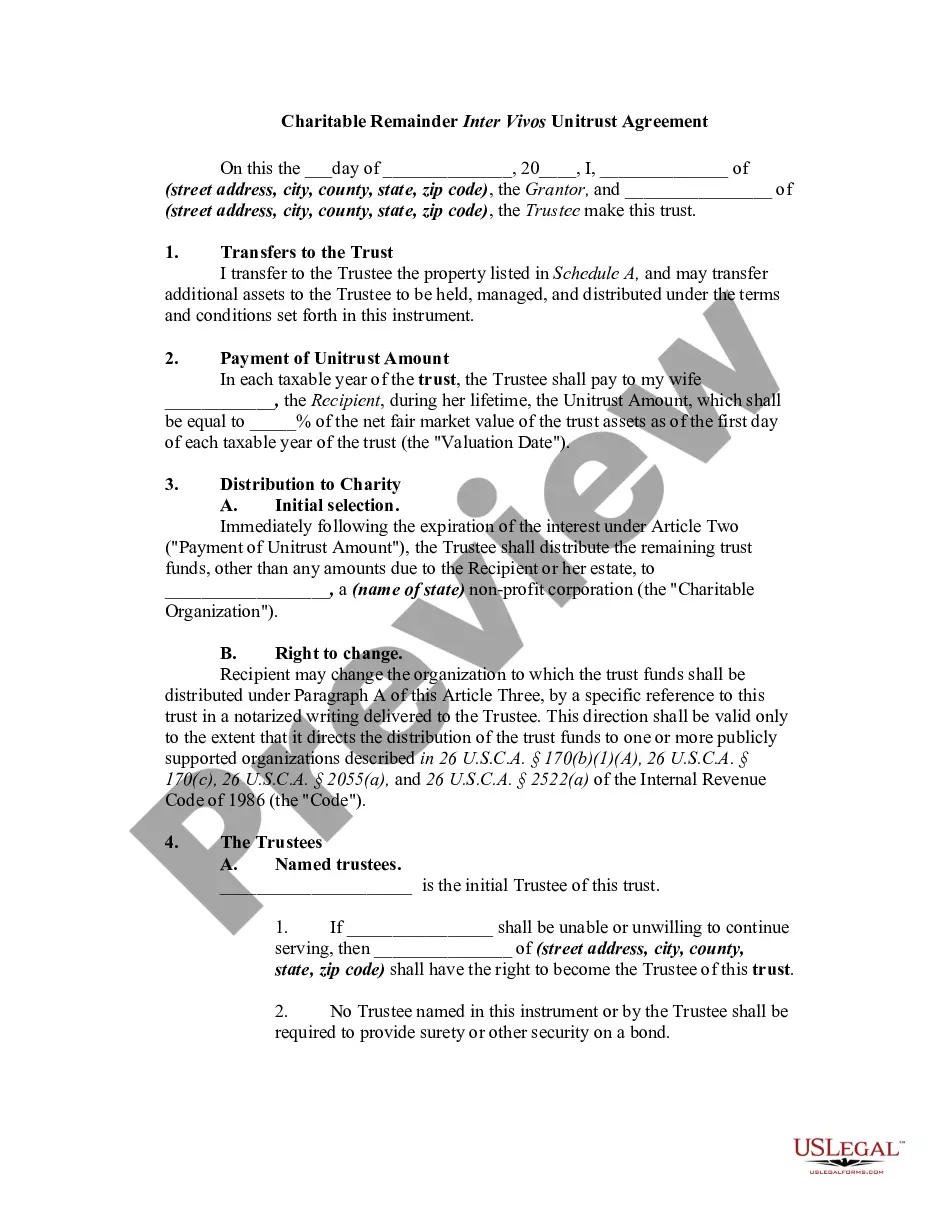
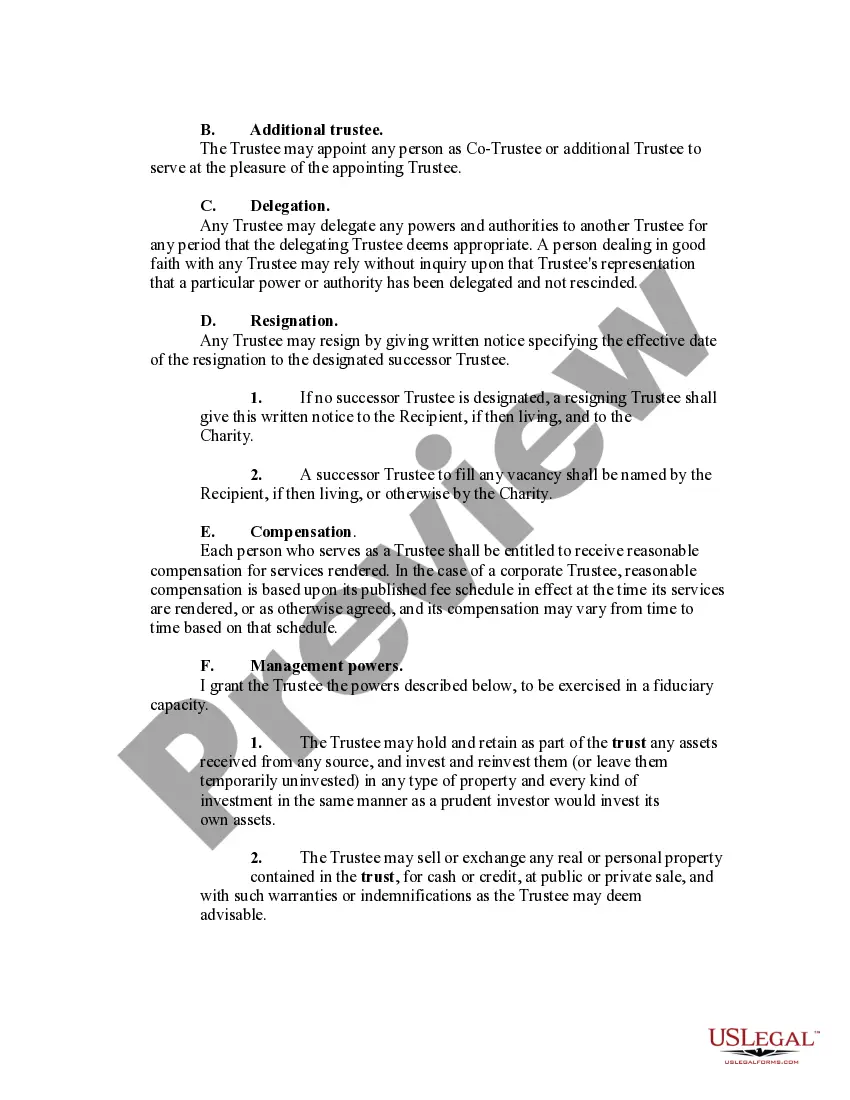
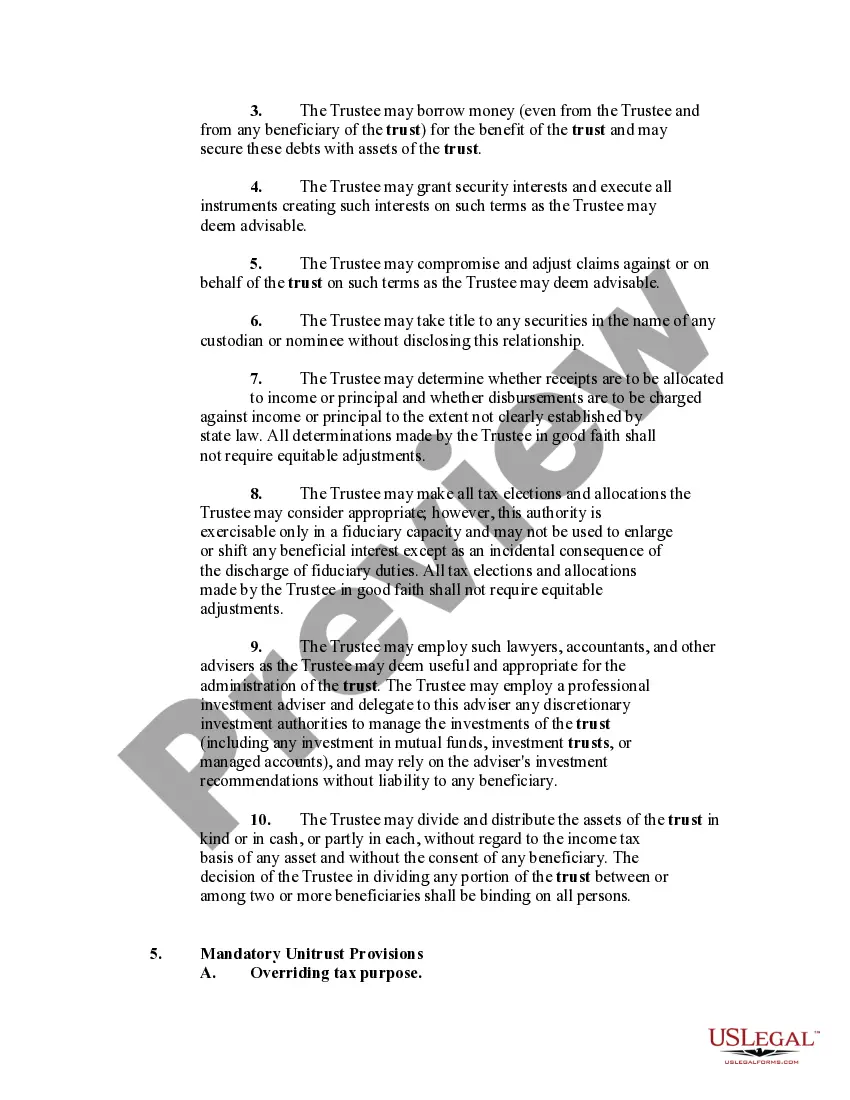
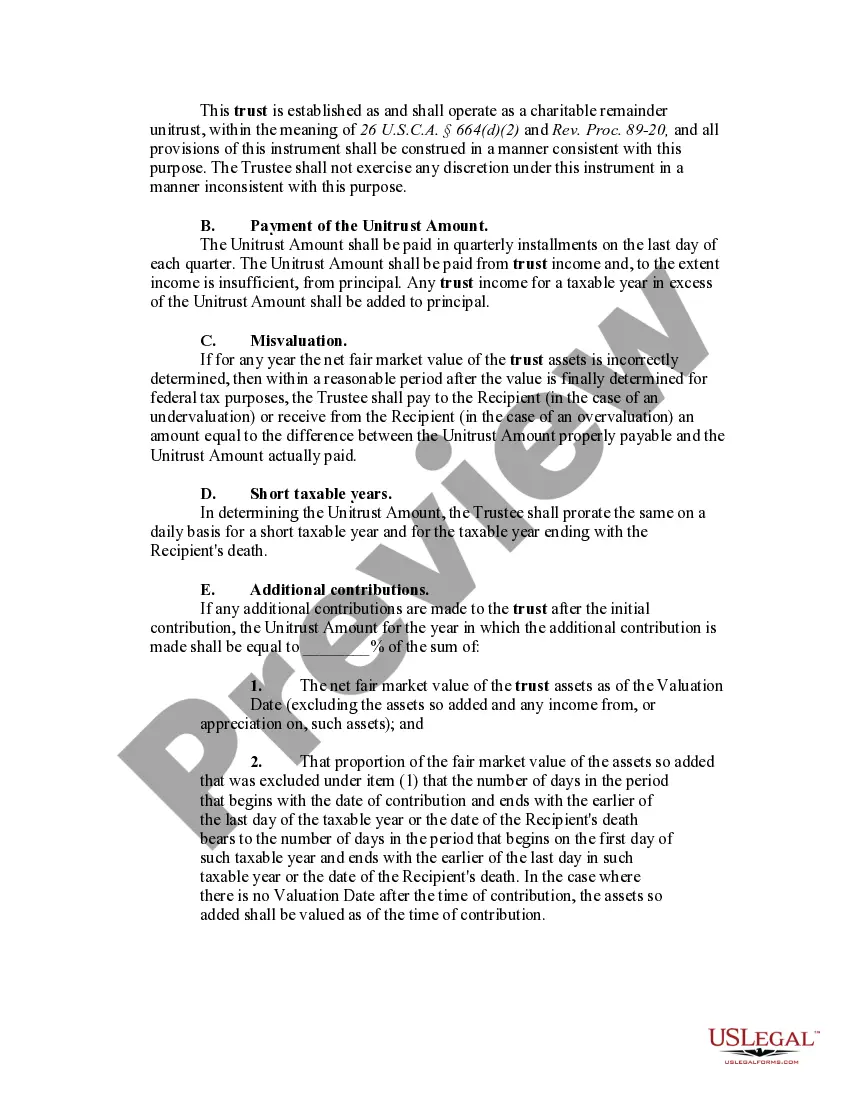
Remainder Inter Vivos Trust With Beneficiaries
Description
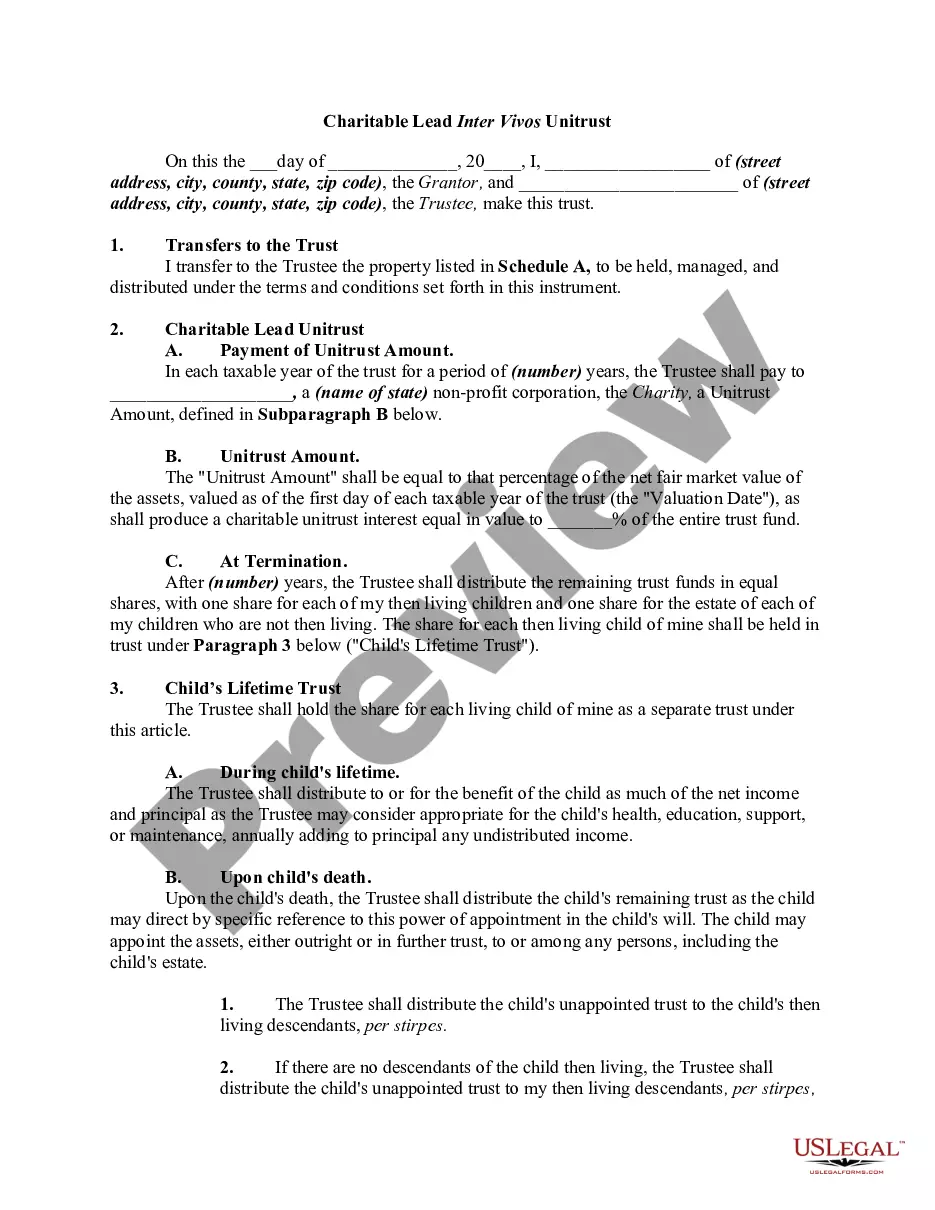
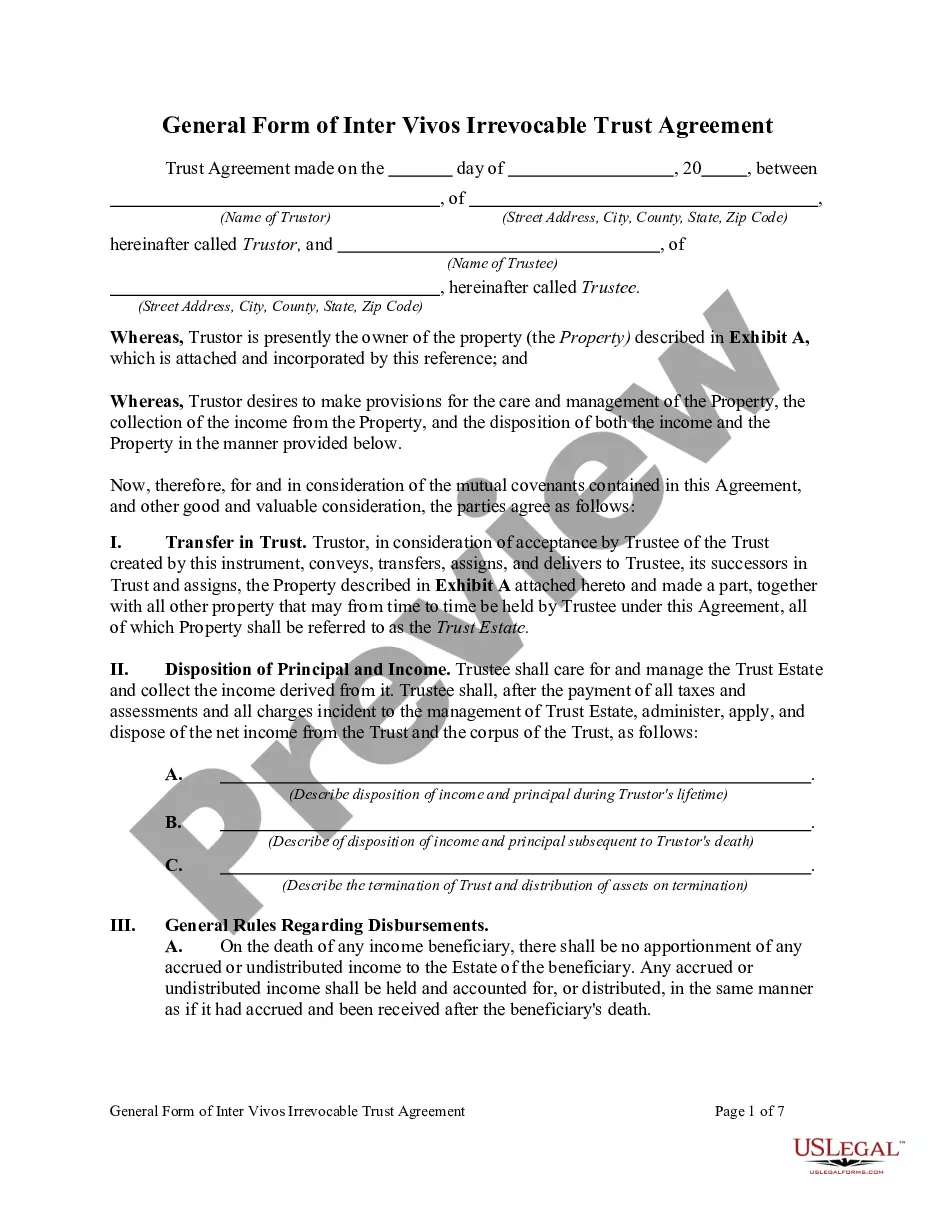
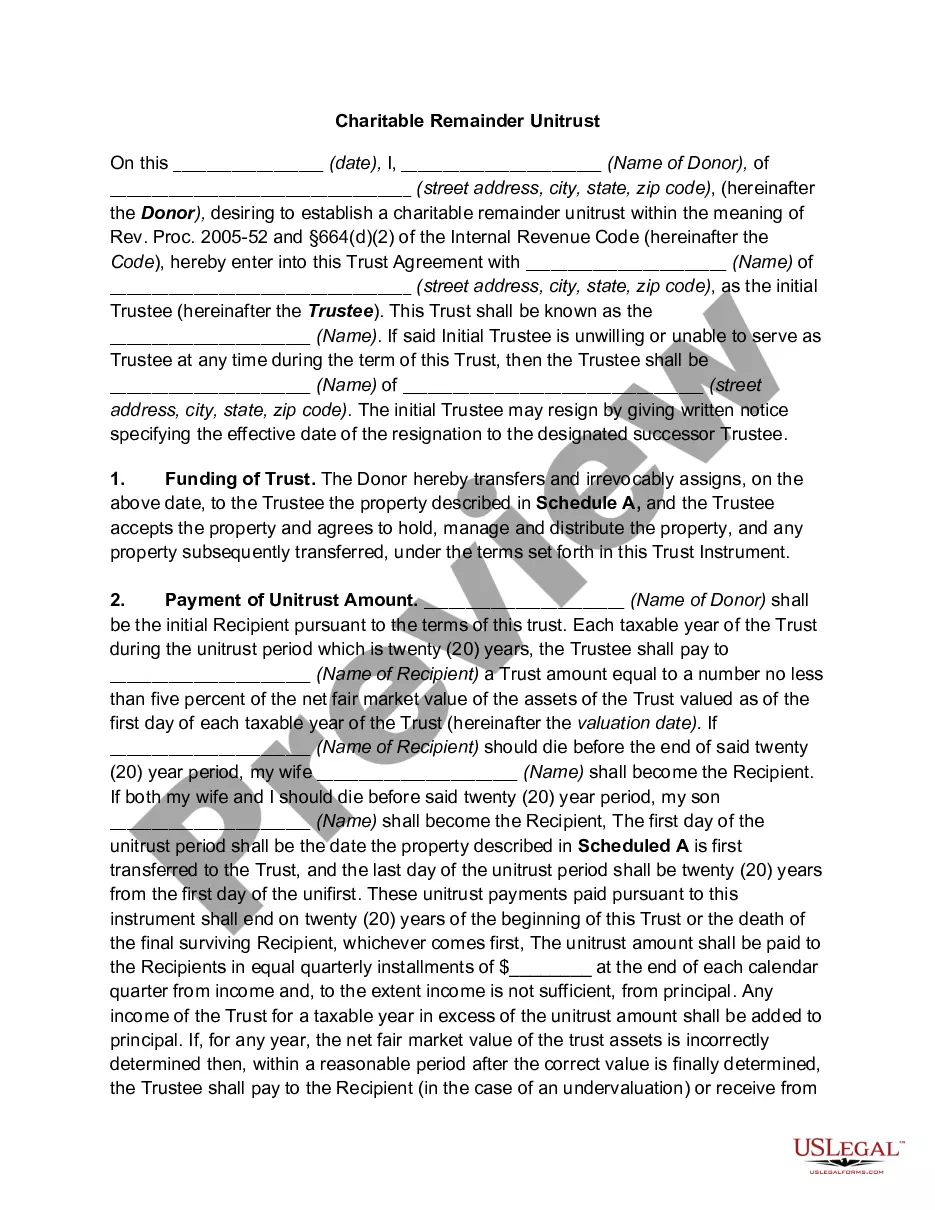
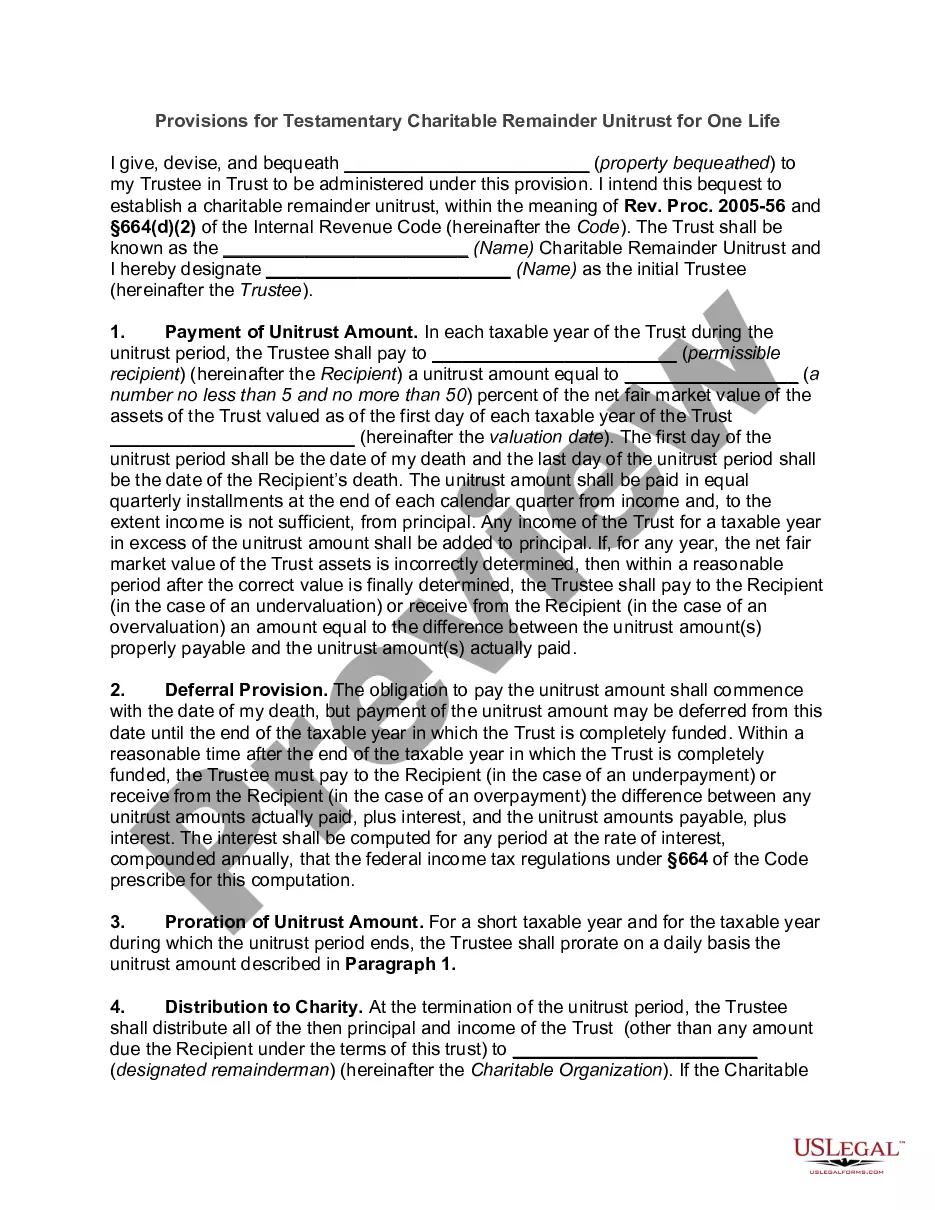
Get your form ready online
Our built-in tools help you complete, sign, share, and store your documents in one place.
Make edits, fill in missing information, and update formatting in US Legal Forms—just like you would in MS Word.
Download a copy, print it, send it by email, or mail it via USPS—whatever works best for your next step.
Sign and collect signatures with our SignNow integration. Send to multiple recipients, set reminders, and more. Go Premium to unlock E-Sign.
If this form requires notarization, complete it online through a secure video call—no need to meet a notary in person or wait for an appointment.
We protect your documents and personal data by following strict security and privacy standards.

Make edits, fill in missing information, and update formatting in US Legal Forms—just like you would in MS Word.

Download a copy, print it, send it by email, or mail it via USPS—whatever works best for your next step.

Sign and collect signatures with our SignNow integration. Send to multiple recipients, set reminders, and more. Go Premium to unlock E-Sign.

If this form requires notarization, complete it online through a secure video call—no need to meet a notary in person or wait for an appointment.

We protect your documents and personal data by following strict security and privacy standards.
Looking for another form?




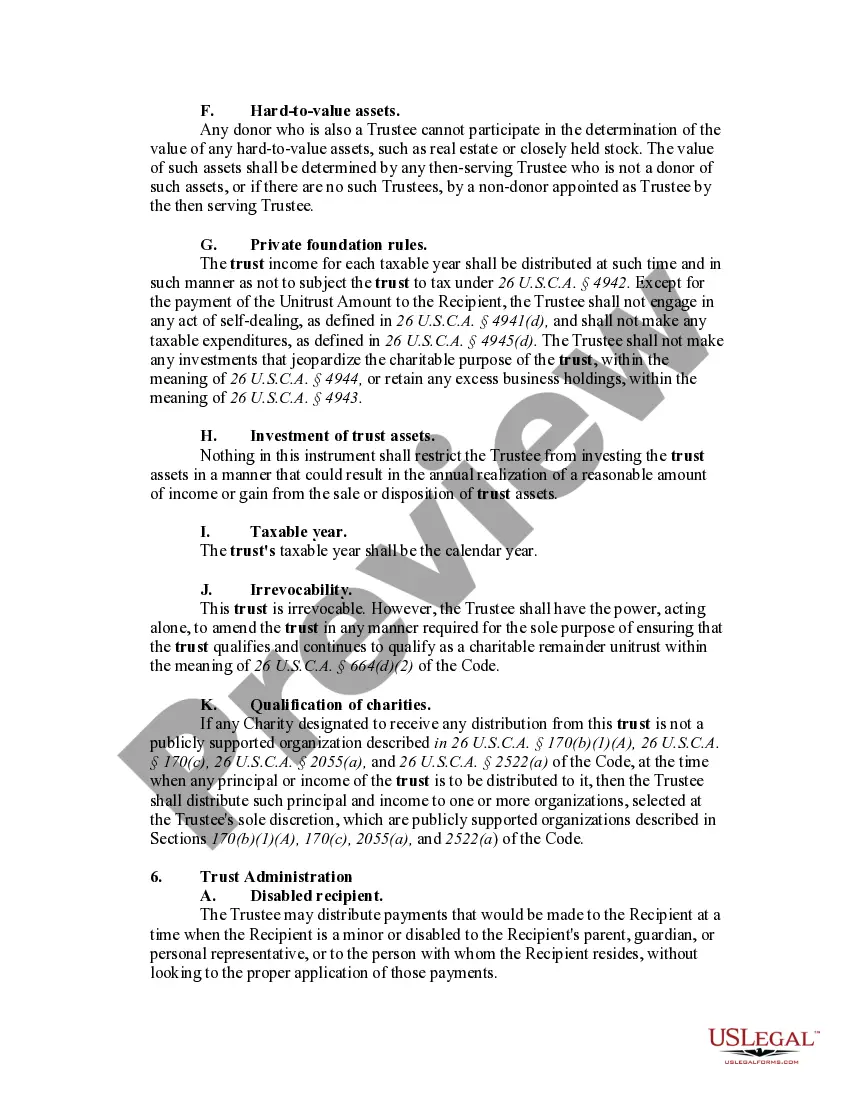
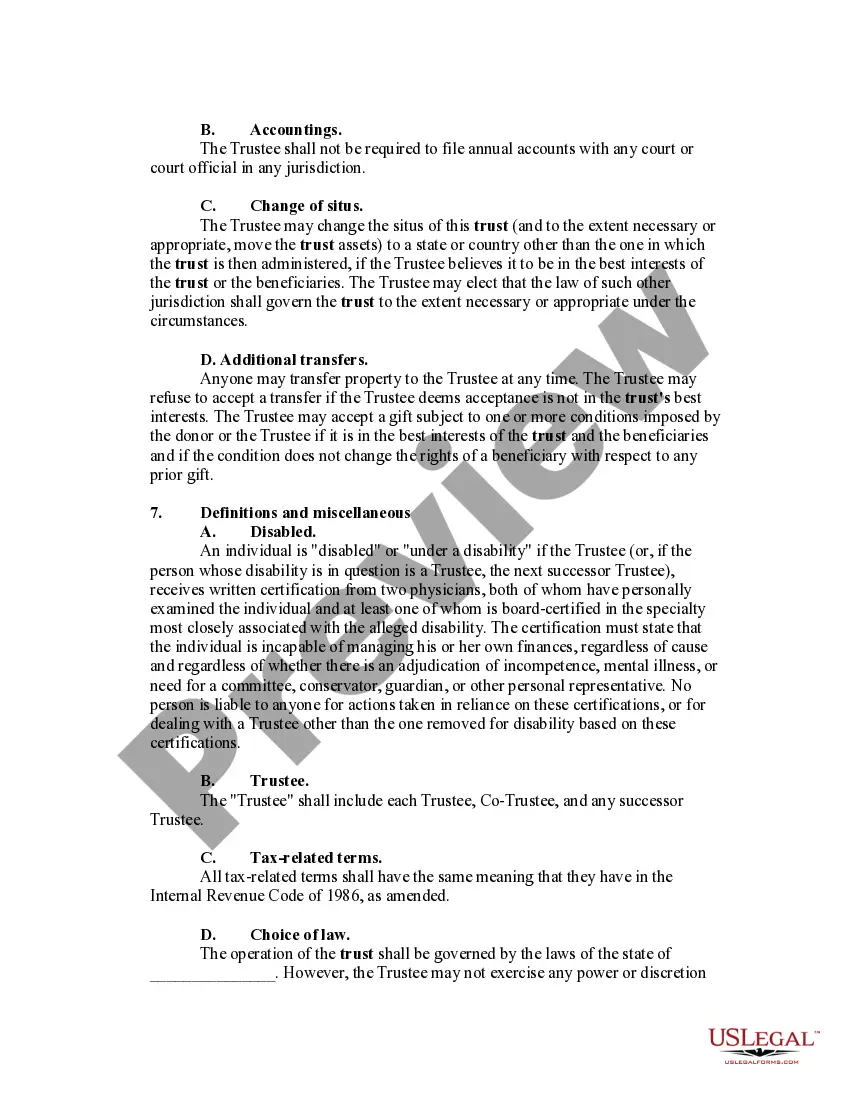
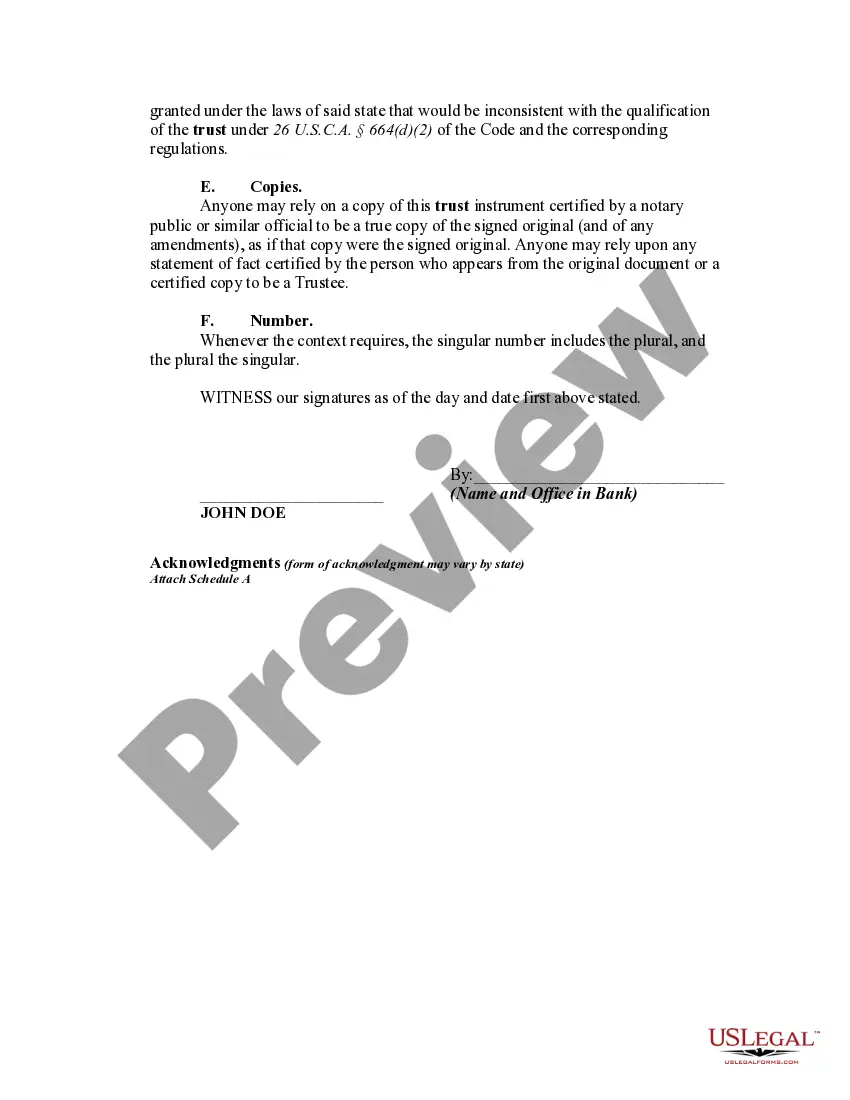
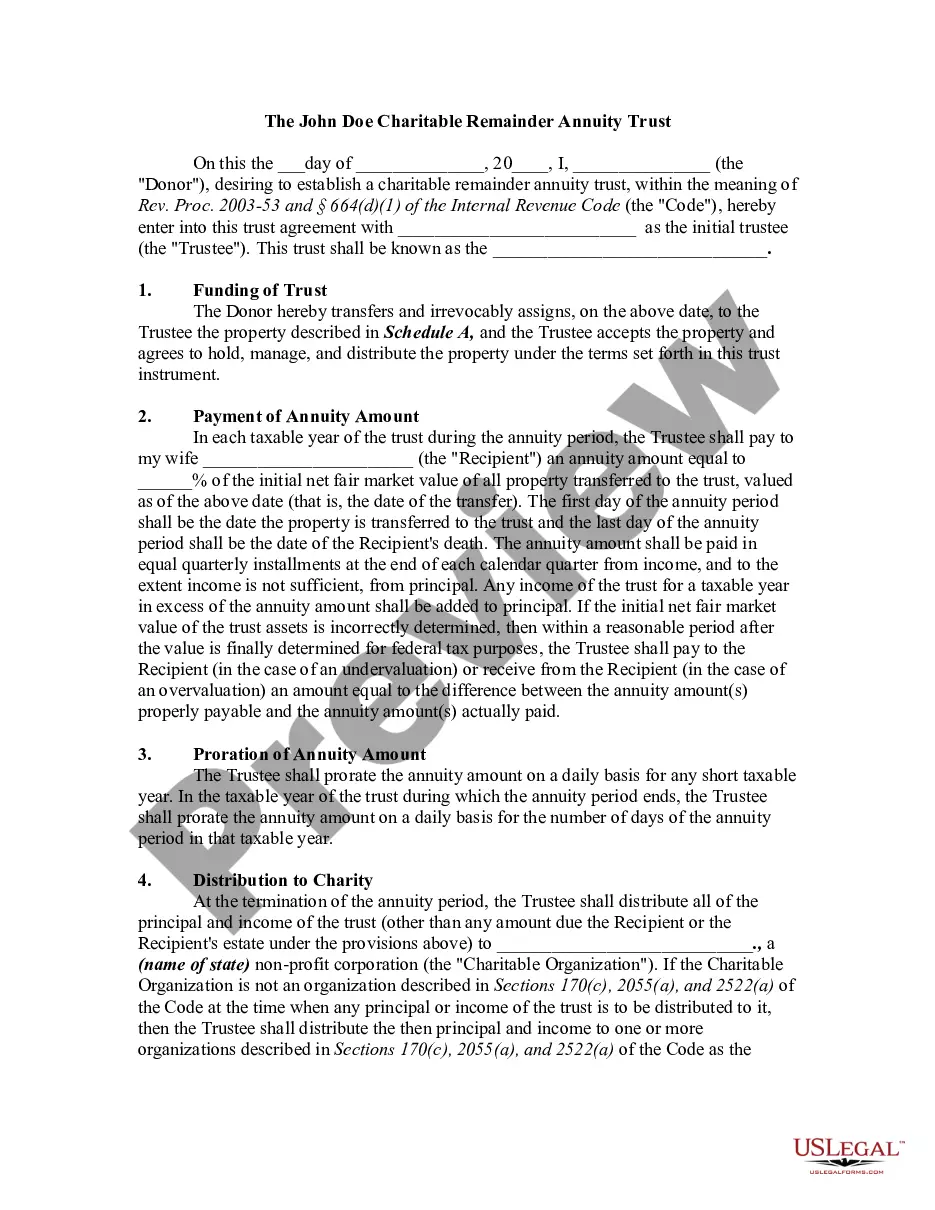
How to fill out Charitable Remainder Inter Vivos Unitrust Agreement?
Whether for business purposes or for individual matters, everyone has to manage legal situations sooner or later in their life. Completing legal paperwork needs careful attention, starting with choosing the appropriate form template. For example, if you choose a wrong version of a Remainder Inter Vivos Trust With Beneficiaries, it will be rejected once you send it. It is therefore important to have a reliable source of legal files like US Legal Forms.
If you have to obtain a Remainder Inter Vivos Trust With Beneficiaries template, stick to these easy steps:
- Get the template you need by using the search field or catalog navigation.
- Check out the form’s information to make sure it fits your case, state, and county.
- Click on the form’s preview to view it.
- If it is the wrong form, go back to the search function to locate the Remainder Inter Vivos Trust With Beneficiaries sample you require.
- Get the template if it meets your needs.
- If you already have a US Legal Forms account, click Log in to access previously saved templates in My Forms.
- In the event you don’t have an account yet, you can obtain the form by clicking Buy now.
- Choose the proper pricing option.
- Finish the account registration form.
- Choose your payment method: use a bank card or PayPal account.
- Choose the document format you want and download the Remainder Inter Vivos Trust With Beneficiaries.
- After it is saved, you are able to complete the form with the help of editing software or print it and complete it manually.
With a vast US Legal Forms catalog at hand, you never need to spend time looking for the right template across the web. Make use of the library’s straightforward navigation to find the right form for any situation.
Form popularity
FAQ
A remainder beneficiary is a beneficiary of a trust whose benefit vests at a later time. As an example, I may receive income for life and only upon my death what is left of the corpus of the trust goes to my son. I am the income beneficiary and my son is the remainder beneficiary.
A charitable remainder unitrust (CRUT) pays a percentage of the value of the trust each year to noncharitable beneficiaries. The payments generally must equal at least 5% and no more than 50% of the fair market value of the assets, valued annually.
The grantor can opt to have the beneficiaries receive trust property directly without any restrictions. The trustee can write the beneficiary a check, give them cash, and transfer real estate by drawing up a new deed or selling the house and giving them the proceeds.
The payments continue for a specific term of up to 20 years or the life of 1 or more beneficiaries. At the end of the payment term, the remainder of the trust passes to 1 or more qualified U.S. charitable organizations.
To leave property to your living trust, name your trust as beneficiary for that property, using the trustee's name and the name of the trust. For example: John Doe as trustee of the John Doe Living Trust, dated January 1, 20xx.