Charitable Vivos Unitrust Agreement Complete With The Future
Description
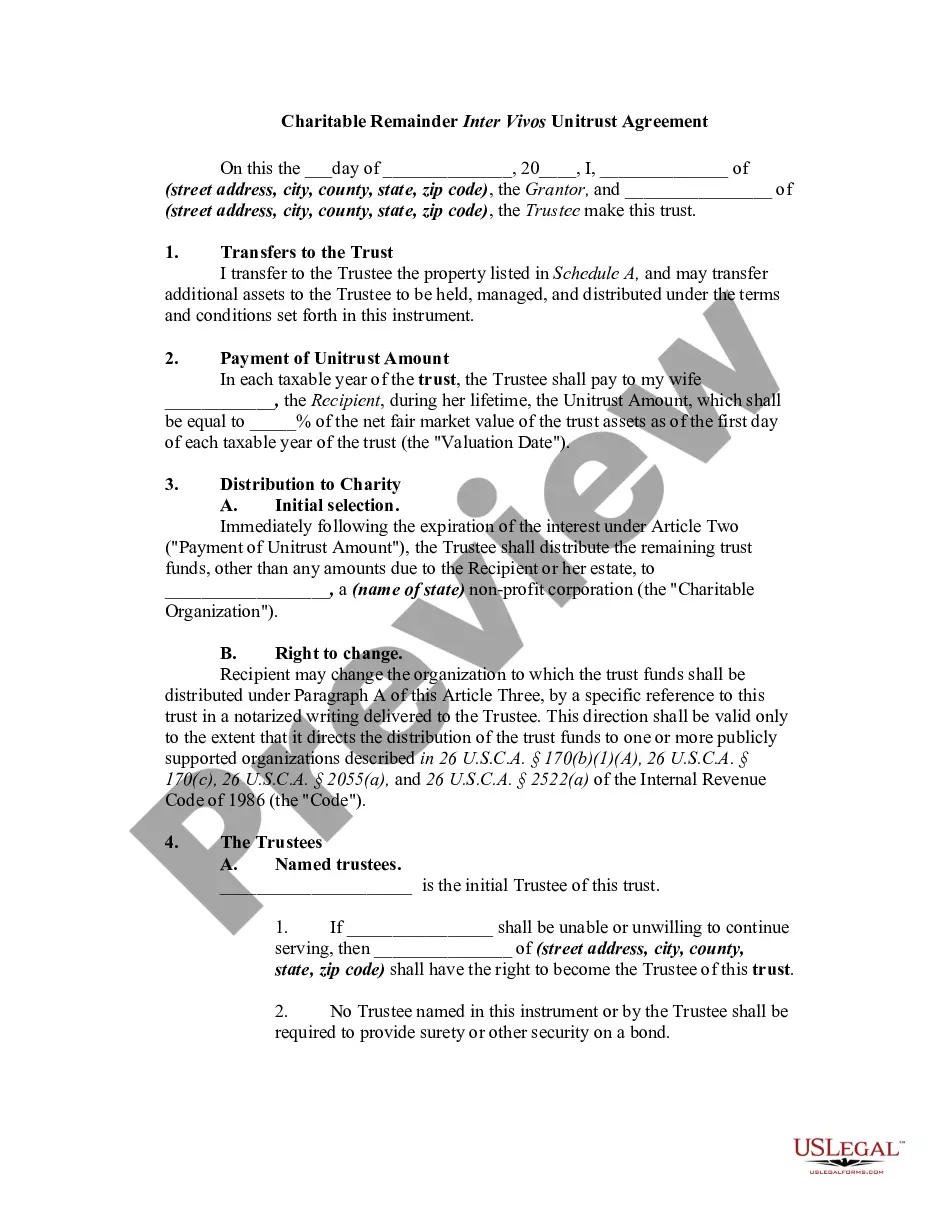
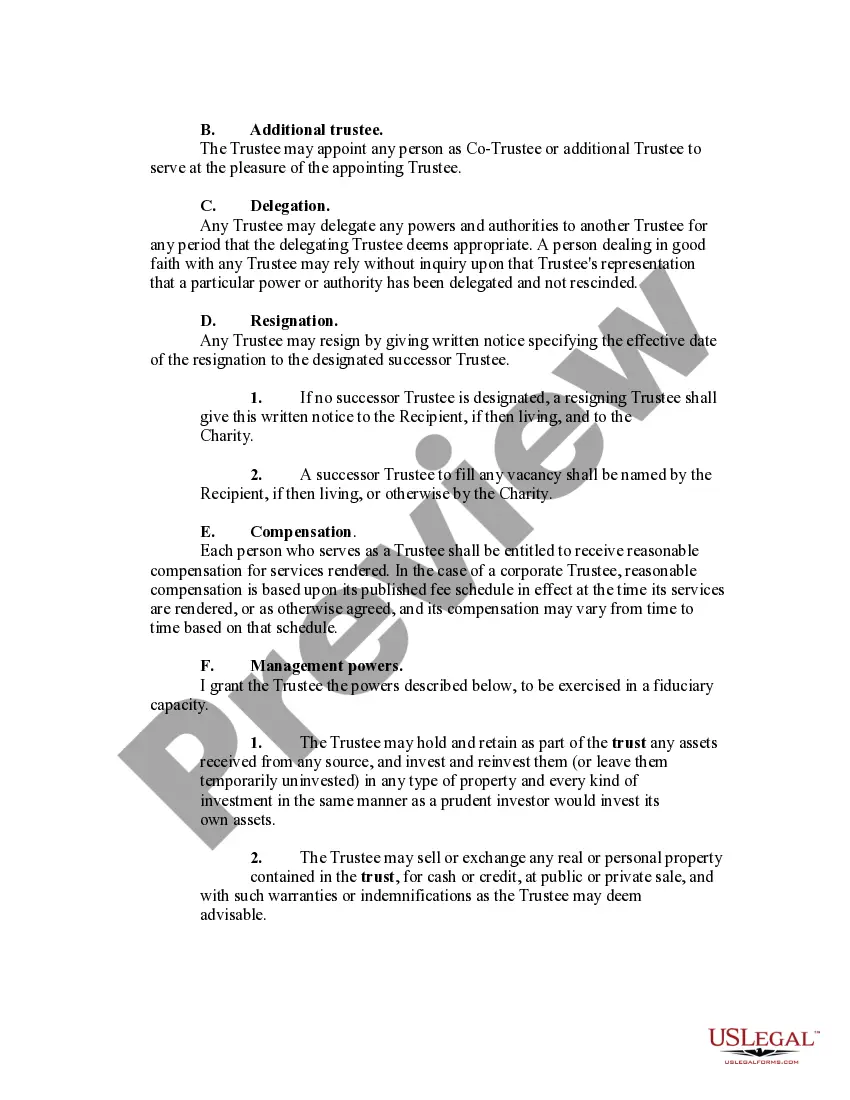
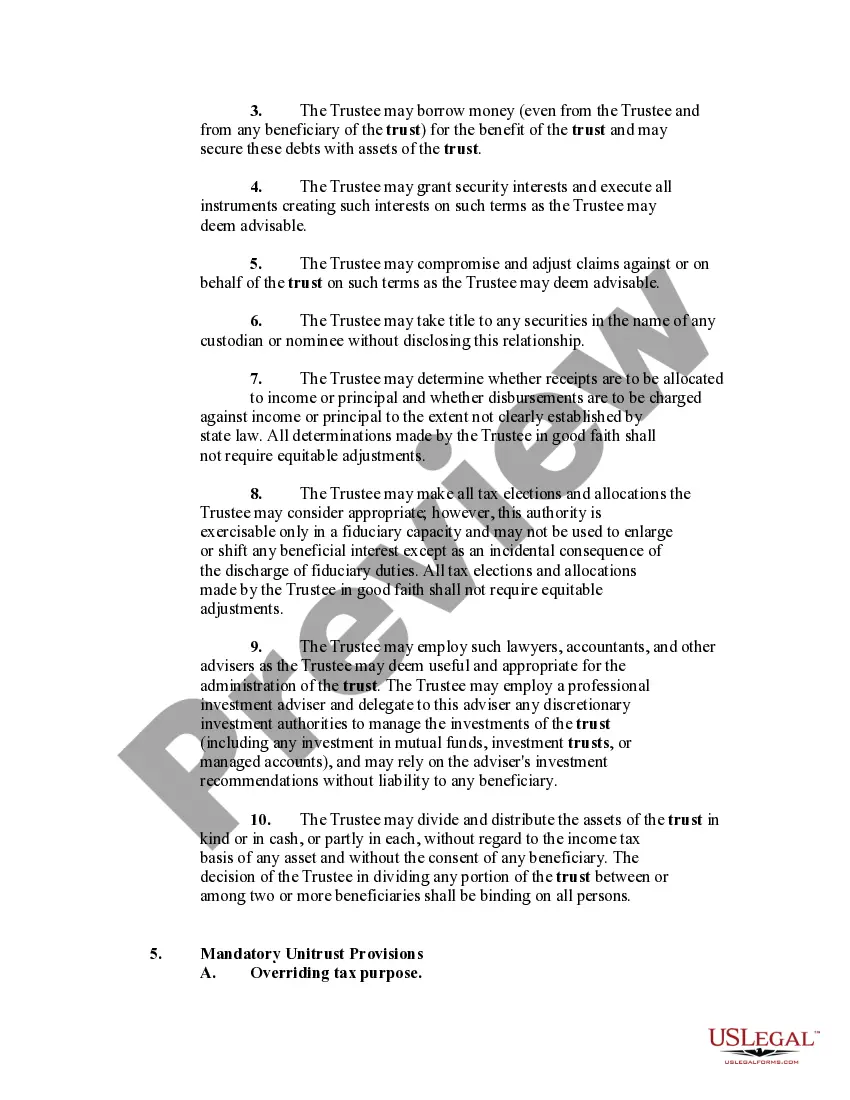
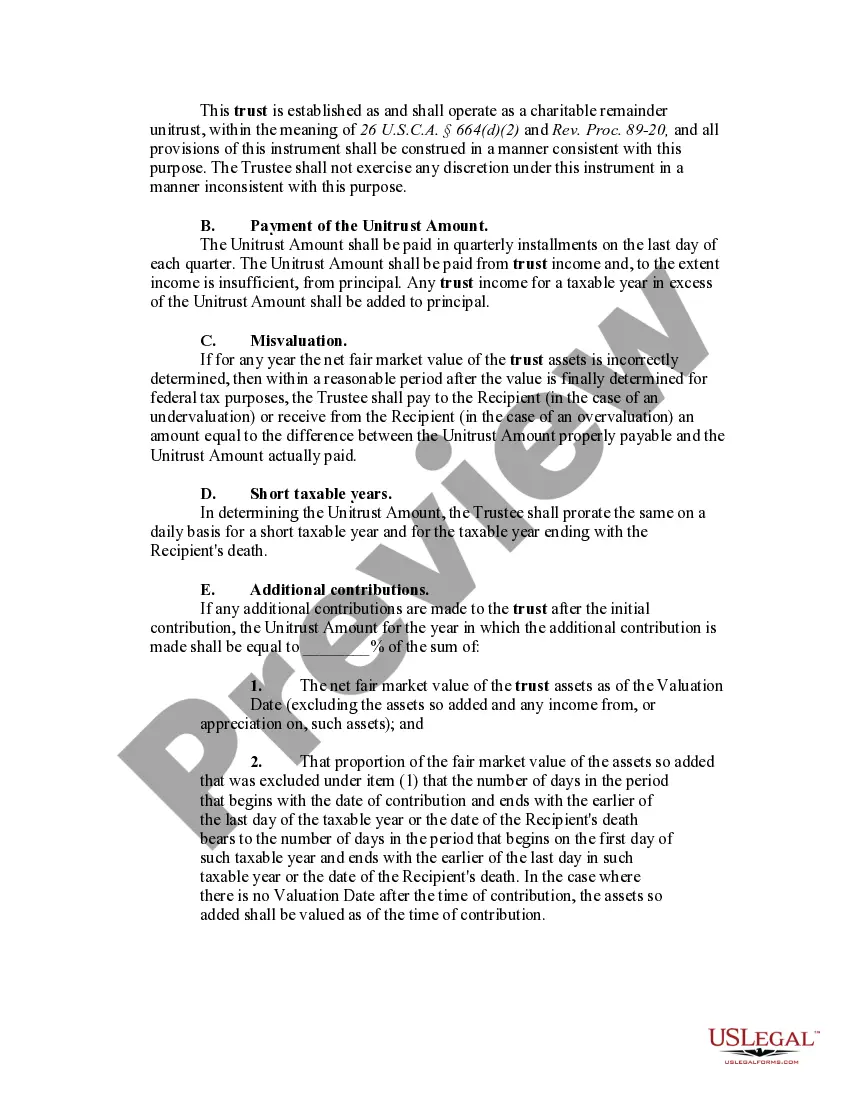
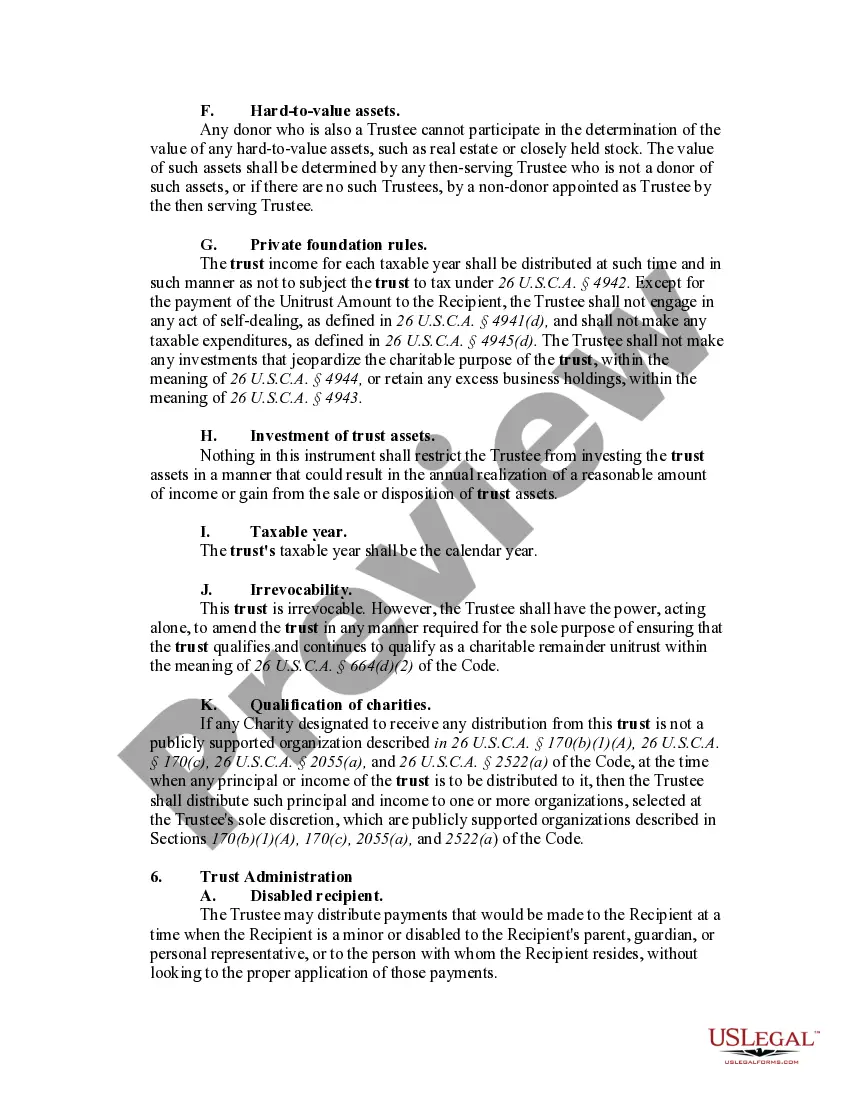
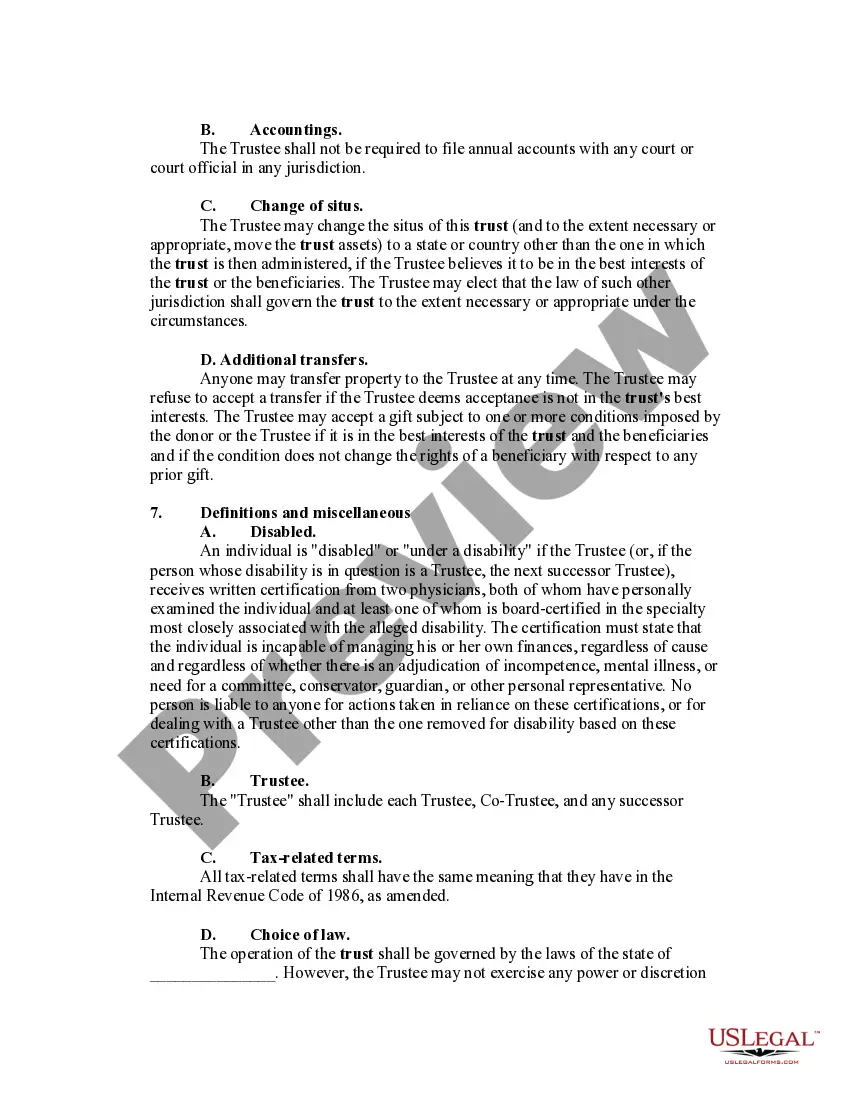
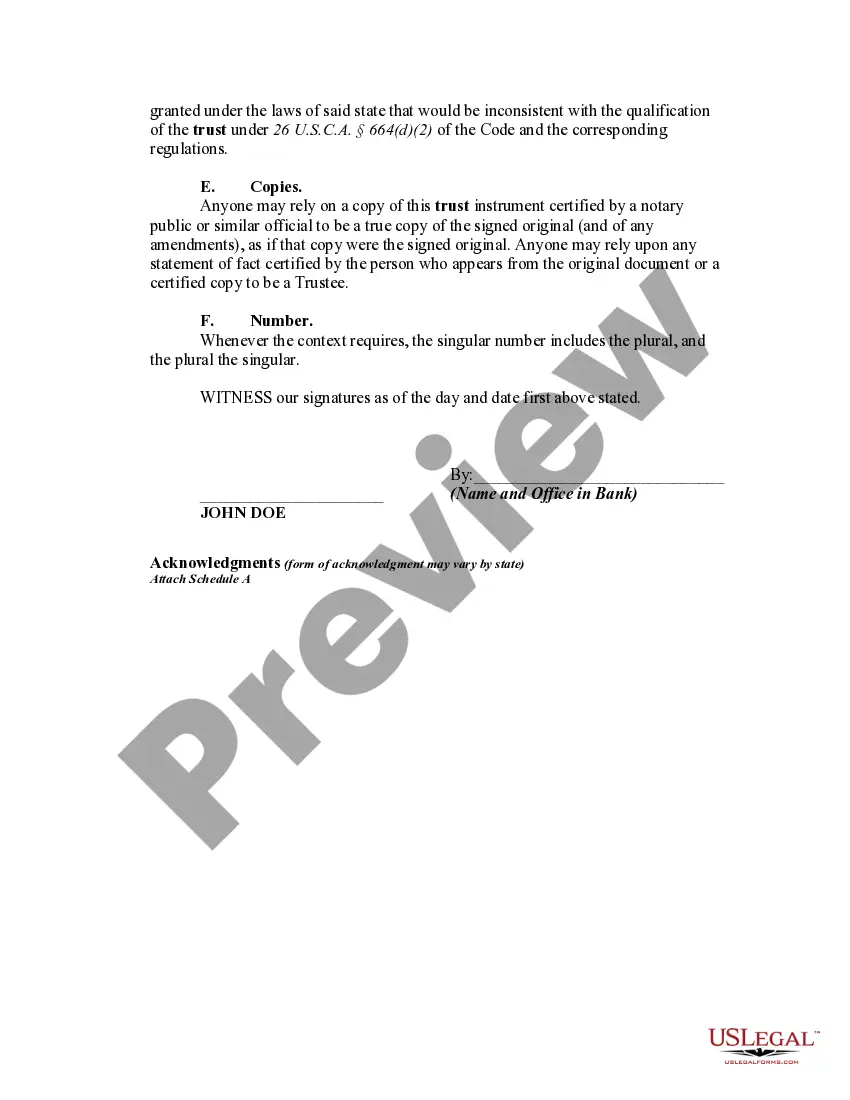
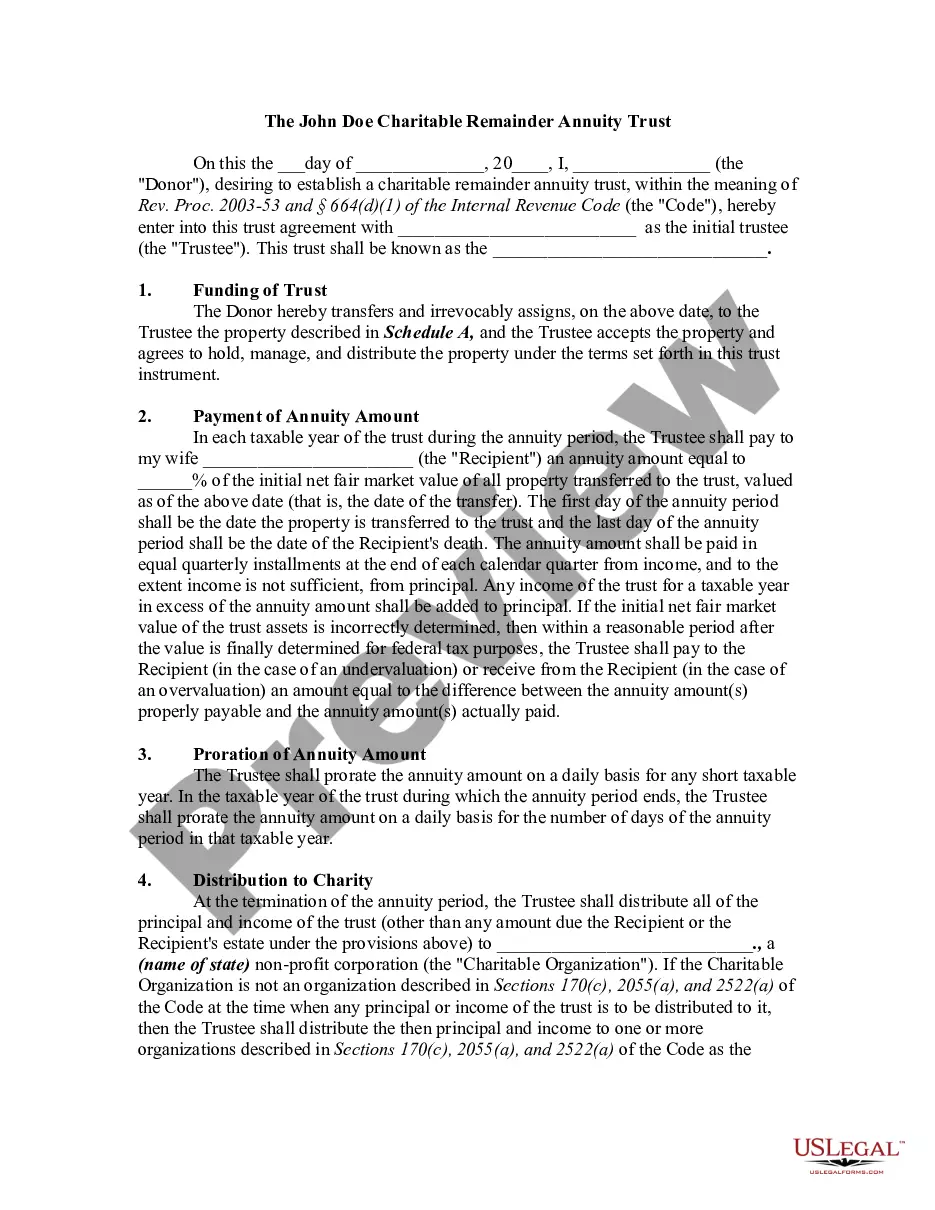
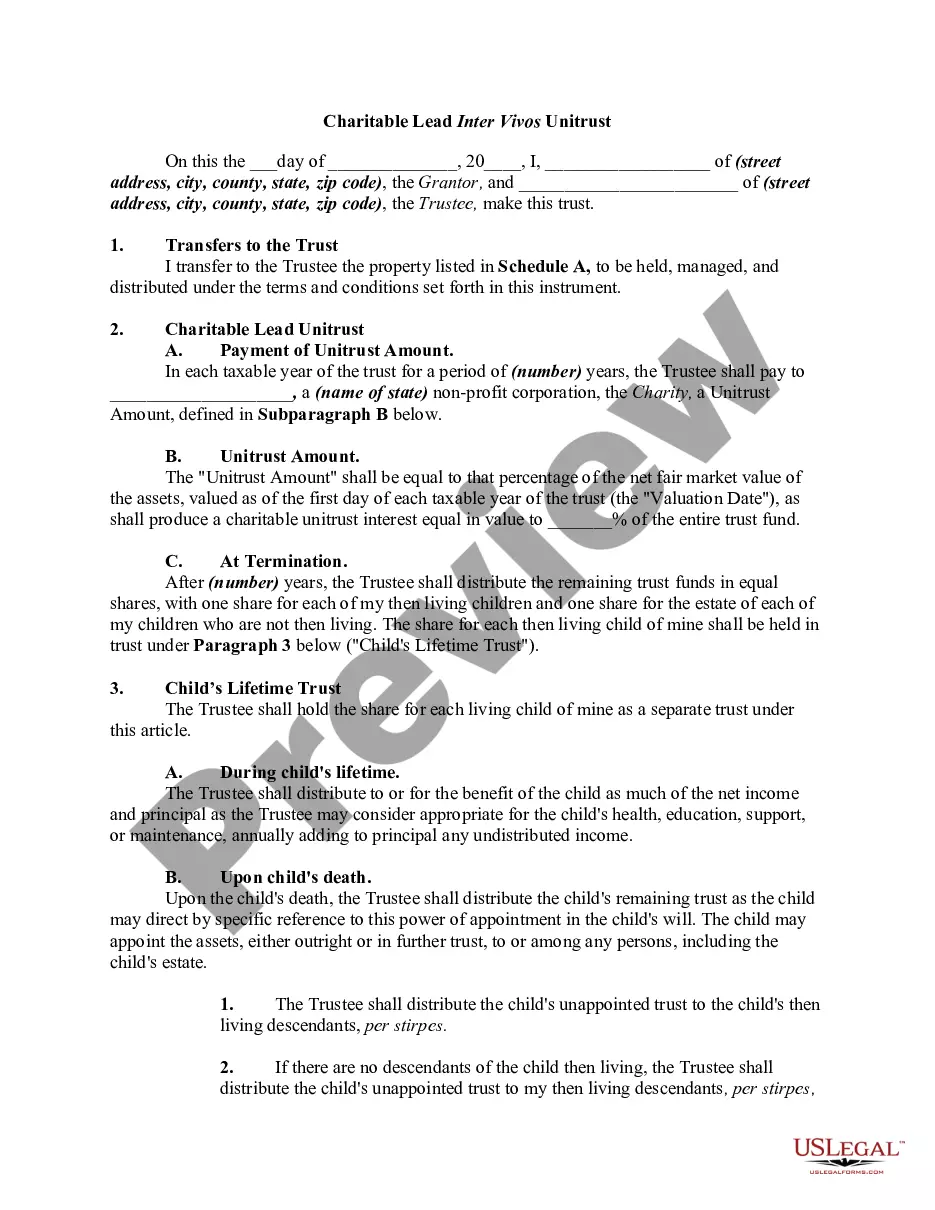
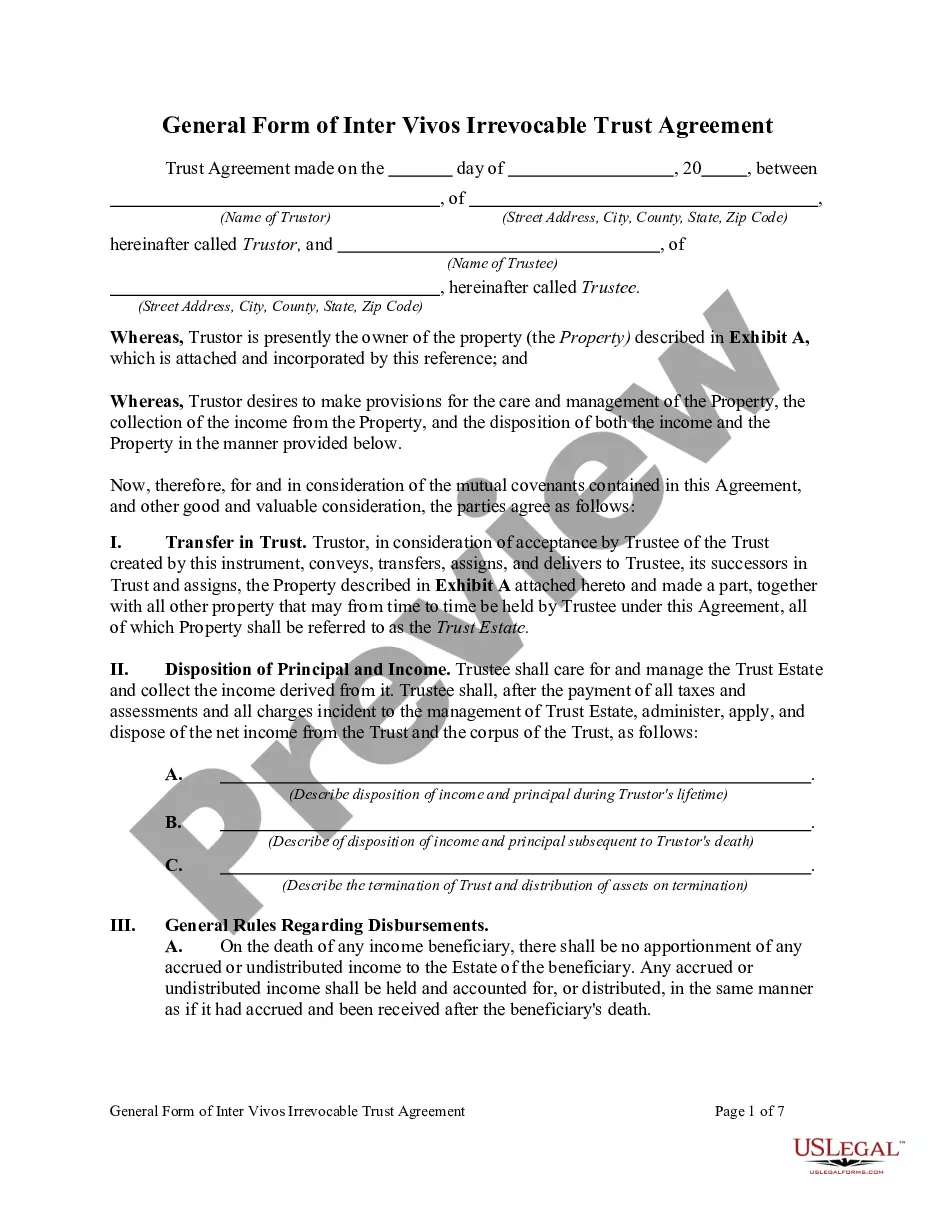
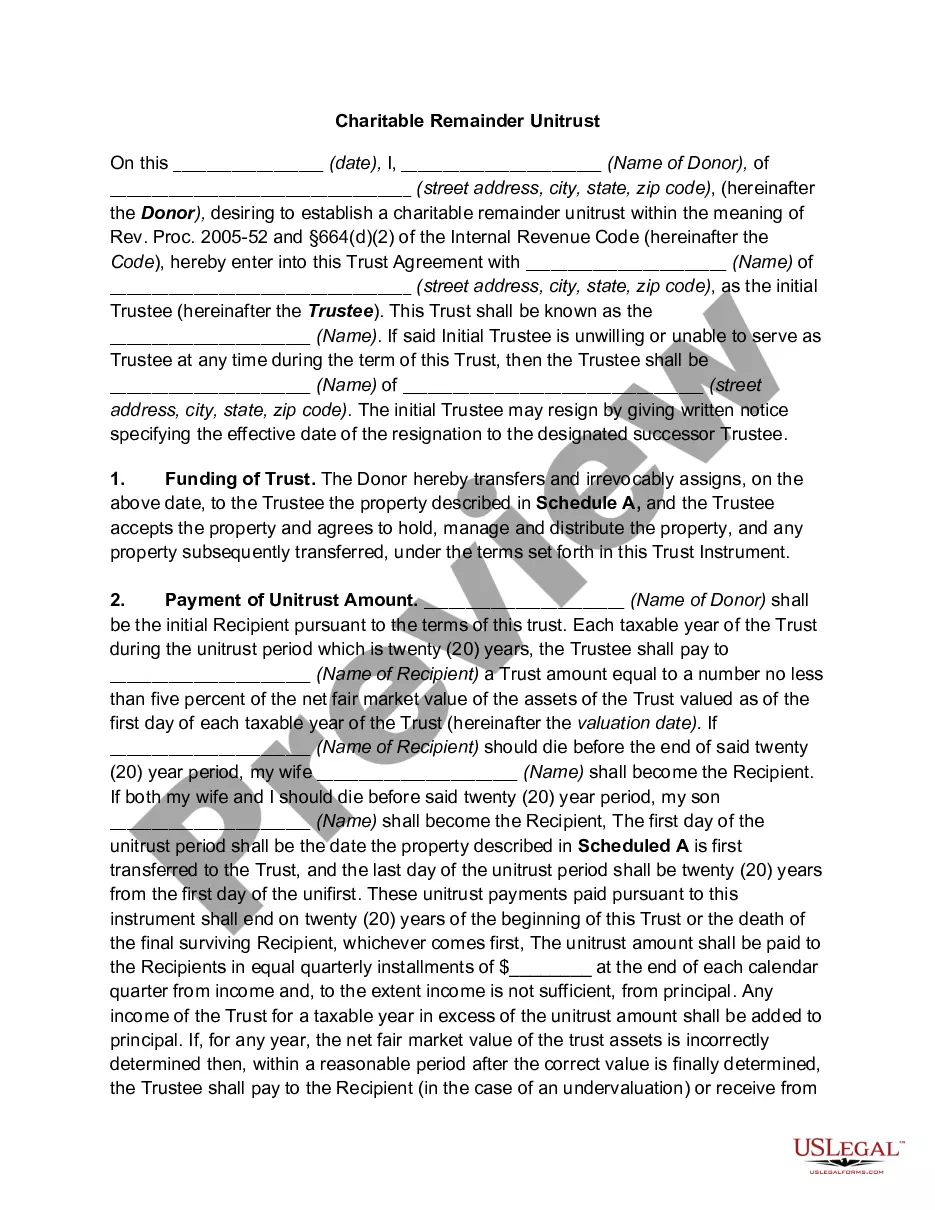
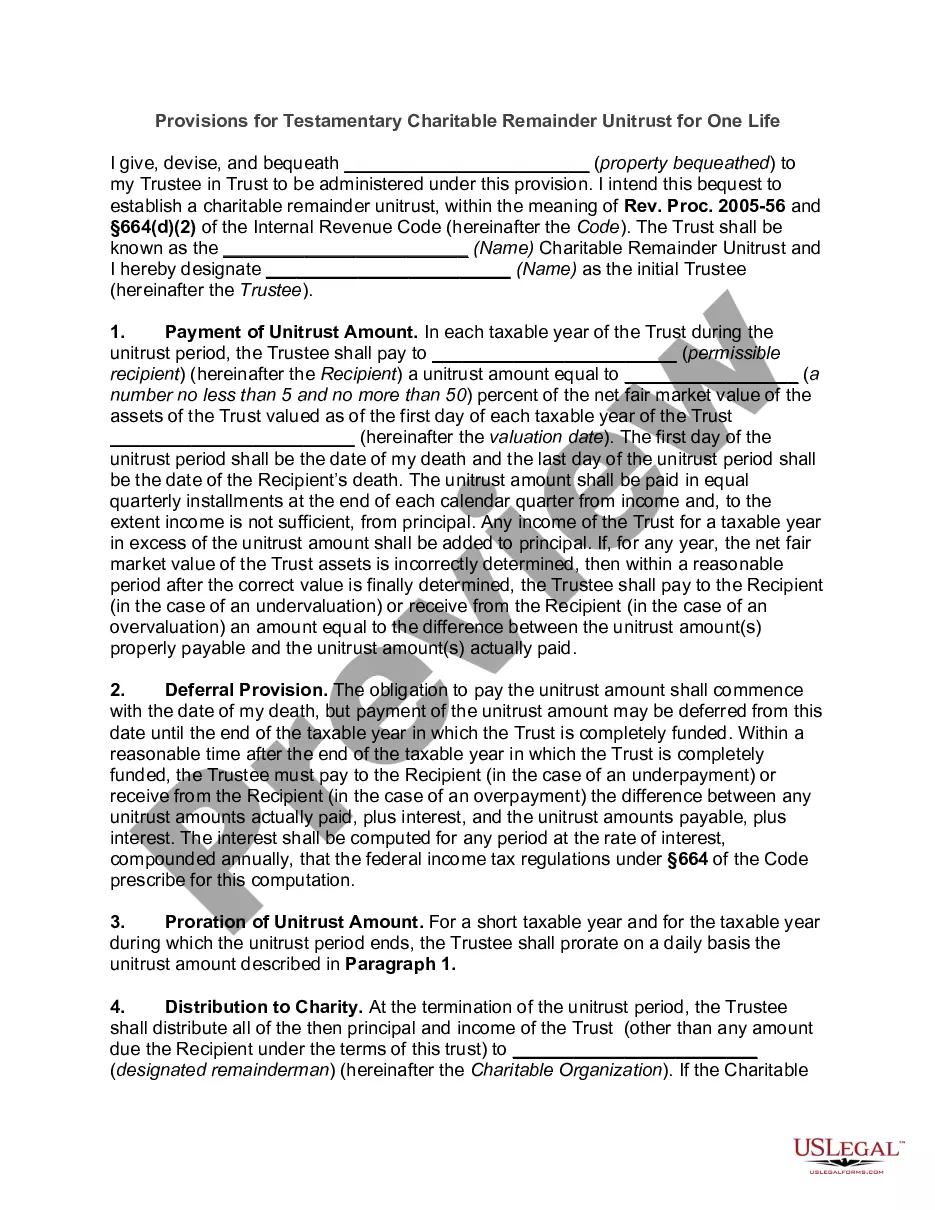
Get your form ready online
Our built-in tools help you complete, sign, share, and store your documents in one place.
Make edits, fill in missing information, and update formatting in US Legal Forms—just like you would in MS Word.
Download a copy, print it, send it by email, or mail it via USPS—whatever works best for your next step.
Sign and collect signatures with our SignNow integration. Send to multiple recipients, set reminders, and more. Go Premium to unlock E-Sign.
If this form requires notarization, complete it online through a secure video call—no need to meet a notary in person or wait for an appointment.
We protect your documents and personal data by following strict security and privacy standards.

Make edits, fill in missing information, and update formatting in US Legal Forms—just like you would in MS Word.

Download a copy, print it, send it by email, or mail it via USPS—whatever works best for your next step.

Sign and collect signatures with our SignNow integration. Send to multiple recipients, set reminders, and more. Go Premium to unlock E-Sign.

If this form requires notarization, complete it online through a secure video call—no need to meet a notary in person or wait for an appointment.

We protect your documents and personal data by following strict security and privacy standards.
Looking for another form?








How to fill out Charitable Remainder Inter Vivos Unitrust Agreement?
- If you're a returning user, log in to your account and retrieve the needed template by clicking the Download button. Ensure your subscription is still active; renew if necessary.
- For first-time users, start by checking out the Preview mode and form descriptions to verify you have selected the correct document that meets your local jurisdiction's requirements.
- Should you require another template, use the Search function to find one that aligns with your needs, and then proceed to the next step.
- Purchase the document by clicking the Buy Now button, selecting a subscription plan, and creating an account for full access to the legal library.
- Finalize your purchase by providing payment details through credit card or PayPal, ensuring a seamless transaction.
- Download the form to your device, making it readily available for completion and future access from the My Forms section of your profile.
Utilizing US Legal Forms enables individuals and attorneys alike to efficiently execute legal documents. With over 85,000 editable forms, you can find exactly what you need.
Don't hesitate to start your journey towards securing your financial future. Explore US Legal Forms today and ensure your legal documents are precise and compliant.
Form popularity
FAQ
The difference primarily lies in how income is distributed to beneficiaries. A trust can have various payout structures, while a unitrust specifically pays a fixed percentage of the trust's value annually. This setup can provide more predictable returns, especially during fluctuating market conditions. When utilizing a Charitable vivos unitrust agreement complete with the future, you'll benefit from a clear and defined income generation model, enhancing your estate planning strategy.
The three main types of trust are revocable trusts, irrevocable trusts, and testamentary trusts. A revocable trust can be altered or terminated by the grantor during their lifetime, while an irrevocable trust cannot be changed once established, providing tax benefits. Testamentary trusts are created through a will and take effect after the grantor's death. If you’re considering a Charitable vivos unitrust agreement complete with the future, this structure often falls under the category of irrevocable trusts, aimed at maximizing charitable contributions.
Using a unitrust offers several benefits, such as providing a steady income stream and the potential for growth in principal. It allows donors to support charitable organizations while retaining income during their lifetimes. Additionally, with a Charitable vivos unitrust agreement complete with the future, you ensure that your charitable goals align with your financial needs and legacy planning. This type of trust can also provide valuable tax benefits.
The main difference lies in the way income distributions are calculated. A unitrust pays a fixed percentage of the trust's assets valued annually, allowing for potential growth in income as the asset value increases. In contrast, an income trust typically provides a fixed payout, regardless of the underlying asset's performance. Understanding these differences can help you choose the right structure for your charitable intentions within a Charitable vivos unitrust agreement complete with the future.
Yes, a charitable remainder trust generally requires its own tax return. This is because the trust is considered a separate entity for tax purposes. Even though the trust provides a charitable deduction, it must report income received, expenses incurred, and any distributions made to beneficiaries. If you are utilizing a Charitable vivos unitrust agreement complete with the future, it can help streamline this process.
To dissolve a CRUT, you will need to follow the guidelines established by its terms and any applicable state and federal laws. Generally, this involves distributing the remaining assets to the charitable organization as specified in your charitable vivos unitrust agreement complete with the future. Consulting with legal experts or using platforms like US Legal Forms can provide you with the necessary resources to ensure a smooth dissolution process.
A CRUT can last as long as you design it within the legal framework, typically resulting in terms that fulfill your charitable goals. Generally, it should not exceed 20 years, but with thoughtful planning, you can align it with your preferred schedule. Crafting your charitable vivos unitrust agreement complete with the future will help preserve your intentions while benefiting your chosen causes.
The maximum term for a Charitable Remainder Unitrust generally depends on federal regulations, often allowing terms up to 20 years. Structuring your charitable vivos unitrust agreement complete with the future can help you ensure compliance while maximizing the benefits for both the beneficiaries and your chosen charitable organizations.
Currently, IRS Form 5227, which is used for reporting charitable remainder trusts, must be filed on paper. However, you can always check for updates on IRS policies as they evolve. Using a platform like US Legal Forms can simplify the process, assisting you in navigating your charitable vivos unitrust agreement complete with the future.
Yes, a Charitable Remainder Unitrust (CRUT) can last longer than 20 years, depending on how it is structured. Typically, you can set the term up to your specifications, allowing you to benefit from the trust for as long as you choose, as long as it aligns with IRS regulations. Keeping your charitable vivos unitrust agreement complete with the future in mind will help ensure your intentions are met.