Charitable Remainder Trust Calculator For Ira
Description
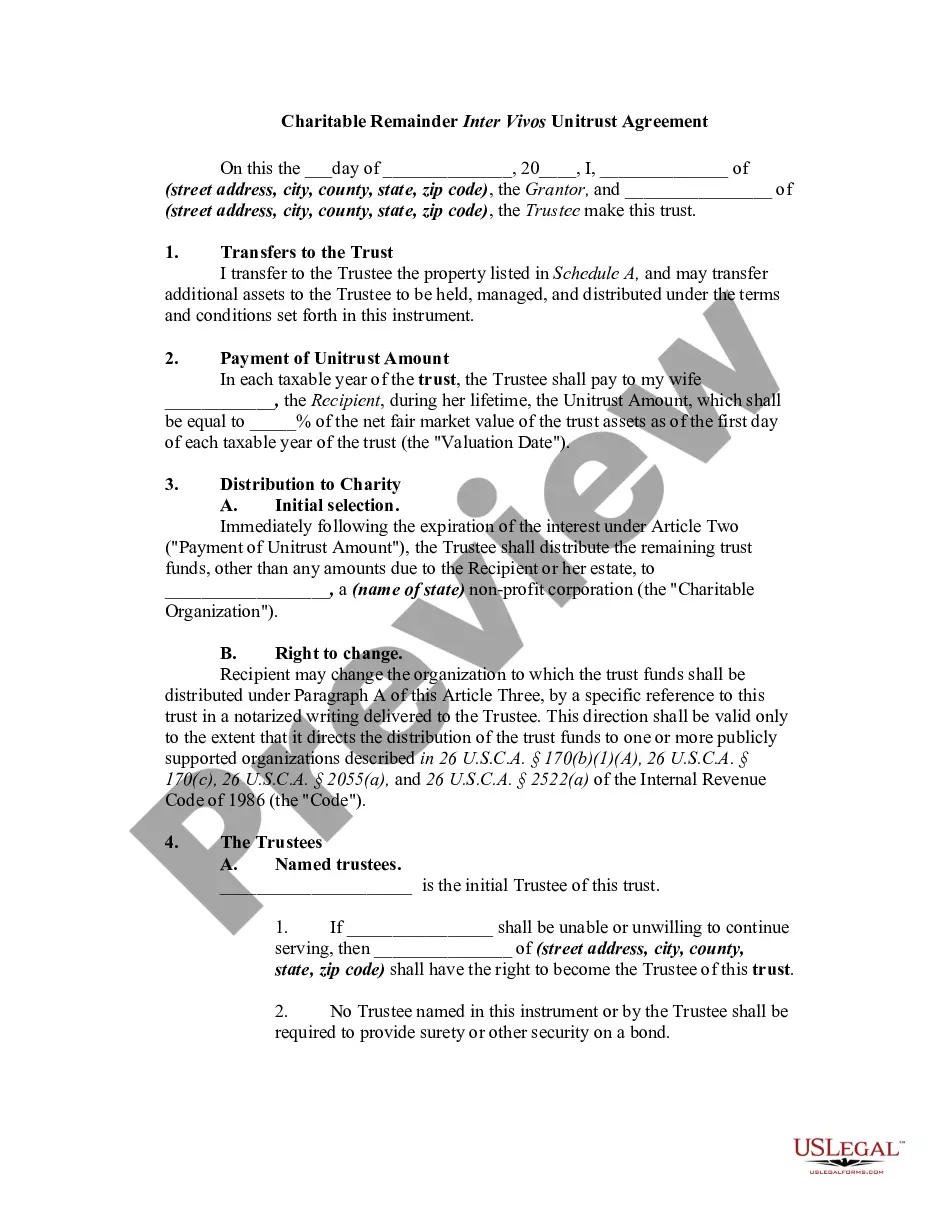
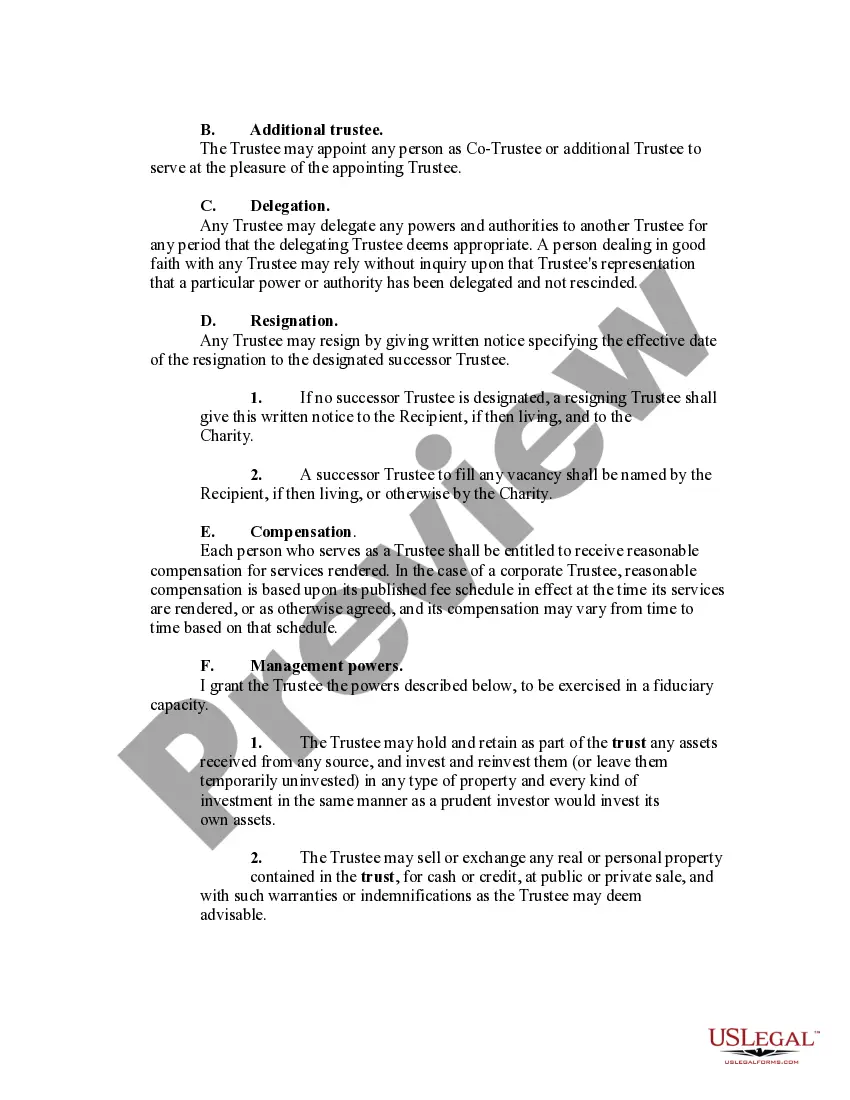
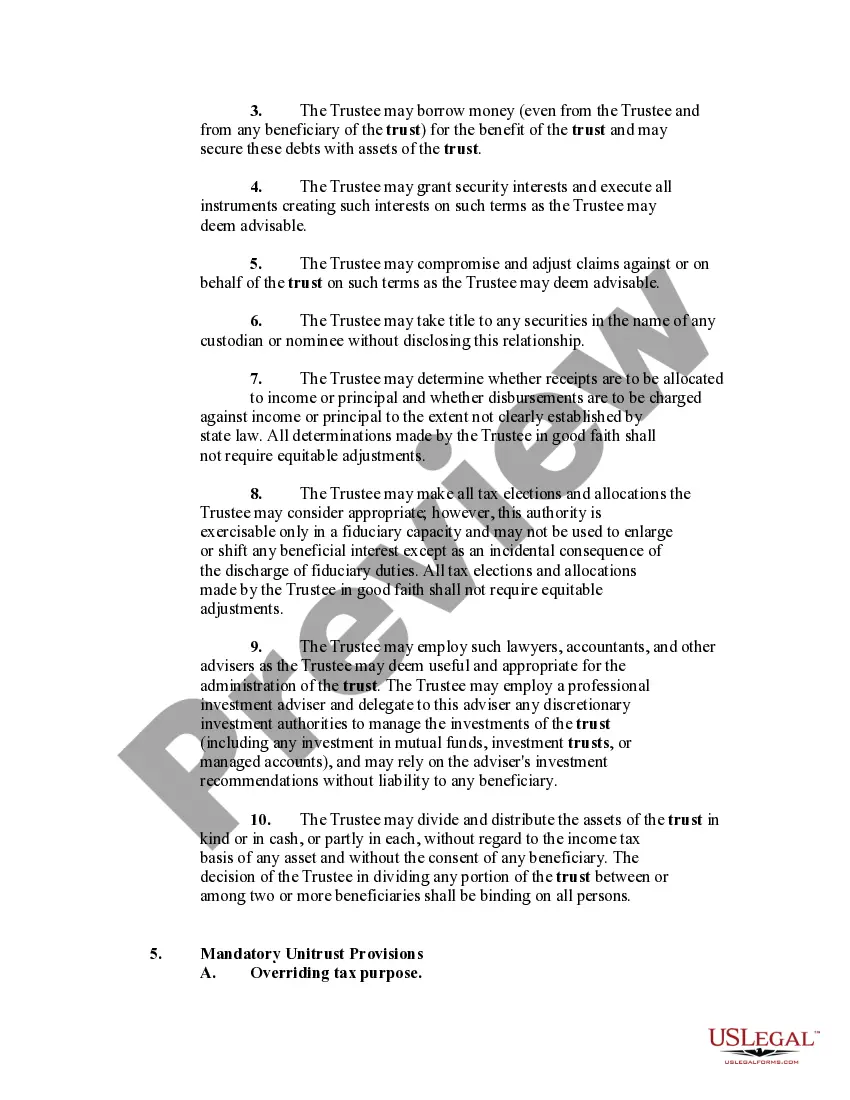
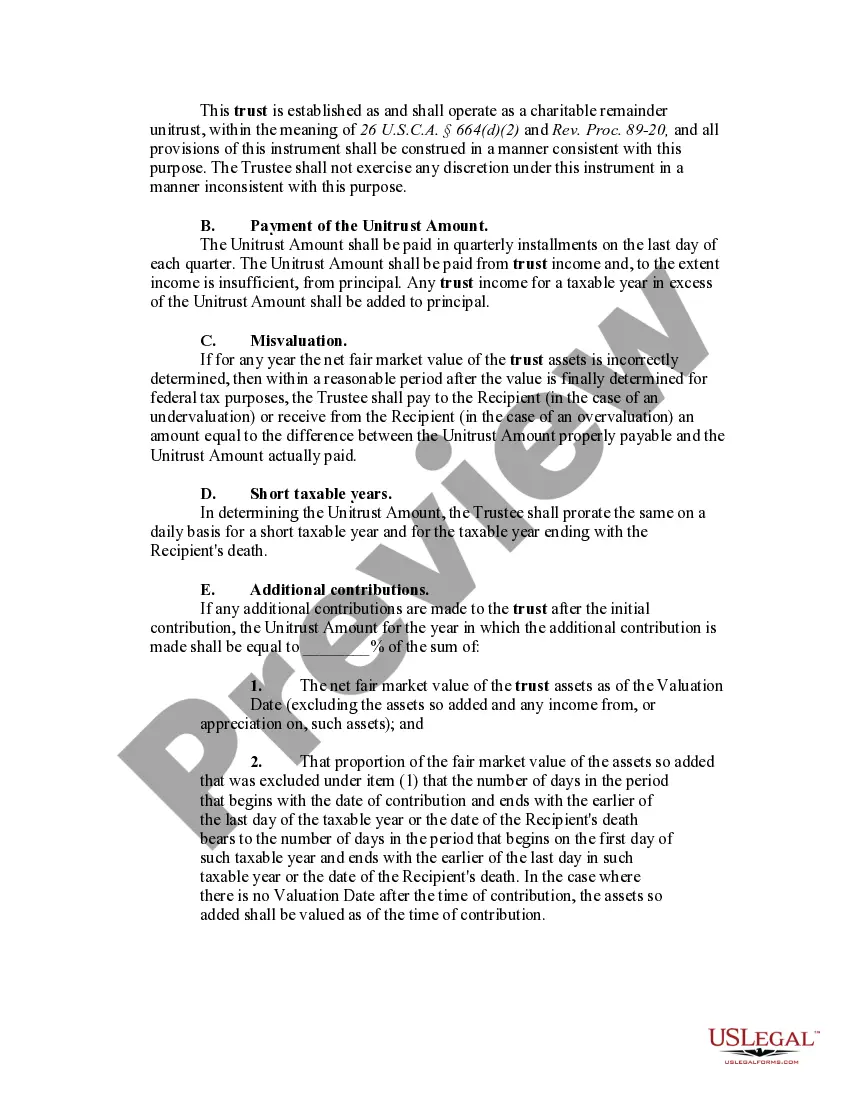
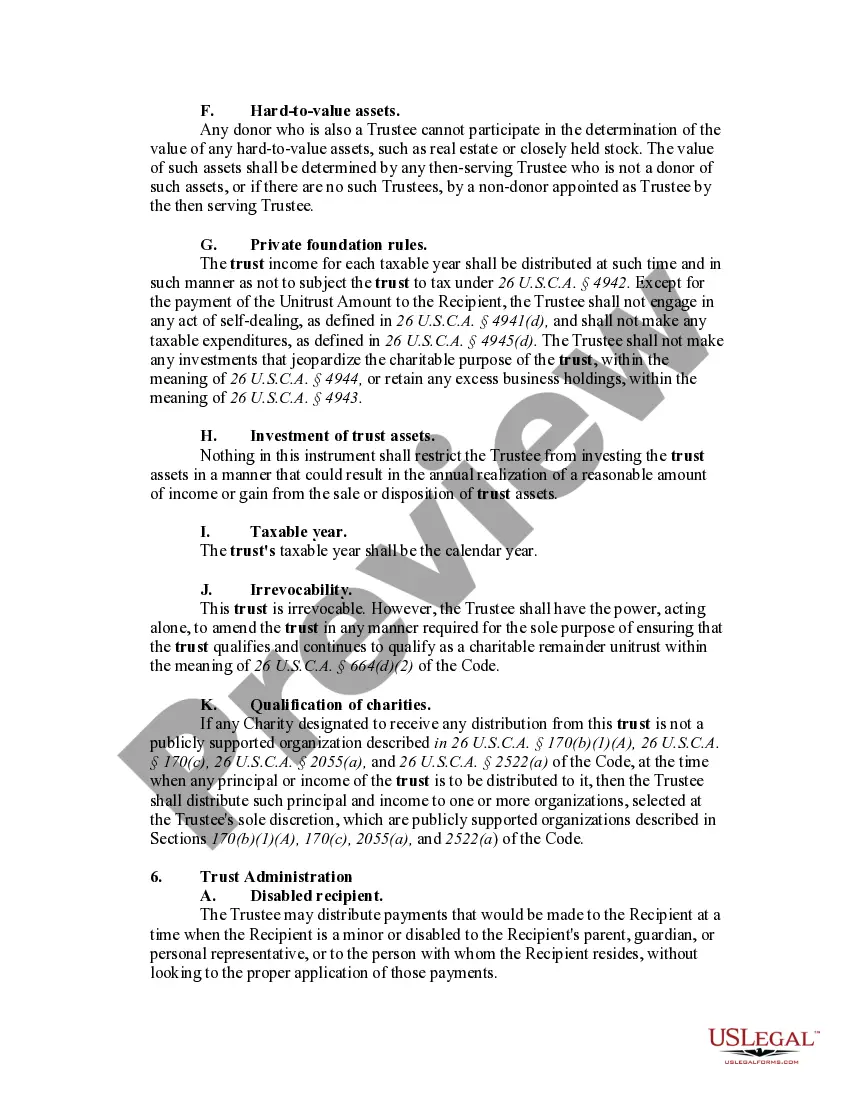
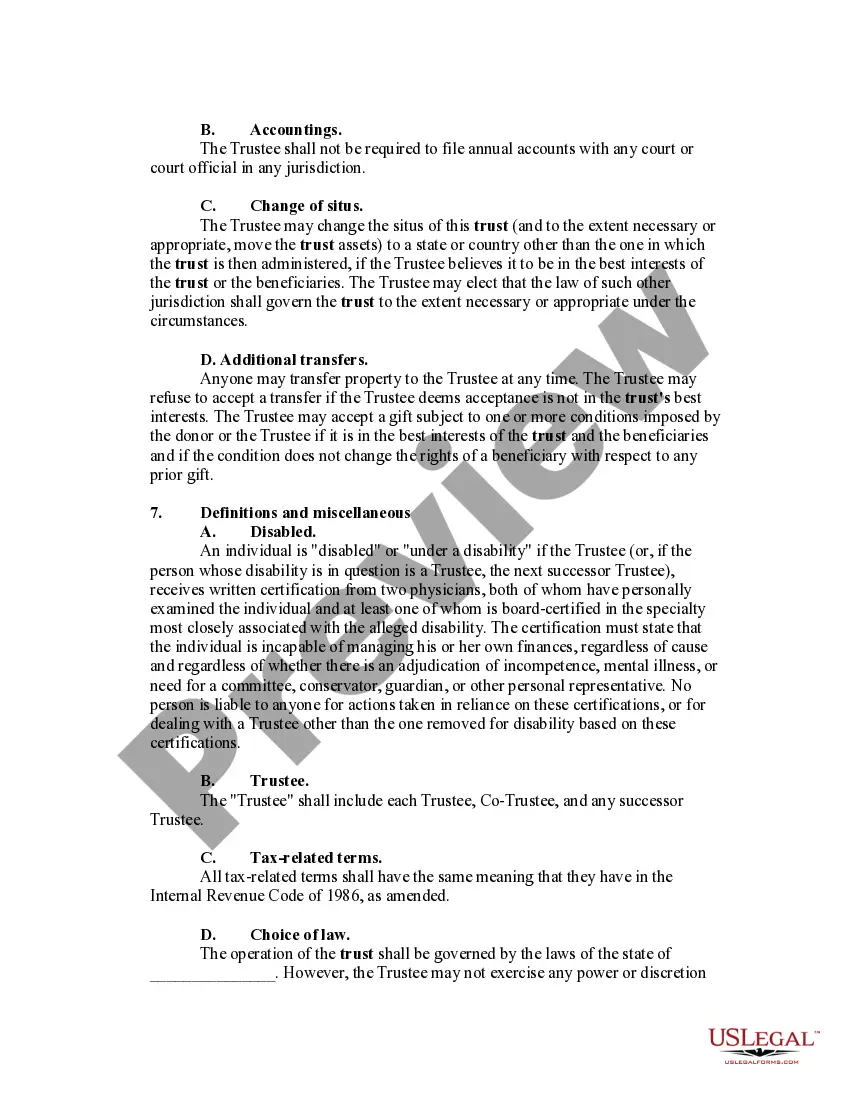
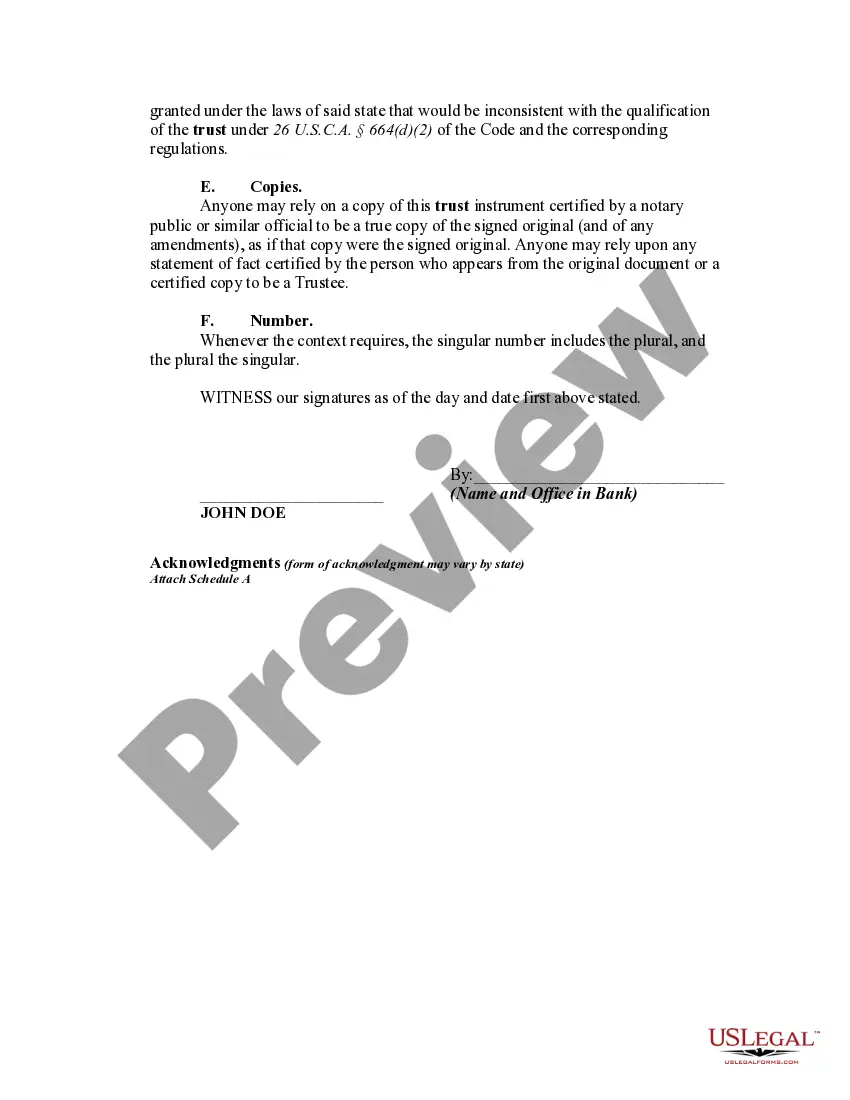
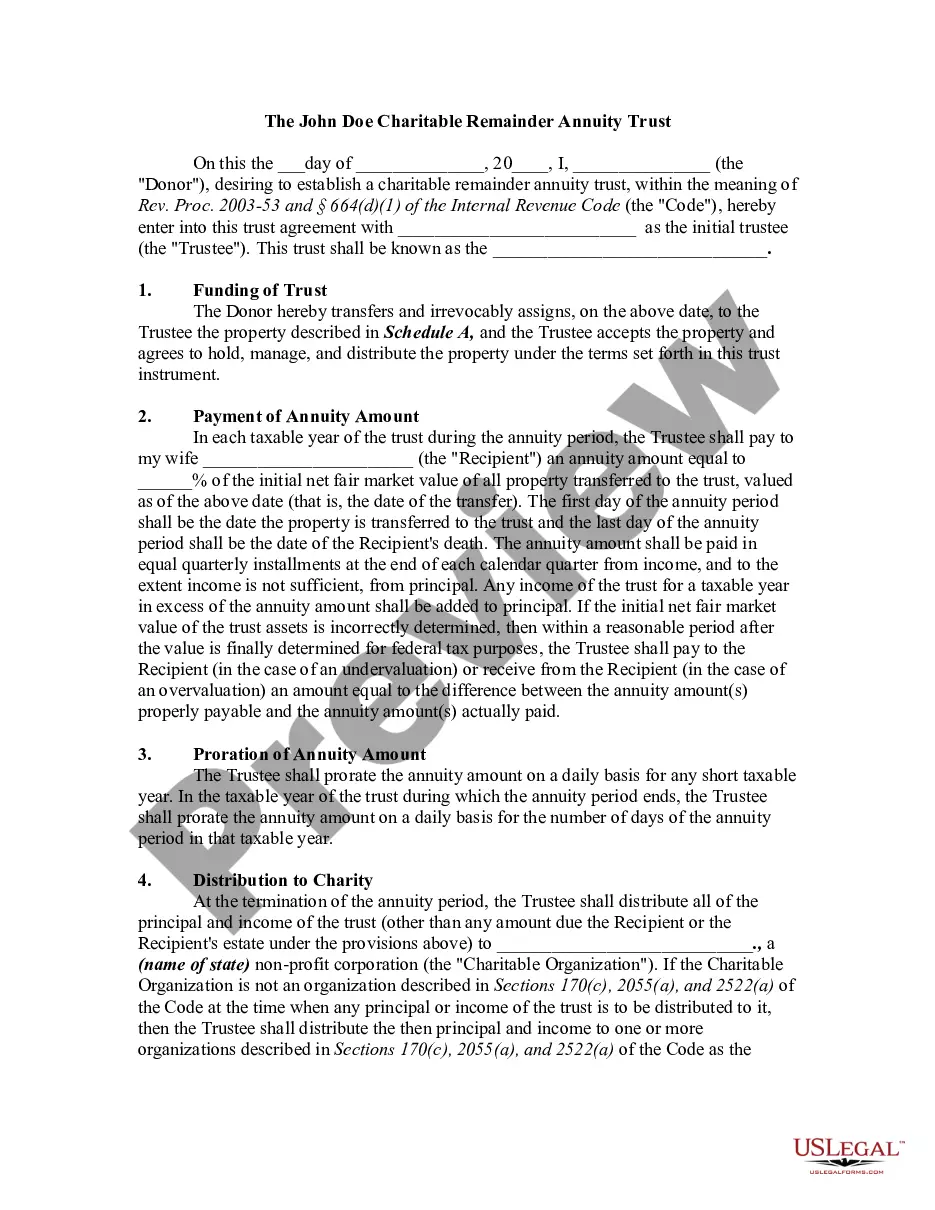
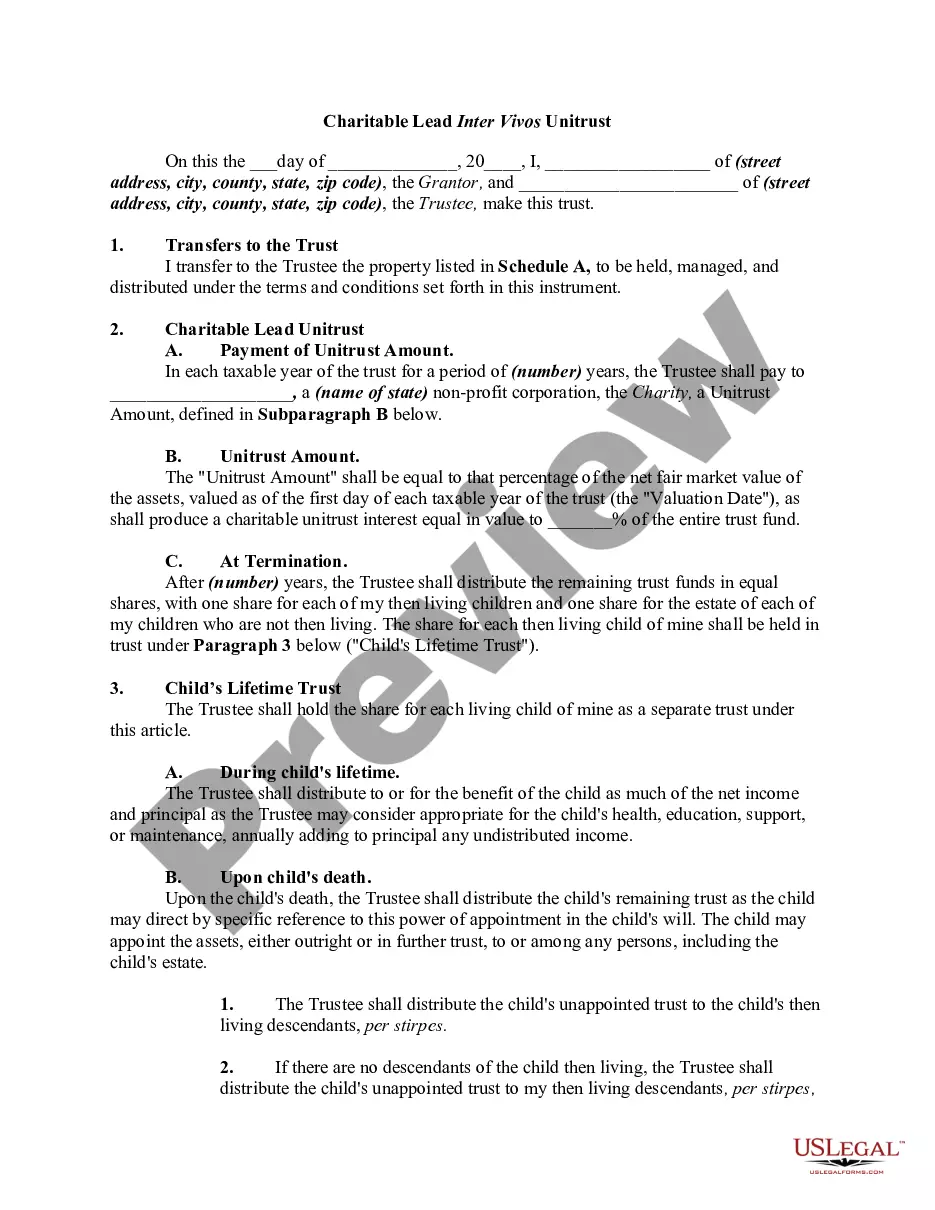
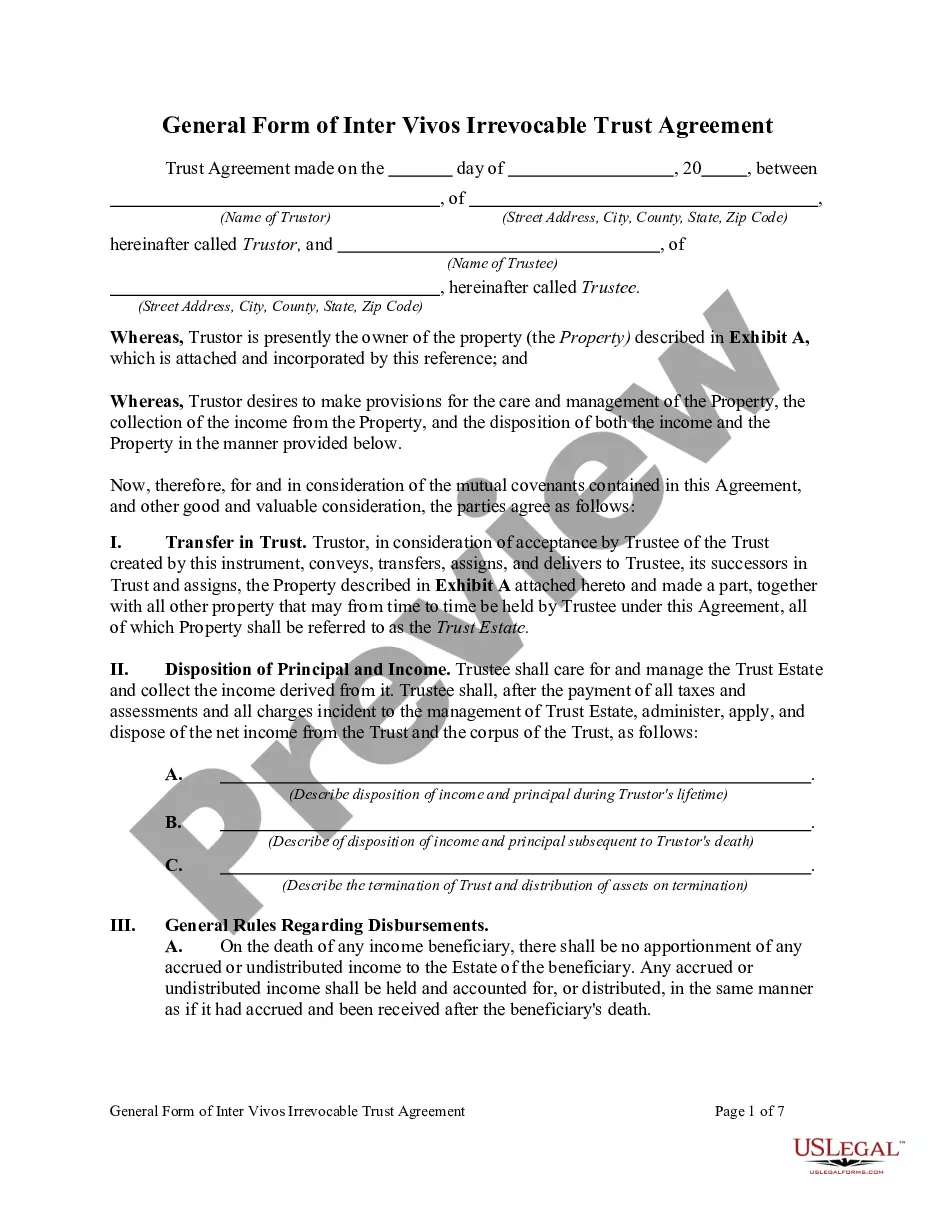
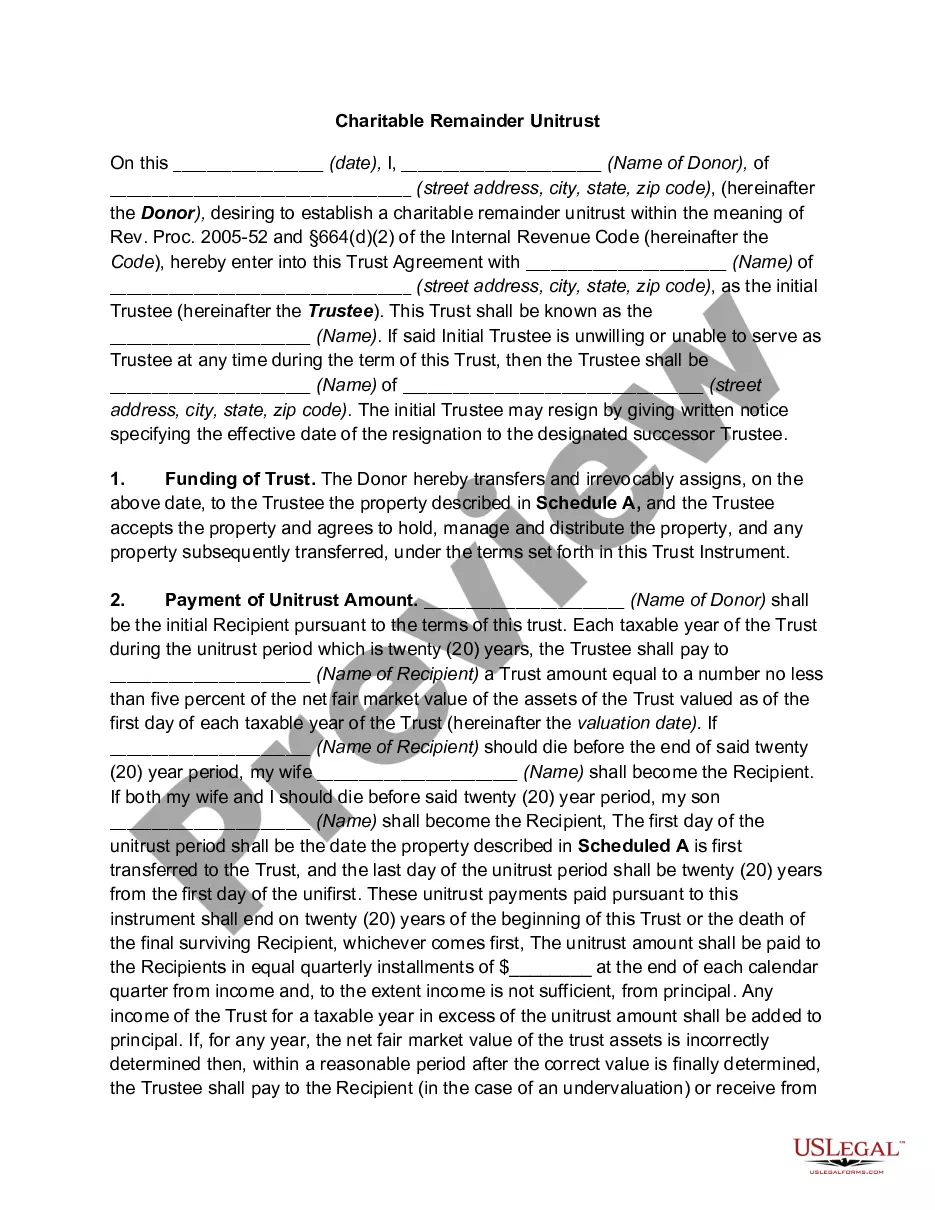
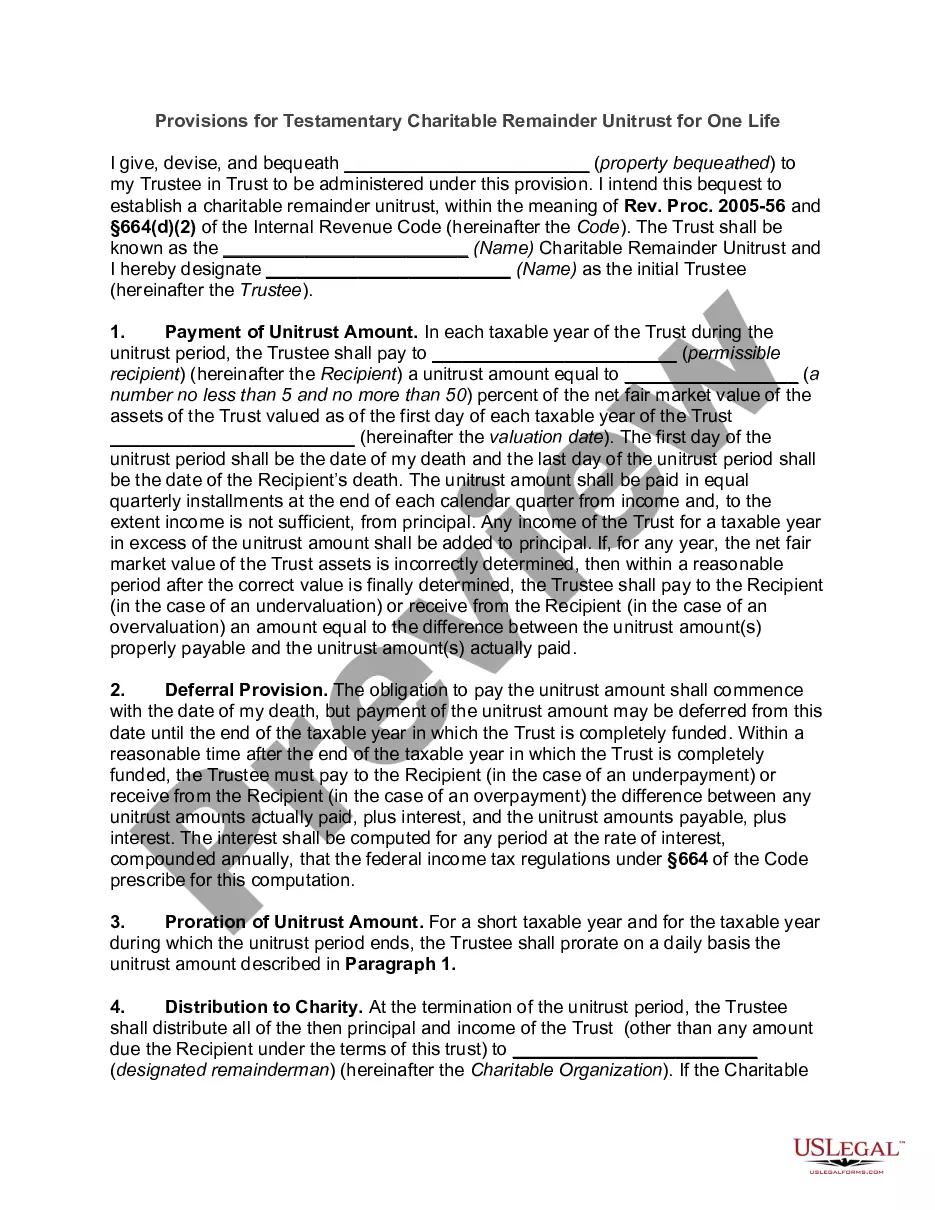
Get your form ready online
Our built-in tools help you complete, sign, share, and store your documents in one place.
Make edits, fill in missing information, and update formatting in US Legal Forms—just like you would in MS Word.
Download a copy, print it, send it by email, or mail it via USPS—whatever works best for your next step.
Sign and collect signatures with our SignNow integration. Send to multiple recipients, set reminders, and more. Go Premium to unlock E-Sign.
If this form requires notarization, complete it online through a secure video call—no need to meet a notary in person or wait for an appointment.
We protect your documents and personal data by following strict security and privacy standards.

Make edits, fill in missing information, and update formatting in US Legal Forms—just like you would in MS Word.

Download a copy, print it, send it by email, or mail it via USPS—whatever works best for your next step.

Sign and collect signatures with our SignNow integration. Send to multiple recipients, set reminders, and more. Go Premium to unlock E-Sign.

If this form requires notarization, complete it online through a secure video call—no need to meet a notary in person or wait for an appointment.

We protect your documents and personal data by following strict security and privacy standards.
Looking for another form?






How to fill out Charitable Remainder Inter Vivos Unitrust Agreement?
Handling legal paperwork and procedures may be a laborious addition to your routine.
Charitable Remainder Trust Calculator For Ira and similar forms frequently necessitate that you locate them and comprehend how to fill them out accurately.
Therefore, if you are managing financial, legal, or personal issues, utilizing a thorough and efficient online database of forms available will greatly assist you.
US Legal Forms is the leading online resource for legal templates, presenting over 85,000 state-specific forms and various tools that will aid you in completing your documents with ease.
Is it your first time using US Legal Forms? Register and create an account in a few minutes, and you'll gain access to the form catalog and Charitable Remainder Trust Calculator For Ira. Then, follow these steps to complete your form.
- Explore the array of relevant documents accessible with a single click.
- US Legal Forms offers you state- and county-specific forms available anytime for download.
- Protect your document management tasks with premium support that lets you create any form within minutes without any extra or hidden charges.
- Simply Log In to your account, find Charitable Remainder Trust Calculator For Ira, and download it instantly from the My documents section.
- You can also retrieve previously saved forms.
Form popularity
FAQ
Government regulations determine this amount, which is essentially calculated by subtracting the present value of the annuity from the fair market value of the property and/or cash placed in the trust. The balance is the amount that the grantor can deduct when the grantor contributes the property to the trust.
IRA owners can fund a CRT by either using their entire IRA distribution or over a period of years. The unitrust is preferred because it allows the owner to make contributions after the first year, and the beneficiary is not required to make withdrawals.
The deduction is limited to the present value of the charitable organization's remainder interest. This is calculated as the value of the donated property minus the present value of the annuity.
With respect to charitable remainder annuity trusts (CRATs), the IRS takes the position that the trust is disqualified for a charitable deduction if there is a greater than 5% probability that the income beneficiary will survive the exhaustion of principal [Rev. Rul. 77-374, 1977-2 C.B. 329; see also Ltr.
In either type of CRT (unitrust or annuity trust), the Internal Revenue Service (IRS) requires that the payout rate stated in the trust cannot be less than 5 percent or more than 50 percent of the initial fair market value of the trust's assets.