Charitable Form Trust Contract With The United States
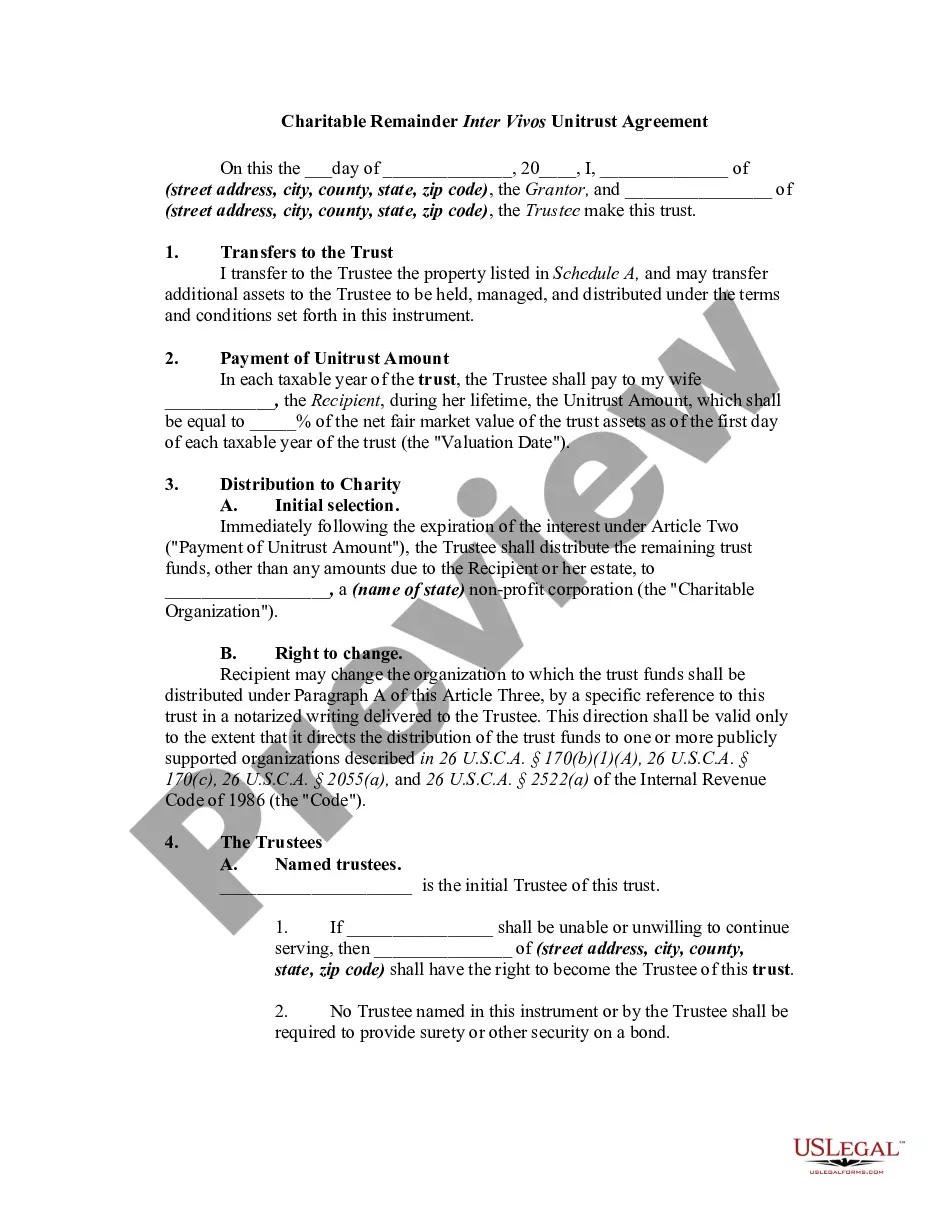
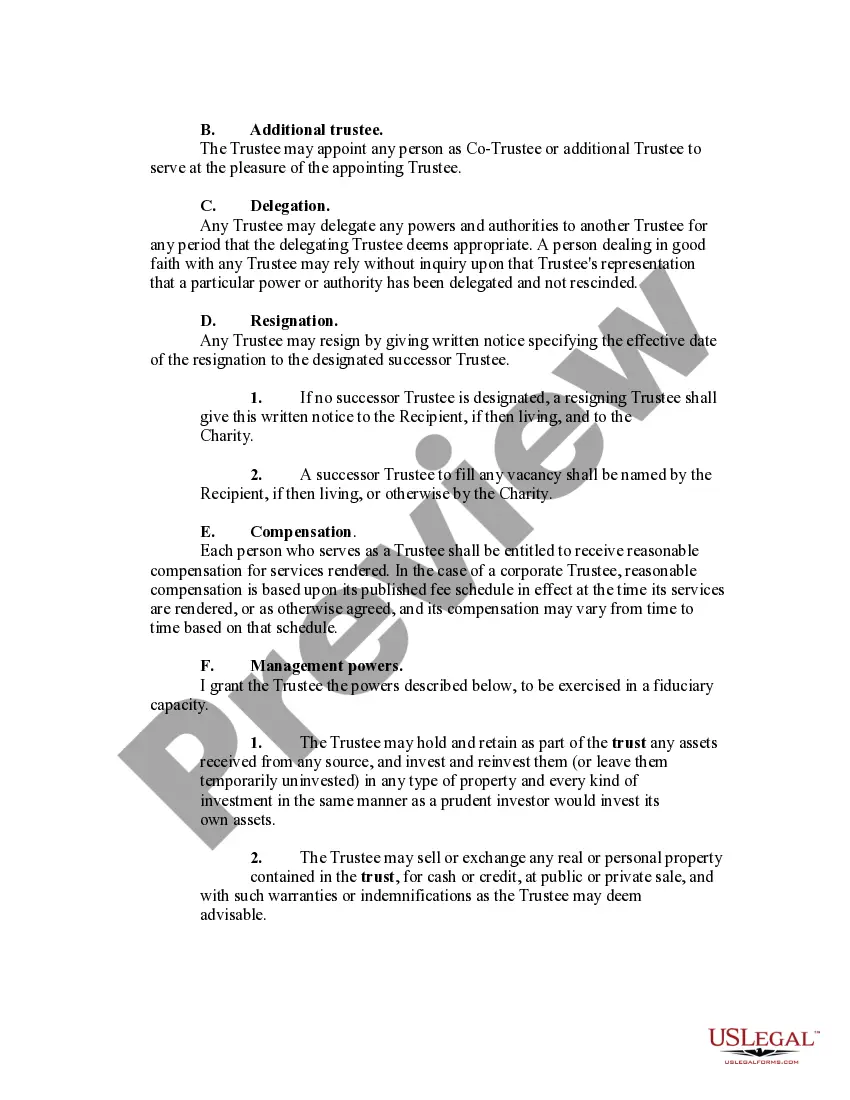
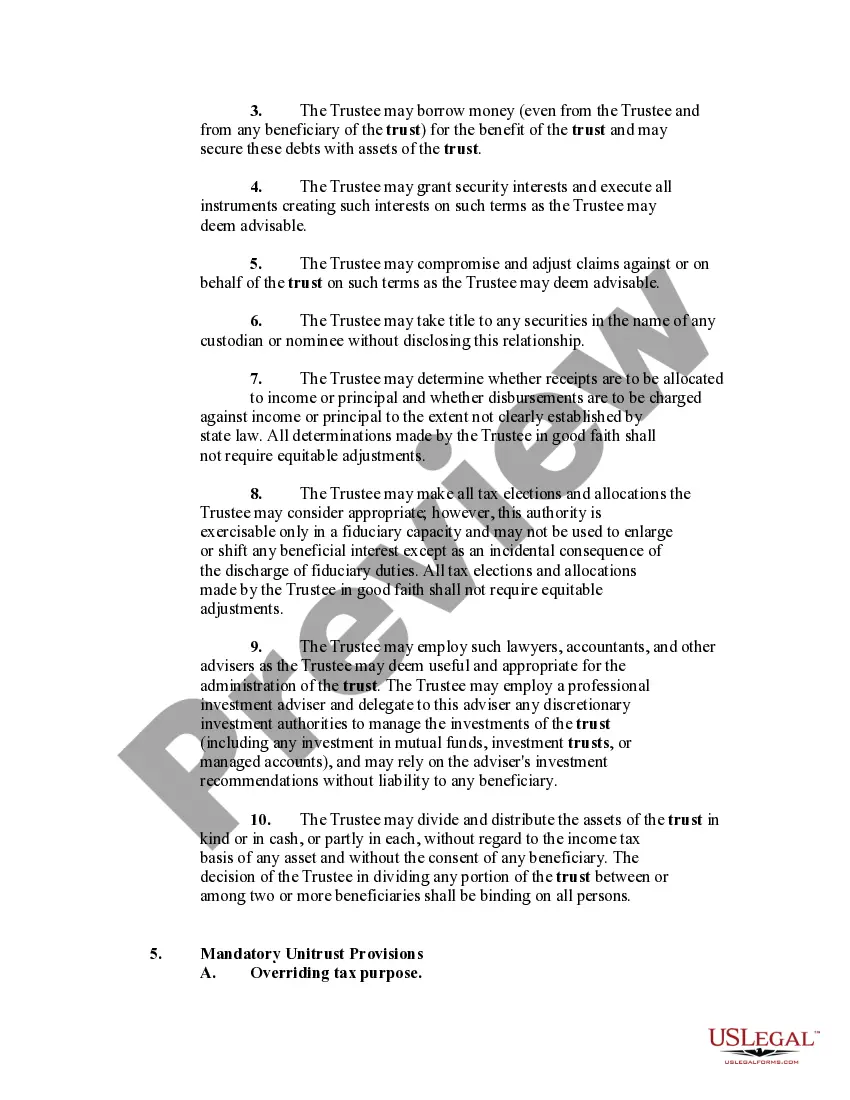
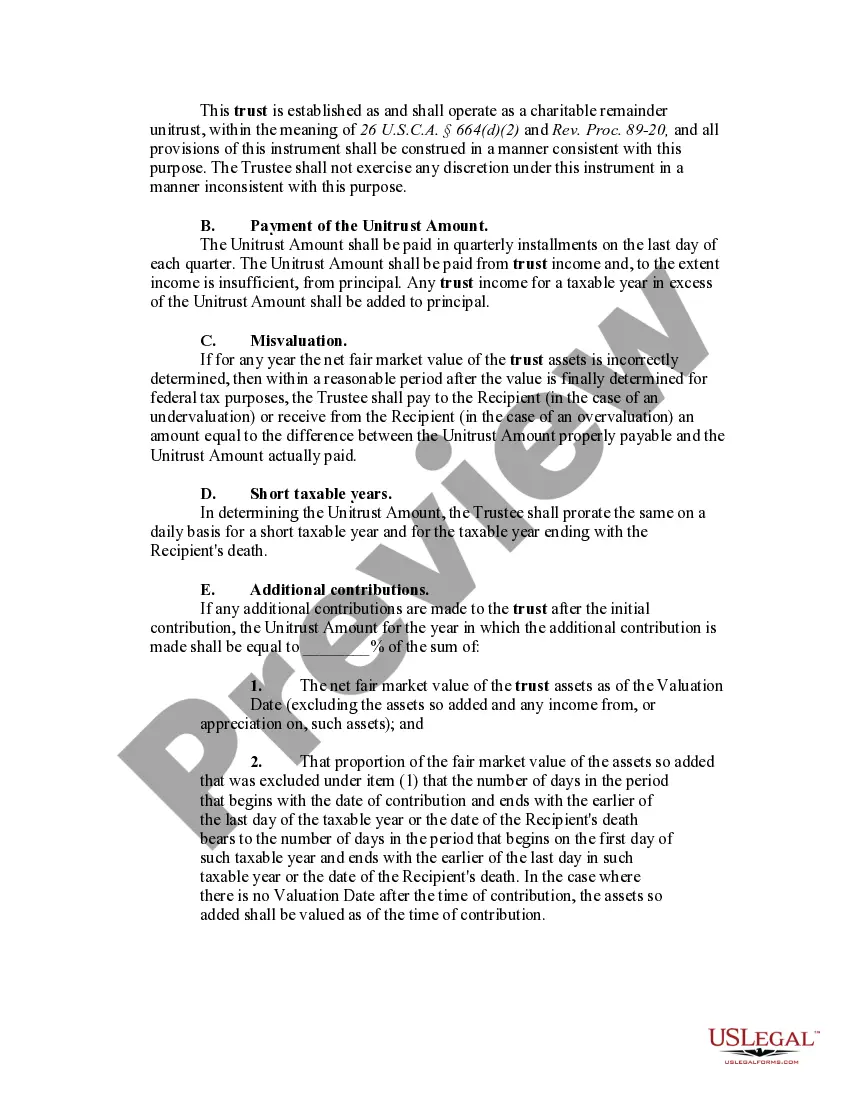
Description
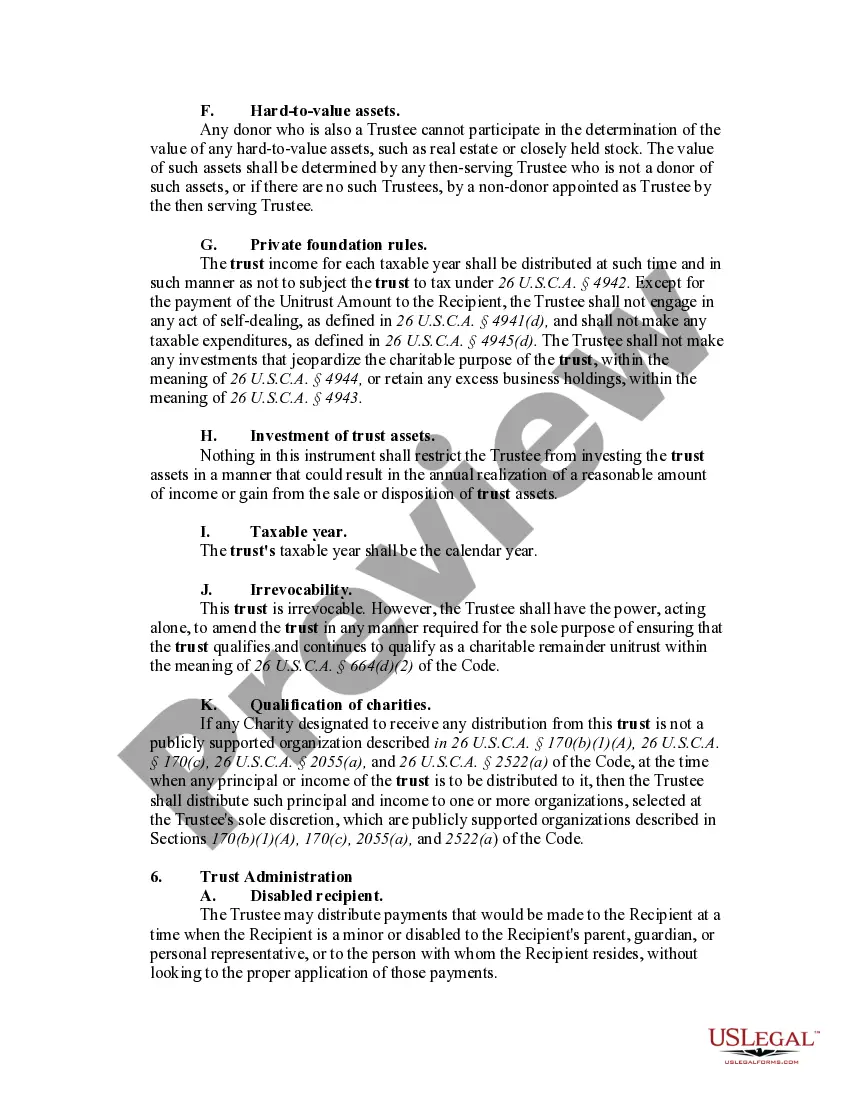
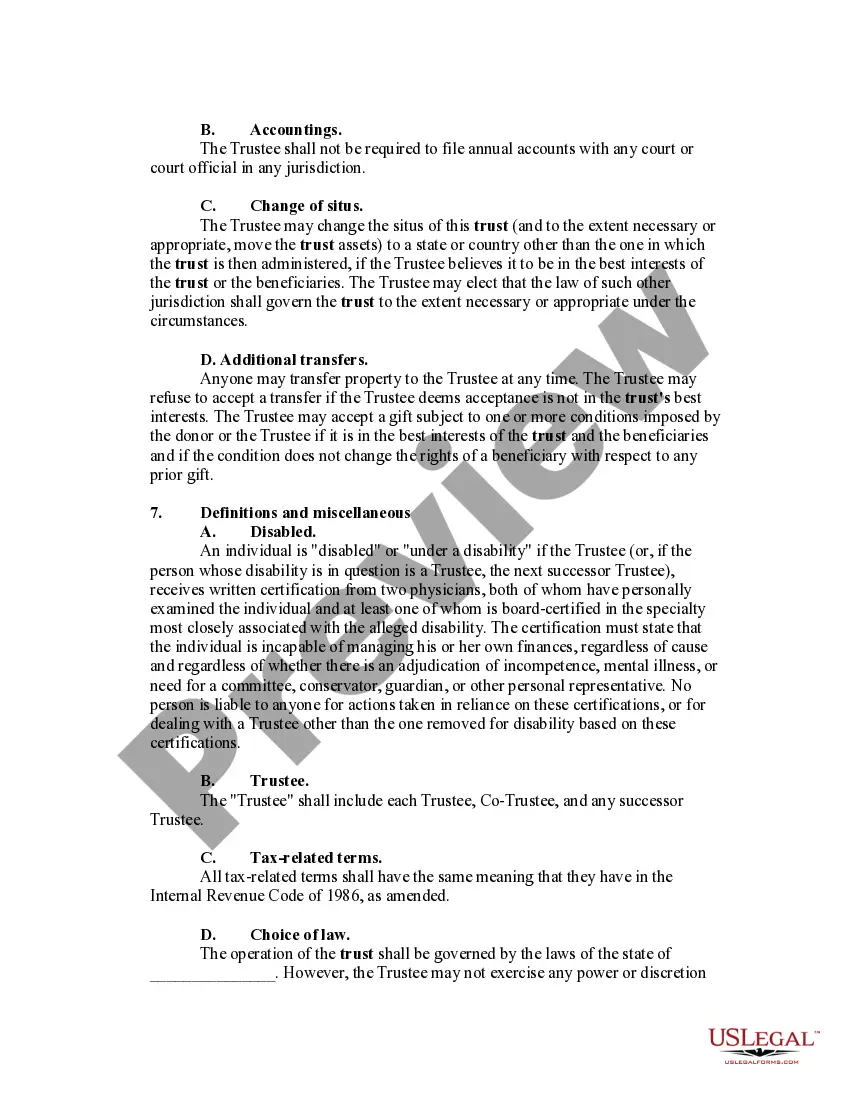
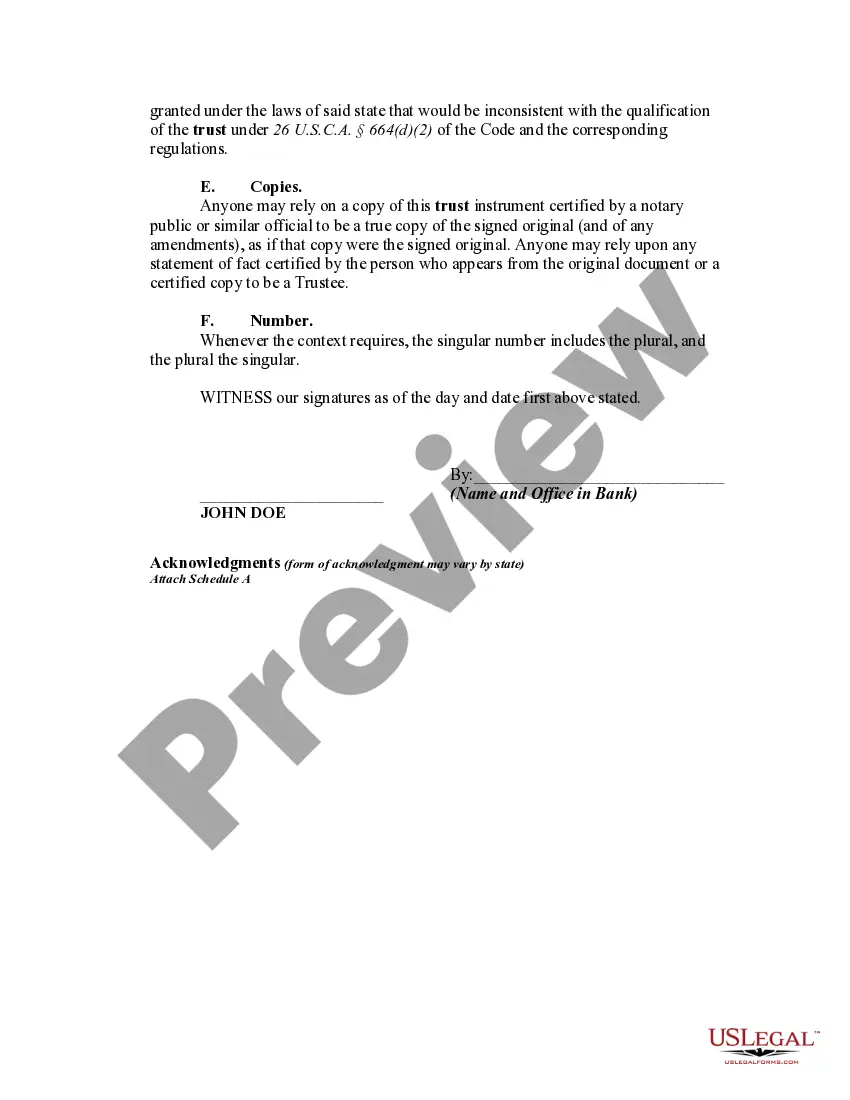
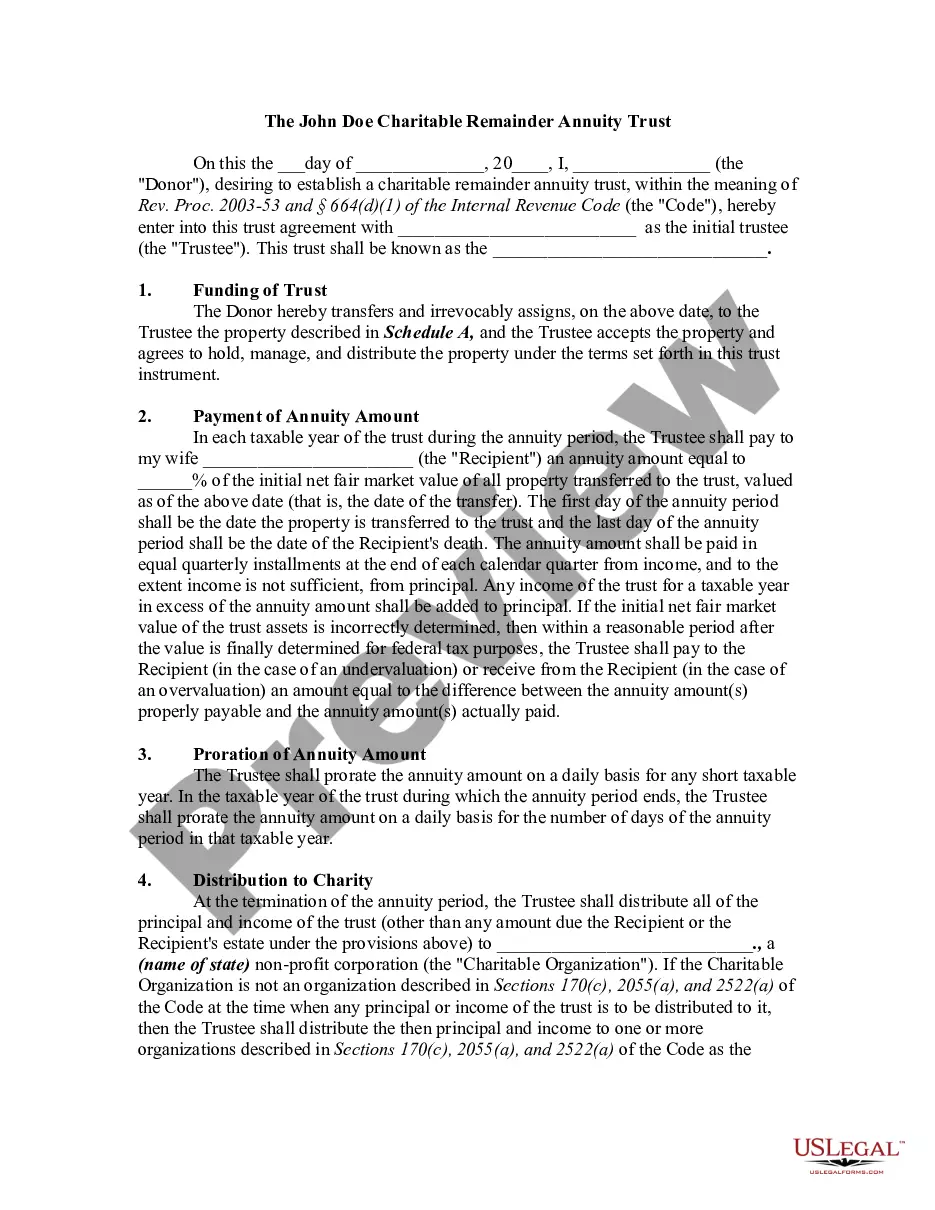
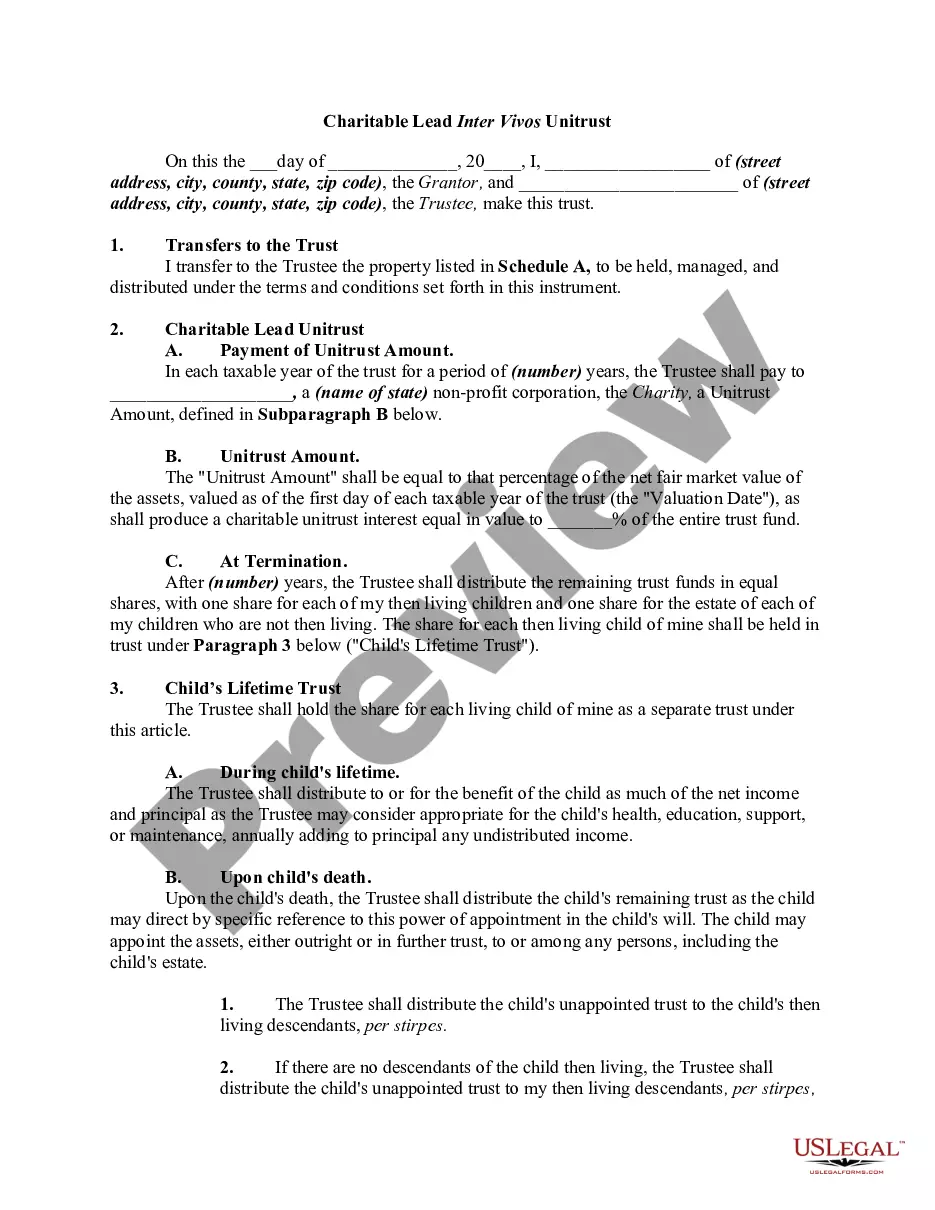
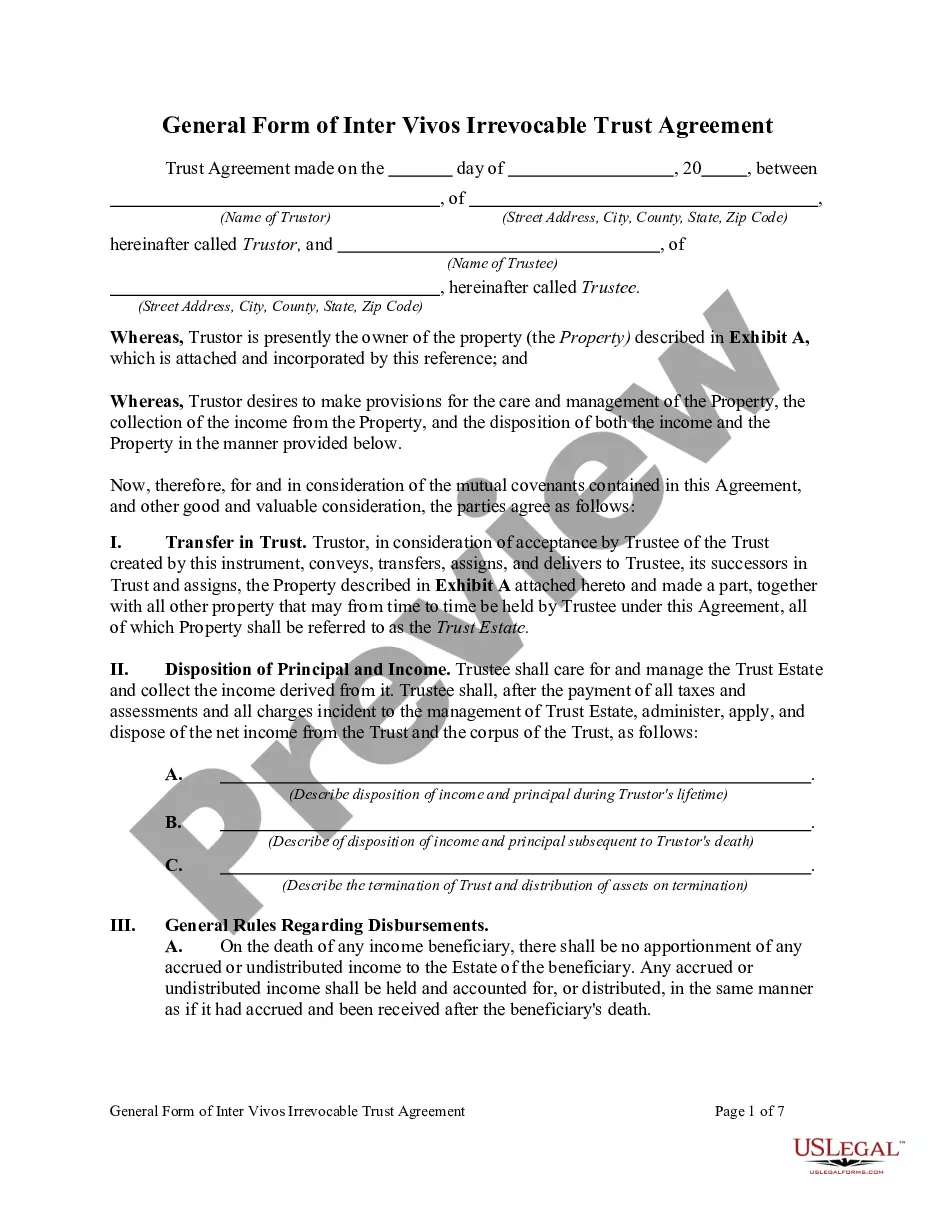
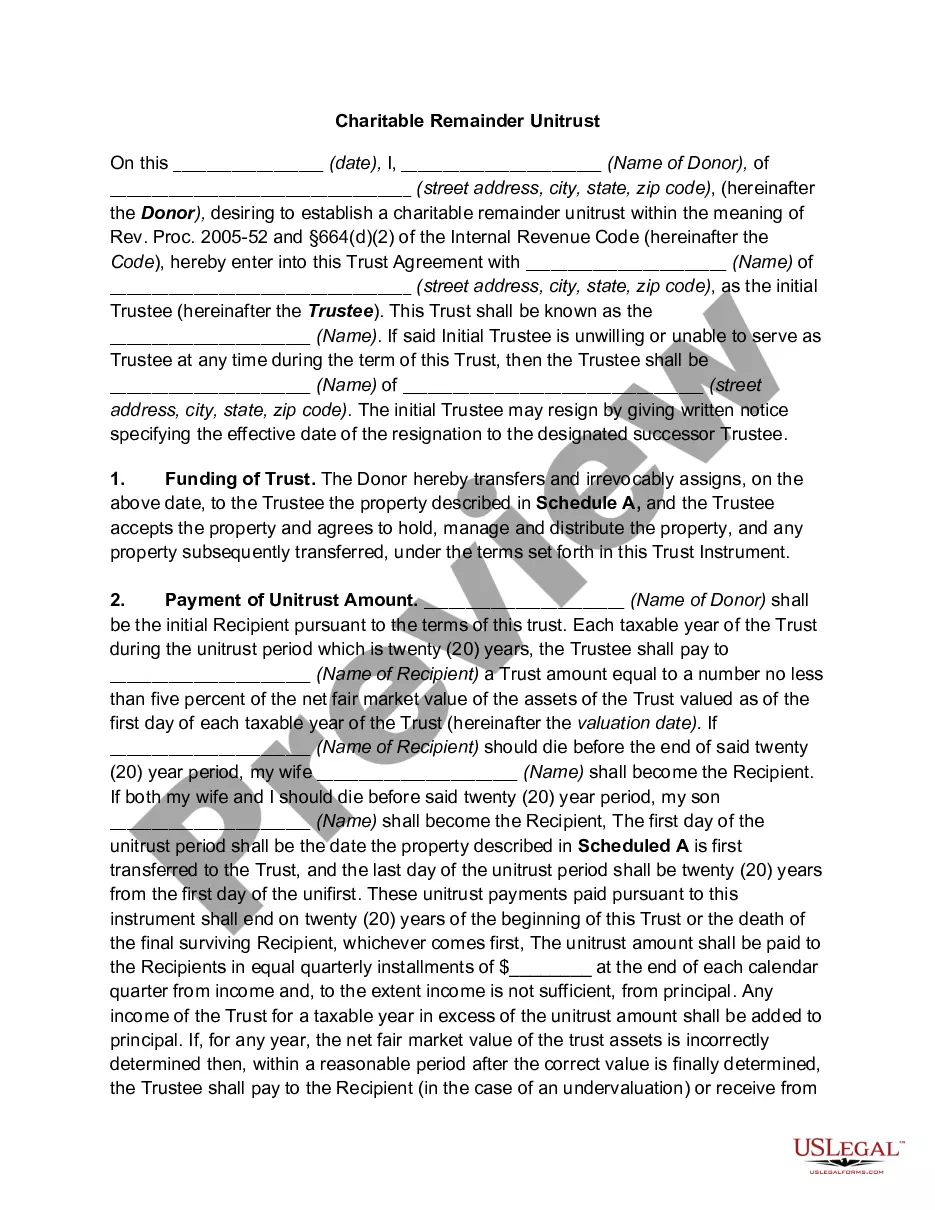
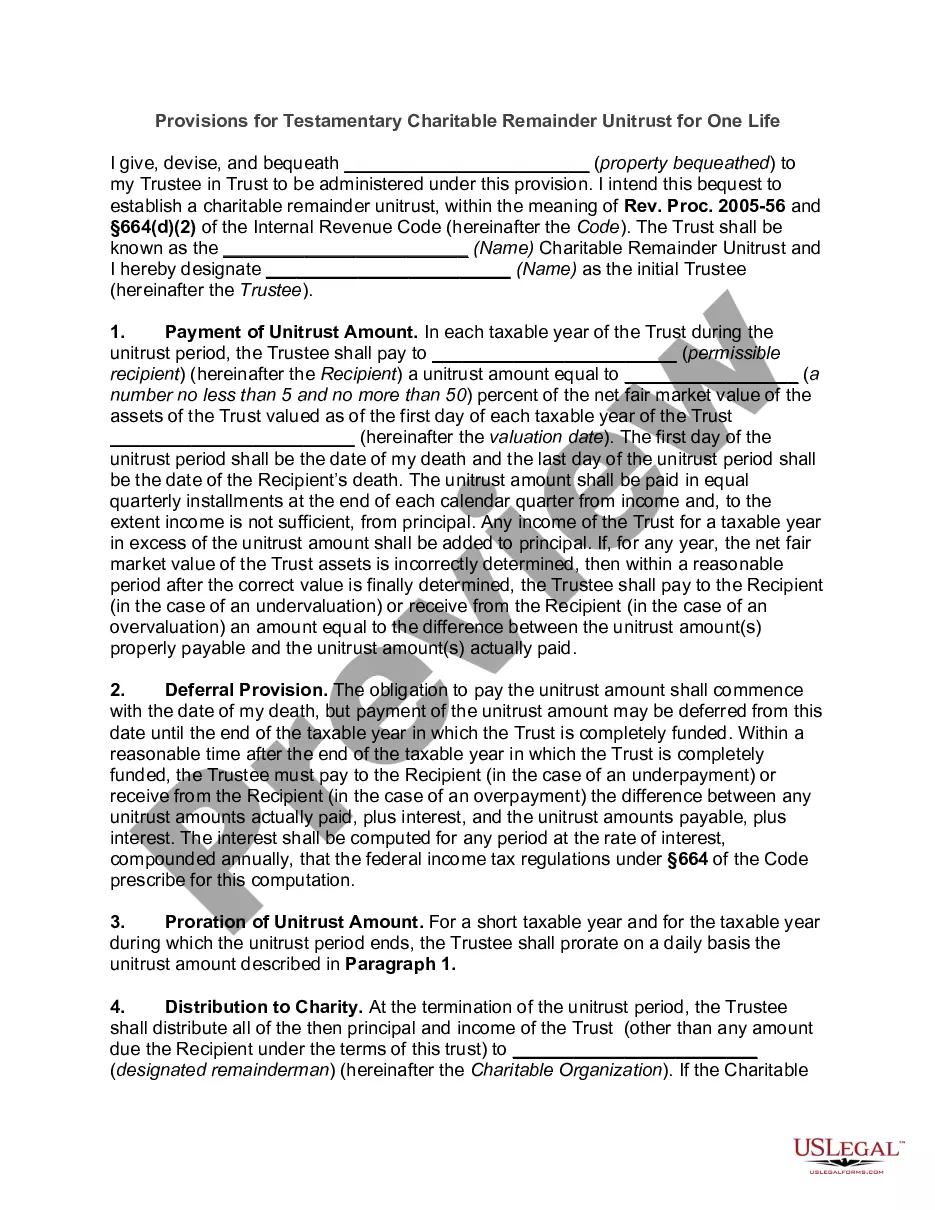
Get your form ready online
Our built-in tools help you complete, sign, share, and store your documents in one place.
Make edits, fill in missing information, and update formatting in US Legal Forms—just like you would in MS Word.
Download a copy, print it, send it by email, or mail it via USPS—whatever works best for your next step.
Sign and collect signatures with our SignNow integration. Send to multiple recipients, set reminders, and more. Go Premium to unlock E-Sign.
If this form requires notarization, complete it online through a secure video call—no need to meet a notary in person or wait for an appointment.
We protect your documents and personal data by following strict security and privacy standards.

Make edits, fill in missing information, and update formatting in US Legal Forms—just like you would in MS Word.

Download a copy, print it, send it by email, or mail it via USPS—whatever works best for your next step.

Sign and collect signatures with our SignNow integration. Send to multiple recipients, set reminders, and more. Go Premium to unlock E-Sign.

If this form requires notarization, complete it online through a secure video call—no need to meet a notary in person or wait for an appointment.

We protect your documents and personal data by following strict security and privacy standards.
Looking for another form?







How to fill out Charitable Remainder Inter Vivos Unitrust Agreement?
- If you're an existing user, log in to your US Legal Forms account and find the specific form template you need. Ensure your subscription is active to access the download option.
- For first-time users, review the Preview mode and description of the form to ensure it meets your requirements and aligns with local jurisdiction specifications.
- If the form does not meet your needs, utilize the Search function to locate an alternative template that better suits your needs.
- Select the 'Buy Now' option to purchase the document, choosing a subscription plan that fits your needs. A registered account will be required to proceed.
- Complete your purchase by entering your payment details via credit card or PayPal to secure your subscription.
- Download the finalized form to your device, and access it anytime through the 'My Forms' section of your profile.
In conclusion, US Legal Forms streamlines the process of obtaining legal documents, offering an extensive library filled with over 85,000 customizable forms. Their user-friendly platform and access to legal experts ensure you create precise documents tailored to your specific needs.
Take the first step toward creating your charitable form trust contract today—explore US Legal Forms for the resources you need!
Form popularity
FAQ
Yes, a charitable remainder trust can be e-filed under certain conditions. When you prepare filings relevant to your Charitable form trust contract with the united states, e-filing can provide a more streamlined approach. However, ensure that you consult the latest IRS guidelines and confirm your software solution supports this option.
Yes, many trust tax returns can be filed electronically. This option simplifies the process for those managing a Charitable form trust contract with the united states. E-filing can lead to more accurate submissions and faster processing times, allowing trustees to focus on their charitable missions rather than paperwork.
Currently, Form 5227, which addresses split-interest trusts, cannot be submitted electronically. Organizations operating under a Charitable form trust contract with the united states must print and mail this form. It is essential to stay updated on any changes, as the IRS frequently revises its filing procedures.
Form 8868, the application for an automatic extension of time to file, does not need to be filed electronically. While you may choose to e-file other forms associated with a Charitable form trust contract with the united states, this form can still be submitted via mail. Ensure you verify the filing options each tax year, as guidelines may evolve.
Many IRS forms can be filed electronically, including various Form 990 series forms. This includes Form 990, Form 990-EZ, and Form 990-N, all essential for entities involved in a Charitable form trust contract with the united states. E-filing is convenient, efficient, and can reduce processing times significantly, making it an appealing option for organizations.
Certain IRS forms cannot be electronically filed, including Form 990-T and some other complex forms related to tax-exempt entities. These forms, connected to a Charitable form trust contract with the united states, typically require manual submission to ensure compliance with specific regulations. Understanding this distinction is crucial for managing your charitable organization’s obligations effectively.
The 5% rule for a charitable remainder trust, often abbreviated as CRT, requires that the trust distribute a minimum of 5% of its fair market value each year. This rule is significant in maintaining the tax-exempt status of the trust. If you're establishing a charitable form trust contract with the United States, understanding this rule will be beneficial. Use US Legal Forms to simplify the CRT setup process.
The 5% rule for charitable remainder trust refers to the requirement that the trust must distribute at least 5 percent of its assets annually. This ensures that the trust operates effectively while providing income for its beneficiaries. Understanding this rule helps ensure compliance with your charitable form trust contract with the United States. You may want to seek professional assistance to navigate this process.
The income you can withdraw from a charitable remainder trust varies based on the trust's terms and the applicable payout rate. Generally, you can expect to receive a fixed percentage of the trust's assets, often around 5% to 7%. This income can provide financial support while still upholding the charitable form trust contract with the United States. For specific guidance, consult with a financial advisor or tax professional.
The primary IRS form for a charitable trust is Form 5227, which captures essential information about the trust's operations. This form is vital for compliance and reporting purposes related to your charitable form trust contract with the United States. Completing this form accurately ensures you meet your tax obligations while benefiting charitable efforts. Access US Legal Forms for additional resources on form preparation.