Charitable Remainder Trust With Life Insurance
Description
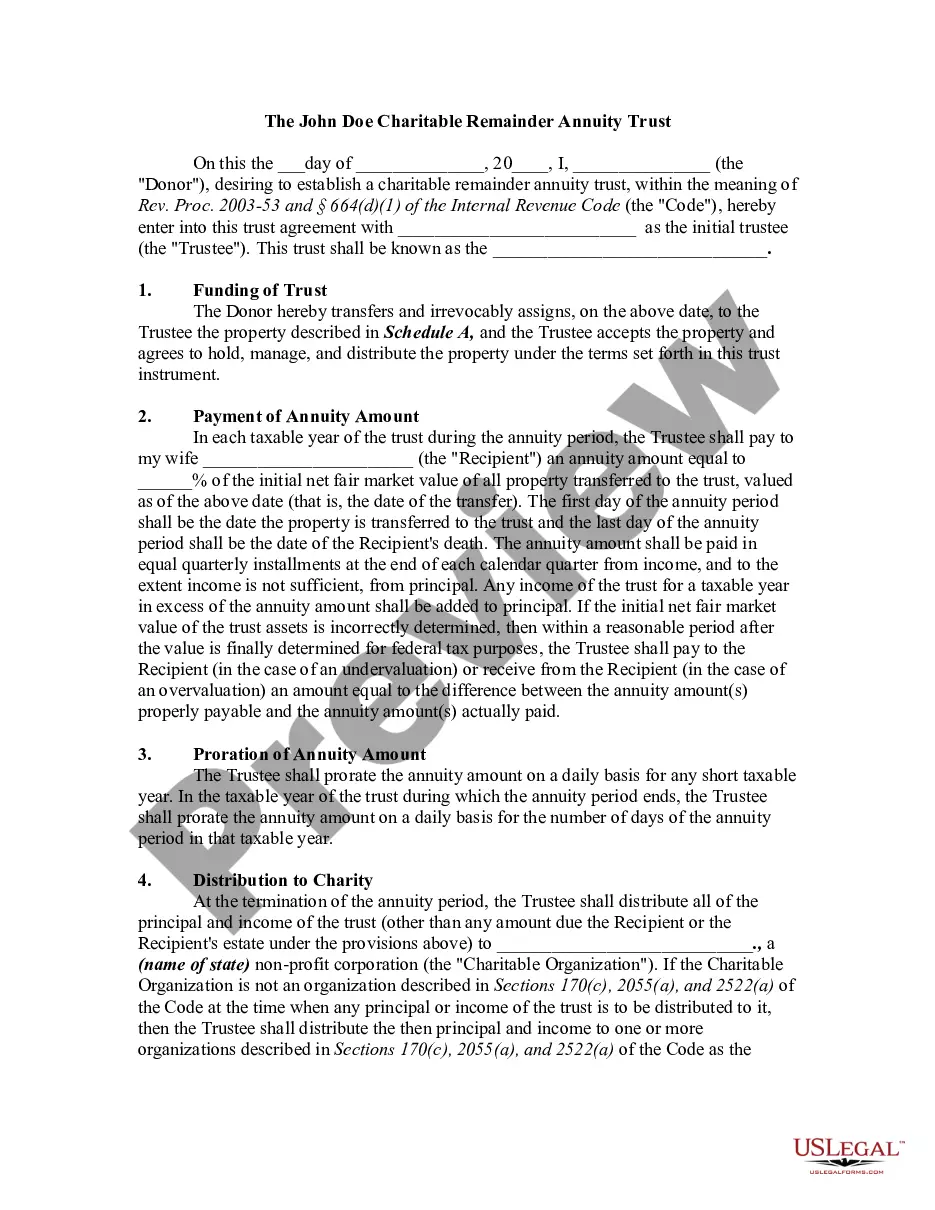
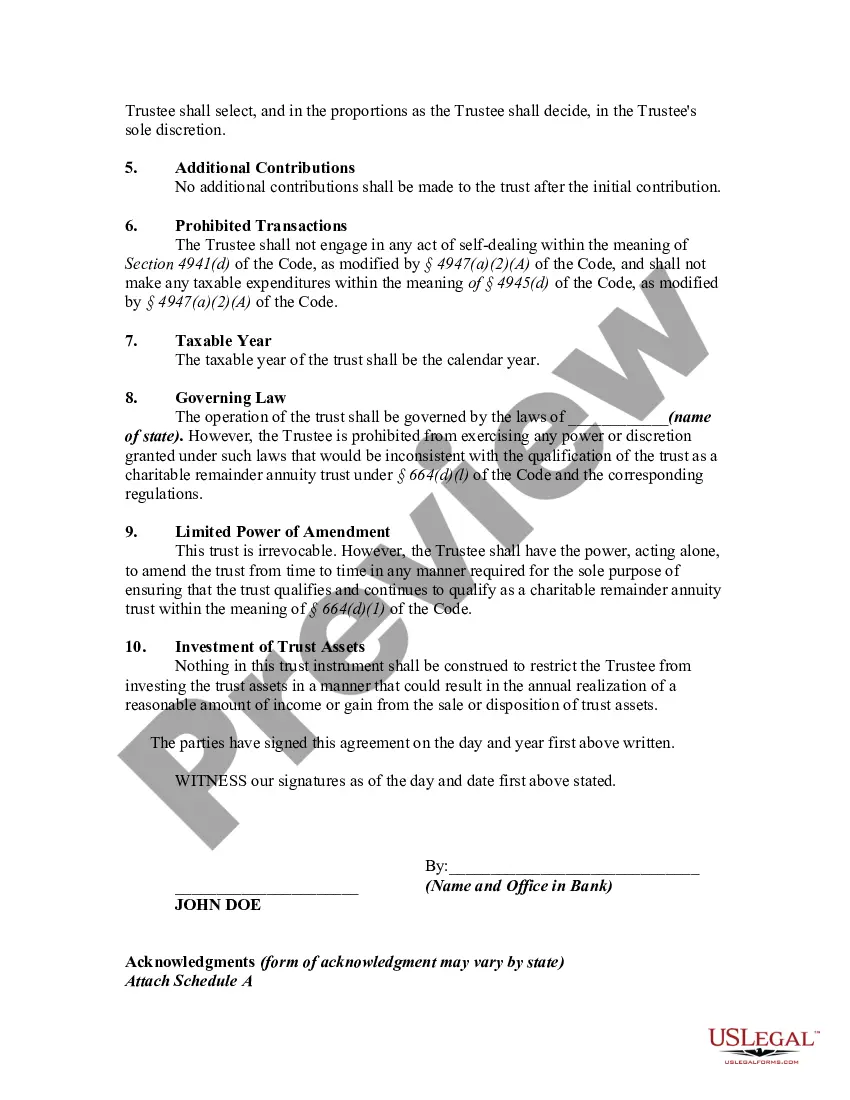
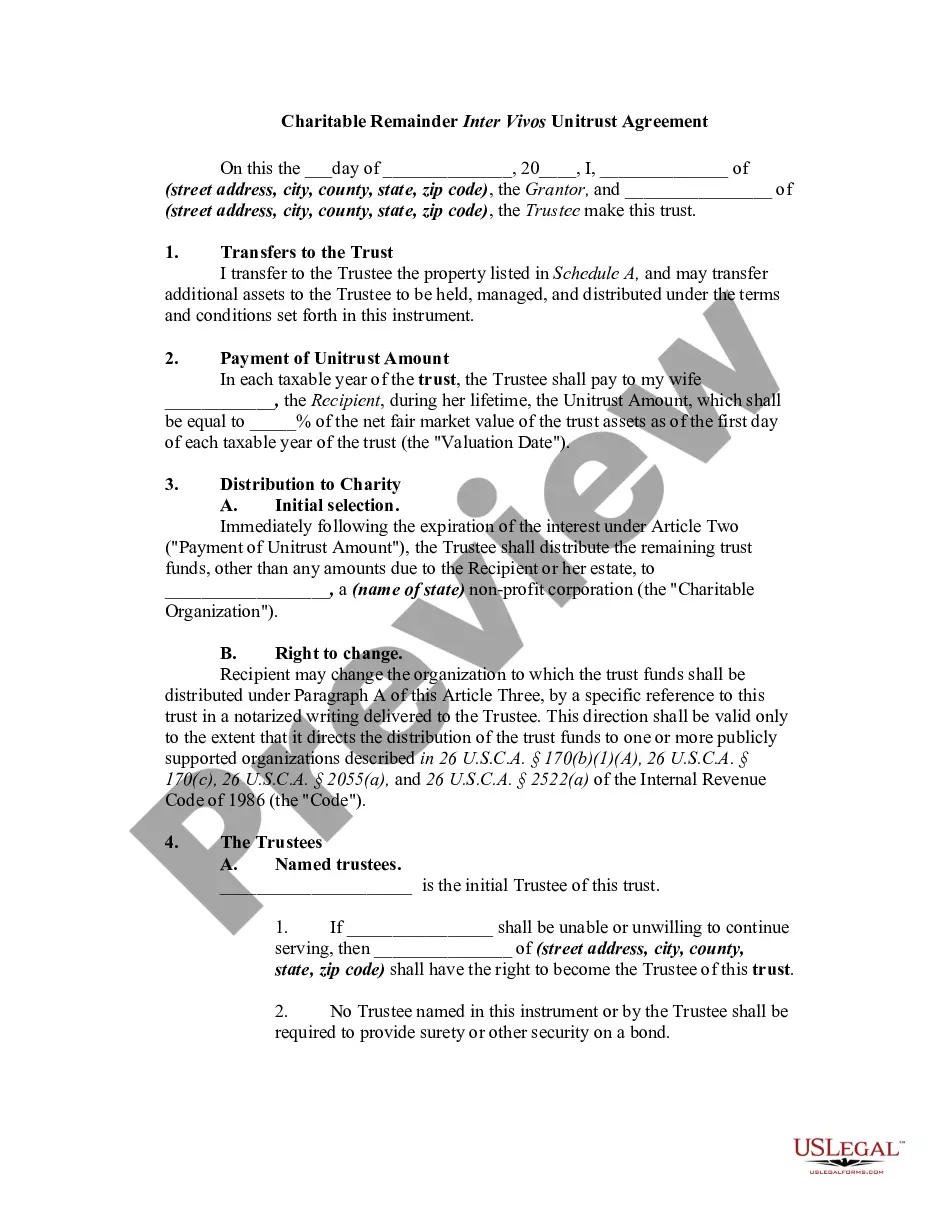
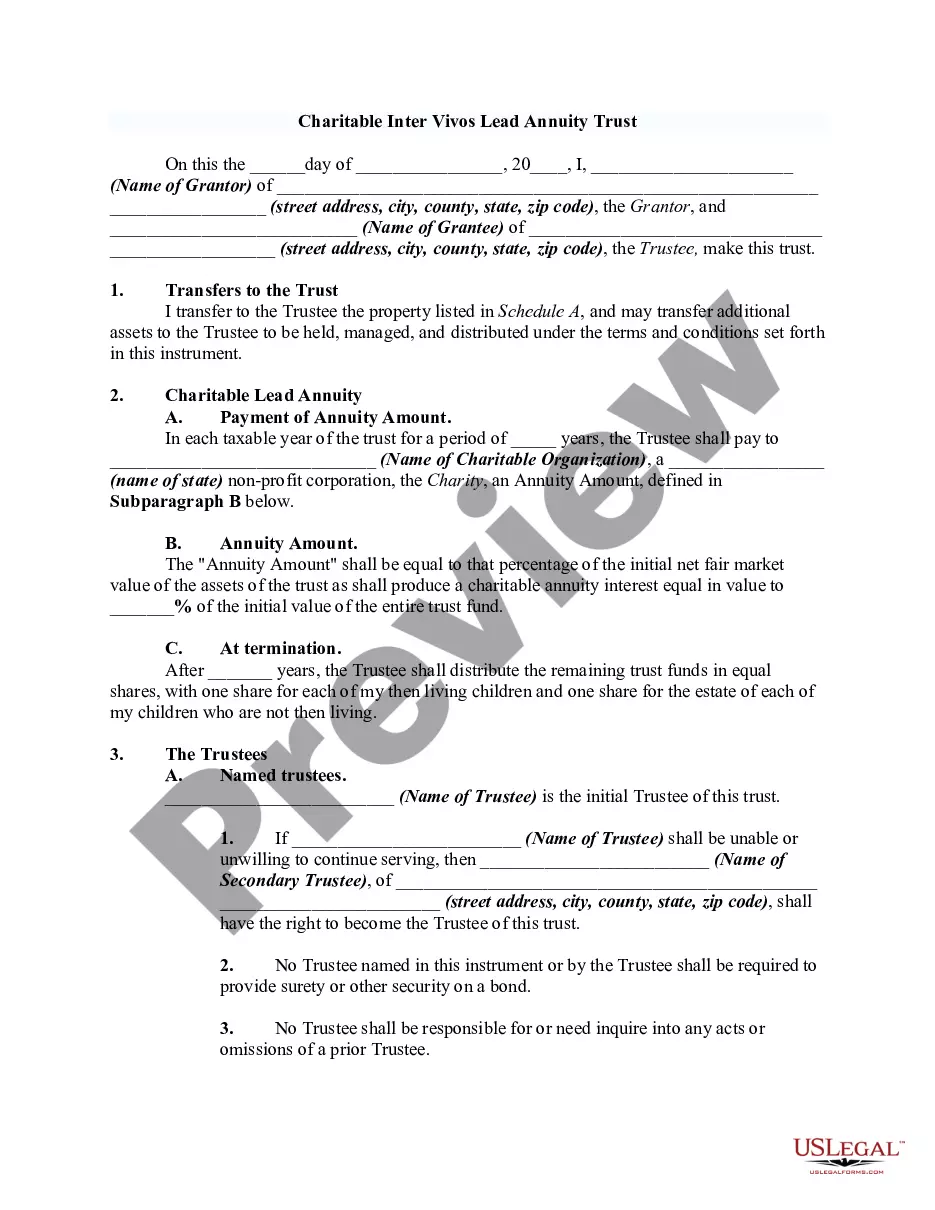
Get your form ready online
Our built-in tools help you complete, sign, share, and store your documents in one place.
Make edits, fill in missing information, and update formatting in US Legal Forms—just like you would in MS Word.
Download a copy, print it, send it by email, or mail it via USPS—whatever works best for your next step.
Sign and collect signatures with our SignNow integration. Send to multiple recipients, set reminders, and more. Go Premium to unlock E-Sign.
If this form requires notarization, complete it online through a secure video call—no need to meet a notary in person or wait for an appointment.
We protect your documents and personal data by following strict security and privacy standards.

Make edits, fill in missing information, and update formatting in US Legal Forms—just like you would in MS Word.

Download a copy, print it, send it by email, or mail it via USPS—whatever works best for your next step.

Sign and collect signatures with our SignNow integration. Send to multiple recipients, set reminders, and more. Go Premium to unlock E-Sign.

If this form requires notarization, complete it online through a secure video call—no need to meet a notary in person or wait for an appointment.

We protect your documents and personal data by following strict security and privacy standards.
Looking for another form?








Form popularity
FAQ
The 3 year rule for life insurance trusts states that if you transfer a life insurance policy to a trust, you must survive for three years for the policy's death benefit to be excluded from your estate. If you pass away within three years after the transfer, the policy’s value will be included in your estate for tax purposes. Understanding this rule is crucial in planning your charitable remainder trust with life insurance effectively. US Legal Forms offers resources to help you navigate these regulations confidently.
Putting life insurance in a trust can be a wise decision, especially when considering estate planning and charitable giving. A charitable remainder trust with life insurance allows you to provide for your heirs while also supporting your philanthropic goals. This strategy can help avoid probate and ensure that your beneficiaries receive the funds efficiently. Engaging with US Legal Forms can help you understand the benefits and set this up tailored to your situation.
To leave life insurance to a trust, you first need to name the trust as the beneficiary on your policy. It’s important to ensure that the trust is properly established and recognized under state law. Doing this helps in mitigating the impact of estate taxes and secures the funds for your desired beneficiaries. US Legal Forms can guide you in setting up your trust correctly, especially for a charitable remainder trust with life insurance.
The primary advantage of designating a trust as a beneficiary of a life insurance policy is to control the distribution of the death benefit upon the policyholder's passing. A charitable remainder trust with life insurance can effectively balance charitable giving with the provision for family. It allows for structured distributions based on specific terms, which can help in managing wealth across generations while supporting your charitable interests. Consulting with professionals can help ensure this approach aligns with your financial objectives.
Upon the death of the trustor, the charitable remainder trust is designed to distribute its remaining assets to designated charitable organizations. The assets, including any life insurance proceeds, are distributed according to the terms established in the trust document. This process can provide significant tax benefits and fulfill charitable goals while still supporting non-charitable beneficiaries during the trustor's lifetime. It’s essential to plan these distributions carefully to ensure compliance and effectiveness.
One significant problem with naming a trust as a beneficiary of a life insurance policy lies in the trust's requirements for compliance and asset management. If beneficiaries experience delays due to trust administration issues, it can create unnecessary stress during a difficult time. Additionally, if the charitable remainder trust with life insurance is not structured appropriately, beneficiaries may face unexpected tax consequences. Addressing these factors early in the planning process can help avoid complications.
A trust may not always be the best choice for a beneficiary due to complications in asset management and potential tax implications. When naming a charitable remainder trust with life insurance as a beneficiary, it’s essential to consider how the trust will handle the life insurance proceeds. If not done properly, it can delay distributions and increase the risk of litigation among beneficiaries. It's crucial to evaluate your estate planning options to make informed decisions.
Life insurance and a trust work together by allowing the trust to receive the death benefit directly, which can streamline the distribution to beneficiaries. When a charitable remainder trust with life insurance is utilized, the insurance proceeds can fund charitable objectives while potentially offering tax advantages. Your trustee will manage these assets according to the trust’s terms. This combination can effectively meet both personal and charitable financial goals.
Deciding whether to designate your trust as the beneficiary of your life insurance requires careful consideration of your overall financial plan. If your goal is to support charitable endeavors or manage the distribution of your estate, putting a charitable remainder trust with life insurance as the beneficiary can be beneficial. However, it can complicate matters. You may want to consult experts to ensure this strategy aligns with your goals and provides the desired benefits.
One key disadvantage of naming a trust as a beneficiary of a life insurance policy is the potential for added complexity in the distribution of benefits. When a trust is involved, the executor or trustee must follow specific guidelines to manage the trust's assets, which can slow down the distribution process. Moreover, if the trust is not properly established or managed, it can lead to tax complications. Understanding how a charitable remainder trust with life insurance fits into your estate plan can help mitigate these issues.
