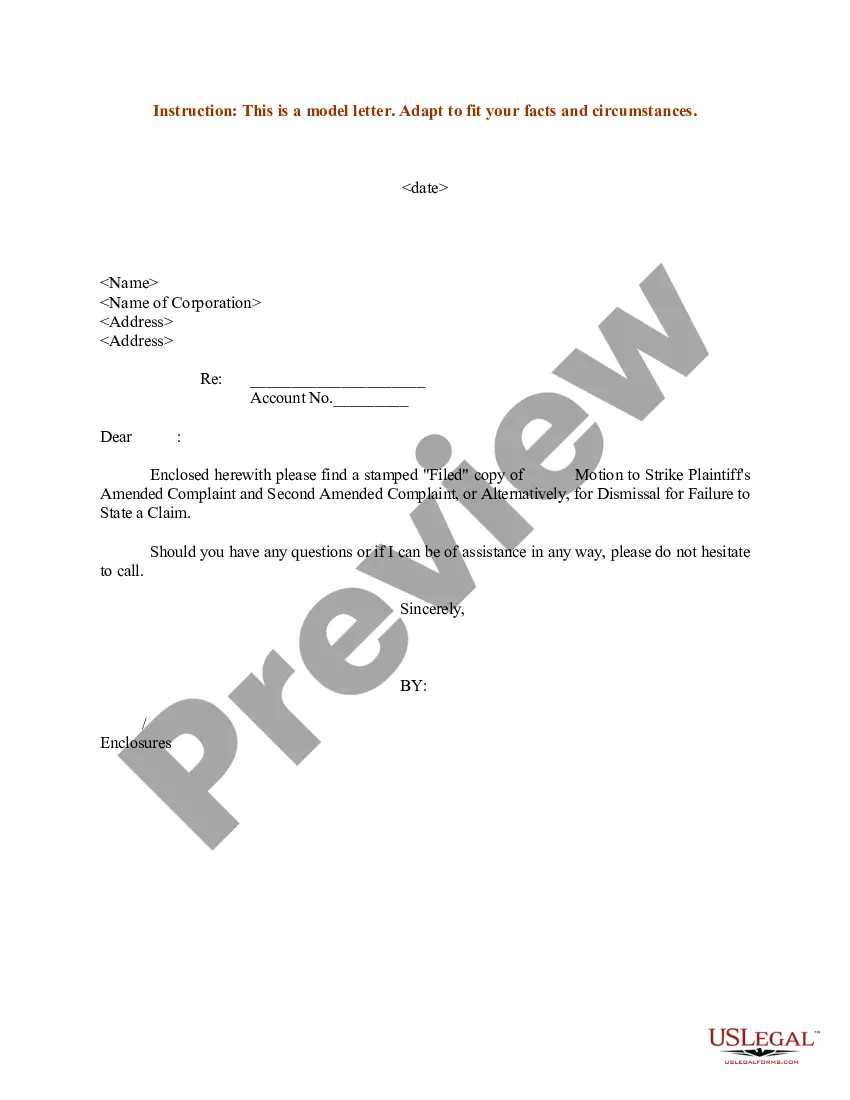
A Complaint Letter
Description
Get your form ready online
Our built-in tools help you complete, sign, share, and store your documents in one place.
Make edits, fill in missing information, and update formatting in US Legal Forms—just like you would in MS Word.
Download a copy, print it, send it by email, or mail it via USPS—whatever works best for your next step.
Sign and collect signatures with our SignNow integration. Send to multiple recipients, set reminders, and more. Go Premium to unlock E-Sign.
If this form requires notarization, complete it online through a secure video call—no need to meet a notary in person or wait for an appointment.
We protect your documents and personal data by following strict security and privacy standards.

Make edits, fill in missing information, and update formatting in US Legal Forms—just like you would in MS Word.

Download a copy, print it, send it by email, or mail it via USPS—whatever works best for your next step.

Sign and collect signatures with our SignNow integration. Send to multiple recipients, set reminders, and more. Go Premium to unlock E-Sign.

If this form requires notarization, complete it online through a secure video call—no need to meet a notary in person or wait for an appointment.

We protect your documents and personal data by following strict security and privacy standards.
Looking for another form?
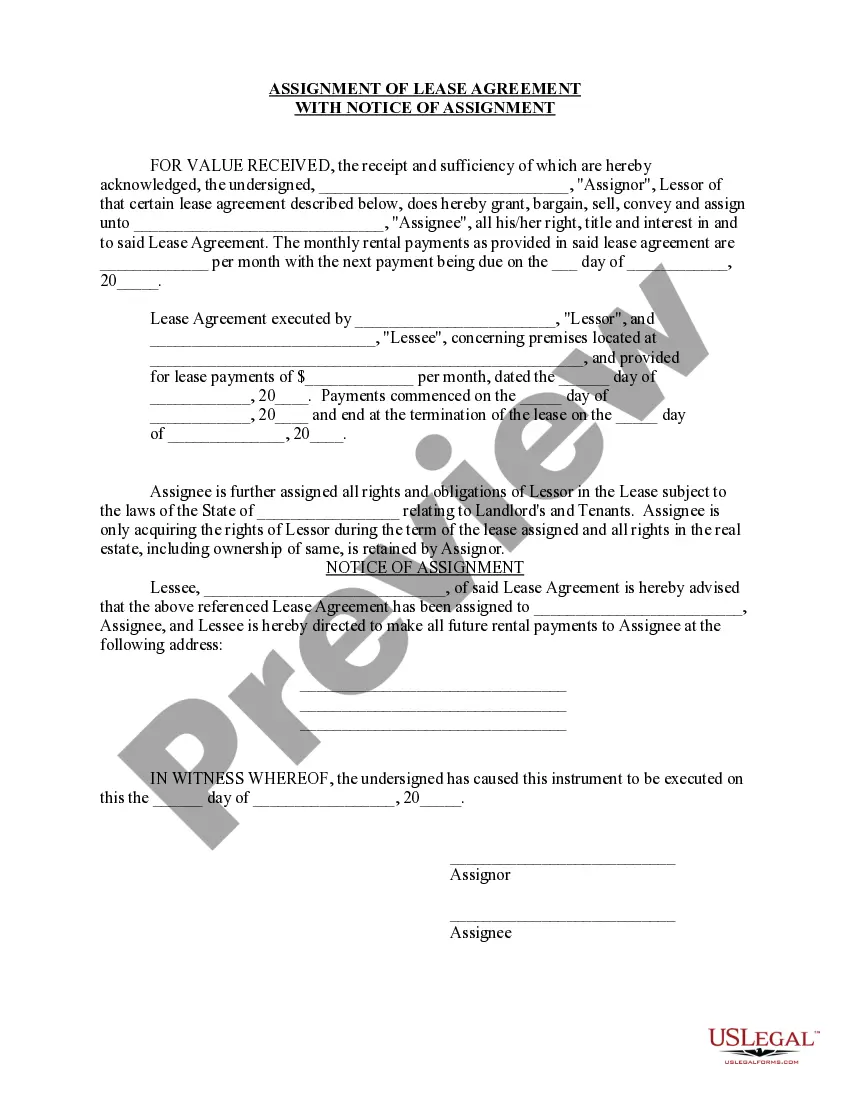








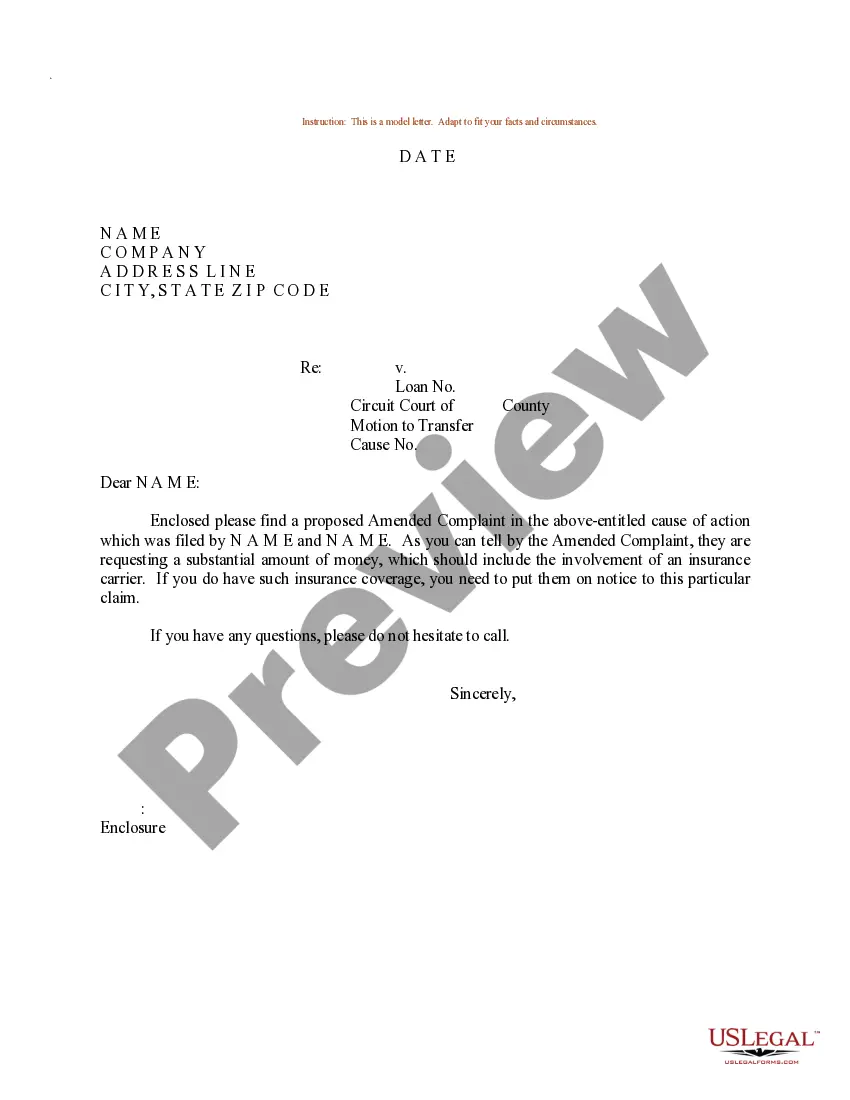
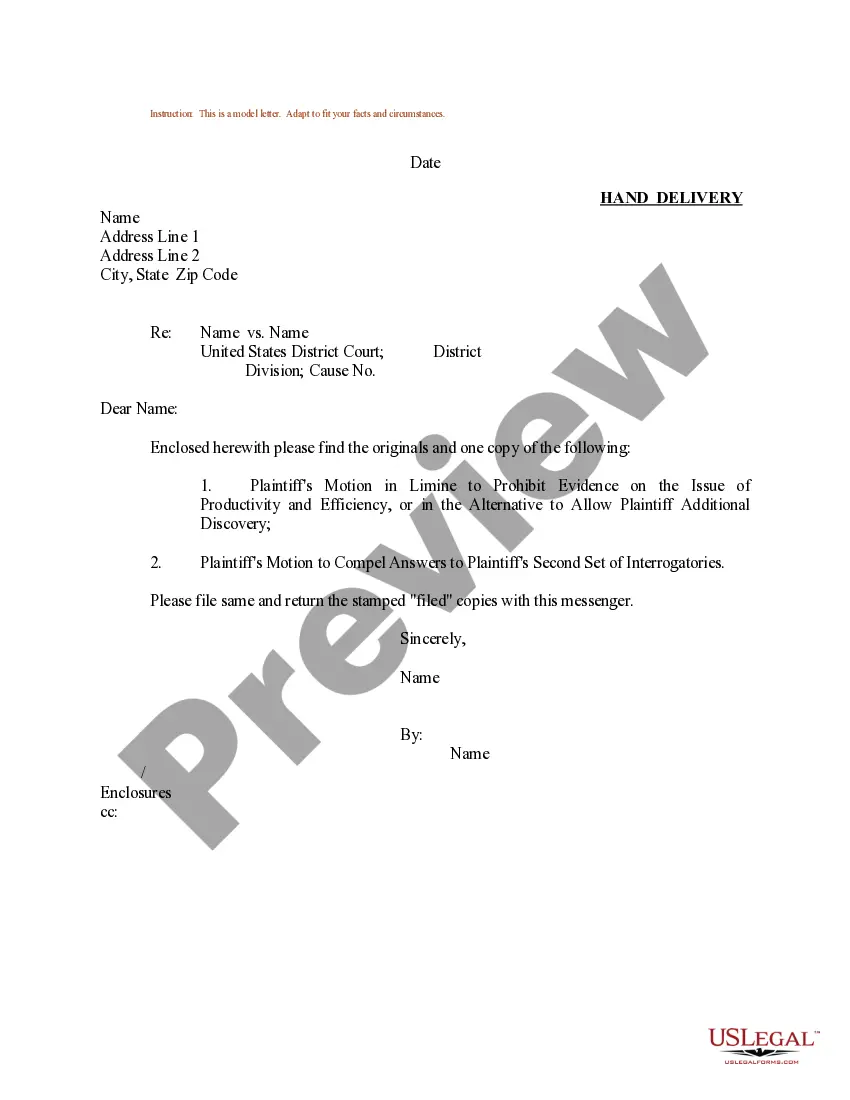
How to fill out Sample Letter For Motion To Strike Plaintiff's Amended Complaint?
- If you're an existing user, log into your account and locate your desired template in your library. Ensure your subscription is active to access downloads.
- For new users, begin by browsing the extensive collection of forms. Check the preview and descriptions to confirm you select a template that aligns with your jurisdiction and requirements.
- If necessary, utilize the Search feature to find other templates that match your criteria.
- Once you've chosen the right document, click the 'Buy Now' button and select your preferred subscription plan. You will need to register for an account to unlock the full library.
- Complete your purchase by entering your payment details or using PayPal for a hassle-free transaction.
- After payment, download your complaint letter template directly to your device and access it anytime under the My Forms section.
In conclusion, US Legal Forms simplifies the process of drafting legal documents like complaint letters, ensuring you have access to a vast library of over 85,000 forms. With expert assistance available, you can feel confident in the legality of your submissions.
Start your journey towards effective communication today and create your complaint letter using US Legal Forms!
Form popularity
FAQ
To write a good formal complaint, ensure your letter is structured and clear. Start with an introduction that outlines the problem, followed by a factual recount of the events. Use a polite tone, clearly state your desired resolution, and close with your contact information for follow-up.
An example of a formal complaint could be a letter to a hotel manager regarding a subpar experience during your stay. You might detail the specific issues you encountered, such as cleanliness or service, and express your expectations for a resolution. A well-written complaint letter can lead to a satisfactory outcome.
When writing a complaint letter, avoid using aggressive language, personal attacks, or emotional outbursts. It is important to remain factual and professional in your explanation. Additionally, do not include irrelevant details that do not pertain to the issue at hand, as it can dilute your complaint letter's effectiveness.
To write a proper complaint letter, begin with a clear and concise introduction stating your purpose. Follow with a detailed account of the issue, including relevant dates and actions taken. Finally, conclude your complaint letter with a respectful request for how you would like the situation resolved.
Good lines for a complaint letter include direct statements of your concerns, specifics about the incident, and a polite request for resolution. Start with a clear description of the issue and then explain how it affected you. Remember to maintain a professional tone throughout your complaint letter.
A formal complaint is a written statement that details a grievance or issue with a service, product, or situation. It typically follows specific procedures set by an organization or institution. A complaint letter serves as a structured way to express your dissatisfaction and seek resolution.
To file a complaint politely, start by gathering all necessary information related to your issue. Write a clear complaint letter that outlines the facts while maintaining a courteous tone. In your letter, include specific details about the problem and express your desired resolution. Platforms like uslegalforms can guide you in crafting a well-structured complaint letter, streamlining the process for you.
The opening line of a complaint should convey the essence of your concern succinctly. For example, you might say, 'I am writing to express my dissatisfaction regarding specific issue.' This direct approach avoids ambiguity and enhances the effectiveness of your complaint letter, allowing the recipient to grasp the situation immediately.
Beginning a complaint letter effectively involves a straightforward introduction that captures your main concern. Start by clearly stating the problem and any relevant details such as dates or interactions. You might also want to mention any steps you have already taken to resolve the issue. This clarity will help the recipient understand your situation quickly and respond appropriately.
To start a complaint politely, consider using a respectful tone to express your concerns. You can begin your complaint letter by addressing the recipient with their name or title, if known. Following this, you might want to introduce the purpose of your letter clearly, stating the issue at hand. This approach sets a constructive tone for your complaint letter and encourages a positive response.