Well Agreements For The Environment
Description
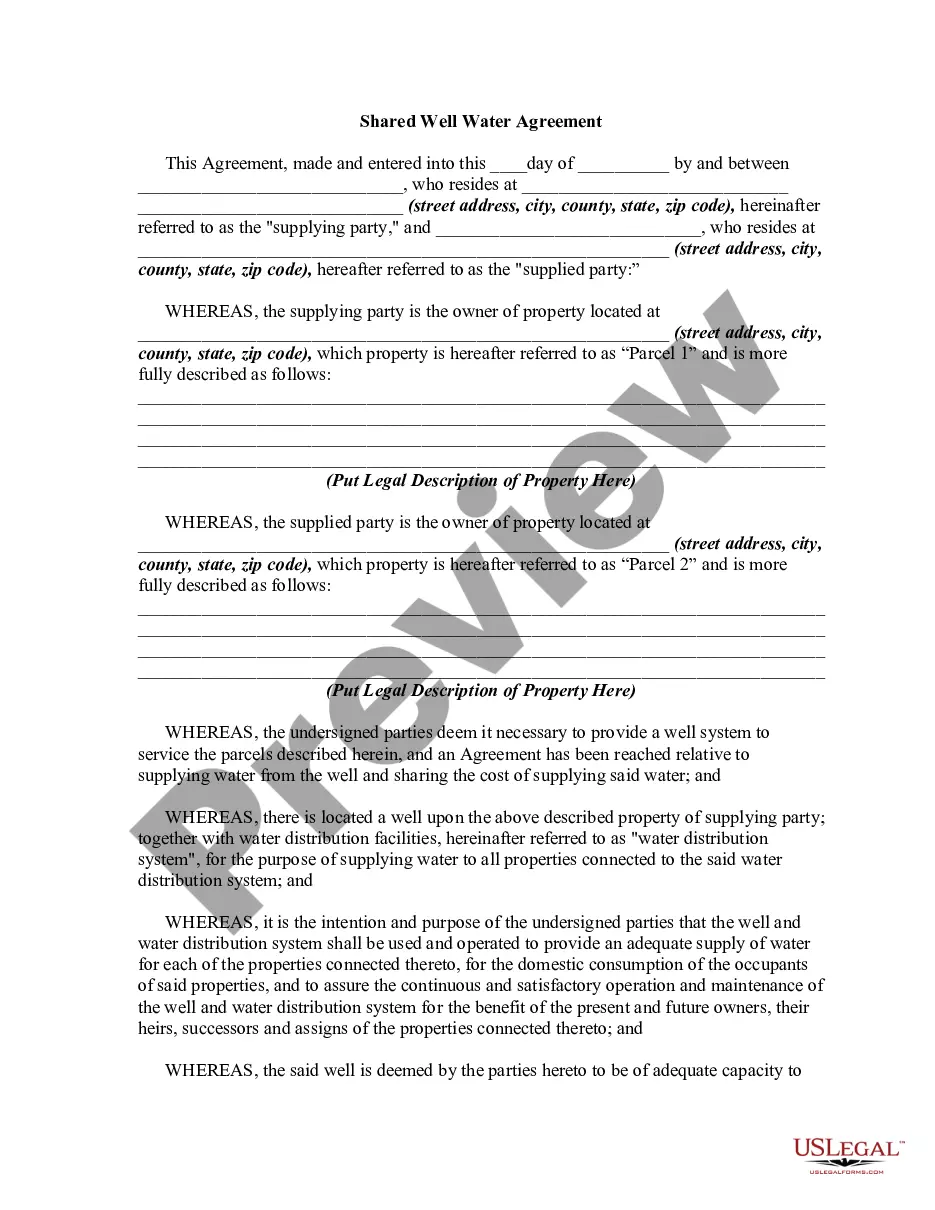
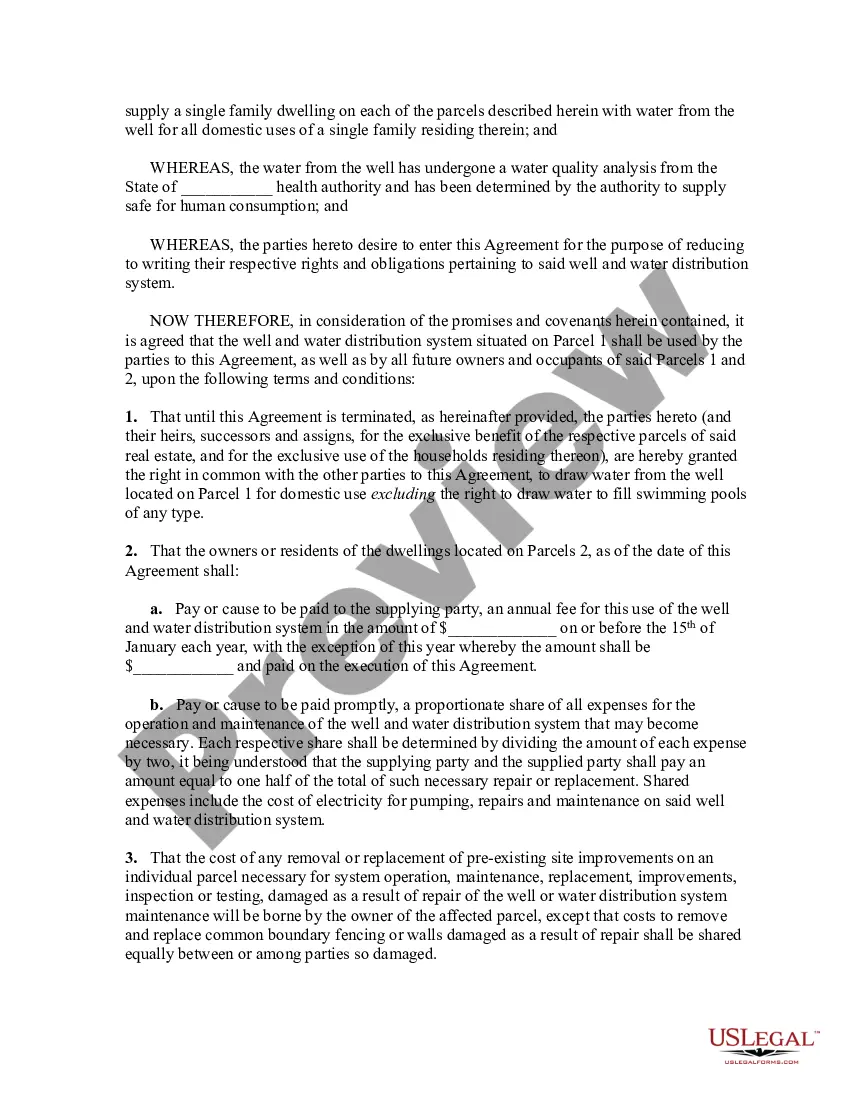
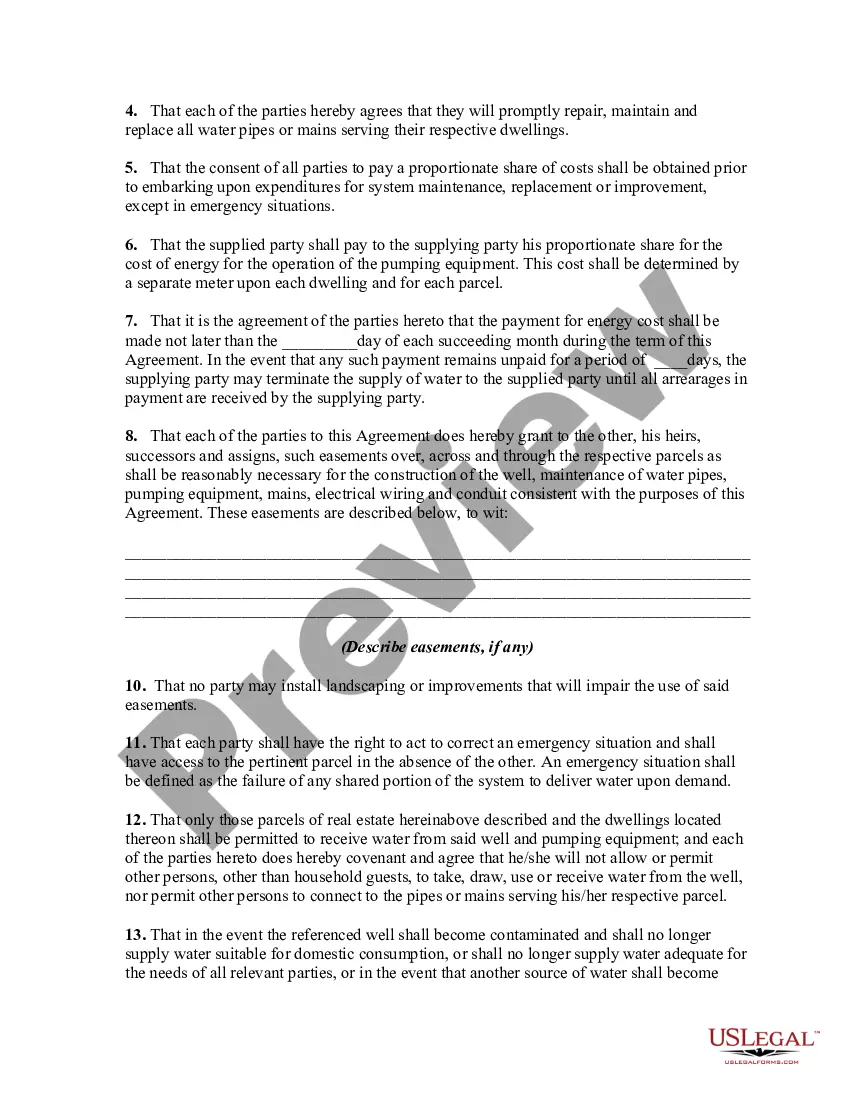
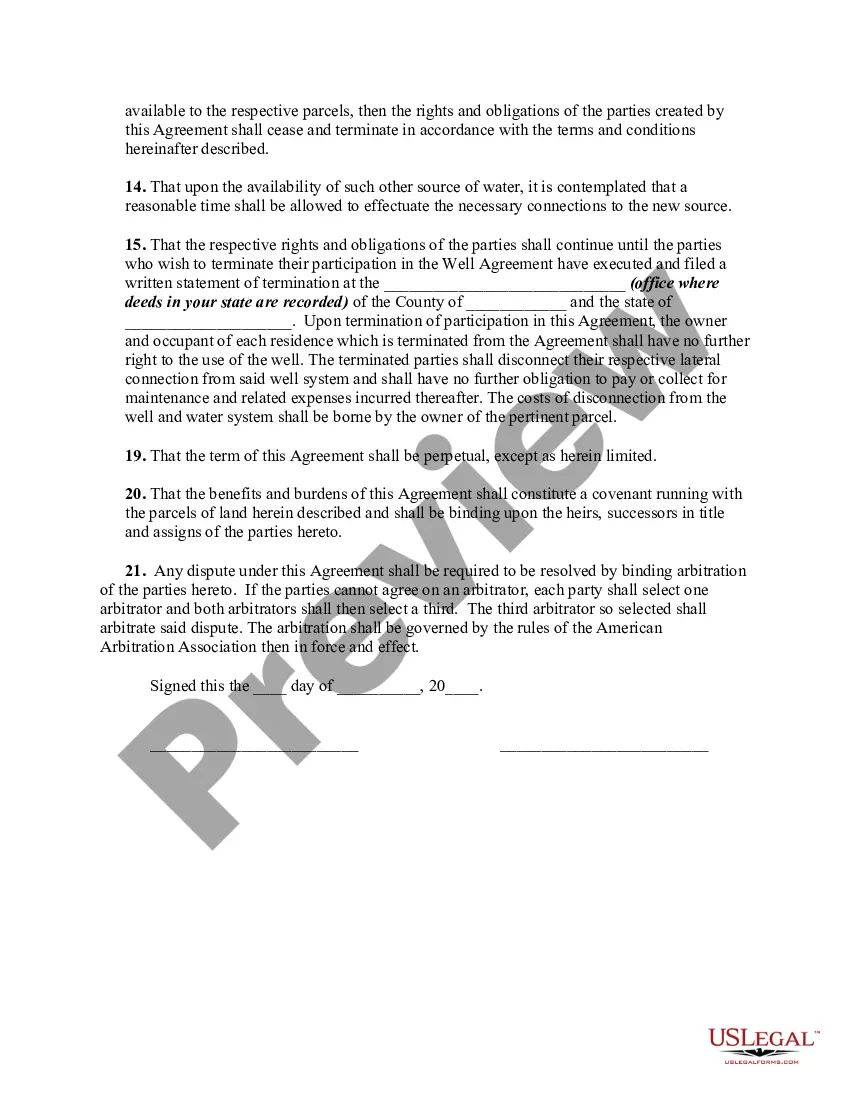
Get your form ready online
Our built-in tools help you complete, sign, share, and store your documents in one place.
Make edits, fill in missing information, and update formatting in US Legal Forms—just like you would in MS Word.
Download a copy, print it, send it by email, or mail it via USPS—whatever works best for your next step.
Sign and collect signatures with our SignNow integration. Send to multiple recipients, set reminders, and more. Go Premium to unlock E-Sign.
If this form requires notarization, complete it online through a secure video call—no need to meet a notary in person or wait for an appointment.
We protect your documents and personal data by following strict security and privacy standards.

Make edits, fill in missing information, and update formatting in US Legal Forms—just like you would in MS Word.

Download a copy, print it, send it by email, or mail it via USPS—whatever works best for your next step.

Sign and collect signatures with our SignNow integration. Send to multiple recipients, set reminders, and more. Go Premium to unlock E-Sign.

If this form requires notarization, complete it online through a secure video call—no need to meet a notary in person or wait for an appointment.

We protect your documents and personal data by following strict security and privacy standards.
Looking for another form?



How to fill out Shared Well Water Agreement?
- If you are an existing user, log in to your account to access your form templates. Verify that your subscription is active; if not, renew it based on your payment plan.
- For new users, start by exploring the Preview mode and description of the form. Ensure it aligns with your requirements and adheres to your local jurisdiction.
- If the initial form doesn't meet your needs, utilize the Search feature to find the appropriate template. When you find the right document, proceed to the next step.
- Purchase the document by clicking the Buy Now button. Choose a subscription plan that works best for you, and create an account to unlock access to the document library.
- Complete your purchase by entering your credit card information or using your PayPal account to pay for your chosen subscription.
- Finally, download the form to your device, allowing you to fill it out as needed. You can also access it later in the My Forms section.
US Legal Forms provides users with a robust collection of legal forms, boasting more documents than most competitors at similar costs. With access to over 85,000 easily fillable forms, users can tailor their agreements efficiently.
By utilizing the expertise available within the platform, individuals and attorneys can ensure their legal documents are both precise and compliant. Start navigating your legal documentation with confidence today!
Form popularity
FAQ
A shared well is not inherently a bad idea; it largely depends on the relationships between the parties involved. When well agreements for the environment are properly established, they can promote efficient water use and foster community cooperation. However, it is essential to consider the potential for conflict and ensure that all parties are committed to the shared responsibilities.
Yes, you can sell a house that uses a shared well. It is crucial, however, to disclose this information to potential buyers and provide them with a copy of the well agreement. This transparency about the shared water source and the responsibilities involved can attract buyers who appreciate well agreements for the environment and understand their implications.
One potential downside of a shared well is the risk of water supply conflicts among users. If one party consumes more water than agreed, it can negatively impact others. Additionally, maintenance costs must be shared, which can lead to disagreements if expectations are not clearly defined in well agreements for the environment.
Enforcing a well agreement involves ensuring that all parties adhere to the terms outlined in the document. If disputes arise, mediation can be an effective step before legal action. Depending on the specifics of your agreement, using UsLegalForms can provide resources for enforcement options and templates that help ensure compliance.
An easement for the use of a well allows specific individuals the right to access and utilize the water source on a property. This legal agreement ensures that all parties involved understand their rights and obligations. Well agreements for the environment often incorporate easement terms, facilitating cooperation and reducing potential disputes.
To write a shared well agreement, start by clearly defining the shared well's ownership and usage rights. Include details such as maintenance responsibilities, water usage limits, and any fees associated with the well. You might consider utilizing platforms like UsLegalForms to access templates and guidance, ensuring that your well agreements for the environment are complete and legally sound.
Yes, you can secure a mortgage for a property with a shared well. However, it is essential to have a solid well agreement for the environment in place. Lenders typically require documentation that outlines the shared usage and maintenance responsibilities of the well, ensuring that all parties benefit from this arrangement.
The expenses associated with a shared well are typically divided among the users based on the terms set forth in the well agreement for the environment. This might include initial drilling costs, ongoing maintenance, and any necessary repairs. Understanding how costs will be shared is crucial for all parties involved, as it promotes transparency and prevents misunderstandings. Using a platform like uslegalforms can help create a clear agreement that benefits everyone.
A shared well requires a well agreement for the environment that outlines the terms of use, maintenance responsibilities, and financial contributions from all parties. It's essential to have clear documentation to prevent disputes and ensure everyone understands their rights. Additionally, proper permits and inspections may be necessary to comply with local regulations. This proactive approach helps secure a sustainable and harmonious water supply for all users.
When a property has a shared well, it indicates that the water source is used by more than one property. This setup requires a well agreement for the environment to clearly define terms of usage and responsibilities. Such agreements stipulate how the maintenance, costs, and rights to the water will be divided among the users. This arrangement can lead to significant savings and improved resource efficiency for all involved.