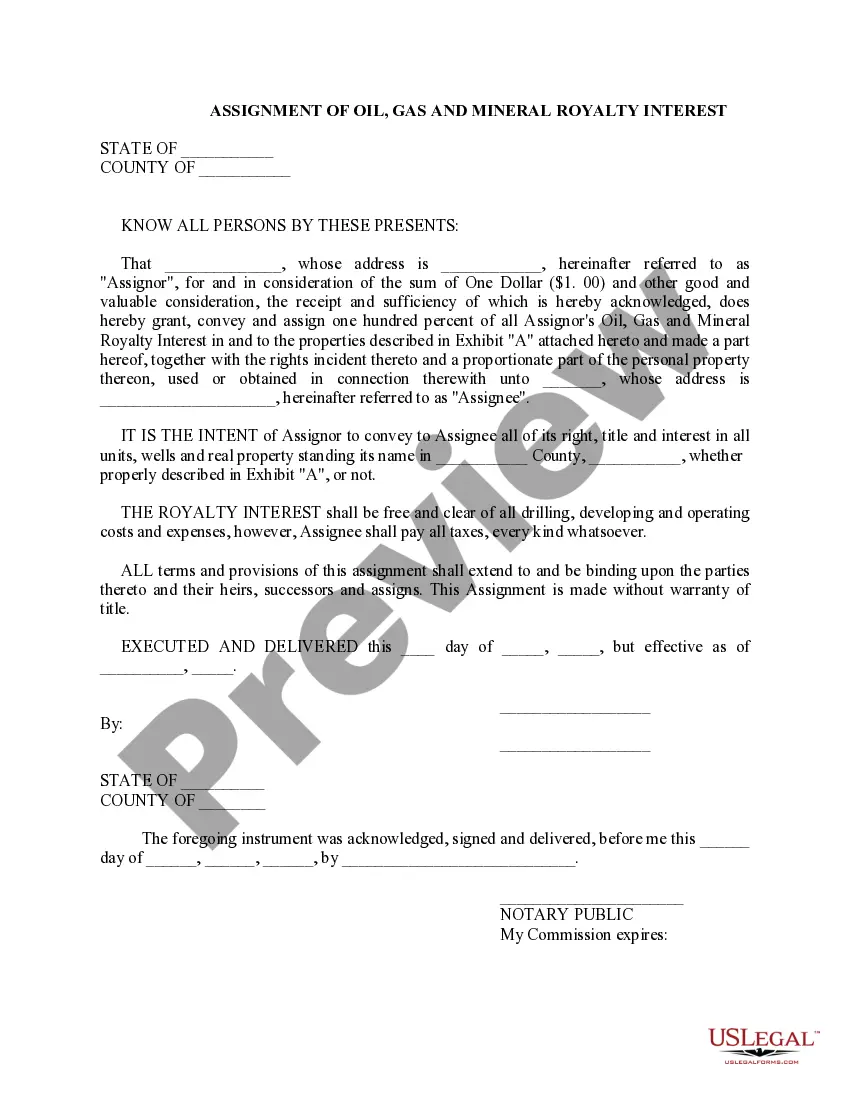
Oil Royalties For Alaska Residents
Description
Get your form ready online
Our built-in tools help you complete, sign, share, and store your documents in one place.
Make edits, fill in missing information, and update formatting in US Legal Forms—just like you would in MS Word.
Download a copy, print it, send it by email, or mail it via USPS—whatever works best for your next step.
Sign and collect signatures with our SignNow integration. Send to multiple recipients, set reminders, and more. Go Premium to unlock E-Sign.
If this form requires notarization, complete it online through a secure video call—no need to meet a notary in person or wait for an appointment.
We protect your documents and personal data by following strict security and privacy standards.

Make edits, fill in missing information, and update formatting in US Legal Forms—just like you would in MS Word.

Download a copy, print it, send it by email, or mail it via USPS—whatever works best for your next step.

Sign and collect signatures with our SignNow integration. Send to multiple recipients, set reminders, and more. Go Premium to unlock E-Sign.

If this form requires notarization, complete it online through a secure video call—no need to meet a notary in person or wait for an appointment.

We protect your documents and personal data by following strict security and privacy standards.
Looking for another form?







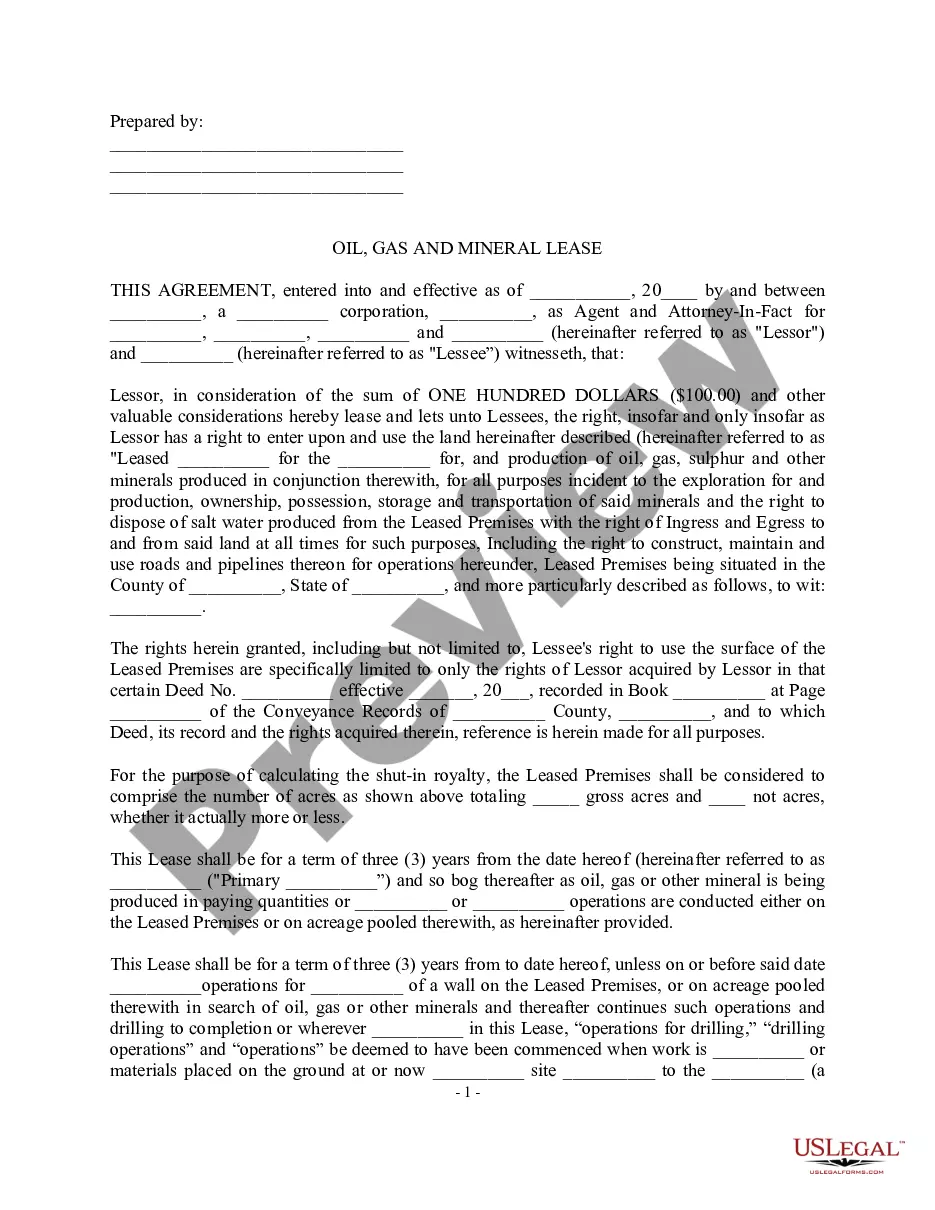
How to fill out Oil, Gas And Mineral Royalty Transfer?
It's clear that you can't turn into a legal authority in a day, nor can you quickly learn how to draft Oil Royalties For Alaska Inhabitants without possessing a specialized skill set.
Creating legal documents is a lengthy process that demands specific training and expertise.
So why not entrust the crafting of the Oil Royalties For Alaska Residents to the experts.
You can revisit your documents from the My documents section at any time. If you are a returning customer, you can simply Log In and find and download the template from the same section.
No matter what your paperwork's objective is—be it financial, legal, or personal—our site has you covered. Give US Legal Forms a try now!
- Locate the document you are searching for using the search bar at the top of the webpage.
- Preview it (if this feature is available) and read the accompanying description to determine whether Oil Royalties For Alaska Residents meets your needs.
- If you require a different template, start your search anew.
- Create a free account and choose a subscription plan to buy the template.
- Click Buy now. After payment is successful, you can download the Oil Royalties For Alaska Residents, complete it, print it, and deliver it or send it by mail to the relevant parties.
Form popularity
FAQ
Dividend income, including Alaska PFDs, should be reported on your federal tax return under the 'Dividends and Interest' section. You can use Schedule B if your total dividend income exceeds a specific threshold. Properly categorizing oil royalties for Alaska residents ensures that you accurately report and handle your financial obligations.
When reporting your Alaska PFD on taxes, use Form 1040 and include it in the 'Other Income' section. Make sure to document the exact amount received, as this will help you during tax season. Understanding how to report oil royalties for Alaska residents, including PFDs, streamlines the tax filing process.
Yes, you must claim your Alaska PFD on your federal tax return. Although the PFD is not subject to state income tax, it is considered taxable income at the federal level. Specifically, for oil royalties for Alaska residents, accurate reporting ensures compliance with tax laws.
You can claim your PFD by submitting an application online through the Alaska Department of Revenue's website. Ensure you review the eligibility requirements before applying. If you are a resident receiving oil royalties for Alaska residents, this dividend can further assist in financial planning.
To claim your Alaska Permanent Fund Dividend (PFD) on TurboTax, start by selecting the 'Federal Taxes' tab, then navigate to 'Income.' Locate the 'Dividends and Interest' section and input your dividend income, including your Alaska PFD. Remember, oil royalties for Alaska residents, including PFDs, may impact your tax calculations.
To effectively report oil royalties on your tax return, you need to include the earnings on Schedule E. List the gross royalties you earned, and don't forget to include any allowable expenses associated with obtaining those earnings. By accurately reporting your oil royalties for Alaska residents, you will not only comply with tax laws but also optimize your potential deductions.
Generally, oil royalties should be reported on Schedule E. This schedule is specifically designed for reporting income from royalties, rental income, and other similar sources. Using Schedule C is reserved for self-employment income, but if you have oil royalties for Alaska residents, you should stick with Schedule E to align with IRS guidelines.
To report oil royalties, you will typically use Schedule E on your tax return to document income from rental and royalty properties. This schedule allows you to account for any expenses associated with earning these royalties as well. Timely and accurate reporting of oil royalties for Alaska residents is essential to fulfilling tax obligations and avoiding potential penalties.
Yes, oil royalties are considered taxable income under federal and state laws. As a resident of Alaska, you must report these royalties on your tax return, which can impact your overall tax liability. Consulting a tax professional or using resources available on platforms like US Legal Forms can help you understand how to report oil royalties for Alaska residents effectively.
Filing for the Alaska Permanent Fund Dividend (PFD) is a straightforward process. To qualify, you must be a resident of Alaska and meet certain requirements, including residency and income criteria. Completing the PFD application can easily be done online, and it's crucial to ensure you provide accurate information regarding any oil royalties for Alaska residents you may receive.