Injury In Automotive
Description
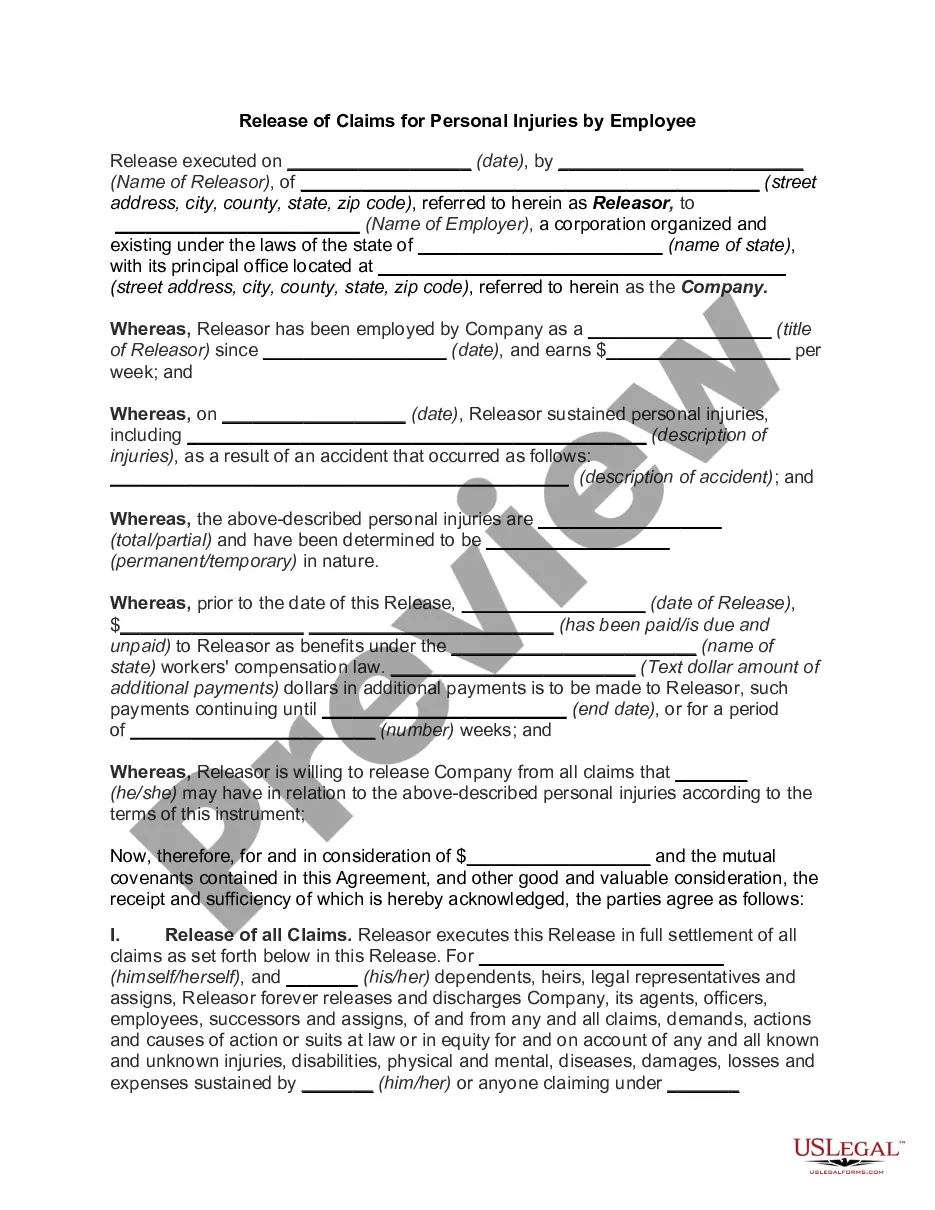
Get your form ready online
Our built-in tools help you complete, sign, share, and store your documents in one place.
Make edits, fill in missing information, and update formatting in US Legal Forms—just like you would in MS Word.
Download a copy, print it, send it by email, or mail it via USPS—whatever works best for your next step.
Sign and collect signatures with our SignNow integration. Send to multiple recipients, set reminders, and more. Go Premium to unlock E-Sign.
If this form requires notarization, complete it online through a secure video call—no need to meet a notary in person or wait for an appointment.
We protect your documents and personal data by following strict security and privacy standards.

Make edits, fill in missing information, and update formatting in US Legal Forms—just like you would in MS Word.

Download a copy, print it, send it by email, or mail it via USPS—whatever works best for your next step.

Sign and collect signatures with our SignNow integration. Send to multiple recipients, set reminders, and more. Go Premium to unlock E-Sign.

If this form requires notarization, complete it online through a secure video call—no need to meet a notary in person or wait for an appointment.

We protect your documents and personal data by following strict security and privacy standards.
Looking for another form?









Form popularity
FAQ
In car accidents, the most prevalent injuries encompass whiplash, contusions, and broken bones, particularly in the arms and legs. These injuries not only pose immediate health risks but can also result in long-term implications for mobility and daily activities. If you've experienced an injury in automotive, it may be beneficial to explore your legal options with platforms like US Legal Forms for support.
Common injuries sustained through a vehicle collision include whiplash, head injuries, fractures, and lacerations. These injuries can vary in severity, affecting both physical and emotional well-being. Seeking legal guidance, such as that provided by US Legal Forms, can help individuals navigate the aftermath of an accident to ensure proper compensation for injuries.
Whiplash is often recognized as the most common injury in a car accident. This neck injury occurs due to the rapid movement of the head, typically during rear-end collisions. Whiplash can lead to long-lasting pain and discomfort, affecting a person's quality of life after an auto accident.
The most common accidental injury generally involves falls, but in the context of injury in automotive incidents, car accidents frequently lead to significant harm. These injuries can include fractures, soft tissue damage, and concussions. Understanding the prevalence of these injuries can emphasize the importance of safe driving practices.
During a car crash, the human body experiences sudden deceleration and impact forces that can lead to serious injury. The body may collide with various parts of the vehicle, causing trauma to vital organs and bones. Safety features, such as seat belts and airbags, play crucial roles in reducing the severity of injuries during these incidents.
In the context of injury in automotive incidents, the three primary types include physical, emotional, and financial injuries. Physical injuries encompass bodily harm, like broken bones or whiplash. Emotional injuries involve psychological distress stemming from the accident, while financial injuries relate to the loss of income or high medical expenses.
The best way to make a personal injury claim involves a well-organized approach. Start by documenting the accident thoroughly, including witness statements and photographs. Next, consider working with a legal professional who specializes in injury cases in automotive incidents. They can guide you through the legal processes and help you effectively advocate for your rights.
Deciding whether to pursue a personal injury claim is an important step after an automotive accident. If you have suffered damages or injuries due to someone else’s negligence, it is often beneficial to seek compensation. By claiming your injuries, you can recover medical expenses, lost wages, and pain and suffering. Weighing these factors will help you determine if pursuing a claim is right for you.
Settlements for personal injury cases in the automotive realm can vary significantly. Factors that influence the settlement amount include the severity of the injuries, the extent of lost wages, and liability percentages. Typically, settlements can range from thousands to millions of dollars, depending on each unique situation. Understanding these elements can help you gauge what to expect when pursuing your claim.
Being a mechanic can indeed be hard on your body due to the physical demands of the job, including lifting, bending, and standing for long periods. Over time, these activities can lead to wear and tear on joints and muscles. Investing in ergonomic tools and practicing good body mechanics can help ease some of the physical strain associated with this injury in automotive work.