Advance Notice For Rent Increase
Description
Get your form ready online
Our built-in tools help you complete, sign, share, and store your documents in one place.
Make edits, fill in missing information, and update formatting in US Legal Forms—just like you would in MS Word.
Download a copy, print it, send it by email, or mail it via USPS—whatever works best for your next step.
Sign and collect signatures with our SignNow integration. Send to multiple recipients, set reminders, and more. Go Premium to unlock E-Sign.
If this form requires notarization, complete it online through a secure video call—no need to meet a notary in person or wait for an appointment.
We protect your documents and personal data by following strict security and privacy standards.

Make edits, fill in missing information, and update formatting in US Legal Forms—just like you would in MS Word.

Download a copy, print it, send it by email, or mail it via USPS—whatever works best for your next step.

Sign and collect signatures with our SignNow integration. Send to multiple recipients, set reminders, and more. Go Premium to unlock E-Sign.

If this form requires notarization, complete it online through a secure video call—no need to meet a notary in person or wait for an appointment.

We protect your documents and personal data by following strict security and privacy standards.
Looking for another form?
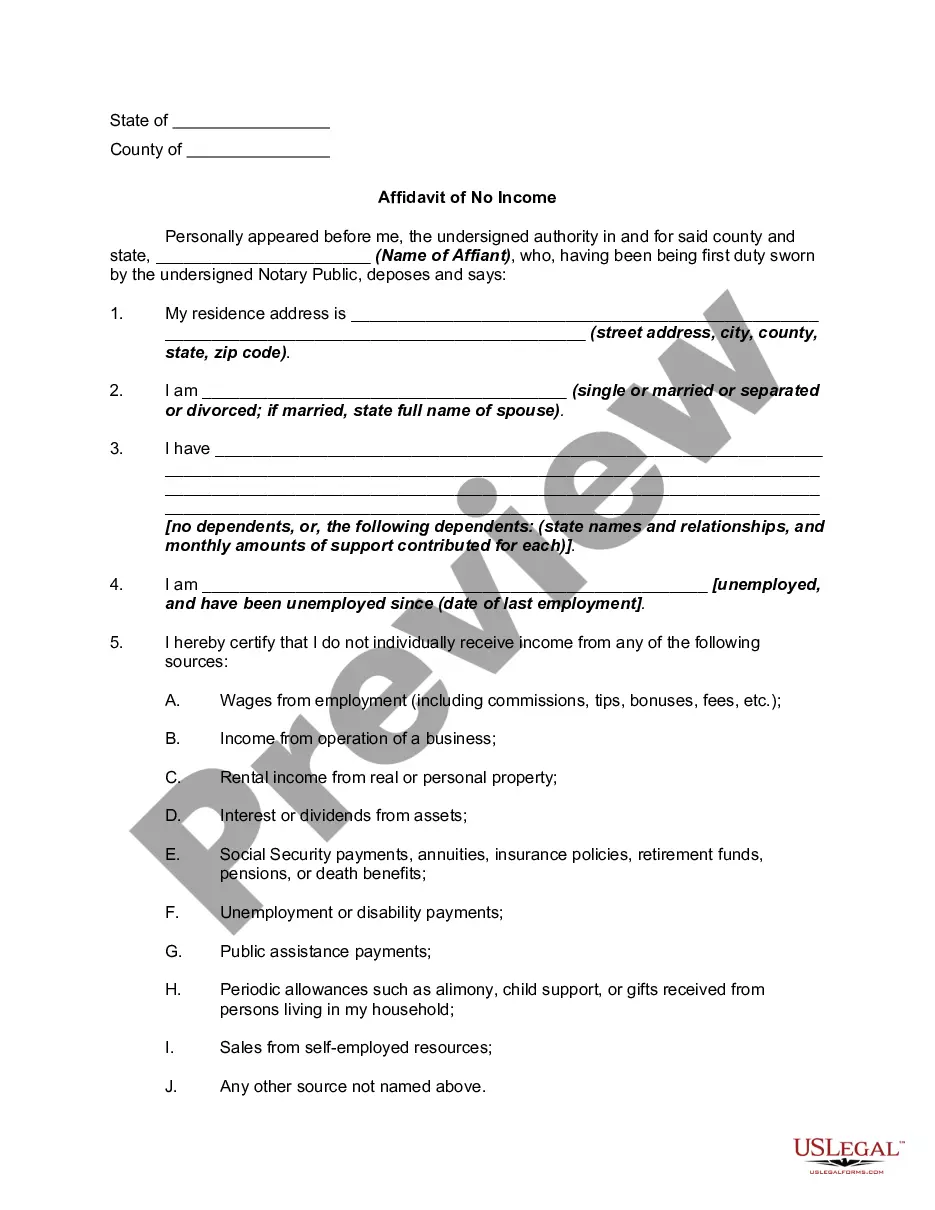
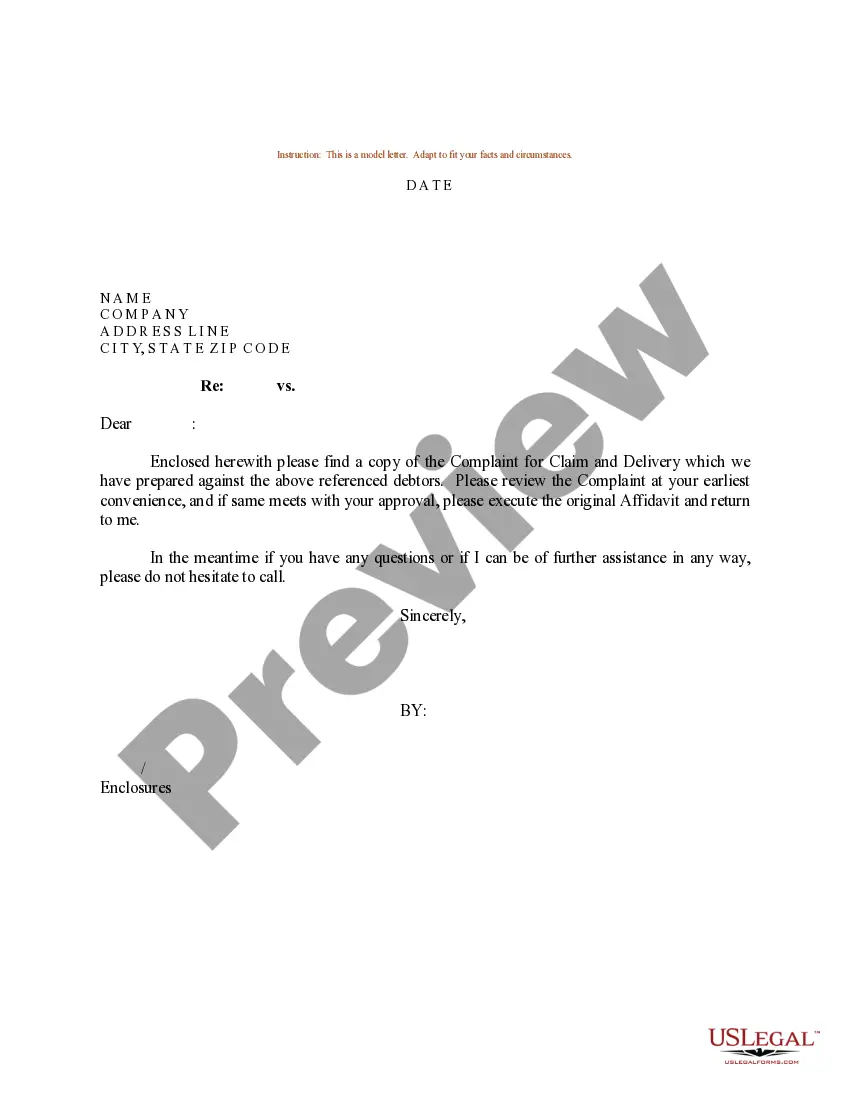
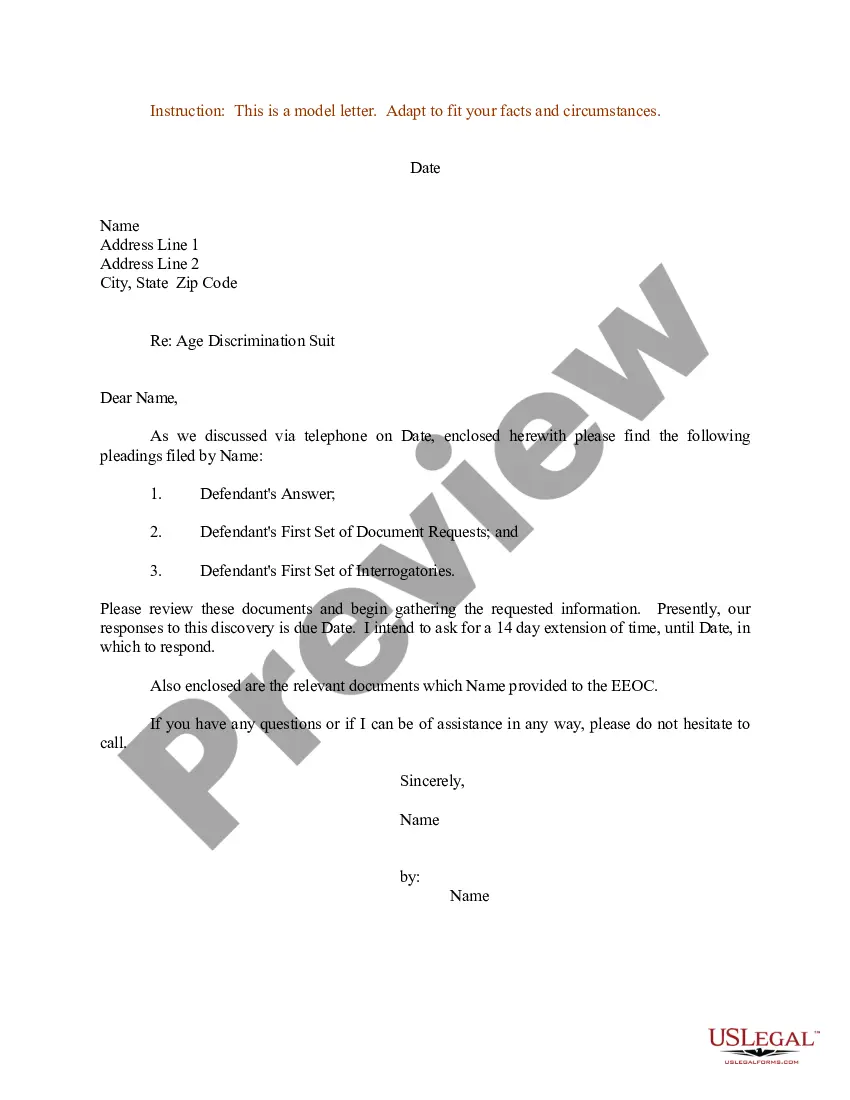
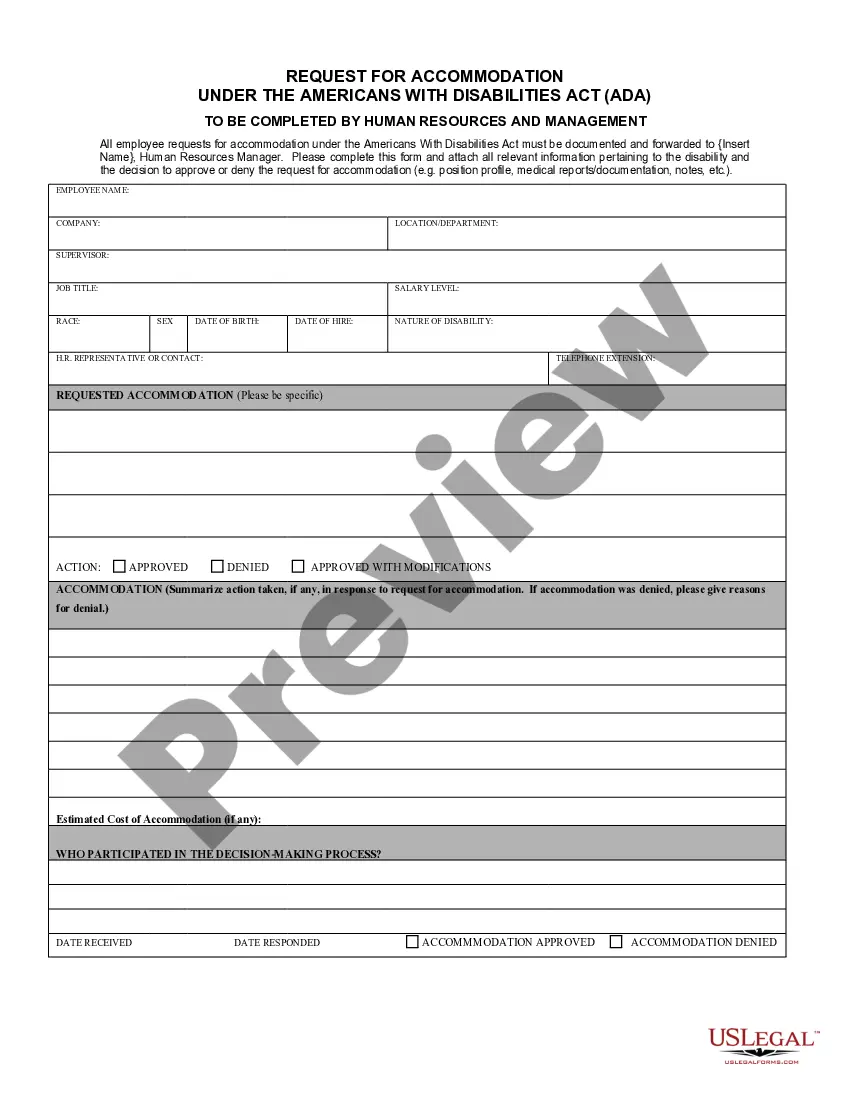
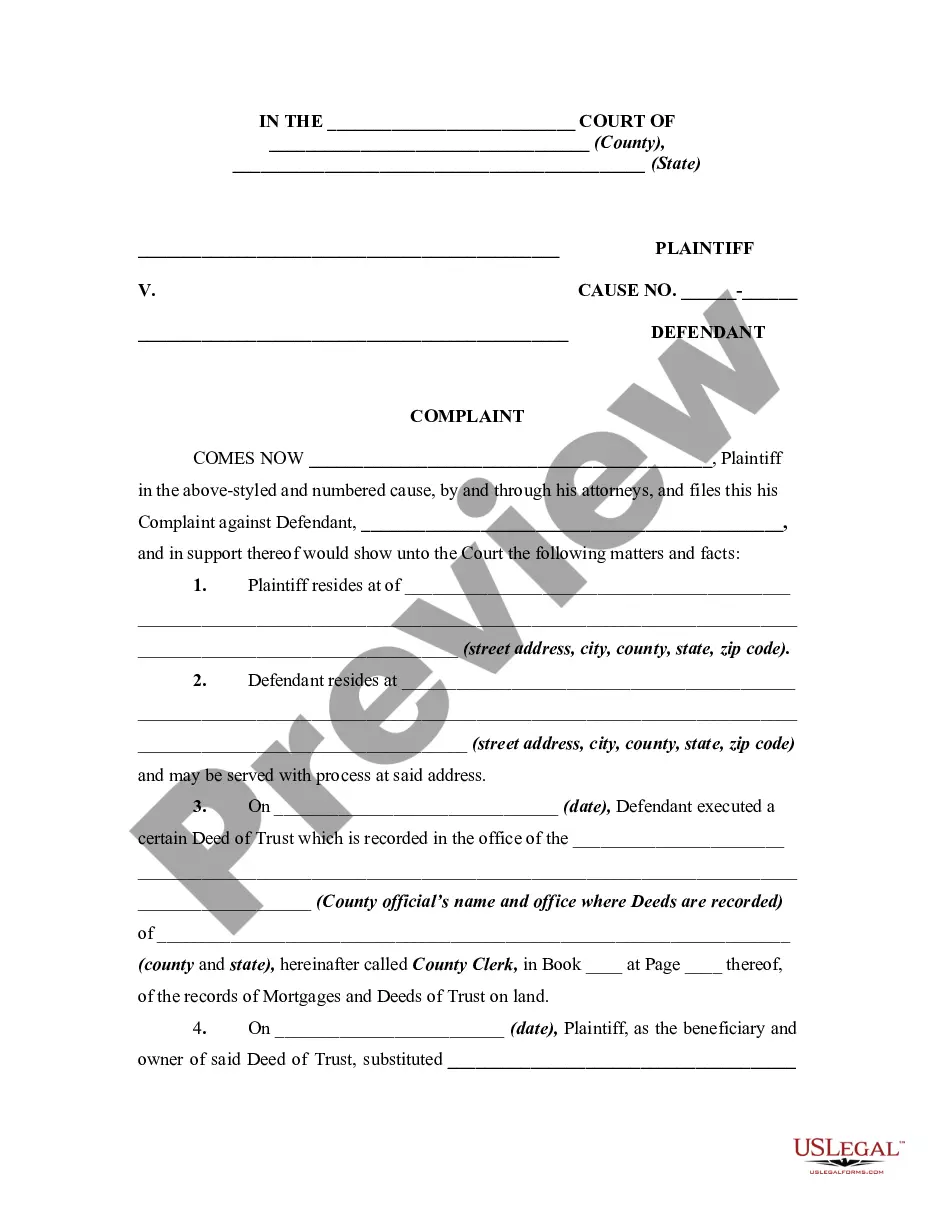
How to fill out Sample Letter For Announcement Of Advance Notice Of Out Of Business Sale?
Handling legal documents can be daunting, even for the most seasoned professionals.
If you're seeking an Advance Notice For Rent Increase but lack the time to search for the appropriate and current version, the process can be challenging.
Access state or county-specific legal and business forms with ease. US Legal Forms fulfills all your needs, from personal to professional paperwork, in one convenient location.
Employ cutting-edge tools to prepare and manage your Advance Notice For Rent Increase.
Here are the steps to follow after locating the form you require: Review to ensure it's the right document by previewing it and examining its description.
- Tap into a wealth of articles, guides, and resources pertinent to your situation and requirements.
- Save time and energy by avoiding the hassle of finding the necessary documents, and take advantage of US Legal Forms’ advanced search and Review feature to obtain your Advance Notice For Rent Increase.
- If you possess a membership, Log In to your US Legal Forms account, search for the form, and acquire it.
- Check the My documents tab to view documents you have previously saved and organize your folders as you see fit.
- If this is your first encounter with US Legal Forms, establish a free account to gain unlimited access to all platform benefits.
- Utilize a robust online form repository to revolutionize how you address these matters.
- US Legal Forms stands as an industry authority in digital legal documents, offering over 85,000 state-specific forms accessible at any time.
- Leverage US Legal Forms to.
Form popularity
FAQ
The filing fees are $84.00 per form for the Financing Statement, the Financing Statement Amendment and the Statement of Claim. Checks must contain a commercially pre-printed name and address. There is no additional fee for attachments or additional debtors.
Some common types of secured transactions include mortgage and car loans. When a debtor borrows money to purchase a car, the vehicle is the collateral for the loan. The creditor has a security interest in the vehicle and the creditor can repossess and sell the car if payments are not made.
Article 9 contains a statute of frauds which requires a security agreement to be in writing unless it is pledged. See § 9-203(1) of the code. A pledged security agreement arises when the borrower transfers the collateral to the lender in exchange for a loan (e.g., a pawnbroker).
Under Article 9 of the UCC, the steps of a secured transaction are 1) getting collateral, 2) attachment, and 3) perfection and priority.
In order for a security interest to be enforceable against the debtor and third parties, UCC Article 9 sets forth three requirements: Value must be provided in exchange for the collateral; the debtor must have rights in the collateral or the ability to convey rights in the collateral to a secured party; and either the ...
Uniform Commercial Code (UCC) filings allow creditors to notify other creditors about a debtor's assets used as collateral for a secured transaction. UCC liens filed with Secretary of State offices act as a public notice by the "creditor" of the creditor's interest in the property.
To overly simplify the basic commercial transaction, the three documents necessary to create a secured transaction are: (1) the promissory note; (2) the security agreement and (3) the financing statement. The promissory note is the document that creates the obligation.
The law of secured transactions consists of five principal components: (1) the nature of property that can be the subject of a security interest; (2) the methods of creating the security interest; (3) the perfection of the security interest against claims of others; (4) priorities among secured and unsecured creditors? ...