Advance Notice For Leave
Description
Get your form ready online
Our built-in tools help you complete, sign, share, and store your documents in one place.
Make edits, fill in missing information, and update formatting in US Legal Forms—just like you would in MS Word.
Download a copy, print it, send it by email, or mail it via USPS—whatever works best for your next step.
Sign and collect signatures with our SignNow integration. Send to multiple recipients, set reminders, and more. Go Premium to unlock E-Sign.
If this form requires notarization, complete it online through a secure video call—no need to meet a notary in person or wait for an appointment.
We protect your documents and personal data by following strict security and privacy standards.

Make edits, fill in missing information, and update formatting in US Legal Forms—just like you would in MS Word.

Download a copy, print it, send it by email, or mail it via USPS—whatever works best for your next step.

Sign and collect signatures with our SignNow integration. Send to multiple recipients, set reminders, and more. Go Premium to unlock E-Sign.

If this form requires notarization, complete it online through a secure video call—no need to meet a notary in person or wait for an appointment.

We protect your documents and personal data by following strict security and privacy standards.
Looking for another form?
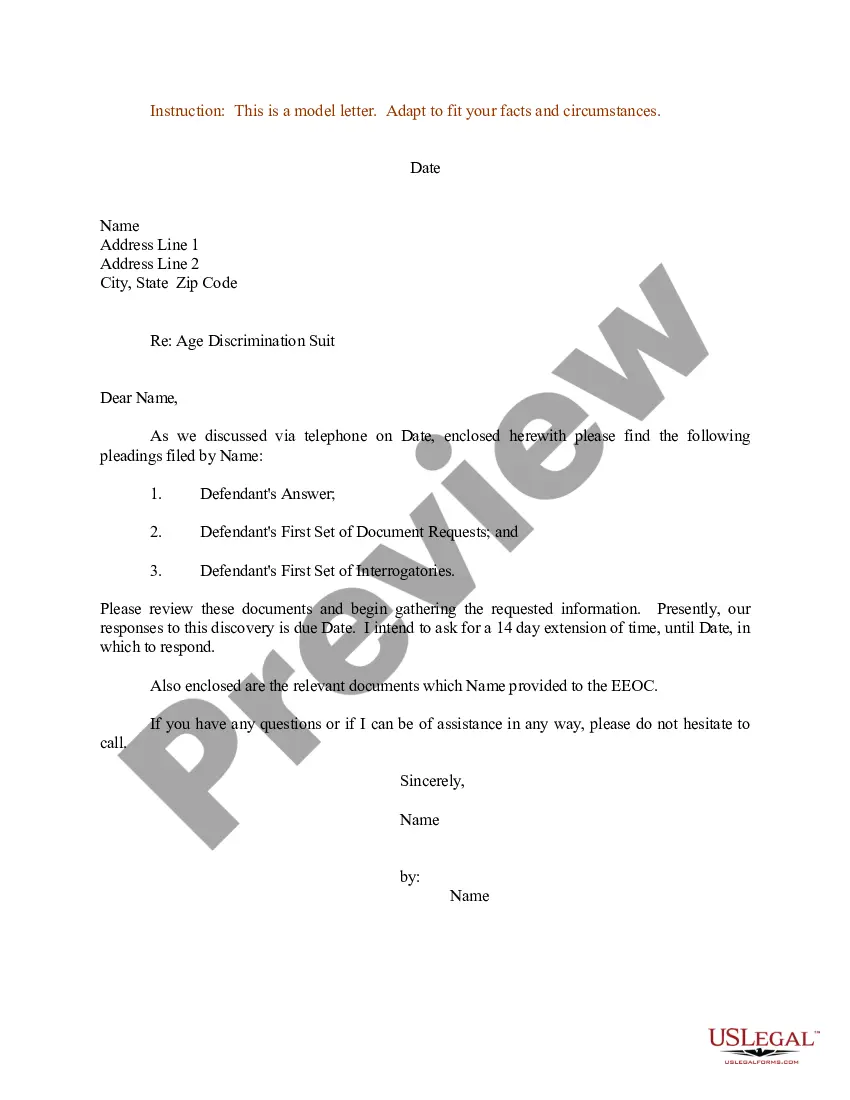
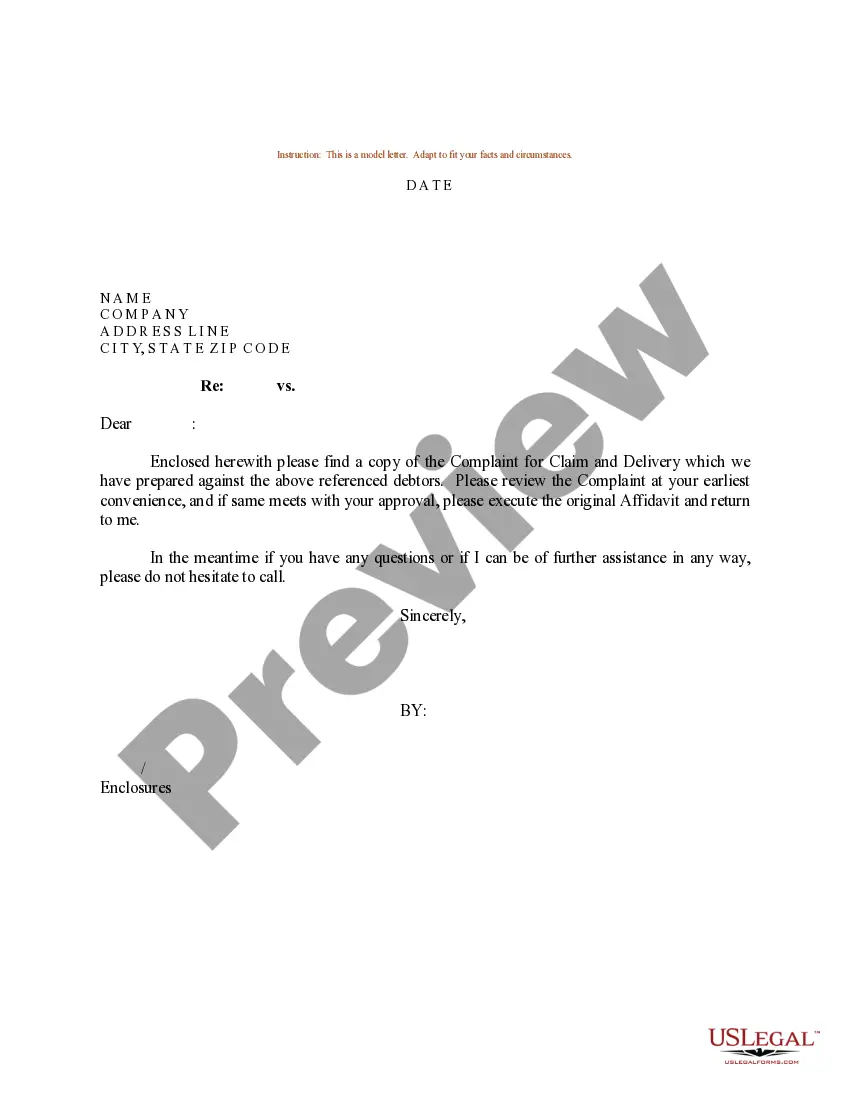
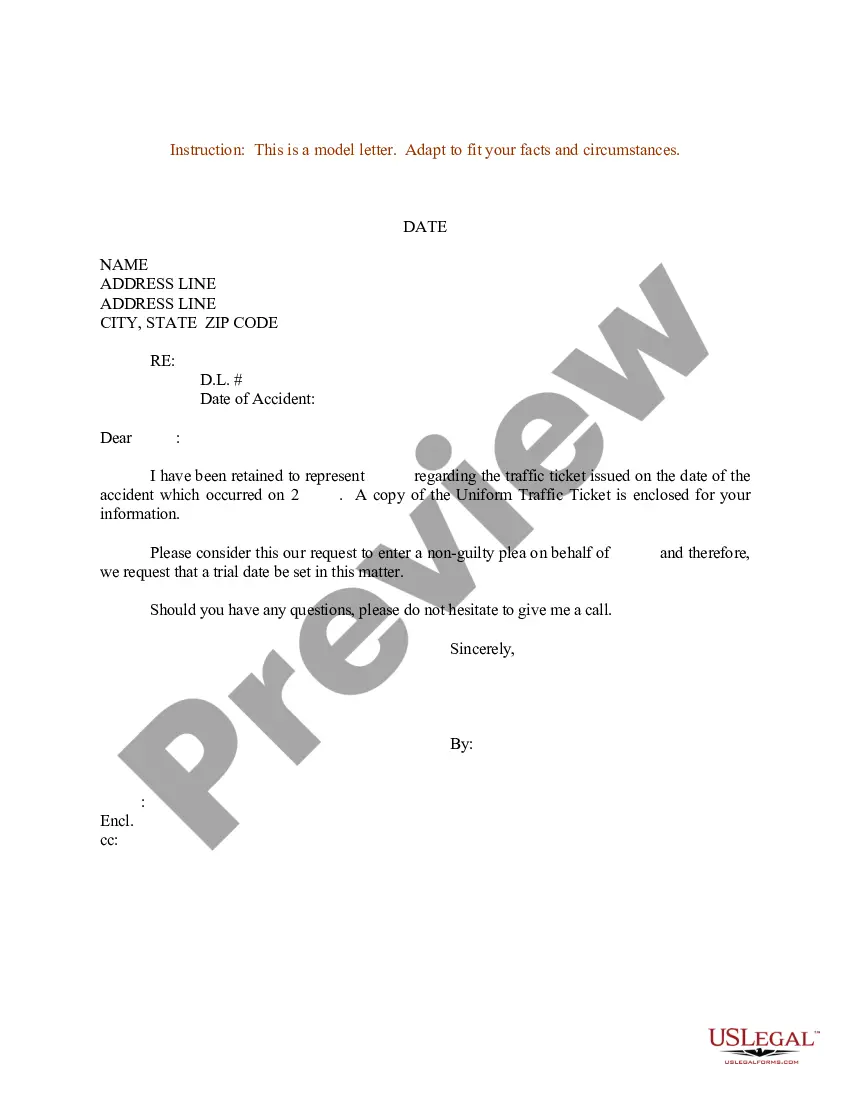
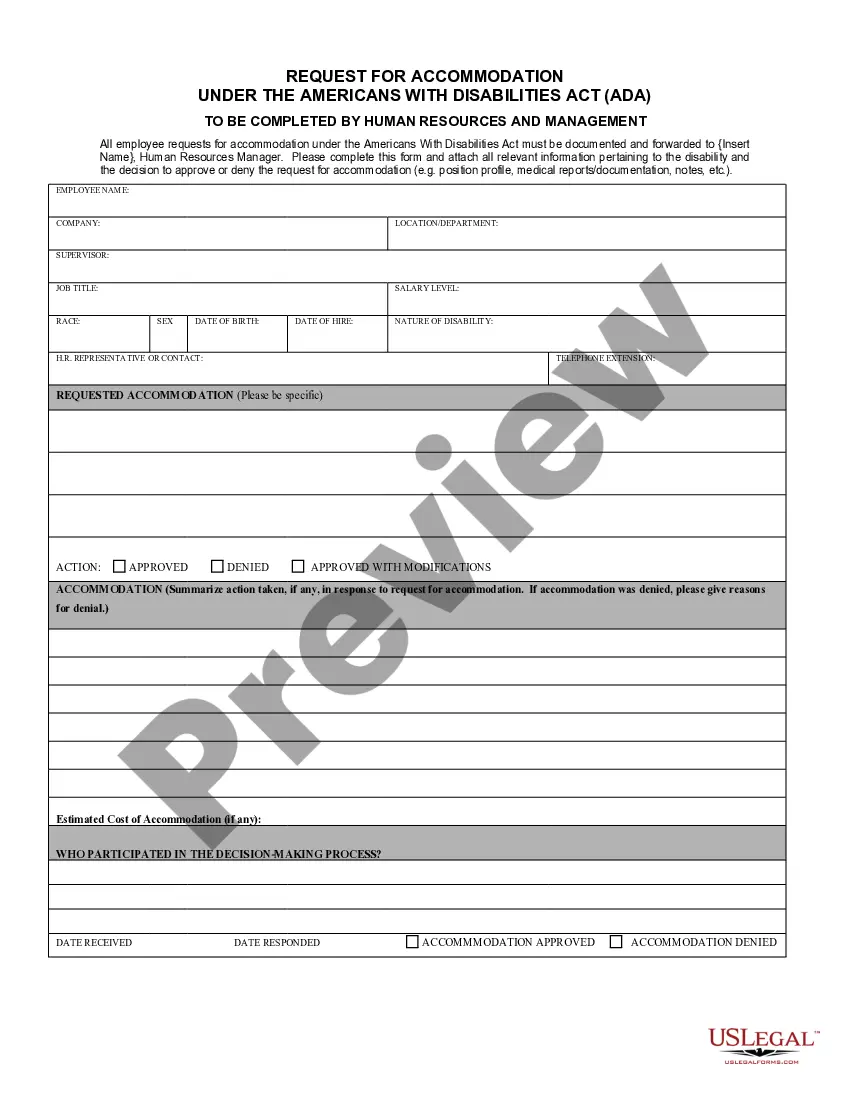
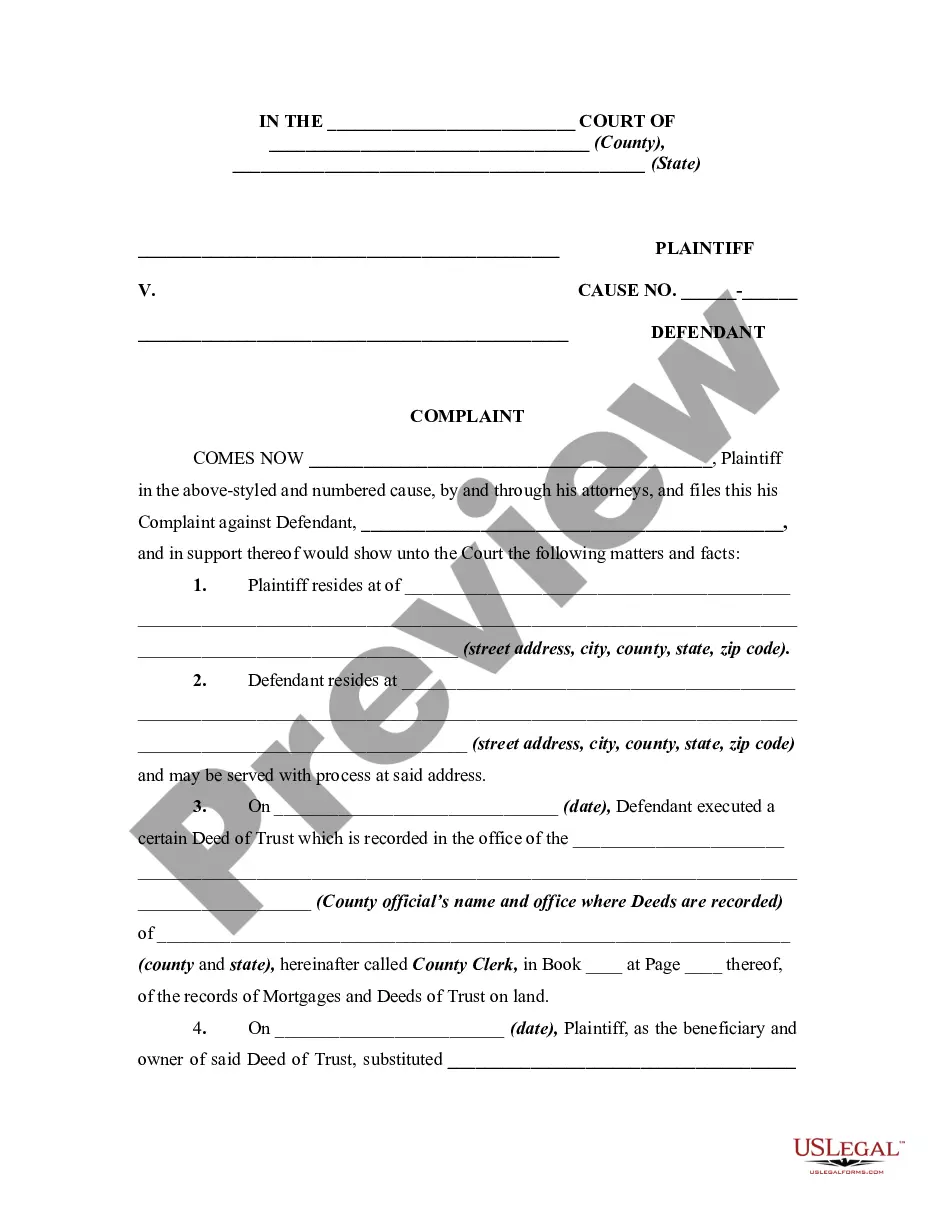
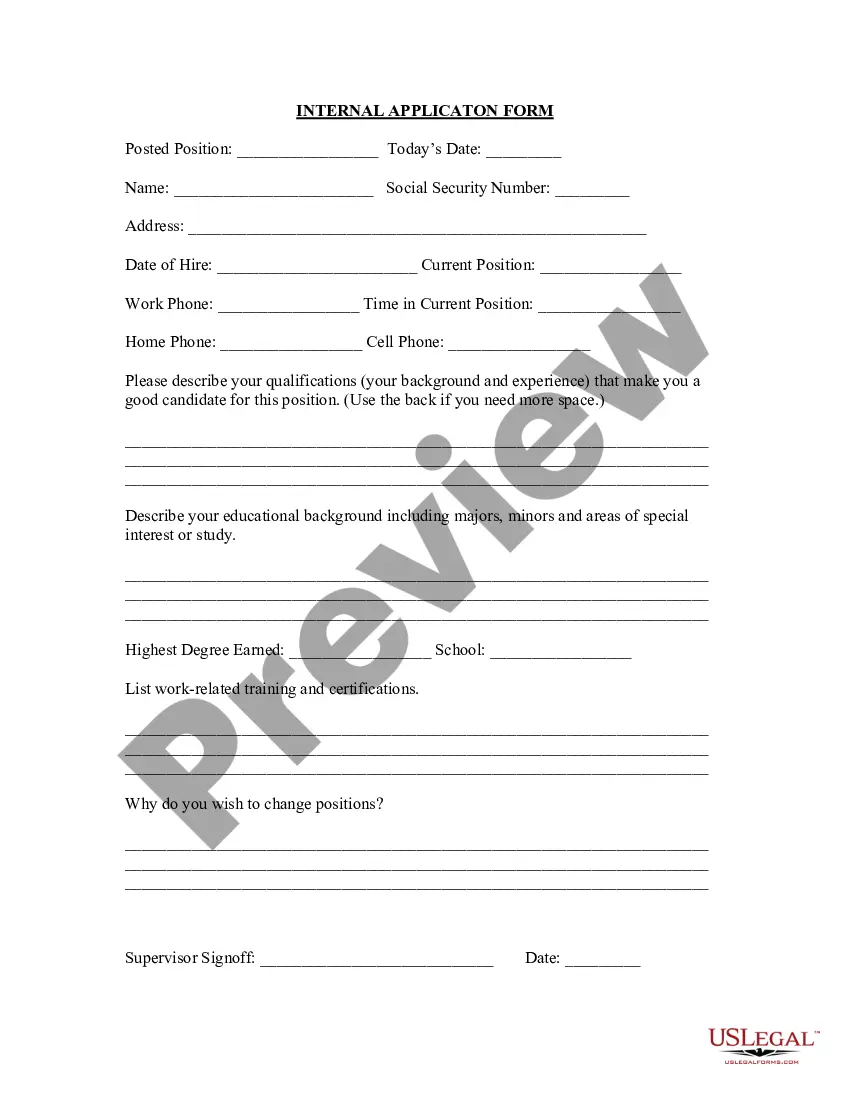
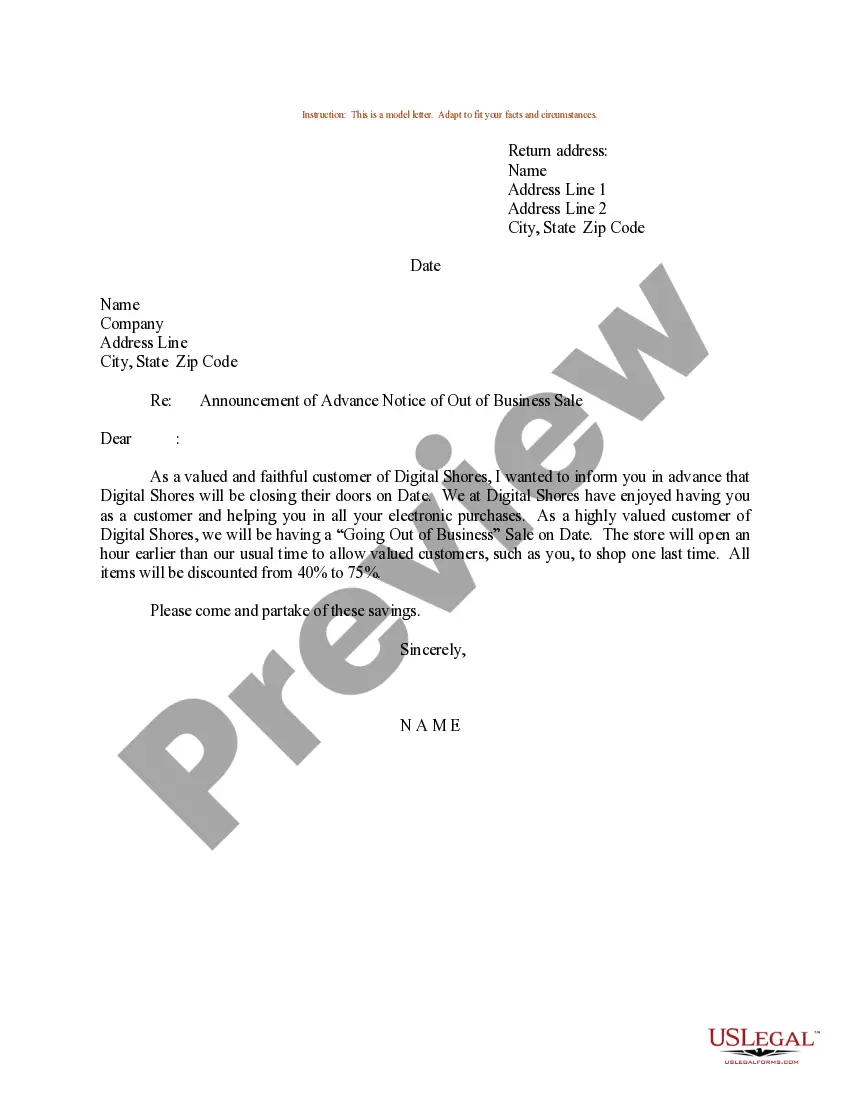
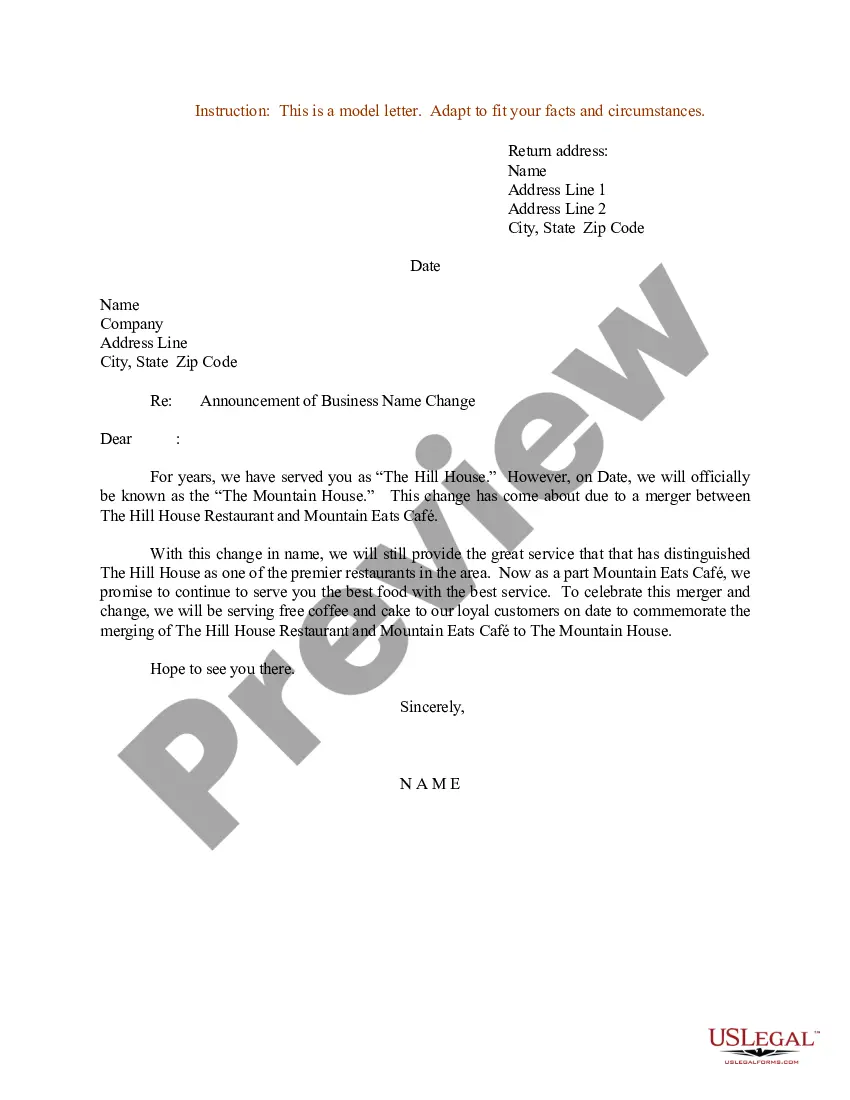
How to fill out Sample Letter For Announcement Of Advance Notice Of Out Of Business Sale?
It’s clear that you cannot transform into a legal expert instantly, nor can you easily learn how to efficiently draft an Advance Notice For Leave without possessing a specialized education.
Compiling legal documents is a lengthy process that necessitates specific training and expertise. So why not entrust the drafting of the Advance Notice For Leave to the professionals.
With US Legal Forms, featuring one of the largest collections of legal template resources, you can discover everything from court documents to templates for internal communication.
If you require a different form, initiate your search again.
Establish a complimentary account and select a subscription plan to purchase the template. Click Buy now. Once the payment is finalized, you can download the Advance Notice For Leave, complete it, print it, and send or mail it to the relevant parties or organizations.
- We recognize how crucial compliance and adherence to both federal and local statutes and regulations are.
- That’s why every template on our platform is localized and current.
- Begin your journey with our platform and obtain the document you need in just minutes.
- Locate the document using the search bar at the top of the page.
- Examine it (if this option is available) and read the accompanying description to determine if the Advance Notice For Leave meets your needs.
Form popularity
FAQ
Form PA-100 (Pennsylvania Enterprise Registration Form) is used by Pennsylvania businesses to register for certain tax accounts with the Pennsylvania Department of Revenue and the Pennsylvania Department of Labor and Industry. New businesses file PA-100 to set up state tax accounts.
The Pennsylvania Enterprise Registration Form (PA-100) must be completed by enterprises to register for certain taxes and services administered by the PA Department of Revenue and the PA Department of Labor & Industry.
Form PA-100 (Pennsylvania Enterprise Registration Form) is used by Pennsylvania businesses to register for certain tax accounts with the Pennsylvania Department of Revenue and the Pennsylvania Department of Labor and Industry. New businesses file PA-100 to set up state tax accounts.
If you're selling goods or services in Pennsylvania, you probably need a sales tax license. Pennsylvania also applies a sales and use tax on digital goods, so even if you're only selling online, you likely need a Pennsylvania sales and use tax license, sometimes also called a seller's permit.
Beginning in 2025, every Pennsylvania LLC will need to file an Annual Report each year to renew their LLC. Note: Pennsylvania used to require that LLCs file a report every 10 years (called a Decennial Report).
A Pennsylvania registered agent is an individual or company that accepts service of process and other legal notifications on behalf of a Pennsylvania business. Both LLCs and corporations are legally required to have a registered agent.
Step-By-Step Startup StructureCostPennsylvania Nonprofit Click for step-by-step instructionsIncorporation: $125 Incorporation publishing: ~$200 EIN: $0 501(c): $275 or $600 IRS fee PA-100: $0 + fees for needed licenses Pennsylvania Charitable Registration: usually $0 due to exemption4 more rows
The business must be a for-profit, United States business. The business must be independently owned. The business may not be dominant in its field of operation. The business may not employ more than 100 full-time equivalent employees.