Trade Secret Cost
Description
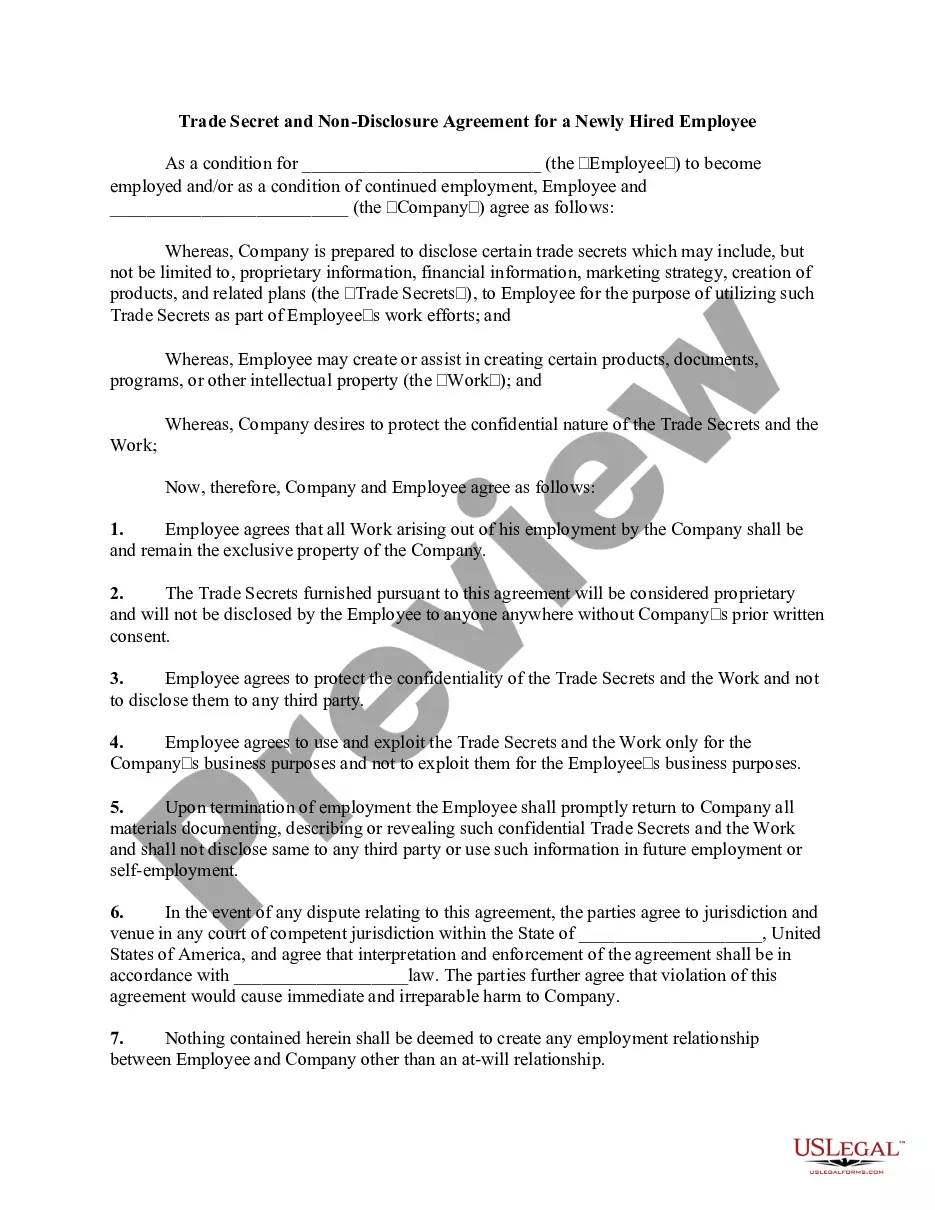
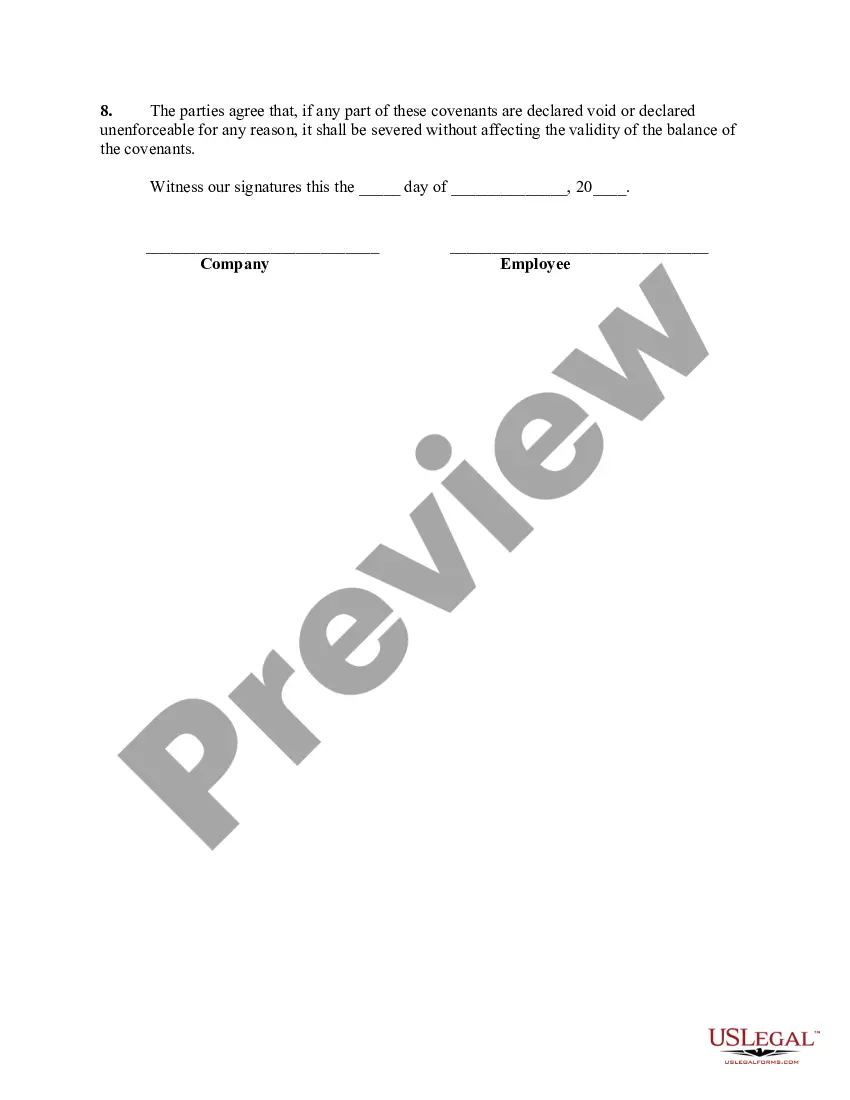
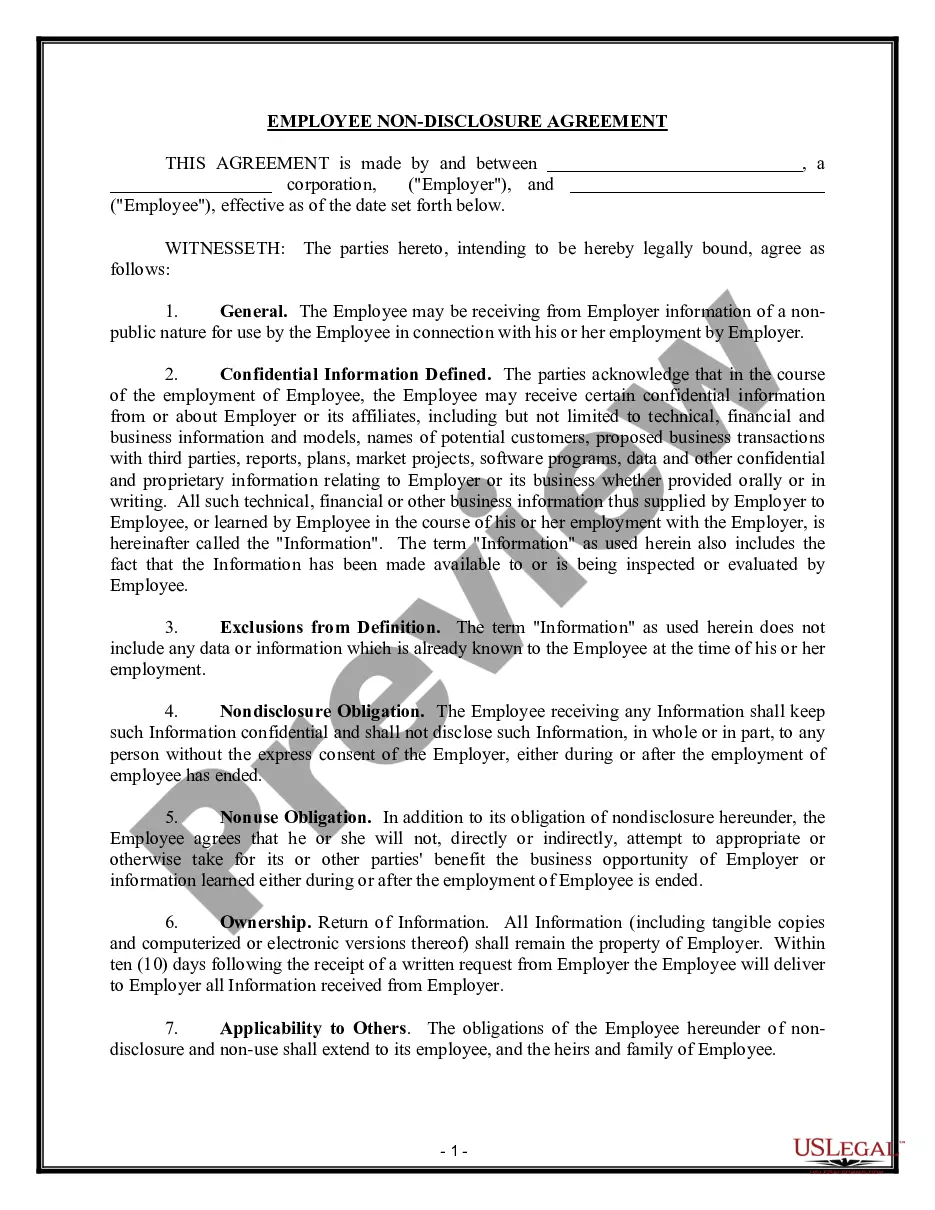



How to fill out Trade Secret And Nondisclosure Agreement For A Newly Hired Employee?
Legal administration can be overwhelming, even for the most skilled professionals.
When seeking a Trade Secret Cost and lacking the time to invest in finding the suitable and updated version, the tasks may be arduous.
Gain access to a valuable resource hub of articles, guides, and manuals relevant to your situation and prerequisites.
Save time and effort in locating the documents you require, and use US Legal Forms’ sophisticated search and Review feature to find Trade Secret Cost and obtain it.
Ensure that the template is recognized in your state or county.
- If you have a monthly subscription, Log In to your US Legal Forms account, search for the form, and obtain it.
- Check the My documents tab to view the documents you previously downloaded and manage your folders as needed.
- If it is your first time using US Legal Forms, create an account to gain unlimited access to all platform benefits.
- Here are the steps to follow after acquiring the form you require.
- Verify it is the correct form by previewing it and reviewing its description.
- Access state- or county-specific legal and business documents.
- US Legal Forms accommodates any requirements you might have, from personal to business papers, in one location.
- Utilize advanced tools to complete and manage your Trade Secret Cost.
Form popularity
FAQ
Unlike patents, trade secrets do not have a registration process. Instead, protection arises from the efforts you make to keep the information confidential. By focusing on your security measures and documentation, you can effectively safeguard your trade secrets while being aware of the associated trade secret costs that might arise.
Trade secrets do not require formal filing as they are protected by law once you take steps to keep them confidential. However, documenting your trade secret management can help you defend them if challenged. Understand the implications of trade secret cost, as failure to protect them properly can result in an expensive loss.
To effectively document trade secrets, maintain accurate records indicating what the secrets are and the rationale behind their classification. Use non-disclosure agreements and secure storage for sensitive documents. By implementing a systematic documentation process, you can minimize the trade secret cost associated with potential breaches or mismanagement.
Documenting trade secrets requires a well-structured approach. Create detailed records of the trade secret information, including who has access and how it is protected. Use secure systems to store this information while considering that maintaining these records can incur a trade secret cost.
Proving a trade secret involves demonstrating its confidentiality and the efforts taken to protect it. You need to show that the information is not known to the public, that it provides a competitive advantage, and that you have implemented reasonable measures to keep it secret. Gathering evidence of your protective steps can help manage any potential trade secret cost.
To identify trade secrets, first evaluate your business processes, customer lists, formulas, and proprietary information. Look for data that gives your business a competitive edge, which others cannot easily obtain. Understanding what qualifies as a trade secret is crucial and can help you manage the associated trade secret cost effectively.
Valuing trade secrets involves assessing the economic benefits they provide to a business. Factors include the cost of developing the trade secret, potential income generated, and the competitive advantage it offers. Understanding trade secret cost is crucial, as it helps businesses gauge the monetary worth of these valuable assets. Utilizing a detailed approach can aid companies in making informed decisions regarding their trade secrets.
One classic example of a trade secret is the process used by WD-40 to create its lasting lubricant. This specific formulation is kept confidential and gives the company its unique market position. Familiarity with such examples helps underscore the trade secret cost, especially when considering the potential losses from unauthorized disclosures.
Completing trade secrets often involves developing and defining your proprietary information clearly. Ensure that you keep it confidential through effective security policies and practices. For companies, the trade secret cost can be significantly reduced by consistently applying these best practices, which is crucial to sustaining competitive advantages.
A trade secret is any practice, design, formula, or process that gives a business a competitive edge. For example, Google’s search algorithm remains a closely guarded trade secret, allowing the company to dominate its market. Knowing what qualifies as a trade secret is essential, as it directly impacts the trade secret cost for legal protections.