Catholic Annulment Process Steps
Description
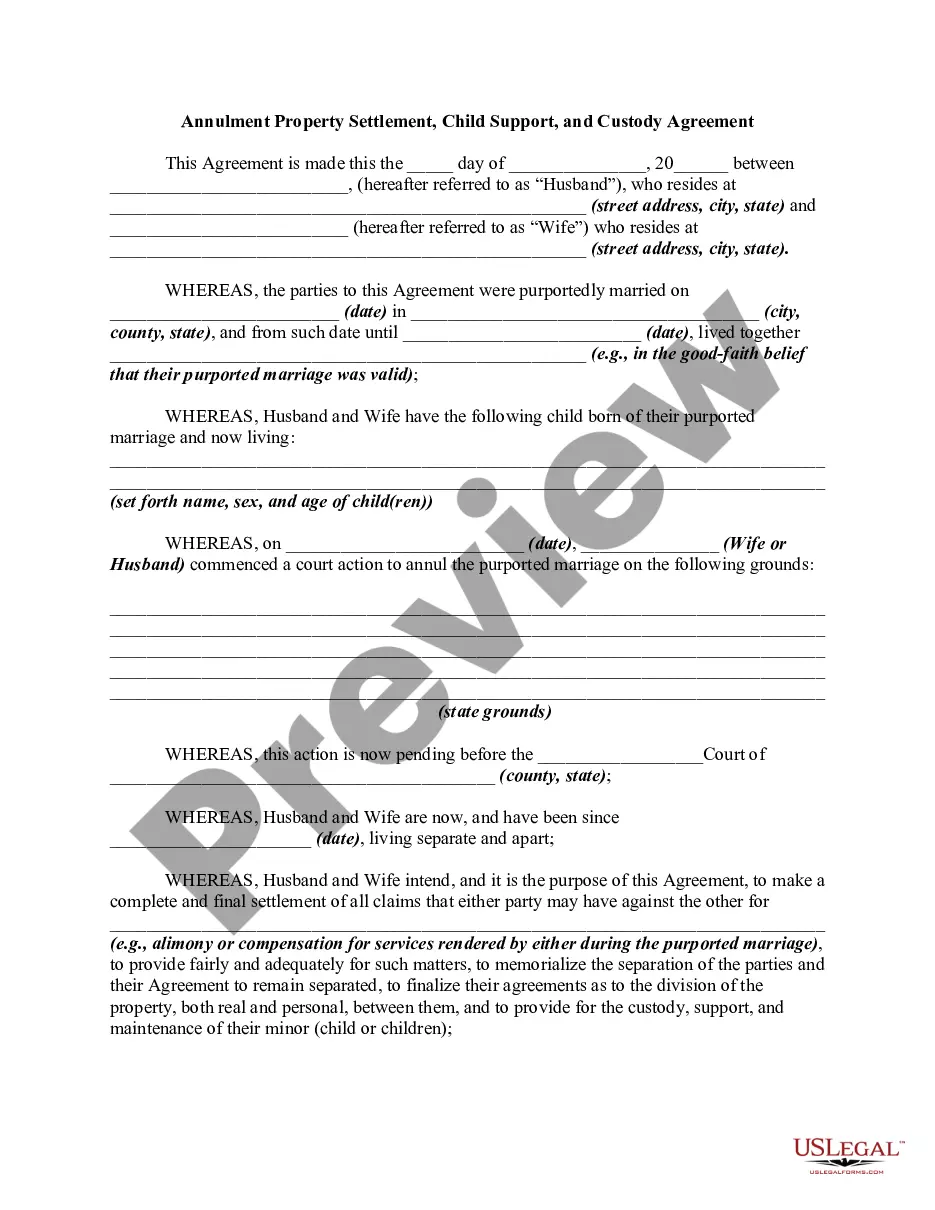
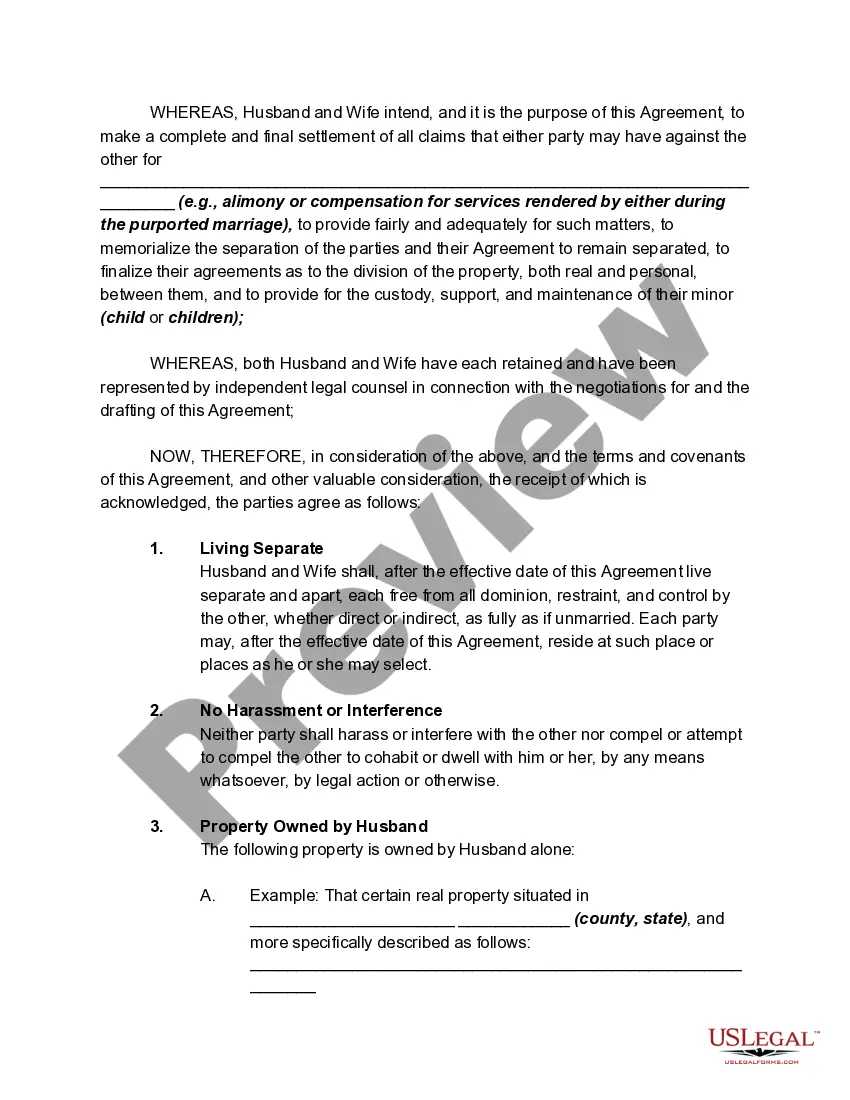
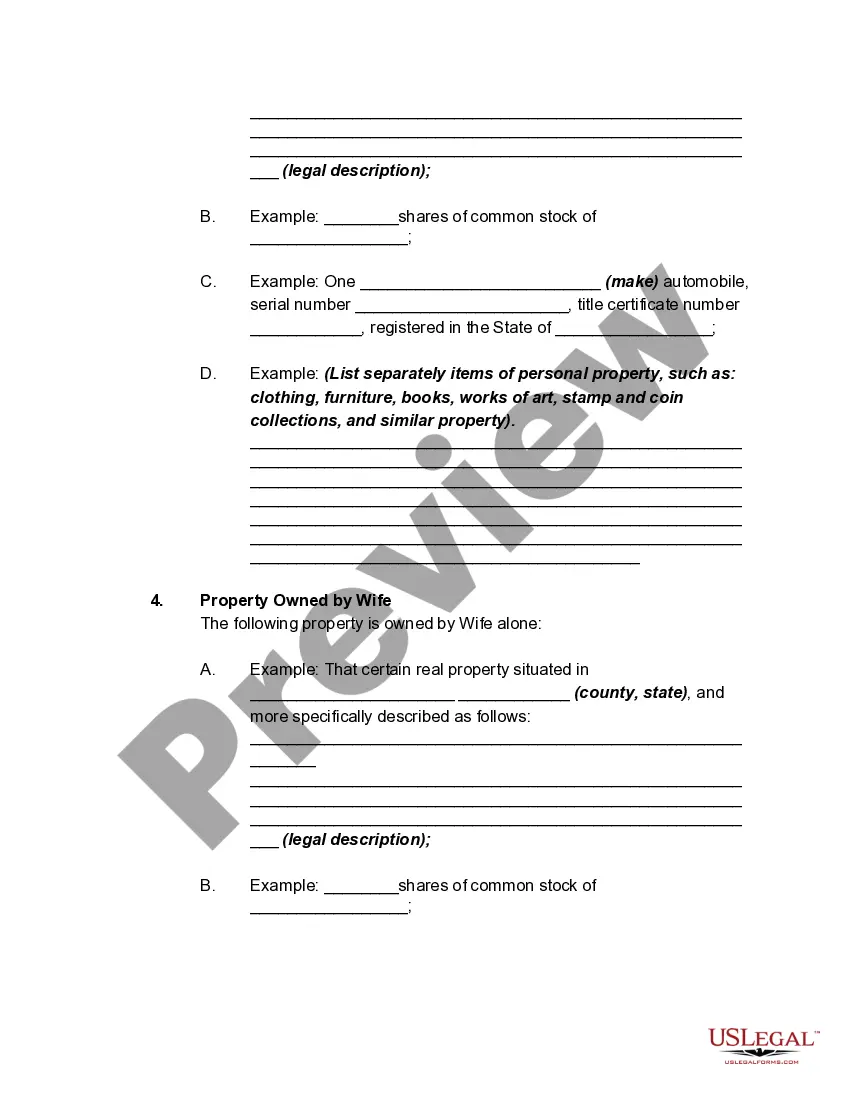
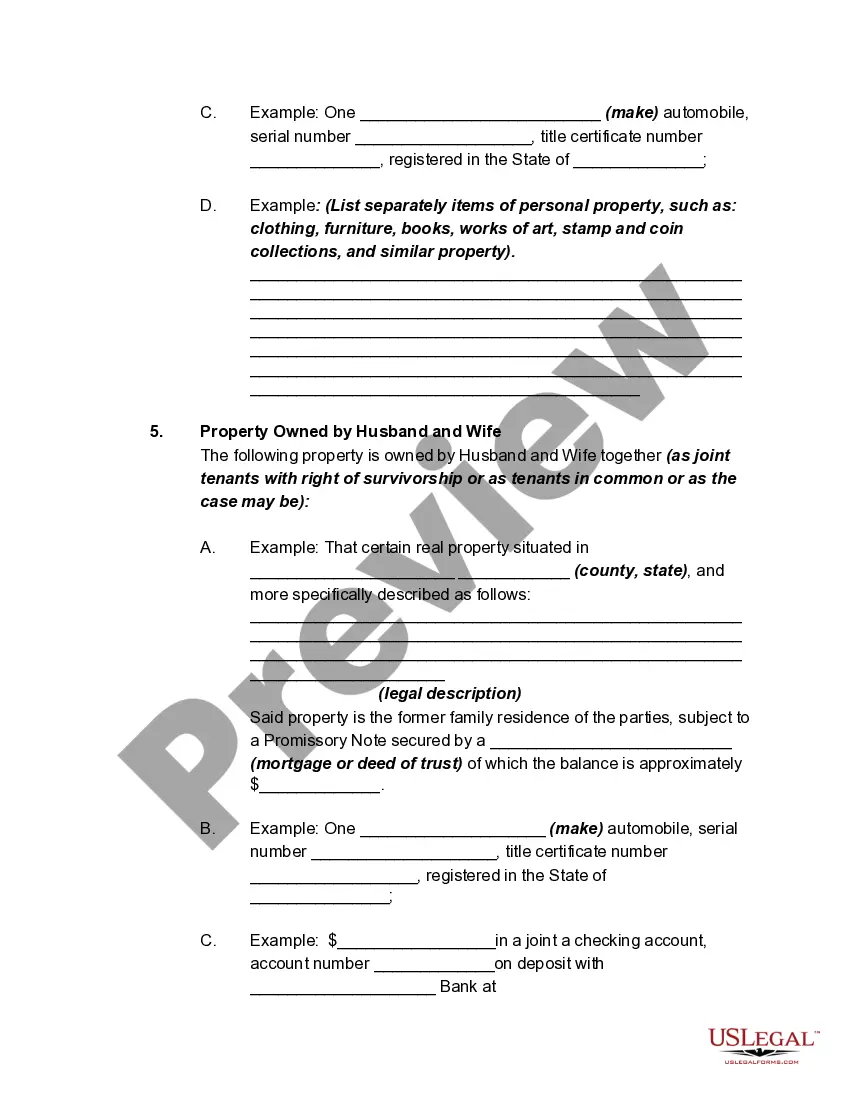
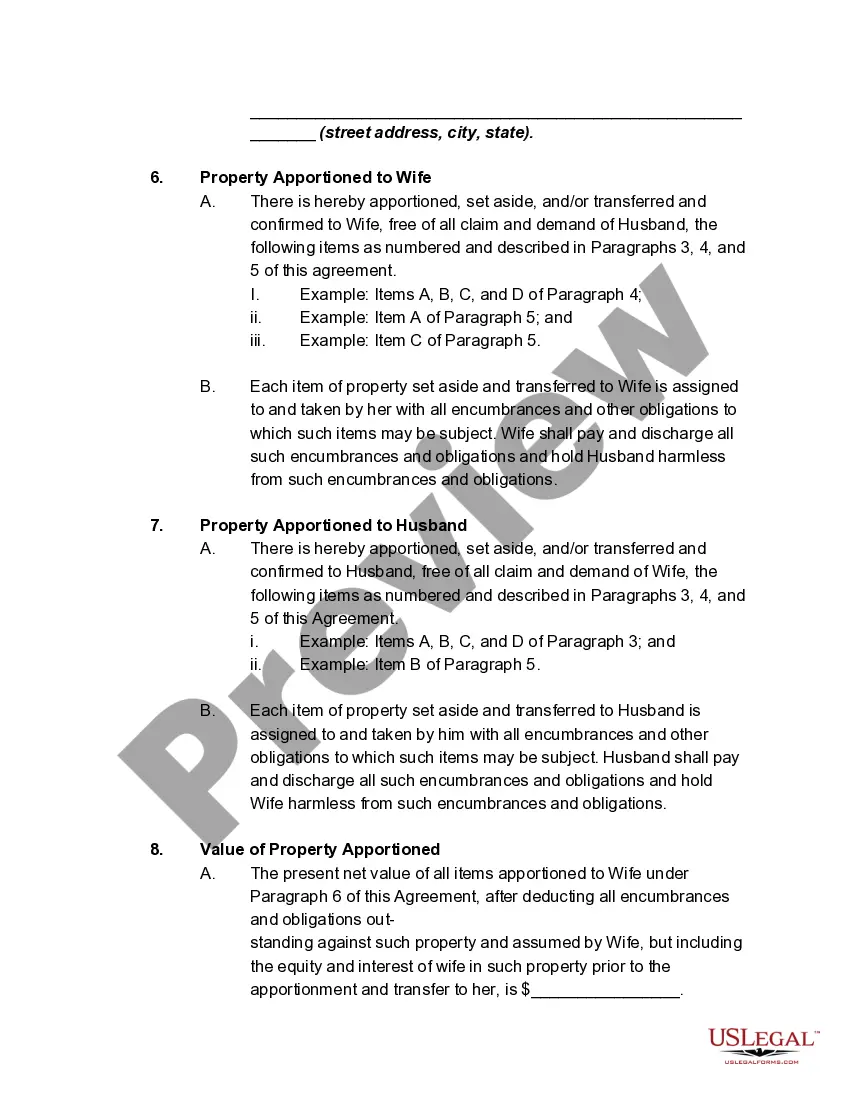
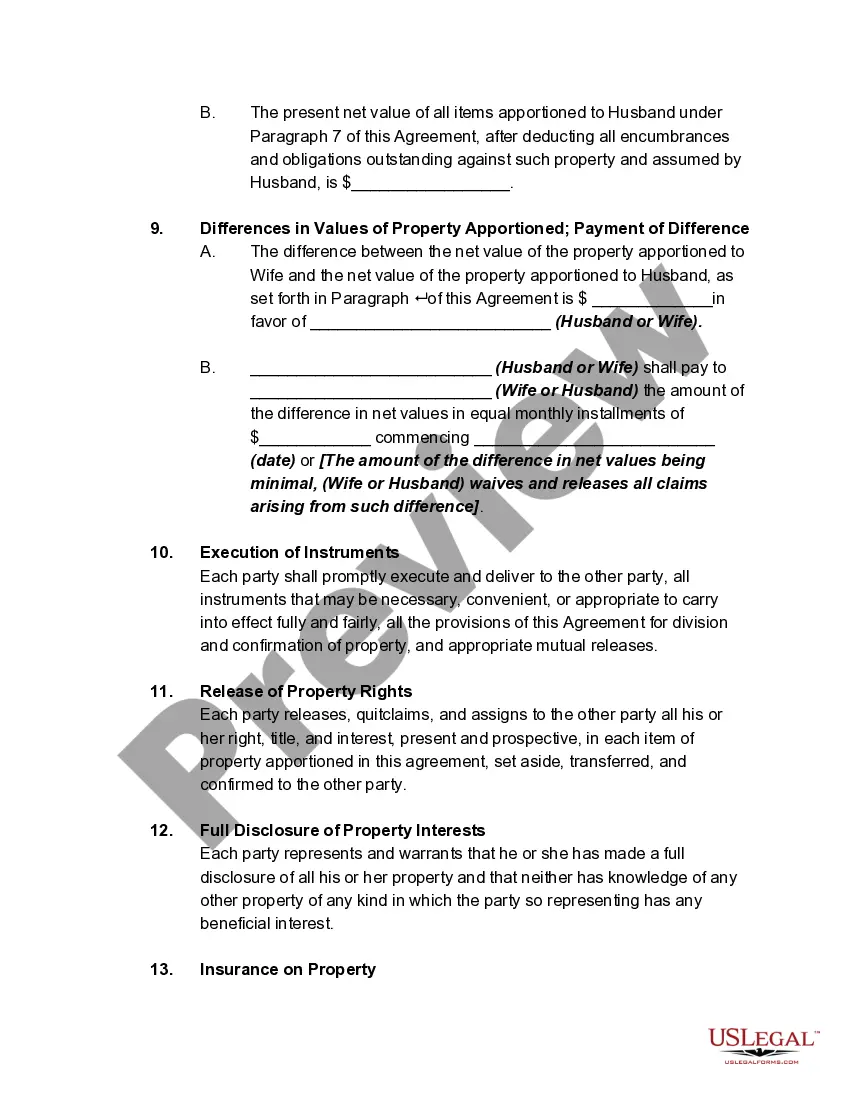
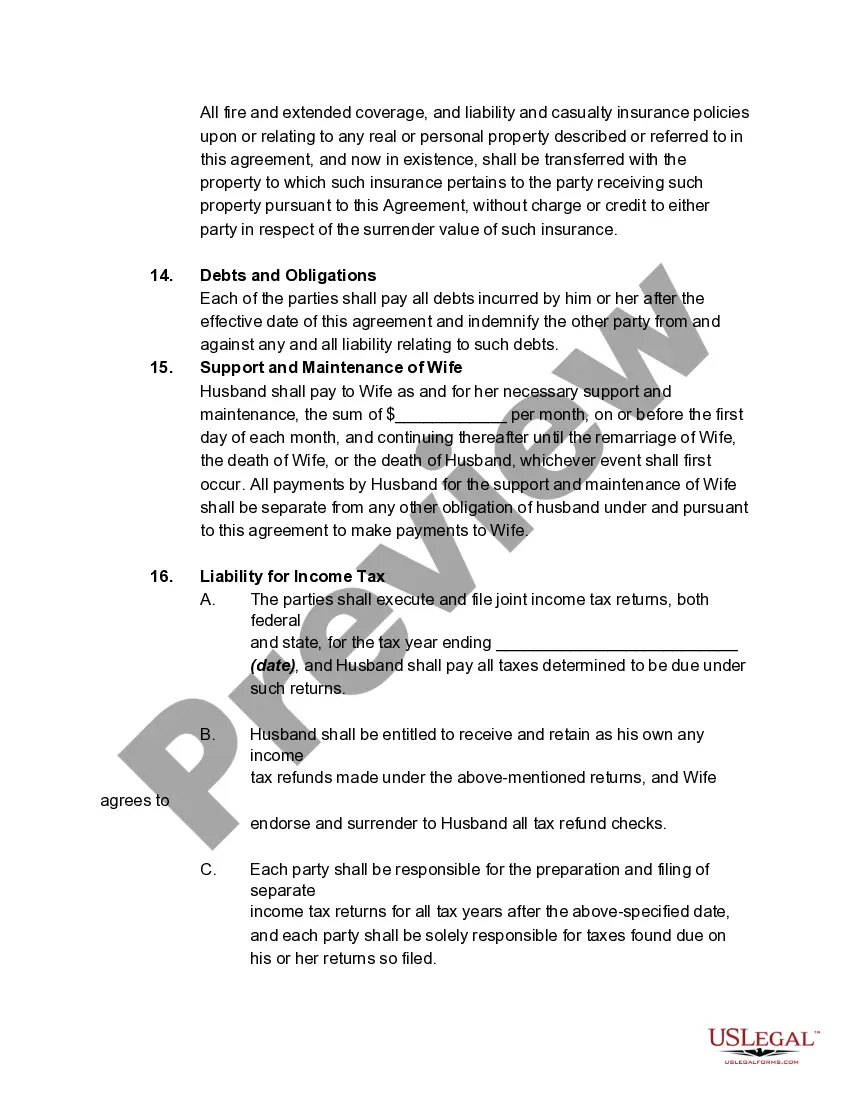
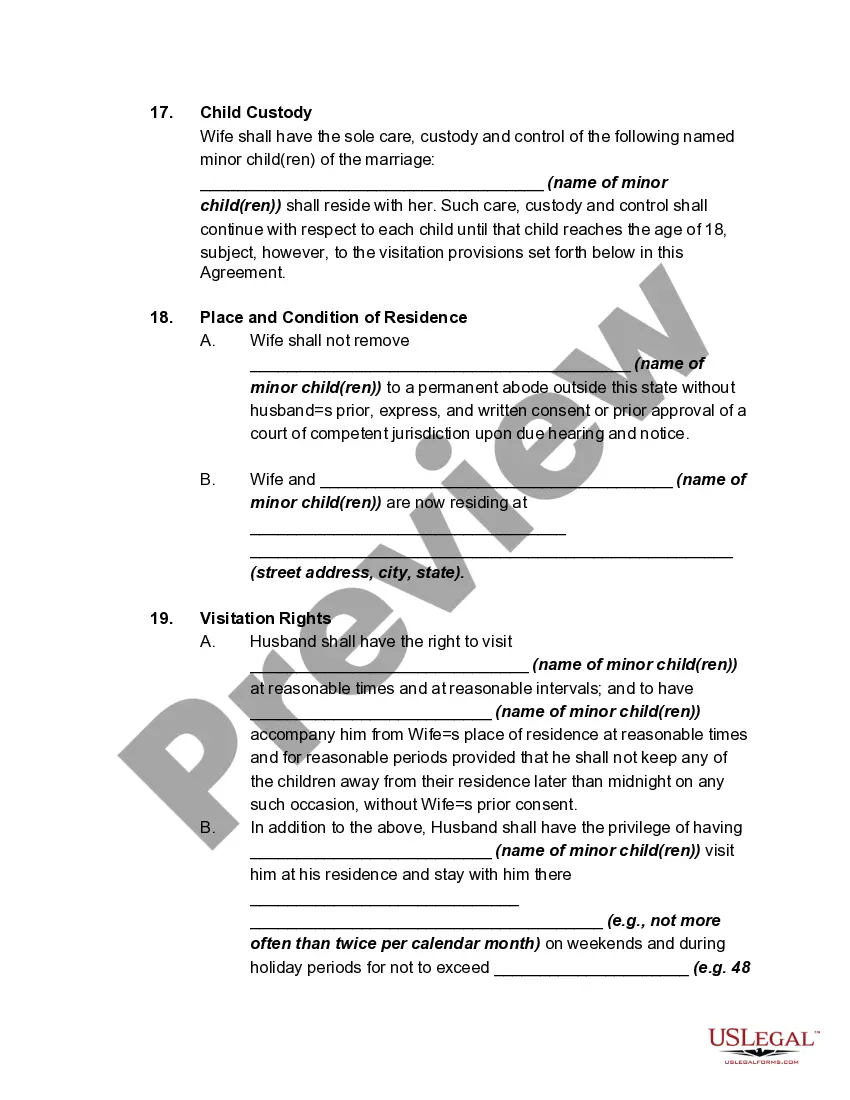
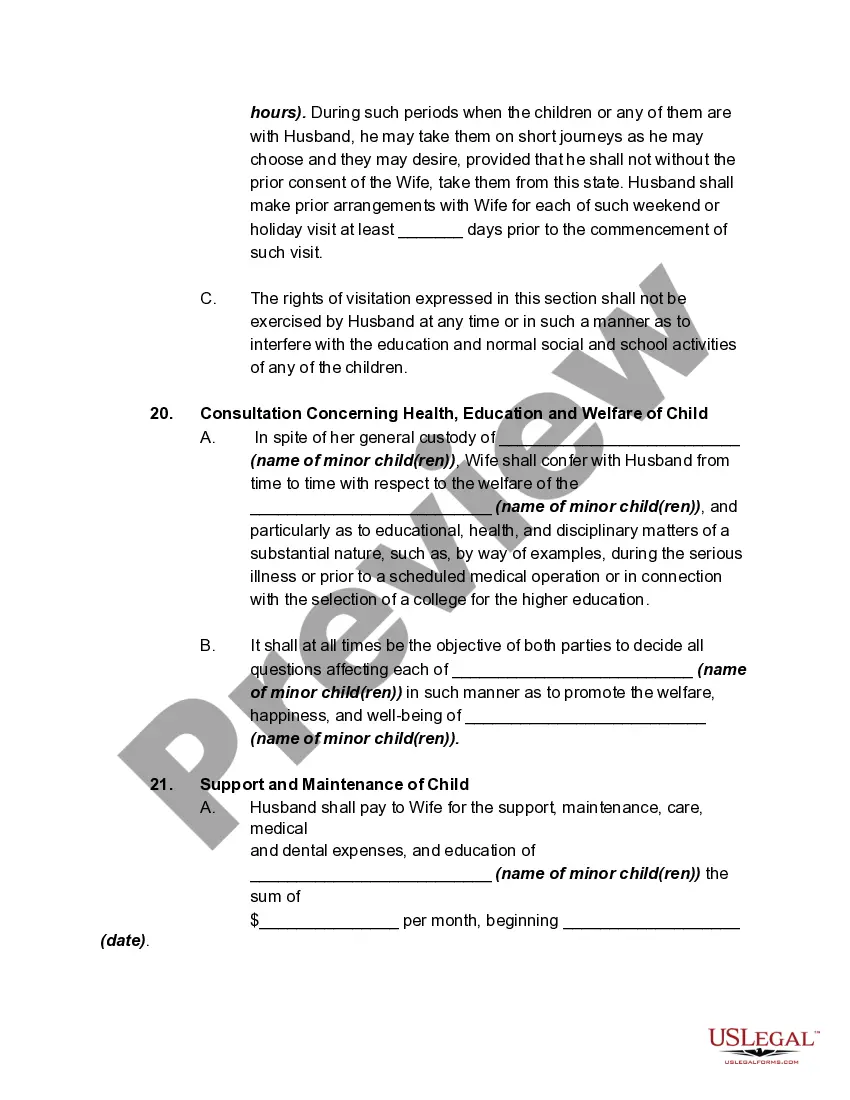
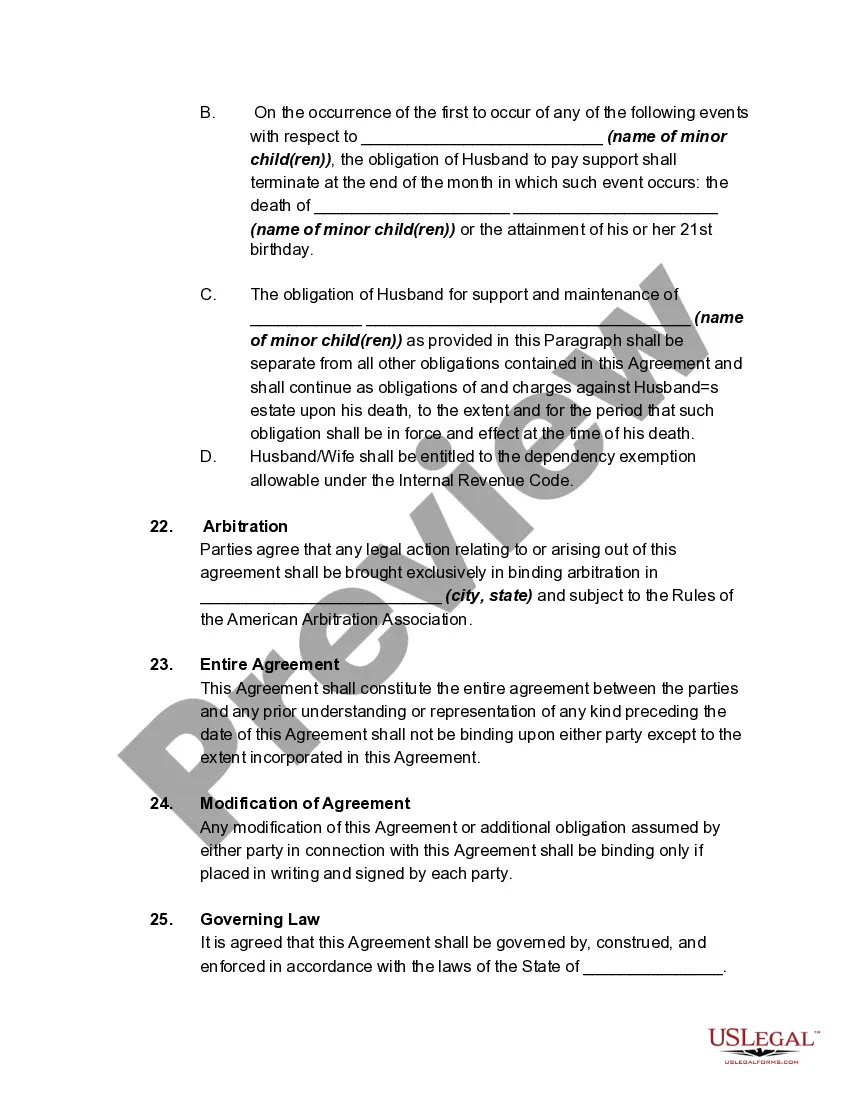

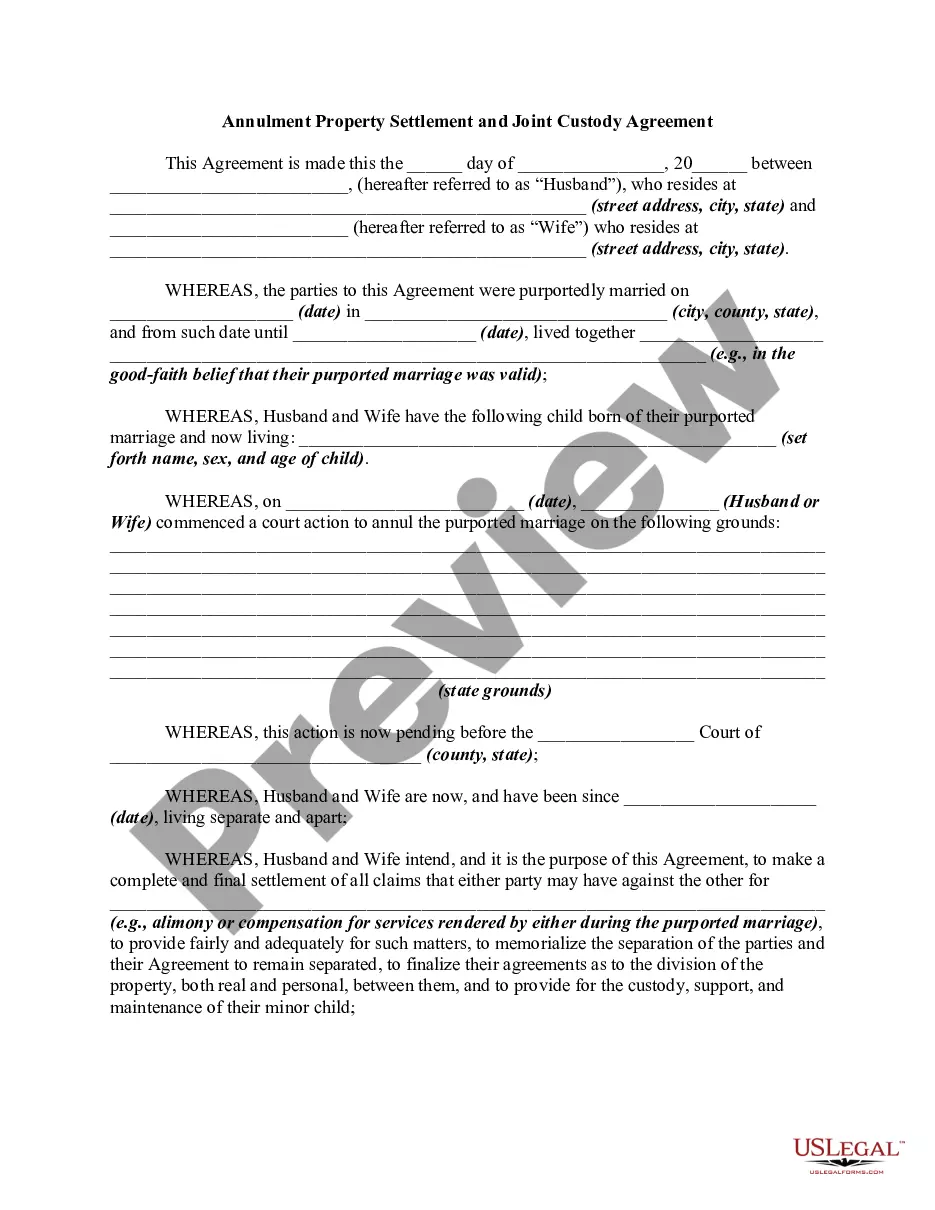
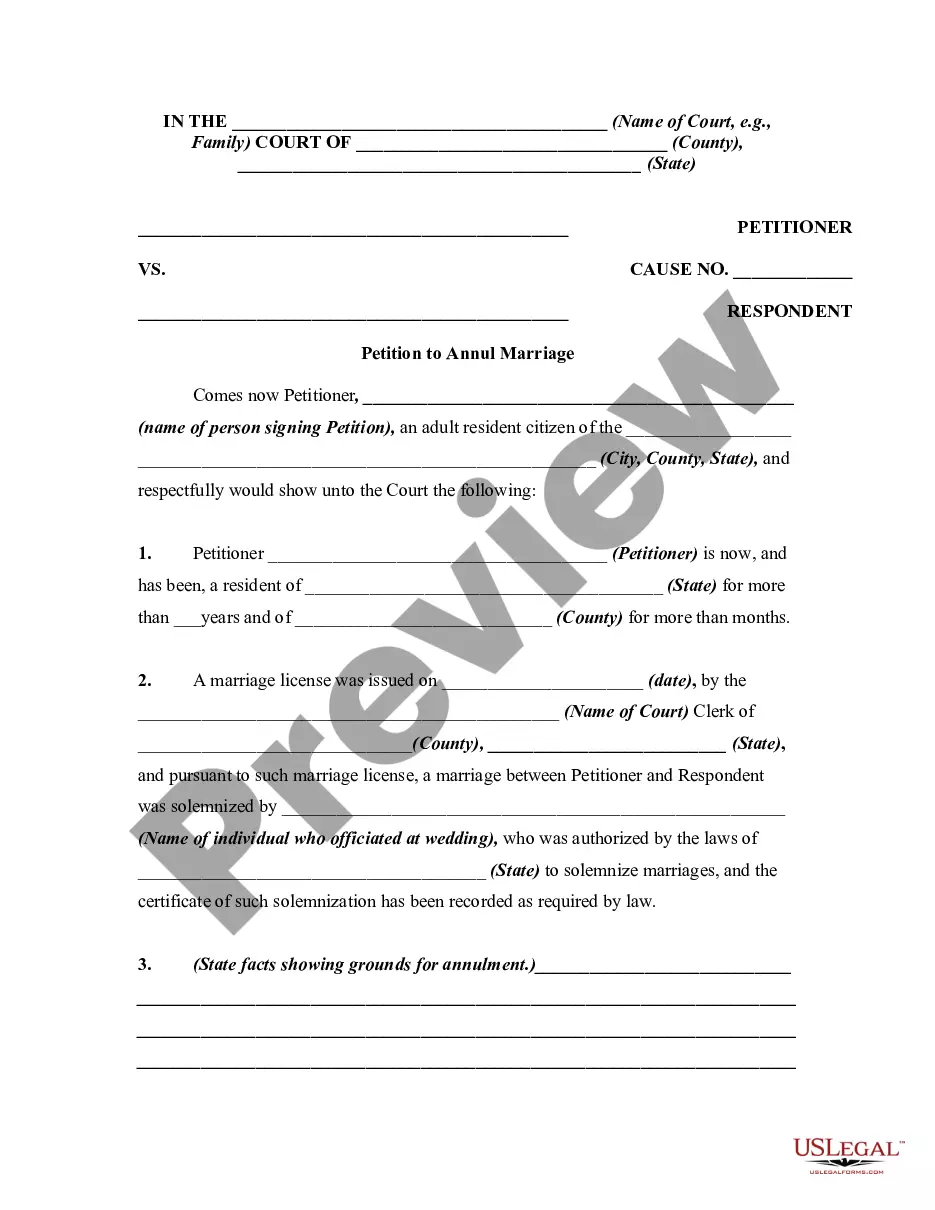
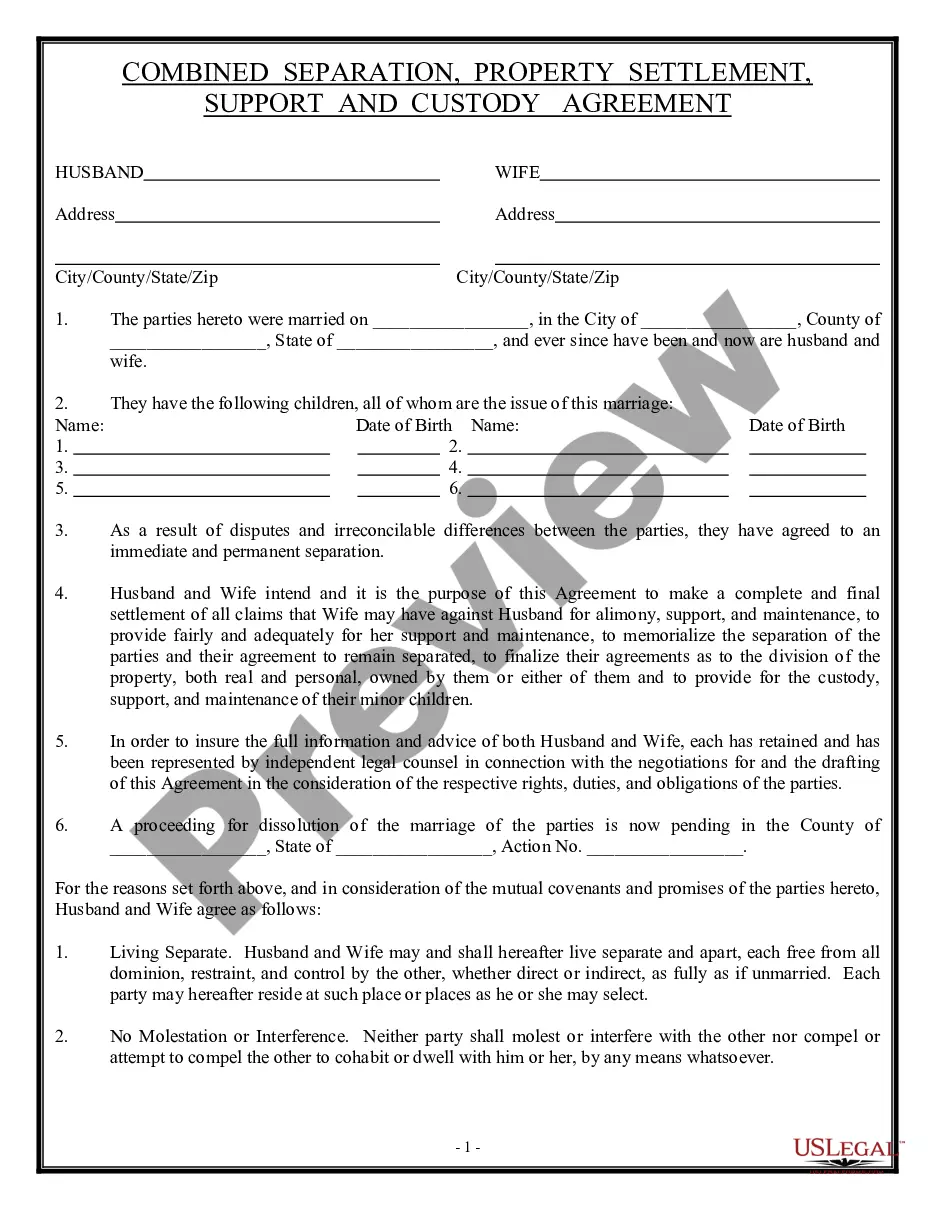

How to fill out Annulment Property Settlement, Child Support, And Custody Agreement?
Securing a reliable source for obtaining the latest and suitable legal templates is a significant part of navigating bureaucracy.
Identifying the correct legal documents demands accuracy and meticulousness, which is why it's crucial to source Catholic Annulment Process Steps only from trustworthy providers, such as US Legal Forms.
After you have the form on your device, you can either modify it using the editor or print it out and fill it in manually. Say goodbye to the stress that comes with your legal documentation. Explore the extensive US Legal Forms repository to locate legal samples, verify their applicability to your situation, and download them promptly.
- Utilize the catalog navigation or search box to find your template.
- Review the form’s description to ensure it meets the criteria of your state and county.
- Access the form preview, if available, to confirm that the form aligns with your needs.
- Return to your search and seek the accurate template if the Catholic Annulment Process Steps does not fulfill your specifications.
- Once you are certain about the form’s applicability, download it.
- When you are a registered user, click Log in to verify your identity and access your selected forms in My documents.
- If you haven't created an account yet, click Buy now to acquire the form.
- Choose the pricing option that best fits your requirements.
- Continue with the registration process to finalize your purchase.
- Complete your transaction by selecting a payment method (credit card or PayPal).
- Choose the document format for downloading the Catholic Annulment Process Steps.
Form popularity
FAQ
Filling out an annulment involves several important steps that require careful attention to detail. Start by obtaining the appropriate forms from your parish or diocese and ensure you understand the requirements. As you complete the forms, provide specific details about your marriage and the circumstances leading to the annulment. If you encounter difficulties, uslegalforms offers templates and professional assistance to ensure you navigate the Catholic annulment process steps with confidence.
When preparing for a Catholic annulment, it is important to compile several key documents. You will typically need your marriage certificate, baptismal certificates, and any relevant court documents. Additionally, any correspondence that supports your reasons for the annulment can be beneficial. By organizing these documents, you can facilitate the Catholic annulment process steps, making your case clearer and more effective.
To effectively answer the annulment questionnaire, begin by gathering relevant information about your marriage, including dates, reasons for seeking annulment, and personal experiences. As you fill out the questionnaire, focus on providing clear and honest responses. Remember, these answers are crucial in understanding your case in the context of the Catholic annulment process steps. If you find this process overwhelming, uslegalforms can provide valuable resources and templates to guide you.
Filling out Catholic annulment papers involves several specific steps within the Catholic annulment process steps. Start by collecting all necessary documents, such as marriage certificates and baptismal records. Carefully complete the forms, ensuring all information is accurate and thorough. If you find the process overwhelming, consider using USLegalForms for easy access to templates and expert guidance.
The timeline to complete the Catholic annulment process steps can vary significantly. Generally, the process may take several months to a few years, depending on various factors. These include the complexity of your case, the need for witnesses, and the efficiency of the local church tribunal. Patience is important during this time, as each case requires careful consideration.
To get an annulment from the court, you'll need to file: The Complaint for Annulment (CJD 100), which is also available at the Registry of Vital Records. The Certificate of Absolute Divorce or Annulment Statistical Information (R-408) A financial statement. You'll fill out 1 of 2 forms, depending on your income.
The annulment process is how the Catholic Church investigates unions and can bring them to an end (in a very broad sense). However, we say that with a heavy caveat because the annulment process doesn't technically end or dissolve a marriage.
Under these circumstances, a person's church law status changes from married to ?single.? Therefore, they are free to marry in the Catholic Church again.
A declaration of nullity of marriage applies to marriages which are void. Void Marriages are considered as having never been taken place, they are void from the very beginning. On the other hand, Annulment applies to a marriage that is valid until otherwise declared by the court annulled.
In faithfulness to Jesus's teaching, the Church believes that marriage is a lifelong bond (see Matt -10); therefore, unless one's spouse has died, the Church requires a divorced person to obtain a declaration of nullity before marrying someone else in the Catholic Church or before actually becoming a Catholic.