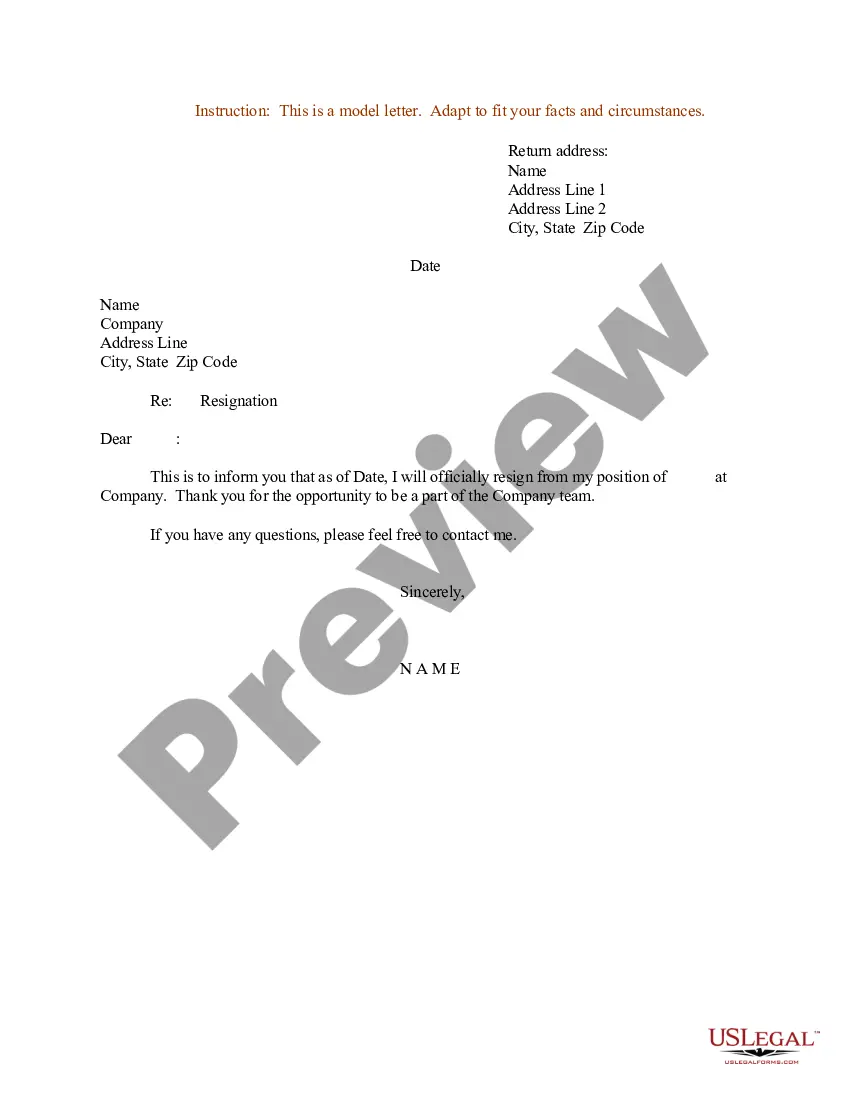
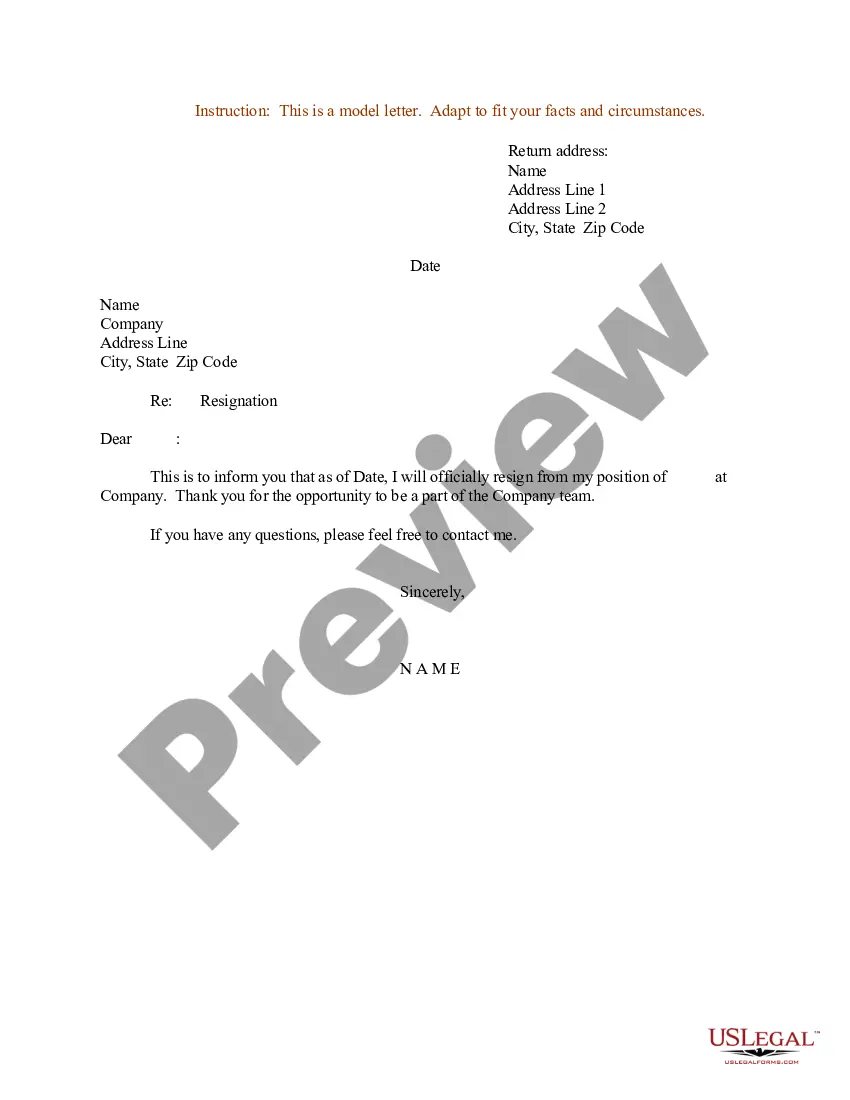
Letter For Grievance Redressal
Description
Get your form ready online
Our built-in tools help you complete, sign, share, and store your documents in one place.
Make edits, fill in missing information, and update formatting in US Legal Forms—just like you would in MS Word.
Download a copy, print it, send it by email, or mail it via USPS—whatever works best for your next step.
Sign and collect signatures with our SignNow integration. Send to multiple recipients, set reminders, and more. Go Premium to unlock E-Sign.
If this form requires notarization, complete it online through a secure video call—no need to meet a notary in person or wait for an appointment.
We protect your documents and personal data by following strict security and privacy standards.

Make edits, fill in missing information, and update formatting in US Legal Forms—just like you would in MS Word.

Download a copy, print it, send it by email, or mail it via USPS—whatever works best for your next step.

Sign and collect signatures with our SignNow integration. Send to multiple recipients, set reminders, and more. Go Premium to unlock E-Sign.

If this form requires notarization, complete it online through a secure video call—no need to meet a notary in person or wait for an appointment.

We protect your documents and personal data by following strict security and privacy standards.
Looking for another form?









How to fill out Resignation Letter With Grievance?
When you are required to finalize a Letter For Grievance Redressal that adheres to your local state's statutes and regulations, there can be several alternatives available.
You don't have to inspect every document to ensure it fulfills all the legal requirements if you are a US Legal Forms member.
It is a reliable resource that can assist you in obtaining a reusable and current template on any subject.
Utilizing US Legal Forms makes obtaining properly drafted official documents easy. Moreover, Premium users can also benefit from the robust integrated features for online document editing and signing. Try it out today!
- US Legal Forms is the most comprehensive online library with a collection of over 85k ready-to-use documents for commercial and personal legal matters.
- All templates are verified to align with each state's statutes and regulations.
- Thus, when downloading the Letter For Grievance Redressal from our platform, you can be assured that you possess a valid and up-to-date document.
- Acquiring the necessary sample from our platform is remarkably simple.
- If you already have an account, just Log In to the system, confirm that your subscription is active, and save the selected file.
- Later, you can visit the My documents tab in your profile and access the Letter For Grievance Redressal anytime.
- If this is your first time on our site, please follow the instructions below.
- Review the suggested page and verify it for alignment with your criteria.
Form popularity
FAQ
Filing a grievance effectively requires a strategic approach. Begin by thoroughly documenting your issue and gathering any supporting evidence. Craft a solid letter for grievance redressal that clearly articulates your concern, why it matters, and what resolution you seek. By following the proper procedures and staying persistent, you increase your chances of achieving a successful outcome.
When writing a serious complaint letter, ensure your language reflects the seriousness of the issue at hand. Start by addressing the appropriate recipient and state the matter clearly without emotional outbursts. Use clear evidence usually supported by dates and facts as these lend credibility to your claims. A structured and concise letter for grievance redressal paves the way for a more favorable response.
Avoid using aggressive language or personal attacks in your complaint letter. Focus on facts rather than emotions to maintain professionalism. Additionally, steer clear of vague statements; specificity helps convey your message more effectively. Remember, a well-structured letter for grievance redressal should present your concern without unnecessary drama or exaggeration.
In the first paragraph of your letter for grievance redressal, introduce yourself and clearly state the purpose of your letter. Mention the issue you are addressing and a brief description of your concern. This sets the tone for the rest of the letter and allows the reader to understand your situation immediately. Maintain clarity and precision to capture attention effectively.
To file a grievance letter, begin by outlining your concern clearly in writing. Include relevant details such as dates, events, and the parties involved to provide context. Sending your letter for grievance redressal through the appropriate channels, such as a supervisor or human resources department, ensures it reaches the right hands. Keep a copy of your letter for your records.
When drafting a letter for grievance redressal, it's essential to be clear and straightforward. Start with a brief statement of your issue, followed by specific details about the situation. Effective lines often include a clear description of what happened and how it affected you. Always maintain a respectful tone to encourage a prompt resolution.
A good grievance outcome letter should summarize the resolution and outline the steps taken to address the grievance. Start with a brief introduction that reiterates the nature of the complaint. Then, detail the outcomes, express appreciation for any resolutions, and state any further actions that will follow. Conclude with a positive note, reinforcing your commitment to addressing issues professionally in any future letter for grievance redressal.
Creating a grievance example involves outlining your situation clearly and methodically. Begin with a clear description of the incident, including who was involved and the effects it had on you. Support your points with factual details, and use this as a template for your actual letter for grievance redressal to ensure thoroughness and clarity.
Writing a powerful complaint letter requires clarity and structure. Start with a concise introduction that states your reason for writing. Include the specifics of your situation, express your feelings about the issue, and suggest a fair resolution. Make sure your complaint letter for grievance redressal strikes a balance between assertiveness and professionalism.
When filing a grievance, it is essential to express your concerns clearly and respectfully. Begin by introducing the issue in a factual manner, detailing the events leading up to it. Also, indicate the resolution you hope to achieve, making your intent clear in the context of your grievance letter for grievance redressal.