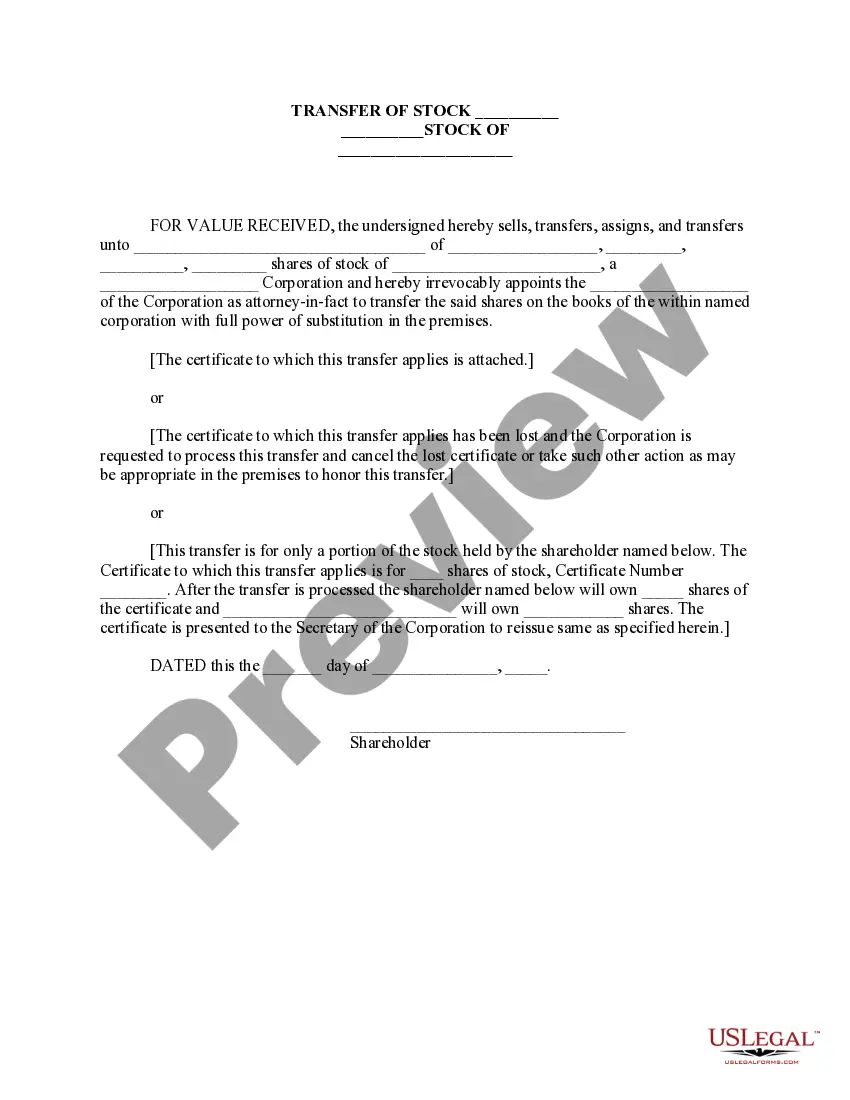
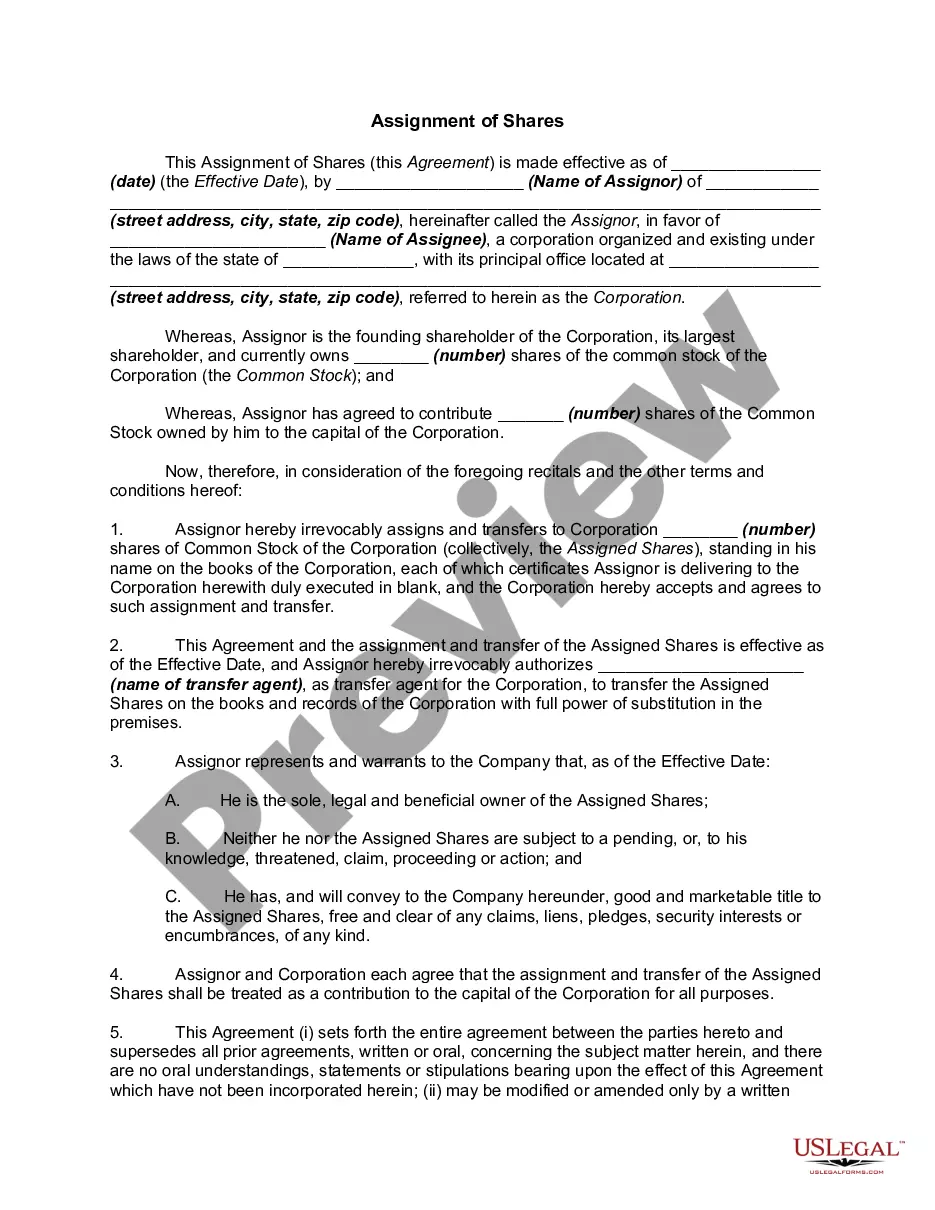
Transfer Stock Shareholder With Profits
Description
Get your form ready online
Our built-in tools help you complete, sign, share, and store your documents in one place.
Make edits, fill in missing information, and update formatting in US Legal Forms—just like you would in MS Word.
Download a copy, print it, send it by email, or mail it via USPS—whatever works best for your next step.
Sign and collect signatures with our SignNow integration. Send to multiple recipients, set reminders, and more. Go Premium to unlock E-Sign.
If this form requires notarization, complete it online through a secure video call—no need to meet a notary in person or wait for an appointment.
We protect your documents and personal data by following strict security and privacy standards.

Make edits, fill in missing information, and update formatting in US Legal Forms—just like you would in MS Word.

Download a copy, print it, send it by email, or mail it via USPS—whatever works best for your next step.

Sign and collect signatures with our SignNow integration. Send to multiple recipients, set reminders, and more. Go Premium to unlock E-Sign.

If this form requires notarization, complete it online through a secure video call—no need to meet a notary in person or wait for an appointment.

We protect your documents and personal data by following strict security and privacy standards.
Looking for another form?





How to fill out Corporation - Transfer Of Stock?
Utilizing legal document examples that adhere to federal and local laws is essential, and the internet provides numerous choices to select from.
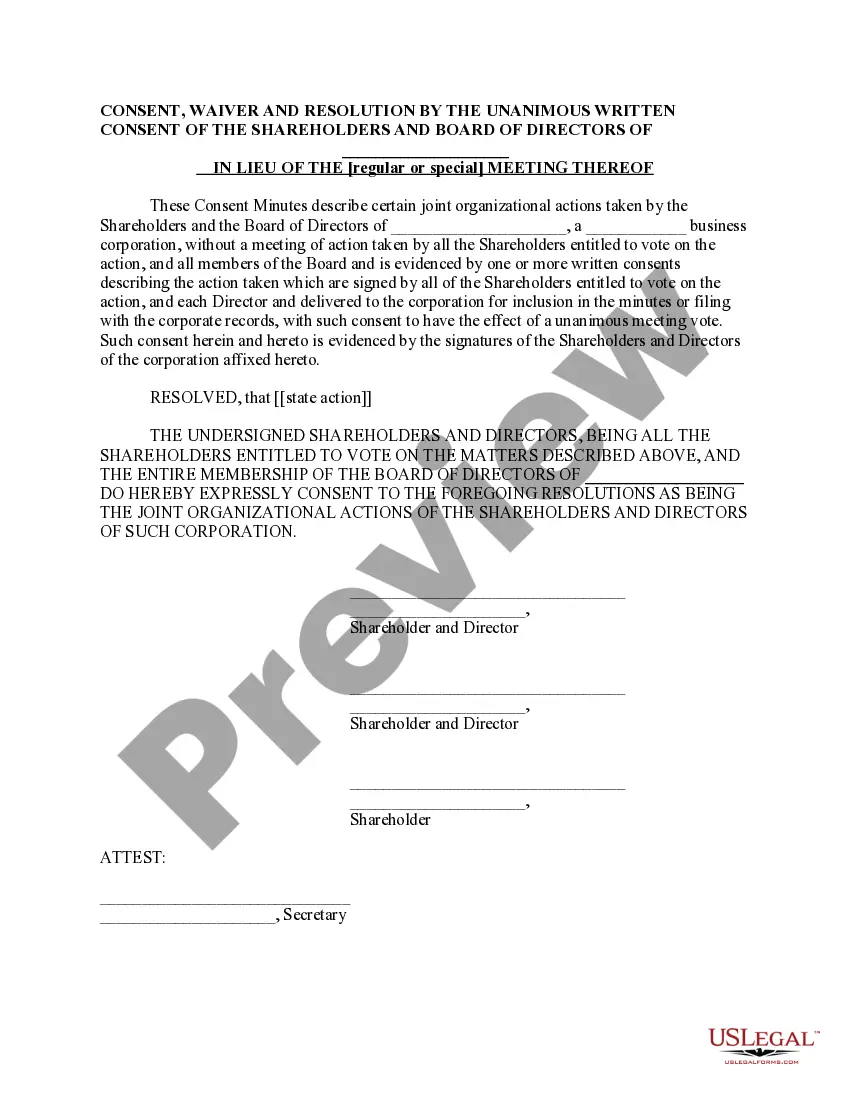
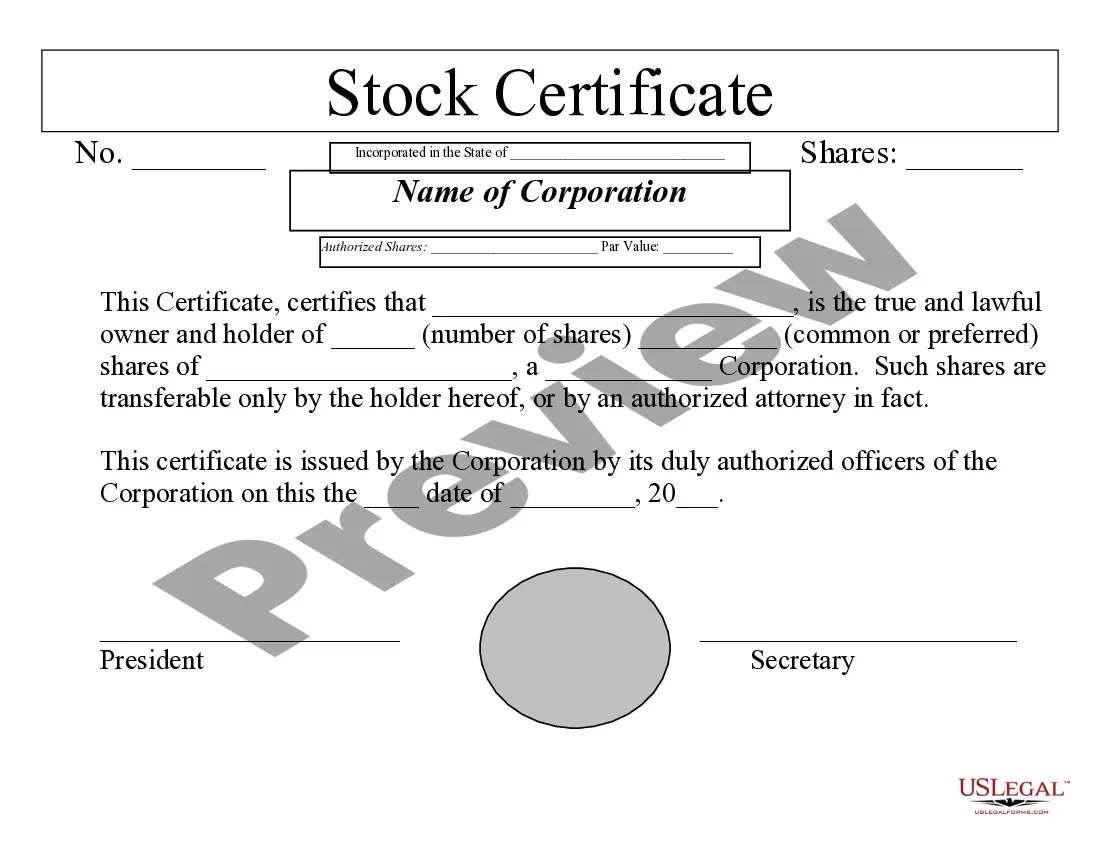
However, what is the benefit of squandering time looking for the properly formulated Transfer Stock Shareholder With Profits template online if the US Legal Forms digital library already contains such templates consolidated in one location.
US Legal Forms is the largest online legal repository featuring over 85,000 editable templates created by legal professionals for any professional and personal situation. They are easy to navigate with all documents organized by state and intended use. Our experts stay updated with legal changes, allowing you to be assured that your form is current and compliant when obtaining a Transfer Stock Shareholder With Profits from our site.
Click Buy Now when you’ve identified the correct form and choose a subscription plan. Create an account or sign in and make a payment via PayPal or credit card. Select the suitable format for your Transfer Stock Shareholder With Profits and download it. All documents you discover through US Legal Forms are reusable. To re-download and complete previously saved forms, access the My documents tab in your profile. Take advantage of the most comprehensive and user-friendly legal document service!
- Acquiring a Transfer Stock Shareholder With Profits is straightforward and rapid for both existing and new users.
- If you already possess an account with an active subscription, Log In and download the necessary document sample in the appropriate format.
- If you are new to our website, follow the steps below.
- Review the template using the Preview option or via the text outline to ensure it meets your requirements.
- If needed, find another sample utilizing the search feature at the top of the page.
Form popularity
FAQ
Don't use correction fluid or stick labels on the form. 1 Consideration money. ... 2 Full name of Undertaking. ... 3 Full description of Security. ... 4 Number or amount of Shares, Stock or other security. ... 5 Name(s) and address of registered holder(s) ... 6 Signature(s) ... 7 Name(s) and address of person(s) receiving the shares.
In form SH-4, Transferee's name(s) should be filled same as mentioned in their PAN CARD. There should not be any difference of any letter or word due to whatsoever reason. 4. In case any of Transferor(s) is deceased then write DECEASED in place of his/her signature and attach notarized or original death certificate.
The share transfer form should be signed by the person transferring the shares. Usually, is the seller or sellers, as all joint holders should sign to transfer a joint shareholding. There are a few situations where someone else may sign Stock Transfer Forms: The legal personal representatives.
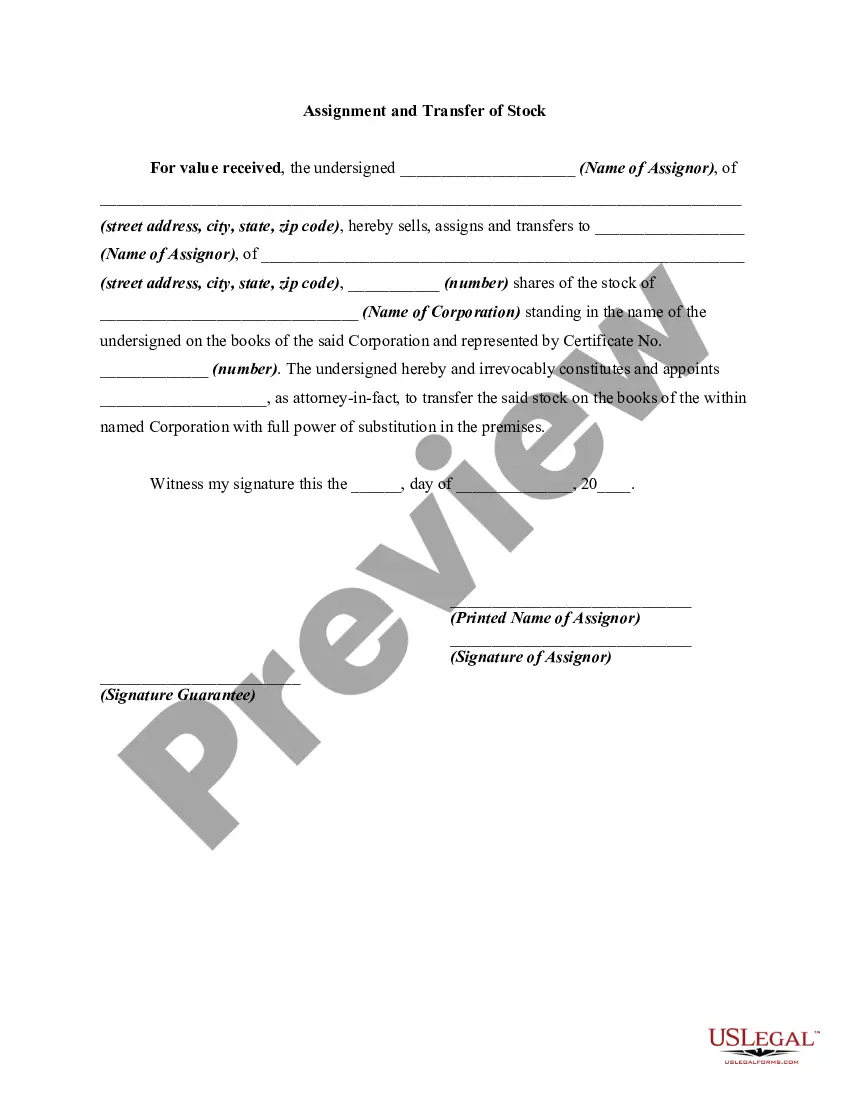
Share transfers process and documents AGREEMENT FOR THE SALE OF SHARES. The seller and the buyer agree to the sale and purchase of the shares. ... TRANSFER FORM. A stock transfer form is a standard document used to transfer existing shares. ... APPROVING REGISTRATION OF THE TRANSFER. ... ISSUING A SHARE CERTIFICATE TO THE TRANSFEREE.
If you transfer the shares to a non-relative, and the transaction is non-taxable, then the cost of acquisition for them is the same as it was for you. However, if you transfer the shares to a non-relative, and the transaction is taxable, then their cost of acquisition is the value of the gift, which is to be taxed.