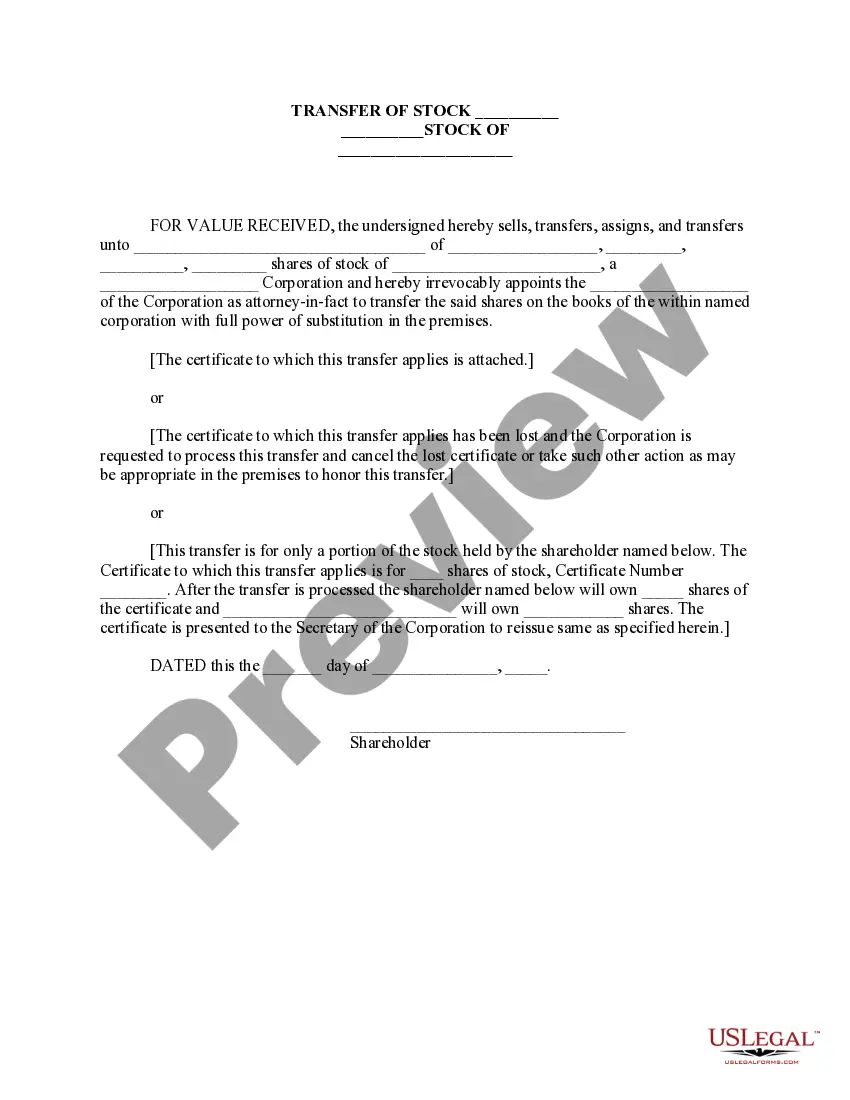
Transfer Business Name To New Owner
Description
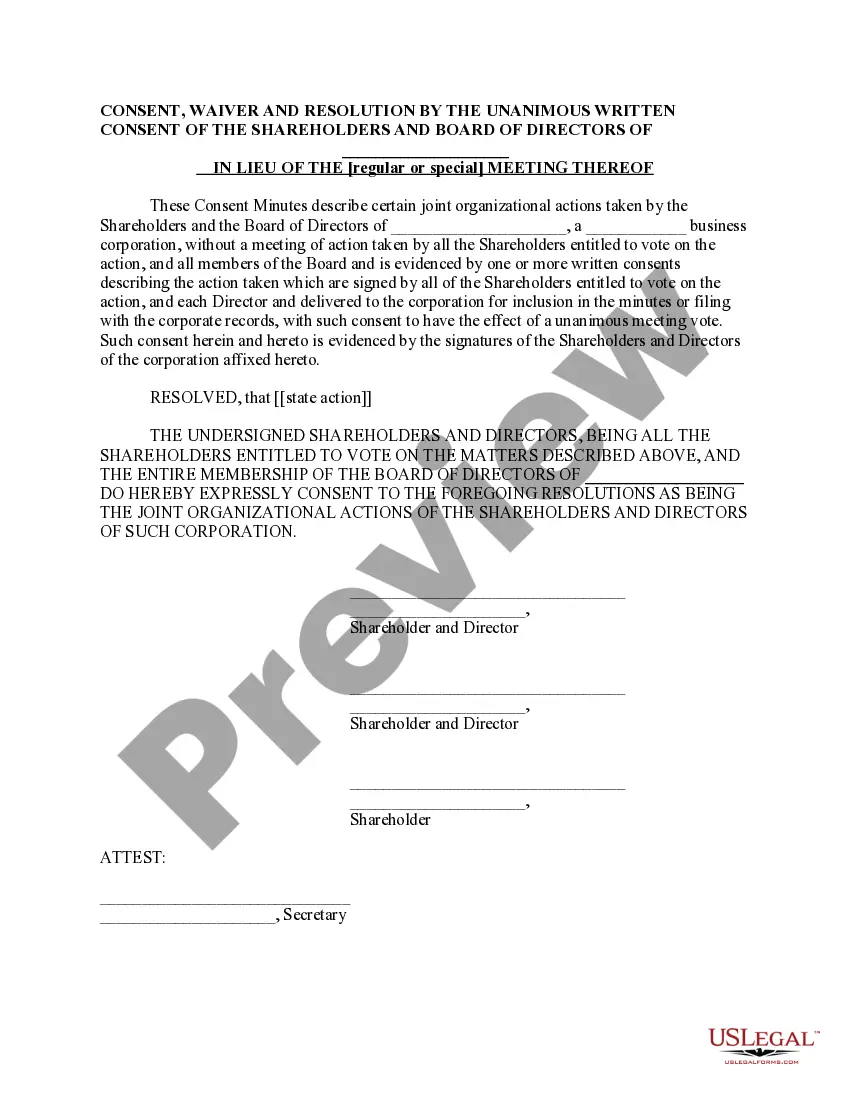
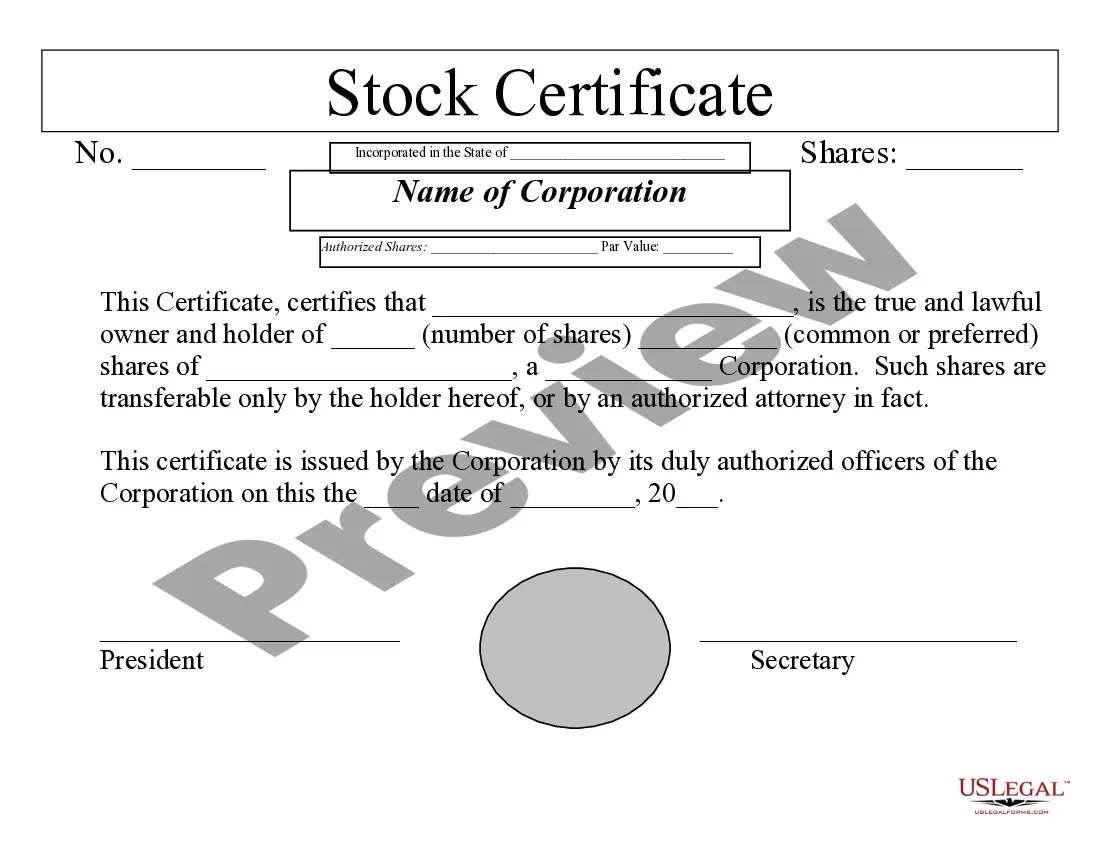
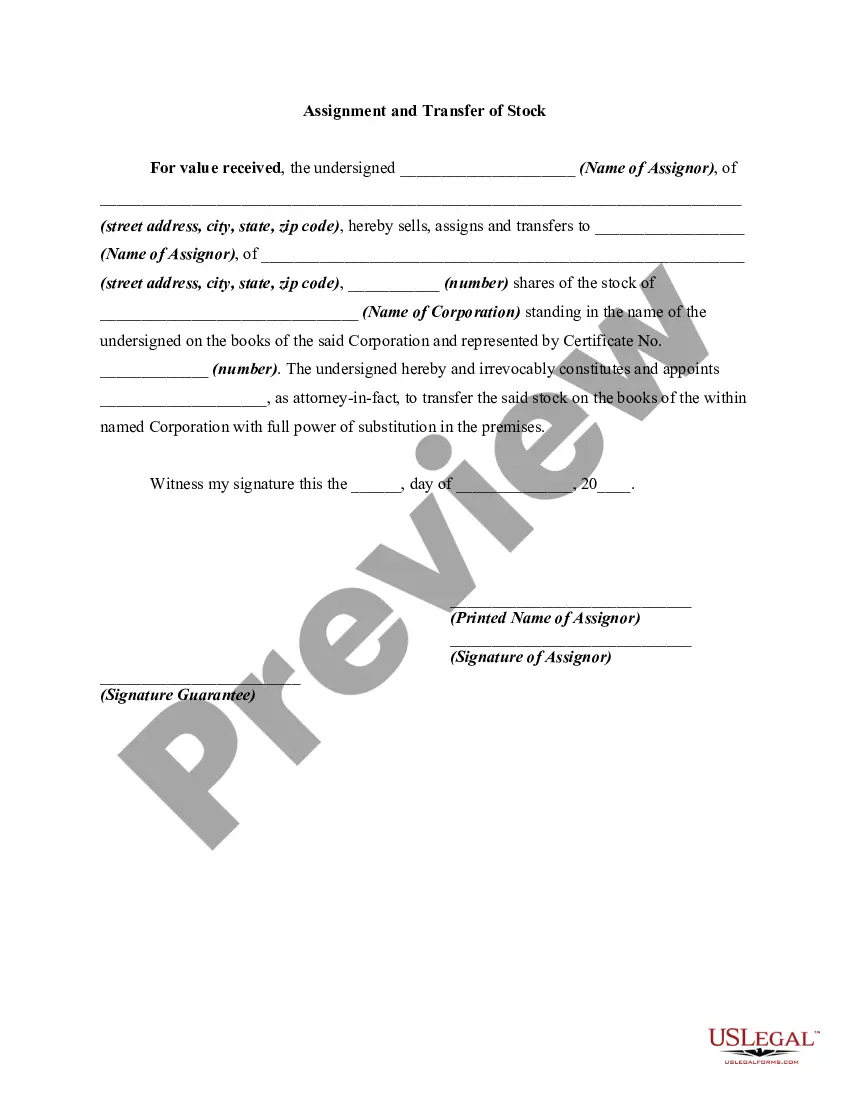
Get your form ready online
Our built-in tools help you complete, sign, share, and store your documents in one place.
Make edits, fill in missing information, and update formatting in US Legal Forms—just like you would in MS Word.
Download a copy, print it, send it by email, or mail it via USPS—whatever works best for your next step.
Sign and collect signatures with our SignNow integration. Send to multiple recipients, set reminders, and more. Go Premium to unlock E-Sign.
If this form requires notarization, complete it online through a secure video call—no need to meet a notary in person or wait for an appointment.
We protect your documents and personal data by following strict security and privacy standards.

Make edits, fill in missing information, and update formatting in US Legal Forms—just like you would in MS Word.

Download a copy, print it, send it by email, or mail it via USPS—whatever works best for your next step.

Sign and collect signatures with our SignNow integration. Send to multiple recipients, set reminders, and more. Go Premium to unlock E-Sign.

If this form requires notarization, complete it online through a secure video call—no need to meet a notary in person or wait for an appointment.

We protect your documents and personal data by following strict security and privacy standards.
Looking for another form?

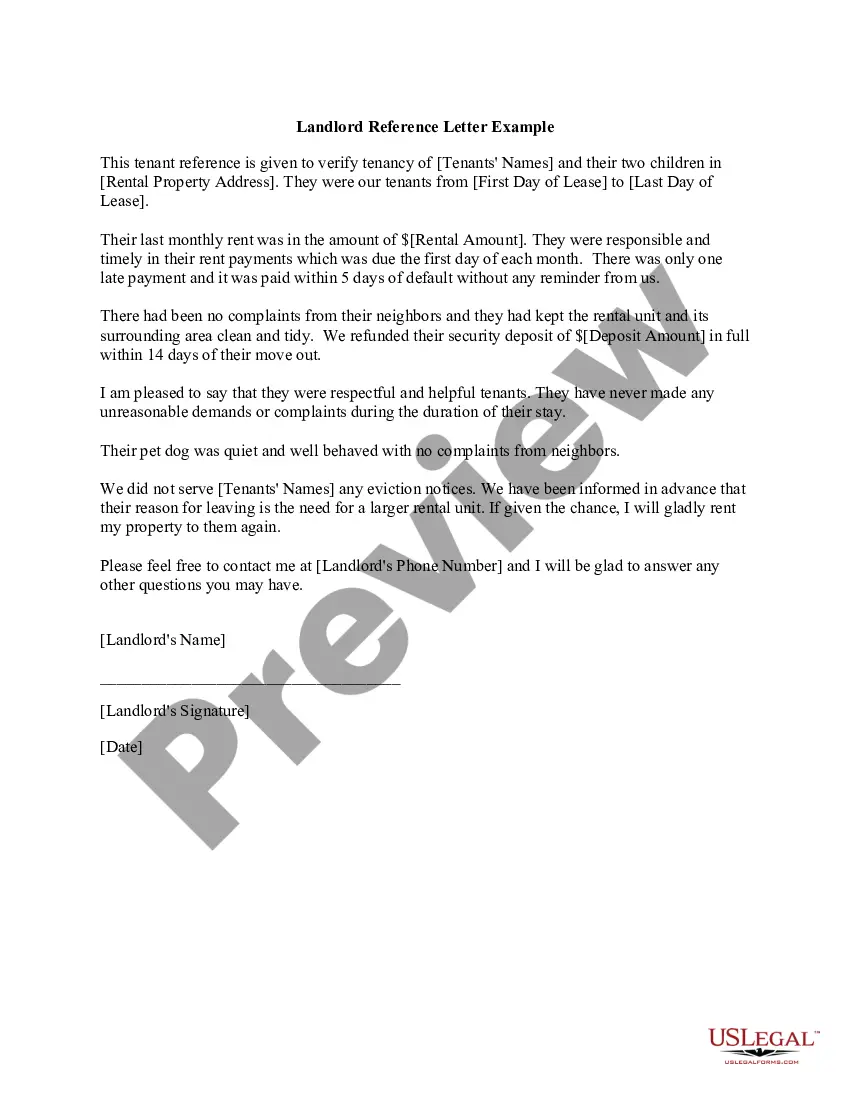





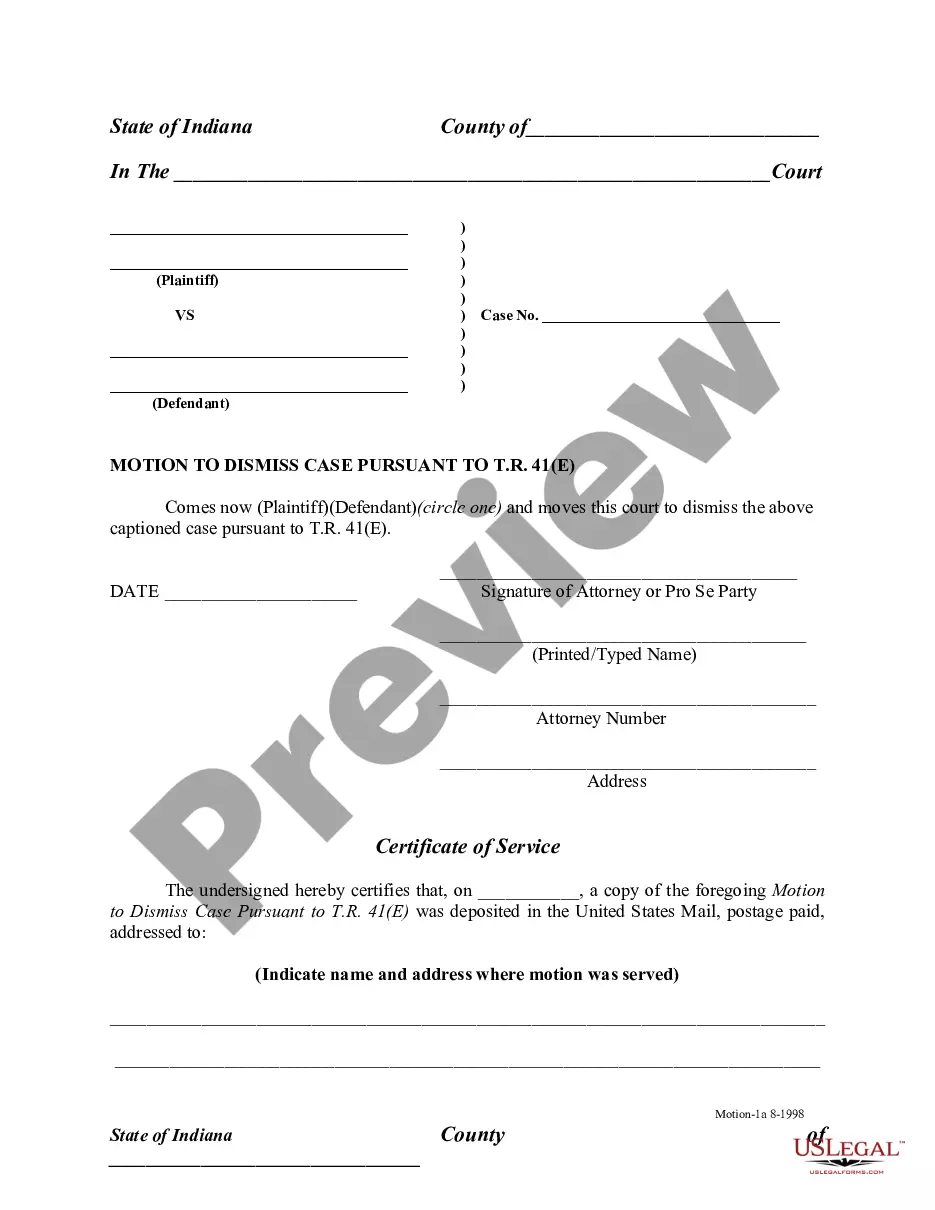
How to fill out Corporation - Transfer Of Stock?
The Transfer Business Name To New Owner you observe on this page is a reusable formal template crafted by professional attorneys in accordance with federal and local laws.
For over 25 years, US Legal Forms has offered individuals, businesses, and legal experts more than 85,000 validated, state-specific documents for any commercial and personal scenario. It’s the fastest, simplest, and most reliable method to acquire the paperwork you require, as the service assures bank-level data protection and anti-malware safeguards.
Select the format you desire for your Transfer Business Name To New Owner (PDF, Word, RTF) and save the document on your device.
- Look for the document you require and verify it.
- Browse through the sample you searched and preview it or examine the form description to confirm it meets your requirements. If it doesn’t, utilize the search feature to find the appropriate one. Click Buy Now when you have found the template you need.
- Register and Log In.
- Select the pricing option that suits you and create an account. Use PayPal or a credit card to make a quick payment. If you already have an account, Log In and check your subscription to continue.
- Acquire the editable template.
Form popularity
FAQ
Yes, you can transfer a business name to another person. To do so, you need to follow the specific legal procedures in your state. This process often involves completing a formal assignment or transfer agreement, and you may need to file paperwork with your state’s business authority. Using a platform like US Legal Forms can simplify the steps to transfer business name to new owner, ensuring you meet all legal requirements efficiently.
The most common way is to sell the business to another person or company. If you own the business along with partners, you may reapportion ownership among the multiple partners. Another way is to gift the business to someone else. You can also transfer ownership through a merger or acquisition.
Sometimes, implementing an estate freeze in order to transfer your business to a family member is the best option. This is because it allows you to avoid any income tax and retain some control over the business through fixed shares.
Under financial regulations, a beneficial owner is considered anyone with a stake of 25% or more in a legal entity or corporation. Beneficial owners can also be considered anyone with a significant role in the management or direction of those entities, or any trusts that own 25% or more of an entity.
Steps when transferring ownership of a corporation: Validation of the owner information; Determination of whether the Shareholders Agreement and the corporate bylaws allow transfer of the shares to the potential buyer; Execution of a share sale purchase agreement, if applicable; Transfer of share certificates.
You simply issue more shares (the same way governments print money). Issuing more shares is what causes the dilution. If you have 100 shares and you want to give someone 10%, you'd have to issue 11 new shares (11/111 x 100 = 10%, approximately).