A Real Estate Sales Contract To Be Enforceable Must
Description
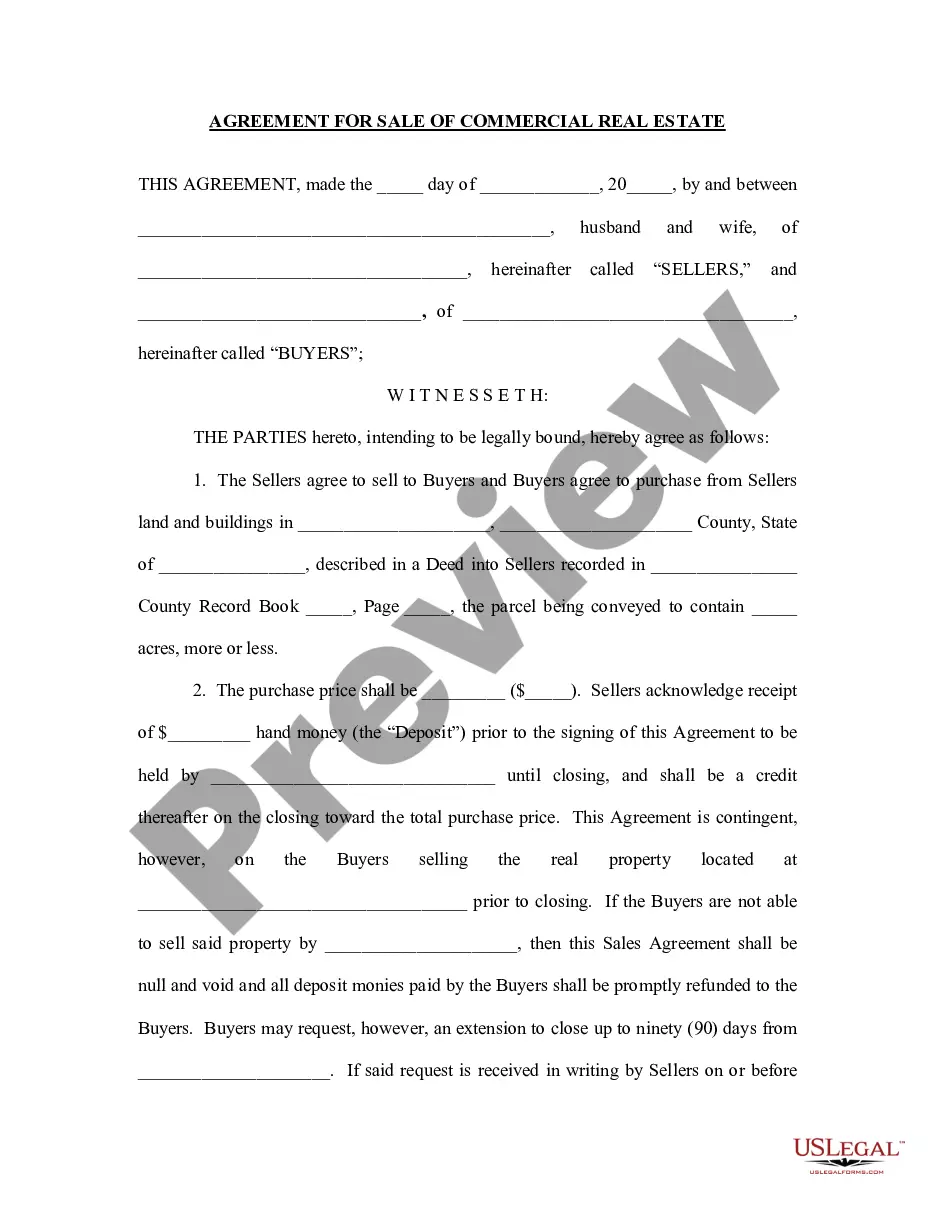
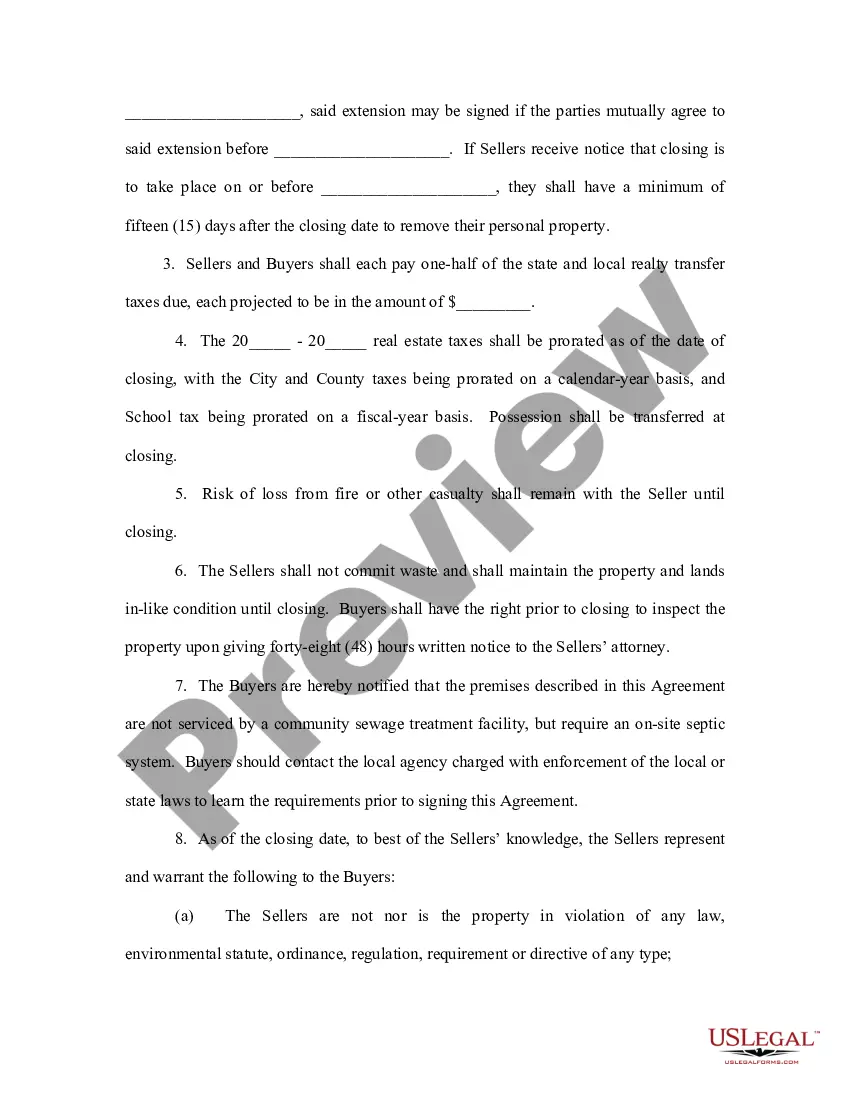
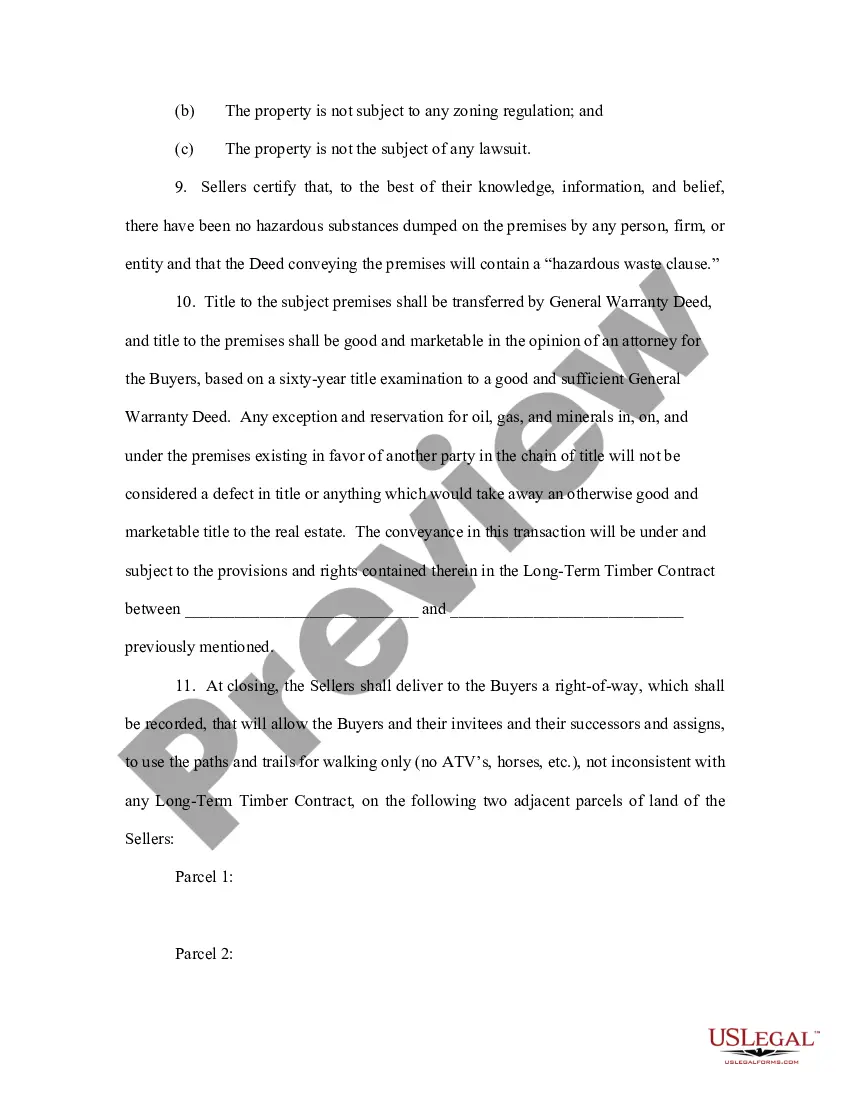
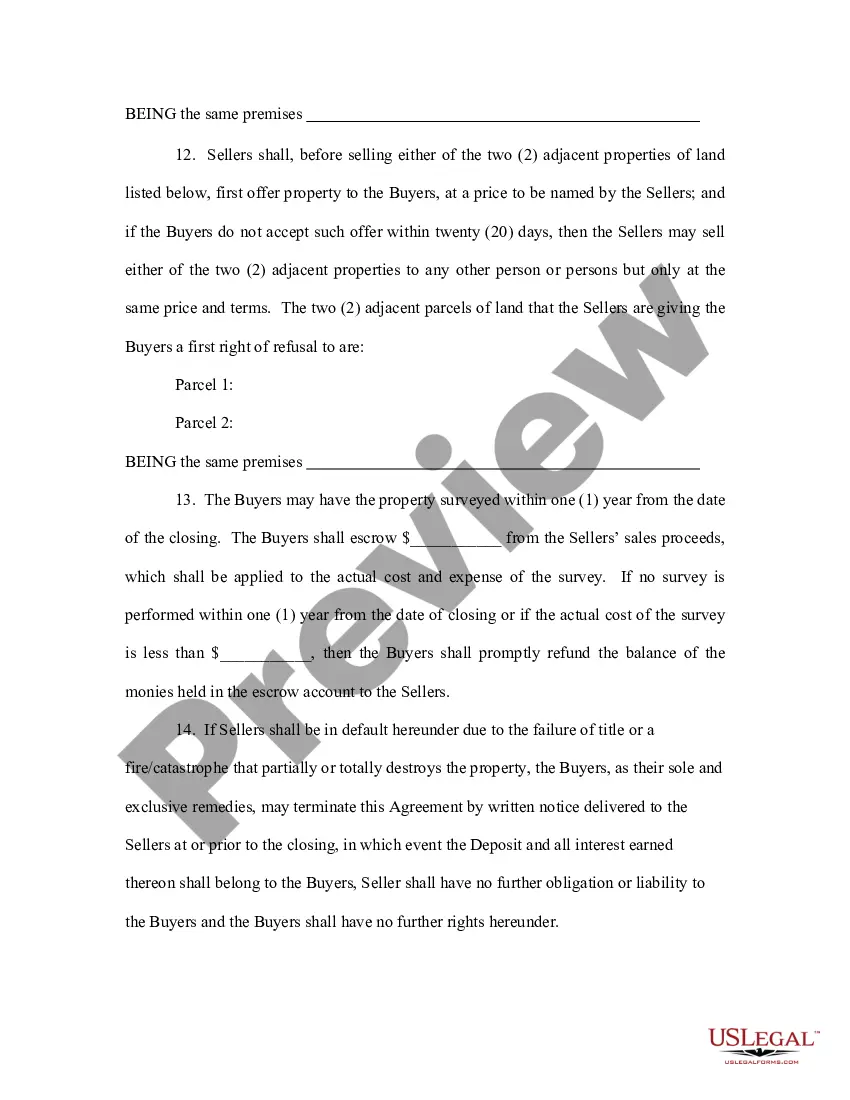
Get your form ready online
Our built-in tools help you complete, sign, share, and store your documents in one place.
Make edits, fill in missing information, and update formatting in US Legal Forms—just like you would in MS Word.
Download a copy, print it, send it by email, or mail it via USPS—whatever works best for your next step.
Sign and collect signatures with our SignNow integration. Send to multiple recipients, set reminders, and more. Go Premium to unlock E-Sign.
If this form requires notarization, complete it online through a secure video call—no need to meet a notary in person or wait for an appointment.
We protect your documents and personal data by following strict security and privacy standards.

Make edits, fill in missing information, and update formatting in US Legal Forms—just like you would in MS Word.

Download a copy, print it, send it by email, or mail it via USPS—whatever works best for your next step.

Sign and collect signatures with our SignNow integration. Send to multiple recipients, set reminders, and more. Go Premium to unlock E-Sign.

If this form requires notarization, complete it online through a secure video call—no need to meet a notary in person or wait for an appointment.

We protect your documents and personal data by following strict security and privacy standards.
Looking for another form?







How to fill out Agreement For Sale Of Commercial Real Estate?
Securing a reliable source for the latest and pertinent legal documents is a significant portion of the challenge associated with navigating administrative processes.
Identifying the appropriate legal paperwork necessitates accuracy and meticulousness, which highlights the importance of obtaining samples of A Real Estate Sales Contract To Be Enforceable Must solely from reputable sources, such as US Legal Forms. An incorrect document template could squander your time and delay the matter at hand.
After acquiring the form on your device, you can edit it using the editor or print it out to complete it by hand. Remove the hassles that come with your legal paperwork. Delve into the comprehensive US Legal Forms library where you can discover legal templates, assess their suitability to your situation, and download them promptly.
- Utilize the library navigation or search tool to locate your document.
- Examine the form’s description to determine if it meets the specifications for your state and locality.
- Check the form preview, if available, to confirm the template aligns with your requirements.
- If A Real Estate Sales Contract To Be Enforceable Must doesn’t align with your needs, continue your search for the right template.
- Once you are confident in the form’s applicability, download it.
- As a registered user, click Log in to verify your identity and access your chosen templates in My documents.
- If you lack an account, click Buy now to purchase the template.
- Choose the pricing option that fits your needs.
- Proceed with the registration to finalize your transaction.
- Finalize your purchase by selecting a payment method (credit card or PayPal).
- Select the document format for downloading A Real Estate Sales Contract To Be Enforceable Must.
Form popularity
FAQ
A real estate sales contract to be enforceable must contain four key requirements. First, there must be an offer that the other party accepts. Second, both parties must intend to create a legal relationship, indicating their commitment to the terms. Third, lawful consideration must be present, meaning something valuable is exchanged. Lastly, each party must have the legal capacity to enter into the contract, ensuring that everyone involved understands the agreement.
A real estate sales contract to be enforceable must meet several essential criteria. First, there must be an offer and acceptance between the parties. Next, the contract needs to have a lawful purpose and involve consideration, which means something of value must be exchanged. Lastly, the parties involved must have the legal capacity to enter into the contract, ensuring that all participants are of sound mind and of legal age.
A legally binding agreement, like a real estate sales contract to be enforceable, must meet specific criteria. First, the parties involved should clearly express their intentions to enter into the agreement. Next, the terms must be clear and precise, delineating the rights and obligations of each party. Furthermore, both parties must have the capacity to agree, and the agreement should not violate any laws, making it valid and enforceable.
For a real estate sales contract to be enforceable, it must include five essential elements: mutual assent, consideration, capacity, legality, and a definite object. Mutual assent means both parties agree to the terms. Consideration involves something of value exchanged between parties. Capacity requires that both parties have the legal ability to contract. Additionally, the contract must adhere to applicable laws, and its purpose must be clearly defined.
For a real estate sales contract to be enforceable, it must meet five essential requirements. These include an offer, acceptance, consideration, capacity, and legality. Each element ensures that the contract is binding and both parties understand their rights and obligations. Using services like US Legal Forms can guide you through meeting these requirements easily, ensuring your contract is solid and enforceable.
A loan contingency clause in a contract defines a condition that must be met or an action that must be taken before a sales agreement becomes binding.
A contract might also be deemed unenforceable if one or both parties misrepresented the facts of the contract, if there is a mistake in the contract, or if the contract violates the law in some way.
Required Elements of a Real Estate Contract To establish legality, a real estate contract must include a legal purpose, legally competent parties, agreement by offer and acceptance, consideration, and consent.
Contingencies are conditions that must be met before the agreement of sale is complete and enforceable. Example A purchase may be contingent for a number of days upon the buyer receiving a loan commitment.
There are five essential elements in a contract which include the following: offer, which is a promise and a demand of some sort; acceptance, which is the agreement to the terms of the offer presented; consideration, which is what is actually presented in exchange for the something in the contract; capacity, which ...