Settlement Agreement For Redundancy
Description
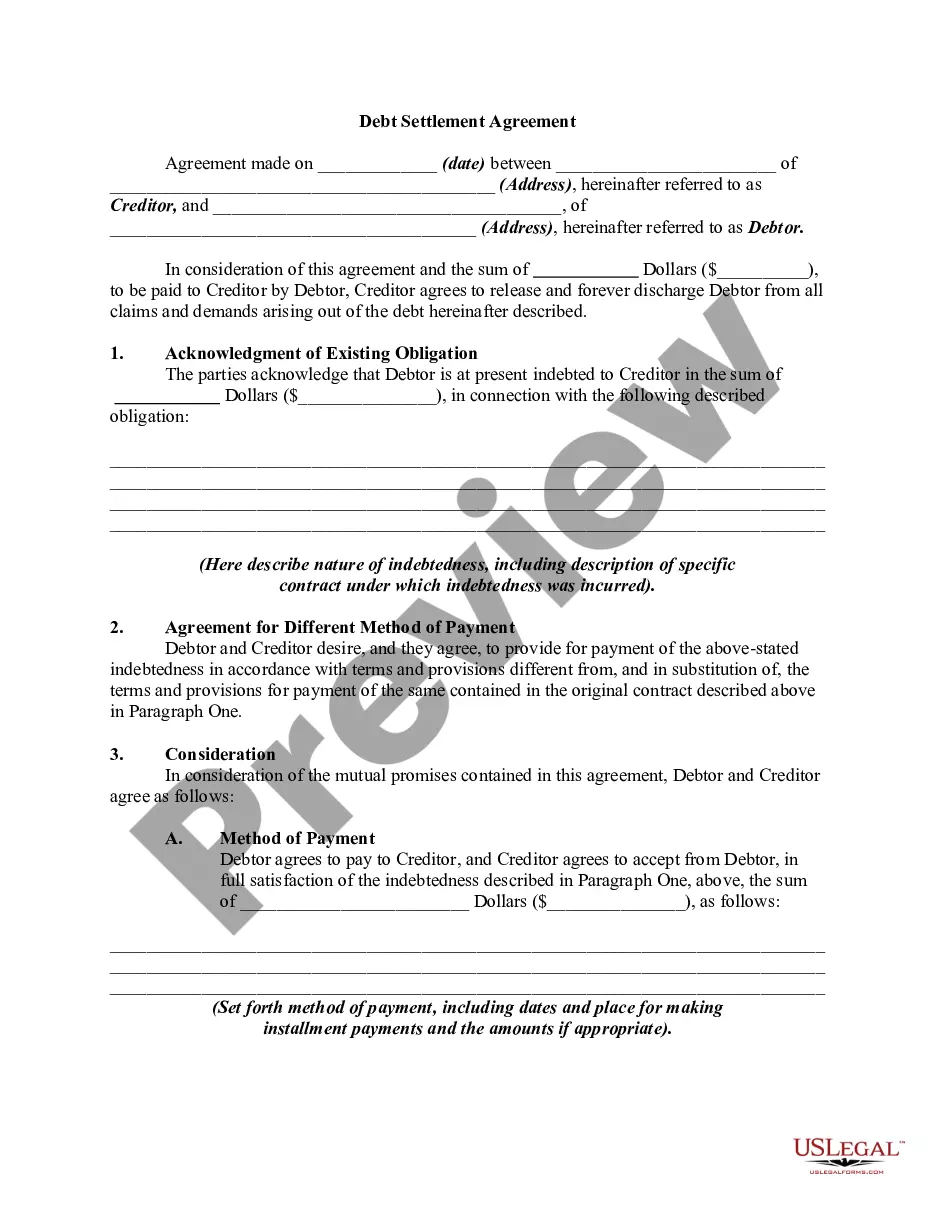
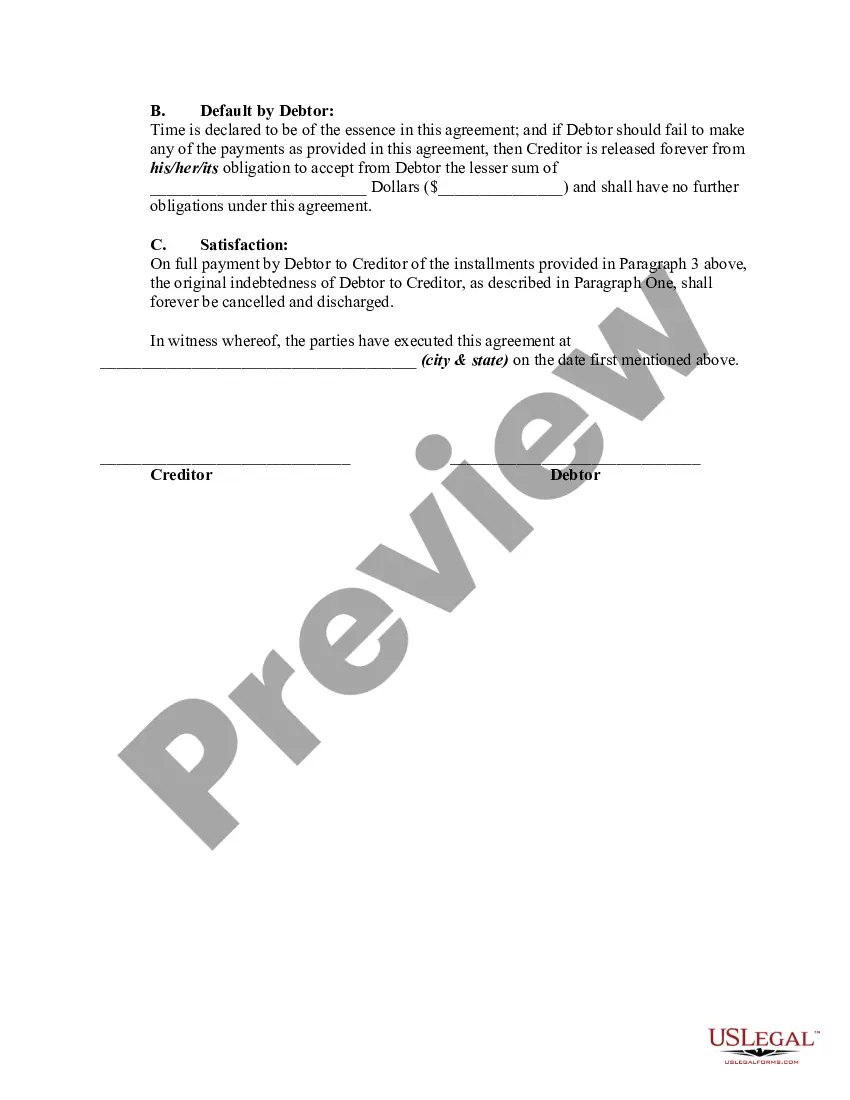
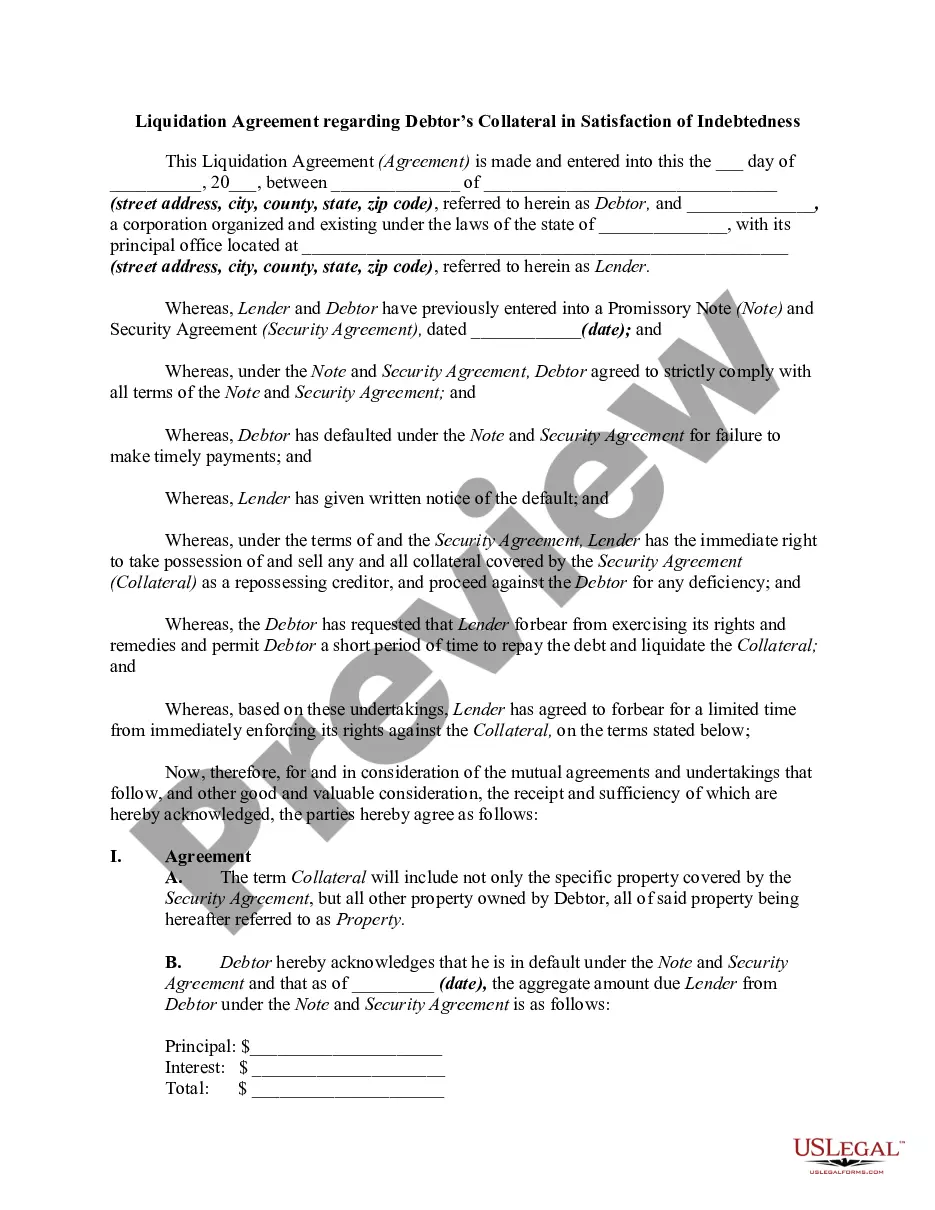
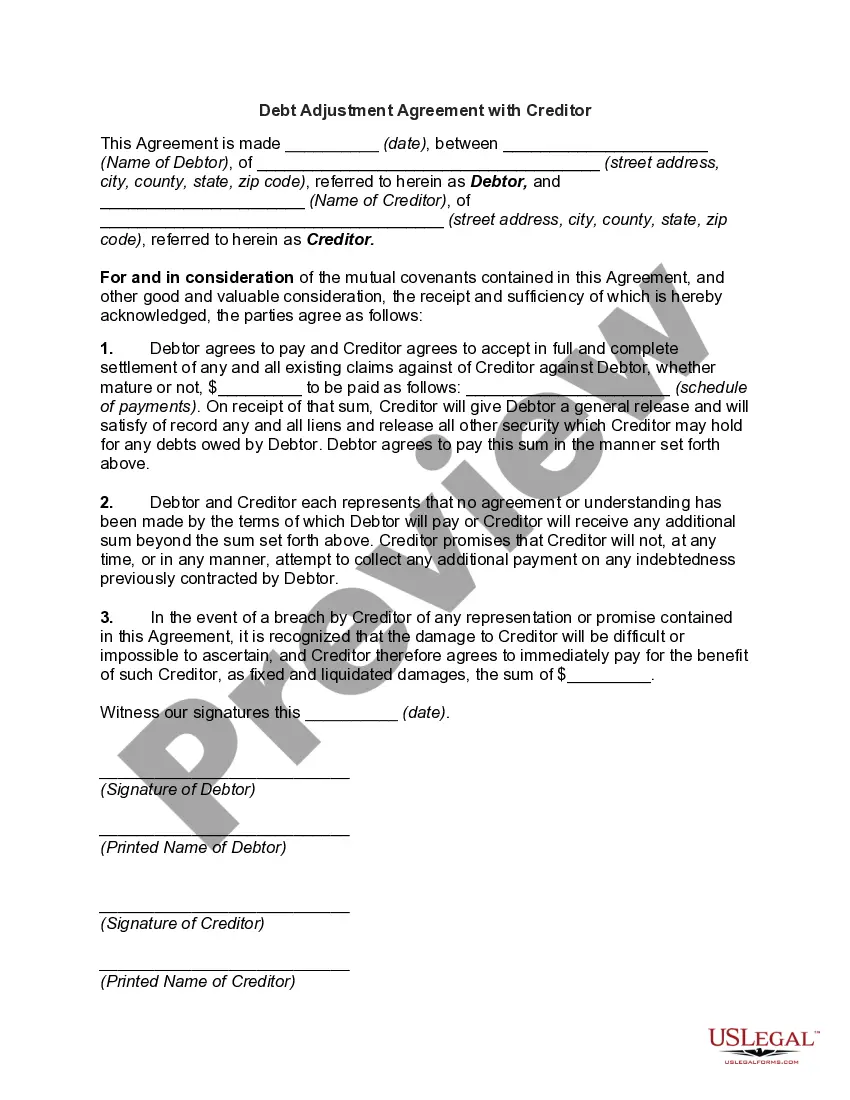
Get your form ready online
Our built-in tools help you complete, sign, share, and store your documents in one place.
Make edits, fill in missing information, and update formatting in US Legal Forms—just like you would in MS Word.
Download a copy, print it, send it by email, or mail it via USPS—whatever works best for your next step.
Sign and collect signatures with our SignNow integration. Send to multiple recipients, set reminders, and more. Go Premium to unlock E-Sign.
If this form requires notarization, complete it online through a secure video call—no need to meet a notary in person or wait for an appointment.
We protect your documents and personal data by following strict security and privacy standards.

Make edits, fill in missing information, and update formatting in US Legal Forms—just like you would in MS Word.

Download a copy, print it, send it by email, or mail it via USPS—whatever works best for your next step.

Sign and collect signatures with our SignNow integration. Send to multiple recipients, set reminders, and more. Go Premium to unlock E-Sign.

If this form requires notarization, complete it online through a secure video call—no need to meet a notary in person or wait for an appointment.

We protect your documents and personal data by following strict security and privacy standards.
Looking for another form?







How to fill out Debt Settlement Agreement?
Properly formulated formal documentation is one of the crucial assurances for preventing complications and legal disputes, but acquiring it without the assistance of an attorney may require time.
Whether you need to swiftly locate a current Settlement Agreement for Redundancy or any other templates for employment, family, or business matters, US Legal Forms is always available to assist.
The process is even easier for current members of the US Legal Forms library. If your subscription is active, you just need to Log In to your account and click the Download button next to the selected document. Furthermore, you can retrieve the Settlement Agreement for Redundancy at any time, as all documents ever accessed on the platform remain available in the My documents section of your profile. Save time and resources on preparing formal documentation. Explore US Legal Forms today!
- Verify that the document is appropriate for your situation and locality by reviewing the description and preview.
- Search for another template (if necessary) using the Search bar in the page header.
- Hit Buy Now when you find the relevant template.
- Choose a pricing plan, Log In to your account, or create a new one.
- Select your preferred payment option to purchase the subscription plan (via a credit card or PayPal).
- Choose PDF or DOCX format for your Settlement Agreement for Redundancy.
- Press Download, then print the template to complete it or upload it to an online editor.
Form popularity
FAQ
It is axiomatic that a settlement agreement requires there to be a meeting of the minds with regard to the terms of the agreement. This meeting of the minds is best effectuated by reducing the agreement to writing. As I noted above, most jurisdictions require settlements to be reduced to writing, for this reason.
Settlement agreements, otherwise known as compromise agreements, are an effective way of resolving disputes between employer and employee. Settlement agreements are mutual, legally binding contracts between the two parties which help settle any claims an employee has against the employer.
Those requirements include:An offer. This is what one party proposes to do, pay, etc.Acceptance.Valid consideration.Mutual assent.A legal purpose.A settlement agreement must also not be "unconscionable." This means that it cannot be illegal, fraudulent, or criminal.
A settlement agreement always includes monetary and/or non-monetary consideration provided to the claimant to settle known claims against the business....Waiver of Certain Claims.Earned wages.Business expense reimbursement.Unemployment insurance.COBRA.Workers' compensation insurance.
Those requirements include:An offer. This is what one party proposes to do, pay, etc.Acceptance.Valid consideration.Mutual assent.A legal purpose.A settlement agreement must also not be "unconscionable." This means that it cannot be illegal, fraudulent, or criminal.
