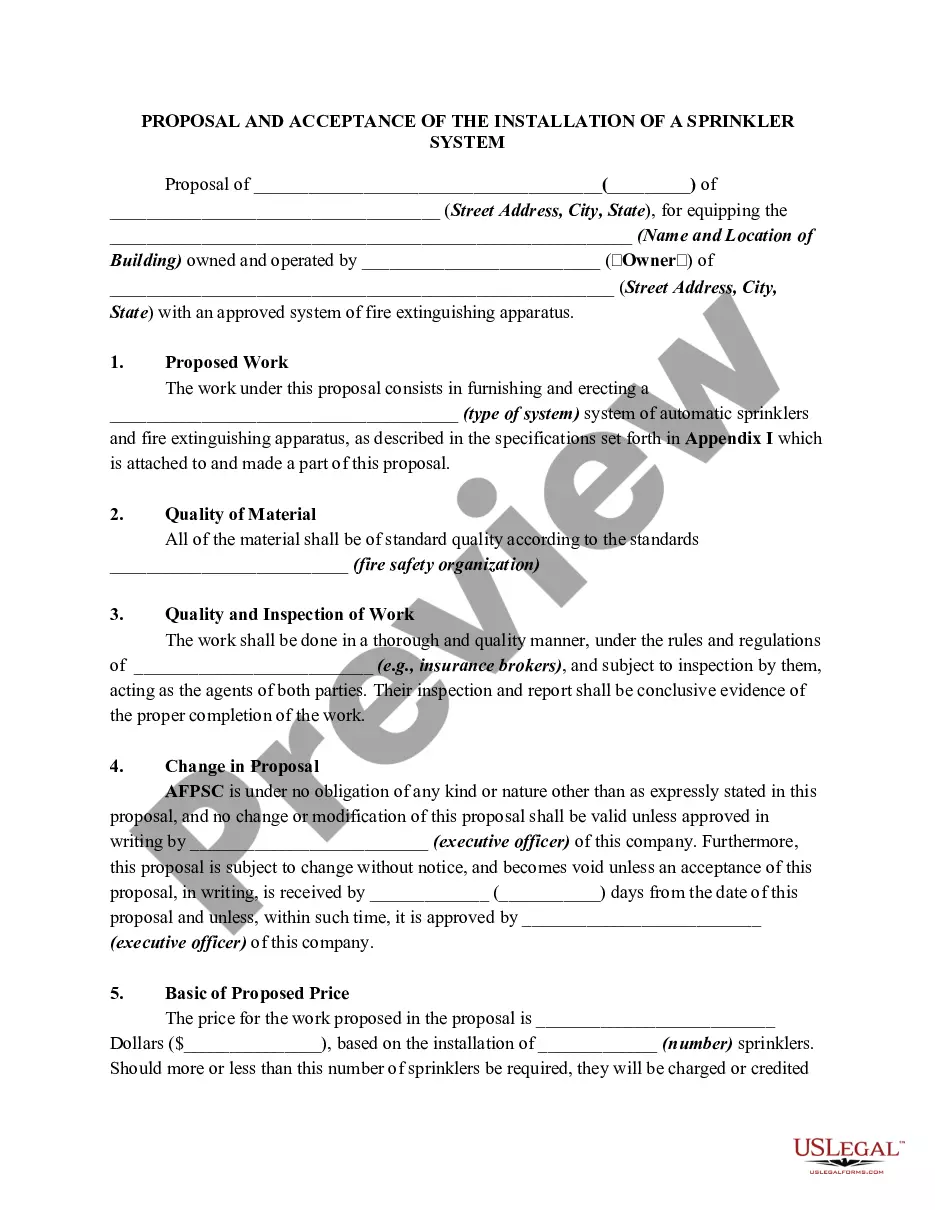
Agreement With Contractor For Construction Of Building In San Bernardino
Description

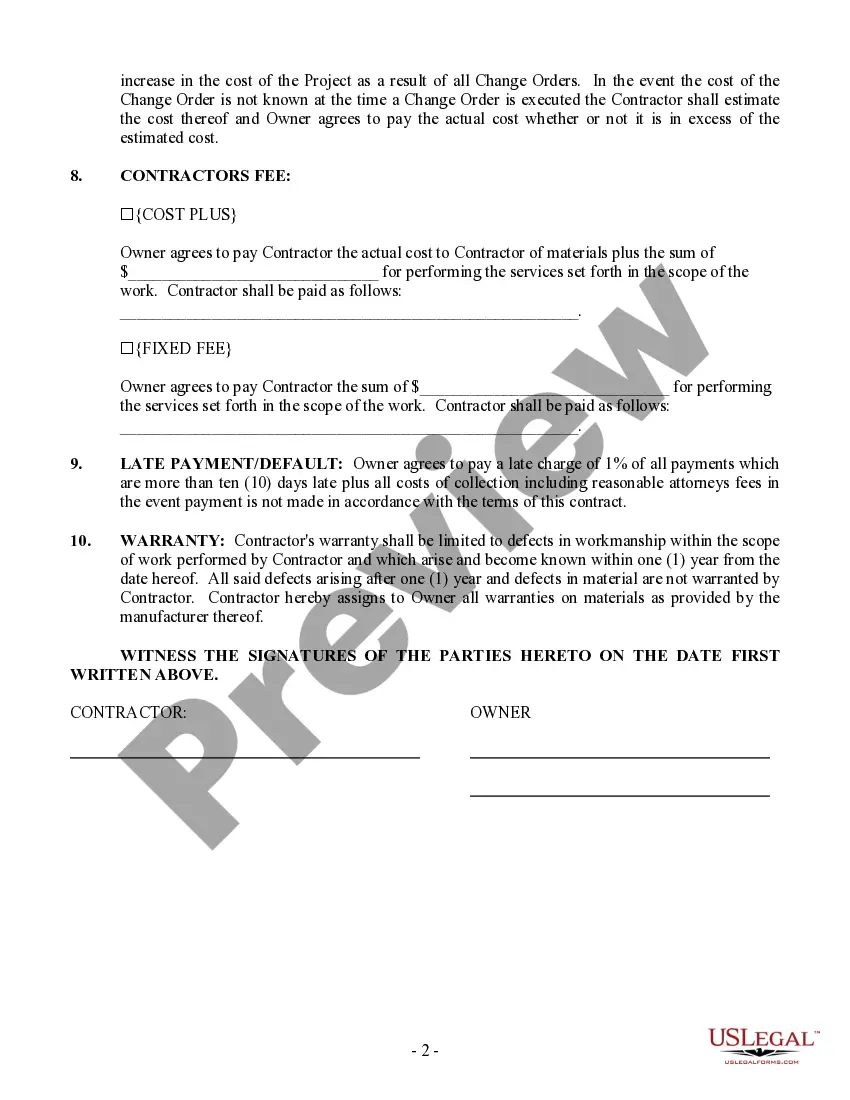
Get your form ready online
Our built-in tools help you complete, sign, share, and store your documents in one place.
Make edits, fill in missing information, and update formatting in US Legal Forms—just like you would in MS Word.
Download a copy, print it, send it by email, or mail it via USPS—whatever works best for your next step.
Sign and collect signatures with our SignNow integration. Send to multiple recipients, set reminders, and more. Go Premium to unlock E-Sign.
If this form requires notarization, complete it online through a secure video call—no need to meet a notary in person or wait for an appointment.
We protect your documents and personal data by following strict security and privacy standards.

Make edits, fill in missing information, and update formatting in US Legal Forms—just like you would in MS Word.

Download a copy, print it, send it by email, or mail it via USPS—whatever works best for your next step.

Sign and collect signatures with our SignNow integration. Send to multiple recipients, set reminders, and more. Go Premium to unlock E-Sign.

If this form requires notarization, complete it online through a secure video call—no need to meet a notary in person or wait for an appointment.

We protect your documents and personal data by following strict security and privacy standards.
Looking for another form?



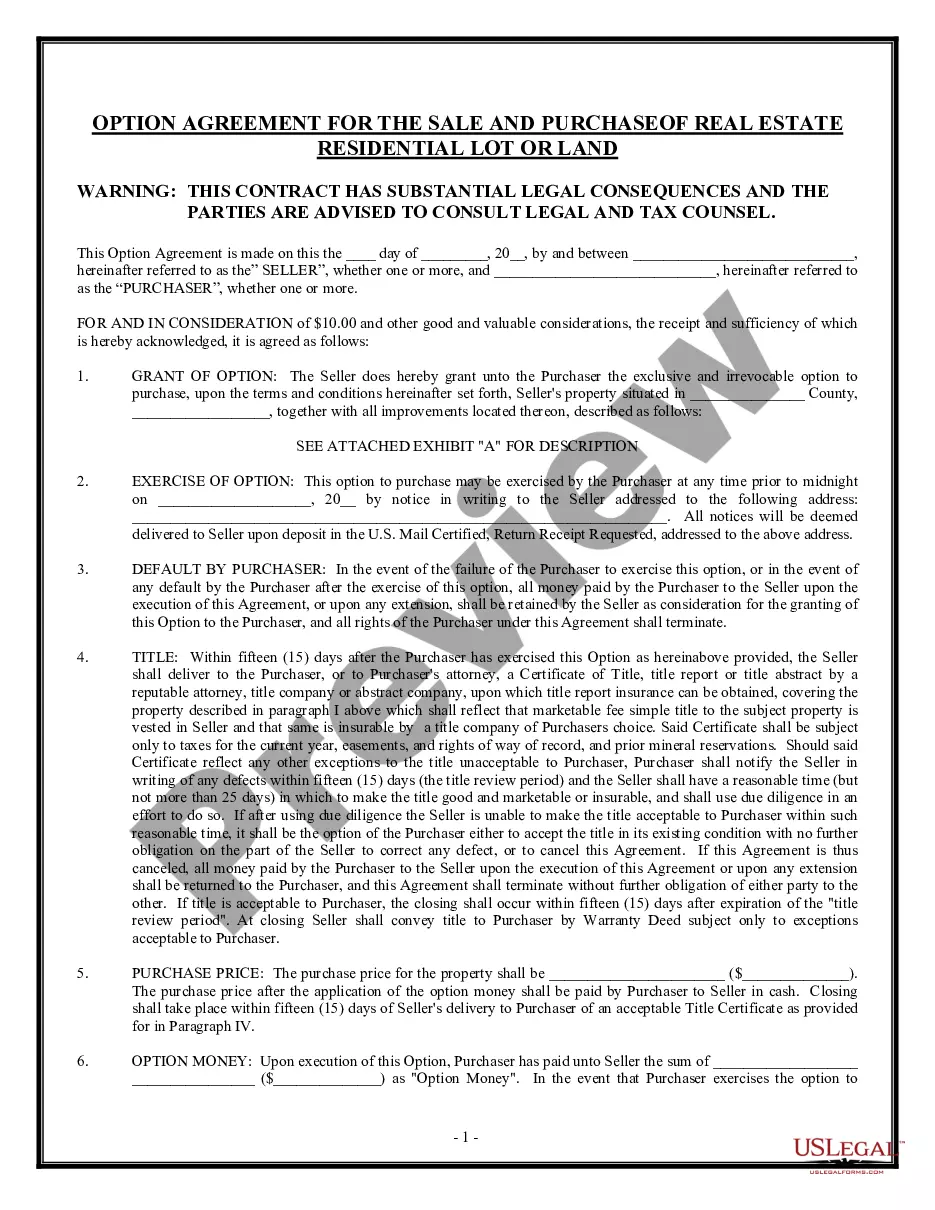
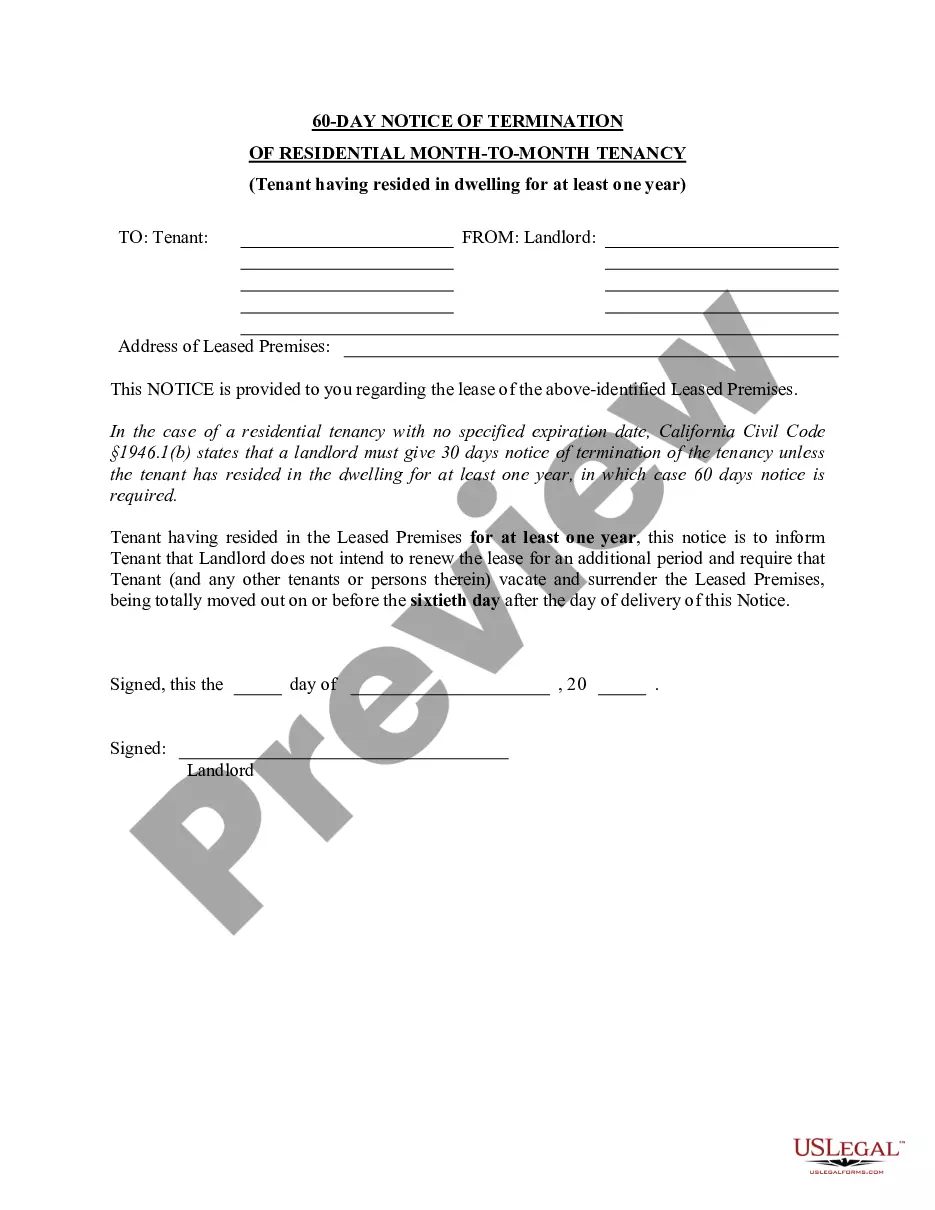



Form popularity
FAQ
PERMITS AND INSPECTIONS ARE REQUIRED FOR THE FOLLOWING: New Attached or Detached Buildings and Structures (Residential and Non-Residential) with a floor area greater than 120 square feet Tenant Improvements. Roof and Ground Mount Solar Installation.
No, you do not need a contractor's license in building your own house. You can do it if you are skilled, but you need a building permit and must be inspected.
Can I pull my permit myself as an owner/builder or do I need a contractor? In California, most construction work is required to be performed by a licensed contractor. In certain instances, the owner of the property may secure a permit as an owner-builder, but there are strict limitations on when this may occur.
In California, you can build your own house without being a licensed contractor, but there are important considerations and regulations to keep in mind: Owner-Builder Permit: California allows property owners to act as their own contractors under the ``owner-builder'' provision.
A: ing to the CSLB, you do NOT need a contractor's license to perform work on your home, so long as you fulfill the following requirements: The work is performed prior to sale of the home. The homeowner resides in the residence for the 12 months prior to completion of the work.
To view a list of permits which have been issued: go to EZ Online Permitting and select “Permits Issued Report” from the “Permits” drop down menu. You are able to search for permits by date range and zip code.
A: ing to the CSLB, you do NOT need a contractor's license to perform work on your home, so long as you fulfill the following requirements: The work is performed prior to sale of the home. The homeowner resides in the residence for the 12 months prior to completion of the work.
In California, you can build your own house without being a licensed contractor, but there are important considerations and regulations to keep in mind: Owner-Builder Permit: California allows property owners to act as their own contractors under the ``owner-builder'' provision.
A legally enforceable contract must include an offer, acceptance, consideration, capacity, legality, and mutual assent.